NoonPost NoonPost

NoonPost

  • Home
  • Politics
  • Economy
  • Society
  • Culture
  • Files
  • Long Reads
  • Podcast
AR
Notification Show More
نون بوست
“There Are Nights I Can’t Close My Eyes”: How Gazans Are Living in Homes on the Brink of Collapse
نون بوست
From al-Jolani to Ahmad al-Shara: The Evolution of Syria’s New Leader
نون بوست
When Political Islam Receded in Egypt: Who Filled the Void?
نون بوست
An Extension of Genocide: Gaza’s Detainees Speak Out
نون بوست
A Tightrope Between Survival and Sovereignty: The Syrian Government Faces Normalization Pressures
نون بوست
American Aircraft Carriers: Has the Era of “100,000 Tons of Diplomacy” Ended?
نون بوست
U.S. Regime‑Change Policies: Why They Are Destined to Fail
نون بوست
Transformations of Israeli Judaism: Between the Victim Complex and the Colonizer’s Doctrine
نون بوست
The Gulf’s Balancing Act: Iran, Israel, and Hidden Links
نون بوست
Iraq–Turkey Oil Export Treaty: Why Did Ankara Cancel It After 52 Years?
نون بوست
Syria’s Northeast on Edge: QSD Between Ankara and Damascus
نون بوست
Has Europe Changed Its Stance on Israel… or Just Its Language?
NoonPost NoonPost
AR
Notification Show More
نون بوست
“There Are Nights I Can’t Close My Eyes”: How Gazans Are Living in Homes on the Brink of Collapse
نون بوست
From al-Jolani to Ahmad al-Shara: The Evolution of Syria’s New Leader
نون بوست
When Political Islam Receded in Egypt: Who Filled the Void?
نون بوست
An Extension of Genocide: Gaza’s Detainees Speak Out
نون بوست
A Tightrope Between Survival and Sovereignty: The Syrian Government Faces Normalization Pressures
نون بوست
American Aircraft Carriers: Has the Era of “100,000 Tons of Diplomacy” Ended?
نون بوست
U.S. Regime‑Change Policies: Why They Are Destined to Fail
نون بوست
Transformations of Israeli Judaism: Between the Victim Complex and the Colonizer’s Doctrine
نون بوست
The Gulf’s Balancing Act: Iran, Israel, and Hidden Links
نون بوست
Iraq–Turkey Oil Export Treaty: Why Did Ankara Cancel It After 52 Years?
نون بوست
Syria’s Northeast on Edge: QSD Between Ankara and Damascus
نون بوست
Has Europe Changed Its Stance on Israel… or Just Its Language?
Follow US

Islands, Bases, and Ports: What the UAE Lost in Yemen in Just One Week

فريق التحرير
Noon Post Published 26 March ,2026
Share
نون بوست
نون بوست
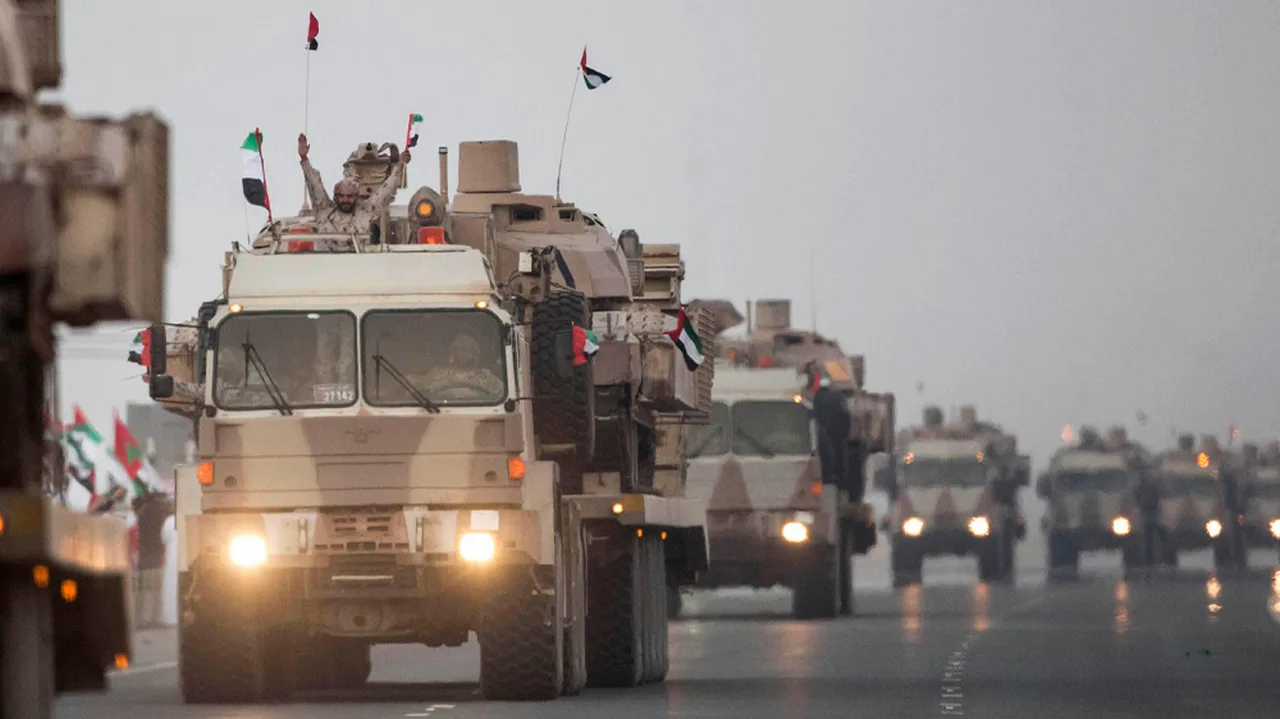
The UAE suffered significant strategic losses in just one week of its rapid withdrawal from Yemen.

At the start of January 2026, the United Arab Emirates was compelled to rapidly dismantle its military presence in Yemen amid an unprecedented rift with its longtime ally, Saudi Arabia.

The Saudis backed the Yemeni government’s demand that the UAE withdraw its forces within 24 hours, after Riyadh accused Abu Dhabi of supporting the Southern Transitional Council’s (STC) rebellion against the legitimate Yemeni state.

Simultaneously, the STC Abu Dhabi’s most prominent local proxy collapsed. The group announced its dissolution and the disbanding of its institutions following the flight of its leader, Aidarous al-Zubaidi, to Abu Dhabi an act the Saudi-led coalition described as a necessary course correction for southern Yemen.

Within just one week of this abrupt exit, Abu Dhabi suffered severe strategic losses across Yemen.

1. The Strategic Socotra Archipelago

Socotra had long been the crown jewel of the UAE’s influence in Yemen, thanks to its unique strategic location in the Indian Ocean near the mouth of the Red Sea.

Abu Dhabi effectively took control of Socotra in 2018 by deploying troops and tanks without the Yemeni government’s approval. Capitalizing on the island’s relative calm far from the frontlines of the war the UAE began turning it into a long-term sphere of influence.

The UAE funded infrastructure and public services projects, linked the island economically to Abu Dhabi through exclusive tourist flights, and integrated Socotra into Emirati telecommunications networks by installing towers that connected the island to UAE-based mobile and internet services.

Military analysts likened Socotra to an “unsinkable aircraft carrier,” offering whoever controls it the ability to monitor and choke key international trade routes through the Bab al-Mandab Strait.

That control was dealt a crushing blow when UAE forces fully withdrew from Socotra in late December 2025, ending their direct military presence and halting flights between the island and Abu Dhabi.

Abu Dhabi also lost its local proxies. The STC militia that had administered the island became isolated and faced mounting Saudi military pressure, despite still having a nominal presence.

Reports indicate that the new authorities have begun dismantling the remnants of Emirati influence removing infrastructure tied to Emirati-sponsored festivals and shutting down UAE-funded tourism and fishing companies.

Crucially, the UAE’s covert military expansion in the rest of the archipelago has also been terminated. The islands of Abd al-Kuri and Samhah where Emirati forces had begun constructing airstrips and military facilities without the government’s knowledge have been fully restored to Yemeni state control.

In effect, Abu Dhabi lost a crucial maritime foothold that had allowed it to monitor the sea lanes between the Indian Ocean and the Red Sea and exert influence over one of the world’s most sensitive commercial corridors.

2. Mayun Island in the Bab al-Mandab

From the volcanic island of Mayun (also known as Perim), located in the Bab al-Mandab Strait, the UAE had positioned itself directly atop one of the world’s most vital maritime shipping lanes.
نون بوست
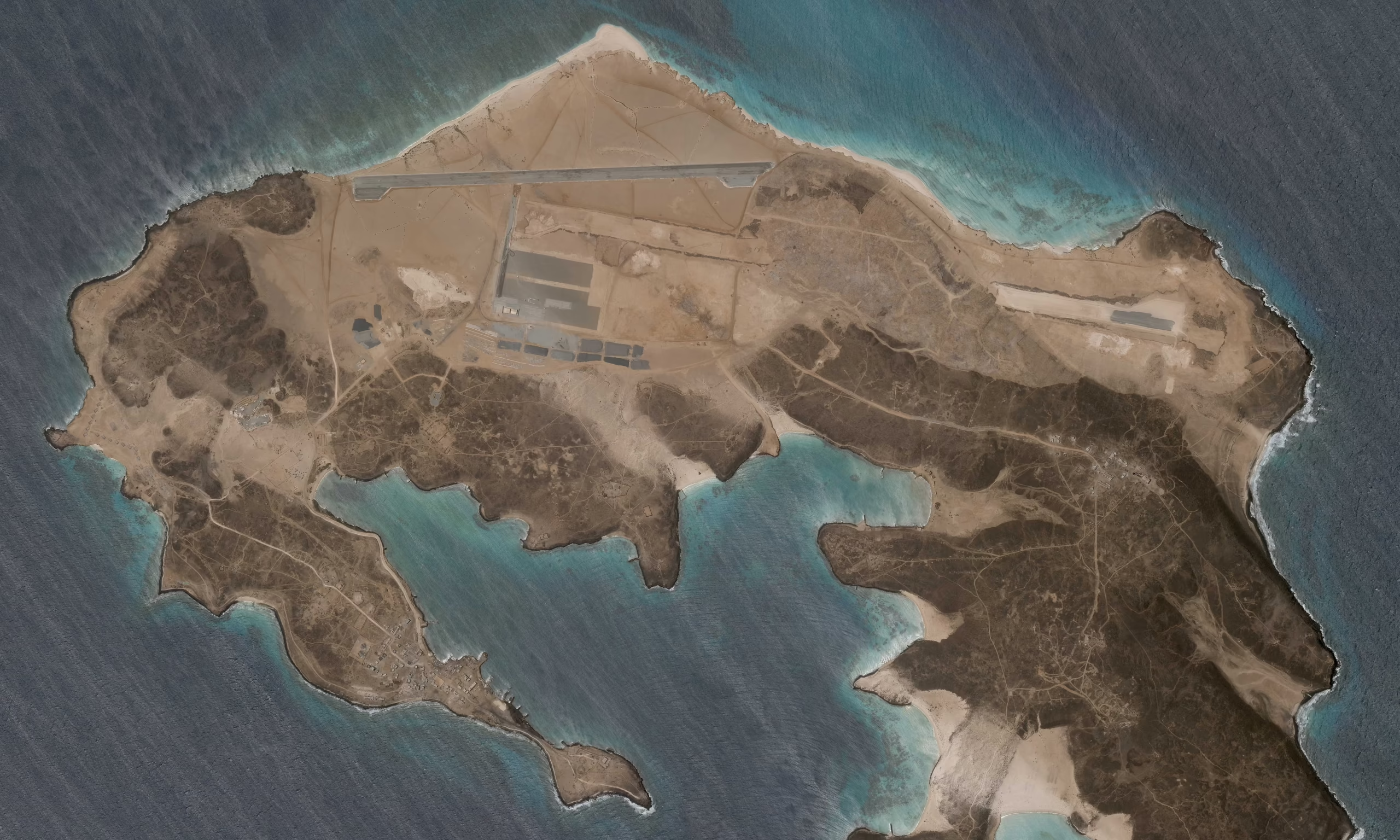
Aircraft hangars and military infrastructure in Mayon were completed in 2021 without anyone claiming responsibility for them.

Although only a few square kilometers in size, Mayun controls maritime traffic between the Red Sea and the Gulf of Aden. Recognizing its strategic value, Abu Dhabi began covert construction of a massive military airstrip stretching the length of the island in 2016.

Satellite imagery from 2021 revealed the completion of an 1,800-meter runway along with aircraft hangars and military infrastructure. Although no country officially claimed the facility, officials from Yemen’s internationally recognized government confirmed the UAE was behind the project. They said Abu Dhabi leveraged its influence within the Saudi-led coalition to complete the base discreetly, even after publicly announcing a troop withdrawal in 2019.

The Mayun airstrip was seen as a major strategic prize, giving the UAE close surveillance and control over Bab al-Mandab, as well as a platform for launching military or intercept operations at will.

With the January 2026 crisis, the UAE’s presence on Mayun came to an end. The emergency withdrawal included all remaining Emirati officers and troops from various sites, including the airbase.

According to Yemeni government sources, full sovereignty over the island was restored immediately after the UAE’s departure. Yemeni Coast Guard and army units, with Saudi backing, took control to prevent any security vacuum.

3. Military Bases and Strategic Sites on Mainland Yemen

Beyond islands, the UAE also lost critical land-based military outposts in Yemen. Key among them:

  • Mocha Port, which had been turned into a closed military base receiving weapons shipments by sea.

  • The city and port of Aden, previously under the control of the UAE-backed STC.

  • Al-Anad Air Base, a historic military installation in southern Yemen that hosted Emirati advisors and personnel.

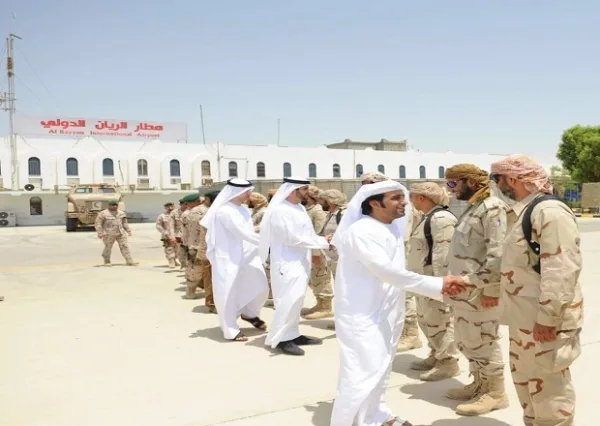
  • The city of Mukalla and Riyan International Airport in Hadhramaut, which the UAE had transformed into a closed military base and operations hub.

  • Balhaf gas facility on the Arabian Sea coast, converted into a military base nearly a decade ago.

4. Scrapping of Economic and Security Agreements

Abu Dhabi’s losses were not limited to military infrastructure. It also lost access to economic and security deals previously brokered in STC-held regions agreements widely seen as undermining Yemen’s sovereignty and national interest. Key among them:
نون بوست
The UAE lost Al-Rayyan International Airport in Hadramawt, which it had converted into an airbase and closed operations center.
  • Telecommunications Deal: A controversial agreement between the state-run AdenNet and UAE-based NX Digital Technology to operate telecom and internet services in government-controlled areas. Parliament strongly objected, describing it as a de facto sale of 70% of southern Yemen’s telecom sector to an obscure firm in exchange for generous tax breaks.

  • Security Agreements: Former deals signed under the pretext of counterterrorism had granted Emirati security agencies sweeping powers to detain Yemenis at international airports. Once leaked, the agreements sparked widespread outrage for violating national sovereignty and civil rights. The recent decision to nullify them marked a reassertion of Yemeni control over its internal security.

  • Qishn Port Contract: A 50-year concession in al-Mahra province to export minerals in exchange for a symbolic fee of just one dollar per square meter annually. The deal was seen as emblematic of exploitative agreements that sidelined Yemen’s economic interests. Following parliamentary review and public protests, it was officially revoked.

  • Oil and Gas Sector Agreements: Multiple contracts proposed or signed by UAE-aligned officials granted Emirati firms preferential rights to operate refineries in Mukalla and other parts of Hadhramaut. One long-term marketing deal would have given a UAE-linked company 35% of Yemen’s oil and gas profits for 50 years an agreement now annulled.

  • Aden Port: Rumors had circulated about Dubai Ports World seeking a new concession for Aden’s port. However, recent developments prompted the government to declare that any opaque agreements regarding the port were void. It affirmed the state’s full control and commitment to developing the port in partnership with international players under terms that safeguard national sovereignty.

The first week of January 2026 marked a turning point bringing an abrupt end to years of Emirati entrenchment in southern Yemen. In just eight days, Abu Dhabi lost what it had spent eight years building, a shift that may recalibrate regional dynamics in the Red Sea and the southern Arabian Peninsula in favor of Yemen’s internationally recognized government and its allies.

Download this article as PDF
Share this Article
Facebook Twitter Whatsapp Whatsapp Telegram Email Copy Link
فريق التحرير
By فريق التحرير تقارير يعدها فريق تحرير نون بوست.
Follow:
Previous Article نون بوست The Leaning Wall: How Mamdani Exposed the Fracture in New York’s Jewish Community
Next Article نون بوست Is Iran Enlisting Iraqi and Lebanese Militias to Quell Protests?

Read More

  • U.S. Regime‑Change Policies: Why They Are Destined to Fail U.S. Regime‑Change Policies: Why They Are Destined to Fail
  • The Gulf’s Balancing Act: Iran, Israel, and Hidden Links
  • Iraq–Turkey Oil Export Treaty: Why Did Ankara Cancel It After 52 Years?
  • Syria’s Northeast on Edge: QSD Between Ankara and Damascus
  • Has Europe Changed Its Stance on Israel… or Just Its Language?
part of the design
NoonPost Weekly Newsletter

You May Also Like

U.S. Regime‑Change Policies: Why They Are Destined to Fail

U.S. Regime‑Change Policies: Why They Are Destined to Fail

إسراء سيد Esraa sayed 8 April ,2026
The Gulf’s Balancing Act: Iran, Israel, and Hidden Links

The Gulf’s Balancing Act: Iran, Israel, and Hidden Links

فريق التحرير Noon Post 8 April ,2026
Iraq–Turkey Oil Export Treaty: Why Did Ankara Cancel It After 52 Years?

Iraq–Turkey Oil Export Treaty: Why Did Ankara Cancel It After 52 Years?

فريق التحرير Noon Post 8 April ,2026

عمر الشريف: نهاية نجم

كليمون غيس
كليمون غيس Published 14 July ,2015
Share
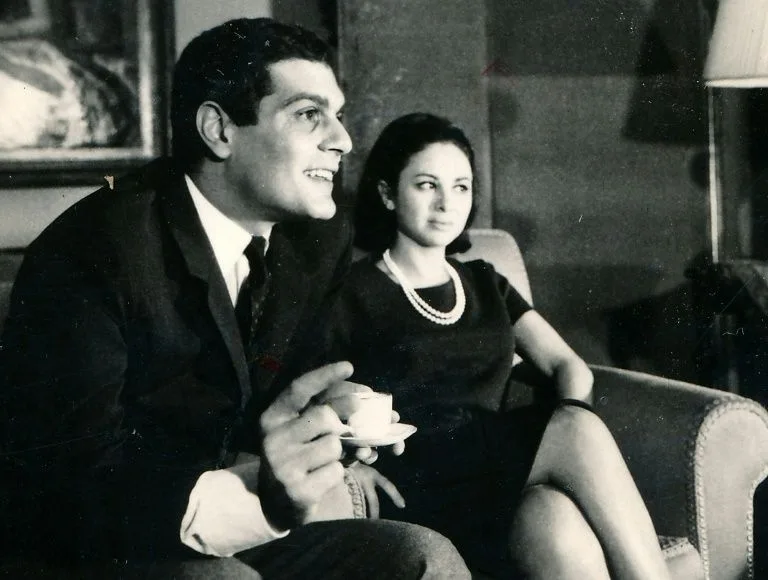
791168-photo-prise-en-1966-et-publiee-par-l-agence-mena-le-18-janvier-2015-montrant-les-acteurs-egyptiens-o

ترجمة من الفرنسية وتحرير نون بوست

اكتسب عمر الشريف شهرة واسعة لدى الجمهور ليس فقط بفضل أفلامه ولكن أيضًا من خلال ظهوره في البرامج التلفزيونية، وتوفي هذا النجم المصري عن سن يناهز 83 سنة يوم الجمعة في القاهرة نتيجة أزمة قلبية، بعد أن كان يعاني من مرض الزهايمر.

منذ فترة طويلة، كان هذا الممثل يعمل لصالح مجلة سباق الأحصنة من خلال مداخلاته التلفزيونية، كما عرف من خلال شعاره: “السباقات، كما تعلمون، هي شغفي الكبير”، هذا الرجل الذي كان محبوبًا لدى النساء، كان مدمنًا على لعب القمار، وفي أغسطس من سنة 2001، أوضح لصحيفة ليبراسيون الفرنسية أنه “كان يقضى فصل الشتاء في نزل الشيراتون في القاهرة وفصل الصيف كان يقضيه في نزل رويال باريير في دوفيل وبضعة أشهر من السنة كان يقضيها في رويال مونسو في باريس، ودائمًا تمر عليه الأيام في نفس الغرفة، ولم يكن يفتح الستائر حتى لمشاهدة الطقس، معلقًا على تصرفاته قائلاً: “ما الفائدة من فتح الستائر ورؤية الطقس، فقد سبق لي رؤية كل المناظر الطبيعية”.

لكن عمر الشريف ظل على الدوام مصريًا، رغم أنه النجم العربي الوحيد المعروف دوليًا، وقد ولد باسم ديمتري ميشال شلهوب في الإسكندرية في عام 1932، من عائلة ثرية من أصل لبناني، وديانته كانت المسيحية، وسبق له أن صرح لمجلة باري ماتش سنة 2010 قائلاً:”عندما كنت طفلاً، كنت أكولاً، حتى أن والدتي خشيت علي من أن أصبح بدينًا، ووضعتني في مدرسة بريطانية معتقدة أن الأغذية الإنجليزية كانت سيئة لدرجة أنني سوف أتوقف عن الأكل بنهم”، ثم بعد أن هاجر إلى مصر انخرط عمر الشريف في المسرح، ثم درس العلوم في القاهرة، وبعد أن قضى فترة من الزمن في شركة العائلة المتخصصة في مجال تجارة الأخشاب، انتقل إلى لندن للدراسة في الأكاديمية الملكية للفنون المسرحية.

لدى عودته إلى مصر في عام 1954، التقى بمخرج شاب يبلغ من العمر 28 سنة، وهو يوسف شاهين، وفي عام 2004، يتذكر هذا المخرج لقاءه مع عمر الشريف حيث قال لصحيفة ليبراسيون: “كان جميلاً جدًا، ومن غير المعقول أن تقع على شاب بهذه الجاذبية في مصر […] ثم أخذ مني صديقتي، فقد وقعت في حب جماله وسيارته الحمراء”، وصديقة يوسف شاهين في هذه الحكاية هي الفنانة فاتن حمامة التي ستصبح أكبر نجوم السينما المصرية، والتي توفيت في يناير الماضي.

تزوج ديمتري ميشال شلهوب بفاتن حمامة، بعد أن اعتنق الإسلام حتى يتمكن من الزواج بها، وأصبح اسمه عمر الشريف، أدى أدوار البطولة في أفلام الواقعية الجديدة: “المياه السوداء” للمخرج يوسف شاهين، و”ميت بين الأحياء” للمخرج صلاح أبو سيف.

في بداية الستينات، لعب ديفيد لين دور لورنس العرب، وقام عمر الشريف بدور الشريف علي، ومثل فيلم لورانس العرب بالنسبة لعمر الشريف نقلة هامة في حياته، فقد حصل على جائزة جولدن جلوب، ورشح لجوائز الأوسكار، لينجذب إلى هوليوود ويغادر مصر عبد الناصر لأنه لا يحب التسلط، وانفصل عن فاتن حمامة “خوفا من عدم القدرة على البقاء وفيًا لها” (لم يتزوج بعدها مرة ثانية).

وقع عمر الشريف عقدًا بسبع سنوات مع شركة كولومبيا، وفي عام 1988، صرح عمر الشريف لصحيفة ليبراسيون: “لدي بنية جسدية لا تنحصر بنوع واحد من الأدوار، بل تصلح لأي دور في هوليود”، وهكذا أعاد ديفيد لين منحه دور دكتور زيفاجو، الطبيب المثالي الذي يبحث عن المرأة التي أحبها في السابق في روسيا، وحقق هذا الفيلم العديد من الجوائز، ست جوائز أوسكار.

في فيلم مايرلينغ، للمخرج تيرينس يونغ، قام بدو الدوق رودولف من هابسبورغ، الذي وقع في حب ماريا فيتسرا (الممثلة الفرنسية كاترين دونوف)، وفي فيلم فتاة مضحكة، مثل مع الممثلة الأمريكية باربرا سترايسند، ولعب دور يهودي داعم لإسرائيل، في نفس الفترة التي جرت فيها حرب الأيام الستة، وهذا جلب له انتقادات كبيرة من قِبل الصحافة المصرية، ما جعله لا يعود إلى القاهرة إلا سنة 1977.

وبعد هذه النجاحات عمل عمر الشريف مع هنري فيرنوي وبليك إدواردز، ولكن عمله لم يكن ملحوظًا، وبدأ نجمه يخفت، وها هو يعترف بكسله قائلاً: “ما يعجبني في التمثيل هو أني لا أهتم بأي شيء”، وبدأ عمر الشريف بلعب القمار بسبب الملل أكثر من أن تكون عاطفة، موضحًا أن الكازينوهات هي الأماكن الوحيدة التي تبقى مفتوحة في الليل، وأصبح قليل الظهور في السينما، ليظهر في عام 2003 في فيلم فرنسي مكّنه من الحصول على جائزة سيزار لأفضل ممثل، وكان آخر ظهور له في السينما سنة 2013، في فيلم للمخرجة المغربية ليلى المراكشي.

مع اختفاء عمر الشريف اختفت حقبة من تاريخ السينما، حيث كان يعبّر عن دوره في السينما قائلاً: “أحببت أن أعيش الحياة التي منحوني إياها”.

المصدر: صحيفة ليبراسيون الفرنسية

TAGGED: السينما المصرية ، وفاة عمر الشريف
Download this article as PDF
Share this Article
Facebook Twitter Whatsapp Whatsapp Telegram Email Copy Link
كليمون غيس
By كليمون غيس صحفي فرنسي يعمل بجريدة ليبراسيون
Follow:
Next Article نون بوست The Stigma of “ISIS”: A Heavy Legacy Haunting Women and Children of Former Members

Read More

  • U.S. Regime‑Change Policies: Why They Are Destined to Fail U.S. Regime‑Change Policies: Why They Are Destined to Fail
  • The Gulf’s Balancing Act: Iran, Israel, and Hidden Links
  • Iraq–Turkey Oil Export Treaty: Why Did Ankara Cancel It After 52 Years?
  • Syria’s Northeast on Edge: QSD Between Ankara and Damascus
  • Has Europe Changed Its Stance on Israel… or Just Its Language?
part of the design
NoonPost Weekly Newsletter

You May Also Like

U.S. Regime‑Change Policies: Why They Are Destined to Fail

U.S. Regime‑Change Policies: Why They Are Destined to Fail

إسراء سيد Esraa sayed 8 April ,2026
The Gulf’s Balancing Act: Iran, Israel, and Hidden Links

The Gulf’s Balancing Act: Iran, Israel, and Hidden Links

فريق التحرير Noon Post 8 April ,2026
Iraq–Turkey Oil Export Treaty: Why Did Ankara Cancel It After 52 Years?

Iraq–Turkey Oil Export Treaty: Why Did Ankara Cancel It After 52 Years?

فريق التحرير Noon Post 8 April ,2026
dark

An independent media platform founded in 2013, rooted in slow journalism, producing in-depth reports, analysis, and multimedia content to offer deeper perspectives on the news, led by a diverse young team from several Arab countries.

  • Politics
  • Society
  • Rights & Liberties
  • Opinions
  • History
  • Sports
  • Education
  • Technology
  • Economy
  • Media
  • Arts & Literature
  • Entrepreneurship
  • Travel
  • Cinema & Drama
  • Food
  • Health
  • Culture
  • Latest Reports
  • Files
  • Long Reads
  • Interviews
  • Podcast
  • Interactive
  • Encyclopedia
  • In Pictures
  • About Us
  • Our Writers
  • Write for Us
  • Editorial Policy
  • Advanced Search
Some rights reserved under a Creative Commons license

Removed from favorites

Undo
Go to mobile version