NoonPost NoonPost

NoonPost

  • Home
  • Politics
  • Economy
  • Society
  • Culture
  • Files
  • Long Reads
  • Podcast
AR
Notification Show More
نون بوست
“There Are Nights I Can’t Close My Eyes”: How Gazans Are Living in Homes on the Brink of Collapse
نون بوست
From al-Jolani to Ahmad al-Shara: The Evolution of Syria’s New Leader
نون بوست
When Political Islam Receded in Egypt: Who Filled the Void?
نون بوست
An Extension of Genocide: Gaza’s Detainees Speak Out
نون بوست
A Tightrope Between Survival and Sovereignty: The Syrian Government Faces Normalization Pressures
نون بوست
American Aircraft Carriers: Has the Era of “100,000 Tons of Diplomacy” Ended?
نون بوست
U.S. Regime‑Change Policies: Why They Are Destined to Fail
نون بوست
Transformations of Israeli Judaism: Between the Victim Complex and the Colonizer’s Doctrine
نون بوست
The Gulf’s Balancing Act: Iran, Israel, and Hidden Links
نون بوست
Iraq–Turkey Oil Export Treaty: Why Did Ankara Cancel It After 52 Years?
نون بوست
Syria’s Northeast on Edge: QSD Between Ankara and Damascus
نون بوست
Has Europe Changed Its Stance on Israel… or Just Its Language?
NoonPost NoonPost
AR
Notification Show More
نون بوست
“There Are Nights I Can’t Close My Eyes”: How Gazans Are Living in Homes on the Brink of Collapse
نون بوست
From al-Jolani to Ahmad al-Shara: The Evolution of Syria’s New Leader
نون بوست
When Political Islam Receded in Egypt: Who Filled the Void?
نون بوست
An Extension of Genocide: Gaza’s Detainees Speak Out
نون بوست
A Tightrope Between Survival and Sovereignty: The Syrian Government Faces Normalization Pressures
نون بوست
American Aircraft Carriers: Has the Era of “100,000 Tons of Diplomacy” Ended?
نون بوست
U.S. Regime‑Change Policies: Why They Are Destined to Fail
نون بوست
Transformations of Israeli Judaism: Between the Victim Complex and the Colonizer’s Doctrine
نون بوست
The Gulf’s Balancing Act: Iran, Israel, and Hidden Links
نون بوست
Iraq–Turkey Oil Export Treaty: Why Did Ankara Cancel It After 52 Years?
نون بوست
Syria’s Northeast on Edge: QSD Between Ankara and Damascus
نون بوست
Has Europe Changed Its Stance on Israel… or Just Its Language?
Follow US

A US-Brokered Joint Mechanism: What Have Syria and Israel Agreed On?

فريق التحرير
Noon Post Published 26 March ,2026
Share
نون بوست
نون بوست

In a development described as the most significant in decades for Syrian-Israeli relations, the United States announced on January 6, 2026, the release of a trilateral statement (American–Israeli–Syrian) outlining practical understandings reached after two days of talks in Paris.

This new agreement, brokered by the United States and attended by high-level Syrian and Israeli delegations, follows a series of secret and public meetings in Baku, Paris, and London. What are the key details of this deal, and what are the prospects for its implementation?

What Did the Agreement Produce?

The negotiations led to an agreement to establish a joint communication mechanism aimed at coordinating security, intelligence, and commercial matters between Syria and Israel under U.S. supervision.

According to the joint statement, the mechanism aims to:

  • Facilitate continuous and immediate coordination on intelligence sharing between the two sides.

  • Coordinate de-escalation measures on the ground to prevent clashes or unintended incidents.

  • Strengthen direct diplomatic communication for the swift resolution of urgent issues.

  • Explore opportunities for future economic and commercial cooperation.

This platform has been dubbed the “Designated Communication Cell,” envisioned as a permanent hotline between the two parties to quickly resolve misunderstandings and prevent on-the-ground tensions from escalating. All parties acknowledge, however, that the path to a final settlement remains long.

Syria’s Position and Conditions

Damascus has not disclosed further details about the broader issues under discussion, but officials both before and after the agreement have consistently emphasized several core points:

  • Following the trilateral statement, a Syrian official told Reuters that Damascus would not begin discussions on any “strategic files” with Israel before agreeing on a clear, binding timeline for the withdrawal of occupation forces from all Syrian territories seized after the fall of Bashar al-Assad’s regime.

  • The latest round of talks in Paris concluded with a Syrian request endorsed by Washington for the United States to propose an initiative to “immediately freeze all Israeli military activity in Syria” during the next phase. The Syrian delegation welcomed the initiative as a step toward creating the conditions for continued dialogue.

  • Prior to the agreement, another Syrian official described the withdrawal demand as a “red line” that cannot be compromised, affirming Syria’s rejection of any attempt to legitimize the new Israeli occupation, either before or after Assad’s fall, particularly with regard to the Golan Heights.

  • In previous rounds, Syria accused Israel of stalling the negotiations by fixating on technical and procedural details to delay discussion of core issues. Damascus called on Tel Aviv to abandon its “expansionist mindset” if it genuinely seeks progress.

These accusations reflect a deep-seated lack of trust on Syria’s part regarding Israel’s intentions. Syrian officials argue that the continued presence of Israeli forces on Syrian soil fuels suspicions that Tel Aviv aims to cement a new status quo rather than withdraw.

President Ahmad al-Sharaa has repeatedly stated his unequivocal rejection of any continued Israeli military presence inside Syria. At the same time, he has expressed a clear desire to avoid direct military confrontation with Israel during this critical transitional phase.

Israeli Ambiguity and Intransigence

While Israel has tentatively agreed to the joint security coordination mechanism as a way to avoid direct conflict, it has not made any commitments regarding a full withdrawal from Syrian territory or an end to its recurring airstrikes.

Israel presents its proposals in the negotiations as “security arrangements,” while Damascus views them as an attempt to legitimize a new on-the-ground reality one involving a buffer zone, demilitarization, and restrictions on the Syrian army’s presence in the south, without any clear commitment to withdrawal.

Prime Minister Benjamin Netanyahu’s government has made clear that its top priority is “ensuring the security of its northern border and preventing threats near the occupied Golan region.”

During the latest Paris talks, the Israeli delegation focused on security issues and promoted the notion of “economic cooperation” as a political incentive.

A statement from Netanyahu’s office noted that discussions included what it described as the need to “protect the Druze community in Syria,” a claim Syrian officials have dismissed as a pretext for entrenching Israeli occupation.

Despite talk of potential economic opportunities, Israel has not shown any clear willingness to fully withdraw to pre-December 2024 lines.

Instead, it insists on creating a demilitarized buffer zone in southern Syria as part of any agreement and is also demanding guarantees to prevent the return of Syrian forces to the area.

The Nature of the American Role

The United States is playing the central mediator role in these talks, seeking to promote regional stability following Syria’s internal transformations.

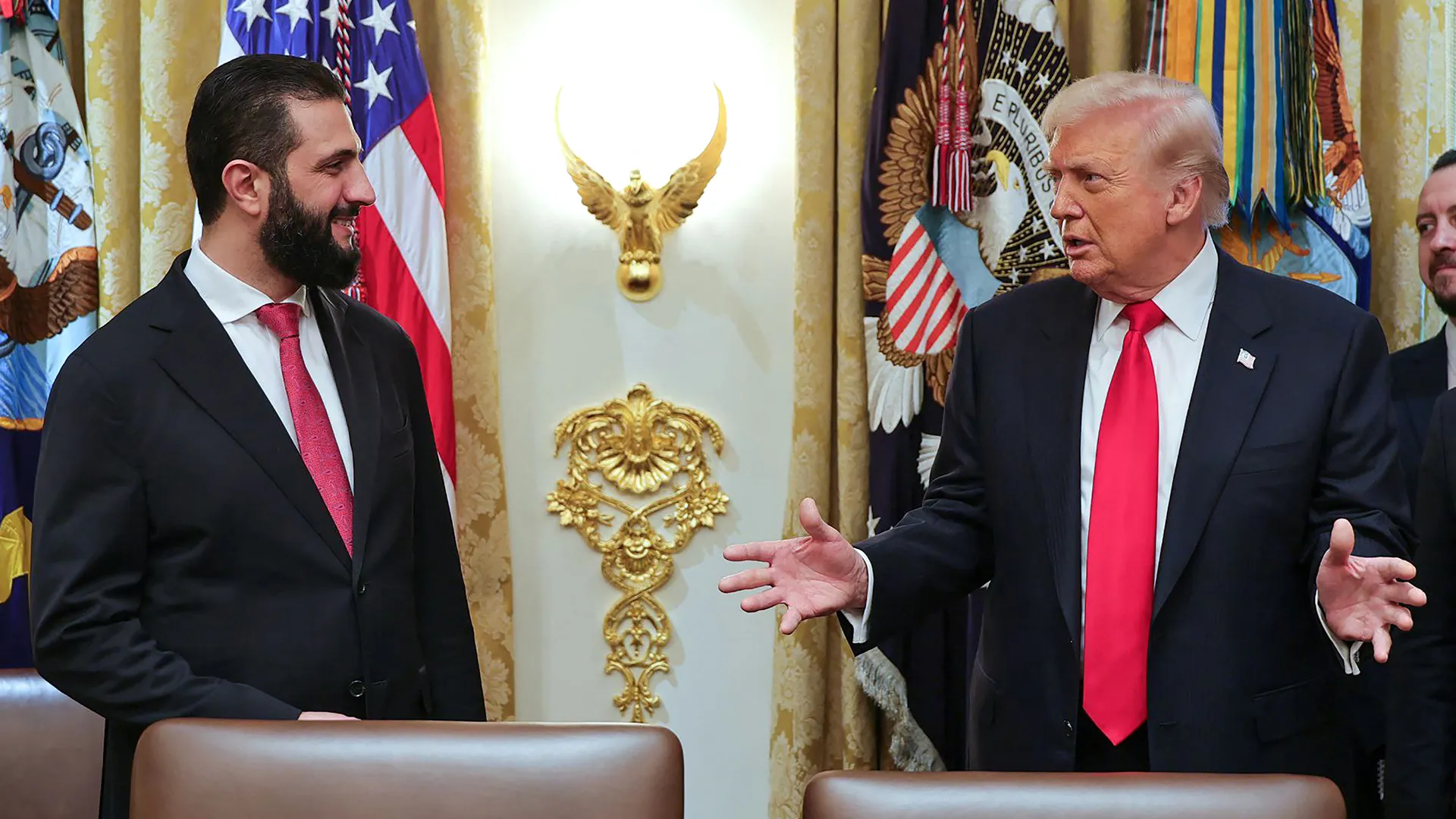
President Donald Trump has publicly expressed support for the al-Sharaa government, viewing it as a key actor in Syria’s reunification process.

As part of this backing, Washington pressured Israel to engage seriously in the negotiations a point highlighted by a late-December 2025 meeting between Trump and Netanyahu in the U.S., during which the American president expressed optimism that “Syria and Israel are close to reaching a security agreement.”

As a result, the pace of negotiations is expected to accelerate this year. In addition to the recent Paris round, intensive regular meetings are expected to be held—possibly in Amman, under U.S. oversight to monitor the work of the joint communication cell and to hash out technical details regarding withdrawal and security arrangements.

Reports suggest that this mechanism may evolve into a permanent coordination center based in the Jordanian capital, tasked with monitoring conditions in southern Syria.

The U.S. has also floated proposals to establish a joint economic zone on both sides of the border, potentially including energy and agriculture projects and even tourist resorts, as part of a broader push toward normalization.

What Are the Prospects?

From the Syrian perspective, the current understandings could serve as a framework for managing tensions rather than resolving them. The most immediate, realistic outcome may be the success of the joint mechanism in defusing security tensions and maintaining stability along the border.

The Jerusalem Post estimates that Netanyahu hopes to present this as a political victory, portraying himself as the architect of robust northern security arrangements. Meanwhile, President al-Sharaa seeks to assert Syrian sovereignty and halt Israeli aggression.

Should the deal lead to a withdrawal to pre-2024 lines, a broader agreement akin to a non-aggression pact or long-term truce could gradually emerge, according to an analysis by Responsible Statecraft, a U.S. foreign policy journal.

The outlet speculates that such a pact could include a temporary delineation of the Golan’s status, whereby Israel retains control over most of the plateau while implicitly recognizing a special status for some areas or villages. This could potentially allow for a symbolic return of some Syrians or joint administration of select sites.

In return, Syria might receive a large incentive package, including Gulf and international funding for reconstruction, the lifting of remaining sanctions, and potentially even formal inclusion in the Abraham Accords normalization framework, Jerusalem Post reports.

Nonetheless, major obstacles remain on the road to a final settlement. Analysts caution that the proposed security agreement is likely to be a temporary measure, aimed at stabilizing the Syrian front without delivering a permanent resolution or comprehensive normalization in the near future.

President al-Sharaa recently emphasized that a security deal “does not equate to full peace or normalization” along the lines of the Abraham Accords. He also reiterated that the fate of the Golan Heights remains a major unresolved issue, calling it a “fundamental matter” that cannot be settled quickly.

Damascus remains adamant about its full sovereignty and the right to reclaim all of its territory, including the Golan, a stance Israel firmly rejects leaving the two sides locked in a prolonged state of neither war nor peace.

Download this article as PDF
Share this Article
Facebook Twitter Whatsapp Whatsapp Telegram Email Copy Link
فريق التحرير
By فريق التحرير تقارير يعدها فريق تحرير نون بوست.
Follow:
Previous Article نون بوست Tunisia: How Exceptional Measures Became the Norm Since 2015
Next Article نون بوست Saudi Borrowing Plan: What It Reveals About the Cost of “Vision 2030”

Read More

  • U.S. Regime‑Change Policies: Why They Are Destined to Fail U.S. Regime‑Change Policies: Why They Are Destined to Fail
  • The Gulf’s Balancing Act: Iran, Israel, and Hidden Links
  • Iraq–Turkey Oil Export Treaty: Why Did Ankara Cancel It After 52 Years?
  • Syria’s Northeast on Edge: QSD Between Ankara and Damascus
  • Has Europe Changed Its Stance on Israel… or Just Its Language?
part of the design
NoonPost Weekly Newsletter

You May Also Like

U.S. Regime‑Change Policies: Why They Are Destined to Fail

U.S. Regime‑Change Policies: Why They Are Destined to Fail

إسراء سيد Esraa sayed 8 April ,2026
The Gulf’s Balancing Act: Iran, Israel, and Hidden Links

The Gulf’s Balancing Act: Iran, Israel, and Hidden Links

فريق التحرير Noon Post 8 April ,2026
Iraq–Turkey Oil Export Treaty: Why Did Ankara Cancel It After 52 Years?

Iraq–Turkey Oil Export Treaty: Why Did Ankara Cancel It After 52 Years?

فريق التحرير Noon Post 8 April ,2026

أشباح الماضي لا تزال في كشمير

فرحان مجاهد
فرحان مجاهد Published 22 July ,2015
Share
92eebdc921e6470d91b820ea1bc6f586_18

ترجمة وتحرير نون بوست

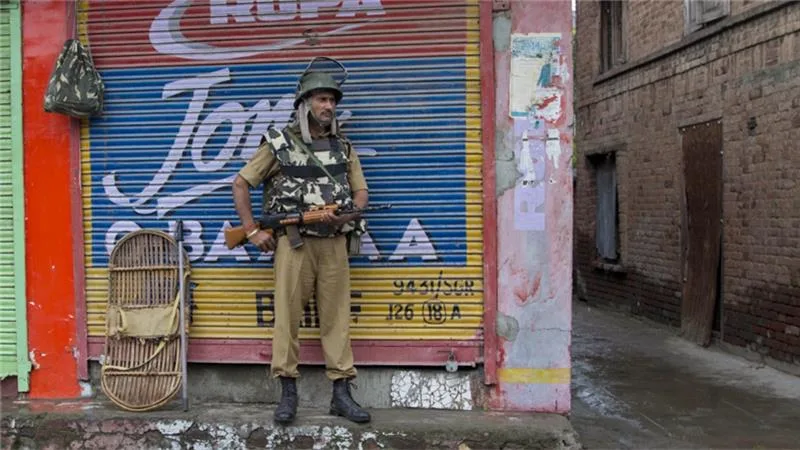
كما هو متوقع، يخيم شبح عودة اندلاع العنف في إقليم كشمير من جديد، فمقتل مدني كشميري آخر، محمد يوسف بهات، في يوم 2 يوليو، يذكرنا بالكراهية المستشرية في إحدى أقدم النزاعات الإقليمية في العالم، ونزع فتيل هذا التهديد يحتاج إلى عناية خاصة، بغية تجنب حرب أخرى في المنطقة، كون شعب كشمير ببساطة غير قادر على تحمل حرب أخرى، ومن هذا المنطلق، علينا ألا نتجاهل التقرير المُجرِّم الأخير لمنظمة العفو الدولية، والذي تمت عنونته بحق “مرفوض: الإخفاقات في المحاسبة على انتهاكات حقوق الإنسان على أيدي أفراد قوات الأمن في جامو وكشمير”، وكما هو واضح من العنوان، ينتقد التقرير القوات المسلحة الهندية بسبب انتهاكاتها الجسيمة لحقوق الإنسان، التي مضت بدون عقاب.

يمثل التقرير تعقيبًا لامعًا يأتي في الوقت المناسب حول موضوع الصراع في كشمير، وقدرة هذا الصراع على تصعيد شبح الحرب النووية، ولكن مع ذلك، وعلى الرغم من دقة التفاصيل التي يتمتع بها التقرير، بيد أنه لم يتناول صلب الموضوع، ألا وهو حق كشمير في تقرير المصير، ومخاطر انتقاص هذا الحق؛ فنظرة واحدة إلى الماضي، تبين لنا أن الكشميريين منذ نقل كشمير إلى سلطة حكم عائلة دوغرا على يد الحكم البريطاني الاستعماري في عام 1846، يناضلون من أجل استقلالهم.

أسياد مصيرهم

بعد تقسيم الإمبراطورية البريطانية لجنوب أسيا في عام 1947، والذي نجم عنه خلق بلدين جديدين هما الهند وباكستان، كان شعب كشمير يقف منتشيًا أمام إمكانية التصويت التي قد تُفتح أمامه، والتي ستخوله إما الانضمام لباكستان، أو للهند، أو الحصول على الاستقلال الكامل، ولكن بدلًا من تحقيق تطلعات الشعب الديمقراطية، تم استبدال الطغاة السابقين بطغاة آخرين، مما أسفر عن عنف قضى على حياة الملايين، وهو الوضع الذي وصفه الروائي الهندي أرونداتي روي بـ”ركلة الوداع” البريطانية لسيادتها السابقة.

في نهاية المطاف، استقطب الوضع في كشمير انتباه مجلس الأمن التابع للأمم المتحدة في يناير من عام 1948، وتم تمرير قرار لإنشاء لجنة خاصة للتحقيق في الصراع، واتباعًا لتوصية اللجنة، أصدر مجلس الأمن الدولي قرارًا آخر في أبريل من العام ذاته، يقضي بجعل كشمير منطقة منزوعة السلاح، ويدعو لتحديد القرار النهائي بالشأن الكشميري من خلال استفتاء تشرف عليه الأمم المتحدة.

ولكن هذه القرارات لم تطبق بتاتًا على أرض الواقع، ونتيجة لحرمانه من حقه في تقرير المصير، دخل الشعب الكشميري في حالة ثورة مزمنة استمرت لعدة عقود، وازداد هذا الوضع تعقيدًا بعد إعدام مقبل بهات في عام 1984، مما أجج على الفور تمردًا في الإقليم، سرعان ما استثار حملة قمع مضادة رهيبة في جميع أنحاء الإقليم في تسعينيات القرن الماضي.

مقاومة الحجارة

منذ تلك اللحظة، تحول النزاع في كشمير إلى شكل من أشكال مقاومة الحجارة الفلسطينية.

أعمال العنف في الإقليم كانت مروعة ورهيبة، والدليل عليها يتمثل بالمقابر الجماعية، واستخدام الاغتصاب كسلاح في الحرب، ومجموع الوفيات الذي وصل وفقًا لتقديرات الحكومة الهندية المحافظة إلى 47.000 شخص في العقدين الماضيين، علمًا أن المنظمات غير الحكومية في كشمير تشير إلى أن عدد إجمالي الوفيات يناهز الـ100.000 شخص.

لا يوجد أدنى شك بأن تجاهل احتمال نشوب تمرد في كشمير هو عمل خطير وغير مسؤول، كون التهديد باندلاع الأعمال العدائية والتصعيد السريع لعدم الاستقرار، هو خطر داهم وقائم بشكل دائم بين هذه الجماعات الإقليمية، حيث أدى هذا الصراع على طول العقود الماضية إلى اندلاع ثلاثة حروب بين الهند وباكستان، كما أوصل البلدين إلى حافة حرب نووية كارثية؛ لذا، وبغية إنقاذ المنطقة من الانغماس الكلي في حالة من الفوضى، يجب التوصل إلى حل نهائي لقضية كشمير.

حاليًا، أصبح مفهوم السلام يلقى صدى كبيرًا لدى بعض كبار المسؤولين في الحكومة الأمريكية، حيث ناقش هؤلاء مسارات الحل السلمي مع المعنيين في قضية كشمير خلال الفترة الماضية، كما أن الرئيس الأمريكي باراك أوباما ذاته، أعرب عن هذه الآراء ضمن حملته الرئاسية مشيرًا إلى أن أمريكا “ستواصل دعم الجهود الباكستانية – الهندية الجارية لحل مشكلة كشمير بغية معالجة الجذور السياسية لسباق التسلح بين الهند وباكستان”.

الانهيار تحت طغيان المتطرفين

وزير الخارجية البريطاني السابق ديفيد ميليباند كان أكثر وضوحًا ومباشرة من الرئيس الأمريكي عندما كتب “أفضل ترياق للتهديد الإرهابي على المدى الطويل هو التعاون، ورغم أنني أفهم الصعوبات الحالية التي قد تنجم عن ذلك، بيد أن حل النزاع حول كشمير سيساعد على حرمان المتطرفين من المنطقة الأولى والأساسية التي يدعون فيها للسلاح، وسيسمح للسلطات الباكستانية بالتركيز بشكل أكثر فعالية على مواجهة الخطر على حدودها الغربية”.

في الوقت الحاضر، تطرح مشكلة عدم القدرة على التنبؤ بتصرفات المتطرفين في باكستان تحديًا خطيرًا، فلا شيء سيكون أشد دمارًا وكارثية من انهيار باكستان تحت وطأة طغيان المتطرفين؛ فعلى الرغم من التزام الحكومة الباكستانية بإنهاء آفة الإرهاب التي تؤثر عليها، بيد أن جهودها في هذا المسعى يجب أن يتم دعمها دوليًا، وأفضل طريقة للقيام بذلك هي المضي قدمًا وإلزام جميع الأطراف لوضع خارطة طريق نحو السلام.

لا مندوحة من القول بأن الطريق لمكافحة الجماعات الإرهابية المتطرفة العالمية يمر عبر كشمير، كون هذا النزاع هو سبب رئيسي للتطرف، وإيجاد الحل المستدام له سيشكل ضربة قاصمة تشل قدرة بعض الجماعات المتطرفة على تجنيد أتباع لها في المنطقة، ولكن إذا لم يتحقق العزم الدولي في هذا الشأن عن طريق العمل الحازم والتدابير الملموسة على أرض الواقع، فإن معارضي السلام سيكتسبون مراكزًا أشد رسوخًا وصلابة في مهمتهم الساعية للدمار.

المصدر: الجزيرة الإنجليزية

TAGGED: الصراع في كشمير ، العلاقات الباكستانية الهندية ، كشمير
Download this article as PDF
Share this Article
Facebook Twitter Whatsapp Whatsapp Telegram Email Copy Link
فرحان مجاهد
By فرحان مجاهد أستاذ مساعد في الشؤون الدولية بجامعة قطر
Follow:
Next Article نون بوست The Stigma of “ISIS”: A Heavy Legacy Haunting Women and Children of Former Members

Read More

  • U.S. Regime‑Change Policies: Why They Are Destined to Fail U.S. Regime‑Change Policies: Why They Are Destined to Fail
  • The Gulf’s Balancing Act: Iran, Israel, and Hidden Links
  • Iraq–Turkey Oil Export Treaty: Why Did Ankara Cancel It After 52 Years?
  • Syria’s Northeast on Edge: QSD Between Ankara and Damascus
  • Has Europe Changed Its Stance on Israel… or Just Its Language?
part of the design
NoonPost Weekly Newsletter

You May Also Like

U.S. Regime‑Change Policies: Why They Are Destined to Fail

U.S. Regime‑Change Policies: Why They Are Destined to Fail

إسراء سيد Esraa sayed 8 April ,2026
The Gulf’s Balancing Act: Iran, Israel, and Hidden Links

The Gulf’s Balancing Act: Iran, Israel, and Hidden Links

فريق التحرير Noon Post 8 April ,2026
Iraq–Turkey Oil Export Treaty: Why Did Ankara Cancel It After 52 Years?

Iraq–Turkey Oil Export Treaty: Why Did Ankara Cancel It After 52 Years?

فريق التحرير Noon Post 8 April ,2026
dark

An independent media platform founded in 2013, rooted in slow journalism, producing in-depth reports, analysis, and multimedia content to offer deeper perspectives on the news, led by a diverse young team from several Arab countries.

  • Politics
  • Society
  • Rights & Liberties
  • Opinions
  • History
  • Sports
  • Education
  • Technology
  • Economy
  • Media
  • Arts & Literature
  • Entrepreneurship
  • Travel
  • Cinema & Drama
  • Food
  • Health
  • Culture
  • Latest Reports
  • Files
  • Long Reads
  • Interviews
  • Podcast
  • Interactive
  • Encyclopedia
  • In Pictures
  • About Us
  • Our Writers
  • Write for Us
  • Editorial Policy
  • Advanced Search
Some rights reserved under a Creative Commons license

Removed from favorites

Undo
Go to mobile version