NoonPost NoonPost

NoonPost

  • Home
  • Politics
  • Economy
  • Society
  • Culture
  • Files
  • Long Reads
  • Podcast
AR
Notification Show More
نون بوست
“There Are Nights I Can’t Close My Eyes”: How Gazans Are Living in Homes on the Brink of Collapse
نون بوست
From al-Jolani to Ahmad al-Shara: The Evolution of Syria’s New Leader
نون بوست
When Political Islam Receded in Egypt: Who Filled the Void?
نون بوست
An Extension of Genocide: Gaza’s Detainees Speak Out
نون بوست
A Tightrope Between Survival and Sovereignty: The Syrian Government Faces Normalization Pressures
نون بوست
American Aircraft Carriers: Has the Era of “100,000 Tons of Diplomacy” Ended?
نون بوست
U.S. Regime‑Change Policies: Why They Are Destined to Fail
نون بوست
Transformations of Israeli Judaism: Between the Victim Complex and the Colonizer’s Doctrine
نون بوست
The Gulf’s Balancing Act: Iran, Israel, and Hidden Links
نون بوست
Iraq–Turkey Oil Export Treaty: Why Did Ankara Cancel It After 52 Years?
نون بوست
Syria’s Northeast on Edge: QSD Between Ankara and Damascus
نون بوست
Has Europe Changed Its Stance on Israel… or Just Its Language?
NoonPost NoonPost
AR
Notification Show More
نون بوست
“There Are Nights I Can’t Close My Eyes”: How Gazans Are Living in Homes on the Brink of Collapse
نون بوست
From al-Jolani to Ahmad al-Shara: The Evolution of Syria’s New Leader
نون بوست
When Political Islam Receded in Egypt: Who Filled the Void?
نون بوست
An Extension of Genocide: Gaza’s Detainees Speak Out
نون بوست
A Tightrope Between Survival and Sovereignty: The Syrian Government Faces Normalization Pressures
نون بوست
American Aircraft Carriers: Has the Era of “100,000 Tons of Diplomacy” Ended?
نون بوست
U.S. Regime‑Change Policies: Why They Are Destined to Fail
نون بوست
Transformations of Israeli Judaism: Between the Victim Complex and the Colonizer’s Doctrine
نون بوست
The Gulf’s Balancing Act: Iran, Israel, and Hidden Links
نون بوست
Iraq–Turkey Oil Export Treaty: Why Did Ankara Cancel It After 52 Years?
نون بوست
Syria’s Northeast on Edge: QSD Between Ankara and Damascus
نون بوست
Has Europe Changed Its Stance on Israel… or Just Its Language?
Follow US

Venezuela’s Crisis: How It Impacts Middle Eastern Oil Producers

فريق التحرير
Noon Post Published 26 March ,2026
Share
نون بوست
نون بوست

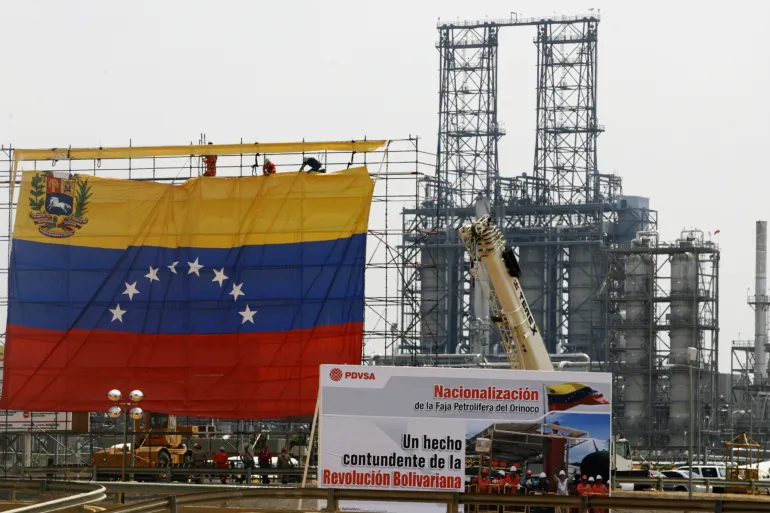
The recent developments in Venezuela carry complex ramifications for Arab oil-producing countries, following former US President Donald Trump’s pledge to impose a “temporary” American administration as a political cover to seize control of the oil-rich nation.

Venezuela experienced a dramatic turn of events at the start of 2026, as the United States launched a military operation that resulted in the abduction of President Nicolás Maduro, who was then transported to New York. Trump marketed the operation as an effort to “reform the oil sector” and “restore production to its former levels.”

As a founding member of OPEC and a partner to Arab nations in global energy markets, Venezuela’s shifting oil status is likely to reverberate across the Middle East and impact global markets as well.

Massive Reserves, Struggling Output

Venezuela holds the world’s largest proven oil reserves, estimated at around 303 billion barrels roughly 17% of global reserves surpassing even Saudi Arabia. Yet despite this vast resource, the country’s oil production has sharply declined over the years.

After peaking at around 3.5 million barrels per day (bpd) in the 1970s accounting for over 7% of global output at the time Venezuela’s production has steadily fallen. During the 2010s, output slipped below the 2 million bpd mark, averaging around 1.1 million bpd in 2025, or just 1% of global supply.

Currently, estimates suggest Venezuela is producing only about 800,000 bpd a strikingly low figure given its immense reserves and potential.

This sharp decline is attributed to a combination of chronic mismanagement and years of crippling US and Western sanctions that have throttled the country’s oil sector.

Venezuela’s oil exports have also shrunk dramatically, with over 80% now flowing to China via clandestine channels due to the US embargo leaving the country’s oil revenues far below what its reserves would suggest.

US Plans to Tap Oil Wealth

Following the abduction operation, Trump announced plans to bring in major US oil companies to invest in Venezuela, promising billions in spending to revive the sector in a manner that would serve American interests and redirect revenue flows. His remarks fueled longstanding accusations that oil was the true motive behind Washington’s intervention.

Despite Trump’s optimistic rhetoric, energy experts caution that reviving Venezuela’s oil sector will be an arduous task, requiring immense time and investment.

Analysts at Goldman Sachs warn that any recovery in production will be slow and contingent on massive capital outlays to restart wells, repair refineries, and rehabilitate fields that have suffered from years of underinvestment.

Venezuela’s aging infrastructure presents another obstacle. Many of the country’s idle wells require full-scale maintenance or even re-drilling, not just a simple restart. Storage facilities, blending units, and upgrading plants are also running far below capacity due to neglect and sanctions that restrict access to key materials like diluents.

Still, projections by JPMorgan suggest that if a political transition is secured in Caracas and sanctions are eased, Venezuela’s output could rise to 1.3–1.4 million bpd within two years, and possibly reach 2.5 million bpd within a decade.

Other experts argue that production could hit the 2.5 million bpd mark within 3–5 years if sanctions are swiftly lifted and foreign investment flows in though this scenario is highly optimistic and depends on political stability and the new administration’s ability to attract investors and rebuild trust.

Prices and OPEC+ Dynamics

News of Maduro’s ousting initially jolted global oil markets, yet prices did not rise in fact, they dipped slightly.

On January 5, 2026, Brent crude fell below $61 per barrel, giving up earlier gains. This decline reflected market confidence that global supply remains sufficient and that any disruption in Venezuelan exports would be short-lived.

Simultaneously, the OPEC+ alliance which includes Venezuela, Russia, and Gulf states held an emergency session the day after the events and opted to maintain current production levels for the first quarter of 2026.

The decision signaled OPEC+’s intent to contain market jitters and prevent panic, particularly since Venezuela was already producing well below its quota due to sanctions. As such, the temporary loss of its limited output was not seen as significantly disruptive.

Analysts believe Venezuela’s impact on prices will remain limited in the short term. Even if exports are halted for several weeks due to political turmoil, ample global supply and compensatory output from other producers should avert major price spikes.

UBS analysts noted that any meaningful recovery in Venezuela’s production is unlikely before the end of the decade.

Still, long-term investors remain watchful. If Washington enforces a roadmap that channels Venezuelan oil back into the market and ramps up output by hundreds of thousands of barrels daily, this could increase the global oil surplus in coming years.

Goldman Sachs estimates that Venezuelan output reaching 2 million bpd in the future could lower oil prices by around $4 per barrel from current 2030 forecasts.

Middle Eastern Oil Anxiety

The US intervention in Venezuela has been met with cautious attention in Arab oil-producing capitals, which maintain ties with Caracas through OPEC. Publicly, many Gulf governments including Saudi Arabia and the UAE refrained from issuing strong statements, given their strategic alliance with Washington.

Qatar, however, positioned itself as a mediator. Its Foreign Ministry expressed “deep concern over recent developments” and called for restraint and dialogue — a stance consistent with Doha’s traditional role as a regional broker and reflective of underlying fears about oil market instability.

Iran, by contrast, strongly condemned the US intervention. Tehran had been Maduro’s closest ally in the Middle East and viewed his ousting as a blow to an anti-American axis and the loss of a strategic partner.

From an oil perspective, Iran has additional reasons to be concerned. Like Venezuela, it faces Western sanctions and sells oil to China through informal routes. A formal and robust return of Venezuelan oil to global markets could crowd out Iranian exports and weaken Tehran’s bargaining position.

Saudi Arabia, though not an ally of Maduro, is also wary of the implications of a US-dominated Venezuelan oil sector. A surge in supply could undercut the price gains Riyadh has fought to secure through major production cuts in recent years.

In the future, the Kingdom may be forced to implement further cuts to balance the market if Venezuelan output floods global supply potentially weakening Saudi leadership over global oil pricing.

There is also a political dimension within OPEC that cannot be ignored. If Venezuela effectively falls under direct American influence, Washington would gain a foothold in the organization it never had before a prospect that could unsettle Arab OPEC members concerned about preserving the group’s independence.

Some unease was evident when OPEC’s official statement after the latest meeting made no mention of Venezuela’s crisis, perhaps to avoid sparking internal discord.

What Lies Ahead?

In the near term, Venezuela’s oil industry remains hamstrung by political instability and ongoing US sanctions. Analysts expect output to hover around 900,000 bpd in 2026, with no major increases on the horizon.

Oil prices are also likely to remain relatively stable as long as global supply stays ample to cover any temporary shortfalls. But medium- and long-term scenarios depend on how events unfold: if the US imposes a transition in Caracas and the new government cooperates, we could see a gradual rise in Venezuelan production by several hundred thousand barrels in the coming years.

In that case, OPEC+ would need to absorb the additional output within its quota framework, potentially requiring successive meetings to reallocate shares and avoid a supply glut that could hurt all producers.

Energy analysts believe Venezuela’s impact will remain manageable as long as production increases are gradual and predictable. But if the situation spirals, it could inject fresh uncertainty into the market.

Arab oil producers will face a delicate balancing act between economic interests and political alliances regarding the Venezuelan file. Stability and a structured return of Venezuelan oil could benefit the global economy by slightly easing prices, but if uncoordinated, it could erode other producers’ market share.

Gulf capitals are thus expected to pursue open channels of dialogue with any new leadership in Caracas, aiming to reintegrate Venezuela into coordinated oil policy rather than leave it as a disruptive wildcard.

Ultimately, behind Venezuela’s vast reserves lies a crucial question: Can Washington harness its oil wealth to serve its own agenda without triggering a supply shock that destabilizes markets and undercuts fellow producers?

The answer will unfold over the coming months and years and will be closely watched not just in the Middle East, but around the world.
Download this article as PDF
Share this Article
Facebook Twitter Whatsapp Whatsapp Telegram Email Copy Link
فريق التحرير
By فريق التحرير تقارير يعدها فريق تحرير نون بوست.
Follow:
Previous Article نون بوست Syrian-Israeli Talks Resume in Paris: What Do We Know So Far?
Next Article نون بوست Sudan 2025: The Year of State Disintegration and War as a System of Governance

Read More

  • U.S. Regime‑Change Policies: Why They Are Destined to Fail U.S. Regime‑Change Policies: Why They Are Destined to Fail
  • The Gulf’s Balancing Act: Iran, Israel, and Hidden Links
  • Iraq–Turkey Oil Export Treaty: Why Did Ankara Cancel It After 52 Years?
  • Syria’s Northeast on Edge: QSD Between Ankara and Damascus
  • Has Europe Changed Its Stance on Israel… or Just Its Language?
part of the design
NoonPost Weekly Newsletter

You May Also Like

U.S. Regime‑Change Policies: Why They Are Destined to Fail

U.S. Regime‑Change Policies: Why They Are Destined to Fail

إسراء سيد Esraa sayed 8 April ,2026
The Gulf’s Balancing Act: Iran, Israel, and Hidden Links

The Gulf’s Balancing Act: Iran, Israel, and Hidden Links

فريق التحرير Noon Post 8 April ,2026
Iraq–Turkey Oil Export Treaty: Why Did Ankara Cancel It After 52 Years?

Iraq–Turkey Oil Export Treaty: Why Did Ankara Cancel It After 52 Years?

فريق التحرير Noon Post 8 April ,2026

مصنع الحرباوي: آخر معاقل الكوفية في فلسطين

سيلفيا بوريني
سيلفيا بوريني Published 24 July ,2015
Share
05Boarini

ترجمة وتحرير نون بوست

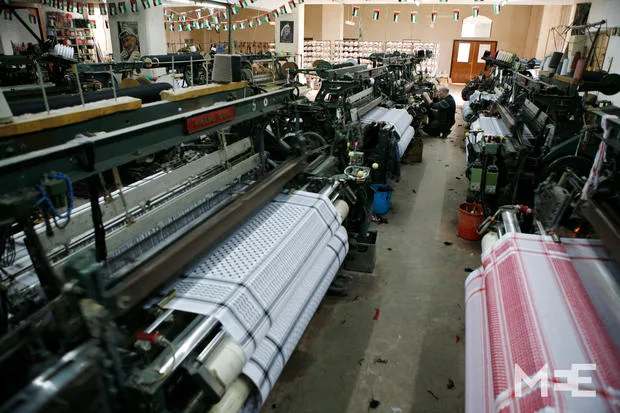
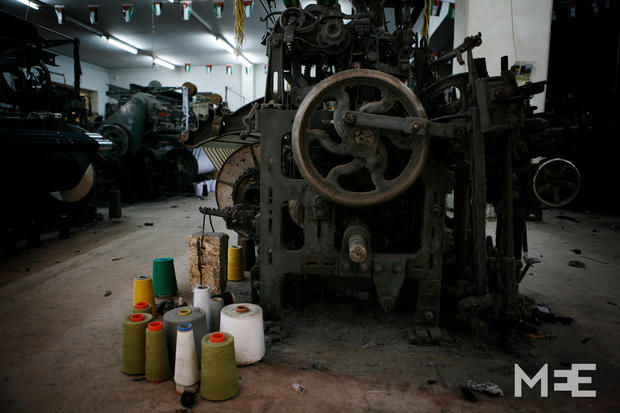
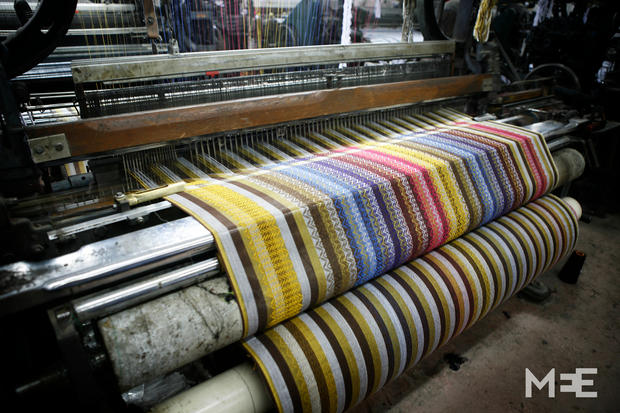
الشيء الذي لا يمكنك تجاهله حول مصنع الحرباوي للغزل والنسيج في مدينة الخليل هو ضجيجه الدائم، ضجيج الأنوال الميكانيكية التي تعمل بسرعة عالية وبطريقة تصم الآذان، هذا الصوت الهادر الصادر عن الآلات القديمة، يشبه تماماً صوت تكتكة القاطرات البخارية المسرعة.

من بعدها يمكنك ملاحظة النسيج، مع الغبار الناتج عنه، النسيج السميك والرقيق المتوضع على آليات النول، هذا المشهد برمته يعطيك انطباعاً بأن المكان استيقظ من رقاده الطويل، بعد أن أُلقيت عليه تعويذة شريرة جعلته يبدو كما يبدو عليه.

في هذا اليوم، كان يوجد 14 نولاً يعمل داخل المصنع، جميعها تحيك الرمز الفلسطيني المحبب، الكوفية، “الحمد لله”، بهذه العبارة ابتدر عبد حرباوي، وهو أحد الأشقاء الثلاثة الذين يديرون المصنع، كلامه شاكراً منة الله عليهم والمتمثلة بزيادة الطلب على الكوفية، بعد أن مضى وقت طويل على صمت أنوال المصنع المستديم.

نون بوست

الكوفية في فلسطين
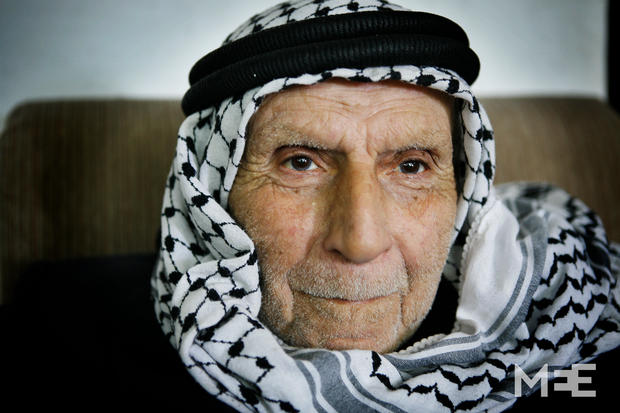
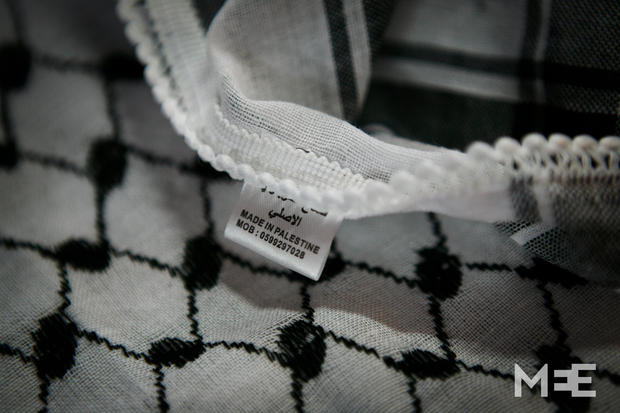
مصنع الحرباوي للغزل والنسيج يعمل في مجال تصنيع الكوفيات، والتي أصبحت تُعرف اليوم على أنها رمز للقومية الفلسطينية، منذ عام 1961، ومنذ ذلك الحين، لم يبقَ في فلسطين سوى هذا المصنع المتخصص بصناعة الكوفيات الفلسطينية، وقبل إنشاء متجر للكوفيات في مسقط رأسه في مدينة الخليل، كان والد عبد، المدعو ياسر، والذي أصبح الآن في عقده الثمانين، يستورد أغطية الرأس التقليدية هذه من سورية.

نون بوست

التوقيت الذي تم اختياره للمباشرة بأعمل تصنيع وبيع الكوفيات من قِبل آل الحرباوي كان توقيتاً حكيماً ومناسباً؛ فبعد إنشاء دولة إسرائيل، شهدت الفترة ما بين خمسينيات وأواخر تسعينيات القرن الماضي، ازدياداً بنشاط الحركة الوطنية الفلسطينية، وتلازم هذا النشاط أيضاً مع ازدياد التعلق بالرمز الشعبي المعتمد للقومية الفلسطينية المتمثل بالكوفية، حتى أن هذا الوشاح المطوي بطريقة معينة وجد طريقه إلى الصحف والمجلات وشاشات التلفزيون في جميع أنحاء العالم، للتعبير على القومية الفلسطينية.

مما لا شك فيه أن المقاتل الشاب الذي يدعى ياسر عرفات، مؤسس حركة فتح والذي أصبح فيما بعد زعيماً لمنظمة التحرير الفلسطينية، يرجع له الفضل أكثر من أي شخص آخر لتعريف الجمهور غير العربي بالكوفية والعقال، وهو الحبل الأسود الذي يوضع على قمة الرأس لتثبيت الكوفية في مكانها، فإذا كان وجه عرفات قد أصبح على مر السنين أحد الوجوه المرتبطة بفلسطين، فإن كوفيته وعقاله، اللذان كانا دائماً مايلازمان رأسه، سرعان ما أصبحا الشعار غير الرسمي لفلسطين.

ولكن  قبل انتشار وسائل الإعلام الشاملة، لعبت الكوفية على أرض الواقع دوراً موحداً في مواجهة محتل آخر، المحتل البريطاني؛ فخلال ما أصبح يعرف باسم الثورات العربية 1936-1939، تبنى المقاتلون غطاء الرأس التقليدي “الكوفية” لحث طبقات المجتمع الحضرية للتخلي عن الطربوش العثماني التقليدي لصالح الكوفية، حيث يوضح تيد سويدنبورغ من جامعة أركنساس في بحثه، أنه قبل الثورات، كان يتم ارتداء الكوفية بشكل تقليدي من قِبل الفلاحين الفلسطينيين، والهدف الأساسي من وضعها كان يتمثل بحماية الرأس والوجه من أشعة الشمس الحارقة في الصيف، ومن رياح الشتاء العاتية، وإن اعتماد الكوفية من قِبل الطبقات المجتمعية الحضرية، كان يمثل، على حد تعبير سويدنبورغ، لحظة “انقلاب في التراتبية الهرمية الاجتماعية”، حيث استطاع الفلاح المحارب أن يملي بنجاح لباسه التقليدي كدلالة على الوحدة الوطنية.

التصنيع تحت وطأة الاحتلال
أوضح لنا عبد حرباوي أنه خلال سبعينيات وثمانينيات القرن المنصرم، أنتجت عائلة الحرباوي الكوفية السوداء والبيضاء بكميات كبيرة، بمعدل ينوف عن 100.000 كوفية في سنة، ويضيف قائلاً “العمل كان جيداً حينها، حيث قمنا بشراء الأنوال من اليابان، وكنا نعمل على تشغيلها طوال الوقت، ومع ذلك لم نستطع تلبية طلب السوق”.

بعد فترة قصيرة من بداية الانتاج، سرعان ما تمت إضافة الكوفية الحمراء والبيضاء لخط الإنتاج؛ ففي فلسطين، كان هذا النوع من الكوفيات هو المفضل من قِبل أنصار الجبهة الشعبية لتحرير فلسطين، كما يقول حرباوي، علماً أن هذا اللون هو الشائع في الأردن والدول العربية الأخرى حتى الآن.

نون بوست

تابع المصنع أعماله بسلاسة خلال الحروب، والاحتلال، والانتفاضة الأولى، ولكن في النهاية توقف في وقت مبكر من التسعينيات، حيث بدأ انتاجه بالتراجع إبان توقيع بروتوكول باريس لعام 1994، وهو اتفاق العلاقات الاقتصادية بين إسرائيل ومنظمة التحرير الفلسطينية الذي تم إبرامه إثر اتفاقات أوسلو، حيث عمد هذا البروتوكول على إحكام ربط الاقتصاد الإسرائيلي والفلسطيني ببعضهما، ولكنه تجاهل عدم التوازن في القوة الاقتصادية التي تميز العلاقات الاقتصادية ما بين البلدين.

من المتفق عليه على نطاق واسع بين العديد من الاقتصاديين الفلسطينيين والدوليين، أنه في الفترة الواقعة ما بين عام 1967، بداية احتلال الضفة الغربية وقطاع غزة، وبروتوكول باريس لعام 1994، تمتعت إسرائيل بالكثير من الوقت لضمان تقزيم التنمية الاقتصادية الفلسطينية، وإبقائها بعيدة عن الاستقلال، ومعتمدة بالكامل على الاقتصاد الإسرائيلي.

على وجه الخصوص، عمدت إسرائيل إلى اتباع سياسة تدمير البنى التحتية، والرفض المتكرر لطلبات الحصول على تراخيص لبدء مشاريع صناعية جديدة، لوضع العصي بالعجلات للحيلولة دون تنمية الصناعية الفلسطينية منذ عام 1967، وبمعنى معين، استطاع بروتوكول باريس أن يضمن عدم تغيير هذا الواقع إلا بشكل ضئيل.

العولمة والاحتلال
يقول وجيه عامر، أستاذ الاقتصاد في جامعة النجاح في مدينة شمال نابلس بالضفة الغربية “الصناعة تساهم بحوالي 12% فقط من الناتج المحلي الإجمالي لدينا”، ويضيف “المؤسسات الصغيرة تتمتع بضرورة قصوى بغية بناء قاعدة تنمية اقتصادية متينة في فلسطين”.

ولكن تدمير البنية التحتية الصناعية من قِبل إسرائيل لا يزال مستمراً حتى يومنا هذا، والحلقة الأكثر وضوحاً من هذا المسلسل المستمر، تمثلت بقصف أكثر من 250 مصنعاً في قطاع غزة في حرب عام 2014، كما أن سياسة رفض منح تصاريح البناء مازالت مستمرة أيضاً، وهي ممارسة تثير قلقاً بشكل خاص في المنطقة جـ (C)، والتي تمتد على قرابة 60% من أراضي الضفة الغربية والتي لا تزال تحت السيطرة الإسرائيلية الكاملة.

مصطلح “الاعتماد المتبادل” الذي جاء في بروتوكول باريس، يعني على أرض الواقع أن الاقتصاد الإسرائيلي هو وحده الذي سيستفيد من العمالة الفلسطينية الرخيصة والسوق الفلسطينية الكبيرة المفتوحة أمام بضائعه، والعمالة الفلسطينية التي تعمل في مجالات الصناعة والزراعة والبناء في إسرائيل، هي مجرد مثال بسيط على ذلك، حيث أن جهد هذه العمالة يساهم في النمو الاقتصادي في إسرائيل، وغالباً ما تعود التحويلات المالية التي ترسلها هذه العمالة لتدخل إلى فلك الاقتصاد الإسرائيلي، من خلال شراء منتجات إسرائيلية بهذه الحوالات، والتي كان من الممكن أن تكون -من الناحية النظرية- من انتاج الصناعات الفلسطينية أو الشركات الزراعية الفلسطينية، ويعلّق عامر على هذا الواقع بقوله “إن وجود قطاع صناعي قوي في فلسطين، يساعد على خلق فرص العمل التي تشتد الحاجة إليها لدينا، لنستطيع في نهاية المطاف كسر حلقة التبعية”.

وإذا أضفنا إلى السياسات السابقة سياسات العولمة والسوق الحرة، التي تعول عليها السلطة الفلسطينية في بعض الأحيان بشكل منفتح للغاية، فلن نستغرب حينها من معرفة أن المنتِج الفلسطيني يتجابه بسوق تصريف محلية منكمشة للغاية على أرض الواقع، ووسط هذا المناخ، تبدو السلع الصينية الرخيصة، التي فاضت بها أسواق الضفة الغربية وقطاع غزة، المجرم الأكبر، وهنا أصبحت الكوفية ضحية لشهرتها العالمية، حيث فاضت السوق المحلية بالكوفية الفلسطينية رخيصة الثمن المصنعة في الصين.

ويقول الحرباوي معلقاً “عندما بدأت الكوفية المصنوعة في الصين بالوصول إلى الأسواق الفلسطينية، توقفت أنوالنا العمل”، حيث انكمش الطلب على الكوفية الفلسطينية الصنع، ولذات السبب تقلص الإنتاج، واستغرق الأمر 15 عاماً حتى يسترد الطلب عافيته مرة أخرى؛ ومؤخراً فقط، في عام 2013، قامت السلطة الفلسطينية، تحت ضغط من الصناعيين المحليين الفلسطينيين، بالحد من بعض سياساتها الاقتصادية الليبرالية الجديدة، وذلك من خلال إضافة تعرفة بنسبة 35% على الواردات الصينية المنشأ وغيرها من البضائع الأجنبية.

نون بوست


النجاة من العولمة
بشكل عام، تظهر هذه الديناميكية في جميع أنحاء العالم، حيث تعمل على تحريض التجار العالميين على خوض معركة مع الحركة المتنامية التي تحث الأفراد على شراء المنتجات المحلية، ودعم الشركات الوطنية، ولكن في فلسطين، الشركات المحلية تكافح أيضاً ضد عدد لا يحصى من القيود التي تفرضها سلطات الاحتلال العسكري الإسرائيلي، وبذات الإبداع والمرونة اللتان تعتبران جزءاً لا يتجزأ من الحياة في ظل الاحتلال، استطاعت عائلة الحرباوي اكتساب الانتشار العالمي لأعمالها في ظل العولمة.

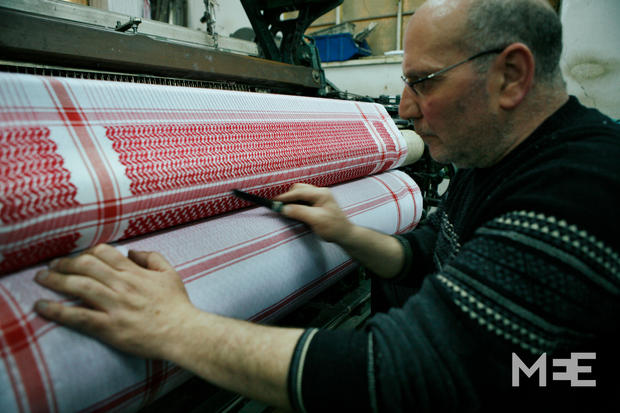
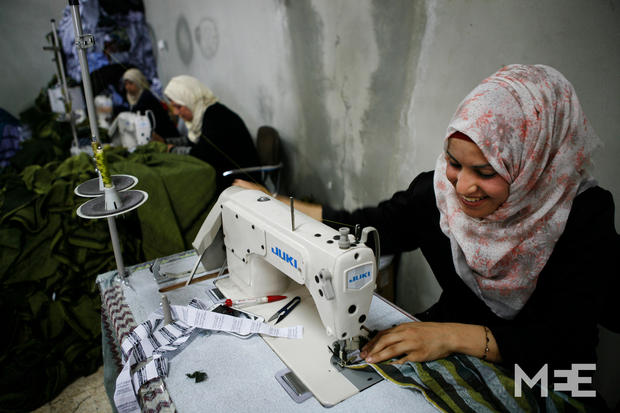
داخل المصنع يعمل ثلاثة عمال على التنقل المستمر بين الأنوال الصاخبة إما لإضافة بكرات الخيط، أو لإصلاح التوقفات الكثيرة في نسج الخيوط على الآلات، وفوق المصنع تم بناء ورشة عمل هادئة عن ضجيج الآلات، يعمل بها جودا حرباوي ونجله على قص الأوشحة الفردية من لفافات النسيج الكبيرة المكدسة في زاوية الغرفة، في ذات الوقت التي تعمل فيه خمس نساء على آلات الخياطة، لإضافة اللمسات الأخيرة والشرّابات على الكوفية، “في هذه الأيام، نقوم وسطياً بانتاج ما بين 300 إلى 400 كوفية يوماً”، أوضح حرباوي، وعلى الرغم من أن هذا الرقم بعيد كل البعد عن الأرقام الهائلة التي كان المصنع ينتجها في السبعينيات والثمانينيات، بيد أنه لا يزال يشكل تحسناً كبيراً عن مقدار الانتاج في أوائل القرن الحالي.

وبغية بقائها منفتحة ومنافسة في السوق، تراهن صناعة الحرباوي على النوعية الحرفية، وأصالة، وتفرد منتجاتها؛ فالكوفية الحرباوية هي بضاعة أصبحت تلقى استسحساناً وتقديراً من المشترين المهتمين في كل مكان، كما أن التجارة الإلكترونية وحملة إنقاذ مصنع الكوفية الوحيد المتبقي في فلسطين، أثبتا أنهما من المبادرات الناجحة لاستمرار عمل المصنع.

نون بوست

هناك عدد من المواقع الإلكترونية المخصصة التي تسهّل على العملاء في جميع أنحاء العالم لشراء كوفية الحرباوي الأصلية، “نحن الآن نصنع الكوفيات بالعديد من الأنماط والألوان المختلفة”، يوضح حرباوي، ويضيف “ولكن هذه المنتجات مخصصة للسياح، لأن الفلسطينيين ما يزالون يفضلون الأنماط التقليدية”.

الكوفية خارج العالم العربي
بالتوازي مع تاريخها العريق في فلسطين، وجدت الكوفية حياتها الخاصة في أوروبا والولايات المتحدة الأمريكية؛ ففي الستينيات، ارتبط مفهوم الكوفية بالأقليات المحاربة التي ترتديها والذين يمثلون مبادئ مناهضة الحرب أو يخضون معاركاً لتحقيق العدالة الاجتماعية، وبعد ذلك، وفي السبعينيات تقريباً، بدأت الجماهير الواعية سياسياً في جميع أنحاء العالم تربط الكوفية مع القضية الفلسطينية.

ولكن ابتداءاً من التسعينيات وحتى بداية القرن الحالي، وهي الفترة التي شهدت الانتفاضة الثانية وحروب الخليج المتعاقبة، والحرب على الإرهاب، باشر المعلقون اليمينيون، الذين كانوا أمريكيين في أغلب الأحيان، بذم مرتدي الكوفية وربطهم بتأييد الإرهاب بشكل عام.

هذه الموجة من الذم استثارها، على وجه الخصوص، واقع انتقال الكوفية من أكشاك الشوارع إلى واجهات محلات الأزياء الراقية، حيث ندد البعض بهذه الحركة معتبرين إياها محاولة لتجميل الإرهاب، ورأى آخرون أنها في نهاية المطاف محاولة لتجريد هذا الرمز من معناه السياسي، أما البعض الآخر فظل يعتبر أن ما حصل هو فرصة لزيادة الوعي حول محنة فلسطين وسياسات الاحتلال العسكري الإسرائيلي المستمرة، ولكن كما يقول سويدنبورغ، ربما ليس من الضروري تصنيف الكوفية باعتبارها إما رمز سياسي أو عنصر أزياء مستقل، حيث يمكن أن تكون الكوفية معبّراً عن كلا الحالتين على حد سواء.

على الرغم من التوترات التي تصاحب تفسيرات هذا الرمز، بيد أنه بالنسبة لأنجليس رودناس، وهي سائحة إسبانية في مدينة الخليل، الكوفية السوداء والبيضاء هي تعبير واضح لا يخامره الشك عن فلسطين، حيث تقول “أرى بأنها ملابس تقليدية أصبح لها الآن دلالات سياسية باعتبارها رمزاً للمقاومة، بالنسبة لي، فإنني أقوم بربطها مع صور عرفات، والاضطرابات السياسية في المنطقة”.

نون بوست

ساعدت الإستراتيجية التي انتهجها مصنع الحرباوي المتمثلة بإضافة الألوان إلى أشكال الكوفيات، بتخفيف الرمزية السياسية للكوفية، حيث خففت من الاستقطاب السياسي لمرتديها، حتى من قِبل المرتدين المثقفين سياسياً، “لقد اشتريت واحدة ملونة كهدية، لأنها أعجبتني كموضة أزياء” تقول رودناس.

استطاعت عائلة الحرباوي ربما إيجاد التوزان التجاري الصحيح من خلال إدخالها للألوان في صناعة الكوفية، ولكن بالتأكيد، الكوفية في الخليل ستبقى بالنسبة للأجيال الشابة تقليداً يستحق المحافظة عليه، حيث يقول محمد الحرباوي نجل جودا الحرباوي البالغ 14 عاماً، “أنا ارتدي الكوفية حول عنقي، وعندما أكبر بالسن، سأضعها فوق رأسي مع العقال”، وأضاف “أنا أحب أن أرى كبار الفلسطينيين وهم يرتدون الكوفية، بالنسبة لي، فإن ذلك يعني أنهم يحبون فلسطين”.

المصدر: ميدل إيست آي

TAGGED: الكوفية ، الكوفية الفلسطينية ، مصنع الحرباوي
Download this article as PDF
Share this Article
Facebook Twitter Whatsapp Whatsapp Telegram Email Copy Link
سيلفيا بوريني
By سيلفيا بوريني مصورة وصحفية بريطانية مستقلة تعيش بالقدس
Follow:
Next Article نون بوست The Stigma of “ISIS”: A Heavy Legacy Haunting Women and Children of Former Members

Read More

  • U.S. Regime‑Change Policies: Why They Are Destined to Fail U.S. Regime‑Change Policies: Why They Are Destined to Fail
  • The Gulf’s Balancing Act: Iran, Israel, and Hidden Links
  • Iraq–Turkey Oil Export Treaty: Why Did Ankara Cancel It After 52 Years?
  • Syria’s Northeast on Edge: QSD Between Ankara and Damascus
  • Has Europe Changed Its Stance on Israel… or Just Its Language?
part of the design
NoonPost Weekly Newsletter

You May Also Like

U.S. Regime‑Change Policies: Why They Are Destined to Fail

U.S. Regime‑Change Policies: Why They Are Destined to Fail

إسراء سيد Esraa sayed 8 April ,2026
The Gulf’s Balancing Act: Iran, Israel, and Hidden Links

The Gulf’s Balancing Act: Iran, Israel, and Hidden Links

فريق التحرير Noon Post 8 April ,2026
Iraq–Turkey Oil Export Treaty: Why Did Ankara Cancel It After 52 Years?

Iraq–Turkey Oil Export Treaty: Why Did Ankara Cancel It After 52 Years?

فريق التحرير Noon Post 8 April ,2026
dark

An independent media platform founded in 2013, rooted in slow journalism, producing in-depth reports, analysis, and multimedia content to offer deeper perspectives on the news, led by a diverse young team from several Arab countries.

  • Politics
  • Society
  • Rights & Liberties
  • Opinions
  • History
  • Sports
  • Education
  • Technology
  • Economy
  • Media
  • Arts & Literature
  • Entrepreneurship
  • Travel
  • Cinema & Drama
  • Food
  • Health
  • Culture
  • Latest Reports
  • Files
  • Long Reads
  • Interviews
  • Podcast
  • Interactive
  • Encyclopedia
  • In Pictures
  • About Us
  • Our Writers
  • Write for Us
  • Editorial Policy
  • Advanced Search
Some rights reserved under a Creative Commons license

Removed from favorites

Undo
Go to mobile version