NoonPost NoonPost

NoonPost

  • Home
  • Politics
  • Economy
  • Society
  • Culture
  • Files
  • Long Reads
  • Podcast
AR
Notification Show More
نون بوست
“There Are Nights I Can’t Close My Eyes”: How Gazans Are Living in Homes on the Brink of Collapse
نون بوست
From al-Jolani to Ahmad al-Shara: The Evolution of Syria’s New Leader
نون بوست
When Political Islam Receded in Egypt: Who Filled the Void?
نون بوست
An Extension of Genocide: Gaza’s Detainees Speak Out
نون بوست
A Tightrope Between Survival and Sovereignty: The Syrian Government Faces Normalization Pressures
نون بوست
American Aircraft Carriers: Has the Era of “100,000 Tons of Diplomacy” Ended?
نون بوست
U.S. Regime‑Change Policies: Why They Are Destined to Fail
نون بوست
Transformations of Israeli Judaism: Between the Victim Complex and the Colonizer’s Doctrine
نون بوست
The Gulf’s Balancing Act: Iran, Israel, and Hidden Links
نون بوست
Iraq–Turkey Oil Export Treaty: Why Did Ankara Cancel It After 52 Years?
نون بوست
Syria’s Northeast on Edge: QSD Between Ankara and Damascus
نون بوست
Has Europe Changed Its Stance on Israel… or Just Its Language?
NoonPost NoonPost
AR
Notification Show More
نون بوست
“There Are Nights I Can’t Close My Eyes”: How Gazans Are Living in Homes on the Brink of Collapse
نون بوست
From al-Jolani to Ahmad al-Shara: The Evolution of Syria’s New Leader
نون بوست
When Political Islam Receded in Egypt: Who Filled the Void?
نون بوست
An Extension of Genocide: Gaza’s Detainees Speak Out
نون بوست
A Tightrope Between Survival and Sovereignty: The Syrian Government Faces Normalization Pressures
نون بوست
American Aircraft Carriers: Has the Era of “100,000 Tons of Diplomacy” Ended?
نون بوست
U.S. Regime‑Change Policies: Why They Are Destined to Fail
نون بوست
Transformations of Israeli Judaism: Between the Victim Complex and the Colonizer’s Doctrine
نون بوست
The Gulf’s Balancing Act: Iran, Israel, and Hidden Links
نون بوست
Iraq–Turkey Oil Export Treaty: Why Did Ankara Cancel It After 52 Years?
نون بوست
Syria’s Northeast on Edge: QSD Between Ankara and Damascus
نون بوست
Has Europe Changed Its Stance on Israel… or Just Its Language?
Follow US

Oman Alarmed by STC Expansion in Hadhramaut and Al-Mahrah

فريق التحرير
Noon Post Published 26 March ,2026
Share
نون بوست
نون بوست

In a fiery speech delivered as his forces entered Hadhramaut in December, Aidarous al-Zubaidi, head of the Southern Transitional Council (STC), declared that the Sirfit area was southern land and that he would never relinquish it, vowing to defend it with all his might. This statement was widely seen as a clear red-line breach directed at the Sultanate of Oman by the UAE-backed STC, as described by Omani state media.

Following the STC’s announcement of its control over Hadhramaut and Al-Mahrah, Oman launched a series of notable diplomatic and military maneuvers. On December 22, Saudi Foreign Minister Faisal bin Farhan met with his Omani counterpart, Haitham bin Tariq, to discuss the unfolding crisis.

Within 48 hours of that meeting, another took place between Commander of the Royal Saudi Air Force Lt. Gen. Turki bin Bandar and the Commander of the Royal Omani Air Force, Maj. Gen. Khamis al-Ghafri.

These meetings were quickly followed by armed clashes between STC forces and the Hadhramaut Tribal Alliance, as well as Saudi airstrikes targeting STC strongholds and weapons shipments from the UAE en route to STC fighters via the port of Mukalla. The conflict escalated further as UAE-backed STC forces suffered a string of defeats at the hands of Saudi-supported Nation Shield Forces.

Omani Interests at Stake

As the fighting intensified in Hadhramaut and STC forces seized control of Al-Mahrah, the group’s militants lowered the Yemeni national flag and raised the flag of the South at the Shahn border crossing with Oman. This move deeply alarmed Omani authorities, who viewed it as a direct threat to the sultanate’s national security.
نون بوست
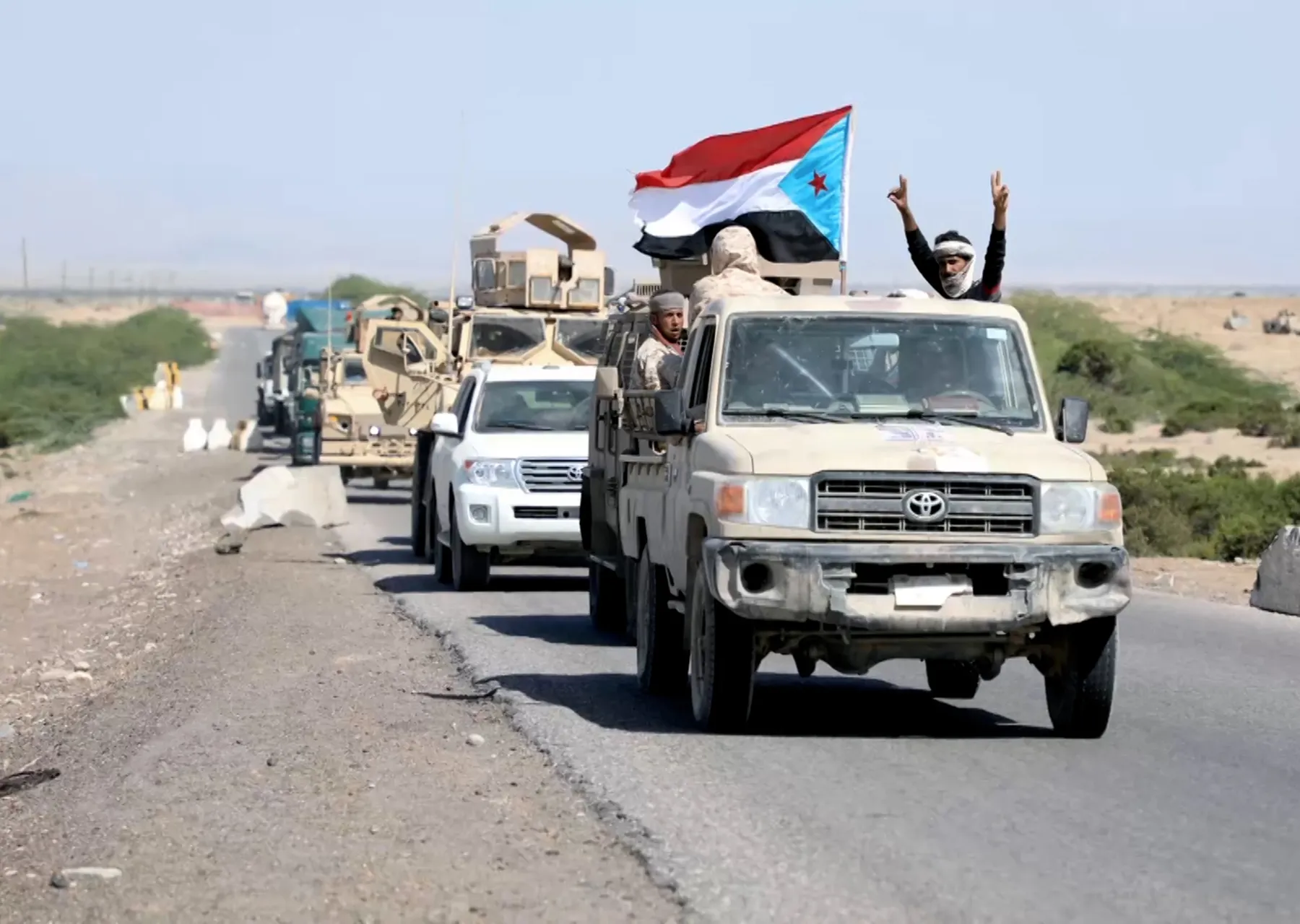
Forces of the Southern Transitional Council recently seized control of the governorates of Hadramawt and Al-Mahra (Al Jazeera).

A tribal source in Al-Mahrah told Noon Post that Omani officials had previously warned they would close the border crossing if any flag other than the Yemeni national flag was raised. In response, STC forces were compelled to re-raise the Yemeni republican flag.

Omani activists and media outlets launched fierce attacks on the STC, denouncing it as a separatist entity that would never receive formal recognition. At the official level, the Omani Foreign Ministry called for dialogue, de-escalation, and political compromise in Yemen.

Meanwhile, UAE-aligned Yemeni activists criticized Oman’s stance, accusing Muscat of playing a “malicious” role in Hadhramaut and Al-Mahrah and subtly enabling the Houthis to launch attacks on the two provinces.

Speaking to Noon Post, former Yemeni minister Abdulsalam Razzaz described Oman’s recent moves in Hadhramaut and Al-Mahrah as coordinated with Saudi Arabia, aimed at expelling the UAE from Yemen in pursuit of Omani national interests.

Oman shares a 294-kilometer border with Yemen, and significant cultural and tribal ties link communities in Al-Mahrah with those in the sultanate. Muscat has also offered Omani citizenship to select Yemeni political figures and tribal leaders moves widely seen as advancing its strategic interests.

In recent years, Oman encouraged protests against the Saudi military presence in Al-Mahrah. Though Saudi-Omani relations have since evolved amid the current crisis, Oman continues to host Houthi leaders and faces accusations of facilitating arms and drug smuggling to the group.

Historically, during the 1960s, South Yemen under socialist rule from Aden was the primary supporter of the Popular Front for the Liberation of Dhofar, which opposed Oman’s ruling sultans. South Yemen provided direct military aid, training facilities, financial backing, and media support to the Dhofar insurgency. According to STC-aligned activists who spoke with Noon Post, Oman now fears a repeat of this historical scenario in a modern form.

Accusations and Counterpoints

Amid the ongoing conflict in eastern Yemen, Ahmed Balhaf, former advisor in Al-Mahrah, accused Oman’s Royal Office of fueling unrest in Hadhramaut by targeting UAE-backed Hadhrami Elite Forces and mobilizing public opinion both local and international against the STC and the UAE. He argued that this campaign played a central role in recent developments in eastern Yemen.
نون بوست
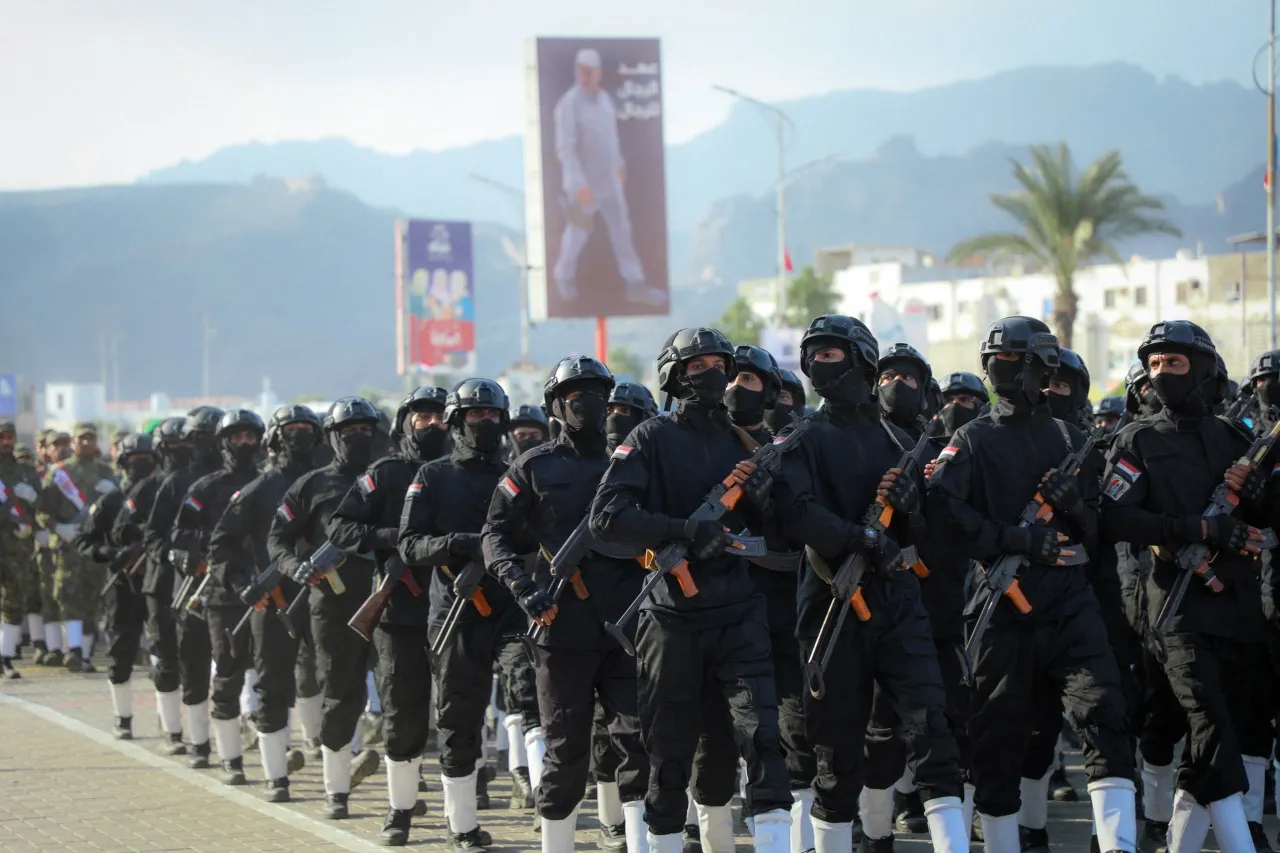
A military parade by forces affiliated with the Southern Transitional Council days before the start of the military operation in Hadramawt (Source: AIC)

However, Yemeni political analyst Amer al-Dhamini rejected Balhaf’s accusations, insisting that Oman’s role has been balanced and consistent. He emphasized that since the STC’s offensive in Hadhramaut began, Oman has maintained a calm and diplomatic posture, favoring mediation and avoiding any belligerent rhetoric or escalation.

Al-Dhamini praised Muscat’s quiet diplomacy as it attempts to bridge divides amid the complex and overlapping interests of Yemen’s local and regional actors.

“Oman has consistently pursued a different path throughout the Yemen war over the past ten years,” al-Dhamini told Noon Post. “It avoided military involvement, rejected war, and prioritized dialogue and peaceful resolution.” Thanks to this policy, he noted, Oman has played a key role in numerous mediation efforts, from the Kuwait talks to more recent humanitarian negotiations, including the release of prisoners from various parties.

Even after the STC’s constitutional declaration and its incursions into Hadhramaut and Al-Mahrah, Oman continued to act according to its established approach engaging discreetly yet effectively. Al-Dhamini noted that Oman’s behind-the-scenes diplomacy has subtly shaped the trajectory of events without seeking the spotlight.

He further highlighted that Oman’s role in Hadhramaut has evolved into that of a mediator following the UAE’s exit from Yemen. This was exemplified by visits from Omani officials to the UAE and meetings between Omani and Emirati foreign ministers to discuss de-escalation and broader Gulf coordination.

Rising Tensions

In an interview with Noon Post, Afrah Al-Hariri, a member of the Women’s Technical Advisory Group to the UN Special Envoy for Yemen, said that Oman’s decision to intervene in the conflict between UAE-backed STC forces and Saudi-backed Nation Shield Forces was driven by a clear intent to defend its borders.
نون بوست

She suggested that had the fighting spilled into Omani territory, Muscat might have resorted to military action a legitimate act of self-defense, in her view. Oman’s alignment with Saudi Arabia in this context reinforced its concern, despite its broader policy of neutrality.

Hariri emphasized that the existence of armed groups operating outside the framework of the Yemeni state even one as weak as it may be naturally raises alarms for any neighboring country. She criticized the STC’s move into Yemen’s eastern provinces, calling it an unforgivable mistake that could further fracture the South ironically, the very region the STC claims to protect.

She argued that Hadhramaut and its people will not tolerate any forceful entry into their province, even from fellow southerners, and will resist any return to southern rule imposed by force. What happened in Aden, she said, should serve as a cautionary tale.

Hariri also pointed out that influential Hadhrami merchants residing in Saudi Arabia, along with powerful Mahri businessmen living in Oman, will not remain passive. This dynamic, she warned, could further inflame the situation and lead to greater fragmentation in Yemen—particularly in the South—driven by personal interests and under the pretext of safeguarding the Gulf states.

Following the Nation Shield Forces’ takeover under the leadership of Yemeni President Rashad al-Alimi, Oman’s Foreign Ministry welcomed the call for an inclusive dialogue among Yemen’s southern factions, to be hosted in Riyadh.

On the ground, local sources in Al-Mahrah told Noon Post that two days ago, the local authorities shut down the Shahn border crossing with Oman entirely, suspending all traffic until further notice. Neither Omani nor Yemeni authorities be it the internationally recognized government or the STC have offered any explanation for the move.

Download this article as PDF
Share this Article
Facebook Twitter Whatsapp Whatsapp Telegram Email Copy Link
فريق التحرير
By فريق التحرير تقارير يعدها فريق تحرير نون بوست.
Follow:
Previous Article نون بوست Cairo Resets Its Regional Compass: Why Is It Moving Closer to Riyadh Now?
Next Article نون بوست The Arrest of Maduro: The Fall of Iran’s Last Stronghold in Latin America

Read More

  • U.S. Regime‑Change Policies: Why They Are Destined to Fail U.S. Regime‑Change Policies: Why They Are Destined to Fail
  • The Gulf’s Balancing Act: Iran, Israel, and Hidden Links
  • Iraq–Turkey Oil Export Treaty: Why Did Ankara Cancel It After 52 Years?
  • Syria’s Northeast on Edge: QSD Between Ankara and Damascus
  • Has Europe Changed Its Stance on Israel… or Just Its Language?
part of the design
NoonPost Weekly Newsletter

You May Also Like

U.S. Regime‑Change Policies: Why They Are Destined to Fail

U.S. Regime‑Change Policies: Why They Are Destined to Fail

إسراء سيد Esraa sayed 8 April ,2026
The Gulf’s Balancing Act: Iran, Israel, and Hidden Links

The Gulf’s Balancing Act: Iran, Israel, and Hidden Links

فريق التحرير Noon Post 8 April ,2026
Iraq–Turkey Oil Export Treaty: Why Did Ankara Cancel It After 52 Years?

Iraq–Turkey Oil Export Treaty: Why Did Ankara Cancel It After 52 Years?

فريق التحرير Noon Post 8 April ,2026

هل يعيد الإتفاق النووى رسم السياسة الداخلية الإيرانية؟

إبراهيم بديوي
إبراهيم بديوي Published 26 July ,2015
Share
o-khamenei-facebook

ذهب الكاتب اليساري  تييري كوفيل فى كتابه “إيران .. الثورة الخفية” إلى أن المجتمع الإيراني يفور على فوهة بركان منذ بداية تأسيس الجمهورية الإسلامية؛ وأن هذا المجتمع الواقع تحت وطأة الضغط الشديد من النظام أصبح في طريق التحديث المحتوم بلا شك وتعاظم المطالب الديموقراطية يتناغم مع التوطد المتصاعد فى قضايا النساء والشباب والمظالم المجتمعية وهكذا تشهد إيران شكلا من ثورة خفية يصعب استشراف مآلها..

وأرجع الكاتب ما رآه من المجتمع الإيراني الذي بدا أصلب مما توقع معارضوه و اجتاز الاضطرابات الثورية و العقوبات الإقتصادية التي فرضتها الولايات المتحدة وحرب العراق وأزمات شتى مع المجتمع الدولي خلافا للشرعية الدينية والقومية إلى وجود عدة تيارات وتنوعات داخل النظام؛ وخلافا لما توجس منه الخميني فلم يكن لهذا التنوع مفعول تدميري على النظام الإيراني بل زاده صلابة واتزانا..

لا يمكن فصل الإتفاق النووي عن الثورة بحال من الأحوال سواءً اعتبره البعض خطوة تكميلية فى طريق الثورة أو ارتداداً عن مبادئها وأسسها التي قامت عليها؛ ولابد لحدث كهذا أن يساعد على إعادة رسم الخريطة السياسية الداخلية لإيران

لذلك نحاول فى سياق التقرير التركيز على التغيرات السياسية المتوقعة فى الداخل الإيراني جرّاء هذا الاتفاق ..

أولاً.. تعزيز نفوذ الإصلاحيين على حساب المحافظين!

بعد الثورة الإيرانية لم يحتدم الصراع السياسي فى بداية عهد ما بعد الثورة لطغيان التوجه الثوري على عمل النظام الذى اعتمد طيلة هذه الفترة على حزب سياسي واحد وهو “حزب الجمهورية الإسلامية” الذى تأسس فبراير 1979 على أيدي بعض رجال الدين من أتباع الخميني مؤسس الجمهورية الإسلامية؛ الحزب الذى آل إلى الحل بقرار الإمام 1987 بعدما شهد انقسامات من داخله أضعفته وأصابته بالشلل التام.

برز هذا الانقسام فى الانتخابات التشريعية الأولى والثانية وشهدت رؤاهما اعتدالاً فى الطرح وتوازنا فى ظل الحضور القوي للخميني الذى امتلك كاريزما سمحت له بالسيطرة على كل الأطراف.

هذه الحالة بدأت فى التغيير مع نهاية الثمانينات لسببين رئيسين؛ أولهما انهيار الاتحاد السوفييتي وانتهاء حالة الاستقطاب الدولي وتقلص تأثير الخطاب الأيديولوجي على الساحة الداخلية والثانية وفاة الإمام الخميني 1989؛ ونتج عن هذا أن تولى هاشمي رفسنجاني الرئاسة فى إيران 1989-1997 لتبدأ مرحلة جديدة تتحول فيها إيران من الثورة إلى الدولة.

وهذا الوضع يشبه لحد ما الوضع الذى تعيشه إيران فى الوقت الحالي إذا ما دخل الاتفاق النووي حيز التنفيذ لاسيما أيضاً وخامنئي ربما على مشارف الموت!

قبل أسابيع من إتمام الاتفاق النووي صرّح نائب وزير الخارجية الإيراني للشؤون الدولية والقانونية بأن «الإلغاء التدريجي للعقوبات الاقتصادية المفروضة على إيران»، سيترتب عليه القبول بـ«تفتيش المواقع العسكرية»؛ وما أن صدر التصريح الذي نقلته وسائل الإعلام الإيرانية حتى هبّ المحافظون ضد الرجل، فاضطر إلى التراجع قائلا إن التصريحات المنسوبة إليه «عارية عن الصحة تماما».

لكن أصداء التصريحات لم تتوقف، ففي اليوم التالي عُقد في مقر وكالة «مهر» للأنباء التي تتبع الجناح الأكثر تشددا في المحافظين مؤتمر صحفي تحت عنوان «تمرين الغيرة.. التفتيش والاستجواب ممنوع»، حول موضوع البرنامج النووي الايراني بحضور عدد من الشخصيات السياسية الإيرانية. ونقلت الوكالة عن المشاركين في المؤتمر الصحفي، وهم من العيار الثقيل في التيار المحافظ، تأكيدهم على «خطورة ما يطرح حول تفتيش المراكز العسكرية الإيرانية واستجواب العلماء النوويين للبلاد».

هذا المشهد يؤكد أن الحالة السياسية الداخلية الإيرانية دخلت جولة جديدة من جولات الصراع الثنائي ما بين الإصلاحيين والمحافظين على فرض الرؤى وتملك السلطة بعد عدة جولات كان آخرها وأكثرها ضراوة ما حدث أثناء وعقب الإنتخابات الرئاسية 2009 -فاز فيها أحمدي نجاد بفترة رئاسية ثانية واتهم الإصلاحيون مجلس صيانة الدستور بالتلاعب بالنتائج لصالح أحمدي نجاد- والتي تأزم فيها الوضع وتعقد ودخلت البلاد فى مرحلة أشبه بثورة على المحافظين حتى استقرت الأمور نسبياً ليطفو الصراع على السطح من جديد مع فتح ملف المفاوضات النووية..

التيار المحافظ  لاشك يلاقي فى ظل هذا الاتفاق ضربةً عنيفة تهدد مشروعه السياسي لاسيما بعد فك الحظر عن الأنشطة الإقتصادية الإيرانية وهو يدرك أن نجاح الإتفاق يعنى نجاح الإصلاحيين لذلك من المتوقع أن يخوض المحافظون معركة جديدة فى أعقاب الإتفاق الغرض منها تبديد المكاسب وتصفير عداد الصراع لتبدأ المعركة فى جولة جديدة!

سيسعى المحافظون ولاشك لدفع فاتورة مشروعهم الحالم بالتمدد وتسديد النفقات لرفقائهم فى الخارج حزب الله وجماعة الحوثي وغيرهم وسد كلفة النزيف الهائل فى العراق وسوريا واليمن مؤخراً؛ بينما يسعى الإصلاحيون للتقرب من الجماهير ليظهر أثر هذا الإتفاق الذي نجحوا فيه مؤخراً على حياة الشعب ورفاهيته والإنتخابات البرلمانية على مشارفها في مارس 2016..

مشروع المحافظين الآن فى مأزق كبر وسيتأزم موقفهم أكثر برحيل خامنئي الذي ربما بات وشيكاً فقد بددوا مقدرات إيران لتحقيق مشروعهم التوسعي الحالم؛ ودفعوا عشرات المليارات فى المشروع النووي الذى تعطل بموجب الإتفاق!

ثانياً.. تراجع الدور المنوط بالحرس الثوري الإيراني!

أنشئ الحرس الثوري الإيراني بدايةً للحفاظ على مبادئ الثورة الإيرانية وشعاراتها المناوئة للاستكبار العالمي وإيجاد حالة من التوازن فى القوة مع الجيش الوطني الإيراني الذى ظنّ الخميني عقب الثورة أن ضباطه مازالوا على ولائهم للشاه الهارب ولذلك فإن الاتفاق النووي يُعد خلخلة أيديولوجية لما نشأت عليه هذا القوة!

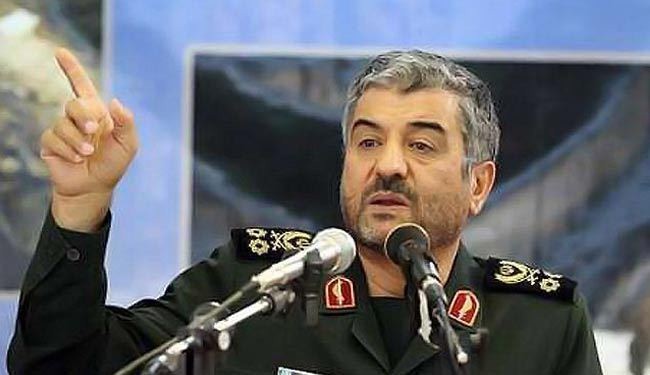
الجنرال محمد على جعفري قائد الحرس الثوري: “مؤسسة الحرس ستسكت أمام هذا الأمر؛ لأننا لا نريد أن نعطي المجال أو الفرصة لأي أحد للعبث بالداخل الإيراني” (1)؛ يُعتبر الحرس الثوري أحد أشد المعارضين لهذا الإتفاق إلا أنه حتى الآن لم يتدخل بتوجيهات المرشد الأعلى لهم بالتزام الصمت وهى بالمناسبة المرة الأولى التي يأمر المرشد الأعلى الحرس الثوري بعدم التدخل فى الشأن السياسي الإيراني؛ ربما يرجع سلوك المرشد الأعلى فى دعمه لحكومة روحاني وكبحه جماح معارضيهم فى الحرس الثوري لحاجة إيران لهكذا موقف من ناحية ورغبته الجامحة لفرض عباءته على الفرقاء السياسيين من ناحية أخرى؛ ولذلك لم يرد أن يكبح جماح حكومة الرئيس روحاني رغم عدم تفاؤله ربما بنتائج المفاوضات على المدى البعيد!

ايران-جعفري.jpg

 الجنرال محمد على جعفري

لماذا إذاً ننتظر تراجعا للدور الذي يلعبه الحرس الثوري إذا ما دخل الاتفاق حيز التنفيذ؟

للإجابة على هذا التساؤل يجب بداية أن نعرف ما الدور الذي يلعبه الحرس الثوري وبالتالي سيتأثر فى إيران ما بعد الإتفاق النووي..

أولاُ؛ الدور السياسي

لعب الحرس الثوري منذ نشأته على ثلاث محاور؛ (ذراع إيران الخارجي المنوط بتصدير الثورة فى المحيط الإقليمي؛ الضامن الأول لبقاء النظام وحفظ الأمن الداخلي؛ معادلة كفة الجيش النظامي)

لعب الحرس الثوري دوراً واسعاً لإرساء المشروع التوسعي الإيراني الذى مآله إلى الجمود لانشغال الإصلاحيين -القادمين- عنه بالشأن الداخلي وبناء جمهوريتهم الحديثة أو التراجع فى ظل هدنة دولية بعد الإتفاق النووي بين إيران والدول الكبرى لاسيما والخصوم الإقلميين يشددون على ذلك فى خطابهم الموجه للغرب المتصالح مع إيران مؤخراً؛ أهم هؤلاء الخصوم المملكة العربية السعودية والكيان الصهيوني وكلٌ له أسبابه؛ كما لعب الحرس دوراً ملحوظاً في العمل الشُرطي لضبط الأمن الداخلي واستقرار النظام الحاكم وكبح جماح أي تحرك ثوري مناهض للسلطة والمرشد الأعلى وبدا ذلك فى أوضح صوره فى احتجاجات  2009 التي أعقبت الانتخابات الرئاسية.

هذا الدور سيتقلص إذا ما دخل الاتفاق النووي حيز التنفيذ لأن الإصلاحيين غير ملزمين بالطبع بدفع فواتير الحرس الثوري الخارجية نتيجة تورطه فى العراق وسوريا واليمن ومن ناحية أخرى سيتجه النظام السياسي بشكل أكبر فى اتجاه الدولة الحديثة التي تهتم لشئونها الداخلية بالمقام الأول.

الحرس الثوري راهن طيلة الفترة الماضية على مشاريعه التوسعية والمشروع النووي وتراجع أى منهما أو كليهما يعنى انخفاط أسهمه فى الشارع الإيراني لأدني مستوياتها لاسيما وأنه الظرف الحالي داخل إيران مغاير للظرف الذى نشأ هو فيه والتغيرات الديموجرافية شاهد على ذلك -الانتخابات البرلمانية القادمة مارس2016 ستكون ول انتخابات يكون أغلب المصوتين من ولدوا بعد الثورة، وأغلب السكان من الذين ولدوا بعد الحرب التي كان لها دور حاسم في تشكيل تفكير النخبة الحاكمة الآن-.

                      نون بوست

ثانياً؛ الدور الإقتصادي

“الدولة فى وقت السلام يجب أن تستفيد من الأفراد والتجهيزات الفنية للجيش فى أعمال الإمداد والتعليم والإنتاج والبناء؛ مع رعاية الموازين الإسلامية وبما لا يمس الجاهزية القتالية” المادة 147 من الدستور

بموجب هذا النص الدستوري اقتحم الحرس الثوري الحياة الإقتصادية ولا تكون مبالغة إذا ذكرنا أن الدور الإقتصادي للحرس الثوري يفوق دوره السياسي وربما العسكري أيضاً إذ يسيطر على الصناعات العسكرية ودخل سوق الحاجات اليومية بمؤسساته التجارية المنتشرة فى أنحاء إيران وانتقل منها إلى مؤسسات اقتصادية عملاقة فى مجال النفط والغاز والبنى التحتية وغيرها ما تبلغ قيمته عشرات المليارات من قيمة الناتج المحلي الإيراني.

تعاظم هذا الدور بلاشك مع احتدام القطيعة الإقتصادية التي فُرضت على إيران فى عصر أحمدي نجاد ونتج عنها ارتفاع التضخم إلى 30% بحسب بيانات البنك المركزي الإيراني وكذلك نسبة البطالة ل13%بحسب إحصاءات رسمية؛ ولأنه يضير الاقتصاد الإيرانى ما يضير الاقتصاديات القائمة بالأساس على تصدير مادة خام وحيدة، وهو ما يعتبر اختلالا وظيفيا بنيويا يتأثر بالأسعار وانقطاع التصدير انخفضت عائدات النفط من 100 مليار دولار فى 2011 ل35 مليار فى 2013!

تعاظم هذا الدور كان بمثابة دور تعويضي (Compensatory Mechanisms) عن العقوبات المفروضة على إيران وها هي العقوبات الإقتصادية ترفع مع الإتفاق إذا ما دخل حيز التنفيذ! فهل سيحافظ الحرس الثوري بصمته حيال تحركات روحاني الخارجية بلا اشتراط أو امتعاض! أم ثمة صدام يلوح فى الأفق؟

TAGGED: إتفاق إيران والغرب ، إيران من الداخل ، الإصلاحيون في إيران
TAGGED: اتفاق النووي الإيراني
Download this article as PDF
Share this Article
Facebook Twitter Whatsapp Whatsapp Telegram Email Copy Link
إبراهيم بديوي
By إبراهيم بديوي طالب بكلية الطب وكاتب مهتم بالسياسة الدولية
Follow:
Next Article نون بوست The Stigma of “ISIS”: A Heavy Legacy Haunting Women and Children of Former Members
part of the design
NoonPost Weekly Newsletter
dark

An independent media platform founded in 2013, rooted in slow journalism, producing in-depth reports, analysis, and multimedia content to offer deeper perspectives on the news, led by a diverse young team from several Arab countries.

  • Politics
  • Society
  • Rights & Liberties
  • Opinions
  • History
  • Sports
  • Education
  • Technology
  • Economy
  • Media
  • Arts & Literature
  • Entrepreneurship
  • Travel
  • Cinema & Drama
  • Food
  • Health
  • Culture
  • Latest Reports
  • Files
  • Long Reads
  • Interviews
  • Podcast
  • Interactive
  • Encyclopedia
  • In Pictures
  • About Us
  • Our Writers
  • Write for Us
  • Editorial Policy
  • Advanced Search
Some rights reserved under a Creative Commons license

Removed from favorites

Undo
Go to mobile version