NoonPost NoonPost

NoonPost

  • Home
  • Politics
  • Economy
  • Society
  • Culture
  • Files
  • Long Reads
  • Podcast
AR
Notification Show More
نون بوست
“There Are Nights I Can’t Close My Eyes”: How Gazans Are Living in Homes on the Brink of Collapse
نون بوست
From al-Jolani to Ahmad al-Shara: The Evolution of Syria’s New Leader
نون بوست
When Political Islam Receded in Egypt: Who Filled the Void?
نون بوست
An Extension of Genocide: Gaza’s Detainees Speak Out
نون بوست
A Tightrope Between Survival and Sovereignty: The Syrian Government Faces Normalization Pressures
نون بوست
American Aircraft Carriers: Has the Era of “100,000 Tons of Diplomacy” Ended?
نون بوست
U.S. Regime‑Change Policies: Why They Are Destined to Fail
نون بوست
Transformations of Israeli Judaism: Between the Victim Complex and the Colonizer’s Doctrine
نون بوست
The Gulf’s Balancing Act: Iran, Israel, and Hidden Links
نون بوست
Iraq–Turkey Oil Export Treaty: Why Did Ankara Cancel It After 52 Years?
نون بوست
Syria’s Northeast on Edge: QSD Between Ankara and Damascus
نون بوست
Has Europe Changed Its Stance on Israel… or Just Its Language?
NoonPost NoonPost
AR
Notification Show More
نون بوست
“There Are Nights I Can’t Close My Eyes”: How Gazans Are Living in Homes on the Brink of Collapse
نون بوست
From al-Jolani to Ahmad al-Shara: The Evolution of Syria’s New Leader
نون بوست
When Political Islam Receded in Egypt: Who Filled the Void?
نون بوست
An Extension of Genocide: Gaza’s Detainees Speak Out
نون بوست
A Tightrope Between Survival and Sovereignty: The Syrian Government Faces Normalization Pressures
نون بوست
American Aircraft Carriers: Has the Era of “100,000 Tons of Diplomacy” Ended?
نون بوست
U.S. Regime‑Change Policies: Why They Are Destined to Fail
نون بوست
Transformations of Israeli Judaism: Between the Victim Complex and the Colonizer’s Doctrine
نون بوست
The Gulf’s Balancing Act: Iran, Israel, and Hidden Links
نون بوست
Iraq–Turkey Oil Export Treaty: Why Did Ankara Cancel It After 52 Years?
نون بوست
Syria’s Northeast on Edge: QSD Between Ankara and Damascus
نون بوست
Has Europe Changed Its Stance on Israel… or Just Its Language?
Follow US

The Arrest of Maduro: The Fall of Iran’s Last Stronghold in Latin America

فريق التحرير
Noon Post Published 26 March ,2026
Share
نون بوست
نون بوست

Despite the vast geographical distance, Iran and Venezuela have succeeded in forging a robust political and economic relationship one shaped more by shared international pressures than by traditional mutual interests. Sanctions, Western pressure, and a common desire to break free from isolation have formed the bedrock of this evolving alliance over recent years.

Since the early 2000s, relations between Tehran and Caracas have deepened steadily, driven by a shared political rhetoric hostile to American hegemony. This ideological alignment has translated into tangible cooperation on sensitive fronts, making the Iran-Venezuela relationship one of the most notable unconventional alliances in the global arena.

A Comprehensive Partnership

While Iranian-Venezuelan ties in the 1960s were largely limited to OPEC-related diplomatic exchanges focused on oil pricing and production, the relationship has since grown significantly more political.

The 1979 Islamic Revolution in Iran which severed Tehran’s diplomatic ties with Washington was followed two decades later by Venezuela’s Bolivarian Revolution under President Hugo Chávez. Although the two revolutions differed in origin and character, both drew from ideological frameworks centered on resistance to imperialism, colonialism, foreign intervention, globalization, and neoliberalism. This ideological common ground helped sustain bilateral ties despite significant cultural, linguistic, religious, and geographical differences.

Both Iran and Venezuela embraced national narratives rooted in enduring opposition to common external adversaries chiefly, U.S. dominance. The two countries maintained close coordination on the international stage, offering mutual support on issues of sovereignty and resistance to foreign intervention. This shared outlook bolstered their image as partners advocating for a multipolar world order, less beholden to American power.

Economically, the energy sector has been the cornerstone of this partnership. Venezuela, home to the world’s largest proven oil reserves, has seen its production capacity plummet under sanctions and chronic underinvestment. Iran stepped in at crucial moments, supplying fuel, assisting with refinery maintenance and operations, and offering technical support.

Their cooperation extended beyond oil into other industrial sectors, such as cement production, automobile assembly, and housing projects aimed at alleviating Venezuela’s domestic economic burdens.

In the face of sanctions, both nations found themselves in the same trench, seeking alternative mechanisms for trade including barter, unconventional shipping routes, and circumvention of the global financial system. This made their alliance something of a real-world laboratory for adapting to international economic pressure.

On the military front, cooperation remained cautious and controversial. Despite persistent allegations from Western governments, Tehran and Caracas maintained that their collaboration was limited to training, maintenance, and technical support falling short of a full-fledged military alliance to avoid further escalation.

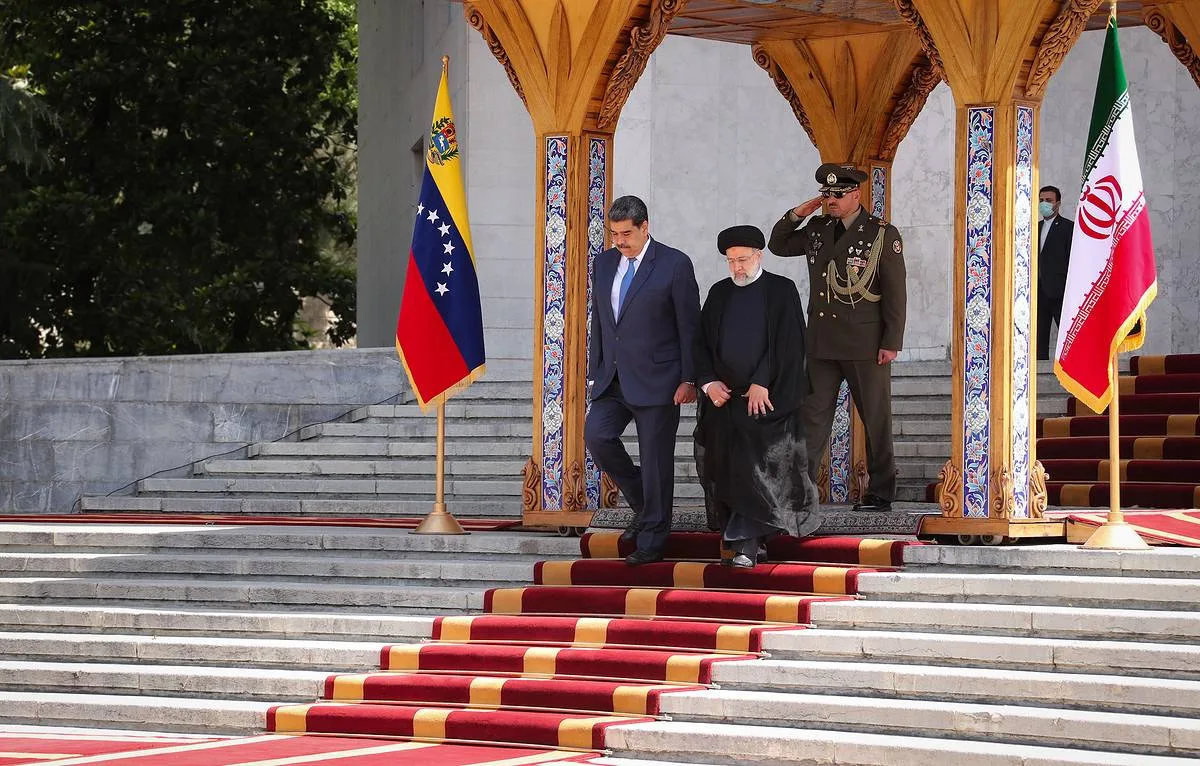
Nonetheless, this partnership faced mounting challenges: sanctions undermined the implementation of key agreements, and the political upheaval in Venezuela following President Nicolás Maduro’s arrest on January 3, 2026, is poised to severely impact the trajectory of bilateral cooperation. Tehran now faces a grim scenario, with its relationship with Caracas rendered effectively comatose.

Intelligence Operations and Strategic Depth

Iran has also invested heavily in the intelligence dimension of its relationship with Caracas. Venezuelan territory evolved into a forward base for Iranian intelligence operations in Latin America, particularly in tracking U.S. and Israeli activities. This network was bolstered by the large Lebanese Hezbollah diaspora across Venezuela and the broader region—creating a complex intelligence environment for the United States.

Moreover, Iran developed ties with regional arms and drug trafficking networks, many of which targeted the U.S. directly. These connections significantly elevated the stakes of Tehran’s presence in the Western Hemisphere and contributed to Washington’s increasing concern over the strategic implications.

Maduro’s Fall and Its Impact on Iran

Maduro’s arrest cannot be viewed in isolation. It forms part of a broader U.S. strategy aimed at constraining Iranian influence beyond the Middle East. From Washington’s perspective, Venezuela had emerged in recent years as one of Tehran’s key entry points into the Western Hemisphere not only for evading sanctions through oil exports, but also as a symbolic challenge to U.S. dominance in Latin America, dating back to the Monroe Doctrine of 1823.

In this context, Maduro’s removal represents more than a domestic shift—it is a strategic opening for the United States to recalibrate the regional landscape and sever one of Iran’s crucial lifelines for breaking international isolation. Any new government in Caracas will likely be offered a “grand bargain”: cut ties with Iran in exchange for sanctions relief, reintegration into the global financial system, and access to Western investment.

This presents Iran with a stark dilemma. Losing Venezuela would signal a clear retreat in its efforts to expand influence beyond its immediate region and would mark another U.S. success in its multipronged pressure campaign. The future of Iranian-Venezuelan relations, then, hinges not solely on Caracas’s choices, but on Washington’s ability to convert this political transition into a strategic tool for global containment.

Can Iran Recover from Maduro’s Fall?

Maduro’s downfall poses a formidable test of Iran’s capacity to project power beyond its geographic neighborhood. Tehran is likely to pursue multiple tracks simultaneously, recognizing that the loss of Venezuela is not merely the loss of an ally but the collapse of a symbolic and strategic outpost in the Western Hemisphere.

Should a new Venezuelan government adopt an overtly anti-Iranian stance and align itself closely with the U.S., Iran will face one of its most complex foreign policy scenarios outside the Middle East.

The shift in Caracas would not just signify a lost partnership, but the transformation of Venezuela into a U.S.-dominated arena one potentially used to politically and economically tighten the noose on Tehran, especially within global energy markets.

In response, Iran may abandon any lingering hopes of preserving its strategic partnership and pivot toward damage control. This could involve seeking legal mechanisms to freeze or safeguard existing agreements, maintaining backchannel communication with economic entities in Venezuela, and avoiding overt political engagement with the new regime.

At the same time, Tehran will likely avoid direct confrontation with Caracas’s new leadership to prevent handing Washington an additional pretext for escalating pressure. Instead, it may opt for a tactical withdrawal, minimizing its public footprint while working quietly to prevent the transition from becoming a sweeping symbolic victory for the U.S.

Regionally, Iran may compensate for the loss of Caracas by shifting its focus to Latin American countries less sensitive to U.S. influence, pursuing low-cost economic and technological collaborations. Strategically, the greater challenge will be to contain the psychological and political fallout from Venezuela’s exit from the Iranian orbit—and to push back against the narrative that Iranian influence in the Western Hemisphere was fleeting and circumstantial.

Ultimately, Iran’s response to a hostile government in Venezuela will be defined less by confrontation and more by calculated retreat an exercise in crisis management aimed at preserving core interests while awaiting future global shifts that might reopen doors to influence.

Download this article as PDF
Share this Article
Facebook Twitter Whatsapp Whatsapp Telegram Email Copy Link
فريق التحرير
By فريق التحرير تقارير يعدها فريق تحرير نون بوست.
Follow:
Previous Article نون بوست Oman Alarmed by STC Expansion in Hadhramaut and Al-Mahrah
Next Article نون بوست Major Sporting Events, Discontented Publics: Morocco as a Case Study

Read More

  • U.S. Regime‑Change Policies: Why They Are Destined to Fail U.S. Regime‑Change Policies: Why They Are Destined to Fail
  • The Gulf’s Balancing Act: Iran, Israel, and Hidden Links
  • Iraq–Turkey Oil Export Treaty: Why Did Ankara Cancel It After 52 Years?
  • Syria’s Northeast on Edge: QSD Between Ankara and Damascus
  • Has Europe Changed Its Stance on Israel… or Just Its Language?
part of the design
NoonPost Weekly Newsletter

You May Also Like

U.S. Regime‑Change Policies: Why They Are Destined to Fail

U.S. Regime‑Change Policies: Why They Are Destined to Fail

إسراء سيد Esraa sayed 8 April ,2026
The Gulf’s Balancing Act: Iran, Israel, and Hidden Links

The Gulf’s Balancing Act: Iran, Israel, and Hidden Links

فريق التحرير Noon Post 8 April ,2026
Iraq–Turkey Oil Export Treaty: Why Did Ankara Cancel It After 52 Years?

Iraq–Turkey Oil Export Treaty: Why Did Ankara Cancel It After 52 Years?

فريق التحرير Noon Post 8 April ,2026

اتهامات للتحالف العربي بارتكاب مجزرة ضد المدنيين في مدينة المخأ اليمنية

فريق التحرير
Noon Post Published 26 July ,2015
Share
alalam_635734102130514232_25f_4x3

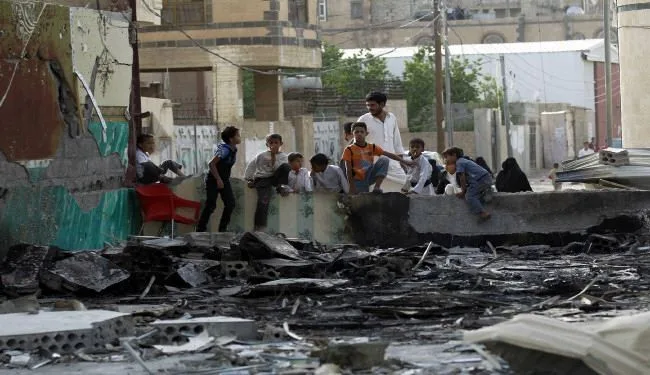
تسبب التدخل العسكري العربي باليمن ضد جماعة أنصار الله “الحوثي” في قتل وتهجير وإصابة الآلاف من المدنيين منذ بدايته في مارس الماضي، إذ  وقع مؤخرًا عشرات القتلى والجرحى من المدنيين جراء قصف جوي على المدن اليمنية، دفع التحالف العربي إلى إعلان هدنة إنسانية بعد يوم دامٍ عاشته اليمن السبت الماضي.

إذ قام طيران التحالف العربي بسلسلة ﻣﻦ ﺍﻟﻐﺎﺭﺕ ﺍﻟﺠﻮية المكثفة استهدفت ﺍﻟﻘﻄﺎﻉ ﺍﻟﺴﺎﺣﻠﻲ ﻭﻣﻨﺎﻃﻖ ﻣﺘﻔﺮقة ﻓﻲ مدينة المخأ غرب محافظة تعز جنوبي اليمن، فجر السبت، حيث أسفر القصف عن مقتل ما لا يقل عن 120 مدنيًا أغلبهم من النساء والأطفال وكبار السن فيما أصيب العشرات، وذلك بعد استهداف المدينة السكنية التابعة لموظفي محطة كهرباء المخأ، والتي تضم حوالي 200 وحدة سكنية، كما طال القصف أيضًا العاصمةَ صنعاء ومحافظات صعدة ومأرب وعدن ولحج بشكل مكثف.

وعلى الصعيد الآخر، كانت مصادر عسكرية قد تحدثت عن قصف للملشيات التابعة لجماعة أنصار الله “الحوثي” عدة مواقع عسكرية سعودية، استهدف القصف بالصواريخ موقع علب بظهران عسير والخنجرة والمعطن بجيزان.

من جانبه أعلن التحالف العربي عن بدء هدنة إنسانية في اليمن، بدأت من منتصف ليل الأحد، على أن تكون مدتها 5 أيام فقط، وذلك بعد طلب من الرئيس اليمني عبدربه منصور هادي كان قد وجهه إلى ملك المملكة العربية السعودية  سلمان بن عبدالعزيز آل سعود بعد سلسلة الغارات الأخيرة التي أوقعت عشرات القتلى والجرحى غالبيتهم من المدنيين، لكن يظل سريان الهدنة مرهونًا بالتزام مسلحي جماعة الحوثي بها.

نشطاء مواقع التواصل الاجتماعي استهجنوا بشدة القصف الأخير، وأكدوا أن المجزرة تعتبر جريمة بحق المدنيين في اليمن، مطلقين هاشتاج تحت اسم ” #مجزرة_ المخا”، شارك فيه أبناء اليمن الذين سعوا في إظهار الخراب الذي سببه التحالف العربي في اليمن، وغيرهم من المتعاطفين مع الضحايا، حيث ألقى المغردون باللوم على التحالف العربي.

طالب بعض النشطاء بفتح تحقيق في قصف مدينة المخأ، مؤكدين أن السكوت على المجازر السابقة ومرورها دون تحقيق هو السبب الرئيسي في تجرأ التحالف العربي على قصف منطقة سكنية للمدنيين مرة أخرى.

الأصل أن قصف تجمع مدنيين يعتبر قتل عمد إلا أن يثبت خلافه، مرت #مجزرة_العبر بلا تحقيق، وتلتها #مجزرة_المخا، وستتكرر الأخطاء تباعا بالسكوت!

— خالد زوبل #اليمن (@khaled_zobul) July 26, 2015

كما طالب آخرون بحسم المعركة الحالية بين التحالف العربي والحوثيين، مؤكدين أن المدنين والأبرياء هم ضحايا ذلك الصراع الدائر.
 

كلما تأخر الحسم سيموت المزيد من المساكين الابرياء كما يحصل في العراق وسوريا؛؛ حرب طويلة= الكثير من الدمار والدماء.
#مجزرة_المخا

— زينب (@zanboalani) July 26, 2015

سخرمدون  آخر على موقع تويتر مهديًا المباركات للملكة العربية السعودية في نجاحها بقتل المدنيين العزل.

Mabruk, Saudi Arabia. | GRAPHIC VIDEO : #Saudi airstrike on Al Mokha city in Taiz #Yemen killed over 60 civilians. https://t.co/2VVDereO7V

— هيكل بافنع (@BaFana3) July 25, 2015

فيما قام آخرون بنشر صور لضحايا المجزرة، ويظهر بإحدى الصور ضحية للقصف فقأت عيناه الاثنتين ويقوم بتحسس جسد والدته المتوفاة بيديه حيث أنه لا يرى، كما نشر نشطاء صور أخرى لأطفال قتلى نتيجة القصف.

فقد عينيه فذهب يتحسس جسد امه الميته بيديه
الصوره أبكتني#مجزرة_المخا pic.twitter.com/Z9dLWGJ8Tc

— вαѕѕαм (@Ba777am) July 26, 2015

شاركوا صور من المجزرة البشعة التي ارتكبها العدوان مستهدفا سكن المهندسين والنازحين بمنطقة المخا محافظةتعز#مجزرة_المخا pic.twitter.com/eZvrHjD7zy

— احمدحسن علي النعمي (@ahmadhasannemy) July 25, 2015

فيما تسائل عدد آخر من النشطاء عن كون استهداف مدينة المخأ من ضمن محاربة التحالف العربي للمد الحوثي.

وعلى صعيدٍ آخر، أدان بعض النشطاء إطلاق التحالف العربي للهدنة، مؤكدين أنها جائت لمحو الجريمة التي تمت بحق المدنين، ومطالبين بمحاسبة المتورطين في قتل المدنيين.

جاء يقولي هدنة
ليمحي #مجزرة_المخا
هدنتك مرفوضه ممهما تعملوا
اول شيء قدموا كل من قصف المخا للاعدام بعد هدنة

— عامر (@Yek3m42342988) July 26, 2015

نشطاء آخرون تعجبوا من بكاء البعض على ضحايا القصف رغم تأيديهم للتدخل العربي في اليمن من البداية، كأنه لم يكن متوقعًا أن يقع ضحايا مدنين نتيجة للتدخل العربي.

#مجزرة_المخا
اتعجب ممن اعلن تاييده #عاصفة_الحزم ويتباكى الان على المجازر
هذا ماتوقعناه واثبتته الايام امريكا ستجعلها حرب ابادة
والقادم اسوأ

— ازهار البشري (@hgod7777) July 26, 2015

TAGGED: #مجزرة_المخأ ، التحالف العربي ، الحوثيين ، القصف على اليمن ، المدنيين
Download this article as PDF
Share this Article
Facebook Twitter Whatsapp Whatsapp Telegram Email Copy Link
فريق التحرير
By فريق التحرير تقارير يعدها فريق تحرير نون بوست.
Follow:
Next Article نون بوست The Stigma of “ISIS”: A Heavy Legacy Haunting Women and Children of Former Members

Read More

  • U.S. Regime‑Change Policies: Why They Are Destined to Fail U.S. Regime‑Change Policies: Why They Are Destined to Fail
  • The Gulf’s Balancing Act: Iran, Israel, and Hidden Links
  • Iraq–Turkey Oil Export Treaty: Why Did Ankara Cancel It After 52 Years?
  • Syria’s Northeast on Edge: QSD Between Ankara and Damascus
  • Has Europe Changed Its Stance on Israel… or Just Its Language?
part of the design
NoonPost Weekly Newsletter

You May Also Like

U.S. Regime‑Change Policies: Why They Are Destined to Fail

U.S. Regime‑Change Policies: Why They Are Destined to Fail

إسراء سيد Esraa sayed 8 April ,2026
The Gulf’s Balancing Act: Iran, Israel, and Hidden Links

The Gulf’s Balancing Act: Iran, Israel, and Hidden Links

فريق التحرير Noon Post 8 April ,2026
Iraq–Turkey Oil Export Treaty: Why Did Ankara Cancel It After 52 Years?

Iraq–Turkey Oil Export Treaty: Why Did Ankara Cancel It After 52 Years?

فريق التحرير Noon Post 8 April ,2026
dark

An independent media platform founded in 2013, rooted in slow journalism, producing in-depth reports, analysis, and multimedia content to offer deeper perspectives on the news, led by a diverse young team from several Arab countries.

  • Politics
  • Society
  • Rights & Liberties
  • Opinions
  • History
  • Sports
  • Education
  • Technology
  • Economy
  • Media
  • Arts & Literature
  • Entrepreneurship
  • Travel
  • Cinema & Drama
  • Food
  • Health
  • Culture
  • Latest Reports
  • Files
  • Long Reads
  • Interviews
  • Podcast
  • Interactive
  • Encyclopedia
  • In Pictures
  • About Us
  • Our Writers
  • Write for Us
  • Editorial Policy
  • Advanced Search
Some rights reserved under a Creative Commons license

Removed from favorites

Undo
Go to mobile version