NoonPost NoonPost

NoonPost

  • Home
  • Politics
  • Economy
  • Society
  • Culture
  • Files
  • Long Reads
  • Podcast
AR
Notification Show More
نون بوست
“There Are Nights I Can’t Close My Eyes”: How Gazans Are Living in Homes on the Brink of Collapse
نون بوست
From al-Jolani to Ahmad al-Shara: The Evolution of Syria’s New Leader
نون بوست
When Political Islam Receded in Egypt: Who Filled the Void?
نون بوست
An Extension of Genocide: Gaza’s Detainees Speak Out
نون بوست
A Tightrope Between Survival and Sovereignty: The Syrian Government Faces Normalization Pressures
نون بوست
American Aircraft Carriers: Has the Era of “100,000 Tons of Diplomacy” Ended?
نون بوست
U.S. Regime‑Change Policies: Why They Are Destined to Fail
نون بوست
Transformations of Israeli Judaism: Between the Victim Complex and the Colonizer’s Doctrine
نون بوست
The Gulf’s Balancing Act: Iran, Israel, and Hidden Links
نون بوست
Iraq–Turkey Oil Export Treaty: Why Did Ankara Cancel It After 52 Years?
نون بوست
Syria’s Northeast on Edge: QSD Between Ankara and Damascus
نون بوست
Has Europe Changed Its Stance on Israel… or Just Its Language?
NoonPost NoonPost
AR
Notification Show More
نون بوست
“There Are Nights I Can’t Close My Eyes”: How Gazans Are Living in Homes on the Brink of Collapse
نون بوست
From al-Jolani to Ahmad al-Shara: The Evolution of Syria’s New Leader
نون بوست
When Political Islam Receded in Egypt: Who Filled the Void?
نون بوست
An Extension of Genocide: Gaza’s Detainees Speak Out
نون بوست
A Tightrope Between Survival and Sovereignty: The Syrian Government Faces Normalization Pressures
نون بوست
American Aircraft Carriers: Has the Era of “100,000 Tons of Diplomacy” Ended?
نون بوست
U.S. Regime‑Change Policies: Why They Are Destined to Fail
نون بوست
Transformations of Israeli Judaism: Between the Victim Complex and the Colonizer’s Doctrine
نون بوست
The Gulf’s Balancing Act: Iran, Israel, and Hidden Links
نون بوست
Iraq–Turkey Oil Export Treaty: Why Did Ankara Cancel It After 52 Years?
نون بوست
Syria’s Northeast on Edge: QSD Between Ankara and Damascus
نون بوست
Has Europe Changed Its Stance on Israel… or Just Its Language?
Follow US

Major Sporting Events, Discontented Publics: Morocco as a Case Study

فريق التحرير
Noon Post Published 26 March ,2026
Share
نون بوست
نون بوست

Despite their festive and spectacular nature, sporting events are not merely sources of entertainment and excitement. They also provoke serious debate around the economic viability of hosting such large-scale competitions particularly in countries grappling with socio-economic challenges. For a segment of the population, these tournaments are seen as extravagant ventures that neglect more urgent development priorities.

In response to critics who dismiss such concerns and who argue that sports, especially football, merely serve to distract the masses French scholar Christophe Bromberger asserts in his book Football: The Most Serious Triviality in the World that sports events do not have the power to anesthetize societies to their problems. He cites the example of widespread protests in Mexico during its hosting of the 1986 FIFA World Cup as evidence.

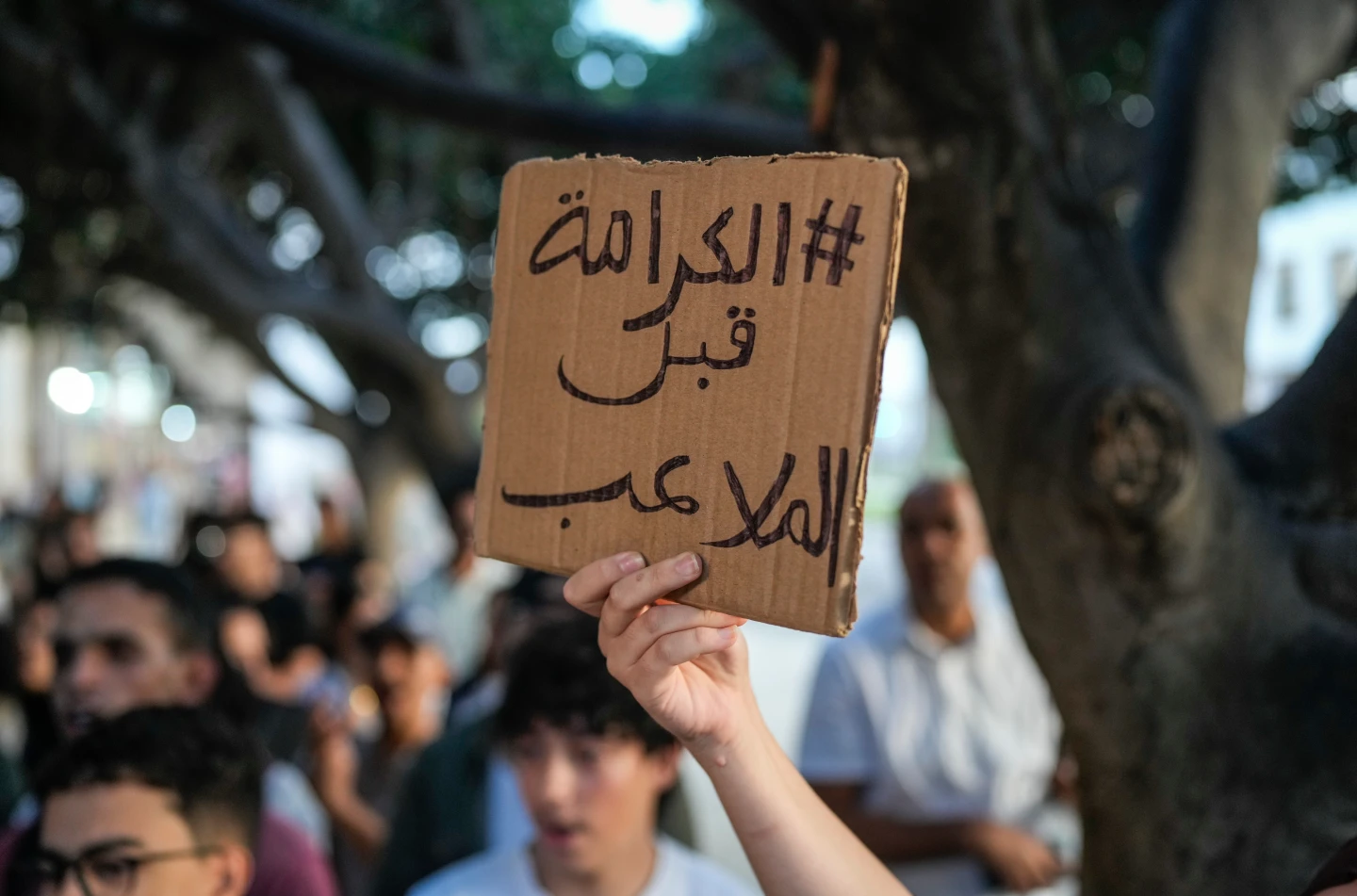
Morocco, which is currently hosting the Africa Cup of Nations (until January 18, 2026) and preparing to co-host the 2030 World Cup with Spain and Portugal, finds itself at the heart of this same dilemma. Months before the African tournament kicked off, Moroccan members of Generation Z took to the streets, calling for public spending to prioritize essential sectors like healthcare and education over sports infrastructure.

The Moroccan government, however, defended its decision through Fouzi Lekjaa President of the Royal Moroccan Football Federation and Minister Delegate for the Budget emphasizing the anticipated economic benefits of hosting a global event.

Why Does Sport Spark Public Outrage?

For decades, major sporting events like the FIFA World Cup and the Olympic Games have been used as tools to polish the reputations of political regimes a practice often referred to as “sportswashing.”

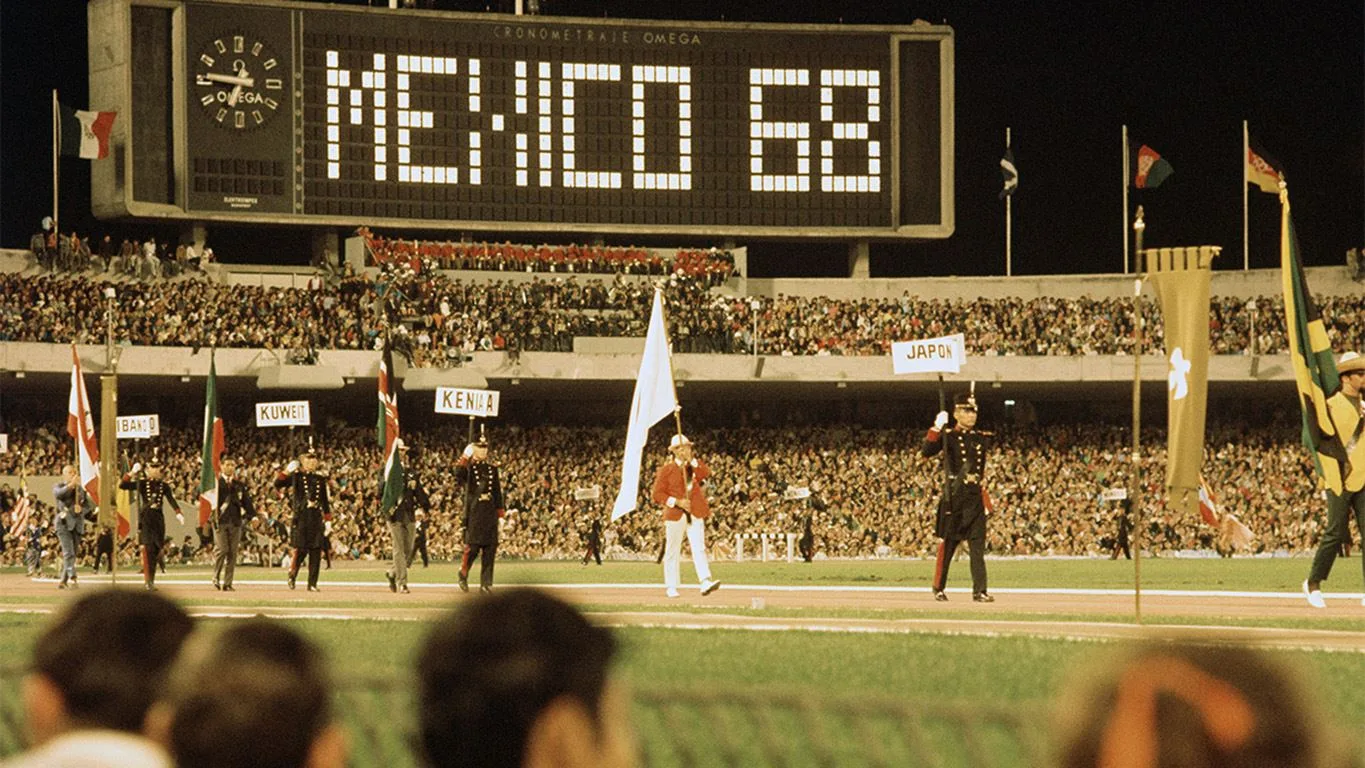
Notable examples include Nazi Germany’s hosting of the 1936 Olympics under Hitler, Fascist Italy’s hosting of the 1934 World Cup under Mussolini, and Mexico’s hosting of the 1968 Olympics under authoritarian president Gustavo Díaz Ordaz. The Mexican case, in particular, reveals a tragic paradox: just ten days before the Olympic opening, Mexican security forces brutally suppressed a peaceful student demonstration in Tlatelolco Square, leaving hundreds dead in what became known as the Tlatelolco Massacre on October 2, 1968.
نون بوست

In an effort to understand the public discontent that often accompanies such events, sports policy researcher Moncef El Yazghi pointed to Brazil as a particularly striking example. Despite being a nation passionate about football, Brazil saw mass protests ahead of the 2014 World Cup, as thousands of residents were evicted from their homes to make way for tournament infrastructure.

According to El Yazghi, these protests stem from “the increasing ability of populations to organize and voice dissent, combined with the evolution of communication tools. Today, there are numerous ways to oppose the hosting of sporting events that are at odds with a country’s internal situation. There is also a tendency to blame football and related projects for policy failures even though issues in education, healthcare, and social welfare predate these events.”

Sports only became a serious subject of academic study with the emergence of sports sociology and the contributions of British historians and social scientists. Key figures in the field include Dutch anthropologist Johan Huizinga, along with Eric Dunning and Norbert Elias.

On the question of why popular anger often erupts around major sporting events, sports sociologist Abdelrahim Bourkia told Noon Post that countries witnessing such protests often face deep social inequalities. In such contexts, investments in sports infrastructure are viewed unfavorably when compared to the fragility of sectors like education and health.

In Bourkia’s view, football in particular becomes a mirror reflecting broader dysfunctions budgetary imbalances, skewed policy priorities, and the absence of equitable resource distribution.

Tournaments and the Economics of Risk and Reward

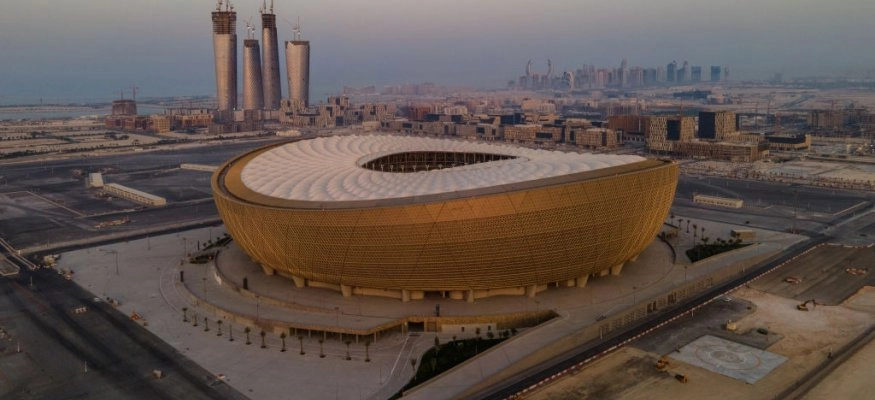
Arguments for and against hosting major sports tournaments almost always revolve around their economic impact. Proponents often cite the 2022 FIFA World Cup in Qatar, which delivered significant and long-term financial returns. According to an IMF report, Qatar invested between $200 billion and $300 billion in a decade-long infrastructure program, of which only $6.5 billion was allocated to stadium construction. The rest was channeled into broader infrastructure and economic diversification.
نون بوست
Lusail Stadium, the largest stadium for the 2022 World Cup in Qatar (Getty)

Speaking to Noon Post, economist Ali Haddada emphasized that the economic gains of such events depend on how effectively host countries transform them into long-term opportunities. “Hosting becomes profitable,” he explained, “when the event is integrated into citizens’ daily economic lives through a development strategy that extends beyond the tournament itself by creating infrastructure that remains useful and by leveraging the event to boost tourism and investment over the medium and long term.”

Yet critics counter these optimistic forecasts with hard numbers. For instance, every Olympic Games held between 1960 and 2020 overshot its declared budget by an average of 172%.

Academic scrutiny of mega-events has also intensified. One of the most influential critiques comes from American researcher and former Olympic athlete Jules Boykoff, whose theory of “celebration capitalism” argues that these events allow private interests to reap profits while the public bears the financial risks. Boykoff highlights the inflation of projected returns, underestimation of true costs, and the diversion of public resources from essential services to showcase projects as key flaws.

Ali Haddada warns of additional risks: “There’s a real danger of cost overruns, pushing states to raise taxes or take on more debt burdens that will ultimately fall on citizens. And in countries where political and economic elites are closely intertwined, such as in much of the Arab world, public procurement related to these events is often plagued by corruption.”

Morocco and the World Cup: Legitimate Protests or Premature Panic?

Morocco is banking on the 2030 World Cup to drive broad-based development. Plans are underway to double airport capacity to 80 million travelers annually by 2030, up from 38 million today.

According to a report by the Moroccan Government Action Observatory, hosting the tournament could increase GDP by 0.5% to 1% annually translating to an additional $3–4 billion—and generate $2–3 billion in tourism revenue during and after the event.

But these projections have done little to assuage the concerns of Morocco’s Gen Z, many of whom launched nationwide protests in September 2025. Among their demands: more investment in critical sectors like health and education instead of spending on high-profile sporting events particularly the World Cup.

Such concerns are echoed in academic circles. Moroccan economist Najib Akesbi cautioned against the financial risks of hosting the tournament, drawing comparisons to Greece’s economic collapse following the 2004 Athens Olympics.

Akesbi argues that Morocco already fiscally strained due to the COVID-19 pandemic, recurring droughts, and an increasing reliance on debt risks mortgaging its future for limited and short-lived returns, especially as job creation is likely to be temporary and tourism booms unsustainable post-event.

In response to these criticisms, sports policy expert Moncef El Yazghi insists that preparations extend far beyond stadiums and can catalyze comprehensive development through job creation and infrastructure expansion.

Speaking to Noon Post, El Yazghi argued that hosting the tournament could compress 20 years of development into just six, citing studies that show Morocco could “gain 14 years” through accelerated implementation. He added that FIFA’s strict oversight mechanisms could act as a more effective accountability tool than Morocco’s traditional parliamentary checks since noncompliance could result in the country losing its right to host.

Sociologist Abdelrahim Bourkia highlighted the dual dimensions of Morocco’s ambitions. Externally, the country seeks to project itself as a stable, open, and secure regional power. Internally, there are heightened public expectations that the tournament will deliver real economic benefits.

Bourkia stressed the need to balance these objectives strengthening Morocco’s international standing while ensuring social justice and sustainable development at home. He argued that this is possible through transparent governance, sound financial management, and a genuine commitment to equitable growth.

Download this article as PDF
Share this Article
Facebook Twitter Whatsapp Whatsapp Telegram Email Copy Link
فريق التحرير
By فريق التحرير تقارير يعدها فريق تحرير نون بوست.
Follow:
Previous Article نون بوست The Arrest of Maduro: The Fall of Iran’s Last Stronghold in Latin America
Next Article نون بوست What Does Israel Gain from the U.S. Strike on Venezuela?

Read More

  • U.S. Regime‑Change Policies: Why They Are Destined to Fail U.S. Regime‑Change Policies: Why They Are Destined to Fail
  • The Gulf’s Balancing Act: Iran, Israel, and Hidden Links
  • Iraq–Turkey Oil Export Treaty: Why Did Ankara Cancel It After 52 Years?
  • Syria’s Northeast on Edge: QSD Between Ankara and Damascus
  • Has Europe Changed Its Stance on Israel… or Just Its Language?
part of the design
NoonPost Weekly Newsletter

You May Also Like

U.S. Regime‑Change Policies: Why They Are Destined to Fail

U.S. Regime‑Change Policies: Why They Are Destined to Fail

إسراء سيد Esraa sayed 8 April ,2026
The Gulf’s Balancing Act: Iran, Israel, and Hidden Links

The Gulf’s Balancing Act: Iran, Israel, and Hidden Links

فريق التحرير Noon Post 8 April ,2026
Iraq–Turkey Oil Export Treaty: Why Did Ankara Cancel It After 52 Years?

Iraq–Turkey Oil Export Treaty: Why Did Ankara Cancel It After 52 Years?

فريق التحرير Noon Post 8 April ,2026

كيف وصلت رشاوي القذافي لوزير داخلية فرنسا؟

فريق التحرير
Noon Post Published 27 July ,2015
Share
screen_shot_2015-07-27_at_10

ترجمة من الفرنسية وتحرير نون بوست

بالنسبة لكلود غيان، فقد حان وقت الكشف عن الحقيقة. ففي هذه اللحظة المؤلمة أمام القضاة، بدأت الذرائع تنهار. ففي 27 فبراير 2013، تم اكتشاف أن وزير الداخلية السابق، حصل على تحويل مالي بقيمة 500 ألف يورو، في عام 2008، ما مكنه من شراء شقة أحلامه. وكان عذر كلود جيان لتوضيح مصادر هذه الأموال بأنه باع لوحتين للرسام أندريس فان إيرتفلت (1590 -1652) قبل بضعة أسابيع.

ومن الصعب تبرير هذا المبلغ باعتبار أن السعر الذي تلقاه الأمين العام للاليزيه كان أعلى بعشر مرات من تصنيف الرسام. كما أن المشتري، الذي كان ينوبه محام من ماليزي، لا يزال مجهول الهوية. حتى أن كلود غيان لم يتمكن من تحديد الظروف التي سبق له فيها شراء هذه اللوحات مع زوجته في التسعينات، من متحف اللوفر لبيع  القطع العتيقة بحسب زعمه.

وبعد عامين من التحقيقات، وجهت للمحافظ السابق والوزير السابق، والبالغ من العمر 70 سنة، في 7 آذار تهمة “التزوير والتهرب من دفع الضرائب وغسيل الأموال” لأنه قام بتنظيم بيع وهمي للوحتين للرسام أندريس فان إيرتفلت كان يمتلكهما لأكثر من اثني عشر عاما. وكشف التحقيق أن كلود غيان تلقى 500 ألف يورو، تم تحويلها من ماليزيا عن طريق شركة المحاماة للسيد سيفا راجندرام، والتي حولت في الأصل من حساب في جدة لرجل الأعمال السعودي خالد بقشان، الذي لم يلتق قط بكلود غيان، ولم يشتر منه لوحاته!

ويكشف البحث اليوم أن المصرفي المشتبه في قيامه بعملية تحويل الأموال، وهيب ناصر، الممثل المالي لعائلة بقشان، والكادر في بنك كريدى أجريكول السويسري، كان أيضا أحد مديري حسابات بشير صالح، رئيس صندوق الاستثمار الليبي الإفريقي.  ويوم 31 مارس، تمت مداهمة منزل ومكاتب وهيب ناصر في سويسرا، وكذلك منزل ومكاتب الوسيط الكسندر دجوهري، القريب من دومينيك دو فيلبان، والذي أصبح بعد عام 2007، أحد المستشارين غير الرسميين لغيان.

وفي مايو 2012، نظم الكسندر دجوهري عملية تهريب بشير صالح الذي كان مطلوبا من الأنتربول، من باريس إلى نجامي في النيجر، بعد وقت قصير من نشر صحيفة ميديا بارت الفرنسية لمذكرة ليبية رسمية تفيد بدور بشير صالح في تمويل الحملة الرئاسية لنيكولا ساركوزي سنة 2007. وفي حين أن التحقيق ما زال جاريا حول صحة هذه المذكرة، بيّن رجل الأعمال زياد تقي الدين للقضاة أن بشير صالح أتى عدة مرات إلى فرنسا لإعداد آليات الدعم المالي الليبي وللحصول على المعلومات البنكية اللازمة لعمليات تحويل الأموال لحملة ساركوزي من عند كلود غيان.

وأثناء تفتيش أحد الأماكن التي أقام فيها بشير صالح في فرنسا، عثر المحققون على شهادة من وهيب ناصر، بتاريخ 24 يوليو 2008، نيابة عن بنك كريدي أجريكول السويسري، فيها تصديق على “القدرة المالية” لبشير صالح . مع وجود عدة وثائق مختلفة تثبت أن وهيب ناصر كان المسؤول على حسابات المسؤول الليبي.

واتهم السعودي خالد بقشان، في الوقت نفسه، مع كلود غيان، بعد فشله في شرح ملابسات التحويل المالي بقيمة 500 ألف يورو من حسابه الخاص إلى الحساب البنكي لكلود غيان، مبينا أنه لم تسبق له معرفة وزير الداخلية الفرنسي السابق وأنه لا يتذكر كل هذه العملية المصرفية، وأوضح بقشان أن وهيب ناصر، المدير التنفيذي السابق للبنك الفرنسي السعودي في جدة،  فرع اندوسويز، كان يتصرف منذ السبعينات في حسابات عائلته، قبل وبعد انضمامه إلى بنك كريدي أجريكول في جنيف. وتم تحويل الأموال لصالح غيان من جدة إلى ماليزيا، قبل أن تستقر في باريس.

وكان بقشان يطلب من وهيب الناصر إجراء عمليات سحب أو دفع عن طريق أوامر خطية نيابة عن إحدى شركات العائلة. ولكن هذا الأخير كان “فوضويا”، بحسب بقشان، فقد كانت لديه عادة مزعجة تتمثل في تقديمه وثائق أو أوراق للتوقيع في “اللحظة الأخيرة” أو قبل أن يأخذ الطائرة، من دون أن يتمكن من قراءتها وهي “أوراق لا تحصى، بما في ذلك فتح حسابات” حسب قول بقشان.

وأكد خالد بقشان أنه إذا كان يريد أن يدفع 500.000 يورو لغيان، فكان سيعطيه المبلغ مباشرة. “وهو مبلغ يسير” بالنسبة له. ويملك خالد بقشان العديد من العقارات في باريس، ولعب دور الوسيط مع الفرنسيين خلال بيع فرقاطات للمملكة العربية السعودية، ولديه “علاقات عمل” مع مجموعات التسليح تاليس وEADS .

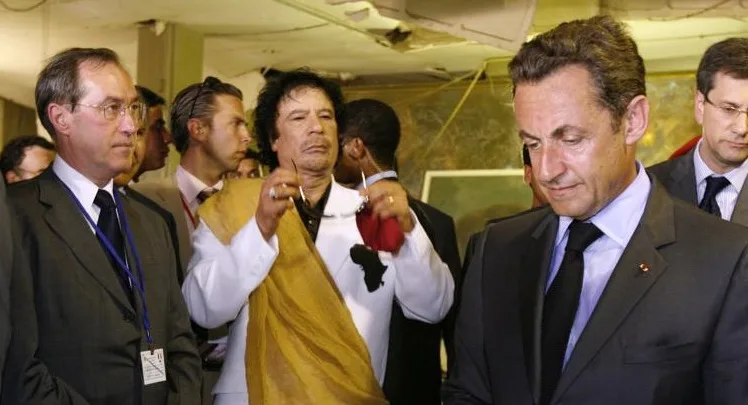
وقد حاول الوزير السابق تعزيز حجته من خلال تمكين القضاة من صورة تم التقاطها في مكتب المحامي الماليزي سيفا راجندرام، المكان الذي تمت فيه عملية التحويل المالي من ماليزيا إلى باريس. ويمكن في الصورة رؤية مساعدة المحامي وهي تحمل اللوحتين لأندريس فان إيرتفلت، مع وجود صحيفة محلية في مكتب المحامي تثبت تاريخ هذه الصورة. ولكن هذه الصورة عززت فكرة أن اللوحتين لم يتم بيعهما …

وأمام الشرطة، قال كلود غيان بأنه تناقش حول احتمال بيع هذه اللوحات خلال لقاءه في فندق الريتز مع المحامي الماليزي، في خريف عام 2007، عندما كان الأمين العام لقصر الاليزيه. وكان المحامي مهتما بهذه اللوحات حتى أنه ذهب في اليوم التالي إلى منزل غيان، الذي قال: “لقد استقبلته زوجتي التي أخبرتني عن دهشتها عند سماعها المحامي يسأل إن كنا سنبيع اللوحتين. كما عاود الاتصال بنا عدة مرات ليقترح علينا في الأخير مبلغ 500.000 يورو، ما اعتبرناه مبلغا مثيرا للاهتمام”.

إلا أن كلود غيان لم يذكر سعر شراء اللوحتين، وحتى هوية تاجر التحف القديمة الذي باعه إياها. كما لم تكن لديه فاتورة الشراء. وعلاوة على ذلك، ومن الغريب، أن اللوحتين لو تكونا مؤمنتين.

في 4 يناير 2008، وحتى قبل استلام الأموال من ماليزيا، وبالتالي الانتهاء من بيع لوحاته، وقّع كلود غيان الوعد بشراء شقة تمسح 89 متر مربع في الدائرة السادسة عشرة. وفي 30 يناير 2008، أبلغ المحامي الماليزي الأمين العام للاليزيه “بتعليمات” العميل، الذي كان “يرغب في عدم الكشف عن هويته” دون مزيد من التفاصيل. ووفقا للمحامي، فإن العميل سيدفع 500.000 يورو وينتظر شهادة خبير لتقييم قيمة “اللوحتين” هذه الشهادة التي لم يكن لها أي أثر. ولا يملك كلود غيان إلا وثيقة ممضاة بخط اليد كتب عليها “جيدة للقبول”، وهي الوثيقة الوحيدة التي تشهد بعملية “البيع”، على الرغم من عدم ذكر اللوحتين في هذه الوثيقة لتبرير تحويل الأموال .

وتلقى الوزير السابق 500.000 يورو من ماليزيا بتاريخ 3 مارس 2008. ما مكنه من دفع نقدا، وبعد أسبوعين، ثمن الشقة الذي كان 717.500 يورو.

منذ بداية استجواب وزير الداخلية السابق، كان الشك يحوم حول وقائع هذه العملية. حيث لم يكن يمتلك أي معلومات تمكنه من إثبات أنه كان حقا صاحب هذه اللوحات: لا صورة، لا شهود … أما بالنسبة لزوجته فقد توفيت. وعلى الرغم من ذلك يقول كلود غيان بأن اللوحات كانت معلقة في غرفة نومه. ويقترح سؤال مدبرة منزله. ولكن للأسف، قالت هذه الأخيرة للشرطة أنها لم تشاهد هذه اللوحات من قبل!

 كما دعّم قسم مكافحة غسل الأموال هذه الشكوك من خلال تمكين القضاة من البيانات التي تم الحصول عليها من نظيره في ماليزيا. فقد تم تحويل مبلغ 500.000 يورو من المملكة العربية السعودية، نحو الحساب البنكي للمحامي الماليزي، يوم 27 فبراير 2008، خمسة أيام قبل خلاص “اللوحات”. لتبرير العملية، قدم السيد سيفا راجندرام فاتورة لكلود غيان، تحتوي على أخطاء إملائية في أسماء وأعمال الفنان، ومقومة بالجنيه، وليس باليورو … وعند رؤية هذه “الفاتورة” أكد الوزير السابق أنها لم تكن بخط يده.

وعند السؤال عن مصدر هذه اللوحات، وصل المحققون إلى إجابة مثيرة للاهتمام، ففي يونيو 1990، تم بيع اللوحتين في مزاد علني في أمستردام كريستي، وبلغ السعر الإجمالي 48300 يورو. وكان المشتري شركة مقرها في جنيف ولم يتم بعد العثور على مديريها. كما قام خبير في الأعمال الفنية بتحليل أسعار أعمال الرسام أندريس فان إيرتفلت مبينا أن  اللوحات كبيرة الحجم تباع ما بين 30.000 و 140.000 يورو، أما البقية فهي تباع حتى بأقل من 10.000 يورو. ويخلص الخبير إلى أن اللوحتين يمكن تقدير سعرهما ما بين 30.000 و 35.000 يورو في عام 2008 وبين 40 و 50 ألف يورو في عام 2013. وهو مبلغ أقل عشر مرات من ذلك الذي تلقاه كلود غيان.

وخلال هذا البيع المزعوم، لم يكن هناك من تكفل بأعمال الشحن، كما لم يتقدم كلود غيان بطلب ترخيص تصدير من وزارة الثقافة، بالرغم من أن هذا الإجراء إلزامي عندما يتجاوز سعر البيع 000 150 يورو.

وفي دفاعه، وجد وزير الداخلية السابق شهادة أصالة مرفقة مع اللوحتين. ولكن للأسف، أدرك المحققون وبسرعة أن هذه الشهادة سلمها خبير مورط في قضية شهادات مزورة … وخلص قضاة التحقيق إلى أن كلود غيان شارك “في إعداد مجموعة من الوثائق (وعد بالشراء، فاتورة) لإضفاء الطابع الرسمي على صفقة بيع وهمية”.

صحيفة ميديا بارت الفرنسية


TAGGED: العلاقات الليبية الفرنسية ، الفساد في أوروبا ، رشاوي مسؤولين
Download this article as PDF
Share this Article
Facebook Twitter Whatsapp Whatsapp Telegram Email Copy Link
فريق التحرير
By فريق التحرير تقارير يعدها فريق تحرير نون بوست.
Follow:
Next Article نون بوست The Stigma of “ISIS”: A Heavy Legacy Haunting Women and Children of Former Members

Read More

  • U.S. Regime‑Change Policies: Why They Are Destined to Fail U.S. Regime‑Change Policies: Why They Are Destined to Fail
  • The Gulf’s Balancing Act: Iran, Israel, and Hidden Links
  • Iraq–Turkey Oil Export Treaty: Why Did Ankara Cancel It After 52 Years?
  • Syria’s Northeast on Edge: QSD Between Ankara and Damascus
  • Has Europe Changed Its Stance on Israel… or Just Its Language?
part of the design
NoonPost Weekly Newsletter

You May Also Like

U.S. Regime‑Change Policies: Why They Are Destined to Fail

U.S. Regime‑Change Policies: Why They Are Destined to Fail

إسراء سيد Esraa sayed 8 April ,2026
The Gulf’s Balancing Act: Iran, Israel, and Hidden Links

The Gulf’s Balancing Act: Iran, Israel, and Hidden Links

فريق التحرير Noon Post 8 April ,2026
Iraq–Turkey Oil Export Treaty: Why Did Ankara Cancel It After 52 Years?

Iraq–Turkey Oil Export Treaty: Why Did Ankara Cancel It After 52 Years?

فريق التحرير Noon Post 8 April ,2026
dark

An independent media platform founded in 2013, rooted in slow journalism, producing in-depth reports, analysis, and multimedia content to offer deeper perspectives on the news, led by a diverse young team from several Arab countries.

  • Politics
  • Society
  • Rights & Liberties
  • Opinions
  • History
  • Sports
  • Education
  • Technology
  • Economy
  • Media
  • Arts & Literature
  • Entrepreneurship
  • Travel
  • Cinema & Drama
  • Food
  • Health
  • Culture
  • Latest Reports
  • Files
  • Long Reads
  • Interviews
  • Podcast
  • Interactive
  • Encyclopedia
  • In Pictures
  • About Us
  • Our Writers
  • Write for Us
  • Editorial Policy
  • Advanced Search
Some rights reserved under a Creative Commons license

Removed from favorites

Undo
Go to mobile version