NoonPost NoonPost

NoonPost

  • Home
  • Politics
  • Economy
  • Society
  • Culture
  • Files
  • Long Reads
  • Podcast
AR
Notification Show More
نون بوست
“There Are Nights I Can’t Close My Eyes”: How Gazans Are Living in Homes on the Brink of Collapse
نون بوست
From al-Jolani to Ahmad al-Shara: The Evolution of Syria’s New Leader
نون بوست
When Political Islam Receded in Egypt: Who Filled the Void?
نون بوست
An Extension of Genocide: Gaza’s Detainees Speak Out
نون بوست
A Tightrope Between Survival and Sovereignty: The Syrian Government Faces Normalization Pressures
نون بوست
American Aircraft Carriers: Has the Era of “100,000 Tons of Diplomacy” Ended?
نون بوست
U.S. Regime‑Change Policies: Why They Are Destined to Fail
نون بوست
Transformations of Israeli Judaism: Between the Victim Complex and the Colonizer’s Doctrine
نون بوست
The Gulf’s Balancing Act: Iran, Israel, and Hidden Links
نون بوست
Iraq–Turkey Oil Export Treaty: Why Did Ankara Cancel It After 52 Years?
نون بوست
Syria’s Northeast on Edge: QSD Between Ankara and Damascus
نون بوست
Has Europe Changed Its Stance on Israel… or Just Its Language?
NoonPost NoonPost
AR
Notification Show More
نون بوست
“There Are Nights I Can’t Close My Eyes”: How Gazans Are Living in Homes on the Brink of Collapse
نون بوست
From al-Jolani to Ahmad al-Shara: The Evolution of Syria’s New Leader
نون بوست
When Political Islam Receded in Egypt: Who Filled the Void?
نون بوست
An Extension of Genocide: Gaza’s Detainees Speak Out
نون بوست
A Tightrope Between Survival and Sovereignty: The Syrian Government Faces Normalization Pressures
نون بوست
American Aircraft Carriers: Has the Era of “100,000 Tons of Diplomacy” Ended?
نون بوست
U.S. Regime‑Change Policies: Why They Are Destined to Fail
نون بوست
Transformations of Israeli Judaism: Between the Victim Complex and the Colonizer’s Doctrine
نون بوست
The Gulf’s Balancing Act: Iran, Israel, and Hidden Links
نون بوست
Iraq–Turkey Oil Export Treaty: Why Did Ankara Cancel It After 52 Years?
نون بوست
Syria’s Northeast on Edge: QSD Between Ankara and Damascus
نون بوست
Has Europe Changed Its Stance on Israel… or Just Its Language?
Follow US

What Does Israel Gain from the U.S. Strike on Venezuela?

سجود عوايص
Sujoud Awais Published 26 March ,2026
Share
نون بوست
نون بوست

Just hours after the U.S. strike on Venezuela and the arrest of President Nicolás Maduro, Israeli opposition leader Yair Lapid declared, “The Iranian regime should take careful note of what’s happening in Venezuela.” His pointed remark reflected the lens through which the operation was interpreted in Tel Aviv.

This statement wasn’t a passing comment. Rather, it underscored a sense of political and security satisfaction in Israel with Washington’s use of force absent any international mandate an approach Israel believes should be replicated in other contexts.

Foremost among these is the Iranian regime and its regional and international affiliations, which Israel views as the central threat to its national security doctrine. But the implications go beyond Iran.

They include a renewed legitimacy for Israel’s own military actions, a reduced cost for deploying force outside legal frameworks, and a weakening of transcontinental international solidarity with the Palestinian cause solidarity that has placed mounting political and moral pressure on Israel in global forums.

From this perspective, the U.S. strike on Venezuela is not viewed in Tel Aviv as an isolated event in Latin America, but rather as part of a broader reshaping of priorities and norms within the international order an order increasingly aligned with Israel’s security worldview.

It restores the primacy of force over law, weakens the centrality of international legal norms, and gives Israel broader leeway to justify its military policies. In effect, the operation resembles a penalty kick taken by Washington but its strategic outcome lands squarely in Israel’s favor.

Whitewashing Israeli Crimes

In the final months of 2025, President Donald Trump repeatedly threatened Venezuela and its president, urging Maduro to step down and leave the country. These threats were backed by a large military buildup off the Venezuelan coast, including more than 10,000 U.S. troops, the aircraft carrier USS Gerald R. Ford, and several heavy bombers, including B-52s and B-1s. Since October 2025, several attacks were carried out on speedboats in the Caribbean, killing more than 60 Venezuelans.

To many observers, Trump’s talk of regime change in Venezuela seemed fanciful divorced from the post-WWII norms of international legitimacy and grounded only in flimsy pretexts like drug trafficking or Maduro’s alleged illegitimacy, charges that could easily apply to other Latin American governments.
نون بوست

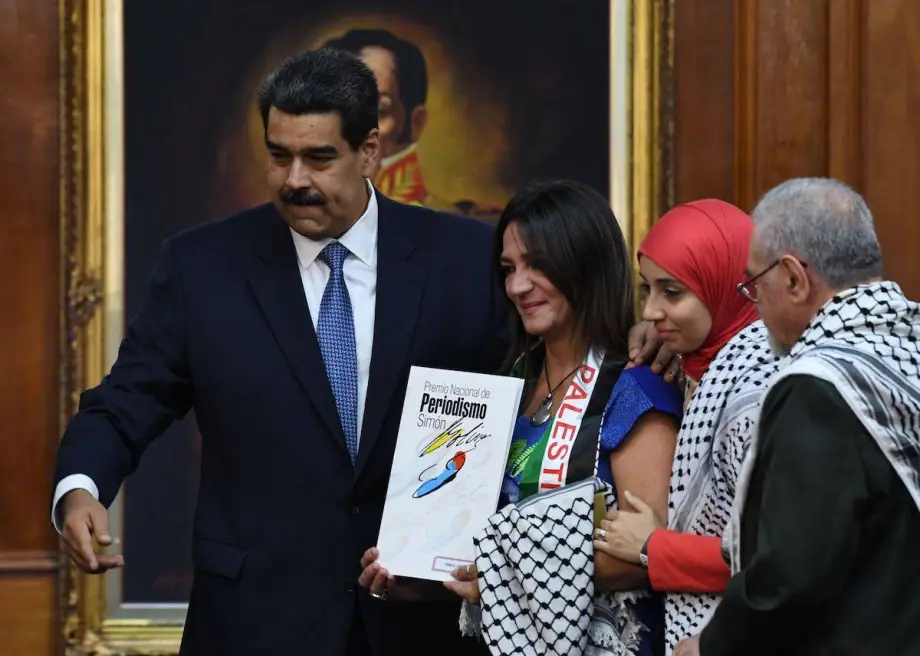
Yet in a sudden turn, Trump followed through: he attacked Venezuela, bombed its ports, and abducted its president and first lady.

This shift from threat to execution without legal authorization or international consensus and despite explicit European (British and French) declarations of non-participation mirrored the Israeli military model in the Middle East over the past two years.

In Israel’s case, the combination of preemptive threats and rapid execution has become a cornerstone of what is marketed as “preventive deterrence” whether in operations against the Houthis, Hezbollah, or repeated strikes in Syria. What the Venezuelan case adds is the application of this model to direct U.S. military action, lending it a de facto legitimacy and normalizing what had previously been seen as an Israeli exception.

As a result, the overlap between American and Israeli methods of military engagement yields several consequences: conditioning international and regional audiences to expect strikes as foregone conclusions, diminishing the value of national sovereignty by violating territorial integrity, and bypassing the usual criteria for launching wars, such as UN resolutions or multilateral consensus.

In this light, the U.S. strike on Venezuela sets a precedent that legitimizes future attacks on countries like Qatar, Iran, Lebanon, or Yemen their infrastructure, leadership, or critical assets. The implicit message: if Israel can do it, so can the U.S. so why should Israel be held accountable while America is not?

This dynamic erodes any legal argument against Israeli actions, including assassinations, preemptive strikes, and the violation of sovereign airspace. It constitutes a retroactive political and moral whitewashing of Israel’s conduct two years of mass violence, and seven decades of colonialism and breaches of sovereignty and human rights within the Western narrative.

The High Cost of Solidarity

The impact of the U.S. strike extends beyond the legal fabric of the international system. It also raises the cost of official solidarity with anti-imperialist causes, foremost among them the Palestinian struggle. Venezuela has not been a neutral actor in the Arab-Israeli conflict. In recent years, it emerged as one of the most prominent non-regional champions of the Palestinian cause.

This was reflected in severing diplomatic ties with Israel in 2009, hosting Palestinian delegations, supporting international legal actions against Israel, and backing countries pushing for an oil embargo to pressure Tel Aviv to halt its crimes against Palestinians.

Seen through this lens, the targeting of Venezuela sends an implicit warning to states and organizations that have translated pro-Palestinian stances into measurable policy. Although Washington did not explicitly cite Caracas’s position on Israel as a motive, broader U.S. foreign policy trends over the past two years reveal growing intolerance toward any international solidarity that transcends humanitarian concern and moves into direct criticism of U.S. policy or its backing of Israel.

This development increases the cost of official solidarity, pushing many countries to recalibrate not by abandoning support for Palestinians outright, but by limiting that support to rhetorical or popular channels.

In such a climate, official silence or vague, noncommittal statements becomes less risky than adopting practical policies like boycotts or legal action. Consequently, institutional solidarity is hollowed out, reduced to a political liability instead of an effective tool for international pressure.

This shift drives official solidarity inward confined to public sentiment rather than state action and drains it of efficacy, as states adopt more cautious, centrist positions both domestically and internationally, including in forums like the UN Security Council and General Assembly, to avoid potential political, economic, or military reprisals from Washington.

It is within this context that Palestinian factions swiftly condemned the U.S. assault on Venezuela, describing it as an extension of imperial dominance and a punishment for supporting Palestine. Meanwhile, Arab states and Middle Eastern regimes largely chose silence, watching events unfold from the sidelines.

The Power of Implicit Threats

From an Israeli standpoint, the most significant benefit of the U.S. strike lies not in its direct outcomes but in its broader implications. Though Israel played no role in the operation, it stands as the primary beneficiary of the messages the strike conveyed particularly in the context of Iran and the Middle East.

The operation thus serves as a political and security signal: that the use of force outside international legal frameworks remains a viable—and repeatable—option. On one level, the strike is interpreted as an escalation against Iranian-linked networks beyond the Middle East, curbing their operational space in Latin America.

This region has long been considered a core sphere of American influence, and the strike aligns with past U.S. efforts to sanction entities involved in Venezuelan-Iranian military and technological cooperation. It reinforces the perception that targeting Venezuela is part of a broader strategy to pressure Iran’s global enablers, if not the regime itself—for now.

This began in late December, when the U.S. Treasury Department imposed sanctions on Venezuelan individuals and entities assembling Iranian-designed combat drones, labeling them a threat to U.S. interests in the Western Hemisphere.

Simultaneously, Israeli intelligence-linked think tanks issued a series of reports highlighting close ties between Caracas and Tehran, including direct flights allegedly used for transferring personnel and equipment, the Venezuelan regime’s reliance on Iran’s Revolutionary Guard to rehabilitate its oil sector, and safe havens granted to Hezbollah operatives.

In this context, the U.S. operation functions as an indirect deterrent a message to Tehran without triggering full-scale confrontation. Rather than a direct blow that risks regional escalation, pressure is being strategically applied to Iran’s far-flung allies.

This approach offers Israel a dual strategic gain: tightening the noose around Iran beyond the Middle East, while expanding its own freedom of action within it. It reinforces the idea that unilateral strikes are no longer Israel’s domain alone but a shared tactic with the world’s dominant power.

Accordingly, the U.S. strike may be viewed as Israel’s final warning to Iran pushing Tehran to take Israeli-American threats more seriously, reduce its regional involvement, and pull back from rebuilding its ballistic and nuclear capabilities.

This comes amid growing anti-government protests across Iran and following a Trump warning that “using live ammunition against protesters is not a domestic matter and continued repression will be met with consequences.”

The warning narrows the Iranian regime’s options in dealing with protesters, even as it suspects foreign orchestration behind the unrest aimed at toppling the government.

Israeli sources, along with former U.S. Secretary of State Mike Pompeo, reinforced this narrative. In a post, Pompeo wrote: “Happy New Year to every Iranian taking to the streets and to every Mossad agent marching beside them,” an unambiguous reference to foreign intelligence operatives among the demonstrators.

Redrawing the Map of Legitimacy

The U.S. assault on Venezuela at the dawn of 2026 reveals stark discrepancies in how Western powers approach foreign intervention depending on geography. A comparison with Syria, Ukraine, South Sudan, or the plight of minorities in China shows that legitimacy is no longer grounded in popular will or the severity of abuses, but in the calculus of Western interests and influence.

In Syria, mass protests erupted in 2011 demanding political change amid well-documented rights abuses, drug trafficking, and the regime’s reliance on foreign forces for survival. Yet the U.S. and Western powers refrained from direct intervention to remove Assad highlighting a clear selectivity in applying principles of intervention and civilian protection, based not on legality or morality, but on strategic interest.

This is not unique to the Trump administration. It extends to the European Union and the broader Western order. Despite the American operation’s flagrant breach of international law, the European Commission issued a statement treating it as an internal Venezuelan uprising.

Commission President Ursula von der Leyen declared, “We support a peaceful transition in Venezuela… We stand by the Venezuelan people and back a peaceful, democratic transition. We’ve repeatedly stated that Maduro lacks legitimacy.”

Other governments limited themselves to platitudes about respecting international law, urging restraint, and expressing “shock and concern.” Only close U.S. allies like Israel and Argentina rushed to applaud and endorse the operation.

In his most recent statement, Trump laid out his vision for Venezuela’s future, affirming that the U.S. would manage the country directly if necessary. He laid down the terms of what he sees as just governance modeled after his preferred opposition figure and driven by access to Venezuela’s vast oil reserves.

Once again, Trump writes the Middle East’s story from afar justifying Israeli wars through his own, serving up nations on silver platters to their tormentors and colonizers, dismantling the principle of state sovereignty to his and his allies’ advantage, promoting piracy and violence, and redefining international relations through the lens of brute force.

Download this article as PDF
Share this Article
Facebook Twitter Whatsapp Whatsapp Telegram Email Copy Link
سجود عوايص
By سجود عوايص باحثة في قضايا الإعلام الفلسطيني والقانون الدولي الإنساني.
Follow:
Previous Article نون بوست Major Sporting Events, Discontented Publics: Morocco as a Case Study
Next Article نون بوست A New Battleground: How the Campaign Against Alaa Abd El-Fattah Has Moved to Britain

Read More

  • U.S. Regime‑Change Policies: Why They Are Destined to Fail U.S. Regime‑Change Policies: Why They Are Destined to Fail
  • The Gulf’s Balancing Act: Iran, Israel, and Hidden Links
  • Iraq–Turkey Oil Export Treaty: Why Did Ankara Cancel It After 52 Years?
  • Syria’s Northeast on Edge: QSD Between Ankara and Damascus
  • Has Europe Changed Its Stance on Israel… or Just Its Language?
part of the design
NoonPost Weekly Newsletter

You May Also Like

U.S. Regime‑Change Policies: Why They Are Destined to Fail

U.S. Regime‑Change Policies: Why They Are Destined to Fail

إسراء سيد Esraa sayed 8 April ,2026
The Gulf’s Balancing Act: Iran, Israel, and Hidden Links

The Gulf’s Balancing Act: Iran, Israel, and Hidden Links

فريق التحرير Noon Post 8 April ,2026
Iraq–Turkey Oil Export Treaty: Why Did Ankara Cancel It After 52 Years?

Iraq–Turkey Oil Export Treaty: Why Did Ankara Cancel It After 52 Years?

فريق التحرير Noon Post 8 April ,2026

إسلاموفوبيا المستشرقين تفتري على النبي محمد بشكل لم يسبق له مثيل

مُنور أنيس
مُنور أنيس Published 27 July ,2015
Share
n-QURAN-large570

ترجمة وتحرير نون بوست

فيما عدا الإرث الذي تركته السياسات الاستعمارية، غالباً ما تُعرّف العلاقات الباردة ما بين الإسلام والغرب من خلال أحداث 11 سبتمبر وما بعدها، لذلك تم استخدام عدة طروحات ومصطلحات مثل صراع الحضارات، حرب الأفكار، الحرب على الإرهاب، الحروب الصليبية، والفاشية الإسلامية، بشكل كبير لتحكم هذه العلاقة إلى حد كبير.

في خضم الهذيان الثقافي الغربي، كانت عقليات الجيش، والعقليات الاقتصادية والسياسية، التي تحكم غزو العراق وأفغانستان والتدخلات السرية وغير السرية في باكستان، تستهدف بشكل أساسي تشويه حياة، شخصية، وأفعال النبي محمد.

أدب الإسلاموفوبيا المنتشر في العقد الحالي، والذي يتخذ من الإنترنت أرضاً خصبة له، يتميز بضمه للمسلمين السابقين مثل أيان حيرسي علي، وفاء سلطان، وليد شعيبات، وغيرهم من الذين يستعملون أسماء مستعارة، مثل ابن وراق أو علي سينا، حيث يحاول هؤلاء مواجهة الاستشراق التقليدي بتقديم الاستشراق المعاصر في زي ديني، حيث يُستخدم هذا المنهج الأخير كوسيلة لتصوير شعوب الشرق بطريقة متدنية، كنعتهم بالآخرين أو بالهمج، وعلاوة على ذلك، فإن السرعة الخيالية التي تنتشر بها النصوص والرسومات والملفات السمعية والبصرية اليوم، أضافت أبعاداً جديدة لهذا التهجم العنيف واللاذع، حيث تركز محاولات تصوير الحياة النبوية في هذه الأيام على تشويه صورة النبي، من خلال تركيزها على ممارسة الجنس مع الأطفال، الرق، تعدد الزوجات، والحروب الإسلامية المقدسة، علماً أنه في الماضي، كان نهج المستشرقين السائد يستخدم فقه اللغة، التاريخ، الدين المقارن، لوصف حياة النبي محمد.

الكراهية، الغضب، الافتراء، والتحامل على الإسلام في الغرب، هي حملات لا تميز بين القرآن والنبي والمسلمين بشكل عام، وكلاً من الاستشراق المعاصر والإسلاموفوبيا، رغم أنهما يعترفان بالوضع الأصولي للنبي، بيد أنها يستهدفان أحد هذه المقدسات أو جميعها باعتداءاتهما المستمرة على الكرامة والنزاهة الإسلامية، والبعض يعتبر بأن هذه الحرب الأيديولوجية الخاطفة غالباً ما تتوج من خلال غزو واحتلال أراضي المسلمين.

في عام 2011 في غاينيسفيل- فلوريدا، وتحت إشراف ومراقبة قس إنجيلي أمريكي، تم حرق نسخة من القرآن في الكنيسة بعد أن تم وصمه بأنه مذنب بوقوع الجرائم، وهذا الحادث ليس معزولاً أو فريداً من نوعه، كونه يمثل نمطاً عاماً متداولاً بشدة، حيث أن قصة تدنيس القرآن في معتقل غوانتانامو تم توثيقها بشكل جيد، حيث قيل بأنه تم وضعه داخل المرحاض وفتح الماء عليه لاستثارة مشاعر المعتقلين المسلمين، وعلى الرغم من أن هذه القصة تم نفيها فيما بعد من قِبل مجلة نيوزويك، ولكن تم توثيق حوادث مماثلة أخرى؛ ففي ذات العام، دنس السجانون الأمريكيون نسخة من القرآن الكريم ببولهم، كما قاموا بالدعس عليه والوقوف فوقه وإغراقه بالماء، وعمد رجل أعمال ألماني إلى طباعة اسم القرآن على ورق المراحيض، وعرضها للبيع، وفي حوادث مماثلة تم استعمال الآيات القرآنية ضمن وشوم رُسمت على أسفل ظهر الإناث، كما تم طبع هذه الآيات على الجلود المستخدمة لصناعة الأحذية النسائية، والملابس التي ترتديها نساء نصف عاريات في عروض الأزياء، فضلاً عن قيام نائب هولندي يدعى جيرت فيلدرز، بنشر صور على الإنترنت بعنوان “فتنة”، يقارن من خلالها القرآن مع قصة أدولف هتلر “كفاحي”، حتى وصل الأمر إلى التحاق البابا بنديكتوس السادس عشر بركب تقريع وإهانة الإسلام، من خلال إهانته للنبي، وتوجيهه لملاحظات مهينة للغاية حول الإسلام.

هذه الحوادث ليست سوى جزءاً صغيراً جداً من الأحداث والمواد المنتشرة بشدة، والتي تستمر باستهداف الإسلام والنبي والمسلمين، بسلوك يعتبر قمة بالإساءة والدناءة؛ فاللغة والرسومات المستخدمة للتعبير عن هذا الكم الهائل من التعصب لا يستطيع أي شخص متحضر وفي القرن الواحد والعشرين تصورها أو تقبلها، وخاصة تلك التي تصوّر الطرد المروع لليهود والمسلمين من شبه الجزيرة الإيبيرية بعد استردادها من قِبل المسيحيين.

إن الهجوم والإساءة اللفظية والبصرية، التي يختبرها مرتادو الانترنت المسلمين، بالكاد يتم تسليط الضوء عليها أو ذكرها في وسائل الإعلام، ويمكننا ببساطة قياس الحجم الهائل لهذه الكراهية من خلال إدخال كلمات بحث بسيطة على جوجل؛ ففي وقت مبكر من هذا الأسبوع، حقق مصطلح بحث “الإسلاموفوبيا” أكثر من مليوني نتيجة بحث؛ تتضمن حوالي 2000 كتاب تتحدث حول هذا الموضوع، وما يقرب من 1.000.000 صورة معنونة بوسم “الإسلاموفوبيا”.

من هذا المنطلق، يحق لنا التعجب والاستغراب من الممارسات الفظيعة التي تتم ممارستها باسم كأس حرية التعبير المقدسة، حيث يتم التذرع بهذه الحرية واستخدام التطور التكنولوجي الحديث لبث الكراهية ضد الدين الإسلامي؛ فلا يوجد أي دين آخر تعرض للامتهان والتشويه أكثر من الدين الإسلامي، كما لم يتعرض أي نبي لذات درجة الفظائع والتحقيرات التي مورست ضد نبي الإسلام، ولم يخضع أتباع أي دين آخر لذات درجة الندوب النفسية الغائرة والعميقة والمستديمة التي عانى منها المسلمون باسم حق الحرية، ولكن مع ذلك، فإن تزايد معادة السامية ما بين المسلمين، وهو الأمر الذي لم نشهده على طول التاريخ السلمي الطويل للعلاقات اليهودية – الإسلامية، هو مصدر قلق خطير لأنه يفتح باباً جديداً أمام بث ونشر الكراهية.

من الخطأ أن نعتقد إن تصريحات الكراهية قد صدرت ضمن سياق سياسي صحيح معين بذاته، وأن لها قيمة عابرة، تنتهي بمجرد انتهاء هذا السياق، فالحق أن هذه التصريحات تمثل وتحدد الطريقة التي ينظر بها الغرب إلى الإسلام ونبيه والمسلمين، ونحن لسنا بحاجة لنتعمق ونحفر ضمن أسس الواقع، لنفهم تأثير هذه الآراء والتصريحات ضمن الأوساط الأكاديمية وعلى ساحة الرأي العام، ناهيك عن تأثيرها في صياغة سياسات الدول أو إدخال ضوابط جديدة؛ فعلى مدى العقد الماضي شهدنا الموت البطيء للتعددية الثقافية، وضع الحدود أمام الفكر الليبرالي، زيادة القيود على الحريات الشخصية، تعزيز الرقابة على الأفراد، انخفاض عتبة التسامح، المضايقات، الاعتقالات غير القانونية، وفرض الحظورات على تطبيق الشريعة، أما في مجال الحياة العامة فشهدنا وضع قيود على السفر، التمييز الممارس ضد المسلمين، العنف، حظر النقاب، وقف أدونات تشييد المآذن أو المساجد، وفرض قيود على صناعة الحلال، وهذا جميعه ليس سوى غيض من فيض التحيزات التي يواجهها المسلمون في عالم اليوم.

إن المتابع المدقق لواقع اليوم يلاحظ إن صورة رومانسية الشرق وسحره، وأسرار الصحراء العربية، التي يتناحر ضمنها البدو، وتظهر فيها الحريم المترفة، يتم استبدالها في جميع أنحاء العالم اليوم بفيض جديد من القوالب النمطية التي تتحدث عن النبي العربي وأتباعه، وتصورهم في حلة جديدة.

ومن خلال استقراء الفظائع التي ترتكبها ما يسمى بدولة الخلافة، التي يقوم عليها حفنة من إرهابيي داعش، يواجه أكثر من 1.3 مليار مسلم في جميع أنحاء العالم اليوم عبء الذنب الجماعي للتقارير التي تصل عن ممارسات داعش الفظيعة، مثل صلب الجواسيس، اغتصاب الأطفال، ذبح غير المسلمين، إعدام الأطفال الجماعي، حرق الأعداء وهم على قيد الحياة، القطع الوحشي للرؤوس، نهب وحرق المكتبات، وضع الأعداء في قفص وقتلهم غرقاً، الاسترقاق الجنسي، سلب حقوق الأقليات، تدريب الأطفال ليصبحوا جلادين وانتحاريين، التدمير واسع النطاق للآثار بما في ذلك قبر النبي يونس، هذه الممارسات هي بعض من العديد من أفعال الموت والدمار الدنيئة الأخرى التي يمارسها تنظيم داعش، وعلى الرغم من أن أياً من هذه الممارسات غير معترف بها من قِبل المذاهب الإسلامية، بيد أن متبعي مذاهب الإسلاموفوبيا “الإسلاموفوبيون” لا يلكون ولا يملون من ترديد شعار: داعش هي الإسلام، والإسلام هو داعش.

من الخطأ أن نفترض أن لواء كتّاب الإسلاموفوبيا الجديد هو الاسم المستعار للاستشراق المعاصر، بل على العكس من ذلك، فهؤلاء هم نوع جديد له استقلاليته الذاتية، ويعوزهم الصدق الفكري والضمير أو أي أساس أخلاقي آخر، وعلى الرغم من أنهم صاغوا طريقاً جديداً لتحقيق الربح من صناعة الإسلاموفوبيا، فالبعض منهم ينعت نفسه بأنه من متبعي مذهب الاستشراق الجديد.

أخيراً، فإن الاستشراق الكلاسيكي لا يملك الوسائل ولا الخيال الشرير اللازمين لتصوير النبي بالطريقة التي نشهدها اليوم، وهذا التحول النمطي بالفكر هو تحول معزز إلى حد كبير بالتكنولوجيا الحديثة، بحيث لم يعد يعتبر المساعي الفكرية الأصيلة كسمة للانضباط الأكاديمي، والحقيقة تقف اليوم كأضحية على مذبح المصالح السياسية، بحيث أصبحت الدراسات التي تشيد بالإسلام تبدو وكأنها جانٍ مشكوك بانتماءاته، وباسم الانتقام من هجوم 11 سبتمبر، يجري تشديد الخناق على الفكر والسياسة، في محاولة لتشويه شخصية ورسالة الرسول محمد صلى الله عليه وسلم.

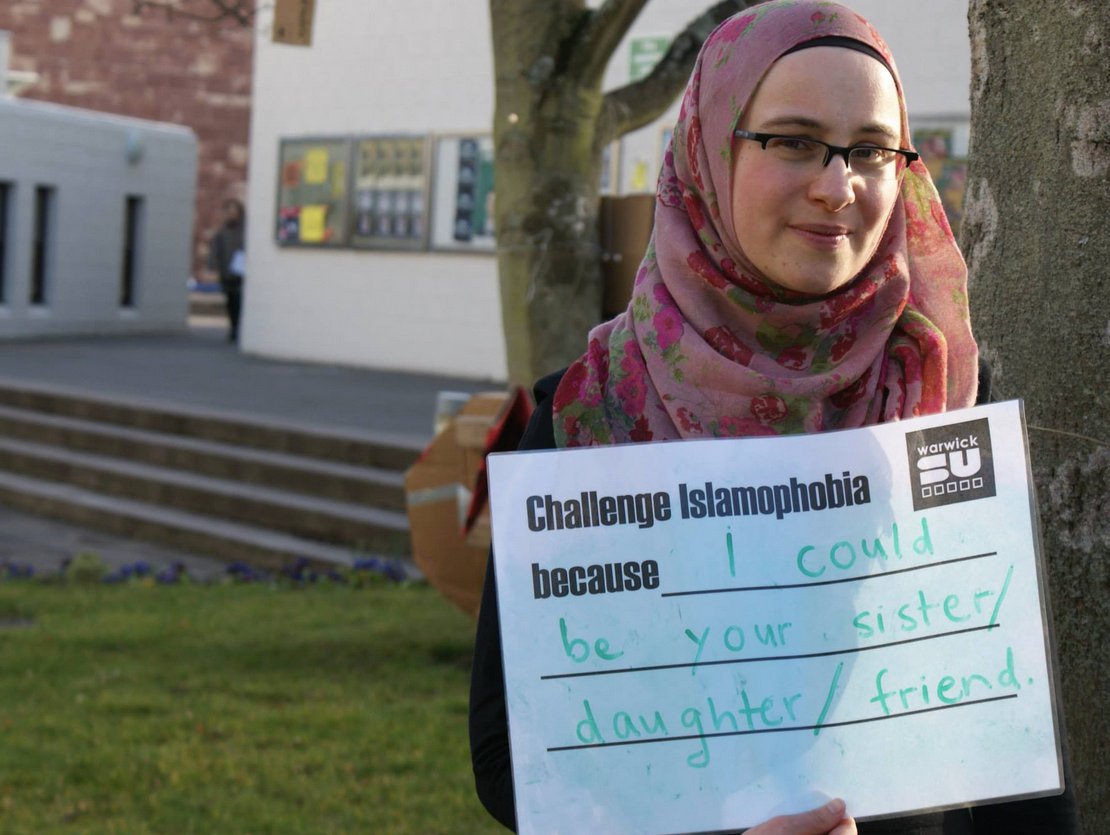
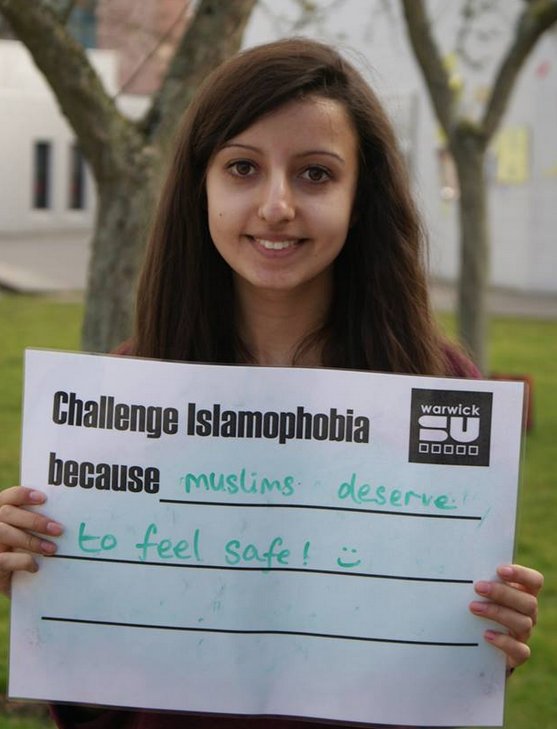
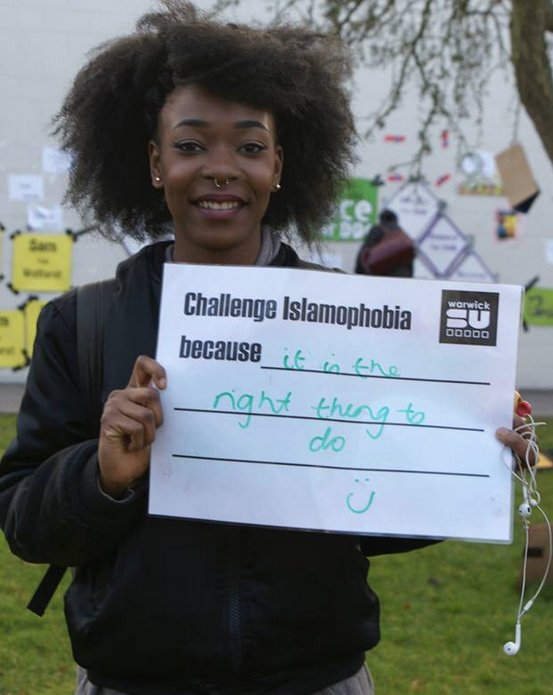
هذه بعض الصور لطلاب وأساتذة لمناهضة الإسلاموفوبيا

نون بوست

نون بوست

نون بوست

نون بوست


المصدر: هافنغتون بوست

TAGGED: أحداث 11 سبتمبر ، إصلاح الإسلام ، الخوف من الإسلام
TAGGED: الإسلاموفوبيا
Download this article as PDF
Share this Article
Facebook Twitter Whatsapp Whatsapp Telegram Email Copy Link
مُنور أنيس
By مُنور أنيس كاتب وناقد اجتماعي ومؤلف
Follow:
Next Article نون بوست The Stigma of “ISIS”: A Heavy Legacy Haunting Women and Children of Former Members
part of the design
NoonPost Weekly Newsletter
dark

An independent media platform founded in 2013, rooted in slow journalism, producing in-depth reports, analysis, and multimedia content to offer deeper perspectives on the news, led by a diverse young team from several Arab countries.

  • Politics
  • Society
  • Rights & Liberties
  • Opinions
  • History
  • Sports
  • Education
  • Technology
  • Economy
  • Media
  • Arts & Literature
  • Entrepreneurship
  • Travel
  • Cinema & Drama
  • Food
  • Health
  • Culture
  • Latest Reports
  • Files
  • Long Reads
  • Interviews
  • Podcast
  • Interactive
  • Encyclopedia
  • In Pictures
  • About Us
  • Our Writers
  • Write for Us
  • Editorial Policy
  • Advanced Search
Some rights reserved under a Creative Commons license

Removed from favorites

Undo
Go to mobile version