NoonPost NoonPost

NoonPost

  • Home
  • Politics
  • Economy
  • Society
  • Culture
  • Files
  • Long Reads
  • Podcast
AR
Notification Show More
نون بوست
“There Are Nights I Can’t Close My Eyes”: How Gazans Are Living in Homes on the Brink of Collapse
نون بوست
From al-Jolani to Ahmad al-Shara: The Evolution of Syria’s New Leader
نون بوست
When Political Islam Receded in Egypt: Who Filled the Void?
نون بوست
An Extension of Genocide: Gaza’s Detainees Speak Out
نون بوست
A Tightrope Between Survival and Sovereignty: The Syrian Government Faces Normalization Pressures
نون بوست
American Aircraft Carriers: Has the Era of “100,000 Tons of Diplomacy” Ended?
نون بوست
U.S. Regime‑Change Policies: Why They Are Destined to Fail
نون بوست
Transformations of Israeli Judaism: Between the Victim Complex and the Colonizer’s Doctrine
نون بوست
The Gulf’s Balancing Act: Iran, Israel, and Hidden Links
نون بوست
Iraq–Turkey Oil Export Treaty: Why Did Ankara Cancel It After 52 Years?
نون بوست
Syria’s Northeast on Edge: QSD Between Ankara and Damascus
نون بوست
Has Europe Changed Its Stance on Israel… or Just Its Language?
NoonPost NoonPost
AR
Notification Show More
نون بوست
“There Are Nights I Can’t Close My Eyes”: How Gazans Are Living in Homes on the Brink of Collapse
نون بوست
From al-Jolani to Ahmad al-Shara: The Evolution of Syria’s New Leader
نون بوست
When Political Islam Receded in Egypt: Who Filled the Void?
نون بوست
An Extension of Genocide: Gaza’s Detainees Speak Out
نون بوست
A Tightrope Between Survival and Sovereignty: The Syrian Government Faces Normalization Pressures
نون بوست
American Aircraft Carriers: Has the Era of “100,000 Tons of Diplomacy” Ended?
نون بوست
U.S. Regime‑Change Policies: Why They Are Destined to Fail
نون بوست
Transformations of Israeli Judaism: Between the Victim Complex and the Colonizer’s Doctrine
نون بوست
The Gulf’s Balancing Act: Iran, Israel, and Hidden Links
نون بوست
Iraq–Turkey Oil Export Treaty: Why Did Ankara Cancel It After 52 Years?
نون بوست
Syria’s Northeast on Edge: QSD Between Ankara and Damascus
نون بوست
Has Europe Changed Its Stance on Israel… or Just Its Language?
Follow US

Syria’s Reforestation Campaigns: Can They Repair the War-Torn Landscape?

حسن إبراهيم
Hasan Ebrahim Published 26 March ,2026
Share
نون بوست
نون بوست

Reforestation campaigns have emerged as a central feature of Syria’s environmental response, representing one of the most prominent local efforts to restore green cover after years of extensive ecological degradation. Syria’s forests and trees were among the casualties of war, subjected to repeated wildfires, widespread deforestation, drought, and a sharp decline in irrigation and maintenance.

Following the collapse of Bashar al-Assad’s regime, several Syrian regions launched a variety of tree-planting initiatives under banners such as “Our Countryside is Green,” “A Tree for Every Soldier,” and “Together to Restore Idlib’s Greenery.”

These campaigns have spanned cities including Damascus, Quneitra, Deir ez-Zor, Hama, Aleppo, and Latakia, aiming to plant hundreds of thousands of saplings.

Overseen by a diverse mix of government bodies, ministries, provincial authorities, environmental directorates, civil society organizations, local associations, volunteer teams, and grassroots initiatives, these efforts have mainly targeted forest areas, city entrances, and highway medians.

According to the data accompanying these projects, the campaigns seek to improve the local environment, restore ecological balance, expand green spaces, and enhance forest cover.

This report examines the state of Syria’s reforestation efforts in terms of sapling varieties, overseeing bodies, types of land targeted, the campaigns’ environmental impact, the challenges they face, and their potential to revive the country’s green cover.

A Depleted Ecosystem

Over the past 14 years, Syria’s vegetation has experienced a steep decline, particularly its forests and trees. This deterioration stems from a complex combination of factors: drought, illegal logging, frequent wildfires, government neglect, overgrazing, and military operations. Fruit-bearing trees, especially olive trees, have suffered the most.

In Daraa Governorate in the south, olive trees numbered around six million across 30,000 hectares in 2010. By 2023, the number had halved to three million, with cultivated land shrinking to approximately 22,901 hectares. In Idlib, an estimated 1.5 million olive trees have been lost in recent years.

A report by the Conflict and Environment Observatory (CEOBS) revealed that Syria lost about 3,505 hectares of forest in 2020 alone a 159% increase compared to 2019. Nearly 20% of the country’s forests have disappeared since 2000.
نون بوست
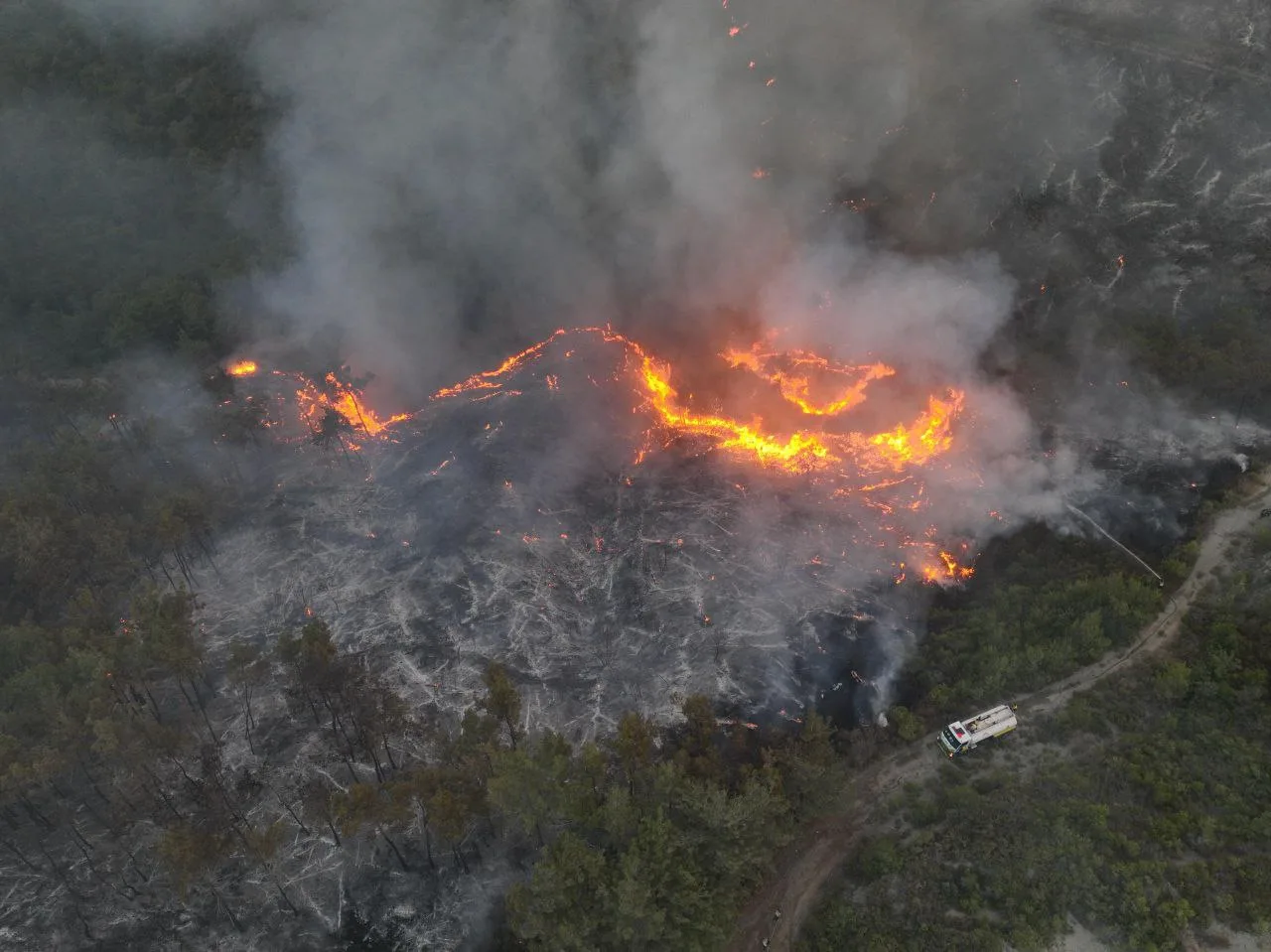
Firefighters from the Syrian Civil Defense are trying to extinguish forest fires in the Latakia countryside, July 4, 2025 (Syrian Civil Defense)

The coastal provinces of Latakia and Tartus, which together contain over three-quarters of Syria’s forested areas, have seen repeated fire outbreaks. Between 2010 and 2018, wildfires consumed over a quarter of Syria’s forests, with more than 2,000 fires recorded, affecting over 100,000 hectares along the coast. From 2021 to 2024, 83% of the tree cover in Syria’s natural forests was lost, amounting to roughly 6,100 hectares.

In July 2025, wildfires once again swept through Latakia and Tartus, directly and indirectly affecting about 50,000 people and 127 villages. More than 18,000 hectares of farmland and forests were damaged, along with 117 irrigation systems and 202 beehives, while over 150,000 trees were lost.

Reforesting Syria’s War-Scarred Terrain

Over the past two months—and continuing still—reforestation activities have intensified, aligning with Syria’s tree-planting season, which typically begins with the first rains and stretches from November to February. During this window, moist soil and moderate temperatures offer optimal conditions for saplings to take root. However, these dates vary depending on local climate, frost severity, and plant species.
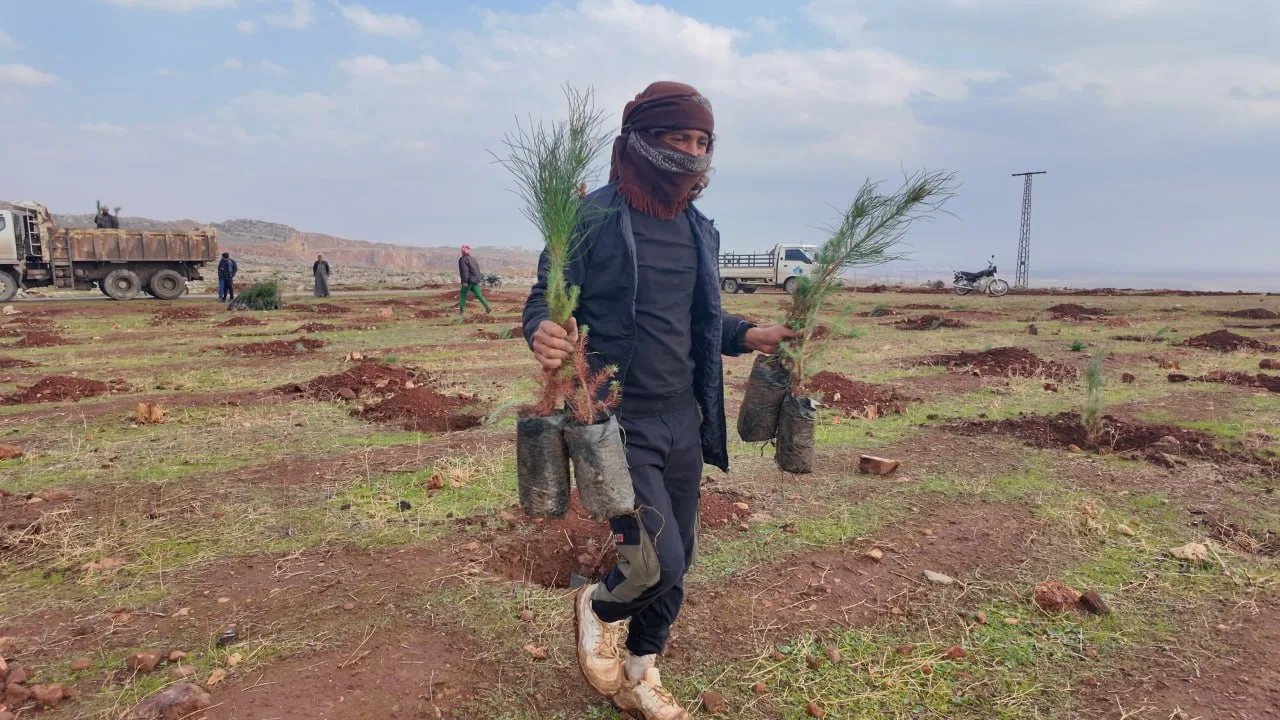
نون بوست
Afforestation of the Al-Karkat forest in the Hama countryside, December 2, 2025 (Hama Governorate)

According to a survey by Noon Post, the most notable reforestation campaigns across Syria include:

  • Rural Damascus – “Our Countryside is Green”: 500,000 saplings

  • Idlib – “Together to Restore Idlib’s Greenery”: 350,000 saplings

  • Multiple governorates – “A Tree for Every Soldier”: 200,000 saplings

  • Damascus – “Damascus is Green and Will Remain So”: over 100,000 saplings

  • Aleppo: 50,000 saplings

  • Latakia (Basit and Beit Halibiyeh sites): 10,000 saplings

  • Quneitra: 7,000 saplings

  • Hama – “Our Streets are Green”: 7,000 saplings

Other tree-planting activities were organized to coincide with public events and community-driven initiatives, with saplings planted along city roads, in parks, schools, and universities. These involved volunteer teams, students, faculty, and local residents. In Hama’s countryside, the Al-Ghab Development Authority continued its work on the afforestation of Karakat Forest, though the number of trees planted remains undisclosed.

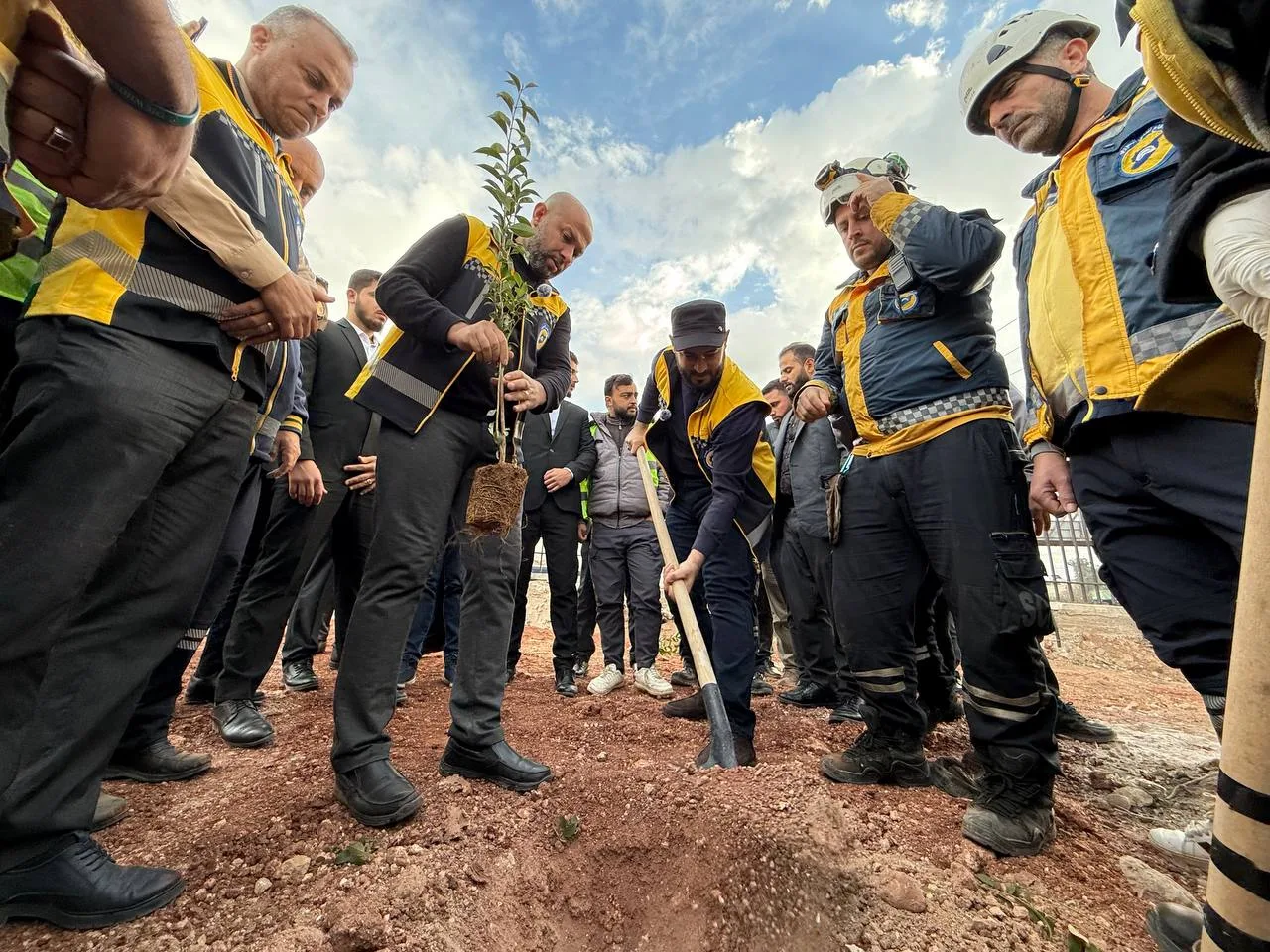
Idlib’s Director of Agriculture, Engineer Mustafa Al-Muwahhid, stated that by December 28, 2025, the reforestation campaign had planted around 120,000 olive saplings and 2,000 forest saplings, with a goal of reaching 200,000 olive trees and 150,000 forest trees across areas like Kafr Nabl, Khan al-Sabil, Harem, Khan Sheikhoun, and the Idlib-Saraqib road.

Rural Damascus Governor Amer al-Sheikh explained that the “Our Countryside is Green” campaign aims to beautify city entrances, plant both forest and fruit trees, and distribute saplings to farmers, thereby supporting the national economy and improving the province’s environmental conditions.

Campaign director Abdulrahman Ghabis noted that the initiative seeks to plant 500,000 saplings in 45 days across much of Rural Damascus. However, he acknowledged that this remains “a small part” compared to the extensive environmental damage, with losses estimated at 8 million seedlings. The campaign relies on collaboration with local communities, farmers’ associations, and municipalities for sapling distribution.

The Syrian Ministry of Defense’s media office told Noon Post that the “A Tree for Every Soldier” campaign uses carefully selected forest and native species tailored to each region’s climate and environmental conditions to ensure high survival and sustainability rates. The campaign spans the country, with particular focus on areas devastated during the war, especially damaged forests, in an effort to restore vegetation and ecological balance.

In this phase, the campaign aims to plant over 200,000 trees as part of a broader effort to rehabilitate nature destroyed by the former regime, raise environmental awareness, and link military service with national and humanitarian responsibility.

The Defense Ministry, in coordination with the Agriculture Ministry, oversees the care and sustainability of these plantings, under the direct supervision of Defense Minister General Marhaf Abu Qasra. The campaign launched from the hills of Kabina symbolic of destruction and rebirth as the starting point for a nationwide journey to restore life to the land and affirm that protecting the homeland includes safeguarding its environment and future.

According to Majd Suleiman, Director of the Forestry Department at the Agriculture Ministry, the campaigns primarily plant bay laurel, stone pine, eucalyptus, and carob, alongside species adapted to local conditions. They target fire-damaged and encroached areas, as well as city entrances and main roads.

He identified key challenges: protecting newly planted trees from trespassing, wildfires, and overgrazing, as well as water scarcity and harsh climate conditions. Reforesting remains a priority due to forests’ environmental, industrial, climatic, and aesthetic value.

Forest Rehabilitation and Campaign Viability

Amid Syria’s ongoing humanitarian crisis, concerns persist about the continued logging and deforestation, casting doubt on whether current reforestation campaigns can meaningfully address the vast ecological damage or restore destroyed forests.
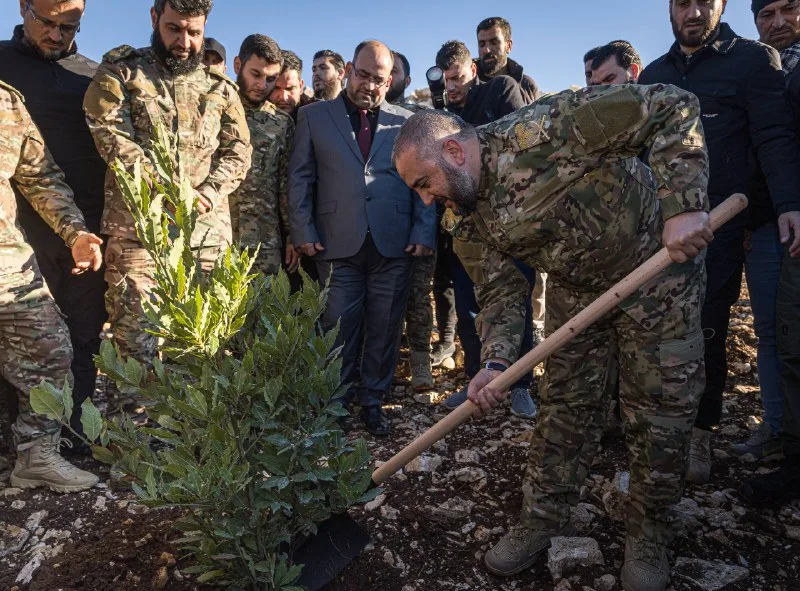
نون بوست
Syrian Defense Minister Marhaf Abu Qasra during the “A Tree for Every Soldier” tree-planting campaign in the Latakia countryside, December 18, 2025 (Syrian Ministry of Defense)

The Ministry of Agriculture told Noon Post that the campaigns contribute to restoring damaged areas and increasing vegetation density. It outlined several steps to rehabilitate degraded forests:

  1. Full protection for areas affected by medium-intensity fires, allowing natural regeneration via seeds or underground parts like bulbs and rhizomes.

  2. Intervention in severely burned areas through dispersal of native seeds from nearby regions to restore dominant species.

  3. Expert assessment of burned sites by technical committees to determine best rehabilitation methods, including whether to protect without intervention or proceed with reforestation, while preventing soil erosion and promoting vegetation recovery.

  4. Prevention of invasive species in forest sites per forestry regulations.

  5. Seed collection from burned and nearby sites to preserve Syria’s native genetic traits.

To combat illegal logging, the Ministry is increasing the number of forest guards and enforcement officers. It also provides citizens with about 80% of the firewood produced from forest thinning and development at subsidized rates, and has issued permits and licenses to ease legal wood harvesting, helping curb illegal activities.

Agricultural engineer Anas Abu Tarboush told Noon Post that for reforestation campaigns to succeed and meaningfully revive Syria’s green cover particularly in forested and damaged areas they must be integrated into a national plan.

This includes supporting farmers with fruit trees, rebuilding forests, fostering environmental education in schools and universities, and establishing long-term plans to protect new plantings.

He stressed that selecting the right timing and climate-compatible species is essential, along with community involvement and consistent technical and financial support. He also recommended learning from neighboring countries’ unconventional reforestation methods, such as aerial seed dispersal in mountainous regions, and called for stricter measures to prevent illegal logging.

Download this article as PDF
Share this Article
Facebook Twitter Whatsapp Whatsapp Telegram Email Copy Link
حسن إبراهيم
By حسن إبراهيم صحفي سوري
Follow:
Previous Article نون بوست A New Battleground: How the Campaign Against Alaa Abd El-Fattah Has Moved to Britain
Next Article نون بوست Open Incitement: Is Israel Trying to Ignite Iran from Within?

Read More

  • Militias and Iran Fuel Iraq’s Oil Crisis Militias and Iran Fuel Iraq’s Oil Crisis
  • Basra’s Water Crisis: Thirst Amid Oil and Salt
  • Chinese Investments in Egypt: Acceptable Privileges, Legitimate Concerns
  • Who Bears the Cost of Egypt's Generosity?
  • Money Laundering in Egypt: The Shadow Economy Devours the State
part of the design
NoonPost Weekly Newsletter

You May Also Like

Militias and Iran Fuel Iraq’s Oil Crisis

Militias and Iran Fuel Iraq’s Oil Crisis

فريق التحرير Noon Post 26 March ,2026
Basra’s Water Crisis: Thirst Amid Oil and Salt

Basra’s Water Crisis: Thirst Amid Oil and Salt

طه العاني Taha Alane 26 March ,2026
Chinese Investments in Egypt: Acceptable Privileges, Legitimate Concerns

Chinese Investments in Egypt: Acceptable Privileges, Legitimate Concerns

عماد عنان Emad Anan 26 March ,2026

نون بوست يحاور فادومو دايب، مرشحة الرئاسة الصومالية 2016

فريق التحرير
Noon Post Published 28 July ,2015
Share
ksdscreen_shot_2015-07-28_at_5

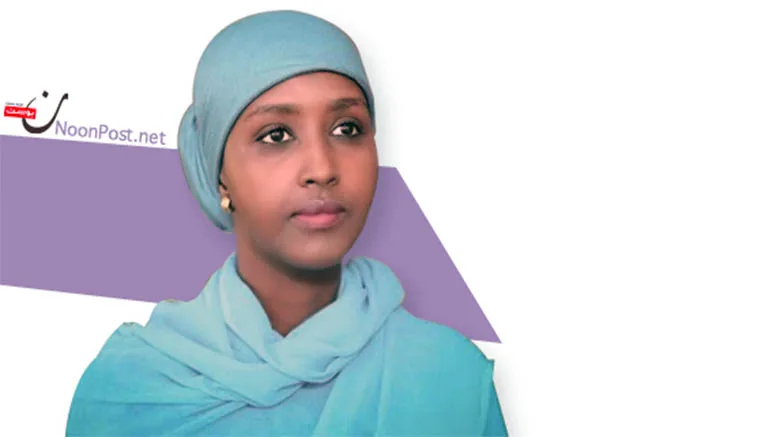
في بداية التسعينات، لم تكن “فادومو دايب” تتوقع، عندما أُجبرت على الفرار مع أهلها خارج الصومال لتنجو بنفسها من أتون الحرب الأهلية، أن تعود إلى البلاد بعد أكثر من 25 سنة راغبة في أن تخدمها بمنصب رئيسة للجمهورية.

فادومو دايب، أو فاطمة قاسم طيب، هي سيدة صومالية، وُلدت في منتصف السبعينات، وتنقلت بين الصومال والمهجر فيما لم تتعلم القراءة والكتابة حتى سن الرابعة عشرة، إلا أنها الآن، تقوم بالتحضير لنيل شهادة الدكتوراة في جامعة هيلسنكي بفنلندا، ولديها عدة شهادات مرموقة في الصحة والإدارة العامة من أرقى جامعات العالم، وتخطط للترشح لرئاسة واحدة من أهم دول أفريقيا، الصومال.

فاطمة تعيش في فنلندا مع زوجها وأربعة أطفال، عملت مع الأمم المتحدة في مشاريع مرتبطة بالصومال، وتريد أن تخدم بلدها بأكثر ما تستطيع، وتحلم للصومال بمستقبل يتجاوز سنين الفترات الرئاسية لتمتد إلى عشرات السنين وربما لقرون قادمة.

فاطمة لا تبحث عن الترشح لدعم أيديولوجية أو حزب سياسي، لكنها تريد أن تخدم بلادها بأن تقدم لشعبها البديل الذي يستحقونه، وهي ستفعل ذلك بالعمل على تغيير المجتمع وبناء عقليات جديدة تبني الصومال.

لم أتقوّت بالعمل السياسي

بدأت فاطمة حوارها مع نون بوست بالقول “أنا لست سياسية”، فلا ترى فاطمة في نفسها متخصصة في السياسة، وهي لا تعتبر ذلك عيبًا في ملفها، بل على العكس تمامًا، “أنا مجرد شخص يحب بلاده ويريد أن يخدمها” تقول فاطمة، قبل أن تتابع “الصوماليون سيحبون ذلك”؛ تقصد فاطمة أنها لم تعمل بالسياسة ولم تتقوّت بها، كما أن العمل السياسي لم يلوثها، فهي لم تقتل أحدًا ولم تغتصب أحدًا ولم تسرق مال الدولة، لكنها تدرك خبايا العمل السياسي بطبيعة دراستها واهتمامها بالمجال العام لفترة طويلة من عمرها، ولذلك فهي ترى أن الصوماليين سيستقبلون ترشيحها بشكل إيجابي للغاية، هذا ما تلمسه بالفعل من تواصلها مع الصوماليين في منظمات المجتمع المدني وعلى مواقع التواصل وفي المهجر.

تؤكد فاطمة أن داعميها يرون فيها الشخص الذي خاض نفس تجاربهم، ومر بنفس معاناتهم من الإجبار على الخروج من البلاد؛ ولذلك فهي واثقة من أنها ستفوز في الانتخابات ما لم يتم تزويرها، فالصوماليون يرون فيها الإخلاص والرغبة الصادقة في خدمتهم، ولذلك فلن يهتموا كثيرا بكونها امرأة. 

وعلى العكس من دول عربية أخرى، لا يمانع الدستور الصومالي الحالي ولا الشعب من ترشيح شخص حاصل على جنسية أجنبية أو قضى فترات طويلة من حياته في الخارج، ففاطمة ليست الوحيدة، فهناك أكثر من 1.2 مليون نازح داخل البلاد، وأكثر من مليون لاجئ ومُهجر في الشتات، وغالبًا ما سيكون المهجرون قد استطاعوا الحصول على تعليم أفضل، ما يمكنهم من محاولة رسم خطط أكثر واقعية لمستقبل بلادهم، “الصوماليون يعرفون أنني لم أختر المغادرة بل غادرت لأنني أُجبرت على ذلك”.

جدير بالذكر أن 70% من أعضاء الحكومة الصومالية الحالية جاءوا من المهجر، كما تقول فاطمة، الغربة في حالة دايب لم تكن خفيفة الوطء في كل الأحوال، فهي تقول إن “الغربة تجعلك تدرك ما معنى الوطن، وتشعرك بأهمية أن تمتلك بلدًا”، ولذلك فهي تعتقد أنها قد تكون الأقدر بين مرشحي الرئاسة على إدراك الأهمية من وراء جعل الصومال مكانًا أفضل للعيش.

لكن فاطمة ليست حالمة أيضًا، فهي تعرف أنها ستجد معارضة لقرارها الترشح، على الأقل بسبب أن الغالبية الساحقة من الصوماليين لا يهتمون بالعمل السياسي المباشر، فهم يريدون الاستقرار والسلام والازدهار الاقتصادي، يريدون لأبنائهم أن يذهبوا إلى المدرسة، لكنهم لا يربطون مطالبهم تلك بالسياسة، وهذا ما ستعمل على مخاطبته في الشعب. 

حتى من الجانب الديني، ترى فاطمة أن معارضيها قد يستخدمون بعض النصوص الدينية التي يمكن أن تُفسر كدليل عدم صلاحية ولاية المرأة، لكنها لم تدع ذلك للصدفة وقامت بالحديث مع شيوخ صوماليين داخل الصومال وخارجها، إلى حد أن أحد الشيوخ المرموقين قال لها إنها إذا ترشحت للرئاسة فسيقوم بانتخابها. 

سأحاور الميليشيات المسلحة

بيد أن المعارضة من المؤكد أنها ستأتي من جانب أكثر تطرفًا وحدة، فالصومال تعج بالميليشيات المسلحة والجماعات المرتبطة بتنظيمات متطرفة، مثل الشباب الصوماليين المرتبطون بتنظيم القاعدة، تجيب فاطمة على سؤال حول تعاملها مع هذه الحركات بأنها ستبدأ في حوار معهم،”يجب أن نجلس معًا حول طاولة واحدة، نسمع منهم ويسمعوا منا، ولكن ذلك يجب أن يكون بشروط أولها نزع السلاح، وقطع علاقاتهم بالمنظمات المتطرفة الدولية، وإذا لم يوافقوا على ذلك فسيكون لنا مطلق الحق في التعامل معهم بشكل عنيف”.

لكن العنف لن يكون سوى آخر الدواء في التعامل مع تلك المجموعات، تعتقد فاطمة أنه يجب التعاطي مع المطالب المشروعة لمجموعات مثل الشباب، وأولها التخلص من التدخل الأجنبي في الصومال. فعلى سبيل المثال يجب أن يتوقف التدخل الكيني في البلاد، فكينيا تدعي أحقيتها في مساحة ضخمة من المياه الإقليمية الصومالية، وفي تلك المناطق هناك كمية ضخمة من النفط الصومالي الذي تريد كينيا الاستيلاء عليه.

ما تحاول فاطمة توفيره، مرة أخرى، هو البديل؛ البديل للسلاح عن طريق التعامل مع المشكلات المستعصية بإيجاد حلول سياسية لها. 

هناك أيضًا مشكلات مثل التعليم والحق في الحصول على الوظيفة للشباب، فليس من المنطق مطالبة الشباب بالكف عن الانضمام للميليشيات المسلحة في الوقت الذي توفر لهم تلك الميليشيات دخلًا ثابتًا وجيدًا.

نزع السلاح من المنظمات يتطلب إيجاد بديل آخر لتأمين الشعب، فيجب إجراء إصلاحات جذرية في المؤسسات الأمنية والعسكرية الصومالية، لتوفير الأمان للصوماليين.

وفيما يتعلق بخطاب المجموعات الأصولية، تقول فاطمة إن الشيوخ ورجال الدين والقيادات المحلية والنسوية عليهم واجب دحض تلك الأفكار، باستخدام تفسيرات أكثر اقترابًا من روح الدين. 

وفي النهاية، وإذا لم تفلح تلك الوسائل في التقليل من خطر الميليشيات المسلحة، فإن التعامل الأمني سيكون هو الحل الأخير، وسط حملات توعية للتأكيد على الأهالي، أن ابن العائلة المنتمي لتلك الميليشيات، خير له أن يعيش في السجن، على أن يموت في اشتباك مع الأجهزة الأمنية، وهو ما قد يكون دافعًا للعديد من العائلات والأمهات لاختيار أهون الشرين.

المانحون والصومال

لدى فاطمة وجهات نظر مثيرة فيما يتعلق بالعلاقات الدولية، فهي تُعرّف نفسها باعتبارها قومية أفريقية وقومية صومالية، فمن ناحية هي تؤمن بالحدود المفتوحة بين الدول، من ناحية تبادل الخبرات والتعليم والبضائع، ومن ناحية أخرى فهي تؤمن بأن سيادة الصومال يجب أن يتم احترامها.

وحول علاقة الصومال بالدول المانحة، تعتقد فاطمة أن الصوماليين يجب أن يكونوا من يقرر خطط الدول المانحة لا العكس، “الأمر لا يتعلق فقط بالأموال، فنحن نحتاج إلى الخبرات الإدارية في العديد من المجالات، فلو أن النرويج جيدة في الإدارة القضائية على سبيل المثال، فسيكون من حقنا أن نطالبهم بدعمنا في ذلك المجال”.

المانحون الآن يتحكمون في الصومال، وتعتقد فاطمة أن الدولة الصومالية لن تكون قادرة على الاحتفاظ بسيادتها أو باستقلالها طالما ظلت غير قادرة على الوفاء باحتياجاتها الأساسية، فعلى سبيل المثال، وبسبب الفساد المستشري في مؤسسات الدولة، رفضت النرويج الوفاء بالتزاماتها تجاه الصومال خلال الأشهر الأخيرة، وهو ما تسبب في أن جنود القوات المسلحة الصومالية لم يحصلوا على مرتباتهم لأكثر من 6 أشهر، “لا يمكنك أن تتوقع ما الذي سيفعله جنود الجيش بأسلحتهم إذا لم يحصلوا على ما يكفي من النقود لإطعام أطفالهم” تقول فاطمة.

الفساد المستشري في الحكومة الصومالية أزمة كبرى، وبسبب أزمة أخيرة تتعلق بهروب مديرة البنك المركزي الصومالي خارج البلاد بسبب الفساد الذي لم تستطع إيقافه بعد أقل من شهرين من تسلمها منصبها، فإن جزءًا كبيرًا من المساعدات الدولية توقفت، خاصة بعد أن طالب المانحون الحكومة بالمزيد من الشفافية وبتحقيق عدد من الشروط التي تضمن محاربة الفساد، إلا أن الحكومة لم تلتزم بذلك.

الصومال على سبيل المثال تأتي على قائمة الدول الأفريقية التي يحصل رؤساؤها على أعلى رواتب شهرية، ولا يمكن للحكومة محاربة الفساد بدون أن تبدأ بنفسها، ولا يمكنها أن تقتطع من أموال الناس بدون أن تقدم مثالاً يحتذى لهم، فقبل كل شيء يجب أن يتم التقليل من نفقات الحكومة والتقليل من حجم الحكومة ذاتها.

تؤمن فاطمة باللامركزية، وتعتقد أنه لا يجب التركيز في التنمية والخدمات على العاصمة مقديشو فقط، كما أنها ترى أن بلادها تضم موارد تكفي احتياجاتها إذا ما تم استثمارها بطريق صحيح وبدون فساد، فالأمر كله يخضع لمعادلة التوزيع العادل للموارد والاستفادة العادلة من الثروة، إذا ما تم حل تلك المعادلة بشكل صحيح فستسير الأمور على ما يرام.

الصومال ليست دولة عربية

المساعدات الدولية التي تحصل عليها الصومال في غالبها تأتي من دول أجنبية، ولذلك فإن فاطمة، كرئيسة للصومال، تعتقد أن الدول العربية يجب أن تتحمل مسؤولياتها تجاه الصومال، ليس فقط من خلال الدعم الاقتصادي، لكن أيضًا من خلال الدعم التعليمي عبر توفير منح للطلاب الصوماليين، وأيضًا عبر بناء الكفاءات الصومالية والاستثمار في رأس المال البشري، وفي المقابل، فهي تتوقع أن الصومال ستكون قادرة على أن تلعب دورًا فاعلاً وحيويًا في جامعة الدول العربية، كدولة أساسية في معادلة الأمن والسلام في المنطقة.

تاريخيًا، تقول فاطمة، انضمت الصومال لجامعة الدول العربية كدولة أفريقية غير عربية بطلب من الديكتاتور محمد سياد بري الذي كان يسعى لضم البلاد إلى كل التحالفات والائتلافات الممكنة، بما في ذلك منظمة المؤتمر الإسلامي.

وتعرّف فاطمة الصومال كدولة مسلمة لها امتداداتها في العمق الإسلامي والأفريقي، إلا أن انضمامها لجامعة الدول العربية كان إضافة تجميلية، لكن إذا ما أرادت جامعة الدول العربية أن تتعامل مع الصومال بجدية، فستتعامل معها الصومال بجدية كذلك.

في الصومال الآن هناك تعليم بالعربية إلا أن اللغة الأولى هي اللغة الصومالية، يمكنك رؤية التعدد العرقي في الصومال بداية من العلم الذي تتوسطه نجمة خماسية تدل على المناطق الخمسة التي يتواجد بها الشعب الصومالي وهي: الصومال البريطاني والصومال الإيطالي والصومال الفرنسي (في جيبوتي) وإقليم أوجادين والمقاطعة الحدودية الشمالية، وحتى الآن يمكنك أن تجد من يتحدث الإيطالية في الصومال، ومن يتحدث الفرنسية كما في جيبوتي.

لكن في الوقت الذي لم تدعم فيه الدول العربية الصومال بشكل كامل، و”في الوقت الذي تخلى فيه الجميع عنا، وقفت تركيا بجانبنا”، تقول فاطمة بحماس وهي تتحدث عن زيارات رئيس الوزراء التركي السابق رجب طيب أردوغان للصومال.

بين مقديشو وأنقرة

في حال وصولها لمنصب الرئيس، ستعمل فاطمة على تعزيز علاقتها بتركيا، ففي الفترة الماضية لم تقدم تركيا مساعدات مالية فحسب، لكنها قامت أيضًا بتدريب كوادر من الصومال، وبناء مؤسسات الدولة، ومن ذلك مطار البلاد والميناء أيضًا ومؤسسات الدولة الإدارية، كما أنها قامت بإعطاء المئات من المنح الدراسية للطلاب.

ولا تمانع فاطمة من الاستفادة المتبادلة لكلا الجانبين، إلا أن تركيا تحصل على عوائد ضخمة نسبيًا، حوالي 45% من عوائد ميناء البلاد، وهو الميناء التي قامت أنقرة ببنائه وتجهيزه في المقام الأول.

الأتراك لم يأتوا للمساعدة فقط، لكنهم وجدوا في الصومال فرصًا كبيرة للتجارة والعمل، لم يكن أمام الصومال بديل آخر سوى القبول بالشروط التركية، هذه الأموال من الممكن أن تستخدم لتوظيف السكان المحليين وهذا ما ترغب به فاطمة في نهاية المطاف.

الربيع العربي وصل إلى الصومال أيضا

استفسرنا من فاطمة عن موقفها من الربيع العربي، فقالت إن الربيع العربي كانت له مميزاته ومساوئه، بل إن “الصومال كان له ربيعه الخاص كذلك”. ففي 2012 تشكلت حكومة صومالية جديدة، كان أغلب أعضائها ينتمون إلى مجموعة تُدعى “الدم الجديد”، الرئيس ينتمي إلى تلك المجموعة، وهم يقدمون أنفسهم كجزء من حركة الإصلاح، التي تأسست في سبعينات القرن الماضي، وهي حركة إسلامية معتدلة ترتبط بالإخوان المسلمين في مصر.

“الحماسة غير العقلانية التي أصابت الإسلاميين بعد الربيع العربي، والتي أعطتهم انطباعًا بقدرتهم على إدارة البلاد، كانت لها تبعاتها في مصر، وفي الصومال كذلك”، فقد قامت الحكومة بالعديد من الوعود، إلا أنها لم تستطع الإيفاء بها؛ ما رفع من الغضب الشعبي، “كان يجب على الثوار في دول الربيع أن يفكروا أبعد من أهدافهم قصيرة المدى”.

درست فاطمة الصحة العامة والتنمية الدولية والإدارة العامة وتبحث في قضايا المرأة والأمن والسلام في الصومال، ولذلك فهي تريد أن تنقذ الصومال من أجل الأجيال القادمة.

ورغم إقامتها لفترة طويلة في الخارج، إلا أن فاطمة كانت قد عادت للصومال في أكثر من مناسبة للمساهمة في خدمة القضايا التي تؤمن بها، ففي نهاية 2005 وحتى منتصف 2006 عادت فاطمة إلى الصومال كموظفة في الأمم المتحدة، ولاحقًا تركت فاطمة عملها الذي كان يدر عليها دخلاً ممتازًا لـ “تنام على الأرض” مع ابنتها الرضيعة في ولاية بونتلاند لتكون أول شخص يبدأ في بناء مراكز صحية عالية المستوى للتوعية وللوقاية وللمساهمة في العلاج من مرض الإيدز.

الهدف الأساسي من هذه المراكز هو حماية الأطفال من انتقال مرض الأيدز لهم عن طريق أمهاتهم، وقد حققت فاطمة نجاحًا ملحوظًا من خلال تلك المراكز في العديد من مناطق الصومال.

ستخوض فاطمة معركتها كمستقلة في الانتخابات، ربما تتحالف مع أحد الأحزاب، لكنها قررت ألا تنضم لأي من الأحزاب الموجودة على الساحة.

حتى الآن، حصلت فاطمة على دعم العديد من الأكاديميين والنساء والنشطاء والشباب والطلاب وحتى السياسيين ورجال الدين، جميعهم يرون فيها أملاً لمستقبل أفضل للصومال.

على مدار العقود الماضية، عانت الصومال من التدخلات الأجنبية والحرب الأهلية والمجاعة، وتعتقد فاطمة أن بإمكانها أن تنقل الصومال لمستوى آخر إذا ما سنحت لها الفرصة، لكنها تعود وتؤكد أنها حتى لو لم تُوفق في الوصول إلى منصب رئيس الدولة فإنها ستجد دومًا طريقة لخدمة بلدها وشعبها، وإذا ما اختار الصوماليون قائدًا مستقيمًا وعادلاً، “سأدعمه بما أستطيع”، تقول فادومو دايب.

“أنا أدعو الله دوما ألا تفتنني السياسة، وإذا ما حدث ذلك فإني أسأل الله ألا أسير في ذلك الطريق من الأساس”، تدعو فاطمة، وتسكت هنيهة وتقول “أملي أن أكون عادلة، فأنا أعلم أني لن آخذ الرئاسة معي إلى القبر”.

TAGGED: إعمار الصومال ، الإرهاب في الصومال ، الانتخابات الرئاسية الصومالية ، الصوماليون في المهجر ، مستقبل الصومال
Download this article as PDF
Share this Article
Facebook Twitter Whatsapp Whatsapp Telegram Email Copy Link
فريق التحرير
By فريق التحرير تقارير يعدها فريق تحرير نون بوست.
Follow:
Next Article نون بوست The Stigma of “ISIS”: A Heavy Legacy Haunting Women and Children of Former Members

Read More

  • U.S. Regime‑Change Policies: Why They Are Destined to Fail U.S. Regime‑Change Policies: Why They Are Destined to Fail
  • The Gulf’s Balancing Act: Iran, Israel, and Hidden Links
  • Iraq–Turkey Oil Export Treaty: Why Did Ankara Cancel It After 52 Years?
  • Syria’s Northeast on Edge: QSD Between Ankara and Damascus
  • Has Europe Changed Its Stance on Israel… or Just Its Language?
part of the design
NoonPost Weekly Newsletter

You May Also Like

U.S. Regime‑Change Policies: Why They Are Destined to Fail

U.S. Regime‑Change Policies: Why They Are Destined to Fail

إسراء سيد Esraa sayed 8 April ,2026
The Gulf’s Balancing Act: Iran, Israel, and Hidden Links

The Gulf’s Balancing Act: Iran, Israel, and Hidden Links

فريق التحرير Noon Post 8 April ,2026
Iraq–Turkey Oil Export Treaty: Why Did Ankara Cancel It After 52 Years?

Iraq–Turkey Oil Export Treaty: Why Did Ankara Cancel It After 52 Years?

فريق التحرير Noon Post 8 April ,2026
dark

An independent media platform founded in 2013, rooted in slow journalism, producing in-depth reports, analysis, and multimedia content to offer deeper perspectives on the news, led by a diverse young team from several Arab countries.

  • Politics
  • Society
  • Rights & Liberties
  • Opinions
  • History
  • Sports
  • Education
  • Technology
  • Economy
  • Media
  • Arts & Literature
  • Entrepreneurship
  • Travel
  • Cinema & Drama
  • Food
  • Health
  • Culture
  • Latest Reports
  • Files
  • Long Reads
  • Interviews
  • Podcast
  • Interactive
  • Encyclopedia
  • In Pictures
  • About Us
  • Our Writers
  • Write for Us
  • Editorial Policy
  • Advanced Search
Some rights reserved under a Creative Commons license

Removed from favorites

Undo
Go to mobile version