NoonPost NoonPost

NoonPost

  • Home
  • Politics
  • Economy
  • Society
  • Culture
  • Files
  • Long Reads
  • Podcast
AR
Notification Show More
نون بوست
“There Are Nights I Can’t Close My Eyes”: How Gazans Are Living in Homes on the Brink of Collapse
نون بوست
From al-Jolani to Ahmad al-Shara: The Evolution of Syria’s New Leader
نون بوست
When Political Islam Receded in Egypt: Who Filled the Void?
نون بوست
An Extension of Genocide: Gaza’s Detainees Speak Out
نون بوست
A Tightrope Between Survival and Sovereignty: The Syrian Government Faces Normalization Pressures
نون بوست
American Aircraft Carriers: Has the Era of “100,000 Tons of Diplomacy” Ended?
نون بوست
U.S. Regime‑Change Policies: Why They Are Destined to Fail
نون بوست
Transformations of Israeli Judaism: Between the Victim Complex and the Colonizer’s Doctrine
نون بوست
The Gulf’s Balancing Act: Iran, Israel, and Hidden Links
نون بوست
Iraq–Turkey Oil Export Treaty: Why Did Ankara Cancel It After 52 Years?
نون بوست
Syria’s Northeast on Edge: QSD Between Ankara and Damascus
نون بوست
Has Europe Changed Its Stance on Israel… or Just Its Language?
NoonPost NoonPost
AR
Notification Show More
نون بوست
“There Are Nights I Can’t Close My Eyes”: How Gazans Are Living in Homes on the Brink of Collapse
نون بوست
From al-Jolani to Ahmad al-Shara: The Evolution of Syria’s New Leader
نون بوست
When Political Islam Receded in Egypt: Who Filled the Void?
نون بوست
An Extension of Genocide: Gaza’s Detainees Speak Out
نون بوست
A Tightrope Between Survival and Sovereignty: The Syrian Government Faces Normalization Pressures
نون بوست
American Aircraft Carriers: Has the Era of “100,000 Tons of Diplomacy” Ended?
نون بوست
U.S. Regime‑Change Policies: Why They Are Destined to Fail
نون بوست
Transformations of Israeli Judaism: Between the Victim Complex and the Colonizer’s Doctrine
نون بوست
The Gulf’s Balancing Act: Iran, Israel, and Hidden Links
نون بوست
Iraq–Turkey Oil Export Treaty: Why Did Ankara Cancel It After 52 Years?
نون بوست
Syria’s Northeast on Edge: QSD Between Ankara and Damascus
نون بوست
Has Europe Changed Its Stance on Israel… or Just Its Language?
Follow US

Open Incitement: Is Israel Trying to Ignite Iran from Within?

فريق التحرير
Noon Post Published 26 March ,2026
Share
نون بوست
نون بوست

In late December 2025, widespread protests erupted across several Iranian cities amid a deepening economic collapse and a steep decline in the national currency. But what drew the most attention wasn’t just the scale of the unrest it was the speed and openness of Israel’s incitement and intervention.

As calls grew louder in Tel Aviv and Washington to reconsider military options in confronting Iran’s nuclear program, the Israeli government took a striking step: urging Iranian protesters demanding regime change and economic relief to escalate their actions.

This prompted a pressing question to reemerge: Is Tel Aviv now betting on the Iranian street as a faster route to toppling the regime or at least softening it for a future strike after years of pressure and covert operations failed to shift the balance of power in Tehran?

Israel’s Methods of Incitement

1. A Message from Mossad

In an unprecedented move, Israel’s Mossad intelligence agency launched a direct incitement campaign through its official Farsi-language platform, encouraging Iranians to continue their uprising.

On December 29, 2025, the account posted a message urging demonstrators to escalate their movement against the regime, claiming support “not just from afar and in words, but on the ground with you as well.”

Israel’s Army Radio reported that the extraordinary statement implied Mossad operatives may be embedded among protesters inside Iran.

2. Official Statements

Israel’s incitement wasn’t limited to its intelligence apparatus. Current and former officials also took to social media to encourage Iranians to intensify their revolt.

Amichai Chikli, Israel’s Minister for Diaspora Affairs, addressed Supreme Leader Ayatollah Ali Khamenei in a Farsi-language post, declaring, “Your era has come to an end.” He then turned to the Iranian people: “Brave sons and daughters of Iran, seize this moment. We stand with you.”

Former Prime Minister Naftali Bennett released a video urging Iranians to “rise up” against the regime and promised them “a brighter future if they break free from the mullahs’ rule.” He added, “All the nations of the free world stand with you in your just struggle.”

Israel’s ambassador to the United Nations, Danny Danon, tweeted: “To the Iranian people protesting peacefully despite being denied their most basic rights we hear you. We stand with you against the murderous regime that funnels billions into terrorism and nuclear ambitions.”

These statements are part of a clear and public Israeli strategy that seeks to leverage Iranian protests to achieve what its military machine has so far failed to accomplish regime change.

3. Backing the Opposition

Israel’s support extended even further to endorsing alternative political figures. Science and Technology Minister Gila Gamliel posted a photo of herself wearing a cap emblazoned with the slogan, “Make Iran Great Again,” a clear nod to former US President Donald Trump’s campaign slogan.

She tagged Reza Pahlavi, son of Iran’s last Shah, and captioned the image “Soon,” signaling her hope for the regime’s fall or the return of the monarchy.

In September, Gamliel had publicly declared in an interview that “Israel supports Prince Reza Pahlavi as an alternative” and that he “enjoys the trust of sectors of the Iranian people” the first time an Israeli minister had openly backed opposition efforts abroad to overthrow the Islamic Republic.

Two Parallel Tracks

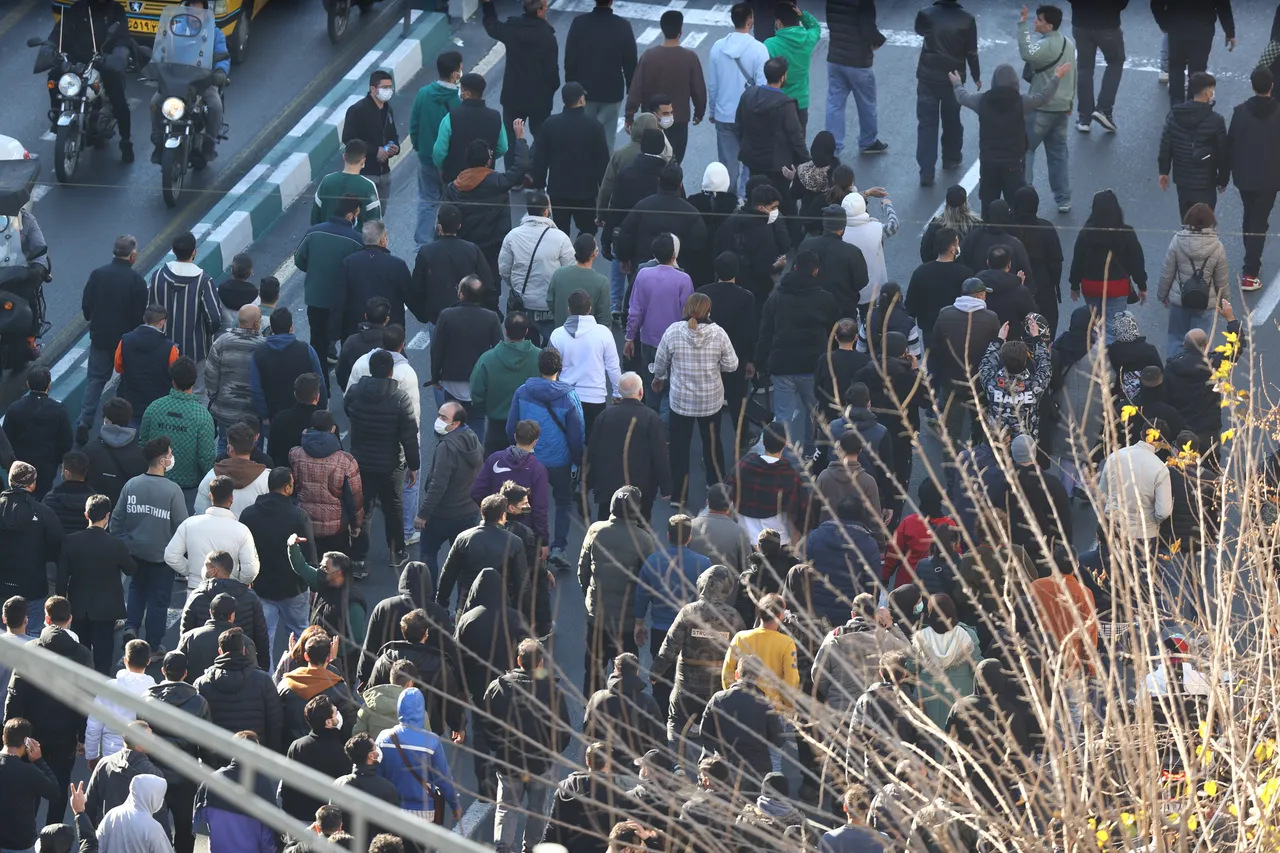
Israel is now pursuing a dual strategy: military confrontation and internal regime destabilization especially after its 12-day confrontation with Iran in June 2025.
نون بوست
Israel is pursuing two parallel paths: military confrontation and supporting regime change in Iran from within.

Despite the heavy damage inflicted on Iranian infrastructure by intense Israeli airstrikes targeting nuclear sites, the regime did not fall. On the contrary, Tehran claimed that even domestic dissidents had rallied behind the state in the face of Israeli aggression.

Military analysts in Tel Aviv concluded that while airstrikes could cause significant damage, they alone are not sufficient to topple the regime. Instead, they serve to limit Iran’s capabilities and raise the cost of its survival a realization that has driven increased focus on supporting a homegrown uprising.

“Israel sees regime change in Iran as a strategic option,” said Yaki Dayan, Israel’s former consul in Los Angeles. “Otherwise, we risk being locked in an endless cycle of military confrontation.”

This shift in Israeli thinking explains the boldness of its public gestures of support for Iranian protesters — in the hope that domestic pressure might achieve what bombs and missiles could not.

But even as Israel wagers on internal unrest, the military option has returned to the table. In the final week of December 2025, Prime Minister Benjamin Netanyahu met with Donald Trump to discuss Iran and possible strategies for dealing with it.

Following their meeting, Trump warned Tehran of “new and harsh strikes” if it resumed nuclear or missile development. Israeli Chief of Staff Lt. Gen. Herzi Halevi also declared that Israeli forces would “strike enemies wherever necessary, near or far” — a clear reference to Iran.

American officials, too, voiced their support for the Iranian people’s aspirations for freedom. US Ambassador to the UN Mike Waltz stated: “The Iranian people want freedom… and we stand with them as they protest against a radical regime that has only brought economic ruin and war.”

Even Trump, who has typically avoided openly advocating regime change, condemned what he described as Tehran’s “bloody crackdown on protesters,” saying Iranians “are being killed simply for demanding their rights.”

The coordinated stance between Washington and Tel Aviv signals a multifaceted pressure campaign on Tehran: political and media incitement to fuel protests, with the looming threat of military force if necessary.

Tehran Responds: “Foreign Enemies” Will Be Met With Force

Iran’s response to Israeli and American involvement in the protests has been stern and unequivocal.

From a legal standpoint, Tehran’s Prosecutor General Mohammad Mohebi Ajteh acknowledged that peaceful protests over deteriorating living conditions were legitimate. However, he warned against efforts to turn them into tools of “foreign subversion,” stating that any “external scenarios” aimed at exploiting the demonstrations would be met with a “firm and swift legal response.”

Militarily, Ali Shamkhani, advisor to Supreme Leader Khamenei, issued a statement in Hebrew vowing a preemptive response to any Israeli action. He emphasized the readiness of Iran’s missile and defense capabilities, warning that “any aggression will be met with a harsh, immediate, and unpredictable response” a direct reaction to threats from Trump and Netanyahu.

In the media arena, Tehran sought to use Israel’s incitement as proof of its long-standing narrative that protests are part of a foreign conspiracy. Senior Iranian officials dismissed Israeli statements as “foolish and a repetition of childish provocations.”

An Open-Ended Standoff

As the protests entered their fifth day and continued despite a heavy security presence, Iran now faces unprecedented domestic pressure this time fueled by overt foreign incitement and threats of military action over its nuclear program.

Israel’s explicit support for protesters along with rhetorical backing from Washington raises the stakes in the confrontation between Tehran and its traditional foes.

The regime understands that a sustained and growing wave of unrest could pose an existential threat, especially amid a crushing economic crisis and a currency in free fall.

On the other side, Israel is betting that a popular revolution could weaken or even collapse the clerical regime it sees as its most dangerous adversary.

While the Supreme Leader has sought to absorb the anger through promises of economic reform and dialogue, the developments suggest two divergent paths ahead:

Either Tehran successfully quells the uprising through political maneuvering and security crackdowns, bolstered by its narrative of Israeli interference or the protest movement gathers momentum, buoyed by foreign support, and pushes the system to the brink.

What is certain is that the coming weeks will be pivotal in testing whether Israel’s gamble on the Iranian street will pay off or whether Tehran’s iron grip can once again snuff out a fire that, this time, is being fanned from abroad.

Download this article as PDF
Share this Article
Facebook Twitter Whatsapp Whatsapp Telegram Email Copy Link
فريق التحرير
By فريق التحرير تقارير يعدها فريق تحرير نون بوست.
Follow:
Previous Article نون بوست Syria’s Reforestation Campaigns: Can They Repair the War-Torn Landscape?
Next Article نون بوست The Harvest of Israeli Politics in 2025: A Year of Exposure and Eroding Narratives

Read More

  • U.S. Regime‑Change Policies: Why They Are Destined to Fail U.S. Regime‑Change Policies: Why They Are Destined to Fail
  • The Gulf’s Balancing Act: Iran, Israel, and Hidden Links
  • Iraq–Turkey Oil Export Treaty: Why Did Ankara Cancel It After 52 Years?
  • Syria’s Northeast on Edge: QSD Between Ankara and Damascus
  • Has Europe Changed Its Stance on Israel… or Just Its Language?
part of the design
NoonPost Weekly Newsletter

You May Also Like

U.S. Regime‑Change Policies: Why They Are Destined to Fail

U.S. Regime‑Change Policies: Why They Are Destined to Fail

إسراء سيد Esraa sayed 8 April ,2026
The Gulf’s Balancing Act: Iran, Israel, and Hidden Links

The Gulf’s Balancing Act: Iran, Israel, and Hidden Links

فريق التحرير Noon Post 8 April ,2026
Iraq–Turkey Oil Export Treaty: Why Did Ankara Cancel It After 52 Years?

Iraq–Turkey Oil Export Treaty: Why Did Ankara Cancel It After 52 Years?

فريق التحرير Noon Post 8 April ,2026

شاطئ المتوسط: شريان حياة غزة الأوحد

محمد عمر
محمد عمر Published 29 July ,2015
Share
Screen%20Shot%202015-07-26%20at%2017

ترجمة وتحرير نون بوست

الرائحة الكريهة تعبق في كل مكان، فبعد مرور 5 أيام على انقطاع المياه، تقول أم رمزي بأنها لا تستطيع حتى صب المياه ضمن مرحاض المنزل بعد الآن؛ حيث تعاني هذه العائلة من انقطاع المياه اللازمة للمطبخ وللحمام ولغسيل الملابس، وهذه الأزمة لا تقتصر بأي حال من الأحوال على منزل أم رمزي، بل يعاني منها جميع سكان القطاع.

غزة تعاني حاليًا من انقطاع الكهرباء اليومي، فضلًا عن شح إمدادات المياه على نطاق واسع، حيث تقول محطة توليد الكهرباء الوحيدة في غزة إنها غير قادرة على تحمل الضريبة الزرقاء أو ضريبة البلو، التي فُرضت عليها من قِبل حكومة رام الله، وأسفرت عن مضاعفة ثمن الوقود الصناعي الذي يدخل إلى قطاع غزة رسميًا، كما أن الحملة الشرسة الجارية ضد سوق تهريب الأنفاق، الذي كان الشريان الذي يضخ الحياة في عروق أسواق غزة السوداء، أدت إلى تكثيف وتعميق هذه الأزمة.

كما أن انقطاع التيار الكهربائي الدائم، يعني بأنه في حال وصلت إمدادات المياه الشحيحة في وقت انقطاع الكهرباء، فلن يكون ضخها كافيًا لتعبئة خزانات مياه سكان القطاع.

الوضع يزداد سوءًا يومًا بعد يوم، وتتعمق أزمة القطاع الكهربائية والمائية مع مرور المنطقة بأحد أشد موجات الحر عنفًا التي تواجهها المنطقة منذ سنوات، وحياة 1.8 مليون مواطن في غزة، فضلًا عن استمرارية عمل المستشفيات والمحلات التجارية، تتعرض جميها للخطر في ظل انقطاع الكهرباء والماء، وهما الطاقتان الأساسيتان بالغتا الأهمية للنظافة الشخصية، ولبقاء السكان على قيد الحياة في نهاية المطاف.

لا ماء ولا كهرباء

“النقص في مصادر الطاقة يأتي دفعة واحدة، نقص بالكهرباء والمياه والغاز المنزلي”، قالت أم رمزي، التي تعيش في رفح مع أطفالها السبعة وأحفادها الأربعة، وتضيف موضحة بأن جميع المواد الموجودة في مطبخها من اللحوم إلى الخضار تتعفن بسرعة في حرارة الصيف الحارقة، والثلاجة بالكاد تكون كافية لحفظ الطعام من التلف، حتى عند توفر الطاقة الكهربائية.

وفقًا لمكتب الأمم المتحدة للشؤون الإنسانية، فإن محطة توليد الكهرباء في غزة تعمل بنصف طاقتها الانتاجية البالغة 120 ميغاواط، مما يؤدي إلى انقطاع التيار الكهربائي بشكل دوري في جميع أنحاء القطاع، في الوقت الذي تشتد به حاجة معظم الأسر لهذه الطاقة.

الكهرباء في غزة تأتي من ثلاثة مصادر، 120 ميغاواط يتم شراؤها من إسرائيل، 28 ميغاواط من مصر، وحوالي 60 ميغاواط يتم إنتاجها في محطة توليد الكهرباء في غزة، عندما تكون الأخيرة قيد العمل، وهو الأمر الذي ليس واقعًا اليوم، ولكن حتى لو تمت إتاحة جميع موارد هذه الطاقة المشتركة، فإنها ستلبي حوالي 46% فقط من الطلب المقدر على الطاقة لسكان غزة.

الاستحمام أمر مستحيل في غزة، ومياه الشرب النظيفة هي ترف لا طاقة لعائلات غزة للحصول عليه، حتى بائع المياه المحلي في المنطقة غير قادر على التعامل من ازدياد الطلب على المياه، وينفد مخزونه من المياه في بعض الأيام؛ فعلى الرغم من وجوب تحقيق بائعي المياه لربح ثابت في الأزمة، بيد أن انقطاع الكهرباء يوقف عمل محطات التنقية، مما يسفر عن عدم القدرة على تنقية الماء حتى لو أصبحت متاحة.

“ليس لدينا ماء للشرب، ولا مياه في صنابير المياه لباقي الاستخدامات، ونتيجة لانقطاع الكهرباء لا يمكننا حتى غلي مياه البحر الملوثة، وهي الشيء الوحيد المتبقي لدينا” قالت أم رمزي، موضحة إن مياه البحر تصبح في معظم الأحيان المصدر الوحيد للمياه بالنسبة للكثير من سكان غزة، الذين يشكل الأطفال نصف تعدادهم.

ملاذ الشاطئ

في خضم هذه الأزمة المفجعة، يعمل البحر بمثابة ملاذ لسكان غزة، حيث يهرع إليه الكثيرون هربًا من قيظ الصيف، ومن حرارة المنازل التي أصبحت كحمامات البخار “الساونا”، في ظل انعدام الطاقة الكهربائية اللازمة لتشغيل المراوح أو أنظمة تكييف الهواء، وعلى طول الجيب الساحلي للقطاع، يجمتع الرجال، النساء، الأطفال، وكبار السن للتمتع ببرودة مياه البحر، الذي يصفونه بأنه المكان الذي يشعرهم بأكبر قدر من الراحة، رغم مراقبتهم بشكل مستمر من قِبل السفن الحربية الإسرائيلية، التي تتمركز في مكان ليس ببعيد عن الشاطئ.

نون بوست

شاطئ غزة المكتظ بالأشخاص الهاربين من حرارة الصيف

الطبيب محمد زيارة هو من مرتادي الشاطئ المنتظمين، ويوضح بأنه يلتقي بالعديد من مرضاه بشكل دوري ومنتظم على الشاطئ، ويشعر وكأن جميع سكان قطاع غزة يهبّون إلى هناك، حتى في أيام العطل الأسبوعية، ويضيف متسائلًا “ما الذي يتوجب على الناس فعله وهم يعانون من انقطاع الكهرباء والمياه وجميع مستلزمات النظافة في خضم هذا القيظ الحارق الذي لا يطاق؟”.

يقول زيارة بأنه أحيانًا يتخيل مع أصدقائه ما الذي سيكون عليه الوضع في غزة في حال عدم وجود البحر كمتنفس لهم، هذا الافتراض الذي يترك القطاع مغلقًا تمامًا بالتزامن مع قيام إسرائيل ومصر بإغلاق جميع الحدود الجوية والبرية في وجه سكان غزة، وردًا على هذا التساؤل، يجيبنا شاب كان يطمر جسمه في مياه البحر الأبيض المتوسط بقوله “لو كان لدي خيار في ذلك، ولم يكن لدينا شاطئ في غزة، فإنني أرغب بأن أكون بالقرب من ألمانيا، لأحصل على الفرصة بالعمل دون الحاجة إلى حفر الأنفاق للخروج والاستمتاع ببعض الحرية”.

استجابة لهذه الأزمة، عقدت عدة جماعات لحقوق الإنسان اجتماعات لمناقشة ما وصفوه بالظروف غير الإنسانية التي سببها انقطاع الكهرباء المستمر، والحصار الإسرائيلي، حيث قالت الهيئة المستقلة لحقوق الإنسان في مؤتمر صحفي، إن المسؤولية عن انقطاع التيار الكهربائي تقع، أولًا، على عاتق إسرائيل كقوة احتلال بموجب اتفاقية جنيف الرابعة، وبعد ذلك تقع المسؤولية على عاتق المسؤولين الفلسطينيين في كل من الضفة الغربية وقطاع غزة، وأضاف البيان موضحًا “إن سياسات الاحتلال التي تعمل على حرمان غزة من الحصول على الوقود الكافي والمستمر، هي انتهاك صارخ ضد القانون الدولي”، كما دعت الهيئة جميع الدول الموقعة على اتفاقية جنيف الرابعة للضغط على إسرائيل لوقف هذه السياسات والممارسات، وبدلًا من ذلك، الالتزام بتقديم أدنى حد من الخدمات الأساسية للمدنيين.

4 ساعات بـ18 ساعة

“الجدول الجديد للتقنين الكهربائي الذي يتضمن 4 ساعات من توافر الطاقة و18 ساعة من الانقطاع، أجبرني على الذهاب للشاطئ”، قال زيارة، وأضاف “إنه الوقت الوحيد في اليوم الذي أشعر فيه بأنني قادر على تنفس الهواء النقي”.

ولكن حتى على الشاطئ، الموضوع الرئيسي للمحادثات يدور حول انقطاع التيار الكهربائي في خضم موجة الحر الحارقة، فمع درجات الحرارة التي وصلت لما يناهز الـ30 درجة مئوية، ومع انعدام حركة الرياح تقريبًا، تتحول أي محادثة على الشاطئ بشكل حتمي، للحديث حول نهاية أزمة الكهرباء والحر.

الجميع اليوم في غزة لا يزال ينتظر دفعة الوقود التي تعهدت قطر الأسبوع الماضي بتقديمها عبر معبر رفح إلى محطة توليد الكهرباء الوحيدة في غزة، ولكن رحلة الوقود البحرية تبدو بطيئة جدًا بالنسبة للكثيرين من سكان القطاع.

يوضح زيارة بأن عدم وجود حدائق آمنة مفتوحة أو مساحات خضراء أخرى، يجعل الخيارات محدودة للغاية أمام الشعب في ظل الظروف المجتمعة التي تتكاتف لصياغة معاناة الشعب، ويضيف قائلًا “غزة كعلبة قصدير مغلقة وملتهبة، بدون هواء قابل للاستنشاق، والشاطئ هو المكان الوحيد الذي نستطيع من خلاله تخفيف هذا الضغط”.

أبو وائل، وهو أب لأربعة أطفال، يقول بأنه يحب التنزه على الشاطئ، والتمتع بشعور الماء وهو يغسل قدميه، بالتزامن مع ارتفاع المد الذي يضرب الرمال الذهبية الملتهبة، ويضيف شارحًا “أطفالي لا يمكنهم الجلوس أو النوم داخل غرفهم الساخنة، لقد طلبوا مني أن أصطحبهم إلى الشاطئ حتى يحين موعد قدوم الكهرباء مرة أخرى، والذي نأمل أن يكون في حوالي الساعة 08:00 مساءً”.

نون بوست

ولكن لا ضمان لأي شي في أيام غزة الساخنة؛ ففي حين أن أفضل سيناريو يبدو اليوم هو قدوم التيار الكهربائي لمدة أربع ساعات قصيرة، إلا أن البعض لن يحصل حتى على هذه النعمة المصغرة، ففي الكثير من الأحيان ينتظر سكان غزة موعد قدوم الكهرباء في الساعة الثامنة مساءً بفارغ الصبر، ليكتشفوا بأنهم لن يحصلوا في هذه الليلة على أي قدر من الكهرباء على الإطلاق.

يقول الاقتصادي ماهر الطباع من غزة “على مدى تسع سنوات، أضاع القطاع الخاص في غزة وسكانها أكثر من مليار دولار بسبب انقطاعات الكهرباء، وهذا المبلغ كان يكفي لبناء خمس محطات للطاقة لتوليد الكهرباء في غزة”.

بالإضافة إلى ما تقدم، فإن النقص الهائل في فرص العمل ومدخولات السكان، يعني أن 80% من سكان غزة يعيشون على المساعدات التي تقدمها وكالات الإغاثة، وهذا يعني أيضًا بأنه لا يوجد أي فائض نقدي لدى السكان لشراء الوقود أو الماء حتى عندما يتمكن البائعون من الحصول عليهما لبيعهما في السوق.

يشير أبو وائل بأن الأشخاص من حوله يصعب عليهم شراء المواد الغذائية الأساسية، لذا فإن شراء الوقود هو ليس خيارًا متاحًا البتة، ويتابع قائلًا “لدينا في بنايتنا مولد كهرباء، ولكن لا أحد يستطيع تحمل تكلفة الوقود بواقع 7 شيكل (1.8 دولار) للتر الواحد”، لذا، بدلًا من ذلك يقضي أبو وائل أيامه جالسًا على الشاطئ، يستمتع بالبوظة المثلجة الصغيرة بنكهة الليمون، مراقبًا أطفاله خوفًا عليهم من الاختفاء أو الغرق في مياه البحر.

أخيرًا، فحتى لو وصلت كميات الوقود الصغيرة التي توعدت بتقديهما قطر، فإن غزة ستبقى تكافح عند نفاد هذا الوقود، مما سيسفر عن عودة إقحام أسر القطاع ضمن هذه الأزمة مرة أخرى، ومع توقعات الطقس التي تشير إلى أن الأيام القادمة ستحمل موجات حر أكبر مما هي عليه الآن، فهذا يعني أنه حتى مع وجود الوقود إضافي، فإن اللجوء للبحر سيصبح أكثر أهمية من أي وقت مضى بالنسبة لأولئك الغزاويين الذين يستطيعون الترويح عن أنفسهم والتنفس على شاطئ البحر الأبيض المتوسط.

المصدر: ميدل إيست آي

TAGGED: الحصار على غزة ، انقطاع الكهرباء في قطاع غزة ، قطاع غزة
Download this article as PDF
Share this Article
Facebook Twitter Whatsapp Whatsapp Telegram Email Copy Link
محمد عمر
By محمد عمر صحفي فلسطيني هولندي حائز على العديد من الجوائز ويقيم في قطاع غزة
Follow:
Next Article نون بوست The Stigma of “ISIS”: A Heavy Legacy Haunting Women and Children of Former Members

Read More

  • U.S. Regime‑Change Policies: Why They Are Destined to Fail U.S. Regime‑Change Policies: Why They Are Destined to Fail
  • The Gulf’s Balancing Act: Iran, Israel, and Hidden Links
  • Iraq–Turkey Oil Export Treaty: Why Did Ankara Cancel It After 52 Years?
  • Syria’s Northeast on Edge: QSD Between Ankara and Damascus
  • Has Europe Changed Its Stance on Israel… or Just Its Language?
part of the design
NoonPost Weekly Newsletter

You May Also Like

U.S. Regime‑Change Policies: Why They Are Destined to Fail

U.S. Regime‑Change Policies: Why They Are Destined to Fail

إسراء سيد Esraa sayed 8 April ,2026
The Gulf’s Balancing Act: Iran, Israel, and Hidden Links

The Gulf’s Balancing Act: Iran, Israel, and Hidden Links

فريق التحرير Noon Post 8 April ,2026
Iraq–Turkey Oil Export Treaty: Why Did Ankara Cancel It After 52 Years?

Iraq–Turkey Oil Export Treaty: Why Did Ankara Cancel It After 52 Years?

فريق التحرير Noon Post 8 April ,2026
dark

An independent media platform founded in 2013, rooted in slow journalism, producing in-depth reports, analysis, and multimedia content to offer deeper perspectives on the news, led by a diverse young team from several Arab countries.

  • Politics
  • Society
  • Rights & Liberties
  • Opinions
  • History
  • Sports
  • Education
  • Technology
  • Economy
  • Media
  • Arts & Literature
  • Entrepreneurship
  • Travel
  • Cinema & Drama
  • Food
  • Health
  • Culture
  • Latest Reports
  • Files
  • Long Reads
  • Interviews
  • Podcast
  • Interactive
  • Encyclopedia
  • In Pictures
  • About Us
  • Our Writers
  • Write for Us
  • Editorial Policy
  • Advanced Search
Some rights reserved under a Creative Commons license

Removed from favorites

Undo
Go to mobile version