NoonPost NoonPost

NoonPost

  • Home
  • Politics
  • Economy
  • Society
  • Culture
  • Files
  • Long Reads
  • Podcast
AR
Notification Show More
نون بوست
“There Are Nights I Can’t Close My Eyes”: How Gazans Are Living in Homes on the Brink of Collapse
نون بوست
From al-Jolani to Ahmad al-Shara: The Evolution of Syria’s New Leader
نون بوست
When Political Islam Receded in Egypt: Who Filled the Void?
نون بوست
An Extension of Genocide: Gaza’s Detainees Speak Out
نون بوست
A Tightrope Between Survival and Sovereignty: The Syrian Government Faces Normalization Pressures
نون بوست
American Aircraft Carriers: Has the Era of “100,000 Tons of Diplomacy” Ended?
نون بوست
U.S. Regime‑Change Policies: Why They Are Destined to Fail
نون بوست
Transformations of Israeli Judaism: Between the Victim Complex and the Colonizer’s Doctrine
نون بوست
The Gulf’s Balancing Act: Iran, Israel, and Hidden Links
نون بوست
Iraq–Turkey Oil Export Treaty: Why Did Ankara Cancel It After 52 Years?
نون بوست
Syria’s Northeast on Edge: QSD Between Ankara and Damascus
نون بوست
Has Europe Changed Its Stance on Israel… or Just Its Language?
NoonPost NoonPost
AR
Notification Show More
نون بوست
“There Are Nights I Can’t Close My Eyes”: How Gazans Are Living in Homes on the Brink of Collapse
نون بوست
From al-Jolani to Ahmad al-Shara: The Evolution of Syria’s New Leader
نون بوست
When Political Islam Receded in Egypt: Who Filled the Void?
نون بوست
An Extension of Genocide: Gaza’s Detainees Speak Out
نون بوست
A Tightrope Between Survival and Sovereignty: The Syrian Government Faces Normalization Pressures
نون بوست
American Aircraft Carriers: Has the Era of “100,000 Tons of Diplomacy” Ended?
نون بوست
U.S. Regime‑Change Policies: Why They Are Destined to Fail
نون بوست
Transformations of Israeli Judaism: Between the Victim Complex and the Colonizer’s Doctrine
نون بوست
The Gulf’s Balancing Act: Iran, Israel, and Hidden Links
نون بوست
Iraq–Turkey Oil Export Treaty: Why Did Ankara Cancel It After 52 Years?
نون بوست
Syria’s Northeast on Edge: QSD Between Ankara and Damascus
نون بوست
Has Europe Changed Its Stance on Israel… or Just Its Language?
Follow US

How Gaza’s Universities Are Fighting to Survive

فريق التحرير
Noon Post Published 26 March ,2026
Share
نون بوست
نون بوست
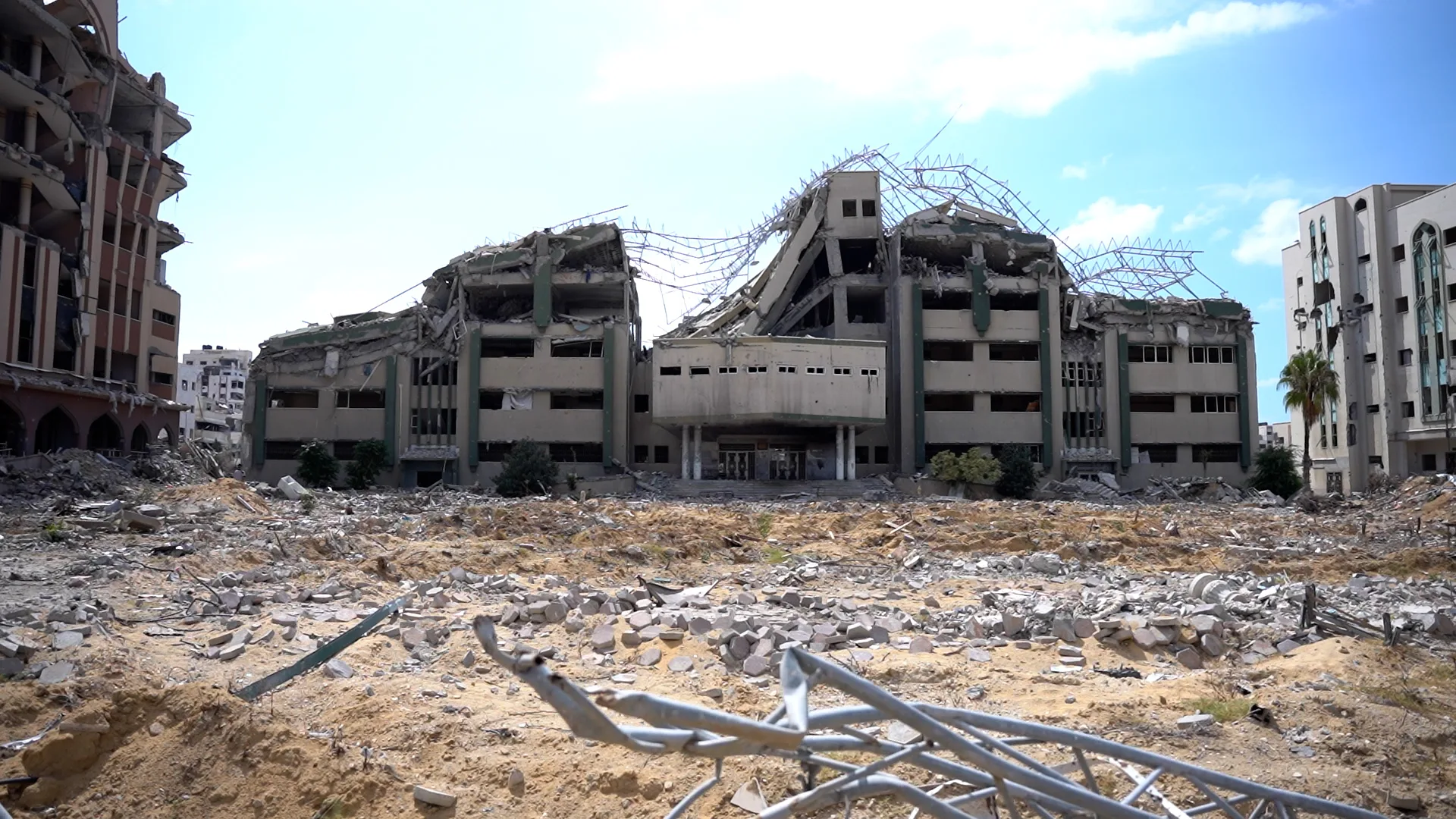
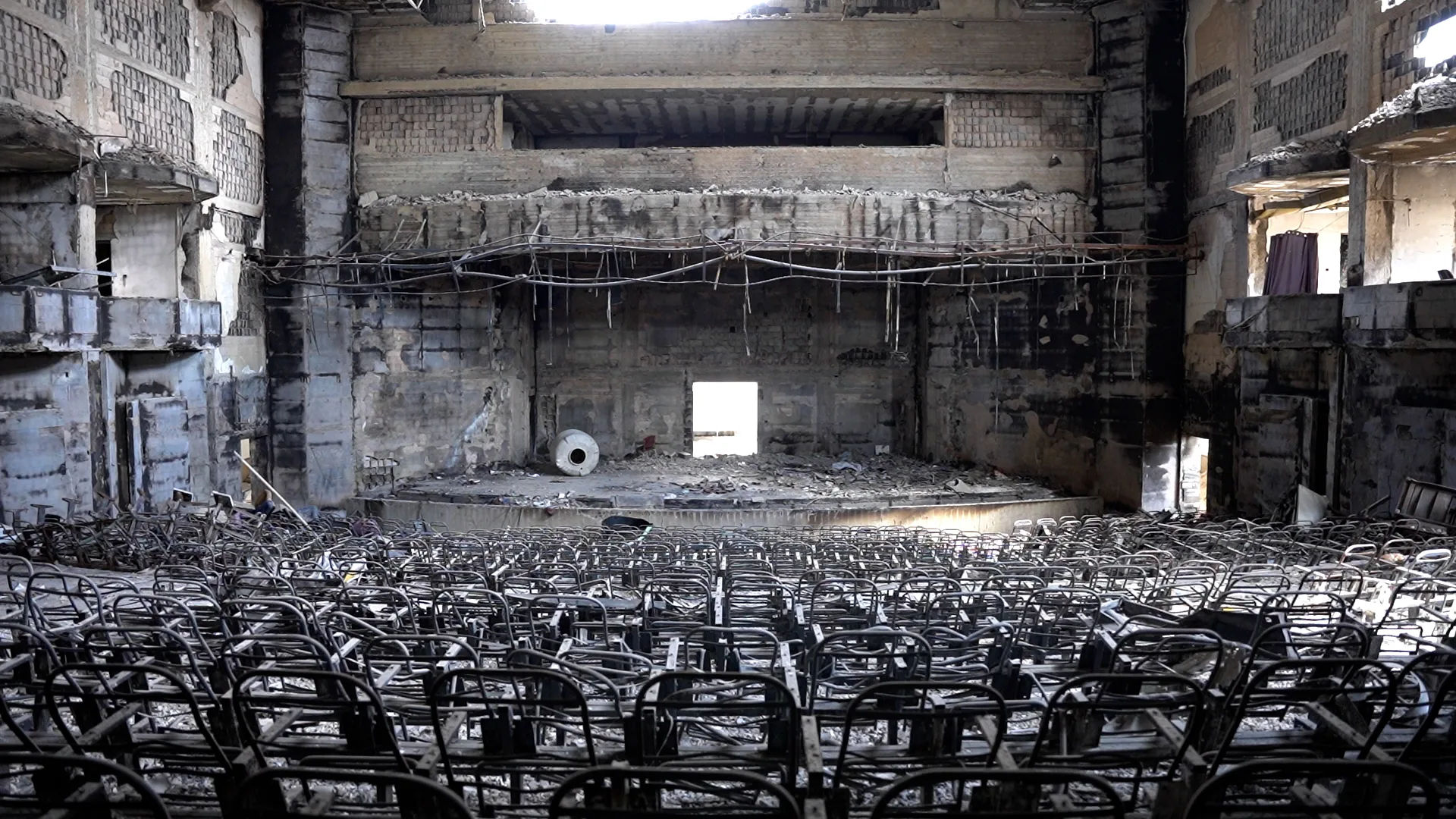
The extent of the damage inflicted on the buildings of the Islamic University in Gaza City

Amid an unprecedented catastrophe that has engulfed the Gaza Strip one of the fiercest and most destructive wars in its history medical students found themselves thrust into emergency rooms and operating theaters. A profound sense of duty and an unshakable humanitarian call pushed them forward.

Years before graduation, donning nothing but their white coats and sheer determination, they faced grueling shifts and life-or-death decisions in the middle of a genocidal war that decimated healthcare infrastructure and depleted already scarce resources.

These students weren’t training they were saving lives, racing against time to rescue whoever they could. In doing so, they wrote new chapters of courage and resilience during one of the darkest humanitarian moments Gaza has ever faced.

From Classrooms to Emergency Rooms

Azzedine Al-Loulu, a fifth-year medical student specializing in human medicine, is one of many students who moved between emergency rooms and surgical theaters, tending to the wounded and injured, offering medical care to his fellow citizens.

On November 13, 2024, Azzedine received a phone call informing him that his family home had been bombed. Twenty members of his family were killed, including his brother and his father, Dr. Samir Al-Loulu. His mother was the sole survivor but sustained critical injuries.

He recalls that this massacre was the most devastating event he experienced during the war he received his own family members at the hospital as martyrs. Yet, he was not the only doctor in Gaza to suffer such heartbreak. Many physicians have paid a steep price: some killed, others arrested, beaten, or tortured for their dedication to their people and profession.

نون بوست
A picture of student Dr. Samir Al-Loulu, Azzedineand the logo of the “Samir” Foundation for Supporting Medical Students

In memory of his father, Dr. Samir Al-Loulu, Azzedine established the “Samir Foundation” to support and assist medical students an initiative to help realize the dreams of aspiring doctors, offer knowledge and aid, and serve as an ongoing charitable tribute to his father’s legacy.

Likewise, fifth-year medical student Dr. Donia Abu Moussa told Noon Post that while watching images and videos of the massacres carried out by the Israeli military against civilians during the war, she felt compelled to act. Her place, she believed, was not at home but alongside the wounded and the dying.

“I went as a human being, not just as a medical student,” she said. “I studied medicine for a noble cause, and this was the moment to fulfill that mission the professional, humanitarian, and national duty I owe my people.”

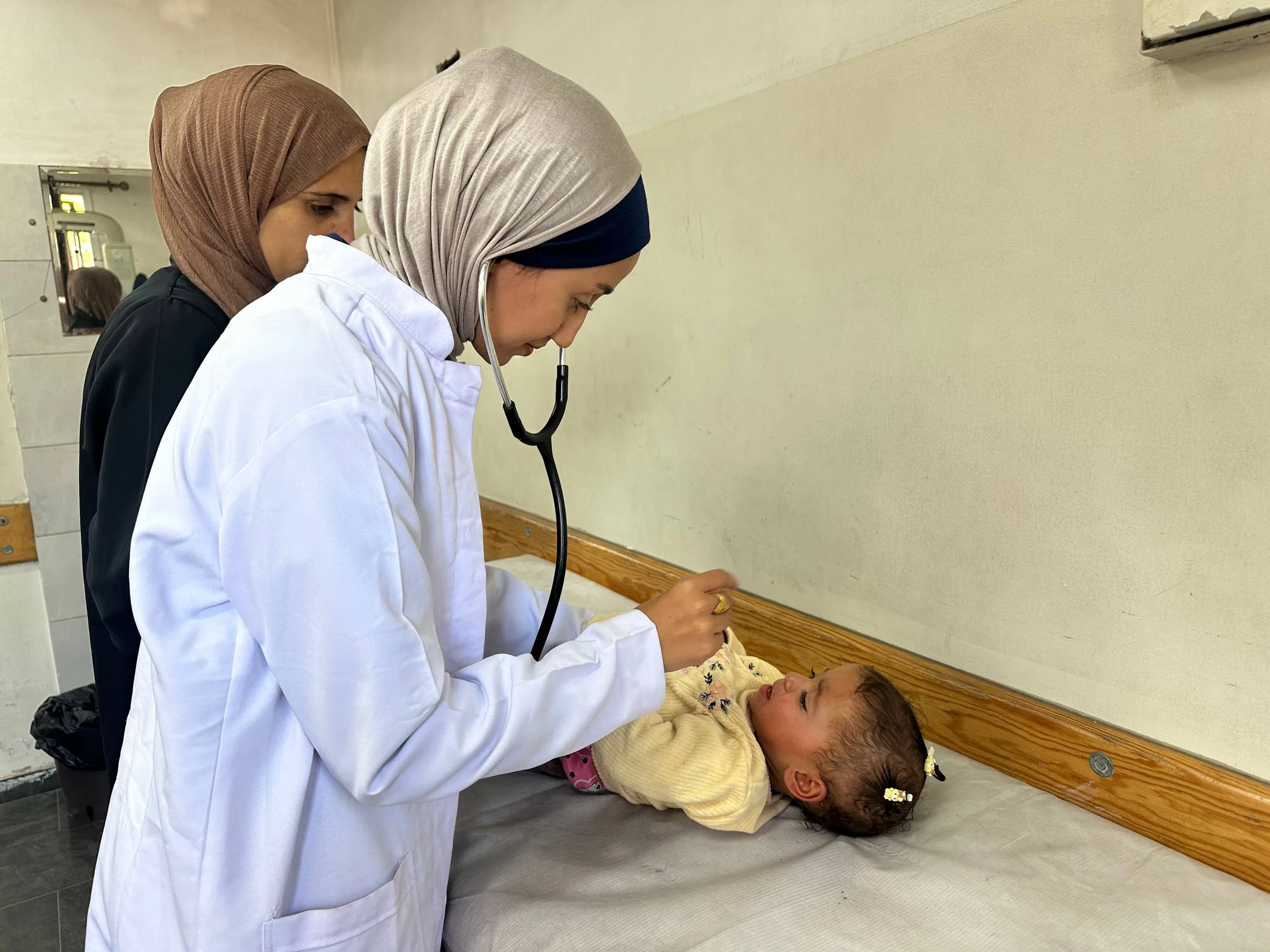
She describes her first time entering the emergency department as a moment of shock and disbelief, overwhelmed by the sheer number and severity of injuries: a man breathing his last at the ER door, a bleeding child whose limbs had been amputated, a young man reduced to fragments.
نون بوست
Medical student Dr. Dounia Abu Musa during her handling of cases in the emergency department

Reflecting on the mental toll of learning in such conditions, Dr. Dounia explained: “Every piece of knowledge we gained in the field came at a high price our time, our psychological well-being, our fear for our families, and the dread of possibly receiving them as martyrs, God forbid.

Beyond the bombs, we were fighting wars within ourselves. But despite everything, we pressed on, fulfilling our duty and delivering care to all.”

She added that her family’s repeated displacement in search of safety left them with nowhere to go, forcing them to sleep on the streets. She also suffered fainting spells from malnutrition during the famine, further complicating her ability to reach the hospital.

The Return of In-Person Learning at Some Universities

Professor Bassam Al-Saqqa, Vice President for Academic Affairs at the Islamic University of Gaza, stated that the institution is primarily an in-person university and that online education had been an emergency measure forced by war.

The decision to resume in-person classes was made despite near-total destruction of university buildings and the collapse of academic infrastructure, including labs, internet networks, and electricity.

نون بوست
Student Dr. Dounia Abu Musa at the moment of her graduation

He emphasized that the return to campus was not only an academic goal but also a humanitarian and social imperative. Education, he said, remains a core priority for the Palestinian people, and the students’ return helped breathe life back into many facets of daily life in Gaza.

Twelve out of sixteen university buildings were completely destroyed in the bombardment, while the remaining four were partially damaged. A large number of academic and administrative staff were killed, including the university’s president, Professor Sofian Tayeh.
نون بوست

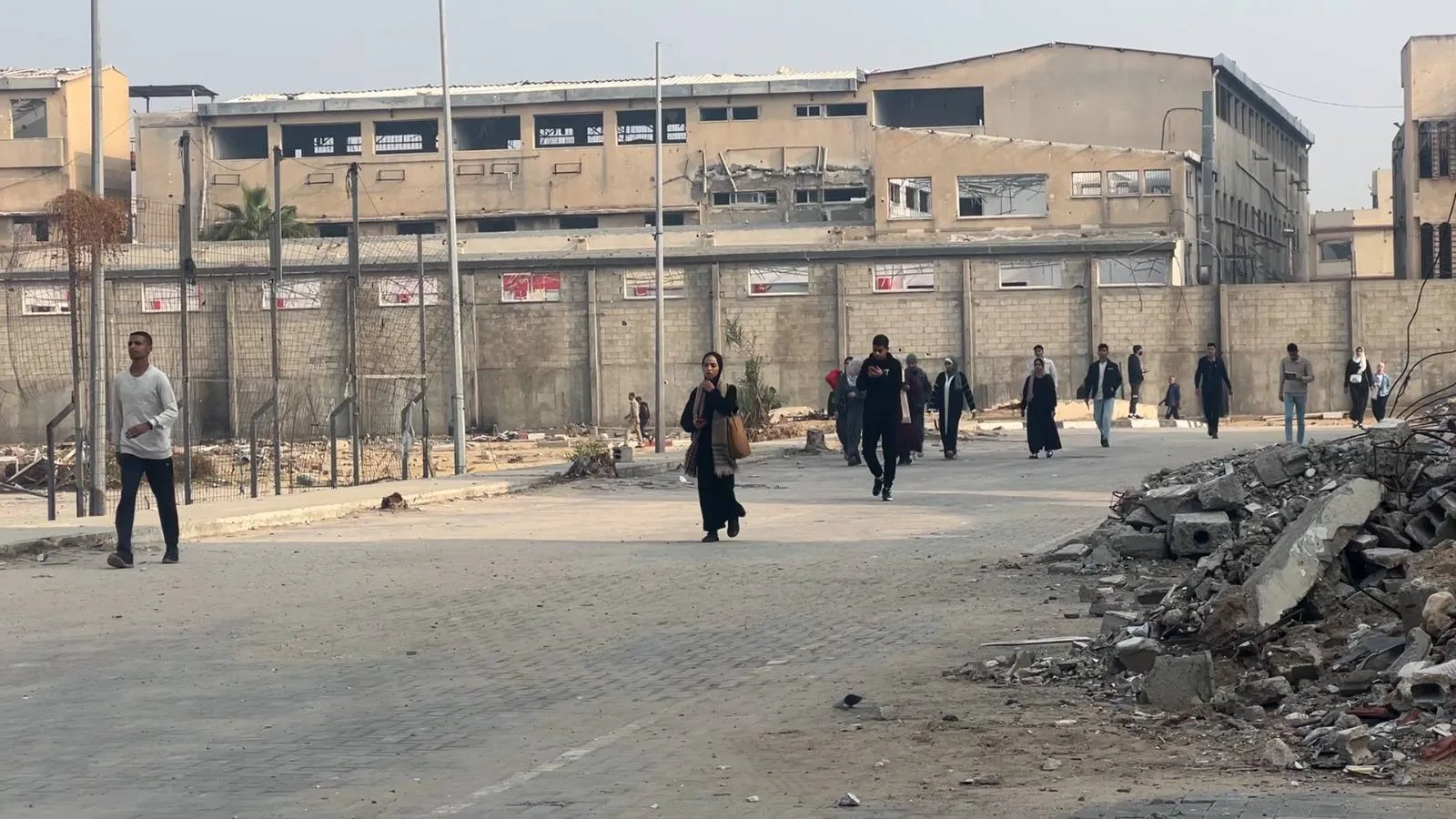
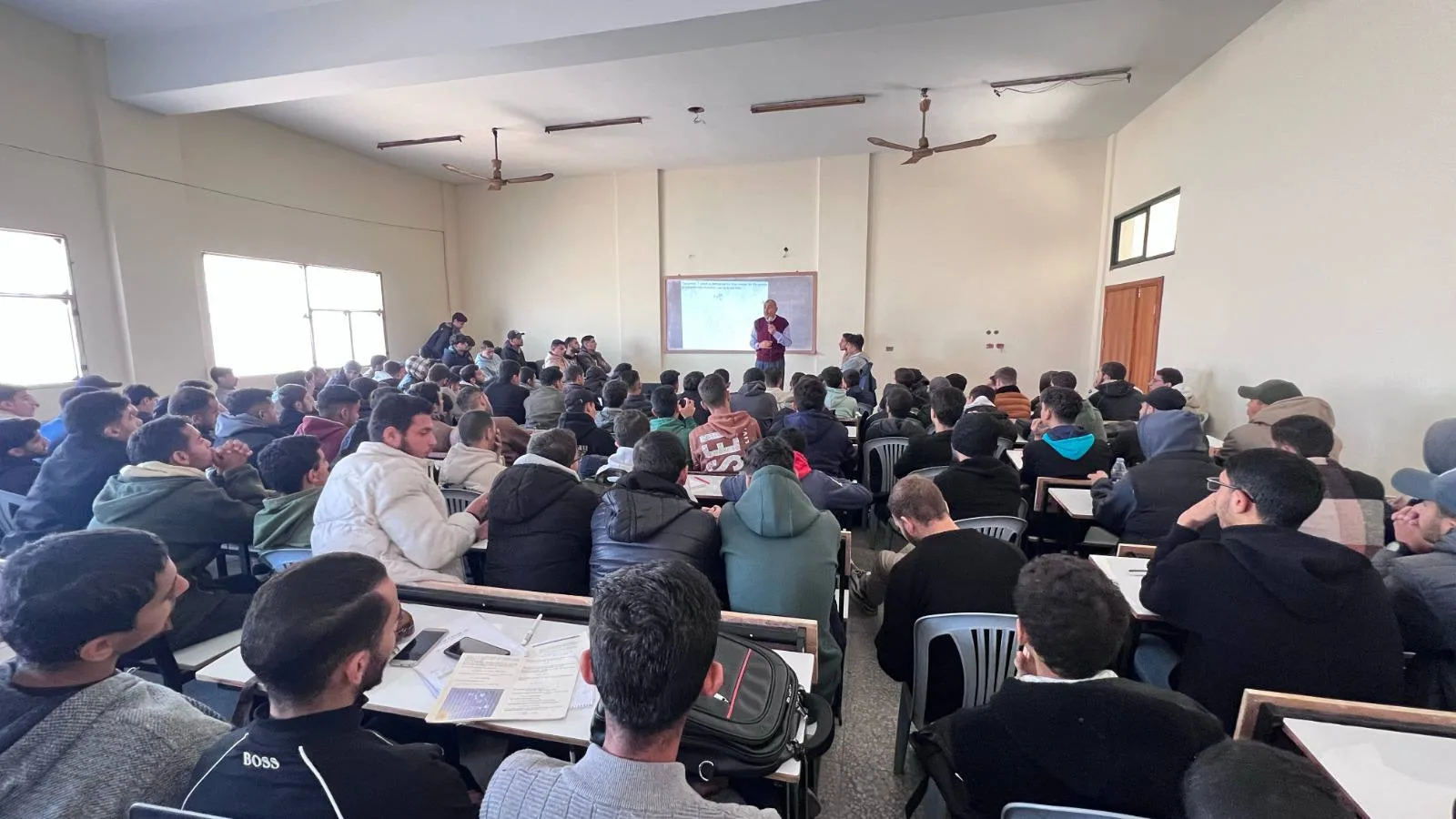
Despite these devastating losses, the university managed using very limited resources to restore five classrooms and some administrative offices, enabling a partial return to in-person learning.

Prof. Al-Saqqa noted that the university was taken aback by the overwhelming response from students and their families. The palpable enthusiasm led the administration to open two new teaching halls in the central region near Al-Nuseirat refugee camp, and another in the southern city of Khan Younis.

During the first semester, in-person learning was limited to selected first-year disciplines, including medicine, nursing, engineering, science, health sciences, information technology, Islamic law, and legal studies.

More than 4,000 students returned to in-person learning during the first phase. Plans are in place to expand this number gradually in the coming semester. Other disciplines have temporarily continued online.

Given Gaza’s dire economic circumstances and the collapse of most household incomes, the university has waived all tuition fees. Al-Saqqa expressed hope that friendly nations, donors, and partner universities would step in to help cover the costs and support students in continuing their education in a society that has lost a generation of doctors, lawyers, engineers, teachers, and scholars critical minds needed to rebuild Gaza.

The State of Higher Education in Gaza

Dr. Abdelhamid Al-Yaacoubi, spokesperson for the Ministry of Higher Education in Gaza, described the current crisis as the most perilous period for higher education in the Strip’s history. Since the onset of the war on October 7, 2023, universities have shifted from striving to develop to simply struggling to survive under systematic destruction.
نون بوست
The extent of the damage inflicted on the buildings of the Islamic University in Gaza City

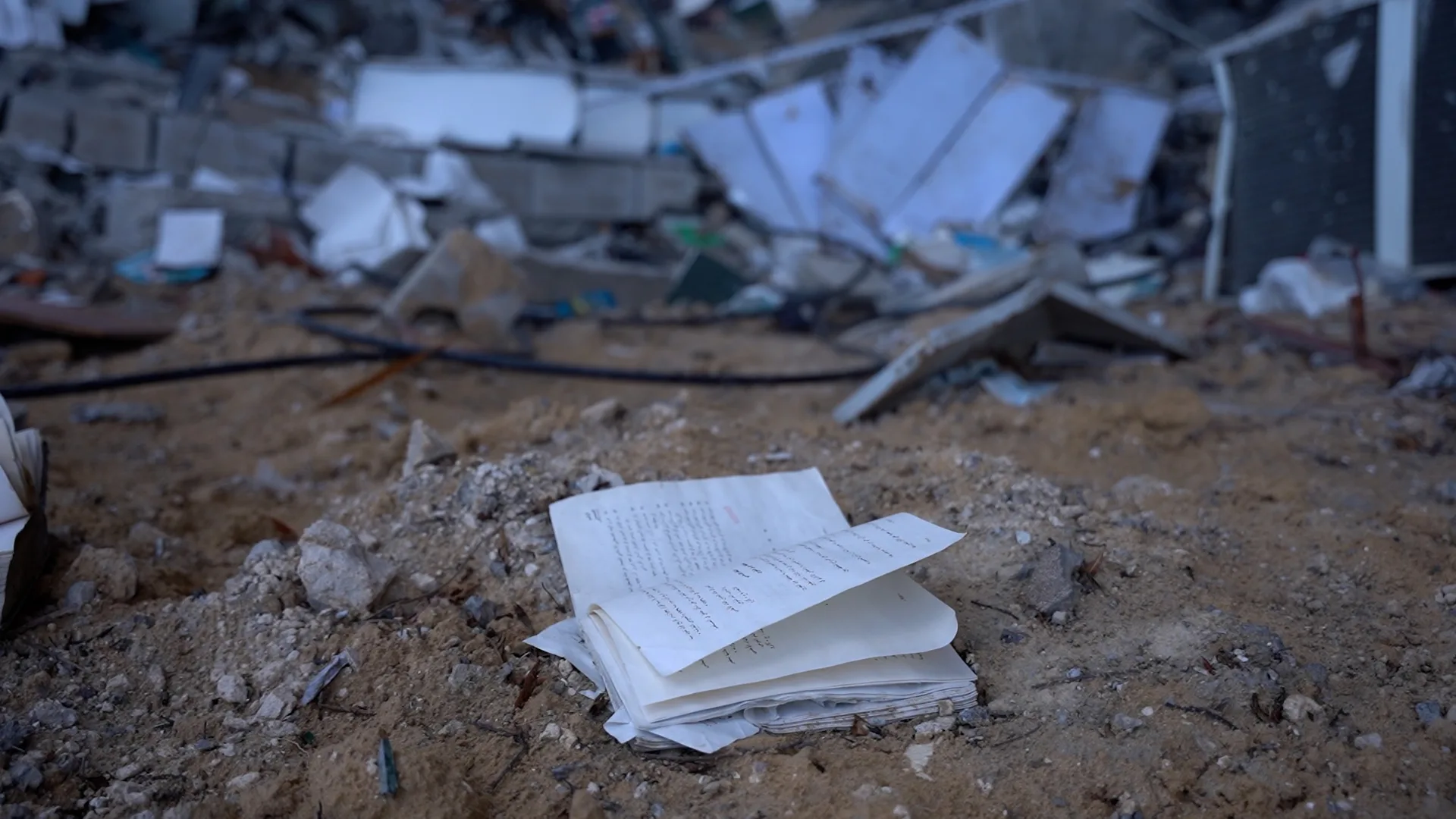
According to official assessments by the ministry, in collaboration with UNESCO, more than 63 university campuses and facilities have been damaged or destroyed rendered completely unusable. These include colleges, labs, libraries, and administrative centers.

The human toll is staggering. Nearly 88,000 students have had their studies disrupted. More than 1,362 students have been killed, and over 2,931 wounded. An estimated 246 members of academic and administrative staff have been killed, and 1,491 injured. The numbers of those detained or missing remain unknown.
نون بوست

Material losses exceed $373 million in direct damages, including the destruction of hundreds of labs, research facilities, and the loss of thousands of computers, educational devices, and digital servers. These figures do not account for the long-term damage to scientific research and human development.

Most universities have ceased in-person instruction entirely, with only limited, makeshift returns in some cases. Emergency solutions have included partial reliance on online learning, though it only reaches a fraction of students.

The Ministry has launched emergency plans to rescue students particularly those from the 2006 and 2007 cohorts by boosting digital education through partnerships with UNESCO and international organizations, facilitating academic support through external training agreements, and helping students graduate by settling overdue tuition and debt.
نون بوست
Face-to-face lectures at the Islamic University buildings in Gaza City

Although some students secured scholarships abroad, many remain stranded due to closed crossings and delayed visa and travel procedures. Domestic scholarship programs have also dried up amid economic collapse and institutional strain.

Still, a few universities including the Islamic University, Al-Azhar University, the University of Palestine, and the University College of Applied Sciences have resumed hybrid or in-person instruction, particularly in medical and engineering faculties.

Dr. Al-Yaacoubi concluded by emphasizing that this is not merely a material assault on education but a direct attack on the future of an entire generation. It is a flagrant violation of the right to education enshrined in international law.

By targeting Gaza’s education sector, Israel is not only destroying the present, but deliberately undermining the capacity of future generations to learn, build, and rise again. It is a strike on Palestinian consciousness and a blow to the very foundations of a society’s future. The only question that remains: how long will it take Gaza to rise again academically, socially, and economically?

Download this article as PDF
Share this Article
Facebook Twitter Whatsapp Whatsapp Telegram Email Copy Link
فريق التحرير
By فريق التحرير تقارير يعدها فريق تحرير نون بوست.
Follow:
Previous Article نون بوست The Harvest of Israeli Politics in 2025: A Year of Exposure and Eroding Narratives
Next Article نون بوست “Europe Isolated”: How Trump Redefined the Transatlantic Alliance

Read More

  • "There Are Nights I Can’t Close My Eyes": How Gazans Are Living in Homes on the Brink of Collapse "There Are Nights I Can’t Close My Eyes": How Gazans Are Living in Homes on the Brink of Collapse
  • From al-Jolani to Ahmad al-Shara: The Evolution of Syria’s New Leader
  • When Political Islam Receded in Egypt: Who Filled the Void?
  • An Extension of Genocide: Gaza’s Detainees Speak Out
  • A Tightrope Between Survival and Sovereignty: The Syrian Government Faces Normalization Pressures
part of the design
NoonPost Weekly Newsletter

You May Also Like

“There Are Nights I Can’t Close My Eyes”: How Gazans Are Living in Homes on the Brink of Collapse

“There Are Nights I Can’t Close My Eyes”: How Gazans Are Living in Homes on the Brink of Collapse

فريق التحرير Noon Post 8 April ,2026
From al-Jolani to Ahmad al-Shara: The Evolution of Syria’s New Leader

From al-Jolani to Ahmad al-Shara: The Evolution of Syria’s New Leader

أحمد سيف النصر Ahmed Seif EL-Nasr 8 April ,2026
When Political Islam Receded in Egypt: Who Filled the Void?

When Political Islam Receded in Egypt: Who Filled the Void?

أحمد عبد الحليم أحمد عبد الحليم 8 April ,2026

عليك أن تقلق إذا زرتها، فروما مدينة مفتوحة للمافيا

فريق التحرير
Noon Post Published 30 July ,2015
Share
130726222554-mafia-italy-arrest-horizontal-large-gallery

ترجمة من الفرنسية وتحرير نون بوست

أصبح رئيس بلدية روما لا يتحرك إلا تحت الحراسة المشددة. وأُجبر مساعده الأول على الاستقالة منذ عشرة أيام للاشتباه في ضلوعه في عمليات فساد. كما يمكن أن توضع البلدية في نهاية المطاف تحت وصاية الدولة. وتعرف روما، في منتصف هذا الصيف، أجواء مشحونة بسبب هذه الفضيحة. فقد تسبب تقرير سري بعث به المحافظ غابرييلي في الكشف عن قضية ما أصبح يعرف “بمافيا العاصمة” هذه القضية التي ورطت عديد المسؤولين في بلدية روما. وإذا كان هذا التقرير يبرئ  المسؤول المنتخب الأول، إجنازيو مارينو، فإنه يوصي وزير الداخلية الإيطالي بالتحرك بسرعة لتنظيف البلدية من الفساد والفاسدين.

وبدأت الموجة الأولى من الاعتقالات منذ ديسمبر كانون الأول الماضي لتكون الصدمة لسكان روما عند اكتشاف وجود مافيا محلية تمكنت من التسلل إلى أعلى هرم مبنى الكابيتول، مقر البلدية. ويرأس هذه المافيا إرهابي سابق من اليمين المتطرف. وهو ماسيمو كارميناتي الملقب بالأعور، والذي تمكن ولعدة سنوات من تقديم الرشوة لسياسيين من اليمين واليسار، ولكن أيضا لموظفين سامين، مع تدخله في المناقصات وقيامه باختلاس أموال عمومية. وتدخل هذا الأخير في المجالات التي لها علاقة بالساحات الخضراء، ومعالجة النفايات، والتعامل مع قضية المهاجرين.
 
هذه المافيا “الأصيلة والأصلية”، كما يعرفها المدعي العام المسؤول عن القضية، أصبح من المشكوك في قدرة رئيس البلدية الحالي على مقاومتها. فهذا الأسبوع، أوصت رئيسة اللجنة البرلمانية لمكافحة المافيا روزي بيندي بوضع البلدية تحت الوصاية من قبل الدولة. ويوشك رئيس الحكومة، ماتيو رينزي، على سبيل المثال، على تعيين محافظ روما وحده المسؤول عن تنظيم “سنة الرحمة”، التي أقرها البابا فرانسيس لعام 2016، والمناقصات الجارية لهذا الحدث الذي سيشهد توافد الملايين من الحجاج بداية من العام المقبل.

كما هو الحال في باليرمو في منتصف ثمانينات القرن العشرين

يقول الصحفي ليريو أباتي من مجلة إسبرسو الإيطالية إن “الحال اليوم في روما مشابه للحال في باليرمو في منتصف ثمانينات القرن العشرين”، فالجميع يتصرف كما لو أن المافيا لم تكن موجودة، خاصة مع عدم وجود جرائم قتل. ويضيف الصحفي: “وجود المنظمات الإجرامية ليس شيئا جديدا في مدينة التلال السبعة (مدينة روما)”.

وتتعايش المنظمات الإجرامية لأن كل واحدة تستأثر لنفسها بسوق خاص بها. وتستثمر هذه العصابات دائما في الشقق والمطاعم والشركات لغسيل الأموال. وقد اعتاد أهل روما على رؤية مداهمات الشرطة الخاطفة، والتي، في يوم واحد، تضع تحت الحراسة القضائية المطاعم المزدحمة في المركز السياحي. ولكن إلى جانب العصابات المعروفة على غرار ندرانغيتا أو كامورا والموجودة أيضا في روما، توجد عصابات أخرى ومن بين أكثرها نفوذا عصابة ماسيمو كارميناتي الملقب بالأعور .

لقاءات في محطة وقود

ولدت هذه العصابة في سبعينات القرن العشرين، عندما قدمت المافيات الجنوبية إلى روما لتطوير أنشطتها على غرار الإتجار بالمخدرات. لهذا، فقد أبرمت صفقة مع العصابة الشهيرة “ماغليانا”، وهي منظمة إجرامية في روما مرتبطة باليمين المتطرف. ولعصابة كارميناتي علاقات وطيدة هي الأخرى باليمين المتطرف، فبعد أن تدرب في معسكرات تدريب الكتائب في لبنان، تحول ماسيمو كارميناتي إلى زعيم للمافيا. وفي غضون سنوات قليلة، تمكن كارميناتي من السيطرة على شمال روما مع تعيين رجاله في البلدية، بما في ذلك السكرتير الخاص لرئيس البلدية. كما تمكن أيضا من التحالف مع رجل سياسي من اليسار من الصعب أن يكون محل شبهة وهو سلفاتور بوزي. “بوزي هو الرجل الغير مشكوك فيه، ويدير مؤسسات اجتماعية والتي تقوم بتشغيل المساجين السابقين، كما أنه يعمل مع واحد من مؤسسي “كاريتاس روما”، وهو رمز للرجل المتخلق”، بحسب روزي بيندي، رئيسة اللجنة البرلمانية لمكافحة المافيا.

ومع تقديم الرشاوى التي تصل قيمتها إلى 15.000 يورو، … أصبح كارميناتي “قاضي السلام”، حيث قال الصحفي أباتي: “كان كارميناتي يلعب دور القاضي بين الجماعات الإجرامية، فقد كان بإمكانه حل المشاكل بمكالمة هاتفية، حتى أصبح الناس يعرفون أين يمكنهم إيجاده”. ومن محطة وقود شمال المدينة حيث كانت تعقد اجتماعاته، تمكن كارميناتي من بناء قاعدة عمل واضحة: فهو الوسيط، وهمزة الوصل بين عالم الجريمة وعالم السياسة.

ألقي القبض على كارميناتي وسلفاتور بوزي، ولكن الوضع هو أبعد ما يكون عن التمكن من القضاء تماما على الفساد، فروما واسعة جدا، مع 3 ملايين نسمة و 15 منطقة إدارية… حيث تقول روزي بيندي: “ما اكتشفناه هو جزء صغير جدا …”. خلال هذا الوقت، ينتظر رجال الظل المحاكمة المقررة في نوفمبر تشرين الثاني. وتقول روزي بيندي: “نحن نأمل أن تكون سنة الرحمة هي سنة تجديد روحي لهذه المدينة …”. ولكن ليس من المؤكد أنه بحلول ديسمبر ستتحقق هذه المعجزة.

المصدر: صحيفة  جورنال دي ديمانش الفرنسية

TAGGED: الجريمة المنظمة ، الفساد في إيطاليا
Download this article as PDF
Share this Article
Facebook Twitter Whatsapp Whatsapp Telegram Email Copy Link
فريق التحرير
By فريق التحرير تقارير يعدها فريق تحرير نون بوست.
Follow:
Next Article نون بوست The Stigma of “ISIS”: A Heavy Legacy Haunting Women and Children of Former Members

Read More

  • U.S. Regime‑Change Policies: Why They Are Destined to Fail U.S. Regime‑Change Policies: Why They Are Destined to Fail
  • The Gulf’s Balancing Act: Iran, Israel, and Hidden Links
  • Iraq–Turkey Oil Export Treaty: Why Did Ankara Cancel It After 52 Years?
  • Syria’s Northeast on Edge: QSD Between Ankara and Damascus
  • Has Europe Changed Its Stance on Israel… or Just Its Language?
part of the design
NoonPost Weekly Newsletter

You May Also Like

U.S. Regime‑Change Policies: Why They Are Destined to Fail

U.S. Regime‑Change Policies: Why They Are Destined to Fail

إسراء سيد Esraa sayed 8 April ,2026
The Gulf’s Balancing Act: Iran, Israel, and Hidden Links

The Gulf’s Balancing Act: Iran, Israel, and Hidden Links

فريق التحرير Noon Post 8 April ,2026
Iraq–Turkey Oil Export Treaty: Why Did Ankara Cancel It After 52 Years?

Iraq–Turkey Oil Export Treaty: Why Did Ankara Cancel It After 52 Years?

فريق التحرير Noon Post 8 April ,2026
dark

An independent media platform founded in 2013, rooted in slow journalism, producing in-depth reports, analysis, and multimedia content to offer deeper perspectives on the news, led by a diverse young team from several Arab countries.

  • Politics
  • Society
  • Rights & Liberties
  • Opinions
  • History
  • Sports
  • Education
  • Technology
  • Economy
  • Media
  • Arts & Literature
  • Entrepreneurship
  • Travel
  • Cinema & Drama
  • Food
  • Health
  • Culture
  • Latest Reports
  • Files
  • Long Reads
  • Interviews
  • Podcast
  • Interactive
  • Encyclopedia
  • In Pictures
  • About Us
  • Our Writers
  • Write for Us
  • Editorial Policy
  • Advanced Search
Some rights reserved under a Creative Commons license

Removed from favorites

Undo
Go to mobile version