

NoonPost NoonPost

NoonPost

  • Home
  • Politics
  • Economy
  • Society
  • Culture
  • Files
  • Long Reads
  • Podcast
AR
Notification Show More
نون بوست
“There Are Nights I Can’t Close My Eyes”: How Gazans Are Living in Homes on the Brink of Collapse
نون بوست
From al-Jolani to Ahmad al-Shara: The Evolution of Syria’s New Leader
نون بوست
When Political Islam Receded in Egypt: Who Filled the Void?
نون بوست
An Extension of Genocide: Gaza’s Detainees Speak Out
نون بوست
A Tightrope Between Survival and Sovereignty: The Syrian Government Faces Normalization Pressures
نون بوست
American Aircraft Carriers: Has the Era of “100,000 Tons of Diplomacy” Ended?
نون بوست
U.S. Regime‑Change Policies: Why They Are Destined to Fail
نون بوست
Transformations of Israeli Judaism: Between the Victim Complex and the Colonizer’s Doctrine
نون بوست
The Gulf’s Balancing Act: Iran, Israel, and Hidden Links
نون بوست
Iraq–Turkey Oil Export Treaty: Why Did Ankara Cancel It After 52 Years?
نون بوست
Syria’s Northeast on Edge: QSD Between Ankara and Damascus
نون بوست
Has Europe Changed Its Stance on Israel… or Just Its Language?
NoonPost NoonPost
AR
Notification Show More
نون بوست
“There Are Nights I Can’t Close My Eyes”: How Gazans Are Living in Homes on the Brink of Collapse
نون بوست
From al-Jolani to Ahmad al-Shara: The Evolution of Syria’s New Leader
نون بوست
When Political Islam Receded in Egypt: Who Filled the Void?
نون بوست
An Extension of Genocide: Gaza’s Detainees Speak Out
نون بوست
A Tightrope Between Survival and Sovereignty: The Syrian Government Faces Normalization Pressures
نون بوست
American Aircraft Carriers: Has the Era of “100,000 Tons of Diplomacy” Ended?
نون بوست
U.S. Regime‑Change Policies: Why They Are Destined to Fail
نون بوست
Transformations of Israeli Judaism: Between the Victim Complex and the Colonizer’s Doctrine
نون بوست
The Gulf’s Balancing Act: Iran, Israel, and Hidden Links
نون بوست
Iraq–Turkey Oil Export Treaty: Why Did Ankara Cancel It After 52 Years?
نون بوست
Syria’s Northeast on Edge: QSD Between Ankara and Damascus
نون بوست
Has Europe Changed Its Stance on Israel… or Just Its Language?
Follow US

Soft Expulsion: Why Is Israel Revoking the Licenses of 37 Humanitarian Organizations?

فريق التحرير
Noon Post Published 26 March ,2026
Share
نون بوست
نون بوست

In a move that deepens the suffering of Palestinians and intensifies Israel’s policy of collective punishment, the Israeli occupation government has announced its intention to revoke the operational licenses of dozens of international humanitarian organizations working in the West Bank and Gaza Strip, starting January 1, 2026.

Israel’s so-called Ministry of Diaspora Affairs has ordered the closure of 37 aid organizations, citing their alleged failure to comply with new registration requirements and to submit detailed information about their staff, funding sources, and activities. As a result, these organizations will be forced to halt operations within 60 days and leave Palestinian territories by March 1, 2026.

Targeted Organizations and Their Humanitarian Role

Among those facing a ban are some of the most respected global relief and medical agencies, including:

  • Médecins Sans Frontières (Doctors Without Borders)

  • Norwegian Refugee Council (NRC)

  • CARE International

  • International Rescue Committee (IRC)

  • ActionAid

  • Oxfam

  • Caritas

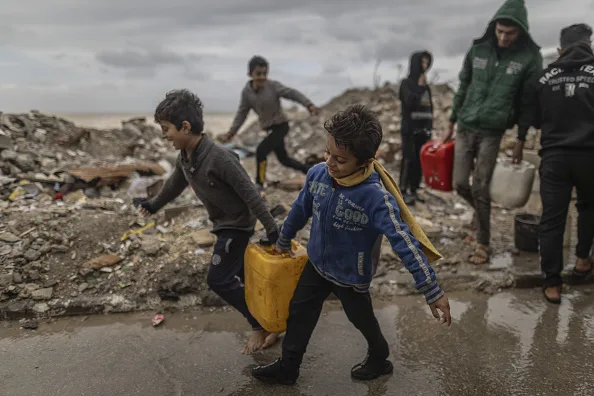
These organizations provide a broad range of critical services across Palestinian territories, including:

  • Emergency medical care, field hospitals, and health clinics

  • Distribution of food, clean water, and support for sanitation projects

  • Shelter, education, and psychological support for hundreds of thousands of civilians

Israel’s Justifications for Revoking Licenses

The Israeli authorities claim the decision stems from “security concerns” and “counterterrorism efforts” following changes made in March 2025 to the registration process for NGOs.

Under the revised rules, international organizations are required to submit detailed rosters of their staff—particularly those in Gaza—for what Israel terms “security vetting,” allegedly to prevent the infiltration of “terrorist elements.” This vague accusation has frequently been used by Israeli authorities to criminalize humanitarian work and justify its suppression.
نون بوست
Humanitarian organizations operating in Palestine provide a wide range of essential services.

Israel’s Ministry of Diaspora Affairs claims some organizations refused to comply, despite being given a ten-month deadline to meet the new requirements.

In particular, the Ministry alleged that Doctors Without Borders employed individuals affiliated with Hamas and Islamic Jihad, claiming these staff members used their humanitarian roles for military purposes.

Doctors Without Borders categorically denied the allegations, calling them “baseless,” and insisted it would “never knowingly employ individuals involved in armed activity.”

International organization representatives have rejected Israel’s justifications, calling the new regulations arbitrary, opaque, and politically motivated.

Several European agencies expressed legal and ethical concerns about Israel’s demands for Palestinian employee lists, citing potential violations of EU data protection laws and the risks such disclosures could pose to staff under current conditions.

Some organizations have declined to provide the data out of fear for the safety of their staff and facilities especially after the killing of hundreds of aid workers during Israel’s most recent assault on Gaza.

The Association of International Development Agencies (AIDA) proposed an independent third-party vetting mechanism as an alternative to direct data transfer to Israel, but Israeli authorities refused any discussion of the matter.

Human rights advocates argue that these demands amount to political and security blackmail, rather than legitimate administrative procedures.

The Real Motives Behind the Crackdown

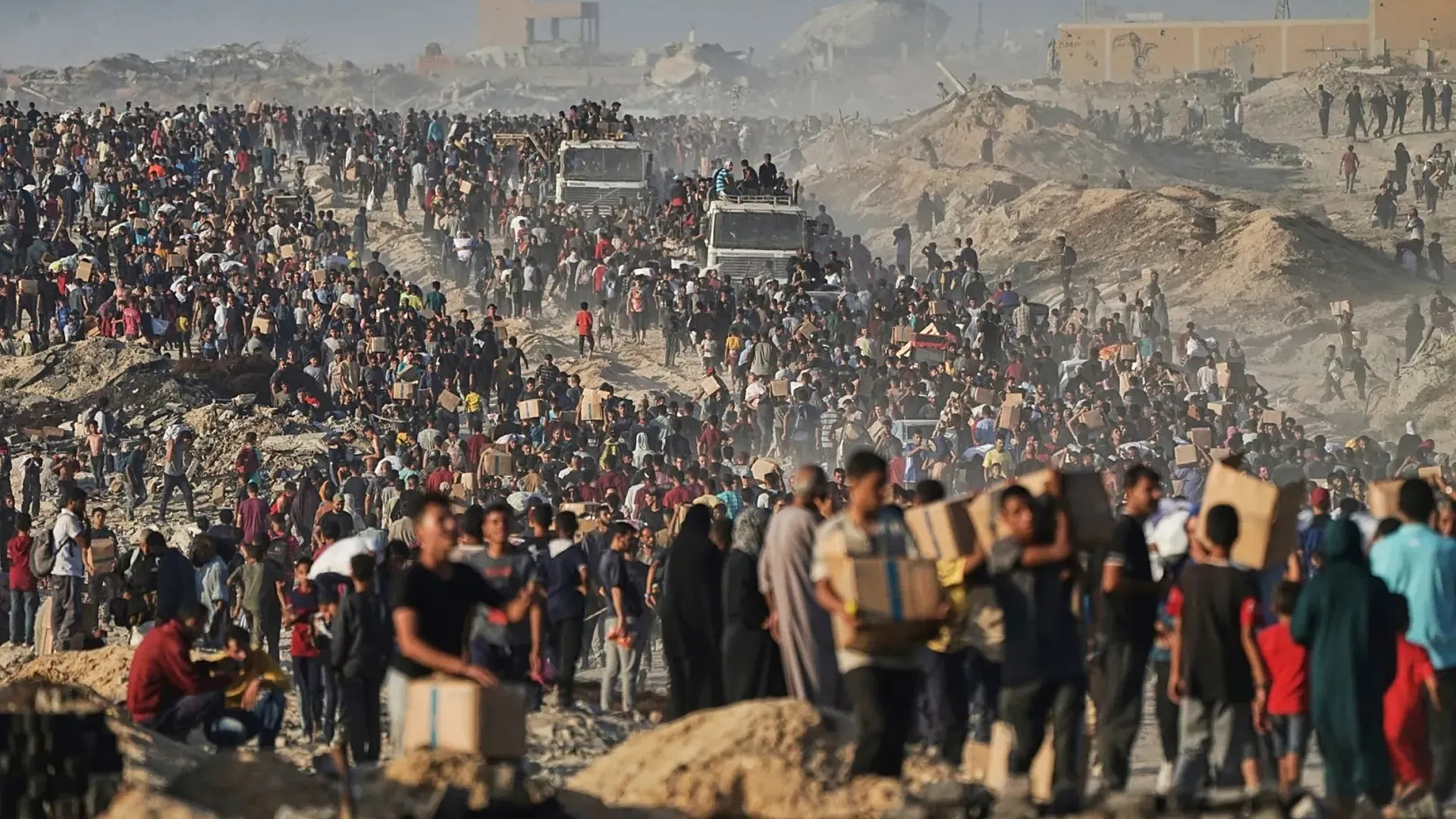
Locally, representatives of the Palestinian NGO Network in Gaza point to a broader Israeli strategy aimed at worsening the humanitarian crisis, forcing displacement, and dismantling the foundations of Palestinian resilience by stripping communities of essential services and pressuring them to leave in search of healthcare or basic necessities.

They view the restrictions on humanitarian operations as an extension of Israel’s long-standing blockade of Gaza, where aid is weaponized as a tool of negotiation and control.

The impact extends to the West Bank as well, where many of these organizations support development and relief projects in Palestinian villages and refugee camps. Their removal would deprive large segments of the population of access to education, healthcare, and food assistance.

The Palestinian Ministry of Foreign Affairs condemned the Israeli move, stating that Tel Aviv “seeks to eliminate witnesses to its crimes and dismantle institutions that support the Palestinian people and challenge Israel’s colonial project to destroy their lives.”

The Ministry emphasized that the targeted organizations focus on core humanitarian issues children, healthcare, education, water, and refugee support which are all central to the Palestinian cause.

Impact on Palestinians

Relief experts warn of catastrophic consequences if these closures proceed. The impact of Doctors Without Borders alone illustrates the scale of the crisis:
نون بوست
The occupation seeks to silence witnesses, raise the cost of resilience, and push the population toward despair and forced migration.
  • The organization supports roughly 20% of all hospital beds in Gaza.

  • It oversees nearly one-third of all childbirths in the territory.

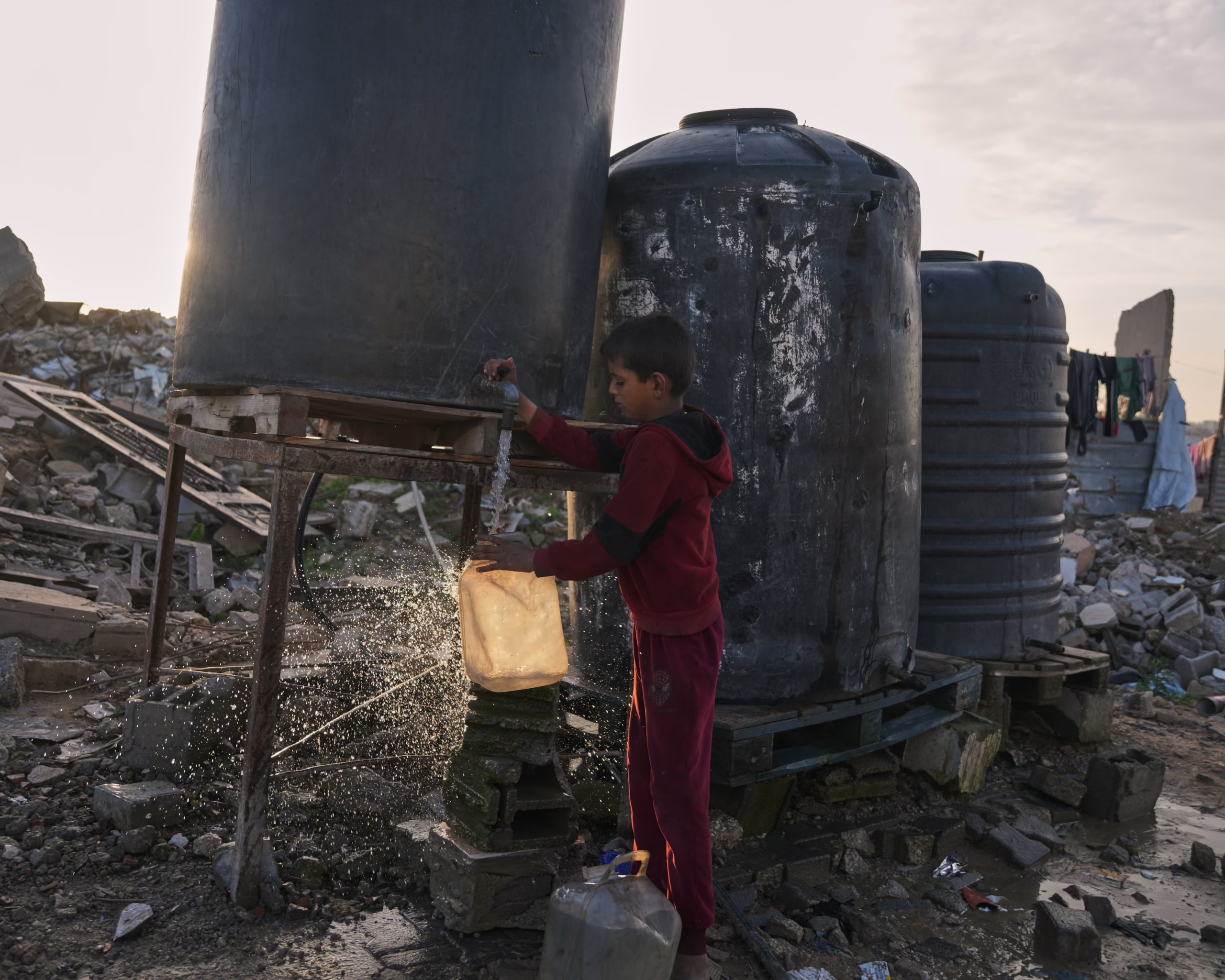
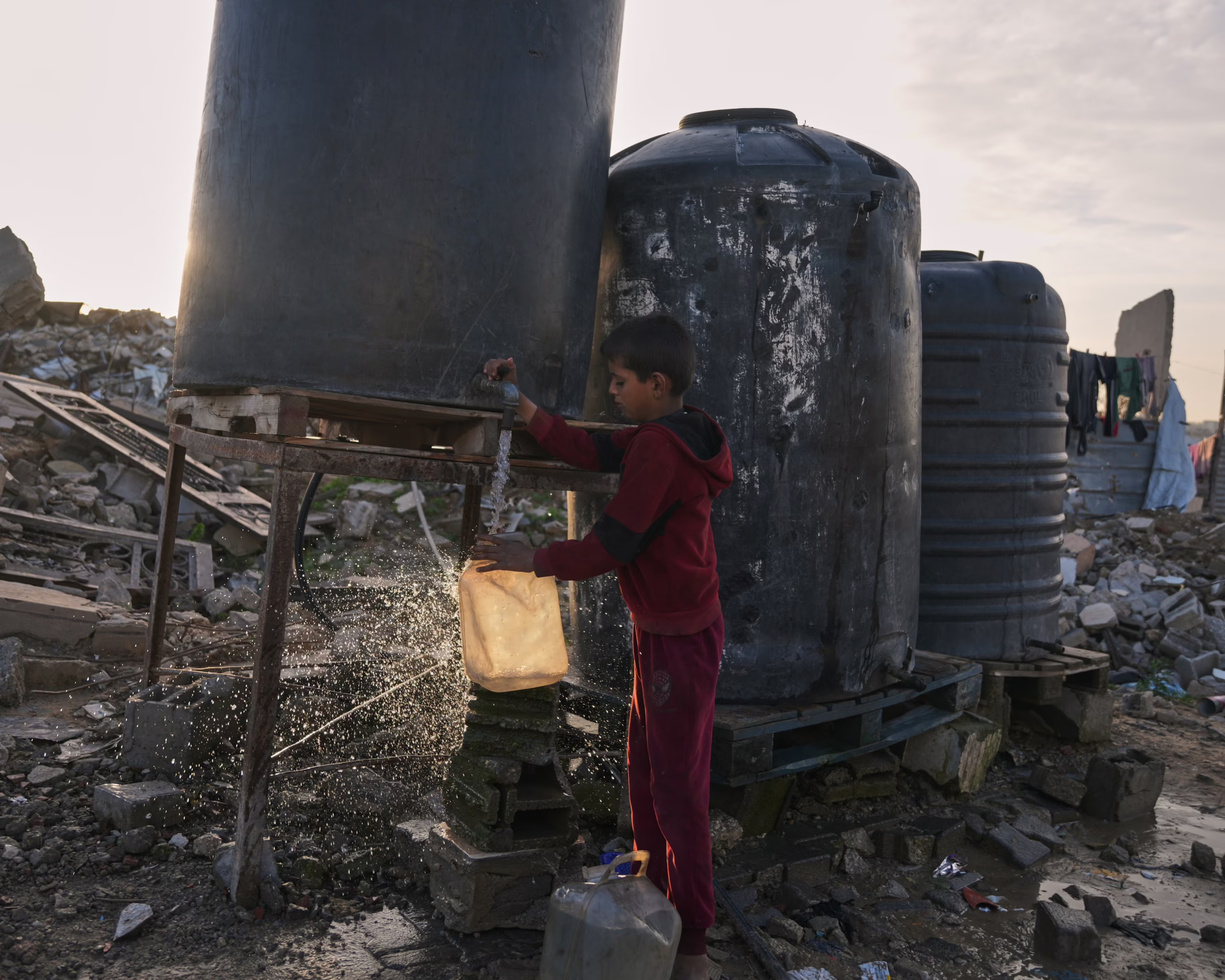
  • It provides clean water and healthcare to around half a million people annually.

The organization warned that the license revocations will:

  • Paralyze life-saving medical services in Gaza’s already-collapsing health system.

  • Deny hundreds of thousands access to essential care, clean water, and other vital services.

  • Exacerbate disease outbreaks and mortality rates.

  • Render Gaza unable to meet urgent humanitarian needs, creating a “new humanitarian catastrophe” for its besieged civilian population.

The threat goes far beyond Doctors Without Borders. Other banned organizations play a critical role in meeting Palestinians’ basic needs.

According to a joint statement by over 200 local and international relief organizations, along with the United Nations, international NGOs operate or support the majority of field hospitals, primary care centers, emergency shelters, and water and sanitation services in Gaza.

The statement warned that canceling their registrations would lead to a catastrophic collapse in the delivery of essential services to millions of Palestinians.

Aid organizations stress that barring their operations will place an unbearable burden on already overextended local teams, creating a gap that no single entity including the United Nations can fill.

A Deliberate Strategy to Crush Humanitarian Work
This latest measure is part of a broader Israeli campaign to dry up humanitarian operations, a policy that intensified after Israel’s war on Gaza in October 2023. Since then, the far-right Israeli government has stepped up accusations that UN agencies and NGOs are complicit with Hamas or facilitating its activities.

The UN Relief and Works Agency (UNRWA) has been a primary target. Israeli officials have accused it of being “infiltrated by Hamas” and “indoctrinating a new generation into extremism,” claiming its aid benefits militants.

The campaign escalated in early 2025 when Israel banned UNRWA from operating in its territories and severed all formal ties. In December 2025, Israel passed a law requiring utility and banking companies to cease all services to the agency.

This came despite the International Court of Justice clearing UNRWA of bias and misconduct allegations. Nonetheless, Israel’s efforts to undermine the agency persisted, culminating in the United States suspending funding to UNRWA in early 2024 further worsening its financial crisis.

Israel’s crackdown hasn’t been limited to large international bodies. In October 2021, it labeled six leading Palestinian civil society and human rights groups as “terrorist organizations,” claiming ties to the Popular Front for the Liberation of Palestine.

Those included prominent groups such as Al-Haq, Addameer, and the Union of Agricultural Work Committees organizations focused on documenting human rights abuses and providing legal and social services to Palestinians.

The blacklisting of those groups and the current shutdown of new organizations have drawn widespread condemnation from the United Nations, Western governments, and global rights groups. Many have urged Israel to reverse course, warning that these shutdowns push the humanitarian response in Gaza and the West Bank to the brink of collapse.

Ultimately, this is not a bureaucratic dispute over paperwork or registration. It is a battle over Palestinians’ right to survive.

By dismantling humanitarian organizations, Israel aims to silence witnesses, raise the cost of resilience, and push Palestinians further toward despair and displacement a goal long embedded in its rhetoric and policies throughout the years of genocide.

Download this article as PDF
Share this Article
Facebook Twitter Whatsapp Whatsapp Telegram Email Copy Link
فريق التحرير
By فريق التحرير تقارير يعدها فريق تحرير نون بوست.
Follow:
Previous Article نون بوست Egypt 2025: A Year of Contradictions and Populism
Next Article نون بوست Syria’s 2025 in Review: Reintegration With the World and Founding a Phase of Renewal

Read More

  • U.S. Regime‑Change Policies: Why They Are Destined to Fail U.S. Regime‑Change Policies: Why They Are Destined to Fail
  • The Gulf’s Balancing Act: Iran, Israel, and Hidden Links
  • Iraq–Turkey Oil Export Treaty: Why Did Ankara Cancel It After 52 Years?
  • Syria’s Northeast on Edge: QSD Between Ankara and Damascus
  • Has Europe Changed Its Stance on Israel… or Just Its Language?
part of the design
NoonPost Weekly Newsletter

You May Also Like

U.S. Regime‑Change Policies: Why They Are Destined to Fail

U.S. Regime‑Change Policies: Why They Are Destined to Fail

إسراء سيد Esraa sayed 8 April ,2026
The Gulf’s Balancing Act: Iran, Israel, and Hidden Links

The Gulf’s Balancing Act: Iran, Israel, and Hidden Links

فريق التحرير Noon Post 8 April ,2026
Iraq–Turkey Oil Export Treaty: Why Did Ankara Cancel It After 52 Years?

Iraq–Turkey Oil Export Treaty: Why Did Ankara Cancel It After 52 Years?

فريق التحرير Noon Post 8 April ,2026

العلاقات المصرية الأمريكية: هل من واقع جديد؟

فريق التحرير
Noon Post Published 3 August ,2015
Share
lryys-lsys-wjwn-kyr

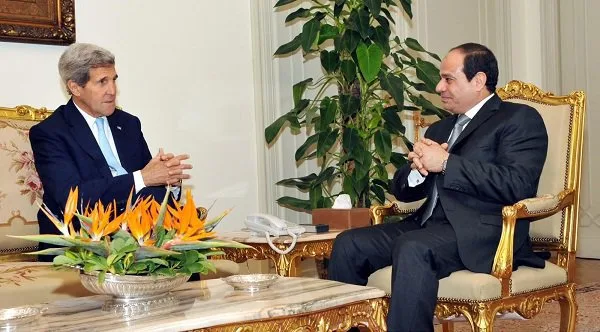
توجه وزير الخارجية الأمريكي “جون كيري” إلى القاهرة بصحبة عدد كبير من رجال الدبلوماسية الأمريكية وعسكريين بارزين في مطلع جولة إقليمية تبدأ من الشرق الأوسط وتنتهي بجنوب شرق آسيا، ربما هي محاولة أمريكية لإعادة استخدام الدبلوماسية لحل القضايا العالقة في المناطق الملتهبة من العالم حفاظًا على المصالح الأمريكية العليا، خاصة بعد توقيع اتفاق تاريخي مع إيران، ما يستدعي تدخلًا لطمأنة دول الخليج وقد تم التأكيد على أن زيارة كيري القادمة للخليج تحتوي على هذا الهدف ومآرب أخرى.

يرى محللون أن زيارة كيري للقاهرة لها هدف رئيسي متمثل في إذابة الجليد بين القيادة الجديدة في مصر التي فرضت واقعًا لم ترض عنه كافة أجنحة الإدارة الأمريكية، وبين الجناح الدبلوماسي في الإدارة الأمريكية من جانب آخر الذي اتخذ مواقف تحفظت عليها الإدارة العسكرية الجديدة في مصر والتي آثرت أن تتعامل مع جناح البنتاغون الذي ربما دعم كثير من خطوات التحول السياسي في مصر بعد الإطاحة بالرئيس السابق محمد مرسي في انقلاب الثالث من يوليو عام 2013.

التقى كيري في قلب القاهرة بسامح شكري وزير الخارجية المصري في أولى جلسات ما يُعرف بـ”الحوار الاستراتيجي” بين مصر والولايات المتحدة والذي توقف انعقاده منذ العام 2009، وما لبث أن استؤنف هذه الأيام، ثم تلى هذه الجلسة  ذهاب كيري إلى الجنرال السيسي مباشرة، تلك الزيارة بكل تفاصيلها لها أبعاد قد يُفهم منها ما وصلت إليه شكل العلاقة التي تجمع بين مصر والولايات المتحدة أو على أقل تقدير ستساهم في معرفة الخطوط القادمة لهذه العلاقة التي وصفت قبل ذلك من الجانب المصري بالزواج الشرعي.

لا يمكن استبعاد الأنباء الواردة قبيل هذه الزيارة ولا يجب فصلها عن السياق العام للعلاقات المصرية الأمريكية، فالولايات المتحدة سلمت مصر قبيل زيارة كيري 8 مقاتلات حربية من طراز F-16 وهي دفعة جديدة من هذه المقاتلات تُسلم لمصر بعيدًا عن إفراج الولايات المتحدة قبل هذا الحدث بأشهر عن 10 مروحيات أباتشي بعد تجميد تسليمهم فترة من الزمن وكذلك مجموعة من الزوارق الحربية إضافة إلى الحديث عن تزويد مصر بأجهزة رقابة للحدود، وبالطبع يمكن أن نقول أن مصر تعاملت في هذا الصدد مع الجناح الأكثر مرونة داخل الإدارة الأمريكية خلال الفترة الماضية مما أوحى بوجود اضطرابات في العلاقة بين البلدين بسبب هذه الازدواجية التي تتعامل بها الولايات المتحدة مع الحالة المصرية التي أعقبت انقلاب الثالث من يوليو.

الحوار الاستراتيجي بين القاهرة وواشنطن هدفه الرسمي مناقشة القضايا الثنائية التي تخص البلدين والتي تتفاعل مع النقاط الساخنة في المحيط الإقليمي، لكن تكمن أهمية هذا النقاش أو هذا الحوار في أنه يرسم العناوين الرئيسية لعلاقة القاهرة بواشنطن في الملفات الساخنة وطريقة التعامل معها من الجانبين على الصعيد السياسي والأمني ناهيك عن بعض النشاطات الاقتصادية التي تتم على هامش مثل هذا الحوار.

يبدو أن الولايات المتحدة بدأت في تحديد متطلباتها الاستراتيجية من مصر في الفترة القادمة دون الالتفات كثيرًا إلى الوراء، فعلى الرغم من المناوشات بين البيت الأبيض والقاهرة عقب الانقلاب العسكري في مصر إلا أن الأمر لم يأخذ شكل الجدية المطلوبة ليُعيق حركة نظام الجيش الجديد في مصر، فكان رد الفعل الأمريكي الأبرز هو إجراء تعديلات على المعونة العسكرية المقدمة لمصر. فهم البعض هذا الأمر على أنه ضغطٌ أمريكي على مصر لكن الأمر في حقيقته رسمٌ جديد للمطلوب من مصر الفترة القادمة لدى أجندة الولايات المتحدة.

فستكتفي الولايات المتحدة بتوجيه معونتها إلى جانب مكافحة الإرهاب في سيناء وضبط الحدود وهي جوانب تُسمى في العلوم الأمنية جوانب دفاعية، وبالتالي نستطيع فهم ما ستطلبه الولايات المتحدة من مصر الفترة القادمة في القضايا الأمنية في المنطقة وبالطبع سيكون على رأس هذه المتطلبات الاستمرار في التعاون الاستراتيجي مع إسرائيل.

 أما على الصعيد السياسي فالولايات المتحدة لا تريد أن تخسر الجيش المصري أحد أكبر الحلفاء في المنطقة ، لذلك تتبنى واشنطن خطابًا هشًا في مواجهة قمعية النظام المصري الجديد الذي تتعامل معه، فحديث كيري من قلب القاهرة لم يُخل من محاولات حفظ ماء وجه الدبلوماسية الأمريكية بالحديث عن ضرورة إجراء انتخابات برلمانية نزيهة رغم مرور أشهر كثيرة على رفض النظام المصري إقامتها وضرورة إطلاق حرية الصحافة وما إلى آخره من أحاديث عن الديمقراطية  لا يعتني بها الجانب المصري من الأساس.

هناك توجهات من لوبيات داخل الولايات المتحدة طالبت بالكف عن هذا النوع من الخطاب، كما دعت صناع القرار فى البيت الأبيض بأن يدعوا الشك والحذر جانبًا أثناء التعامل مع الجانب المصري، وهي مطالبة بتوجه جاد نحو القاهرة وترك التململ، هذا بسبب نظرتهم لأهمية مصر كشريك في عملية مكافحة الإرهاب في الشرق الأوسط.

كما أن حالة العزوف الأمريكية عن الشرق الأوسط في الفترة القادمة تجعل هناك إلحاحًا لتحديد الدور المصري في الإقليم، بحيث تُكَوّن الولايات المتحدة شراكة بين الخليج ومصر تستطيع أن توازن بها النفوذ الإيراني في الشرق الأوسط، لكن حتى الآن لم تظهر إرهاصات لشكل هذه الشراكة خاصة مع اختلاف وجهات النظر بين مصر والدولة الخليجية الكبرى السعودية في عدة بؤر مشتعلة بالمنطقة منها الصراع السوري والملف الليبي، كذلك ترى الولايات المتحدة ضرورة تكوين هذه الشراكة لمواجهة التمدد الجهادي وظاهرة داعش لأن وجهة النظر الأمريكية ترى أن الخليج وحده لن يستطيع التصدي لتنظيم الدولة وعليه الاستعانة بقوة عسكرية إقليمية  كالجيش المصري.

على الجانب المصري تحدث سامح شكري وزير الخارجية المصري أن هناك فرصة في الحوار الاستراتيجي لمراجعة العلاقات مع واشنطن، ولكن لم تأتي الأجندة المصرية بأي جديد على أي حال وقد يكون الجزء الغير المعلن من أجندة الحوار أكبر بكثير من الجزء المعلن، كما أنه ليس هناك معلومات متوفرة عن طبيعة لقاء كيري بالسيسي وما تطرق إليه الطرفان، لكن المؤكد أن هذا اللقاء يحمل دلالات خطيرة على أهميته.

المؤكد الآن أن البلدين لديهم رغبة متبادلة في تسوية الخلافات العالقة وترك أجواء التعامل مع الأجنحة المختلفة  داخل الإدارة الأمريكية لتكوين وجهة نظر أمريكية موحدة تجاه الدور المصري، هذا الأمر يستدعي التخلي عن بعض المصطلحات الأمريكية التي تستخدمها بعض الأجنحة في وصف الوضع داخل مصر كإبداء القلق أو عدم الرضا أو الشجب والإدانة، وهو ما يعني التعامل بشكل أكثر واقعية وبراجماتية مع النظام الجديد، ومن هذا يبدو أيضًا أن الولايات المتحدة تخشى أن تدخل مصر في دوامة الفوضى التي تعم المنطقة إذا ما أصرت على التعامل بالمنطق القيمي الذي يحث على دعم الديمقراطية والحريات، فالولايات المتحدة تفضل الآن من وجهة نظر مصالحها “مصر قمعية” أفضل بالنسبة إليها من سقوط مدو لسلطة الجنرالات الحالية، التي تعلم واشنطن أن هذه المرة لن تكون كثورة يناير مطلقًا ولن يمكن احتوائها بسهولة.

وقد حاولت القاهرة أيضًا التأكيد على أن ليست هناك خلافات مؤثرة بين القاهرة وواشنطن وقد ظهر ذلك في حديث وزير الخارجية المصري سامح شكري الذي قال أنه “لا توجد خلافات كبيرة” بين بلاده والولايات المتحدة، لكن “هذا لا ينفي وجود تباين في وجهات النظر حول عدد من الموضوعات”، وهو ما يعني أن مصر لا يوجد أمامها غير تعزيز العلاقات الثنائية في ظل هذا الوضع كما تنفي بهذا أيضًا أي نية للتباعد مع واشنطن كما تردد مؤخرًا في أوساط إعلامية مصرية.

هذه المستجدات على صعيد الدولتين فسرها البعض على أنها تصحيح أوضاع من الجانبين، ولا شك أن إجراء الحوار الاستراتيجي يعد فى حد ذاته تطورًا متجاوزًا لفترة من التوترات عاشتها العلاقة بين مصر والولايات المتحدة منذ أحداث 30 من يونيو وما تلاها من انقلاب الجيش على الرئيس المنتخب محمد مرسي، ولكن الآن مع تطورات الساحة الإقليمية يبدو أن شبح الإرهاب عامة وداعش بالتحديد استطاع نظام السيسي أن يستغله في مواجهة العزوف الأمريكي عن التعامل معه، إلى أن تعاملت الإدارة الأمريكية مع الجنرال السيسي وتصرفات نظامه القمعية بشكل أكثر مرونة من ذي قبل.

TAGGED: الحوار الاستراتيجي ، الشرق الأوسط ، العلاقات المصرية الأمريكية ، دبلوماسية ، علاقات خارجية
Download this article as PDF
Share this Article
Facebook Twitter Whatsapp Whatsapp Telegram Email Copy Link
فريق التحرير
By فريق التحرير تقارير يعدها فريق تحرير نون بوست.
Follow:
Next Article نون بوست The Stigma of “ISIS”: A Heavy Legacy Haunting Women and Children of Former Members

Read More

  • U.S. Regime‑Change Policies: Why They Are Destined to Fail U.S. Regime‑Change Policies: Why They Are Destined to Fail
  • The Gulf’s Balancing Act: Iran, Israel, and Hidden Links
  • Iraq–Turkey Oil Export Treaty: Why Did Ankara Cancel It After 52 Years?
  • Syria’s Northeast on Edge: QSD Between Ankara and Damascus
  • Has Europe Changed Its Stance on Israel… or Just Its Language?
part of the design
NoonPost Weekly Newsletter

You May Also Like

U.S. Regime‑Change Policies: Why They Are Destined to Fail

U.S. Regime‑Change Policies: Why They Are Destined to Fail

إسراء سيد Esraa sayed 8 April ,2026
The Gulf’s Balancing Act: Iran, Israel, and Hidden Links

The Gulf’s Balancing Act: Iran, Israel, and Hidden Links

فريق التحرير Noon Post 8 April ,2026
Iraq–Turkey Oil Export Treaty: Why Did Ankara Cancel It After 52 Years?

Iraq–Turkey Oil Export Treaty: Why Did Ankara Cancel It After 52 Years?

فريق التحرير Noon Post 8 April ,2026
dark

An independent media platform founded in 2013, rooted in slow journalism, producing in-depth reports, analysis, and multimedia content to offer deeper perspectives on the news, led by a diverse young team from several Arab countries.

  • Politics
  • Society
  • Rights & Liberties
  • Opinions
  • History
  • Sports
  • Education
  • Technology
  • Economy
  • Media
  • Arts & Literature
  • Entrepreneurship
  • Travel
  • Cinema & Drama
  • Food
  • Health
  • Culture
  • Latest Reports
  • Files
  • Long Reads
  • Interviews
  • Podcast
  • Interactive
  • Encyclopedia
  • In Pictures
  • About Us
  • Our Writers
  • Write for Us
  • Editorial Policy
  • Advanced Search
Some rights reserved under a Creative Commons license

Removed from favorites

Undo
Go to mobile version