






NoonPost NoonPost

NoonPost

  • Home
  • Politics
  • Economy
  • Society
  • Culture
  • Files
  • Long Reads
  • Podcast
AR
Notification Show More
نون بوست
“There Are Nights I Can’t Close My Eyes”: How Gazans Are Living in Homes on the Brink of Collapse
نون بوست
From al-Jolani to Ahmad al-Shara: The Evolution of Syria’s New Leader
نون بوست
When Political Islam Receded in Egypt: Who Filled the Void?
نون بوست
An Extension of Genocide: Gaza’s Detainees Speak Out
نون بوست
A Tightrope Between Survival and Sovereignty: The Syrian Government Faces Normalization Pressures
نون بوست
American Aircraft Carriers: Has the Era of “100,000 Tons of Diplomacy” Ended?
نون بوست
U.S. Regime‑Change Policies: Why They Are Destined to Fail
نون بوست
Transformations of Israeli Judaism: Between the Victim Complex and the Colonizer’s Doctrine
نون بوست
The Gulf’s Balancing Act: Iran, Israel, and Hidden Links
نون بوست
Iraq–Turkey Oil Export Treaty: Why Did Ankara Cancel It After 52 Years?
نون بوست
Syria’s Northeast on Edge: QSD Between Ankara and Damascus
نون بوست
Has Europe Changed Its Stance on Israel… or Just Its Language?
NoonPost NoonPost
AR
Notification Show More
نون بوست
“There Are Nights I Can’t Close My Eyes”: How Gazans Are Living in Homes on the Brink of Collapse
نون بوست
From al-Jolani to Ahmad al-Shara: The Evolution of Syria’s New Leader
نون بوست
When Political Islam Receded in Egypt: Who Filled the Void?
نون بوست
An Extension of Genocide: Gaza’s Detainees Speak Out
نون بوست
A Tightrope Between Survival and Sovereignty: The Syrian Government Faces Normalization Pressures
نون بوست
American Aircraft Carriers: Has the Era of “100,000 Tons of Diplomacy” Ended?
نون بوست
U.S. Regime‑Change Policies: Why They Are Destined to Fail
نون بوست
Transformations of Israeli Judaism: Between the Victim Complex and the Colonizer’s Doctrine
نون بوست
The Gulf’s Balancing Act: Iran, Israel, and Hidden Links
نون بوست
Iraq–Turkey Oil Export Treaty: Why Did Ankara Cancel It After 52 Years?
نون بوست
Syria’s Northeast on Edge: QSD Between Ankara and Damascus
نون بوست
Has Europe Changed Its Stance on Israel… or Just Its Language?
Follow US

Prosecutions and Sentences: How Many Iraqis Are Fighting in Ukraine?

فريق التحرير
Noon Post Published 26 March ,2026
Share
نون بوست
نون بوست
Iraqi youth Mohammed Emad traveled to Russia to join its armed forces (AFP)

In recent months, Iraqi authorities have ramped up efforts to track down citizens involved in the war between Russia and Ukraine, after the issue gained public attention and fears mounted that recruitment networks could evolve into a cross-border phenomenon.

The case resurfaced after an Iraqi court handed down a life sentence to a citizen convicted of human trafficking for recruiting Iraqis to fight alongside Russia. Under Iraqi law, joining foreign armed forces without official approval is punishable by imprisonment.

But how did this phenomenon begin and why has it spread? What is its true scale amid conflicting figures? And how is Iraq confronting the issue through security and legal measures, as well as international cooperation to pursue networks and those involved?

A Worsening Trend and the Lure of Recruitment

Since 2024, reports have emerged of hundreds of young Iraqis heading to Ukraine’s frontlines as mercenaries a trend that has alarmed both the public and government officials. Observers attribute the phenomenon to the generous financial incentives offered by recruitment networks.

While Iraqis have previously taken part in foreign conflicts under what they claimed were ideological motivations such as pro-Iranian Iraqi factions fighting in Syria under the pretext of protecting religious shrines the war in Ukraine appears to be driven largely by economic motives and the pursuit of a better life.

Ukrainian Ambassador to Iraq, Ivan Dolhyanysh, emphasized that those recruited “are not fighting for a cause, but looking for a paid job,” pointing to the purely financial motivations behind some young Iraqis joining the war in Ukraine.

Recruiters have capitalized on the desperation of Iraq’s unemployed, portraying the war as a chance to earn high wages or even as a backdoor route to migration and settlement in Europe.

Recruitment Tactics and the Fate of Fighters

Recruitment networks have become active on social media platforms like TikTok and Telegram, targeting Iraqi youth with offers to serve as “soldiers” in the Russian army with salaries reaching up to $2,500 per month. Promises also include land grants and a potential path to Russian citizenship for the fighter and their family.

These channels are often run by Iraqis based in Russia, who facilitate visas and volunteer contracts through intermediaries, in exchange for fees covering travel and logistical arrangements.

However, many who took the plunge met tragic fates. Several Iraqi families have reported losing contact with sons who traveled to Russia, only to later learn they had been killed on the Ukrainian frontlines.

One such case was documented on TikTok, where a young Iraqi appeared in a Russian military uniform near Bakhmut. His comrades later confirmed he had been killed by a drone strike.
نون بوست
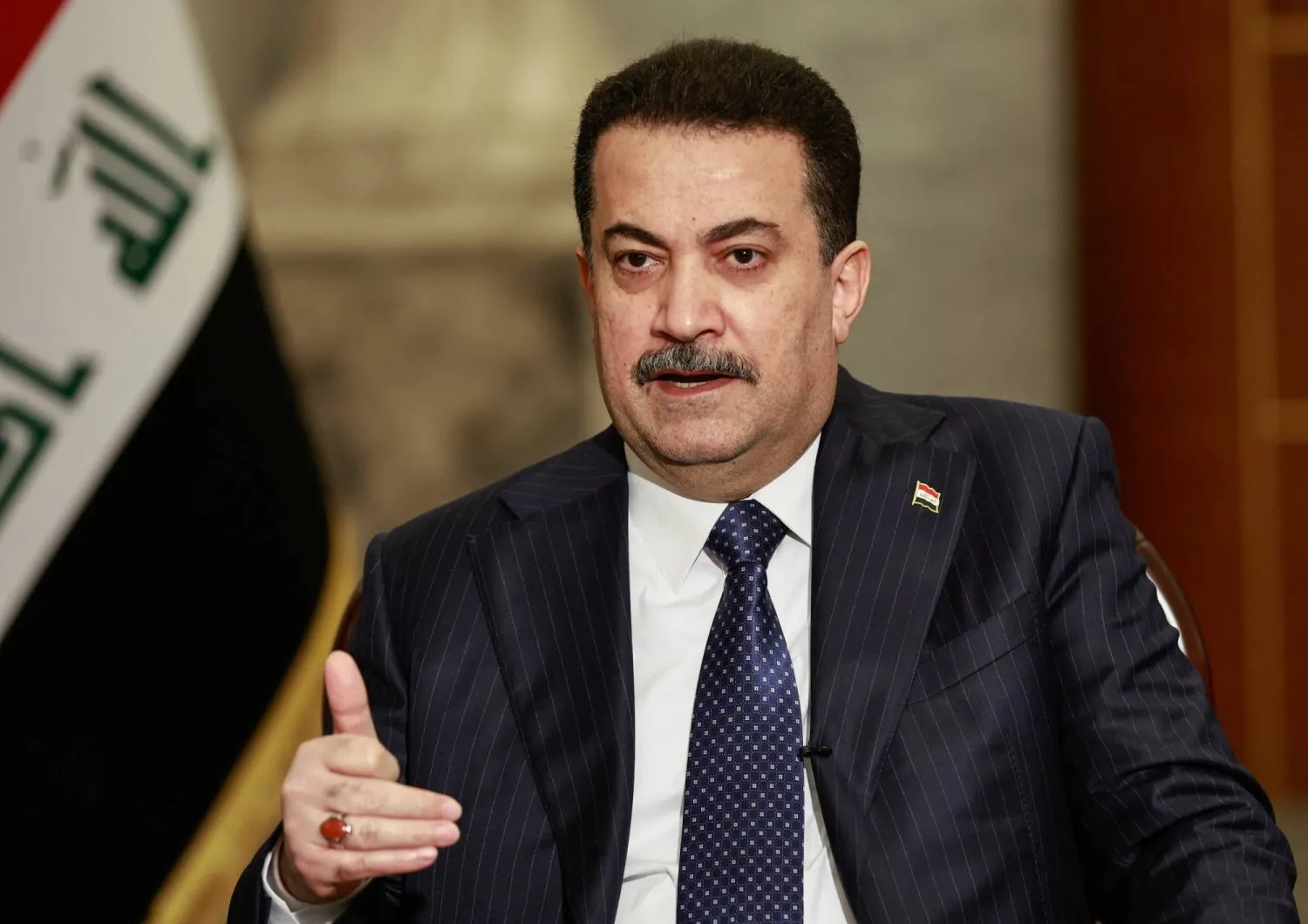
The Iraqi Prime Minister formed a high-level security and judicial committee to follow up on the cases of citizens fighting in Ukraine.

Zainab Jabbar, from the Al-Musayyab district in northern Babylon, recounted how her 24-year-old son, Mohammad Imad, left home after a minor dispute and traveled to Basra in search of work only to be duped by unknown recruiters who promised him an overseas opportunity before sending him to Russia.

According to Iraqi intelligence, fewer than 5% of the recruited Iraqis have returned alive. Most are sent to the frontlines, where they bear the brunt of initial Ukrainian assaults.

As a result, many of them have been killed within mere months of arrival, and the recovery of their bodies has often proved impossible due to the intensity and scale of the battles.

Disputed Figures and Verification Challenges

Estimates of the number of Iraqis fighting in Ukraine vary widely, fueling debate about the reliability of available data.

Iraq’s National Security Advisor Qasim al-Araji stated that “hundreds of Iraqis are involved in the Russia–Ukraine war,” without specifying an exact number.

Hussein Allawi, advisor to the Iraqi Prime Minister, offered a more precise estimate, saying that “around 5,000 Iraqis have been recruited into the Russian army.”

Ukrainian intelligence, meanwhile, places the figure closer to 1,400 Iraqis.

Media reports have cited figures as high as 50,000, though Iraqi authorities remain skeptical and say they are working to verify the true numbers.

For its part, Russia’s ambassador to Iraq, Elbrus Kutrashev, dismissed the inflated figures and insisted that Iraqi participation in the war is “real but extremely limited,” claiming that only four or five Iraqis have been killed in Ukraine thus far.

Ukraine, meanwhile, has denied recruiting any Iraqis into its forces, despite media reports suggesting that some 2,000 Iraqis may have joined the Ukrainian military.

A formal Ukrainian letter, delivered through Ambassador Dolhyanysh, revealed that Ukrainian authorities had arrested an Iraqi fighter captured while fighting alongside Russian troops—concrete evidence of Iraqi involvement on the battlefield.

Official Action and Countermeasures

In response, the Iraqi government has taken several steps to address the issue.

In late 2025, Prime Minister Mohammed Shia’ Al Sudani formed a high-level security and judicial committee, led by the national security advisor, to oversee the case.

Security agencies succeeded in dismantling several domestic networks. Recruitment channels on Telegram were shut down after being used to lure young men.

Police raided travel offices in southern provinces accused of facilitating the transport of recruits to Russia, and referred suspects to the judiciary.

Baghdad has repeatedly warned its citizens against falling for the lure of fighting in Ukraine, and has coordinated with international partners to curb the trend.

Iraq’s embassy in Moscow issued a statement denying any involvement in sending Iraqis to war, emphasizing that it does not issue travel visas for combat purposes. It also clarified that the only authority allowed to issue such visas is the Russian embassy in Baghdad.

The Iraqi government is also exchanging information with Russian authorities to facilitate the return of Iraqi recruits, and is monitoring attempts to move fighters across neighboring borders.

These efforts have been accompanied by an internal awareness campaign, involving media outlets and civil society organizations, to warn against participation in foreign conflicts and highlight the negative consequences for Iraq’s security and reputation.

Legal Framework and Sentencing

In the absence of specific legislation regulating such cases, Iraqi courts have relied on existing laws. Prosecutors have invoked the 2012 Anti-Human Trafficking Law to pursue recruiters, arguing that exploiting youth in foreign wars falls under its purview.

In September 2025, a criminal court in Najaf sentenced Risan Falah Kamel to life in prison after convicting him of recruiting and transporting Iraqis to fight for Russia.

There have also been parliamentary calls to close the legal gap by introducing new legislation that explicitly criminalizes participation in foreign conflicts without state authorization.

Human rights organizations have also voiced concern, arguing that the recruitment of Iraqis for foreign wars violates the constitution, which prohibits the formation of armed forces outside state control. They have urged authorities to hold all those involved accountable.

Download this article as PDF
Share this Article
Facebook Twitter Whatsapp Whatsapp Telegram Email Copy Link
فريق التحرير
By فريق التحرير تقارير يعدها فريق تحرير نون بوست.
Follow:
Previous Article نون بوست The Bounds of the Possible and Impossible: Can Zohran Mamdani Really Change New York?
Next Article نون بوست Algeria Criminalizes French Colonialism—But Why Now?

Read More

  • U.S. Regime‑Change Policies: Why They Are Destined to Fail U.S. Regime‑Change Policies: Why They Are Destined to Fail
  • The Gulf’s Balancing Act: Iran, Israel, and Hidden Links
  • Iraq–Turkey Oil Export Treaty: Why Did Ankara Cancel It After 52 Years?
  • Syria’s Northeast on Edge: QSD Between Ankara and Damascus
  • Has Europe Changed Its Stance on Israel… or Just Its Language?
part of the design
NoonPost Weekly Newsletter

You May Also Like

U.S. Regime‑Change Policies: Why They Are Destined to Fail

U.S. Regime‑Change Policies: Why They Are Destined to Fail

إسراء سيد Esraa sayed 8 April ,2026
The Gulf’s Balancing Act: Iran, Israel, and Hidden Links

The Gulf’s Balancing Act: Iran, Israel, and Hidden Links

فريق التحرير Noon Post 8 April ,2026
Iraq–Turkey Oil Export Treaty: Why Did Ankara Cancel It After 52 Years?

Iraq–Turkey Oil Export Treaty: Why Did Ankara Cancel It After 52 Years?

فريق التحرير Noon Post 8 April ,2026

فصل من قصتنا مع الشرعية الدولية

محمد إلهامي
محمد إلهامي Published 8 August ,2015
Share
get_img3

لا يخفى على أحد أن من أهم نكبات ثورات الربيع العربي هو تعلقها بالشرعية الدولية والمؤسسات الدولية والقانون الدولي وحسن ظنها في القوى الكبرى. وقد كان القوم في مصر قد خلا ذهنهم تماما من إمكانية الانقلاب العسكري، فهو-في تصورهم- أمر قد مضى زمنه ولم يعد مقبولا في زمن الديمقراطية!! حتى فَجَأَهم فجعلهم بين قتيل وجريح وسجين وطريد!

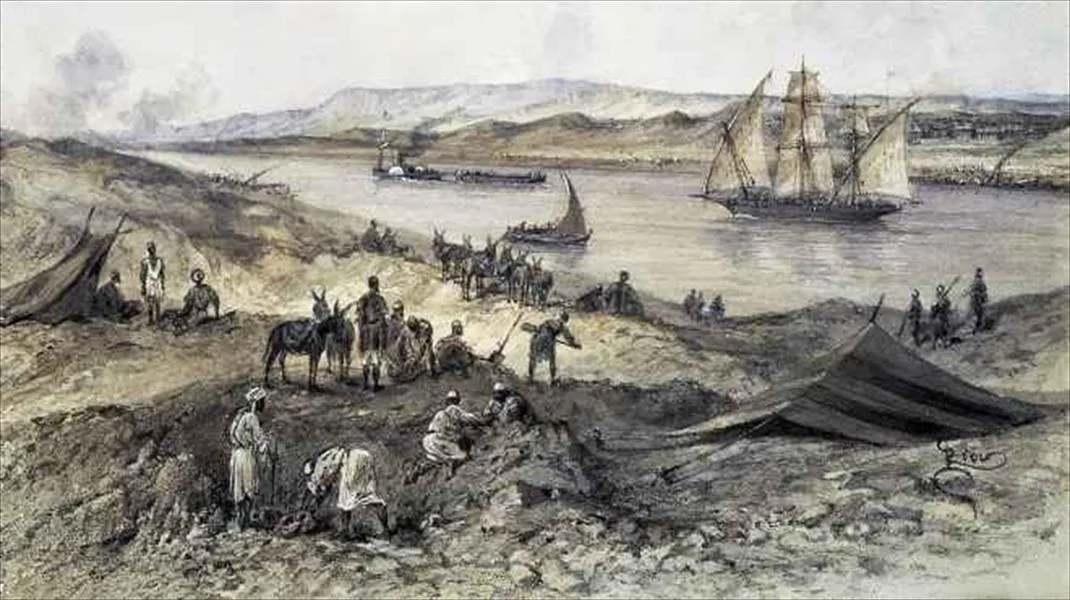
ثم ها نحن نعيش في أجواء الاحتفالات بمشروع التفريعة الجديدة لقناة السويس، وهي الاحتفالات التي تنهمر فيها على الناس سيول من الأكاذيب والخرافات تريد تزييف وعيهم وإقناعهم بأن ذلك المشروع -الذي كان ولا يزال شرًّا عليهم وعلى بلادهم إلى أمد غير منظور- هو باب الخير والسعادة!

وقد حاولنا بالوسيلة الوحيدة التي بأيدينا إزالة هذا الزيف التاريخي بثلاث مقالات (الأول، الثاني، الثالث)، ثم نتبعها بهذا الرابع الذي يروي فصلا من قصتنا مع الشرعية الدولية في مسألة قناة السويس!

(1)

كان الخديوي سعيد هو أول حاكم لمصر ذو ثقافة أوروبية، وهو أول من نشأ على حب قنصل فرنسا في مصر ورعايته، ومن هذه العلاقة نشأت المودة بينه وبين ديليسبس الذي لم يرع أن هذه الأسرة انتشلته من المجهول الذي صار إليه إلى العالمية فغدر بهذه الأسرة وبهذه البلاد، واستغل ثقة سعيد فيه أسوأ استغلال، ولم يمت إلا وقد كان صاحب جريمة من أبشع جرائم التاريخ. وإن كان هذا لا ينقص ولا يعفي سعيدا شيئا من مسؤولياته.

من فرط ثقة سعيد في ديليسبس تركه يكتب عقد امتياز قناة السويس، ثم وقَّع دون أن يراها، فكان عقد الامتياز هذا أعجوبة القرن التاسع عشر، ومما جاء فيه:

منح الشركة امتياز حفر قناة السويس، وحفر قناة أخرى للمياه العذبة تصل من النيل إلى القناة، وإنشاء فرعيْن من هذه القناة العذبة يصب أحدهما عند السويس والآخر عند بورسعيد.

تتنازل الحكومة للشركة مجانا عن جميع الأراضي المملوكة لها والمطلوبة لإنشاء قناة السويس والقناة العذبة وتوابعها، وهي مساحات شاسعة على طول القناة والترع المزمع إنشاؤها بعرض كيلومترين على الجانبين. تنازلت الحكومة عنها بلا مقابل، مع إعفائها دائما من الضرائب، وتنازلت أيضا عن جميع الأراضي القابلة للزراعة لتزرعها الشركة وترويها، مع إعفاء الأراضي الزراعية من الضرائب لمدة عشر سنوات تبدأ من تاريخ استثمارها.

للشركة حق انتزاع الأراضي المملوكة للأفراد التي ترى أنها تحتاجها في مشروع القناة مع دفع تعويض “عادل” لأصحابها.

أصحاب الأراضي الواقعة على ضفتي القناة العذبة يدفعون للشركة حق المياه إذا أرادوا ري أراضيهم منها.

للشركة، طوال مدة الامتياز (99 سنة)، حق استخراج كل المواد اللازمة من المناجم والمحاجر الأميرية (الحكومية) لأعمال المباني وصيانتها وملحقات المشروع دون دفع أي رسم أو ضريبة أو تعويض. وتُعفى الشركة من الرسوم الجمركية والعوائد عن جميع الآلات والمواد التي تستوردها من الخارج.

مدة الامتياز (99 عاما) منذ افتتاح القناة للملاحة البحرية، وبعدها تعود القناة إلى الحكومة المصرية، وعندها تُعوِّض الحكومةُ الشركة عن جميع الآلات والمعدات المخصصة للمشروع بقيمة تقدر بالتراضي أو على تقدير الخبراء. (وهذا شرط مثير للمشاكل فقد تبالغ الشركة في تقويم قيمة المعدات أو تسرف فيها لتعجيز الحكومة أو ما سوى ذلك من العقبات).

للشركة حق فرض ما تشاء من الرسوم على السفن التي تمر في القناة البحرية أو الترع والثغور التابعة لها (مع وضع حد أقصى: 10 فرانك عن كل طن)

(وفي مقابل كل هذا) تحصل الحكومة المصرية على حصة قدرها 15% من صافي الأرباح السنوية.

يكون أربعة أخماس العمال من المصريين، وتتعهد الحكومة بمساعدة الشركة وتكليف موظفيها وعمالها في الدوائر الحكومية لتسهيل أمور الشركة. (وبدلا من أن يكون هذا الشرط فرصة توفير عمل للمصريين بأسعار تنافسية، فسَّرت الشركة هذا النص بأن الحكومة ملزمة بتوفير أربعة أخماس العمال بطريق السُّخرة ووضعهم تحت تصرف الشركة قهرا.. واضطر سعيد فوق تسخير الفلاحين إلى إنقاص الجيش المصري من ستين ألفا إلى ثمانية أو عشرة آلاف مقاتل).

وأغفل العقد بندا يتحدث عن حق الحكومة في إنشاء تحصينات عند قناة السويس، ثم فُسِّر هذا الإغفال بأنه لا حق لمصر في إنشاء حصون عند القناة.

باختصار: كان هذا عقد إنشاء دولة داخل الدولة بتسهيلات غير مسبوقة!

(2)

ومع هذا فشل ديليسبس في جمع أصحاب الأسهم بعد المجهود المضني الذي بذله في أوروبا، والذي تنادت إليه بيوت المال في أوروبا، فأشفق عليه سعيد، فاشترى ما لم يستطع ديلسبس جمعه من الأسهم، وهو حوالي 44% منها، أي نحو نصف الأموال المطلوبة لأسهم الشركة!!

وقد عارضت انجلترا هذا المشروع، ذلك أنه يجعل خصومها أقرب منها إلى الهند، فبدلا من طريق رأس الرجاء الصالح الذي يجعل انجلترا الأقدر على الوصول البحري إلى الهند، فإن مشروع القناة يجعل كل بلاد أوروبا واسطنبول بل وروسيا أقرب منها إلى الهند، فما هو إلا أن تسلك سفنهم من البحر المتوسط إلى الأحمر فتكون في المحيط الهندي.

وقد حاول سعيد استرضاء الإنجليز لتمرير المشروع فمنحهم امتيازا لإنشاء خط سكة حديد بين الإسكندرية والقاهرة، وهو ما كان يمانع فيه أبوه (محمد علي) ووافق على إنشاء البنك الأهلي (1856م) وأعطاهم حق مرور جنود الجيش الإنجليزي في قلب مصر (من الإسكندرية إلى القاهرة إلى السويس) إذا احتاجوا لمحاربة أية ثورة إسلامية ضدهم في الهند. فانظر إلى التفريط في أمن البلد بمرور الجيوش فيها ثم إلى خيانة الدين بدعم الإنجليز على الهنود المسلمين.

ولم يشفع كل هذا للإنجليز، وإنما اضطروا للسكوت مؤقتا لأن فرنسا انضمت إليهم في حرب روسيا لمنعها من الهيمنة على الآستانة (حرب القرم)، ثم عادوا إلى السعي ضد مشروع القناة وضد سعيد الذي أصابه الهمَّ والكآبة والمرض من سعي الإنجليز في عزله، فظل ينحل وينحف ويزداد ذبولا حتى مات (1863م) ولم ير مشروعه النور بعد!!

(3)

ولما جاء بعده الخديوي إسماعيل، وهو صاحب ثقافة أوروبية أيضا، لم يُفكر في إغضاب الأوروبيين وإنهاء المشروع، بل تعهد منذ البداية بإكماله، غير أنه سعى في تحسين شروط ذلك العقد العجيب الغريب الذي وقعه سعيد مع ديليسبس، وهنا انتفض ديليسبس الذي كاد حلمه أن يزول بالكلية رافضا أي انتقاص أو تغيير في العقد. وشُنَّت حملة صحفية في أوروبا ضد إسماعيل ونصرة للشركة ثم استقر الأمر بينهما على تحكيم الإمبراطور الفرنسي نابليون الثالث في هذا النزاع.

فماذا فعل بنا نابليون الثالث ممثل فرنسا الثورية التنويرية المتحررة؟!! وممثل الشرعية الدولية في هذا النزاع؟!!

قبل أن نرى ماذا فعل نابليون دعنا نلقي نظرة على مطالب إسماعيل:

لقد طالب إسماعيل بخمسة أمور:

إبطال تعهد الحكومة بتقديم الفلاحين بالسخرة إلى الشركة، خصوصا وأن هذا الإلزام هو تفسير الشركة للبند الذي يقضي بأن يكون أربعة أخماس العمال مصريين بمعنى أن الشركة تطلب العمال برواتب تنافسية حتى تستوفي أربعة أخماس العمال من المصريين، فيما فسرته الشركة بعكس مقصوده وهو أن الحكومة ملزمة بتسخير العمال لمصلحتها. وقد قال إسماعيل بأن السخرة عمل لا يتفق مع مبادئ الإنسانية. وأن توفير الحكومة لهذا العدد الهائل (20 ألفا على الدوام) يضر بالبلاد وزراعتها، واستعد أن يوفر منهم ستة آلاف على الدوام.

إبطال ملكية الشركة للقناة العذبة (التي لم تكن قد حفرت منها سوى جزء صغير) واستغلال وري الأراضي التي حولها (ولم يكن قد حدث من هذا شيء لأن القناة لم يكتمل حفرها بعد). مع تعويض الشركة عن أموالها في الجزء الذي حفرته. وتعهد الحكومة المصرية بإتمام القناة العذبة على نفقتها.

إبطال ملكية الشركة لجميع الأراضي التي تحتاجها للمشروع والتي تستصلحها وإعفاؤها من الضرائب بل وإعفاؤها إذا استصلحتها زراعيا من الضرائب لعشر سنوات.

إبطال حق الشركة في انتزاع الأراضي المملوكة للأفراد والتي ترى أنها في حاجة إليها لإتمام المشروع.

زيادة أجر العامل إلى فرنكين في اليوم تعويضا له عما يخسره من فلاحته وزراعته ومهنته.

ولمزيد من المرارة ينبغي أن يعلم القارئ أن نابليون الثالث هذا قد جاملته الحكومة المصرية في أكثر من موطن، أشهرها حرب المكسيك التي حاول فيها نابليون الثالث فرض سيطرته على الثورة الشعبية هناك فأرسل جيشه وأرسل إلى “صديقه” الخديوي سعيد بطلب المساعدة فأمده “صديقه” بجيش مصري من 1200 جندي ظل يحارب هناك أربع سنوات وقُتِل منهم ثلاثة أرباعهم بينهم قائدهم، ثم فشلت الحملة وقُتِل عميل الفرنسيين في المكسيك رميا بالرصاص، وعاد الجيش الفرنسي مهزوما ومعه الربع الباقي من المصريين والسوادنيين المساكين!

(4)

وبعد كل هذا.. بماذا حكم نابليون الثالث؟

حكم بالآتي:

تدفع مصر للشركة تعويضا عن العمال الذين لن توردهم للشركة (38 مليون فرنك)

تدفع مصر للشركة تعويضا عن قناة المياه العذبة (16 مليون فرنك)

تقدير الأراضي اللازمة للمشروع والتي هي من حق الشركة بـ 23 ألف هكتار (الهكتار: 10 آلاف متر).

تدفع مصر للشركة تعويضا عن الأراضي التي اتضح أنها غير لازمة للمشروع (!!!!) ومساحتها 60 ألف هكتار (30 مليون فرنك).

وهكذا كان مجموع التعويضات المطلوب دفعها للشركة 84 مليون فرنك (تساوي: 3.36 مليون جنيه)، وهذه التعويضات تساوي تقريبا نصف رأس مال الشركة!

على أن هذه المأساة هي نصف الصورة فقط، فما زال ثمة تفاصيل أشد مرارة..

ففي ذلك الوقت الذي أصدر فيه نابليون حكمه لم تكن الشركة قد صارت بحاجة إلى العمال، لقد جرت عمليات مناورة ومماطلة سياسية قذرة حتى انتهى دور العمال ولم يعد يمكن إلا استعمال الآلات في الجزء الباقي من العمل، ورغم هذا ستدفع مصر (16 مليون فرنك) تعويضا عن عمال لم تعد الشركة بحاجة إليهم.

وتلك القناة العذبة –التي هي منحة من مصر أصلا- لم تدفع مصر تعويضا للشركة مقابل الجزء البسيط الذي حفرته، بل كان هذا التعويض مقابل ما قدرت الشركة أنها ستخسره من القناة، من أراضي زراعية وسفن تجارية ستعبر بها بل ومقابل حركة الصيد في هذه الترعة العذبة.. لقد قدرت الشركة حجم الأسماك التي ستصاد من القناة العذبة حين تُنشأ وحجم الضرائب التي ستأخذها من الصيادين وحجم السفن التي ستعبر بها، وجعلت كل هذا بأعلى الأسعار، ثم أخذته من الحكومة المصرية!!

ثم أخذت كذلك تعويضات عن أراضٍ (هي بالأصل ممنوحة) اتضح أنها لا تحتاجها في هذا المشروع.

***

هكذا قضى نابليون الثالث، وهكذا حكمت فينا الشرعية الدولية، وهكذا دفعت مصر ثمن القناة أرضا وأموالا وأرواحا وأمنا واستقلالا وكرامة أكثر من مرة.. وما زالت تدفع، وستظل كذلك إلى سقوط الدولة العلمانية في مصر!

وتلك هي قصة فصل واحد من فصول القناة من الشرعية الدولية، سطرتها بأوجز عبارة ممكنة، وفي التفاصيل مرار كثير كثير، ومآس ونكبات، خشيت إن سردتها أن يطول المقال فينصرف عنه القارئ المتعجل.

أما القارئ الصبور، فليطالع المزيد في هذه المصادر:

ألبرت فارمان: مصر وكيف غُدر بها ص217 وما بعدها. (ط الزهراء للإعلام العربي)

عبد الرحمن الرافعي: عصر إسماعيل 1/63 وما بعدها، 93 وما بعدها (ط دار المعارف)

إلياس الأيوبي: تاريخ مصر في عهد الخديوي إسماعيل 1/341 وما بعدها. (ط مدبولي)

جورج يانج: تاريخ مصر منذ نهاية عهد المماليك إلى عهد إسماعيل ص196 وما بعدها. (ط مدبولي)

كارل بروكلمان: تاريخ الشعوب الإسلامية ص575 وما بعدها. (ط دار العلم للملايين)

ريمون فلاور: مصر من قدوم نابليون إلى رحيل عبد الناصر ص137 وما بعدها. (ط المركز القومي للترجمة)

TAGGED: افتتاح قناة السويس ، الثورات المضادة ، مصر بتفرح
TAGGED: قناة السويس
Download this article as PDF
Share this Article
Facebook Twitter Whatsapp Whatsapp Telegram Email Copy Link
محمد إلهامي
By محمد إلهامي باحث في التاريخ والحضارة الإسلامية
Follow:
Next Article نون بوست The Stigma of “ISIS”: A Heavy Legacy Haunting Women and Children of Former Members
part of the design
NoonPost Weekly Newsletter
dark

An independent media platform founded in 2013, rooted in slow journalism, producing in-depth reports, analysis, and multimedia content to offer deeper perspectives on the news, led by a diverse young team from several Arab countries.

  • Politics
  • Society
  • Rights & Liberties
  • Opinions
  • History
  • Sports
  • Education
  • Technology
  • Economy
  • Media
  • Arts & Literature
  • Entrepreneurship
  • Travel
  • Cinema & Drama
  • Food
  • Health
  • Culture
  • Latest Reports
  • Files
  • Long Reads
  • Interviews
  • Podcast
  • Interactive
  • Encyclopedia
  • In Pictures
  • About Us
  • Our Writers
  • Write for Us
  • Editorial Policy
  • Advanced Search
Some rights reserved under a Creative Commons license

Removed from favorites

Undo
Go to mobile version