NoonPost NoonPost

NoonPost

  • Home
  • Politics
  • Economy
  • Society
  • Culture
  • Files
  • Long Reads
  • Podcast
AR
Notification Show More
نون بوست
“There Are Nights I Can’t Close My Eyes”: How Gazans Are Living in Homes on the Brink of Collapse
نون بوست
From al-Jolani to Ahmad al-Shara: The Evolution of Syria’s New Leader
نون بوست
When Political Islam Receded in Egypt: Who Filled the Void?
نون بوست
An Extension of Genocide: Gaza’s Detainees Speak Out
نون بوست
A Tightrope Between Survival and Sovereignty: The Syrian Government Faces Normalization Pressures
نون بوست
American Aircraft Carriers: Has the Era of “100,000 Tons of Diplomacy” Ended?
نون بوست
U.S. Regime‑Change Policies: Why They Are Destined to Fail
نون بوست
Transformations of Israeli Judaism: Between the Victim Complex and the Colonizer’s Doctrine
نون بوست
The Gulf’s Balancing Act: Iran, Israel, and Hidden Links
نون بوست
Iraq–Turkey Oil Export Treaty: Why Did Ankara Cancel It After 52 Years?
نون بوست
Syria’s Northeast on Edge: QSD Between Ankara and Damascus
نون بوست
Has Europe Changed Its Stance on Israel… or Just Its Language?
NoonPost NoonPost
AR
Notification Show More
نون بوست
“There Are Nights I Can’t Close My Eyes”: How Gazans Are Living in Homes on the Brink of Collapse
نون بوست
From al-Jolani to Ahmad al-Shara: The Evolution of Syria’s New Leader
نون بوست
When Political Islam Receded in Egypt: Who Filled the Void?
نون بوست
An Extension of Genocide: Gaza’s Detainees Speak Out
نون بوست
A Tightrope Between Survival and Sovereignty: The Syrian Government Faces Normalization Pressures
نون بوست
American Aircraft Carriers: Has the Era of “100,000 Tons of Diplomacy” Ended?
نون بوست
U.S. Regime‑Change Policies: Why They Are Destined to Fail
نون بوست
Transformations of Israeli Judaism: Between the Victim Complex and the Colonizer’s Doctrine
نون بوست
The Gulf’s Balancing Act: Iran, Israel, and Hidden Links
نون بوست
Iraq–Turkey Oil Export Treaty: Why Did Ankara Cancel It After 52 Years?
نون بوست
Syria’s Northeast on Edge: QSD Between Ankara and Damascus
نون بوست
Has Europe Changed Its Stance on Israel… or Just Its Language?
Follow US

The Prison Strike: A Mirror Reflecting Britain’s Double Standards on Palestine

عماد عنان
Emad Anan Published 26 March ,2026
Share
نون بوست
نون بوست

British prisons have recently witnessed an open-ended hunger strike across several correctional facilities, led by activists from the now-banned Palestine Action movement. These activists, arrested throughout 2025 due to their opposition to the UK’s support for Israel and their advocacy for Palestinian rights, are at the center of a protest that lays bare Britain’s glaring contradictions on freedom and human rights.

Ongoing since November 2, the hunger strike exposes the hollowness of Britain’s rhetoric around liberties and justice. Behind these lofty claims lies a punitive system targeting any expression of solidarity with the Palestinian cause.

This double standard highlights a politically and ideologically motivated agenda to suppress dissent, especially when it challenges Israel or exposes the nature of its alliance with Western powers. As such, Britain’s official policies are now facing direct scrutiny.

The way Keir Starmer’s government has handled the strike relying heavily on legal justifications while invoking the language of national security signals a deeper transformation in Britain’s role: from a self-styled legal and moral authority to a political actor using the law and state security as tools to shield Israel’s global image while repressing domestic voices that seek to challenge that narrative or highlight its moral costs.

Details of the Strike

The hunger strike began on November 2, 2025, initiated by several Palestine Action activists detained over the preceding months some even before the UK formally outlawed the group in July. This timeline suggests that security enforcement preceded legal action, hinting at premeditated political intent.

Initially involving just eight detainees, the strike has expanded significantly and is now approaching its fiftieth day. The physical toll has been alarming, with participants experiencing dramatic weight loss and frequent blackouts. Seven activists have been hospitalized since the strike began.

Among the first to join were Caesar Zahra (20) and Amo Gibb (30), both held at Bronzefield Prison, later joined by Heba Mouraissi (31) at New Hall Prison. Others include Tuta Khoja (29), Kamran Ahmed (28), and Louis Chiaramillo (22). Several have had to suspend participation due to severe health complications, underscoring the escalating human cost of the protest.

The detainees face charges linked to the storming of RAF Brize Norton in June, while others are being prosecuted for actions against Elbit Systems facilities in 2024. Elbit is Israel’s primary arms supplier. All detainees deny the allegations.

Timing: Palestine as the Underlying Catalyst

In an op-ed published by The Guardian, imprisoned activist Amo Gibb explained his motives for undertaking the hunger strike at Bronzefield. He framed his action not as a personal protest, but as a political stance meant to hold Britain accountable both historically and in the present for its role in Palestinian suffering.

Gibb noted that the strike began on November 2, the anniversary of the Balfour Declaration, which he described as the moment Britain “planted the seeds of the genocide we are witnessing today.”

By aligning the strike with this historical marker, Gibb placed the protest within a broader critique of Britain not just as a backer of Israel’s current war on Gaza, but as a founding accomplice in the broader colonial project against Palestine.

Reflecting on his political awakening, Gibb said he first learned about the Palestinian cause in secondary school not through the curriculum, but from young Muslim female classmates. While he was initially unaware of the full historical context, images of bombed civilians left a lasting impact.

Over time, he came to understand that such scenes were not isolated incidents but part of a recurring pattern one that ultimately led to his current political position.

The Protesters’ Demands

According to statements from Gibb and other detainees, five key demands underpin the hunger strike:

  1. Shut down arms factories supplying weapons to Israel.

  2. Lift the ban on Palestine Action.

  3. End the mistreatment of prisoners.

  4. Grant immediate bail to the detainees, citing their families’ mental and emotional suffering alongside the violations they face in custody.

  5. Guarantee a fair trial, including full disclosure of communications between British and Israeli officials and arms dealers concerning the activists.

Widespread Violations in Custody

Emergency physician and UCL lecturer Dr. James Smith, who has maintained direct contact with several hunger-striking activists and their families, described their condition in chilling terms to The Guardian: “Some of these detainees are dying slowly.”

Smith explained that after approximately three weeks of refusing food (the strike has now lasted more than double that time), the human body exhausts all fat reserves and begins consuming muscle and organ tissue for energy. This can result in sudden, potentially fatal, complications.

Beyond the physical toll, Palestine Action activists have reported harsh prison conditions, including restrictions on communication, movement, visits, and exercise. They say their writings and public statements are being heavily censored.

Gibb shared that he was barred from joining a prison craft group after embroidering the phrase “Free Palestine” on a pillow a move authorities labeled a “security threat.” Ironically, this incident coincided with the UK’s official recognition of the State of Palestine.

He reported losing approximately 11 kilograms and now moves extremely slowly, with dangerously low blood sugar levels and elevated ketone levels a sign of metabolic distress.

What Message Are They Sending?

The hunger strikers acknowledge that their protest, while morally powerful, is unlikely to shift the current balance of power in any immediate way. But ending it, they argue, would mean accepting the state’s imposed narrative and surrendering to its logic.

Their persistence represents a deliberate act of resistance against what they see as Britain’s complicity in genocidal violence against Palestinians. Even if the political return seems distant or uncertain, the protest holds symbolic weight.

For the activists, “victory” isn’t necessarily defined by material outcomes, but by the cultivation of ethical and political values within their community. Resistance, as opposed to submission, is sustained through mutual trust, care, and solidarity.

This practice, they say, reminds them that agency can never be fully stripped away, and that political imagination remains alive even in the harshest conditions. In this sense, the hunger strike becomes not just a protest, but a form of life itself.

It is, therefore, not merely an individual action but a political statement: imprisonment does not negate freedom when met with conscious resistance. The strikers maintain that their arrest lacks legitimacy but their actions from within prison demonstrate that even the most repressive state cannot extinguish a deeply rooted moral commitment to Palestinian liberation.

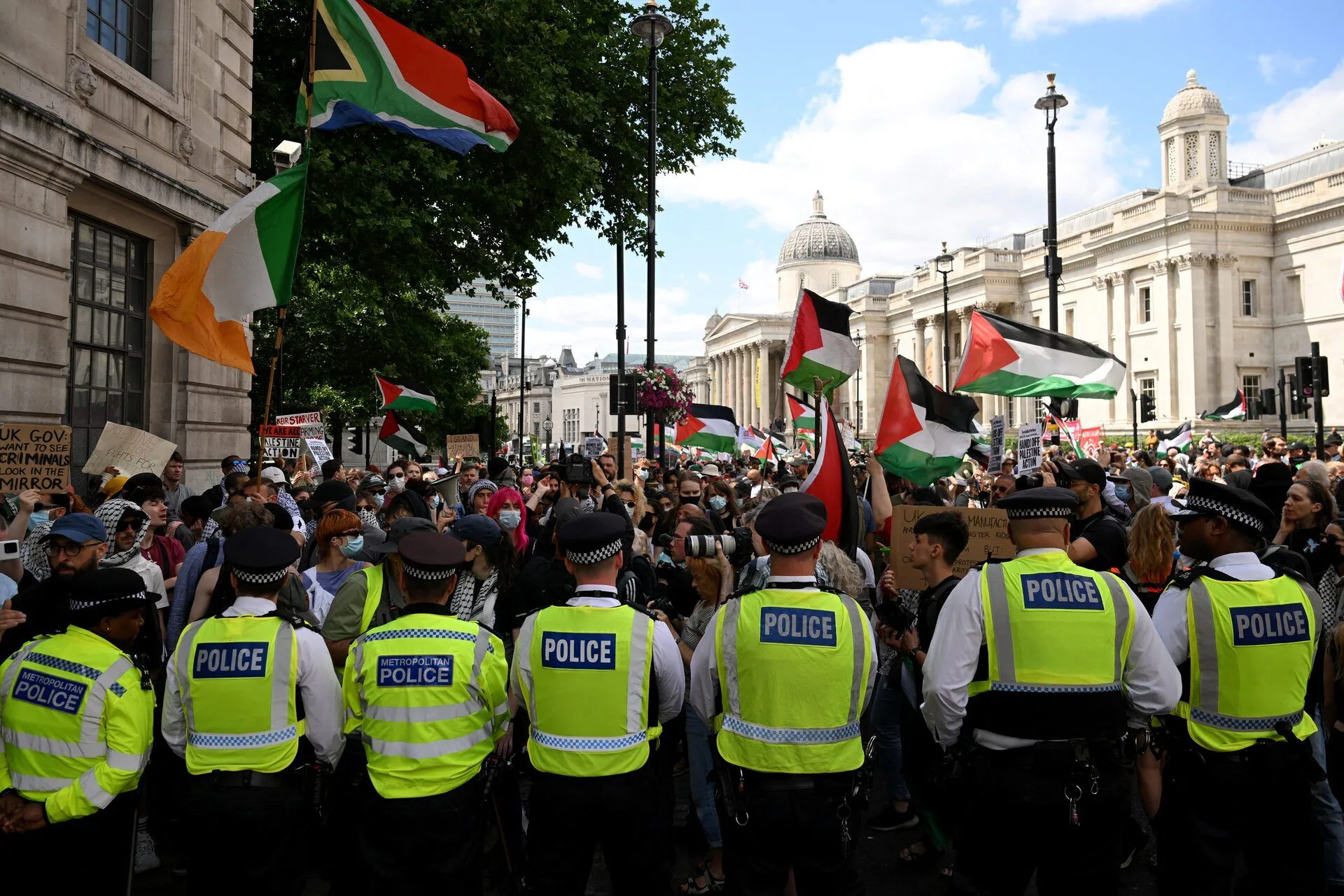
In response to the strike and the government’s treatment of the detainees, dozens of supporters have taken to the streets across the UK, expressing solidarity and condemning the Starmer government’s crackdown on dissent and its reliance on repression to silence opposition.

Mounting Rights Concerns

Since the strike began early last month, human rights organizations have voiced growing alarm. There are fears that the government’s apparent inaction could result in preventable deaths among detainees who have yet to be convicted raising serious legal and ethical questions about the state’s duty of care.

British media have quoted families expressing deep concern that the continued strike, in the absence of any political or legal resolution, could end in irreversible tragedy. They have called for urgent government intervention and a meaningful dialogue before it’s too late.

Yet the Ministry of Justice, according to local outlets, has responded only by stating that strikers are receiving medical care according to protocol without addressing the legal basis for their detention or their political demands.

The rights group CAGE, which focuses on civil liberties, called the detainees’ willingness to risk their lives a “moral and legal alarm bell.” It argued that the issue extends beyond the individual cases and calls into question the integrity of Britain’s justice system.

Ignoring the Palestine Action activists, it warned, could set a dangerous precedent, hollowing out the state’s duty of care and turning hunger strikes into the last resort for claiming basic rights.

Starmer’s Government and the Criminalization of Palestine Advocacy

Beyond London’s usual rhetoric about freedom and human rights which has grown increasingly hollow Keir Starmer’s government has set a legally and morally troubling precedent by expanding the 2000 Terrorism Act to encompass non-violent political movements.

This expansion gives the executive sweeping powers to ban political groups and criminalize even expressions of sympathy or support effectively shifting the state’s focus from policing violence to policing thought and opinion. Merely recounting facts or analyzing the legal and political context around Palestine Action can now be construed as “terrorist” activity.

This trend became more pronounced with a 2019 amendment to Section 12 of the Act, which criminalized expressing any “supportive opinion or belief” about a banned organization if it could “encourage” others to support it even hypothetically. The penalty? Up to 14 years in prison.

The deliberate vagueness of this law has created a legal minefield for journalists, lawyers, and rights groups. Discussing the Gaza genocide or providing legal commentary on Palestine Action’s activities could now invite prosecution. The result has been a chilling effect on public discourse and widespread self-censorship.

Major outlets like the BBC have reportedly hesitated to cover the strike out of legal caution. This leaves the official narrative unchallenged, suggesting that ambiguity in the law is not a flaw but a strategic tool to foster fear and delegitimize Britain’s own human rights discourse.

A Blatant Double Standard

Britain’s legislative crackdown on pro-Palestinian voices has laid bare the stark contrast between its stated support for Palestinian rights and the reality of its actions. While the government pays lip service to the two-state solution, its day-to-day policies make it a complicit actor in crimes against Palestinian civilians.

A previous Noon Post investigation revealed the extent of British complicity in Israeli military operations in Gaza enough to justify demands for legal accountability.

Starmer’s symbolic gestures such as pausing certain trade talks with Israel or imposing limited sanctions on a few West Bank settlers have been little more than PR moves to deflect public outrage.

In truth, these events strip away any pretense: Britain’s policies are a thin veneer over a deeper, structural complicity. Supporting Palestinian rights remains a hollow slogan, one that diverges completely from the moral and political realities of UK actions on the ground.

Download this article as PDF
Share this Article
Facebook Twitter Whatsapp Whatsapp Telegram Email Copy Link
عماد عنان
By عماد عنان كاتب صحفي وباحث في الإعلام الدولي
Follow:
Previous Article نون بوست How Washington Manufactures the “Iranian Threat” in Venezuela
Next Article نون بوست Saudi Arabia Abandons Its Neutrality: What’s Happening in Southern Yemen?

Read More

  • U.S. Regime‑Change Policies: Why They Are Destined to Fail U.S. Regime‑Change Policies: Why They Are Destined to Fail
  • The Gulf’s Balancing Act: Iran, Israel, and Hidden Links
  • Iraq–Turkey Oil Export Treaty: Why Did Ankara Cancel It After 52 Years?
  • Syria’s Northeast on Edge: QSD Between Ankara and Damascus
  • Has Europe Changed Its Stance on Israel… or Just Its Language?
part of the design
NoonPost Weekly Newsletter

You May Also Like

U.S. Regime‑Change Policies: Why They Are Destined to Fail

U.S. Regime‑Change Policies: Why They Are Destined to Fail

إسراء سيد Esraa sayed 8 April ,2026
The Gulf’s Balancing Act: Iran, Israel, and Hidden Links

The Gulf’s Balancing Act: Iran, Israel, and Hidden Links

فريق التحرير Noon Post 8 April ,2026
Iraq–Turkey Oil Export Treaty: Why Did Ankara Cancel It After 52 Years?

Iraq–Turkey Oil Export Treaty: Why Did Ankara Cancel It After 52 Years?

فريق التحرير Noon Post 8 April ,2026

ألمانيا تعاني من أزمة لاجئين، والأزمة هي الألمان أنفسهم

سومي سوماسكاندرا
سومي سوماسكاندرا Published 10 August ,2015
Share
gettyimages-457052583

ترجمة وتحرير نون بوست

كانت الساعة تسبق قليلًا الثالثة صباحًا من يوم 16 يوليو، عندما وصل رجال الإطفاء ليجدوا جزءًا من نزل (Däuber) السابق يضطرم بالنيران، النزل ذو اللون الأبيض، والمؤلف من ثلاثة طوابق الواقع ضمن الشارع الرئيسي في منطقة فيدين أم أيجن (Winden am Aign)، كان فارغًا منذ فترة طويلة، والآن، كان الدخان يتصاعد من النوافذ البنية اللون منطلقًا نحو الشارع حيث تصطف المنازل البافارية ونباتات الطماطم.

لم يستغرق إخماد النيران المشتعلة في الزقاق الخلفي للنزل وقتًا طويلًا، كما تم تحديد سبب الحريق بعد أن تم العثور على مُسرّعي احتراق على الأبواب الخلفية للنزل، ليتوضح بأن الحريق قد وقع عمدًا.

كان من المقرر أن يتم وضع عشرات طالبي اللجوء من سورية والعراق وبلدان أخرى في المبنى في سبتمبر القادم، ولكن الكثير من سكان مدينة فيدين، البالغ عددهم 830 نسمة فقط، احتجوا على الخطط التي تهدف إلى إيواء 130 شخصًا من طالبي اللجوء في بلدتهم، مدّعين بأن هذا العدد كبير جدًا ولا يتناسب مع بلدتهم الصغيرة، لذا تفاوض السكان مع المسؤولين، وتم الاتفاق على إيواء 67 شخصًا بدلًا من 130 شخصًا.

مايكل فرانكن، رئيس بلدية رايتشرسوفن (Reichertshofen)، وهي المدينة الأكبر ضمن فيدين، مارس ضغوطات عديدة لتحويل مبنى النزل الشاغر لمأوى يضم الأعداد المتزايدة من طالبي اللجوء الذين يصلون إلى منطقته، وقبل وقوع الحريق، كان فرانكن يظن بأن المعركة مع السكان المحليين قد انتهت، “لقد حضر 8 سكان فقط في الاجتماع الأخير الذي تم عقده، وهذا كان يدل على أن النقاش بهذا الموضوع قد انتهى” يقول فرانكن، ويتابع “ولهذا فوجئنا وغضبنا عندما تم إضرام النار في النزل”.

بالمحصلة، لم ينجم عن الحريق أي إصابات جسدية، كما أن الجناح الأمامي من المبنى الذي سيستقبل طالبي اللجوء الشهر المقبل، لم يتضرر، ولكن رد الفعل الحكومي على هذه الحادثة كان قويًا وسريعًا، حيث ضاعف المسؤولون في الحي جهودهم لرفع الأضرار ليكون النزل جاهزًا لاستقبال المقيمين الجدد في الموعد المحدد، كما تعمل لجنة شرطية مؤلفة من 50 شخصًا على معرفة الشخص أو الأشخاص الذين يقفون خلف هذا الحريق المتعمد.

“لو أراد الشخص الذي أضرم الحريق أن يحرق المبنى برمته لفعل ذلك بطريقة مختلفة” قال فرانكن، وتابع “ولكن يبدو بأن هذا الفعل هو عبارة عن إشارة تنبيه ليس إلا”.

منذ بداية العام الجاري، بدأت موجة غير مسبوقة من إضرام النيران بمساكن طالبي اللجوء في ألمانيا، ويتزامن ذلك مع المحنة التي تواجهها البلاد إزاء تضخم المشاعر المعادية اللاجئين ما بين السكان المحليين، حيث أثارت هذه الهجمات القلق على الصعيد الوطني، وأججت نقاشًا محتدمًا حول الإجراءات التي ينبغي اتخاذها حيال مئات الآلاف من الأشخاص الذين يعبرون البحر الأبيض المتوسط، ومنطقة البلقان، أو يجدون طرقًا أخرى، للوصول إلى غايتهم المنشودة بالأمان واللجوء ضمن أغنى بلد في أوروبا.

خلال الفترة الممتدة من يناير وحتى أوائل يوليو، سجلت وزارة الداخلية الاتحادية الألمانية 202 حالة هجوم على أماكن لإيواء طالبي اللجوء، وهذا العدد ينوف بشدة عن حالات الهجوم التي سُجلت خلال كامل عام 2014، والغالبية العظمى من هذه الهجمات تُنسب إلى متطرفي اليمين الألماني، ورغم أن هذه الهجمات في غالبيتها استهدفت المباني عبر إحراقها، ولم تستهدف الأشخاص، بيد أن وزارة الداخلية الألمانية سجلت أيضًا بعض حالات العنف ضد اللاجئين.

ففي يوم 25 يوليو تم الاعتداء على أربعة سوريين في ولاية تورنغن (Thuringia)، وفي اليوم السابق تمامًا تمت مضايقة العاملين في الصليب الأحمر في دريسدن (Dresden ) لفظيًا وجسديًا، أثناء إعدادهم لمخيم مؤقت للاجئين، وعلّق روديغر أنجر، رئيس الفرع الإقليمي للمنظمة، أمام وسائل الإعلام على هذه الحادثة قائلًا “لم يسبق لي وأن رأيت قط اعتداءً على عمال الصليب الأحمر في بلد متحضر مثل ألمانيا”.

من جهتها، سارعت السلطات الألمانية إلى اتخاذ إجراءات صارمة لمواجهة العنف المطرد، حيث تعهد وزير الداخلية توماس دي مايتسيره “بوضع حد لهذه الممارسات”، رغم أنه من غير الواضح بعد من يقف خلف هذه الحوادث، هل هي من عمل مجموعات منظمة، مثل الحزب الوطني الديمقراطي اليميني المتطرف في ألمانيا، أو من عمل الأفراد، أو نتاج لجهد ثنائي يجمع بينهما.

في 17 يوليو، اضطرت جوجل لإزالة خريطة مجهولة المصدر تبين تفاصيل أماكن وجود مئات مراكز إيواء اللاجئين في ألمانيا، خشية أن يتم استخدامها لتحديد الأهداف، وتم ربط الخريطة التي تحمل عنوان “لا مركز لجوء في منطقتي” مع مجموعة الطريق الثالث (The Third Way)، وهي مجموعة يمينية متطرفة يتركز نشاطها على تدفق اللاجئين، والمخاوف التي طفقت لدى بعض الألمان من تزايد أعدادهم.

“الخطر الكبير يتمثل في أن تصل تلك الآراء العنصرية والميل للعنف إلى الناس العاديين، ليبدأوا مشاركتهم في هذه الاحتجاجات العنصرية” يقول روبرت لوديكا من جمعية أماديو أنطونيو، وهي منظمة غير حكومية مقرها برلين، تعمل على مكافحة التطرف اليميني.

النجاح الذي حققته حركة بيغيدا يمثّل طرحًا مشؤومًا على ما قد يحدث، حيث استطاعت هذه الحركة المناهضة للإسلام حشد عشرات الآلاف من المواطنين في شوارع مدينة دريسدن، ليبزيغ، ميونيخ، وغيرها من المدن في وقت مبكر من هذا العام، احتجاجًا على تهديد التطرف الإسلامي المتصور، والجذب الذي حصلت عليه المجموعة الشعبية لم يقتصر على أنصار اليمين المتطرف، بل لاقت طروحاتها صدى كبيرًا أيضًا لدى شريحة كبيرة من الألمان العاديين، الساعين للضغط على الحكومة للحد من سياسات الهجرة الغير مقيدة.

وعلى الرغم من أن احتجاجاتها انخفضت إلى حد كبير، بيد أن حركة بيغيدا تخطط لإنشاء حزب سياسي خاص بها قبيل الانتخابات الإقليمية في العام المقبل، وهذه المشاعر المعادية للاجئين قد تلقى ترحيبًا واسعًا ضمن أطياف المجتمع الألماني، في الوقت الذي تشهد فيه الدولة تدفقًا بأعداد قياسية للأشخاص الذين يبحثون عن مأوى لهم في ألمانيا.

تلقت الحكومة الألمانية العام الماضي حوالي 203.000 طلب لجوء، وهذا العدد أكبر من العدد الذي استقبلته أي دولة أخرى في الاتحاد الأوروبي بضعفين، كما أنه من المتوقع أن يتضاعف هذا العدد بحلول نهاية هذا العام.

مئات الآلاف من الفارين من الحرب والاضطهاد، من سورية إلى إريتريا، ينشدون الحماية في برلين، وهم فعلًا يحصلون عليها؛ فمن بين أكثر من 34.000  طلب لجوء تقدم به السوريون في النصف الأول من هذا العام، تم رفض سبعة طلبات فقط، وفقًا للبيانات الصادرة عن المكتب الاتحادي للهجرة واللاجئين.

يأتي هذا التدفق الحاشد للاجئين في الوقت الذي تطرد فيه المشاحنات ضمن الاتحاد الأوروبي حول خطة مثيرة للجدل تسعى لإصلاح نظام الهجرة في أوروبا، ومن شأن الاقتراح الأخير أن يوزع طالبي اللجوء في أوروبا وفقًا لنظام محاصصة، قائم على أساس حجم البلد والاقتصاد وغيرها من العوامل، ومن الجدير بالذكر أن بريطانيا ومجموعة من دول أوروبا الشرقية رفضت هذا الاقتراح، بينما ألمانيا، والتي ستستوعب في إطار الاقتراح الجديد 18.4% من اللاجئين، وهي أكبر نسبة من طالبي اللجوء، تدعم هذه الخطة، وتصفها بأنها تساعد على تنظيم عدد المهاجرين الذين يُتوقع أن يتقدموا بطلبات لجوء إلى برلين، وذلك في خضم استمرار تدفق موجات طالبي اللجوء.

تشير أيدن أوغوز، وزيرة الهجرة والسكان في ألمانيا الاتحادية، بأن السلطات الألمانية لم تكن مهيأة ومجهزة للتعامل مع هذا التدفق الهائل من اللاجئين، وتشير إلى أن الحكومة وافقت على فتح باب التوظيف لـ2000 وظيفة حكومية جديدة للمساعدة على إنجاز العمل المتراكم المتمثل بأكثر من 240.000 طلب لجوء.

مسؤولية إسكان اللاجئين تقع على عاتق الولايات الاتحادية، وهذه الولايات قامت بتجهيز مرافق الاستقبال المؤقتة على عجل ضمن الصالات الرياضية والخيام، كما التزمت حكومة المستشارة أنجيلا ميركل بمبلغ 1 مليار يورو إضافية لدعم الولايات، ولكن الجماعات المدافعة عن حقوق اللاجئين تشير إلى أن برلين أخفقت باستمرار في تقدير مقدار الوقت والأموال اللازمة لمعالجة طلبات اللجوء، حيث تقول ميراي بيلزر من منظمة برو أسايل (Pro Asyl)، وهي منظمة لحقوق اللاجئين مقرها فرانكفورت، “لقد كان رد فعل الحكومة الاتحادية بطيئًا للغاية في تخصيص المزيد من الأموال لملاجئ طالبي اللجوء، وهو الأمر الذي كان سيساعد على تخفيف العبء على الولايات الاتحادية”، وتتابع مضيفة “لقد تمت مناقشة الكثير من الأمور، وتم الإعلان عن الكثير من الإجراءات، ولكن لم يتم تنفيذ سوى نذر قليل منها”، وتردف موضحة “لا تزال أعداد الأشخاص غير كبيرة بالنسبة لدولة كبيرة وغنية مثل ألمانيا”.

من جهتها تشير أيدن أوغوز، بأن الحكومة أجرت بعض التغييرات الهامة، مثل السماح لطالبي اللجوء بالعثور على وظائف في الوقت الذي ينتظرون فيه معالجة طلباتهم على سبيل المثال، أما باقي الإجراءات فتستغرق وقتًا طويلًا، “أرى أنه من غير العدل عندما يقول الأشخاص بأنه كان بإمكاننا أن نكون أفضل استعدادًا، فأنت لا تستطيع إنشاء مبنى سكني كامل في سنة واحدة، على الأقل ليس ليتسع للعدد الذي نحتاجه” تقول أوغوز، وتضيف “أعتقد بأننا نقوم بعمل جيد حقًا”.

عملية معالجة طلبات اللجوء تمت عرقلتها وإرهاقها أيضًا من خلال الطفرة الهائلة بعدد طالبي اللجوء من دول البلقان، حيث تشير التقديرات إلى أن أكثر من 30% من طلبات اللجوء التي تم التقدم بها في ألمانيا العام الماضي، جاءت من صربيا، مقدونيا، البوسنة والهرسك، كوسوفو، وألبانيا، وبالأخص من هذين البلدين الأخيرين، وفقًا لما صرحت به وزارة الداخلية الاتحادية، كون ندرة فرص العمل في تلك الدول، دفعت الكثيرين إلى تجريب حظهم في الخارج.

ولكن وفقًا للقانون الألماني، البوسنة والهرسك وصربيا ومقدونيا تعتبر بلدانًا آمنة، بمعنى أنه يُفترض بأن طالبي اللجوء القادمين من تلك الدول غير معرضين لخطر الاضطهاد، والفقر وفق هذا القانون لا يبرر طلب اللجوء، لذلك يتم رفض الغالبية العظمى من الطلبات المقدمة من تلك البلدان.

ولكن مع ذلك فإن طلبات اللجوء من دول البلقان لا تزال تطرد وتتراكم، ويحذر قادة الدولة بأنهم شارفوا على الوصول إلى نقطة الانهيار المالية والتنظيمية، حتى أن بعضًا منهم حاولوا إيجاد حلول شخصية، حيث أعلن رئيس وزراء بافاريا، هورست زيهوفر، عن خطط لإنشاء مراكز استقبال على الحدود خصيصًا لقبول أو لرفض المهاجرين من دول البلقان، وتعقيبًا على ذلك، تم اتهامه من قِبل منظمات حقوق اللاجئين بأنه يحاول خلق مخيمات للترحيل على الحدود.

“هذه المراكز قد لا تكون الحل، ولكن علينا معالجة الطلبات بشكل أسرع”، علّقت أيدن أوغوز، وتابعت “الجميع يتساءل هنا إذا وصل 400.000 طلب آخر في العام المقبل، كيف سنستطيع إدارتها؟”، هيمن هذا السؤال على الخطاب العام الألماني في الأسابيع الأخيرة، حيث أظهرت دراسة أجرتها هيئة الاذاعة الألمانية  ZDF، بأن الألمان يعتقدون بأن تدفق طالبي اللجوء هي القضية الأكثر إلحاحًا التي تواجه بلادهم.

وفي سياق متصل، جذبت المستشارة الألمانية أنجيلا ميركل الاهتمام الدولي في وقت سابق من هذا الشهر، عندما أجابت الطفلة الفلسطينية ريم سحويل، 14 عامًا، بجفاء عن ضرورة رحيل بعض من جاؤوا إلى ألمانيا، وعدم مقدرة بلادها على استقبال الآلاف من المخيمات الفلسطينية بلبنان ومن الأفارقة، وذلك ضمن لقاء شبابي متلفز، وإبان مواجهة الطفلة الفلسطينية اللاجئة وعائلتها لاحتمالية الترحيل، انتهت بالإجهاش بالبكاء، مما أثار موجة عارمة من الغضب الداخلي والخارجي على قسوة المستشارة.

المقالات التي انتشرت ضمن حيز السلطة الرابعة اتخذت واقعًا انتقاديًا لتنامي مشاعر العداء للاجئين؛ ففي مقال نشرته صحيفة زود دويتشه تسايتونج الألمانية، عبّر الكاتب عن أسفه لكراهية الأجانب المستشرية والمتنامية في البلاد، وانتهى بالتساؤل “هل ألمانيا على وشك الانفجار مرة أخرى؟”، وفي طبعة 25 يوليو من مجلة دير شبيغل تم تناول موضوع طالبي اللجوء تحت عنوان “كراهية الأجانب تسمم ألمانيا”، وفي تعليق لاذع على الإنترنت، اتهم الصحفي ماكسيميليان بوب مواطنيه بغض الطرف عن الأزمة التي تحوق ببلادهم، قائلًا “الألمان، الذين يُستثار روعهم من الظلم في العالم، والإسلاميين في منطقة الشرق الأوسط، والمتهربين من الضرائب في اليونان، يستقبلون العنف المتزايد في بلادهم بلامبالاة”.

وفي هذا الأسبوع، قامت المذيعة التلفزيونية أنجا غيشكه بفتح جبهة موضوع اللاجئين وركزت عليه مرة أخرى من خلال مناقشة تصاعد العنصرية في برنامجها، حيث قالت “إذا كنت لا ترى بأن جميع اللاجئين هم متطفلون، ويجب مطاردتهم، إحراقهم، أو خنقهم، فمن ثمّ يجب عليك أن تجاهر بذلك، عارضهم، افتح فمك، حافظ على موقفك، وشهّر بهؤلاء الأشخاص بالأماكن العامة”، واستطاع هذا المقطع المؤلف من دقيقتين، اجتذاب شريحة واسعة من وجهات النظر والمناقشات الشرسة على الإنترنت.

في خضم جميع ما تقدم، نشأت حركة مناهضة هادئة ولكنها قوية، حيث نظم النشطاء ومنظمات حقوق الإنسان مظاهرات مؤيدة للاجئين، وتجمع المتطوعون معًا لتشكيل مجموعات ترحيب محلية، وتقديم دروس باللغة الألمانية لطالبي اللجوء، وفي بلدة بجنوب ريمشنغن (Remchingen)، خرج نحو 500 شخص في يوم 26 يوليو استعراضًا لتضامنهم بعد أن تم حرق مسكن كان من المخطط أن يتم تخصيصه للاجئين في عطلة نهاية الأسبوع السابق، وعندما احتج النازيون الجدد على اللاجئين في دريسدن يوم 24 يوليو، كان في استقبالهم مجموعة مناهضة لهم تفوقهم عددًا بشكل كبير.

قبل الحريق الذي نشب في مركز اللجوء، كانت الأمور في رايتشرسوفن تسير على ما يرام، وأكثر من 70 شخصًا من طالبي اللجوء كانوا يعيشون بالفعل ضمن المدينة، وفي زاوية هادئة في قلب المدينة، يتشارك حوالي 40 شخصًا من طالبي اللجوء منزلًا متعدد الطوابق، أحمد يوسفي وصل إلى ألمانيا قبل عام واحد من دمشق، وهناك كان يؤدي خدمته العسكرية ولكنه فرّ من سورية تجنبًا للحرب، أشقاؤه منتشرون في جميع أنحاء العالم، دبي والسويد، والشاب البالغ من العمر 33 عامًا يتشارك الآن الطابق السفلي مع ثمانية رجال سوريين آخرين، جميعهم غرباء عن بعضهم.

تم منح أحمد تأشيرة دخول لمدة ثلاث سنوات، وهو الآن يحضر دروسًا لتعليم اللغة الألمانية كل يوم، وذلك في خضم بحثه عن مكان يستطيع دفع تكلفته ليعيش ضمنه، وهو حاليًا ليس متفائلًا بخصوص عثوره على وظيفة، ليس قبل أن تتحسن لغته الألمانية بما فيه الكفاية، وأثناء جلوسه لتناول الكعك مع رئيس البلدية، مايكل فرانكن، أصر أحمد بأنه لم يشعر بعدم الارتياح أو بأنه غير مرغوب به في رايتشرسوفن بتاتًا، كما أن الملابس المُتبرع بها، الدراجات، وأجهزة التلفزيون لم تتوقف عن التدفق للاجئين الذين يسكنون هناك حتى الآن، كما يشير أحمد إلى أنه تشارك مع السكان المحليين في مهرجان الصيف وجبة خبز مع النقانق.

“لقد ثبت بأن الاتصال الشخصي هو مفتاح كسر الحواجز بين هذه الثقافات، الخلفيات، واللغات، المختلفة إلى حد كبير” يقول رئيس البلدية فرانكن، ويتابع “التقِ بهم، تعرّف عليهم، قُل لهم مرحبًا، وستختفي الفوراق”.

المصدر: فورين بوليسي

TAGGED: اللاجئون في ألمانيا ، اللاجئون في أوروبا
Download this article as PDF
Share this Article
Facebook Twitter Whatsapp Whatsapp Telegram Email Copy Link
سومي سوماسكاندرا
By سومي سوماسكاندرا صحفية تعيش وتعمل في برلين
Follow:
Next Article نون بوست The Stigma of “ISIS”: A Heavy Legacy Haunting Women and Children of Former Members
part of the design
NoonPost Weekly Newsletter
dark

An independent media platform founded in 2013, rooted in slow journalism, producing in-depth reports, analysis, and multimedia content to offer deeper perspectives on the news, led by a diverse young team from several Arab countries.

  • Politics
  • Society
  • Rights & Liberties
  • Opinions
  • History
  • Sports
  • Education
  • Technology
  • Economy
  • Media
  • Arts & Literature
  • Entrepreneurship
  • Travel
  • Cinema & Drama
  • Food
  • Health
  • Culture
  • Latest Reports
  • Files
  • Long Reads
  • Interviews
  • Podcast
  • Interactive
  • Encyclopedia
  • In Pictures
  • About Us
  • Our Writers
  • Write for Us
  • Editorial Policy
  • Advanced Search
Some rights reserved under a Creative Commons license

Removed from favorites

Undo
Go to mobile version