NoonPost NoonPost

NoonPost

  • Home
  • Politics
  • Economy
  • Society
  • Culture
  • Files
  • Long Reads
  • Podcast
AR
Notification Show More
نون بوست
“There Are Nights I Can’t Close My Eyes”: How Gazans Are Living in Homes on the Brink of Collapse
نون بوست
From al-Jolani to Ahmad al-Shara: The Evolution of Syria’s New Leader
نون بوست
When Political Islam Receded in Egypt: Who Filled the Void?
نون بوست
An Extension of Genocide: Gaza’s Detainees Speak Out
نون بوست
A Tightrope Between Survival and Sovereignty: The Syrian Government Faces Normalization Pressures
نون بوست
American Aircraft Carriers: Has the Era of “100,000 Tons of Diplomacy” Ended?
نون بوست
U.S. Regime‑Change Policies: Why They Are Destined to Fail
نون بوست
Transformations of Israeli Judaism: Between the Victim Complex and the Colonizer’s Doctrine
نون بوست
The Gulf’s Balancing Act: Iran, Israel, and Hidden Links
نون بوست
Iraq–Turkey Oil Export Treaty: Why Did Ankara Cancel It After 52 Years?
نون بوست
Syria’s Northeast on Edge: QSD Between Ankara and Damascus
نون بوست
Has Europe Changed Its Stance on Israel… or Just Its Language?
NoonPost NoonPost
AR
Notification Show More
نون بوست
“There Are Nights I Can’t Close My Eyes”: How Gazans Are Living in Homes on the Brink of Collapse
نون بوست
From al-Jolani to Ahmad al-Shara: The Evolution of Syria’s New Leader
نون بوست
When Political Islam Receded in Egypt: Who Filled the Void?
نون بوست
An Extension of Genocide: Gaza’s Detainees Speak Out
نون بوست
A Tightrope Between Survival and Sovereignty: The Syrian Government Faces Normalization Pressures
نون بوست
American Aircraft Carriers: Has the Era of “100,000 Tons of Diplomacy” Ended?
نون بوست
U.S. Regime‑Change Policies: Why They Are Destined to Fail
نون بوست
Transformations of Israeli Judaism: Between the Victim Complex and the Colonizer’s Doctrine
نون بوست
The Gulf’s Balancing Act: Iran, Israel, and Hidden Links
نون بوست
Iraq–Turkey Oil Export Treaty: Why Did Ankara Cancel It After 52 Years?
نون بوست
Syria’s Northeast on Edge: QSD Between Ankara and Damascus
نون بوست
Has Europe Changed Its Stance on Israel… or Just Its Language?
Follow US

How Can Turkey Rejoin the U.S. F-35 Fighter Jet Program?

زياد ابحيص
ZAID Published 26 March ,2026
Share
نون بوست
نون بوست
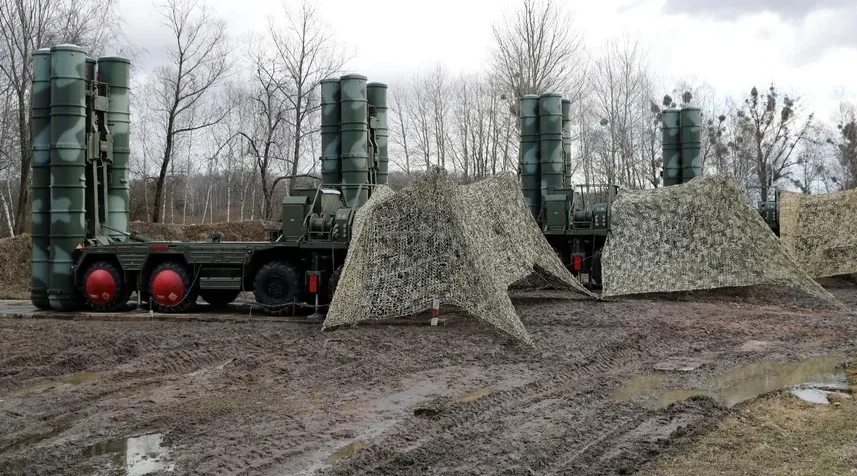
An S-400 missile system at a military base near Kaliningrad, Russia – Reuters

After years of stagnation, defense relations between Ankara and Washington are witnessing renewed momentum aimed at reopening the file on Turkey’s participation in the U.S. F-35 stealth fighter jet program.

The Turkish Ministry of Defense confirms that ongoing talks with the American side are focused on lifting sanctions and overcoming the obstacles that have prevented Ankara’s return to the program while simultaneously affirming that Turkey’s position on the Russian S-400 air defense system remains unchanged.

Meanwhile, Washington insists that U.S. laws prohibit any coexistence between operating the S-400 system and rejoining the F-35 program.

This debate is unfolding in a more positive political climate between Turkish President Recep Tayyip Erdoğan and his American counterpart, Donald Trump. The two sides have engaged in what have been described as the most serious talks in nearly a decade, raising mutual hopes of a breakthrough that could resolve the dispute and pave the way for lifting sanctions on Turkey’s defense industry.

Ankara’s 2017 purchase of the Russian S-400 missile system marked a turning point in its defense relationship with Washington, setting off a prolonged crisis that culminated in Turkey’s expulsion from the F-35 program in 2019. Turkey had turned to the Russian system after protracted negotiations with the United States over the Patriot air defense system fell through, prompting Ankara to seek alternative solutions to address urgent national security needs.

Washington, however, viewed Turkey’s acquisition of the S-400 as a direct threat to the security of its advanced fighter jets and responded by suspending Turkey’s participation in the F-35 program and imposing sanctions on its defense industry under the Countering America’s Adversaries Through Sanctions Act (CAATSA).

As a result, Turkey lost its position as a key partner in the development of the U.S. Air Force’s most advanced fighter jet, despite having invested approximately $1.4 billion in the project and contributed to the production of various components. Six F-35 jets built for Turkey were withheld and never delivered.

In the years that followed, Ankara consistently described its removal from the program as unfair and formally contested the decision, demanding either re-entry into the program or compensation for its financial losses.

Why Is a Return to the F-35 Still on the Table?

Despite the complexity of the dispute and the intertwined political and legal dimensions, Turkey’s desire to rejoin the F-35 program remains a fixed priority on Ankara’s strategic agenda, driven by both practical and security imperatives.

Foremost among these is the central role the F-35 plays in Turkey’s air force doctrine. As a fifth-generation fighter jet, the F-35 forms the backbone of air power among NATO allies, offering unmatched combat and technological capabilities.

Without access to such a platform, Turkey risks losing its relative air superiority within NATO especially as other regional actors may acquire similar stealth fighters in the coming years.
نون بوست
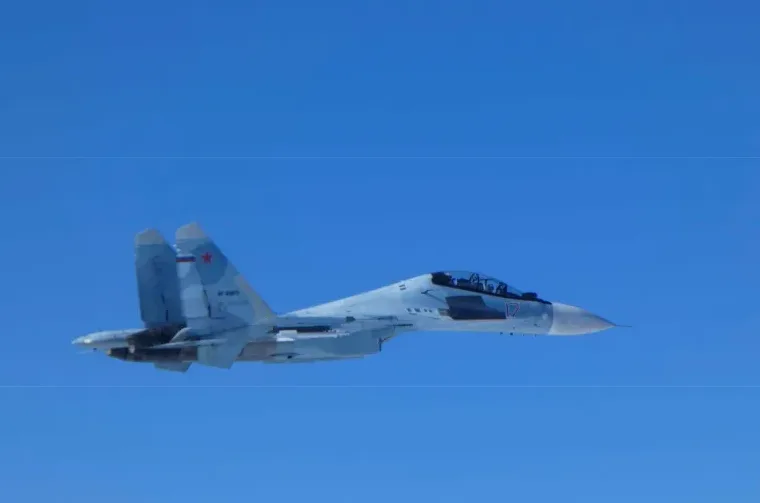
F-35

Additionally, Turkey’s significant investment in the program bolsters its argument. Ankara was a founding partner in the joint production project, making financial and logistical contributions that included $1.4 billion in advance payments.

Turkish companies were also involved in manufacturing key components of the aircraft. From Ankara’s perspective, its exclusion from the program deprived it of rightful returns on its investment and dealt a direct blow to its defense capabilities.

President Erdoğan has repeatedly asserted that Turkey will not relinquish its rights to the aircraft it paid for or the funds it contributed.

Simultaneously, the improving political atmosphere between Ankara and Washington has kept the F-35 file alive at the negotiating table. Following years of tension, Turkey is banking on the personal rapport between Erdoğan and President Trump now in his second term to soften Washington’s position.

This hope has translated into intensified high-level communication since the beginning of the year, including a direct request from Erdoğan in a March phone call to revisit the F-35 issue. That was followed by the mobilization of technical and legal teams from both sides to explore potential resolutions to the S-400 dispute that could lead to lifting sanctions.

Ankara emphasizes that it is seeking a balanced diplomatic solution that preserves its strategic partnership with the United States without compromising its sovereign defense decisions. Turkish Foreign Minister Hakan Fidan expressed confidence that a framework for lifting sanctions could be reached “very soon” as part of the ongoing dialogue.

Operational necessity also compels Turkey to keep pursuing the F-35. Its air force still relies heavily on F-16 fighter jets, many of which are approaching the end of their operational life. Meanwhile, Turkey’s own fifth-generation fighter project, the TF-X (also known as “Kaan”), is still years away from becoming operational.

Other international alternatives such as Russia’s Su-57 or China’s J-31 are either not yet technically mature or carry steep geopolitical costs that could further complicate Turkey’s relations with the West.

Consequently, the F-35 remains Turkey’s most realistic option for bolstering its long-range defense capabilities, explaining Ankara’s insistence on keeping the door to negotiations open, in hopes of eventually rejoining the program.

The Scenarios Facing Ankara

Given the zero-sum dynamic between the F-35 and the S-400, Ankara faces a range of scenarios, each with distinct political and security costs and direct implications for the future of its defense relationship with Washington.

1. Full Abandonment of the Russian S-400 System

This is the only option fully aligned with Washington’s publicly stated conditions: Turkey would have to permanently relinquish the S-400, either by returning it to Russia or transferring it to a third party with international approval.

Reports suggest the Turkish government is actively exploring this possibility as part of a broader effort to repair ties with Washington. Some sources claim President Erdoğan even raised the issue directly with Russian President Vladimir Putin during a meeting in Turkmenistan.

If Ankara takes this route, it would eliminate the primary obstacle to rejoining the F-35 program and could lead to the lifting of U.S. sanctions, the resumption of Turkish involvement in the project, and possibly the delivery of the jets already produced for Turkey.

However, this path is difficult to implement. It would require delicate negotiations with Moscow to avoid damaging bilateral ties and would also necessitate a financial settlement over the $2.5 billion S-400 deal potentially involving energy trade offsets to cover part of Turkey’s Russian gas imports.

2. Retaining the S-400 Without Activating It

Ankara has implicitly floated a middle-ground proposal: keeping the S-400 but not activating it or integrating it into NATO’s defense network, aiming to ease U.S. concerns without fully surrendering the system.

Turkey has repeatedly stated that the S-400 batteries will remain separate from NATO infrastructure. Nonetheless, Washington has flatly rejected this option. U.S. Ambassador to Turkey Jeff Flake emphasized that merely possessing the S-400 even without operational deployment violates U.S. laws governing re-entry into the F-35 program.

Thus, the U.S. continues to demand the complete removal of the S-400 as a precondition for any discussion about Turkey’s return to the program. While Ankara may still hope for a high-level political negotiation or special exemption especially given the favorable tone of the Trump administration the prospects for this scenario remain slim unless U.S. laws are amended or the perceived threat of the S-400 is redefined, which appears unlikely at present.

3. Seeking Alternatives and Enhancing Capabilities Outside the F-35

If no agreement with Washington is reached, Turkey may be forced to expand its search for alternatives to compensate for the absence of the F-35. It has already taken preliminary steps, including exploring options for European jets like the Eurofighter Typhoon and negotiating with Qatar and Oman for secondhand aircraft while waiting for new deliveries from the United Kingdom.

Simultaneously, Ankara has pursued a deal to acquire F-16 Viper jets and upgrade its current fleet. However, this effort has faced political obstacles in the U.S. Congress, prompting Turkey to proceed cautiously suggesting that its top priority remains regaining access to the F-35.

In the longer term, Turkey is investing in its indigenous fighter jet program, TF-X (Kaan), which has shown initial technical progress but is unlikely to reach combat readiness before the 2030s.

Given this timeline, the currently available alternatives cannot fully replace the F-35’s capabilities, but they may serve as stopgaps to maintain Turkey’s air power if the American path remains closed.

The Most Likely Scenario

Based on current indicators and the increasingly optimistic tone from both sides, the most plausible near-term outcome is a negotiated settlement under which Turkey agrees to part with the S-400 in exchange for a phased return to the F-35 program and the lifting of U.S. sanctions.

In recent weeks, several signs have emerged suggesting a meaningful shift in Ankara’s stance. U.S. Ambassador Jeff Flake said Turkey appears to be moving closer to giving up the Russian system and anticipated that the issue could be resolved within four to six months.

In parallel, Turkish media have reported advanced internal deliberations in Ankara about making a final political decision to dispose of the S-400 widely seen as the primary roadblock to restoring strategic defense cooperation with Washington.

These reports have been reinforced by official Turkish statements suggesting the system has already been deactivated, while the matter of ownership remains under review—an indication, many believe, of a de facto freeze.

Foreign Minister Fidan also stated that technical teams are exploring scenarios to lift the sanctions “very soon,” implying that practical steps are already underway to close the file.

Still, this scenario hinges on two critical factors: Turkey’s ability to follow through on its commitments, and the Trump administration’s capacity to secure congressional support for the deal.

On the Turkish side, this would likely involve a formal announcement that the S-400 batteries have been dismantled or returned to Russia, possibly accompanied by moves to acquire alternative systems such as the Patriot to address domestic political concerns and avoid weakening national defense.

In Washington, the White House may seek to issue temporary waivers for parts of the sanctions as Turkey initiates these steps, with a view to permanently lifting them through legislation once the process is complete.

If these steps proceed as planned, Turkey could return to the F-35 program as early as next year either by receiving the six jets already built or by resuming previously suspended manufacturing contracts. This would bring an end to one of the most contentious episodes in the history of the Turkish-American alliance.

Nonetheless, caution remains warranted. Key uncertainties persist. Moscow may not welcome the removal of its advanced system from Turkish soil without a political or strategic concession and could seek to influence the process if it perceives a threat to its interests.

Download this article as PDF
Share this Article
Facebook Twitter Whatsapp Whatsapp Telegram Email Copy Link
زياد ابحيص
By زياد ابحيص
Follow:
Previous Article نون بوست Saudi Arabia Abandons Its Neutrality: What’s Happening in Southern Yemen?
Next Article نون بوست How Mossad Paved the Way for Recognition of Somaliland

Read More

  • U.S. Regime‑Change Policies: Why They Are Destined to Fail U.S. Regime‑Change Policies: Why They Are Destined to Fail
  • The Gulf’s Balancing Act: Iran, Israel, and Hidden Links
  • Iraq–Turkey Oil Export Treaty: Why Did Ankara Cancel It After 52 Years?
  • Syria’s Northeast on Edge: QSD Between Ankara and Damascus
  • Has Europe Changed Its Stance on Israel… or Just Its Language?
part of the design
NoonPost Weekly Newsletter

You May Also Like

U.S. Regime‑Change Policies: Why They Are Destined to Fail

U.S. Regime‑Change Policies: Why They Are Destined to Fail

إسراء سيد Esraa sayed 8 April ,2026
The Gulf’s Balancing Act: Iran, Israel, and Hidden Links

The Gulf’s Balancing Act: Iran, Israel, and Hidden Links

فريق التحرير Noon Post 8 April ,2026
Iraq–Turkey Oil Export Treaty: Why Did Ankara Cancel It After 52 Years?

Iraq–Turkey Oil Export Treaty: Why Did Ankara Cancel It After 52 Years?

فريق التحرير Noon Post 8 April ,2026

تونس تضحي بالديموقراطية لصالح الأمن

العربي صديقي
العربي صديقي Published 11 August ,2015
Share
05d8c0704e99459aa943e17b8919cbb1_18

ترجمة وتحرير نون بوست

بعد عامين من الانقسام والهيئات الحاكمة المختلفة، قام الـ217 عضوًا المنتخبين ديمقراطيًا في البرلمان التونسي ذي الغرفة الواحدة بالتصديق على قانون جديد لمكافحة الإرهاب في 24 يوليو الماضي.

تم تمرير القانون بأغلبية ساحقة، حيث صوّت 172 عضوًا لصالح القرار، وامتنع 10 أعضاء عن التصويت، واعترض عدد محدود فقط من الأعضاء على القانون.

ربما قد تم تشريع هذا القانون وفق طريق قانوني سليم، ولكن هذا لا يجعله محقًا، حيث اصطف حزبا النهضة الإسلامي والجبهة الشعبية اليساري إلى جانب حزب نداء تونس الحاكم في اختيار سياسة ممارسة القوة على المدى القصير على حساب الجوهر الديمقراطي الواجب تطبيقه على المدى الطويل.

وبشكل عام، هناك بعض المشاكل بهذا القانون الجديد، حيث تم اقتراح تشريع هذا القانون الذي يحتوي على بعض الأحكام ذات الأثر الرجعي، ردًا على هجمات متحف باردو وشاطئ سوسة هذا العام، وعلاوة على ذلك، تمت الموافقة على القانون الجديد على عجل، حيث استعجل رئيس مجلس النواب التابع لحزب النهضة عبد الفتاح مورو عملية تشريع القانون على حساب عدم تمديد فترة التشاور بمواده.

ونتيجة لذلك، تزامن إقرار القانون مع يوم الجمهورية في 25 يوليو، وهي محاولة رمزية جوفاء، نظرًا للقيم التحررية والديمقراطية التي تم وضعها على المحك نتيجة لهذا التشريع؛ فهذا القانون، وباعتباره جزءًا من كتلة التشريعات التونسية، يهدد الهياكل الديمقراطية الوليدة والهشة في تونس، والتي تم وضعها حديثًا منذ اعتمادها في أوائل عام 2014.

حلول سريعة ومتحايلة

هذا القانون الجديد حل مكان قانون مكافحة الإرهاب التونسي القديم الصادر عام 2003، والذي تم اعتماده من قِبل النظام المخلوع السابق للرئيس زين العابدين بن علي.

القانون الجديد يردد ذات أصداء القانون الصادر في عهد زين العابدين بن علي من خلال معالجته للإرهاب عن طريق سن القوانين السيئة والمجحفة في قسوتها، ناهيك عن السعي لإيجاد حلول سريعة ومتحايلة، كما أنه يهدد الحقوق والحريات الأساسية خلال مرحلة حرجة من إعادة البناء الديمقراطي في تونس.

ولكن الخطوة الرجعية في القانون الجديد تتمثل بأنه – جزئيًا – أسوأ من القانون الذي حل محله، قانون عام 2003 لمكافحة الإرهاب المعتمد من قِبل نظام الديكتاتور المخلوع؛ فعلى سبيل المثال، هناك عدد من الأسئلة التي يمكن أن تُثار فيما يتعلق بحقوق المواطنين المتهمين، خصوصًا خلال مرحلة التحقيق عن الأفعال الإرهابية المزعومة.

ففي القانون الجديد، الاعتقال دون أمر من المحكمة يمكن أن يمتد لمدة تصل إلى أسبوعين، كما يلغي هذا القانون أيضًا حق المتهم في طلب محامٍ أثناء استجوابه، أما في قانون عام 2003، فإن فترة الاحتجاز لا يجوز أن تتجاوز الستة أيام.

من خلال مناقشاتي الشخصية مع المثقفين العلمانيين والإسلاميين على حد سواء، والذين يدعمون القانون الجديد، لاحظت بأن كلا الطرفين أثارا الكثير من الجدالات والحجج السطحية، المتعلقة بأنه حتى ضمن الولايات المتحدة الأمريكية يوجد قوانين غير ليبرالية لمكافحة الإرهاب.

ولكن يبدو أن هؤلاء الأشخاص أنفسهم يتجاهلون حقيقة أن الولايات المتحدة تتمتع بقضاء مستقل وهيئة تشريعية مستقلة، بالإضافة إلى وجود مجموعة من الهياكل المدنية والأهلية الموحدة والتي تعمل على الأرض لغرض واضح ومحدد يتمثل بمنع ومعاقبة الأعمال غير القانونية.

الأرضية الأخلاقية العالية

من المهم أن نلاحظ أن الولايات المتحدة مارست بانتظام أعمالًا غير مشروعة، كرحلات الترحيل السري الجوية للمجرمين، واعتقالات غوانتانامو، ولكن خارج الأراضي الأمريكية، وبعيدًا عن متناول مساءلة الأنظمة القضائية الخاصة بها.

في تونس، يبدو أن الرأي العام يساند القانون الجديد، حيث ادعت الدولة بأنها تصرفت وفقًا لمبادئ الأرضية الأخلاقية العالية، وحذت حذوها وسائل الإعلام التونسي، خلا نذر قليل من الاستثناءات الإعلامية المؤهلة.

ولكن على أرض الواقع، كانت العملية التشريعية تجربة فاشلة عن حرية التعبير، حيث تعرض المعارضون للقانون من البرلمان لهجوم حاد من أطياف المجتمع المدني، وكان الضغط شديدًا لدرجة قام معها حزب النهضة بالقفز إلى عربة دعم القانون المجحف، والذي لا يبشر بالخير لا لحق المواطنة التونسية الديمقراطية ولا لعملية التحول الديمقراطي.

يمكننا القول بأنه لم يتم حتى الآن اتخاذ أي تدابير ملموسة لمعالجة الحالة التطرفية بشكل فعّال، حيث لم يتم بذل أي جهود لإدماج المجتمع المدني مع هيئات الرقابة القانونية ليتم التعاون بينهما بشكل أكثر فعالية لمكافحة الإرهاب بشكل أشد شمولية.

إن النهج الذي يتبعه القانون الجديد هو نهج مدمر، بالنظر إلى أنه يسعى لإحياء وتوسيع القدرات الأمنية والاستخباراتية السلطوية والقاسية في تونس، وكذلك يسعى لاسترضاء رجال الأمن المتعنتين التابعين لحقبة بن علي، والخطر يكمن في حقيقة أن القانون الجديد يمكن أن يضفي الشرعية على الممارسات القمعية والسرية باعتبارها تدابير وتكتيكات لازمة في معركة مكافحة الإرهاب ضمن الدولة التي كانت مهدًا لثورات الربيع العربي.

التطلعات غير الواقعية

الباعث الآخر على القلق يتمثل بالخطط والتطلعات غير الواقعية لرئيس الوزراء التونسي الحبيب الصيد، الذي يحاول بناء حاجز رملي على طول الحدود الليبية – التونسية الهشة، ومن هذا المنطلق لا يمكن أن يُنظر إلى القانون الذي صدر مؤخرًا في عزلة عن حاجز الحدود مع ليبيا، المماثل لحائط الفصل الإسرائيلي، والذي سيشكل عبئًا على الاقتصاد المدني، كون الأخير لا يملك الوسائل اللازمة لإدارة موارده ومواده الشحيحة أمام السياسة الأمنية الساعية لمكافحة الإرهاب.

وأسوة بجيرانها في منطقة المغرب العربي، انضمت تونس إلى طابور الدول الطويل التي تحارب الإرهاب، وتنتهج السبل الأمنية في خضم ذلك، في انعطاف تاريخي حاسم عن درب الديمقراطية والتعلم.

وفي الوقت الذي تتم فيه مناقشة التدابير “الأمنية” على مستوى عالمي تقريبًا ضمن الخطابات الوطنية حول التطرف، لم يبرز حتى الآن أي تفسير واضح لهذا المفهوم، حيث يبدو النهج المتبع لمحاربة الإرهاب وكأنه وصفة لمحاربة النار بالنار، ووفقًا للقانون الجديد لمكافحة الإرهاب، تصبح الوصفة هي مكافحة الإرهاب عن طريق الإرهاب المشرعن أو القانوني.

وفي غياب الوضوح المفاهيمي والقانوني للمصطلح، فإن الأجهزة الأمنية، التي تم تمكينها بشكل غير مباشر من قِبل القانون الجديد، ستميل لتحديد المصطلح وفق وجهة نظرها الخاصة في مجال مكافحة الإرهاب، علمًا أن تاريخ السلطة التقديرية غير المقيدة في مثل هذه الأمور، يقدم لنا أسوة غير حميدة عن العديد من الدول التي انهار فيها نموذج التحول الديمقراطي لصالح العودة إلى الدكتاتورية، إثر إطلاق يد الأمن المتغولة على حساب النهج الديمقراطي.

الخوض في طريق مجهولة

كما حصل تمامًا في ظل قيادة عبد الفتاح السيسي لمصر، فإن حزب نداء تونس وشركاءه التونسيين قد يتخذون خطوات للخوض في غمار طريق مجهولة، يقومون خلاله، وفي خضم حربهم ضد التطرف، بتحديد الخط الفاصل ما بين حق الدفاع الشرعي للدولة، وحقوق المواطنة، والتصرفات اللاشرعية، على غرار ما كان يحصل في عهد عهد بن علي.

الرئيس الأمريكي باراك أوباما أعلن سابقًا بأن تونس هي حليف رئيسي من خارج حلف الناتو، مما قد يسمح لها بأن تكون مؤهلة لتعاون إستراتيجي وعسكري وثيق مع الولايات المتحدة والاتحاد الأوروبي، ولكن هذا التأييد لن يساعد القيادة التونسية المتخبطة على تطوير إستراتيجيات جديدة ومبتكرة وفعالة على الصعيدين المحلي والعالمي لمحاربة الإرهاب، كون الطريق المحدد الذي يتميز بتراجع الحقوق الديمقراطية، واستخدام المؤسسات السياسية لأدوات الأمن القومي إستراتيجيًا لصالحها، هو الطريق الوحيد والمؤكد لانتزاع الإذعان من المواطنين الهلعين، وانتزاع موافقة المجتمع الدولي الذي يبدي أتم الاستعداد للانخراط في طروحات “الحرب ضد الإرهاب”.

وضمن هذا الإطار المفاهيمي، يُنظر إلى الحرية باعتبارها تهديدًا مترافقًا مع نقص السيطرة على العناصر الساخطة والمتذمرة وغير المرغوب فيها ضمن المجتمع.

عودة تصاعد الاستبداد

في حال تم تقويض سيادة القانون وإهمال الإجراءات القانونية الواجبة التطبيق خلال فترة التحول الديمقراطي الأولية، كما هو الحال في تونس، فإن تسييس النظام القانوني، والانتهازية السياسية، سوف يمليان إلى الأبد الكيفية التي سيتم من خلالها تطبيق العدالة.

التعبئة الجماعية لقوات الجيش والشرطة قد تصبح بسرعة أداة لعودة تصاعد الاستبداد، لا سيّما في بلد يحتضن تاريخًا طويل الأمد بهذه الممارسات، ونظرًا لانتشار الأجهزة الأمنية الباقية من أطلال النظام المخلوع، يخشى الكثيرون أن تعاود هذه الأنظمة ظهورها بسرعة وسهولة تامة.

لذا يتعين على زعماء تونس أن يدركوا أن أوباما والقوى الغربية الأخرى تنشغل بقضايا ومصالح أشد إلحاحًا من عملية التحول الديمقراطي لإحدى البلدان الشمال أفريقية، والجانب التاريخي يعزز من صحة هذه النظرة، حيث اعتادت الولايات المتحدة والاتحاد الأوروبي وحلفاؤهما التغاضي عن العجز الديمقراطي في الدول ذات الأغلبية المسلمة، طالما كانت هذه البلدان تتماشى مع الأيديولوجية الغربية أو المصالح الاقتصادية والإستراتيجية لهذه البلدان.

في الوقت الحالي، يبدو أن نداء تونس وشركاءه في البرلمان يشقون طريقهم الملتوية من خلال سياسات تطبق التفضيلات السياسية الأمريكية بشكل أعمى، والتي لا تتطابق بتاتًا مع الميول المؤيدة للديمقراطية.

وفي خضم هذا، يمكن للمرء أن يأمل فقط ألا تؤدي هذه القرارات لتحويل تونس إلى دولة أمنية مغلّفة بقشرة هشة من الزخارف الديمقراطية.

المصدر: الجزيرة الإنجليزية

TAGGED: الحرب على الإرهاب ، حرية التعبير ، قانون مكافحة الإرهاب التونسي ، مكافحة الإرهاب
TAGGED: الأزمة التونسية
Download this article as PDF
Share this Article
Facebook Twitter Whatsapp Whatsapp Telegram Email Copy Link
العربي صديقي
By العربي صديقي أكاديمي تونسي يدرس العلاقات الدولية في قطر
Follow:
Next Article نون بوست The Stigma of “ISIS”: A Heavy Legacy Haunting Women and Children of Former Members
part of the design
NoonPost Weekly Newsletter
dark

An independent media platform founded in 2013, rooted in slow journalism, producing in-depth reports, analysis, and multimedia content to offer deeper perspectives on the news, led by a diverse young team from several Arab countries.

  • Politics
  • Society
  • Rights & Liberties
  • Opinions
  • History
  • Sports
  • Education
  • Technology
  • Economy
  • Media
  • Arts & Literature
  • Entrepreneurship
  • Travel
  • Cinema & Drama
  • Food
  • Health
  • Culture
  • Latest Reports
  • Files
  • Long Reads
  • Interviews
  • Podcast
  • Interactive
  • Encyclopedia
  • In Pictures
  • About Us
  • Our Writers
  • Write for Us
  • Editorial Policy
  • Advanced Search
Some rights reserved under a Creative Commons license

Removed from favorites

Undo
Go to mobile version