NoonPost NoonPost

NoonPost

  • Home
  • Politics
  • Economy
  • Society
  • Culture
  • Files
  • Long Reads
  • Podcast
AR
Notification Show More
نون بوست
“There Are Nights I Can’t Close My Eyes”: How Gazans Are Living in Homes on the Brink of Collapse
نون بوست
From al-Jolani to Ahmad al-Shara: The Evolution of Syria’s New Leader
نون بوست
When Political Islam Receded in Egypt: Who Filled the Void?
نون بوست
An Extension of Genocide: Gaza’s Detainees Speak Out
نون بوست
A Tightrope Between Survival and Sovereignty: The Syrian Government Faces Normalization Pressures
نون بوست
American Aircraft Carriers: Has the Era of “100,000 Tons of Diplomacy” Ended?
نون بوست
U.S. Regime‑Change Policies: Why They Are Destined to Fail
نون بوست
Transformations of Israeli Judaism: Between the Victim Complex and the Colonizer’s Doctrine
نون بوست
The Gulf’s Balancing Act: Iran, Israel, and Hidden Links
نون بوست
Iraq–Turkey Oil Export Treaty: Why Did Ankara Cancel It After 52 Years?
نون بوست
Syria’s Northeast on Edge: QSD Between Ankara and Damascus
نون بوست
Has Europe Changed Its Stance on Israel… or Just Its Language?
NoonPost NoonPost
AR
Notification Show More
نون بوست
“There Are Nights I Can’t Close My Eyes”: How Gazans Are Living in Homes on the Brink of Collapse
نون بوست
From al-Jolani to Ahmad al-Shara: The Evolution of Syria’s New Leader
نون بوست
When Political Islam Receded in Egypt: Who Filled the Void?
نون بوست
An Extension of Genocide: Gaza’s Detainees Speak Out
نون بوست
A Tightrope Between Survival and Sovereignty: The Syrian Government Faces Normalization Pressures
نون بوست
American Aircraft Carriers: Has the Era of “100,000 Tons of Diplomacy” Ended?
نون بوست
U.S. Regime‑Change Policies: Why They Are Destined to Fail
نون بوست
Transformations of Israeli Judaism: Between the Victim Complex and the Colonizer’s Doctrine
نون بوست
The Gulf’s Balancing Act: Iran, Israel, and Hidden Links
نون بوست
Iraq–Turkey Oil Export Treaty: Why Did Ankara Cancel It After 52 Years?
نون بوست
Syria’s Northeast on Edge: QSD Between Ankara and Damascus
نون بوست
Has Europe Changed Its Stance on Israel… or Just Its Language?
Follow US

The Stories of Missing Egyptians on the Migration Trail

فريق التحرير
Noon Post Published 26 March ,2026
Share
نون بوست
نون بوست
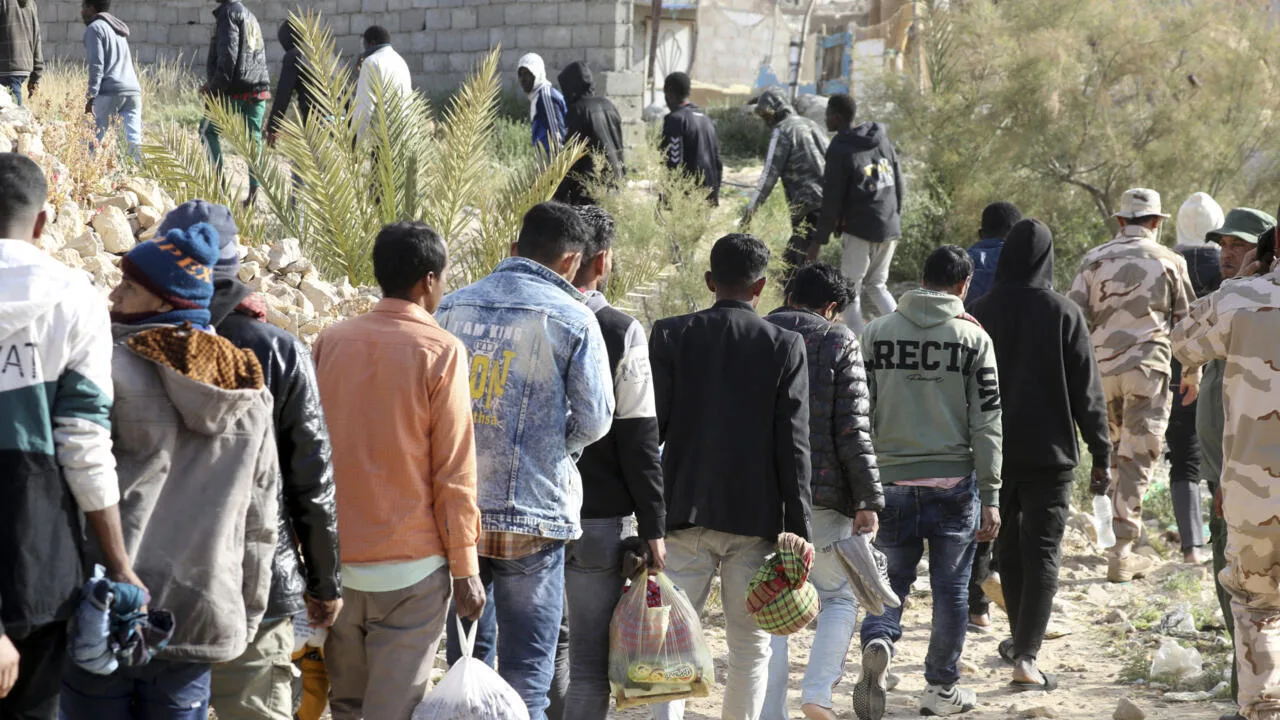
Migrants deported in Libya. April 25, 2023. – AFP

In a small village in Egypt’s Sharqia Governorate, Mohamed Salah sits among a group of locals searching for any trace of their missing relatives. These young men left Egypt two years ago on an irregular migration journey through Libya, one that ended in tragedy when their boat sank off the Greek coast.

While some bodies were recovered and returned, Mohamed’s brother and several others from the village never came back. Residents believe many of them were not on the ill-fated boat, but were instead detained in Libya. Yet no official confirmation has ever been provided.

Mohamed’s brother is just one of thousands of Egyptians believed to be missing in Libya. According to the International Organization for Migration (IOM), roughly 4,200 irregular migrants are currently held in official Libyan detention centers, with another estimated 3,000 in informal facilities run by smuggling networks.

Although these figures include various nationalities, Egyptians account for the majority due to the country’s proximity to Libya’s eastern border.

The Migration Scenario

In 2016, Egypt woke up to the tragic news of a migrant boat capsizing just 12 kilometers off the coast of Rashid (Rosetta) in Beheira Governorate. The catastrophe, later dubbed the Rashid Boat Disaster, claimed the lives of 237 people, including Egyptians, Syrians, and other African nationals.

At the time, Egypt was both a source and a transit country for irregular migration sending migrants abroad while also serving as a departure point for others.

Following that disaster, Egyptian authorities ramped up efforts to prevent irregular migration from its shores. During the first Egypt-EU summit in Brussels on October 22, 2025, President Abdel Fattah el-Sisi emphasized his country’s success in halting such journeys, stating: “Not a single boat has left Egypt carrying irregular migrants to European shores since 2016.”
نون بوست
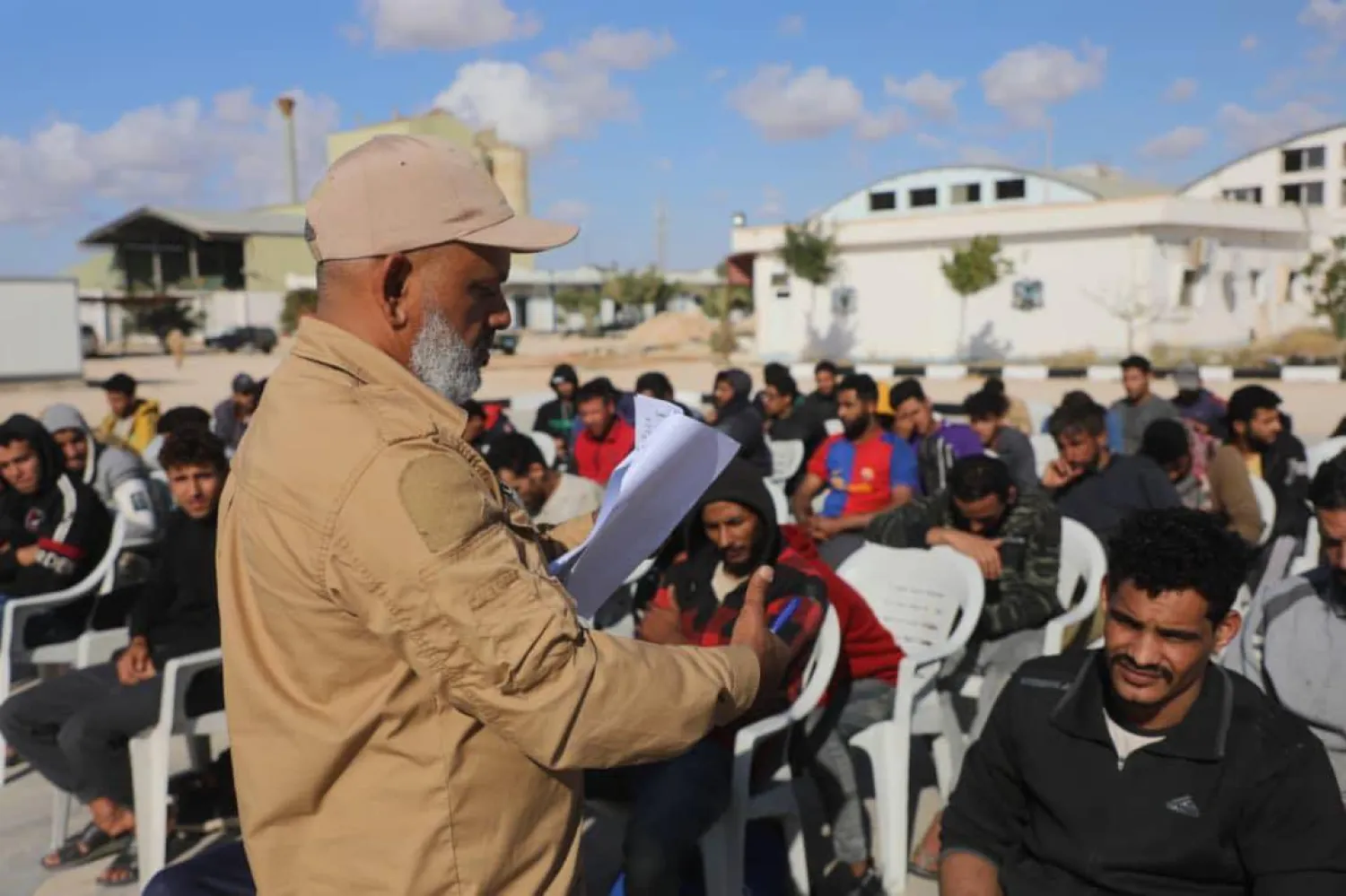
Procedures before deporting migrants from Egypt and Bangladesh via eastern Libya (Presidency of the Anti-Illegal Immigration Agency – Libya/Facebook)

While technically accurate, this assertion overlooks a crucial shift: irregular migration routes have not ceased but merely changed course. Instead of departing by sea from Egyptian shores, migrant -primarily Egyptians- now travel overland through the western desert into Libya. From there, they attempt to cross to Italy or Greece via the Mediterranean.

According to Abdel Qader Abdel Rahman (a pseudonym), he traveled from his village in Abnoub, Assiut Governorate, using a network of smugglers. His journey began with a domestic flight to Borg El Arab airport, followed by travel to Egypt’s western border. There, a smuggler handed him off to another across the border.

A vocational school graduate, Abdel Qader was lured by friends already in Italy who shared pictures of comfortable lives and high wages. Through them, he was put in touch with a smuggler via a social media page. But upon arriving in Libya, reality hit hard.

His friends weren’t in Italy they were still in Libya, working unpaid on an olive farm. They had been coerced into contacting others from their village, enticing them to follow the same path under threat of death if they refused.

Abdel Qader spent several months on that farm, enduring abuse and severe malnutrition. Eventually, the smuggler forced him to call his father and demand a ransom of 150,000 Egyptian pounds to secure his return.

His father raised the amount through high-interest microloans, reportedly at rates of up to 100%. The payment was transferred via Egyptian intermediaries, and Abdel Qader was eventually sent back home physically broken and severely undernourished.

His story echoes that of Mohamed Salah’s brother, who, despite being aware of the risks, was convinced by promises of a “free” trip to Libya. In this scheme, no upfront payment is required; instead, migrants are told the costs will be deducted from their future earnings in Italy.

But upon arrival, families receive extortion calls demanding up to 200,000 pounds. Those who can’t pay are held in warehouses, subjected to torture, forced labor or even killed.

Al-Raddaa Prison

Khalifa Mostafa was among 200 relatives of missing Egyptians who gathered at the Ministry of Foreign Affairs in Egypt’s new administrative capital in December. They were seeking any information about their loved ones Khalifa’s nephew, Ziad Mostafa Khalifa, disappeared three years ago at the age of 16.

A smuggler had persuaded his father that because Ziad was a minor under European law, he would qualify for asylum in Italy and eventually gain citizenship. The smuggler charged the family 150,000 pounds.

However, the boat carrying Ziad was intercepted by Libyan authorities and returned to shore. Ziad and others on board were placed in detention centers. According to information obtained by his family, Ziad was sent to Mitiga Prison, commonly known as Al-Raddaa Prison.

Controlled by a powerful militia known as the Special Deterrence Force, or Raddaa Force, the prison was originally established a year after Muammar Gaddafi’s fall. Initially tied to the military council in Tripoli, it later came under the Ministry of Interior’s authority.

Though it was officially dissolved by the Government of National Accord (GNA) in 2018, it was soon reconstituted as an independent entity: the Special Deterrence Apparatus for Combating Terrorism and Organized Crime.

Led by Major Abdel Raouf Kara, the group remains loyal to the GNA, which is hostile to the Cairo-backed Libyan National Army under Khalifa Haftar.

While the exact number of Egyptians detained in Al-Raddaa remains unknown, it’s frequently mentioned in disappearance reports. One such case is Atef Mohamed Habib, who vanished in August 2016 while holding a valid passport.

After his disappearance, several individuals contacted the family, demanding money in exchange for his release claiming he was held at Al-Raddaa. The family reached out to numerous official channels, but received no conclusive information.

Last Hopes

With no reliable information from authorities, many Egyptian families have turned to social media to search for their missing loved ones. Dozens of online groups have been created to share photos and seek leads. Among those searching is Abanoub Atef, cousin of 16-year-old Ibram Khaled Shamoun, who went missing in Libya in October.

“Ibram is my uncle’s only son,” Abanoub says. “He wanted to help support the family because of poverty, and his friends who migrated before him made it all sound so promising.”

The family only learned of Ibram’s departure after he had already left. Smugglers often tell migrants the journey will be free, with costs later deducted from their Italian wages. But once en route, Ibram called home requesting money. Upon arrival in Libya, another demand followed bringing the total cost to 420,000 pounds. The father took out microloans and sold livestock to pay.

Even then, an additional 30,000 pounds was requested, which the family didn’t pay because Ibram went missing.

They reached out to Egypt’s Ministry of Foreign Affairs and the public prosecutor, especially since others from the same village vanished during the same journey. But no answers have been provided.

According to Egypt’s Ministry of Migration, 14 governorates are the most common sources of irregular migrants, with Dakahlia, Beheira, Kafr El-Sheikh, Sharqia, Assiut, Sohag, and Fayoum among them.

A Complex Web

Migration researcher Amira El-Tahawy notes that since 2016, many drowning incidents have occurred, while other migrant boats are turned back by Libyan coast guards both official and rogue. Those onboard are often detained, delaying any clarity about who survived or perished.

El-Tahawy criticizes the Egyptian embassy’s handling of the crisis. Families rarely receive support unless the migrant is involved in a criminal case. In other situations, intervention only comes if the IOM or Libya’s anti-illegal migration agency pushes for deportation.

She adds that while the embassy made some detention center visits in November, the efforts were short-lived. Many families still cling to hope that their relatives are alive, held by non-state actors, and remain vulnerable to constant extortion.

No accurate figures exist on how many Egyptians are missing in Libya, but certain areas—like Abnoub in Assiut—have reportedly lost hundreds. Libya’s east-west division complicates the situation further. An informal agreement between the rival governments allows limited repatriation through shared border crossings with international oversight, but coordination is weak.

Both Egyptian embassies in eastern and western Libya have limited effectiveness. The western embassy reportedly operates just two days a week.

El-Tahawy refutes claims of organized kidnappings by armed gangs. She says most disappearances stem from disputes between smugglers and intermediaries, citing the Greece shipwreck case where survivors were threatened to continue luring others. When they refused, families were blackmailed.

Families also fall victim to scammers who pose as informants claiming their relatives are imprisoned, then demand money for their release. Desperate, many families pay, hoping for a miracle.

El-Tahawy criticizes Egyptian authorities for treating grieving families with disdain, blaming them for their children’s decisions to migrate irregularly.

Official Response

Following a protest by families of the missing, the Egyptian Ministry of Foreign Affairs released a statement confirming it is coordinating with Libyan authorities at the highest levels to determine the fate of the missing citizens and ensure proper action is taken.

The ministry said efforts are underway in both Tripoli and Benghazi through the Egyptian embassy and consulate, in coordination with Libyan institutions and relevant departments in Cairo.

These efforts reportedly led to the release of 131 Egyptians from a Libyan detention center on November 27. Their return followed intensive negotiations between the embassy in Tripoli and Libyan authorities.

Meanwhile, Libya’s Volunteer Rescue Room, which tracks missing persons, confirms a sharp rise in reports of missing Egyptians -particularly minors- over the past two years. Many, it notes, entered the country legally via Libyan airports.

The group adds that the complexity of Libya’s internal divisions and overlapping authorities makes it difficult to track detainees. Migrants may be held in facilities under the Ministry of Migration or imprisoned under the Ministry of Interior for unlawful entry. The presence of smuggling gangs and unofficial detention centers further muddies the waters.

Egypt may have sealed its coasts against irregular migration, but it has yet to resolve the economic pressures that drive its youth to risk everything. The sea may be calm but the fate of thousands remains in peril.

Download this article as PDF
Share this Article
Facebook Twitter Whatsapp Whatsapp Telegram Email Copy Link
فريق التحرير
By فريق التحرير تقارير يعدها فريق تحرير نون بوست.
Follow:
Previous Article نون بوست How Mossad Paved the Way for Recognition of Somaliland
Next Article نون بوست Drums of War: Could Miscalculation Ignite an Iran–Israel Conflict?

Read More

  • "There Are Nights I Can’t Close My Eyes": How Gazans Are Living in Homes on the Brink of Collapse "There Are Nights I Can’t Close My Eyes": How Gazans Are Living in Homes on the Brink of Collapse
  • From al-Jolani to Ahmad al-Shara: The Evolution of Syria’s New Leader
  • When Political Islam Receded in Egypt: Who Filled the Void?
  • An Extension of Genocide: Gaza’s Detainees Speak Out
  • A Tightrope Between Survival and Sovereignty: The Syrian Government Faces Normalization Pressures
part of the design
NoonPost Weekly Newsletter

You May Also Like

“There Are Nights I Can’t Close My Eyes”: How Gazans Are Living in Homes on the Brink of Collapse

“There Are Nights I Can’t Close My Eyes”: How Gazans Are Living in Homes on the Brink of Collapse

فريق التحرير Noon Post 8 April ,2026
From al-Jolani to Ahmad al-Shara: The Evolution of Syria’s New Leader

From al-Jolani to Ahmad al-Shara: The Evolution of Syria’s New Leader

أحمد سيف النصر Ahmed Seif EL-Nasr 8 April ,2026
When Political Islam Receded in Egypt: Who Filled the Void?

When Political Islam Receded in Egypt: Who Filled the Void?

أحمد عبد الحليم أحمد عبد الحليم 8 April ,2026

كيف نفهم إصلاحات العبادي في العراق؟

فريق التحرير
Noon Post Published 12 August ,2015
Share
e1a3e50a-5d3d-4c5c-b1ab-1c0e5209636c

البداية كانت تظاهرات لعشرات الآلاف من العراقيين الغاضبين بالعاصمة بغداد ومحافظات عدة جنوبي البلاد، احتجاجًا على انقطاع الكهرباء والفساد الإداري في أجهزة الدولة وتردي الأحوال المعيشية عامة، تزايد أعداد المتظاهرين مع دعوات لنشطاء على مواقع التواصل الاجتماعي رغم الإجراءات الأمنية المشددة التي فرضتها الأجهزة الأمنية في العراق.

هذه الدعوات الشعبية خرجت لأول مرة موحدة في العراق منذ زمن بعيد، حيث كانت هتافاتها موجهة لرئيس الحكومة حيدر العبادي، مطالبينه بالاستجابة الفورية لمطالبهم، والتي كان أبرزها مكافحة الفساد المتفشي في العراق بإقالة ومحاسبة كافة المسؤولين عنه، فلم تنطلق الدعوات على خلفية طائفية أو مكايدات سياسية وإنما حظت بقبول مجتمعي واسع، ما جعل بعض الرموز الدينية في العراق أن تنضم لهذه المطالبات في مقدمتهم المرجع الشيعي الأعلى في العراق علي السيستاني الذي دعا العبادي إلى أن يكون أكثر جرأة وشجاعة في حربه ضد الفساد داخل النظام.

من جانبه تلقى العبادي هذه الدعوات المجمع عليها شعبيًا بنوع من الحذر حتى أعلن عن خطة إصلاحية شاملة تلبية لمطالب هذه الجموع الغاضبة. حزمة الإصلاحات التي أعلنها العبادي تضمنت قرارات إلغاء مناصب نواب رئيسي الجمهورية والحكومة، كما ألغى المخصصات الاستثنائية للرئاسات والهيئات والمؤسسات، وكذا قضت القرارات بتقليص شامل وفوري في أعداد الحمايات لكل المسؤولين في الدولة، ومن بينها الرئاسات الثلاث والوزراء والنواب، مع إعادة فتح جميع ملفات الفساد السابقة والحالية ووضعها تحت إشراف لجنة عليا لمكافحة الفساد، وذلك عن طريق اعتماد عدد من القضاة المختصين للتحقيق في هذه القضايا وتقديم المتهمين فيها للحساب.

العبادي حاول التنصل من مسؤولية حكومته عن الفساد المتفشي في البلاد وسوء الخدمات التي كانت المحرك الرئيسي للتظاهرات، حيث أكد العبادي أن أخطاء النظم السياسية المتراكمة في العراق منذ الغزو الأمريكي للعراق عام 2003، لا يمكن أن تتحملها حكومته الحالية، ولكن ما على الحكومة الحالية مسؤولية الإصلاح.

الحراك الشعبي الدائر في العراق ضد الفساد لم يقتنع تمامًا بما أعلنه العبادي، حيث اعتبره البعض محاولات لتسكين الغضب الجماهيري، فعقب الإعلان عن حزمة الإصلاحات هذه من قبل العبادي طالب المتظاهرون رئيس الوزراء العراقي بمزيد من الإجراءات الصارمة لشن حرب على الفساد ورجاله في الدولة من أجل محاسبتهم، إذ يرى العراقيون أن الفساد استشرى خلال 12 عامًا دون أي مواجهة، مما أدى إلى تدهور الوضع الاقتصاد الحالي وتردي كافة الخدمات العامة في الدولة.

بين من يرون أن هذه القرارات لم تُلبي طموحاتهم في الإصلاح، رحب آخرون بتلك القرارات معلنين عن تخوفهم من عدم مقدرة العبادي على تنفيذها أمام عمق الفساد الذي ضرب بجذور العراق، فقد اعتبرها البعض تحديًا كبيرًا أمام حكومة العبادي، فيما شككوا في قدرته على تنفيذها.

في حين يرى محللون أن العبادي نجح بتلك التصريحات التي أعلن فيها عن تلك الإصلاحات من شق صف المطالبين بالإصلاح بين مجموعة تراها خطوة أولية في مجال الإصلاح ومحاربة الفساد داخل أجهزة الدولة بالعراق، وبين آخرين يرون أن مثل هذه القرارات تندرج تحت بند الإصلاح الشكلي الذي يُرقع المظهر العام الفاسد بمحاولات إصلاحية.

فقد نقلت وسائل إعلامية أن العاصمة العراقية بغداد ستشهد تظاهرات مؤيدة لقرارات العبادي ومطالبات بتفعيلها فورًا بالإضافة للمزيد، وهو ما يعتبر نجاح للعبادي في احتواء الشارع وتطويعه لصالحه، ما سيعطيه نقاط قوة إضافية في مواجهة خصومه داخل النظام السياسي.

رهن البعض الأمر بموافقة كل المكونات العراقية على تلك الخطوات ممثلة تلك المكونات في مجلس النواب، لكن يرى بعض العراقيين في هذا المجلس أنه مجرد مؤسسة عراقية لتقسيم السلطة والأموال أيضًا وأنه من الضعف بمكان أن يُقر مثل هذه الإصلاحات أو غيرها، لكن مجلس النواب العراقي اتخذ هذه الخطوة بالفعل رغم التشكيك في قدراته بسبب نظام المحاصصة الإجبارية بداخله، إذ وافق مجلس النواب العراقي في جلسة استثنائية عقدها أمس الثلاثاء على وثيقة الإصلاح التي اقترحها رئيس الوزراء حيدر العبادي وأقرها مجلس وزرائه في السابق، وكذلك أضاف إليها وثيقة إصلاحات تكميلية شاملة دعا الحكومة العراقية للبدء في  تنفيذها.

موقف مجلس النواب رغم أنه بدا مفاجئًا للبعض إلا أن ذلك يمكت إرجاعه إلى أن كافة القوى السياسية بمختلف ألوانها الآن في العراق تخشى موجة الاحتجاج في الشارع، خاصة مع حالة الانفلات الأمني التي تشهدها العراق في ظل ضعف قدرات قوات الأمن، دفع ذلك غالبية القوى السياسية الرئيسية في العراق إلى تأييد خطوات العبادي مُكرهين، حتى لا يستهدفهم الشارع باحتجاجه.

حتى أن نوري المالكي أيد علنًا إصلاحات العبادي، رغم أنها تضمنت إلغاء منصبه كنائب للرئيس العراقي، كما أيدتها كتلة الأحرار التابعة للتيار الصدري، والمنضوية في التحالف الوطني الشيعي، كذلك حظيت بتأييد مشروط من ائتلاف الوطنية بزعامة إياد علاوي الذي حذر من نشوء دكتاتورية جديدة مشيرًا بذلك إلى العبادي، حيث لا يريد علاوي أن يحظى العبادي بالشعبية الكافية التي تمكنه من الاستقلال بقرار حكومته بعيدًا عن الذرائع الطائفية والتي غالبًا ما تتخذ من شعارات التوافق السياسي ستارًا، كما أعلنت القوى السنية التي يتزعمها أسامة النجيفي نائب رئيس الجمهورية، ورئيس البرلمان سليم الجبوري تأييدها لهذه الخطوات.

فسر المتابعون هذا الإجماع المستغرب من تلك القوى التي لم تتفق على شئ كهذا منذ أمد بعيد بالخوف من الانتحار السياسي، وذلك بسبب الوضع الراهن في العراق الذي لا يسمح لأي جهة برفض تلك الإصلاحات أو عرقلتها في ظل ضغط شعبي غير طائفي بشكل غير مسبوق، وقد نجح العبادي في اتخاذ قرارات من يُعارضها سيحكم على نفسه بهذا الانتحار السياسي بيده.

إصلاحات العبادي استهدفت بشكل أساسي نفوذ خصومه السياسيين في مقدمتهم رئيس الوزراء العراقي السابق نوري المالكي الذي تولى رئاسة الوزراء منذ عام 2006 حتى ترك منصبه  عنوة في 2014 للعبادي، وهو متهم من قبل أنصار العبادي بمحاولة إفشال حكومتهم، ومن جانب آخر يتهمه العراقيون السنة بجر البلاد إلى مربع الصراع الطائفي عبر تحويل المؤسسات الأمنية إلى ما يشبه مليشيات طائفية.

المالكي فطن لهذا الأمر مبكرًا وأراد تفادي الوقوع تحت طائلة الحساب أمام خصمه العبادي، فحاول مغادرة العراق على متن طائرة خاصة به سرًا إلى سوريا، لكن السلطات الأمنية في مطار بغداد الدولي منعته من ذلك حسبما أفادت مصادر بالمطار لموقع “الخليج أونلاين”.

كذلك بدأت عمليات القفز من مركب الفساد داخل النظام بعد معرفة نية العبادي بالتضحية برؤوس داخل النظام لأجل تهدئة الشارع، إذ قدم بهاء الأعرجي، نائب رئيس الوزراء العراقي، استقالته، الاثنين، إلى رئيس الحكومة، حيدر العبادي؛ عقب فتح تحقيق قضائي في اتهامات فساد منسوبة إليه، وهو الأمر الذي لم يعترض عليه التيار الصدري الذي ينتمي إليه الأعرجي.

هذه التظاهرات التي أنتجت هذه القرارات وصفت بأنها نجاح للتيار المدني داخل العراق بعيدًا عن الكتل الدينية الطائفية المذهبية، حيث أثبت هذا الحراك مجموعة من الحقائق من بينها خشية الحكومة المكونة من القوى الدينية من الحراك المدني، لذلك أغلقت السلطات الأمنية نصف بغداد لمنع المتظاهرين من الوصول إلى ساحات التظاهر، بينما يرى الجميع تنيظم قوى دينية تظاهراتها ومهرجاناتها في أي مكان ترغب فيه برعاية حكومية من ممثليها بالسلطة.

كما قدمت تظاهرات بغداد ومعظم المدن العراقية درسًا واضحًا يؤكد أن الالتفاف حول المطالب المشروعة هي الطريقة الأقدرعلى حشد الشارع العراقي بدون مذهبية أو طائفية، وأن التأثير في الخيارات المستقبلية سيكون لمن يعتمد هذه الاستراتيجية، ولا يعتمد هذا الأمر حتى الآن إلى بعض النشطاء المدنيين الذين لطالما اتهموا بأنهم شرذمة أو أقلية غير مؤثرة في الشارع العراقي.

فالعراق ثاني أكبر مصدر للبترول بمنظمة أوبك يعجز حاليًا عن توفير الكهرباء والمشتقات النفطية لأبنائه ويشهد ترديًا في كافة القطاعات الخدمية الأساسية بسبب الفساد المستفحل في مؤسسات الدولة، حيث يأتي العراق في ذيل لائحة منظمة الشفافية الدولية من حيث الدول الأكثر فسادًا في العالم ويحتل بذلك المرتبة الـ170 من بين 175 بلدا، وهو الأمر الذي اعتمد عليه نشطاء التيار المدني في حشدهم للشارع العراقي.

ويمكن أن نفهم هذه الإصلاحات التي أنتجها ضغط الحراك المدني، والتي قام بها العبادي أنها استغلال بهدف تثبيت أركان حكمه ومواجهة لخصومه السياسيين، وتظل قدرة العبادي على المضي في هذا النهج محل شك بسبب عدة مواقف سابقة اختبر بها الرجل، أبرزها تصريحاته عقب سقوط مدينة الرمادي في يد تنظيم الدولة الإسلامية “داعش” بأن الهجوم لاستعادة المدينة سيبدأ خلال أيام، و قد مرت أكثر من ثلاثة أشهر ولا تزال المدينة بقبضة التنظيم بعكس ترويج العبادي.

 هذا بجانب فشله حتى الآن في استعادة مدينة الموصل من قبضة تنظيم الدولة بعد عدة إعلانات من قبل العبادي عن قرب خوض معركة لاستعادتها وهو ما حظى بتأييد كافة الفصائل العراقية وزاد من شعبية العبادي، إلا أنه إلى الآن لم يتم أي شئ مما أعلن عنه، لذلك يتخوف البعض من تحول هذه الإجراءات  الإصلاحية مع الوقت لمواقف إعلامية فقط كسابقتها لا أكثر ولا أقل.

TAGGED: الإصلاح في العراق ، الحشد الشعبي ، الحكومة العراقية ، الطائفية ، الفساد في العراق
Download this article as PDF
Share this Article
Facebook Twitter Whatsapp Whatsapp Telegram Email Copy Link
فريق التحرير
By فريق التحرير تقارير يعدها فريق تحرير نون بوست.
Follow:
Next Article نون بوست The Stigma of “ISIS”: A Heavy Legacy Haunting Women and Children of Former Members

Read More

  • U.S. Regime‑Change Policies: Why They Are Destined to Fail U.S. Regime‑Change Policies: Why They Are Destined to Fail
  • The Gulf’s Balancing Act: Iran, Israel, and Hidden Links
  • Iraq–Turkey Oil Export Treaty: Why Did Ankara Cancel It After 52 Years?
  • Syria’s Northeast on Edge: QSD Between Ankara and Damascus
  • Has Europe Changed Its Stance on Israel… or Just Its Language?
part of the design
NoonPost Weekly Newsletter

You May Also Like

U.S. Regime‑Change Policies: Why They Are Destined to Fail

U.S. Regime‑Change Policies: Why They Are Destined to Fail

إسراء سيد Esraa sayed 8 April ,2026
The Gulf’s Balancing Act: Iran, Israel, and Hidden Links

The Gulf’s Balancing Act: Iran, Israel, and Hidden Links

فريق التحرير Noon Post 8 April ,2026
Iraq–Turkey Oil Export Treaty: Why Did Ankara Cancel It After 52 Years?

Iraq–Turkey Oil Export Treaty: Why Did Ankara Cancel It After 52 Years?

فريق التحرير Noon Post 8 April ,2026
dark

An independent media platform founded in 2013, rooted in slow journalism, producing in-depth reports, analysis, and multimedia content to offer deeper perspectives on the news, led by a diverse young team from several Arab countries.

  • Politics
  • Society
  • Rights & Liberties
  • Opinions
  • History
  • Sports
  • Education
  • Technology
  • Economy
  • Media
  • Arts & Literature
  • Entrepreneurship
  • Travel
  • Cinema & Drama
  • Food
  • Health
  • Culture
  • Latest Reports
  • Files
  • Long Reads
  • Interviews
  • Podcast
  • Interactive
  • Encyclopedia
  • In Pictures
  • About Us
  • Our Writers
  • Write for Us
  • Editorial Policy
  • Advanced Search
Some rights reserved under a Creative Commons license

Removed from favorites

Undo
Go to mobile version