NoonPost NoonPost

NoonPost

  • Home
  • Politics
  • Economy
  • Society
  • Culture
  • Files
  • Long Reads
  • Podcast
AR
Notification Show More
نون بوست
“There Are Nights I Can’t Close My Eyes”: How Gazans Are Living in Homes on the Brink of Collapse
نون بوست
From al-Jolani to Ahmad al-Shara: The Evolution of Syria’s New Leader
نون بوست
When Political Islam Receded in Egypt: Who Filled the Void?
نون بوست
An Extension of Genocide: Gaza’s Detainees Speak Out
نون بوست
A Tightrope Between Survival and Sovereignty: The Syrian Government Faces Normalization Pressures
نون بوست
American Aircraft Carriers: Has the Era of “100,000 Tons of Diplomacy” Ended?
نون بوست
U.S. Regime‑Change Policies: Why They Are Destined to Fail
نون بوست
Transformations of Israeli Judaism: Between the Victim Complex and the Colonizer’s Doctrine
نون بوست
The Gulf’s Balancing Act: Iran, Israel, and Hidden Links
نون بوست
Iraq–Turkey Oil Export Treaty: Why Did Ankara Cancel It After 52 Years?
نون بوست
Syria’s Northeast on Edge: QSD Between Ankara and Damascus
نون بوست
Has Europe Changed Its Stance on Israel… or Just Its Language?
NoonPost NoonPost
AR
Notification Show More
نون بوست
“There Are Nights I Can’t Close My Eyes”: How Gazans Are Living in Homes on the Brink of Collapse
نون بوست
From al-Jolani to Ahmad al-Shara: The Evolution of Syria’s New Leader
نون بوست
When Political Islam Receded in Egypt: Who Filled the Void?
نون بوست
An Extension of Genocide: Gaza’s Detainees Speak Out
نون بوست
A Tightrope Between Survival and Sovereignty: The Syrian Government Faces Normalization Pressures
نون بوست
American Aircraft Carriers: Has the Era of “100,000 Tons of Diplomacy” Ended?
نون بوست
U.S. Regime‑Change Policies: Why They Are Destined to Fail
نون بوست
Transformations of Israeli Judaism: Between the Victim Complex and the Colonizer’s Doctrine
نون بوست
The Gulf’s Balancing Act: Iran, Israel, and Hidden Links
نون بوست
Iraq–Turkey Oil Export Treaty: Why Did Ankara Cancel It After 52 Years?
نون بوست
Syria’s Northeast on Edge: QSD Between Ankara and Damascus
نون بوست
Has Europe Changed Its Stance on Israel… or Just Its Language?
Follow US

How Small Modular Reactors Could Cut Turkey’s Soaring Energy Bill

زياد ابحيص
ZAID Published 26 March ,2026
Share
نون بوست
نون بوست

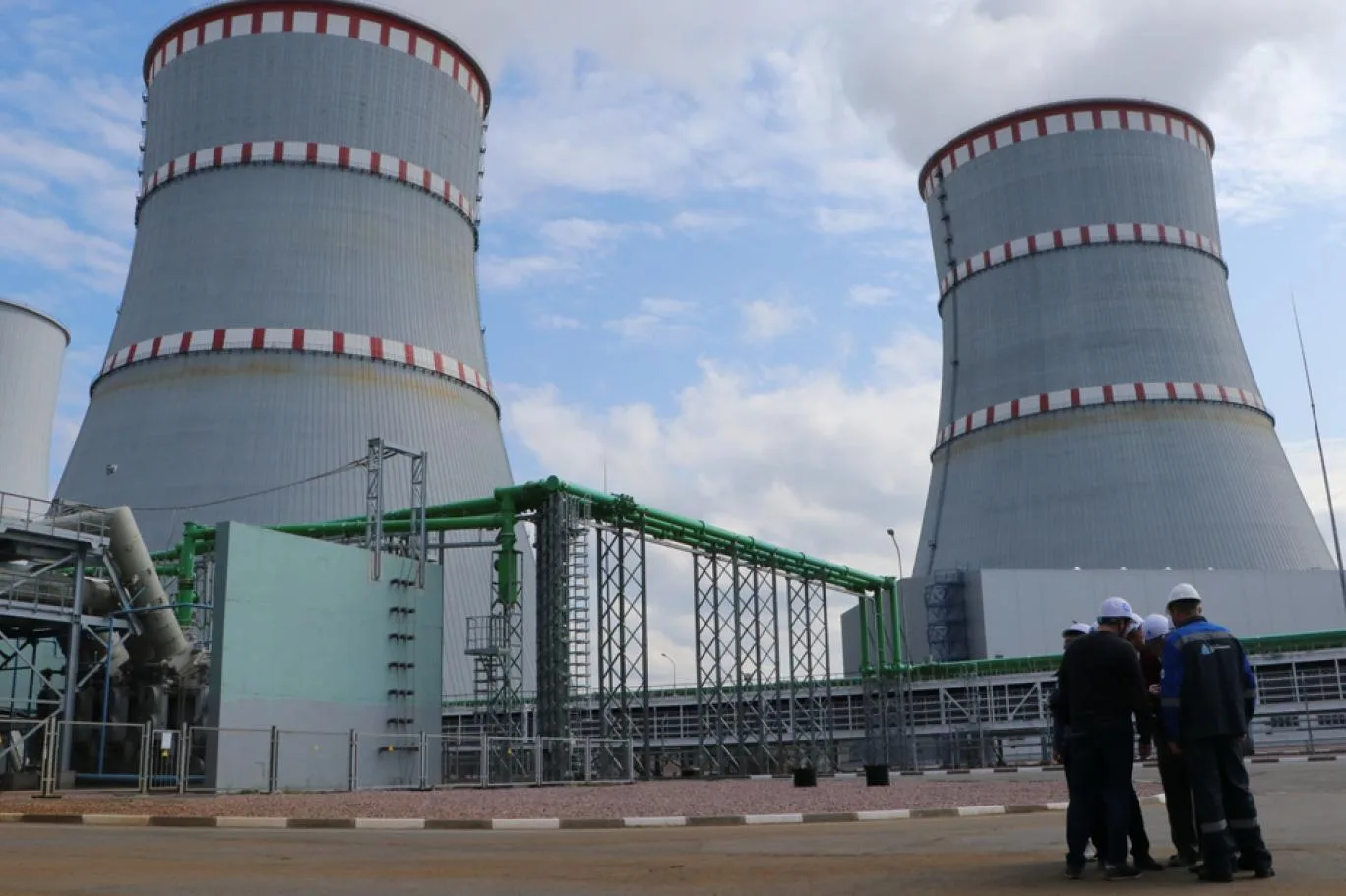
As the first unit of the Akkuyu Nuclear Power Plant nears operation, Turkey’s energy ambitions are clearly not confined to conventional large-scale reactors. Instead, Ankara is setting its sights on a more flexible and forward-looking path: small modular reactors (SMRs).

Alongside its massive nuclear ventures, Turkey is seriously considering this standardized technology as a strategic tool to accelerate energy self-sufficiency, bolster electricity security, and reduce its dependence on imported fuel.

This shift also paves the way for a fundamental reshaping of Turkey’s industrial and geopolitical energy landscape empowering local industries and cementing the country’s role as a key player in regional and global energy dynamics.

Why Now?

For decades, Turkey has faced a structural energy dilemma: a heavy reliance on imports to meet the bulk of its needs. In 2022, the country imported nearly all its natural gas, 91% of its oil products, and 77% of its coal much of it from Russia.

This deep dependency has left Turkish energy security exposed to global price swings and geopolitical turbulence, as seen during the Ukraine war and the recent spikes in gas prices.

Meanwhile, energy demand in Turkey is rising sharply, driven by both economic and demographic growth. At the same time, some domestic sources chiefly hydropower have reached their natural limits. Despite a rapid expansion in renewables like solar and wind, these sources alone cannot provide the stable, around-the-clock electricity needed to power Turkey’s vast industrial base.

In response, Ankara has made nuclear energy central to its long-term energy strategy. It aims to increase installed nuclear capacity to 20 gigawatts by 2050, as part of its broader vision to achieve carbon neutrality by 2053. In this context, the Akkuyu plant built in partnership with Russia is underway, with additional large-scale nuclear projects planned in Sinop and Thrace.

However, the most notable shift in this phase is Turkey’s growing focus on small modular reactors. These next-generation technologies promise to overcome many of the limitations historically associated with large-scale nuclear power offering enhanced energy security, improved economic viability, and greater technological autonomy.

Enhancing Energy Security and Reducing Import Dependence

SMRs are emerging as a practical solution to support Turkey’s goals of energy security and reducing import costs. Unlike traditional reactors, SMRs come with a unique set of advantages.

Chief among them is the lower upfront investment. SMRs require significantly less capital than conventional plants, allowing for phased construction and easier financing. This flexible model enables Turkey to gradually expand capacity based on actual demand and available funding without placing undue strain on public finances.

SMRs also offer greater geographical and operational flexibility. Their compact design and simpler safety protocols mean they can be installed closer to demand centers, such as industrial zones or urban areas, reducing the need for large-scale transmission infrastructure.

This flexibility also allows SMRs to supply power to remote or off-grid regions that have traditionally relied on imported fuels like diesel. In addition, they can be tailored to the specific energy needs of different regions.

Another key benefit is the shorter construction and deployment time. SMRs are modular and can be pre-fabricated in factories, speeding up deployment and enabling faster integration into the grid. This can be crucial during energy crunches or emergencies when quick solutions are needed.

Operationally, SMRs provide stable, low-carbon baseload electricity around the clock. As a result, Turkey can reduce its reliance on imported natural gas, whose price and availability are often at the mercy of international developments. The larger the share of domestic nuclear energy in Turkey’s energy mix, the smaller the role fossil fuel imports will play.

The Akkuyu plant alone is expected to cover around 10% of Turkey’s electricity demand once fully operational. Adding a future SMR fleet with a total capacity of up to 5 gigawatts could significantly raise that figure.

To support this direction, the Turkish government is also working on the legal and institutional frameworks needed for SMR deployment. Energy and Natural Resources Minister Alparslan Bayraktar recently announced that a new draft law is in preparation, aimed at regulating and promoting SMRs with incentives similar to those offered for solar and wind projects.

The legislation is designed to attract private sector investment and facilitate international partnerships, offering a more flexible structure than the large, state-backed nuclear model represented by Akkuyu.

“We are formulating an incentive model to encourage private sector leadership in deploying SMRs similar to what we achieved in expanding wind and solar capacity,” said Bayraktar, underlining Ankara’s commitment to this emerging technology as a pathway to market-based energy security.

Economic Gains

SMRs are not just about filling energy gaps or enhancing supply security they also play a strategic role in transforming Turkey’s industrial and technological landscape.

President Recep Tayyip Erdoğan underlined this ambition in March when he announced plans to establish a “nuclear technopark” and develop homegrown SMRs as a leap forward in Turkey’s nuclear program.

This strategy means a significant portion of SMR components from engineering to software would be developed domestically, strengthening Turkey’s technological sovereignty and laying the foundation for a high-value industrial sector.

The idea is already drawing interest from major Turkish industrial players. Baykar, the defense firm known for its pioneering drone technology, has launched a project to develop a 40-megawatt SMR enough to power more than 100,000 homes.

According to Minister Bayraktar, this initiative represents a technological seed for Turkey’s broader SMR strategy, which envisions a total capacity of up to 5 gigawatts. This would require building a domestic supply chain spanning engineering, manufacturing, mining, and nuclear fuel production.

Turkish officials believe that localizing a significant portion of SMR components and systems would generate high-skilled jobs, stimulate industrial growth, and position Turkey as a competitive exporter in the global nuclear technology market.

Moreover, SMRs can directly support Turkey’s existing industries by providing stable electricity and clean heat. Heavy industries like steel, cement, and petrochemicals require reliable, high-density energy for their operations something SMRs can provide on-site, with low-carbon emissions.

This model offers dual benefits: reducing energy costs for manufacturers and helping them cut emissions in line with global environmental standards. With the EU’s Carbon Border Adjustment Mechanism set to take effect soon posing a major challenge for Turkish exporters clean energy production is becoming a prerequisite for maintaining market access.

In this way, SMRs not only reduce Turkey’s energy import bill but also boost its industrial independence and strengthen its competitiveness in a world rapidly transitioning to a low-carbon economy.

Strategic and Geopolitical Implications

Turkey’s pivot toward SMRs is not just a technical or economic decision it carries significant geopolitical weight.

Every step away from imported energy sources expands Ankara’s room to maneuver in foreign policy. For years, Turkey has had to balance its diplomatic relationships with key oil and gas suppliers to ensure uninterrupted flows. As nuclear energy both conventional and modular becomes a larger part of the energy mix, that dependency starts to wane.

At the same time, SMRs offer Turkey the chance to diversify its international nuclear partnerships. After a largely exclusive reliance on Russia for Akkuyu, Ankara is now engaging with new partners in the West and Asia signing cooperation deals with the United States and South Korea on SMR technologies, and entering preliminary talks with Canada.

More broadly, the strategic choice between large-scale reactors and SMRs could shape Turkey’s role in the 21st century energy landscape. The traditional route, championed by Russian and Chinese proposals for new plants in Sinop and Thrace, could help meet local demand but would keep Turkey dependent on foreign financing and technology.

In contrast, the SMR model supported by the US and its allies promotes a more flexible and integrated path, rooted in domestic industrial development and technological self-reliance. It doesn’t just expand power generation capacity it lays the groundwork for a transformation in Turkey’s industrial base, climate strategy, and strategic autonomy.

Turkey is betting on small modular reactors to reshape its energy future and reduce its historic dependence on foreign suppliers. If this bet pays off, the country could transition from a net energy importer to a self-reliant producer contributing clean, stable power both at home and across the region.

Download this article as PDF
Share this Article
Facebook Twitter Whatsapp Whatsapp Telegram Email Copy Link
زياد ابحيص
By زياد ابحيص
Follow:
Previous Article نون بوست Drums of War: Could Miscalculation Ignite an Iran–Israel Conflict?
Next Article نون بوست From Oil to Water: Sudan Between Legitimizing Intervention and the Partition of Influence

Read More

  • U.S. Regime‑Change Policies: Why They Are Destined to Fail U.S. Regime‑Change Policies: Why They Are Destined to Fail
  • The Gulf’s Balancing Act: Iran, Israel, and Hidden Links
  • Iraq–Turkey Oil Export Treaty: Why Did Ankara Cancel It After 52 Years?
  • Syria’s Northeast on Edge: QSD Between Ankara and Damascus
  • Has Europe Changed Its Stance on Israel… or Just Its Language?
part of the design
NoonPost Weekly Newsletter

You May Also Like

U.S. Regime‑Change Policies: Why They Are Destined to Fail

U.S. Regime‑Change Policies: Why They Are Destined to Fail

إسراء سيد Esraa sayed 8 April ,2026
The Gulf’s Balancing Act: Iran, Israel, and Hidden Links

The Gulf’s Balancing Act: Iran, Israel, and Hidden Links

فريق التحرير Noon Post 8 April ,2026
Iraq–Turkey Oil Export Treaty: Why Did Ankara Cancel It After 52 Years?

Iraq–Turkey Oil Export Treaty: Why Did Ankara Cancel It After 52 Years?

فريق التحرير Noon Post 8 April ,2026

الإجهاض غير المقنن: أخطر ما قد تواجهه النساء

فريق التحرير
Noon Post Published 12 August ,2015
Share
abortion-rally-1970s

خرج الإجهاض للنور من بريطانيا منذ عام 1967، وهو كما يُعرّفه الجميع “نهاية مبكرة للحمل”، يحدث في بعض الأحيان تلقائيًا ويُسمى بالإجهاض الفجائي، وأحيانًا أخرى ترغب المرأة في التخلص من الجنين مبكرًا لأسباب عدة؛ منها تحديد النسل، أو الرغبة في الحمل في وقت لاحق، أو لأسباب مرضية تعرض حياة الأم أو الجنين للخطر، والتي تحتاج لتدخل جراحي لعملية الإجهاض، إلا أن الموضوع لم يقتصر على الأخطار الطبية فحسب، أصبح للإجهاض طرق غير شرعية وسرية تحدث في جميع أنحاء العالم؛ نتيجة للحمل غير المقصود بين المراهقات وحالات الاغتصاب وغيرها، مما جعل الإجهاض السري من أقسى التجارب التي يعيشها العالم، على كل من الأطباء، الممرضين، المرأة، ومجتمعها كذلك.

تقول “ماري هازارد”، الممرضة البريطانية التي أفنت ستين عامًا من عمرها في خدمة التمريض، في حوارها مع صحيفة “الـتليجراف” Telegraph، “إن الوضع بالنسبة للتمريض لم يكن مزدهرًا للغاية في الخمسينات والستينات من القرن الماضي، على الرغم من حبي وإفناء عمرى في التمريض إلا أنني لا أستطيع أن أنسى ذكريات حالات الإجهاض أو القتل الرحيم”.

نون بوست

تقول “ما تعلمته خلال رحلتي مع التمريض ألا أدع المريض يموت وحيدًا، المريض لم يأتِ لهذه الدنيا وحيدًا لذلك لا يجب أن يتركها وحيدًا”، وتكمل “أما في حالات الإجهاض فالوضع يختلف تمامًا، لقد اعتدت في حالات الولادة أن أمسك المولود وأساعده لكي يتنفس بالضرب على ظهره، ولكن في عمليات الإجهاض كان علي أن أمسكه بين يدي وأسمع محاولته للتنفس دون مساعدته، فلقد كانت الأوامر أن نتركه وحيدًا على الفراش ونغلق الباب لندعه يموت في هدوء”.

ماذا عن الإجهاض في العالم الآن؟

نون بوست

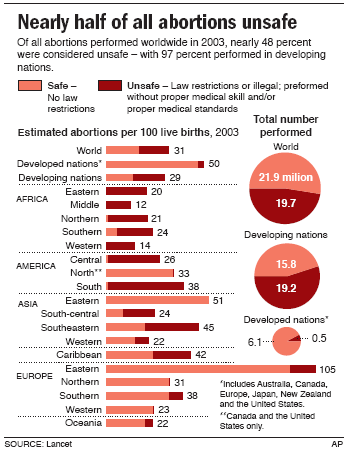
تُقدّر عدد حالات الإجهاض عالميًا بـ42 مليون حالة سنويًا، وما يقرب من 115.000 حالة يوميًا، تقع 83% منها في الدول النامية و17% في الدول المتقدمة، يحتل الاغتصاب نسبة ضئيلة من أسباب حدوث الإجهاض حول العالم، حيث تقع النسبة الكبرى لأسباب اجتماعية تعود إلى أن الطفل غير مرغوب في مجيئه، أو إلى تقاليد وعادات مجتمعية.

ما هو الإجهاض غير الآمن؟

الإجهاض غير الآمن هو إنهاء الحمل إما على يد أشخاص يفتقرون إلى المهارات اللازمة، وإما في وسط لا يمتثل للمعايير الطبية، وتختلف اعتبارات الأمان في توفير خدمات الإجهاض من حيث الأشخاص المعنيين بممارسة الإجهاض والمهارات والمعايير الطبية لممارسة الإجهاض في حالة الإجهاض الطبي (المنفذ عن طريق الأدوية فقط)، وحالة الإجهاض الجراحي (المنفذ بواسطة شفاطة يدوية أو كهربائية)، كما تختلف المهارات والمعايير الطبية اللازمة لممارسة الإجهاض الآمن؛ حسب مدة الحمل والتطورات العلمية والتقنية الطارئة.

وغالبًا ما تلجأ المرأة، ولا سيما المراهقة التي لا ترغب في حملها، إلى الإجهاض غير الآمن عندما تعجز عن الحصول على خدمات الإجهاض الآمن، حيث تشير التقديرات من منظمة الصحة العالمية إلى حدوث حوالي 22 مليون حالة إجهاض غير آمن في العالم كل سنة، معظمها في البلدان النامية، وتمثل حالات الوفاة بسبب الإجهاض غير الآمن13 % من جميع حالات وفاة الأمهات، وتتأثر أفريقيا تأثرًا غير متناسب بذلك؛ إذ يسجَّل فيها زهاء ثلثي جميع حالات الوفاة المرتبطة بالإجهاض، وهناك ما يناهز 5 ملايين امرأة تدخل المستشفى كل سنة نتيجة للإجهاض غير الآمن، ولا تحصل أكثر من 3 ملايين امرأة تعاني من مضاعفات تلي الإجهاض غير الآمن على خدمات الرعاية.

نون بوست

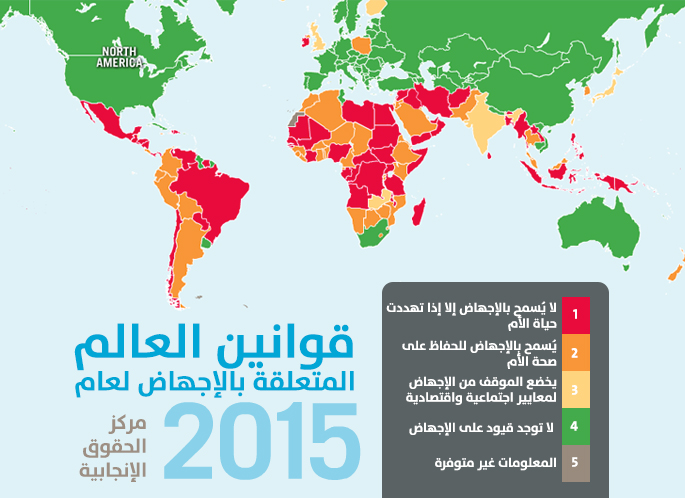
قوانين العالم بالنسبة للإجهاض في عام 2015 تشير إلى تحريم معظم الدول العربية عملية الإجهاض إلا في حالات خاصة، والتي يكون فيها تهديد طبي على حياة الأم أو الجنين، حيث يحتوى قانون بعض الدول العربية على مواد تقوم بتجريم الإجهاض وعقوبة كل من الطبيب أو المرأة التي طلبت العملية، كما تمنع بعض الدول كالجزائر وبعض الدول اللاتينية الإجهاض لأسباب صحية، أما بالنسبة لجنوب أفريقيا ومعظم الدول الأوروبية والولايات المتحدة فليس لديها أي قيود على الإجهاض، إلا أن بعضها يمنعه بعد الأسبوع العشرين من الحمل.

تشير تقارير منظمة الصحة العالمية أن نسبة الوفاة نتيجة الإجهاض غير الآمن على الصعيد العالمي تصل إلى 13%، وفي البلدان المتقدمة، يُقدر أن 30 امرأة تلقى حتفها من كل 100.000 حالة، ويرتفع هذا العدد إلى 220 حالة وفاة من كل 100.000 حالة في البلدان النامية، وإلى 520 حالة وفاة في أفريقيا جنوب الصحراء الكبرى، وتسجَّل معدلات غير متناسبة للوفيات بسبب الإجهاض غير الآمن في صفوف النساء في أفريقيا، إذ تبلغ نسبة القارة من جميع حالات الإجهاض غير الآمن 29%.

الإجهاض السري في المغرب كشربة الماء

تعود قضية الإجهاض السري من جديد لتتصدر قوائم طاولة البحث في الشأن المغربي نتيجة لزيادة نسبة ظاهرة الإجهاض السري في المجتمع المغربي وزيادة المطالبة بحلها وتقنينها، وتُشير إحصائيات الجمعية المغربية لمحاربة الإجهاض السري، إلى حدوث ما بين 600 – 1000 حالة إجهاض سرية يوميًا في المغرب، ما يؤدي إلى تداعيات صحية واجتماعية وأسرية خطيرة.

يعود انتشار ظاهرة الإجهاض السري إلى ما يكون للحمل غير المرغوب فيه من عواقب اجتماعية خطيرة، تتجلى في إمكانية اللجوء إلى الانتحار أو جرائم الشرف أو طرد الفتاة من البيت العائلي، مع جميع العواقب المترتبة عن تواجدها في الشارع بدون مأوى، أو استكمال الحمل مع التخلص من الرضيع بتركه في مستشفى الولادة أو بطرق غير قانونية.

كما أن الخوف من أي متابعة قضائية، قد تتراوح بين سنة وخمس سنوات، لمن تقوم بعملية الإجهاض في المغرب يشكل فارقًا أساسيًا في تلك الظاهرة، فتلجأ العديد من الفتيات والنساء إلى الإجهاض السري الذي يتم في ظروف محفوفة بالمخاطر وباستعمال وسائل بدائية، وأدوات حادة غير معقمة، أو أعشاب سامة، أو أدوية خطيرة، ما ينتج عنه مضاعفات صحية قد تؤدي إلى الوفاة.

تبقى المجهضة الحلقة الأضعف في ظل تباين مواقف المهتمين بهذا الموضوع، بين الدعوة إلى تعديل القانون الجنائي بما يجعله خاليًا من العقوبات السالبة للحرية بالنسبة لعملية الإجهاض التي يقوم بها علانية طبيب أو جراح ، والإجهاض خلال الأسابيع الستة الأولى من الحمل إذا ترتب عن اغتصاب أو زنا المحارم، وجعل الإجهاض جائزًا خلال 120 يومًا الأولى من الحمل بناء على طلب من الوالدين، إذا ثبت بواسطة الفحوصات الطبية والوسائل الآلية أو المختبرية أن الجنين مصاب بأمراض جينية غير قابلة للعلاج أو مصاب بتشوهات خطيرة لا يمكن معالجتها.

مع تصاعد أزمة الإجهاض السري تدخل الملك فقام بتكليف المسؤولين من أجل صياغة نص قانوني مستمد من الشريعة، مع أخذ واقع المغرب في الاعتبار.

عمليات “تحت بير السلم” في مصر

في قانون الجنايات المصري، تنص المادة 261 على أن كل من أسقط عمدًا امرأة حامل بضرب أو نحوه من أنواع الإيذاء يعاقب بالسجن المشدد، والمادة 262 من القانون نفسه تقول إن المرأة التي رضيت بتعاطي الأدوية مع علمها بها، أو رضيت باستعمال الوسائل السالف ذكرها، أو مكنت غيرها من استعمال تلك الوسائل لها، وتسبب الإسقاط عن ذلك حقيقة، تعاقب بالعقوبة السابق ذكرها.

عمليات تحت بير السلم هى مصطلح يُطلقه المصريون على العيادات التي لا يتوافر بها الحد الأدنى من المواصفات الطبية، حيث يكون مكانها سري لا تعلمه المرأة إلا قبل العملية بساعات خوفًا من معرفة الشرطة بمكانهم، كما تكون غرفة عادية غير مجهزة بالأدوات المعقمة أو أنابيب الأكسجين أو أي إسعافات أولية تنقذ المرأة في حالة تعرضها لنزيف.

تروي العديد من الحالات التي قامت بعملية الإجهاض في تلك العيادات عن تعرضها للإهانات من قِبل الطبيب والممرضات، وكذلك احتيال الطبيب عليها؛ إذ أحيانًا تكتشف المجهضة أن من قام بالعملية ليس له علاقة بالطب، وكذلك النصب في زيادة المبلغ المتفق عليه لإجراء العملية إذا رفضت المجهضة إعطاءهم صورة من عقد الزواج العرفي أو أي معلومات عن والد الجنين.

المجلس الدولي للسكان أعد دراسة بالتعاون مع الجمعية المصرية لرعاية الخصوبة وصل من خلالها إلى أن معدل الإجهاض في مصر يقترب من 14.8% لكل 100 مولود، من ضمنها الإجهاض المتعمد بهدف إسقاط الجنين في مراحل نموه الأولى، كما أن الموسوعة الطبية الحديثة أوضحت في أحدث دراساتها عن الإجهاض غير الآمن أن هناك 46 مليون حالة اجهاض يتم إجراؤها كل عام في العالم، منها 20 مليون حالة إجهاض غير آمن، وطبقا للدراسة ذاتها فهناك 68 ألف امرأة تموت كل عام نتيجة مضاعفات الإجهاض، 95% من هذه الحالات تقع في دول العالم الثالث منها، بينها مصر.

TAGGED: اغتصاب النساء ، الإجهاض في المغرب ، المرأة العربية ، النساء في العالم ، حقوق المرأة
TAGGED: المجتمع
Download this article as PDF
Share this Article
Facebook Twitter Whatsapp Whatsapp Telegram Email Copy Link
فريق التحرير
By فريق التحرير تقارير يعدها فريق تحرير نون بوست.
Follow:
Next Article نون بوست The Stigma of “ISIS”: A Heavy Legacy Haunting Women and Children of Former Members

Read More

  • U.S. Regime‑Change Policies: Why They Are Destined to Fail U.S. Regime‑Change Policies: Why They Are Destined to Fail
  • The Gulf’s Balancing Act: Iran, Israel, and Hidden Links
  • Iraq–Turkey Oil Export Treaty: Why Did Ankara Cancel It After 52 Years?
  • Syria’s Northeast on Edge: QSD Between Ankara and Damascus
  • Has Europe Changed Its Stance on Israel… or Just Its Language?
part of the design
NoonPost Weekly Newsletter
dark

An independent media platform founded in 2013, rooted in slow journalism, producing in-depth reports, analysis, and multimedia content to offer deeper perspectives on the news, led by a diverse young team from several Arab countries.

  • Politics
  • Society
  • Rights & Liberties
  • Opinions
  • History
  • Sports
  • Education
  • Technology
  • Economy
  • Media
  • Arts & Literature
  • Entrepreneurship
  • Travel
  • Cinema & Drama
  • Food
  • Health
  • Culture
  • Latest Reports
  • Files
  • Long Reads
  • Interviews
  • Podcast
  • Interactive
  • Encyclopedia
  • In Pictures
  • About Us
  • Our Writers
  • Write for Us
  • Editorial Policy
  • Advanced Search
Some rights reserved under a Creative Commons license

Removed from favorites

Undo
Go to mobile version