NoonPost NoonPost

NoonPost

  • Home
  • Politics
  • Economy
  • Society
  • Culture
  • Files
  • Long Reads
  • Podcast
AR
Notification Show More
نون بوست
“There Are Nights I Can’t Close My Eyes”: How Gazans Are Living in Homes on the Brink of Collapse
نون بوست
From al-Jolani to Ahmad al-Shara: The Evolution of Syria’s New Leader
نون بوست
When Political Islam Receded in Egypt: Who Filled the Void?
نون بوست
An Extension of Genocide: Gaza’s Detainees Speak Out
نون بوست
A Tightrope Between Survival and Sovereignty: The Syrian Government Faces Normalization Pressures
نون بوست
American Aircraft Carriers: Has the Era of “100,000 Tons of Diplomacy” Ended?
نون بوست
U.S. Regime‑Change Policies: Why They Are Destined to Fail
نون بوست
Transformations of Israeli Judaism: Between the Victim Complex and the Colonizer’s Doctrine
نون بوست
The Gulf’s Balancing Act: Iran, Israel, and Hidden Links
نون بوست
Iraq–Turkey Oil Export Treaty: Why Did Ankara Cancel It After 52 Years?
نون بوست
Syria’s Northeast on Edge: QSD Between Ankara and Damascus
نون بوست
Has Europe Changed Its Stance on Israel… or Just Its Language?
NoonPost NoonPost
AR
Notification Show More
نون بوست
“There Are Nights I Can’t Close My Eyes”: How Gazans Are Living in Homes on the Brink of Collapse
نون بوست
From al-Jolani to Ahmad al-Shara: The Evolution of Syria’s New Leader
نون بوست
When Political Islam Receded in Egypt: Who Filled the Void?
نون بوست
An Extension of Genocide: Gaza’s Detainees Speak Out
نون بوست
A Tightrope Between Survival and Sovereignty: The Syrian Government Faces Normalization Pressures
نون بوست
American Aircraft Carriers: Has the Era of “100,000 Tons of Diplomacy” Ended?
نون بوست
U.S. Regime‑Change Policies: Why They Are Destined to Fail
نون بوست
Transformations of Israeli Judaism: Between the Victim Complex and the Colonizer’s Doctrine
نون بوست
The Gulf’s Balancing Act: Iran, Israel, and Hidden Links
نون بوست
Iraq–Turkey Oil Export Treaty: Why Did Ankara Cancel It After 52 Years?
نون بوست
Syria’s Northeast on Edge: QSD Between Ankara and Damascus
نون بوست
Has Europe Changed Its Stance on Israel… or Just Its Language?
Follow US

Facing Extinction: How War Has Transformed the Lives of Palestinian Christians

فريق التحرير
Noon Post Published 26 March ,2026
Share
نون بوست
نون بوست

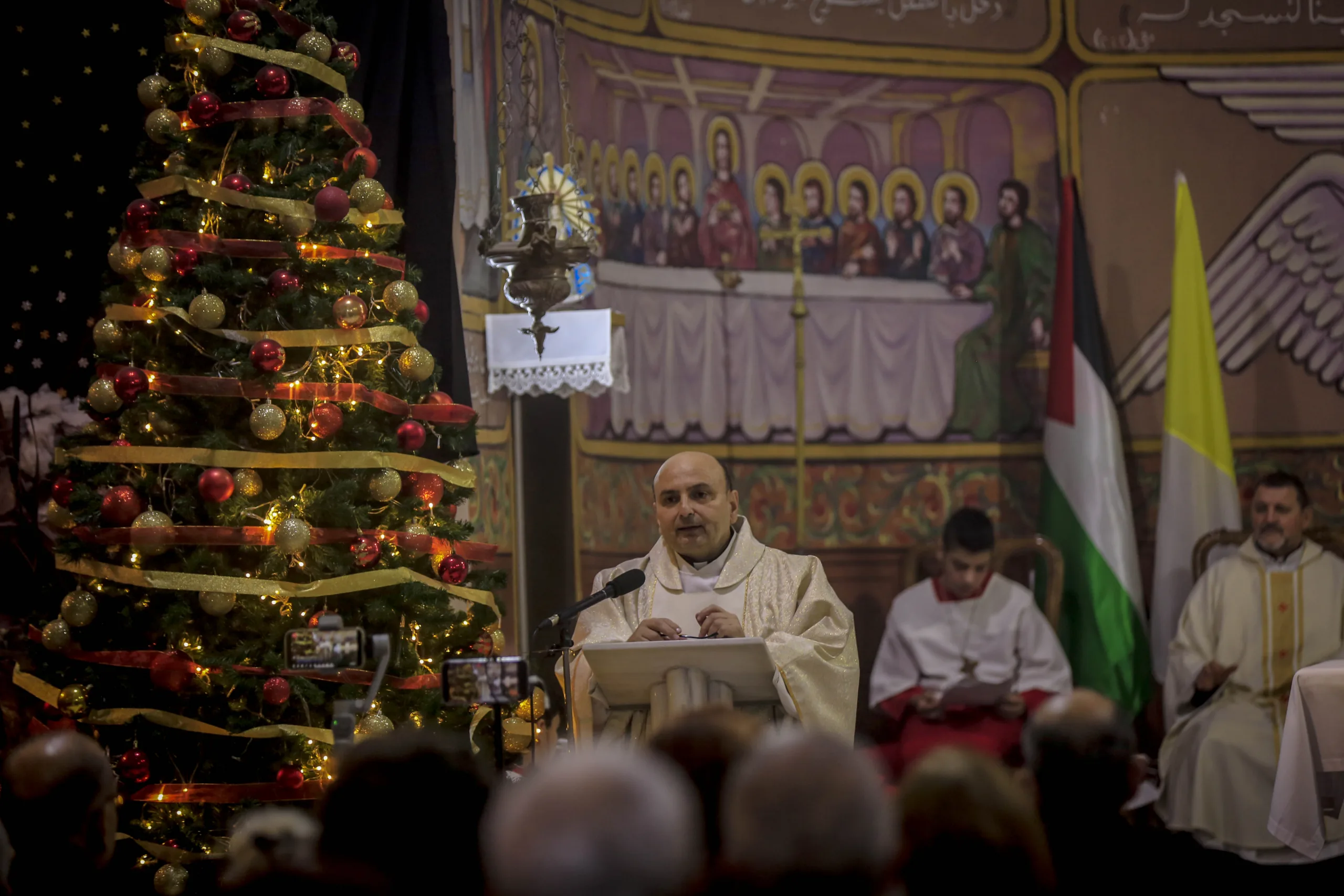
Two years after Israel’s latest assault, Gaza’s Christian community is marking Christmas in somber silence absent the relentless sound of bombardment, yet under the shadow of a fragile ceasefire that has held for over two months.

Across the West Bank in Bethlehem, Christmas lights once again illuminate Manger Square outside the Church of the Nativity, after two years of forced darkness in solidarity with Gaza.

But what are the Christmas celebrations like this year? What is the reality for Palestinian Christians today and what is the state of their churches, amid war in Gaza and escalating restrictions and violence in the West Bank?

Cautious Joy Returns

In Gaza, the Holy Family Church—the only Catholic church in the Strip—has been modestly adorned with a simple Christmas tree and dim lights, despite damage sustained during the war.

Throughout the conflict, the church became a shelter for hundreds of displaced people, and it now stands as a symbol of the Christian community’s resilience. Around 400 people remain housed in its buildings after losing their homes.

Pierbattista Pizzaballa, the Latin Patriarch of Jerusalem, led his first Mass in Gaza since the ceasefire, held in the same church. He called it the beginning of a new chapter, even as living conditions remain catastrophic.

In Bethlehem, marching scout bands filled the streets to mark the return of Christmas celebrations two years after the Israeli assault on Gaza had extinguished festive spirit in the birthplace of Jesus, according to Christian tradition.

Drums and bagpipes echoed with familiar carols as worshippers gathered in Manger Square.

Bethlehem, a historic city in the southern West Bank, holds profound religious significance due to the Church of the Nativity, built over the cave where Mary is believed to have given birth to Jesus.

Life for Christians and Churches in Gaza

The war has taken a devastating toll on Gaza’s already small Christian community, both in lives lost and physical destruction.

A Shrinking Population

Before the war, Gaza’s Christian population was estimated at around 1,000. Today, only 500 to 600 remain.
Twenty-three Christians were killed directly in Israeli attacks, while others died from lack of food and medicine—bringing the total Christian death toll to 44.
Nearly half the Christian population fled during the war, many using rare openings at border crossings into Egypt.
Christians now make up just 0.05% of Gaza’s population of over 2 million.

Churches Under Fire

Gaza is home to three churches: St. Porphyrius, Holy Family (Latin Church), and the Baptist Church all of which have been targeted.

St. Porphyrius, an Orthodox church dating back to the 5th century, was hit by an Israeli strike, causing part of the structure to collapse and killing 20 civilians who had taken shelter there.

Holy Family Church sustained major damage. An airstrike on November 4, 2023, destroyed part of its affiliated school, and in July 2025, an Israeli tank shell struck its compound, killing three and injuring others.

The Baptist Church is tied to one of the war’s worst massacres. On October 17, 2023, an Israeli strike hit the courtyard of the hospital associated with the church, killing around 500 Palestinians many of them patients and displaced civilians.

The Israeli military also struck the Orthodox Cultural Center in Gaza City’s southern Rimal neighborhood.

Displacement and Travel Restrictions

Despite the ceasefire, most Christians remain displaced from their original neighborhoods. Estimates suggest 75% of their homes have been damaged or destroyed.

With their homes in ruins and Israeli forces still occupying parts of Gaza, many Christians are left living in church shelters or with relatives, awaiting reconstruction.

For the third consecutive year, Gaza’s Christians were barred from making their traditional Christmas pilgrimage to Bethlehem and Jerusalem. Before the war, they were occasionally granted special Israeli permits to attend midnight Mass at the Church of the Nativity or visit the Church of the Holy Sepulchre.

Christians in the West Bank: A Parallel Struggle

While the suffering differs in nature, West Bank Christians have also endured immense hardship particularly during the Gaza war, which coincided with a surge in settler violence and intensified Israeli restrictions.

Settler Attacks

Under the protection of Israeli forces, settlers exploited the war to launch widespread land grabs and terror campaigns. By August 2025, there had been over 1,000 settler attacks on Palestinians the highest ever recorded.

Even predominantly Christian towns were not spared. Taybeh, near Ramallah—the last all-Christian village in the West Bank suffered multiple violent attacks by settlers over the past year.

In July 2025, settlers set fire to the historic St. George’s Church at the edge of Taybeh, damaging the building, torching vehicles, and destroying property. These night-time raids prompted residents to begin self-patrolling to protect their families and places of worship.

Other Christian areas were also targeted. In Beit Sahour, east of Bethlehem, settlers established a new outpost on a historic hill in November. Attacks have also plagued the Armenian monastery and church cemetery in occupied Jerusalem.

Movement Restrictions

The escalation following the Gaza war led to unprecedented restrictions on Palestinian movement across the West Bank, affecting Christians as well.

In Bethlehem, roadblocks, concrete barriers, and iron gates have closed key access routes for months.
Some villages have become effectively sealed off behind electronic gates controlled by the Israeli military, severely limiting Christians’ ability to travel or worship.
Travel from towns like Beit Jala and Beit Sahour to Jerusalem now requires complex permits when they are even issued. At times, total closure is imposed.
Bethlehem and its surroundings have been choked by walls and checkpoints, cutting the city off from Jerusalem and stunting its urban development.

Over decades of occupation, Bethlehem has lost around 80% of its land to settlements and the separation wall, shrinking from 37 square kilometers to just 7 today.

Economic Decline

Christian towns in the West Bank have seen their tourism and pilgrimage industries collapse almost entirely during the war devastating incomes for both Muslims and Christians.

Bethlehem, where roughly 80% of residents rely on tourism, has been paralyzed since foreign pilgrims stopped arriving in late 2023.

The Bethlehem municipality described tourism as the city’s economic lifeline. Its absence has driven unemployment from 14% to 65% in just one year. Poverty has spiked, and hundreds of shops and hotels have shut down.

A local shop owner told Reuters, “The last two years were hell… The economy collapsed, and Israeli restrictions got worse in every way.”

The Quiet Exodus Gathers Pace

Palestinian Christians one of the oldest Christian communities in the world—have seen their numbers decline drastically due to war, displacement, and economic hardship.

Before the Nakba in 1948, Christians made up around 12.5% of the population in historic Palestine.
Today, they represent only about 1.2% of Palestinians in historic Palestine, and around 1% in the territories occupied since 1967.
In the West Bank, there are an estimated 45,000 to 50,000 Christians out of nearly 3 million residents about 1.5%.
Most live in Bethlehem (22,000–25,000), Ramallah (10,000), and East Jerusalem (8,000–10,000).
In Bethlehem, the Christian population has dropped from 85% in 1947 to around 10% today.
Due to worsening conditions, local officials estimate that 4,000 people left Bethlehem in the past year in search of work abroad.
In Gaza, the Christian population declined from about 3,000 in the early 2000s to 1,000 before the 2023 war and now stands at just a few hundred.

During the Gaza war and the rise in settler violence, the deputy mayor of Taybeh warned: “We are facing an existential assault… If we don’t receive urgent political and economic support, we will go extinct.”

Pastor Munther Isaac of the Evangelical Lutheran Church in Bethlehem and Beit Sahour echoed that warning, saying Christians in Gaza and the West Bank risk extinction due to Israeli war crimes and systematic restrictions.

Church leaders in Palestine argue that this steady exodus threatens the very existence of Christianity in its birthplace. Patriarchs and clergy have repeatedly warned that Palestine—the land of Christ—could lose its Christian population within decades if current trends continue.

In the end, the 2025 Christmas scene in Palestine between Gaza tending its wounds and Bethlehem rekindling its light underscores the unshakable resilience of Palestinian Christians and their determination to hold on to their land and their faith, even in a time when so many of the lights have gone out.

Download this article as PDF
Share this Article
Facebook Twitter Whatsapp Whatsapp Telegram Email Copy Link
فريق التحرير
By فريق التحرير تقارير يعدها فريق تحرير نون بوست.
Follow:
Previous Article نون بوست From Oil to Water: Sudan Between Legitimizing Intervention and the Partition of Influence
Next Article نون بوست A Return to Settlements Evacuated 20 Years Ago: What Does It Mean for the West Bank?

Read More

  • U.S. Regime‑Change Policies: Why They Are Destined to Fail U.S. Regime‑Change Policies: Why They Are Destined to Fail
  • The Gulf’s Balancing Act: Iran, Israel, and Hidden Links
  • Iraq–Turkey Oil Export Treaty: Why Did Ankara Cancel It After 52 Years?
  • Syria’s Northeast on Edge: QSD Between Ankara and Damascus
  • Has Europe Changed Its Stance on Israel… or Just Its Language?
part of the design
NoonPost Weekly Newsletter

You May Also Like

U.S. Regime‑Change Policies: Why They Are Destined to Fail

U.S. Regime‑Change Policies: Why They Are Destined to Fail

إسراء سيد Esraa sayed 8 April ,2026
The Gulf’s Balancing Act: Iran, Israel, and Hidden Links

The Gulf’s Balancing Act: Iran, Israel, and Hidden Links

فريق التحرير Noon Post 8 April ,2026
Iraq–Turkey Oil Export Treaty: Why Did Ankara Cancel It After 52 Years?

Iraq–Turkey Oil Export Treaty: Why Did Ankara Cancel It After 52 Years?

فريق التحرير Noon Post 8 April ,2026

كيف تطورت النسوية المصرية لتصمت بعد الانقلاب؟

فريق التحرير
Noon Post Published 14 August ,2015
Share
ss

تاريخ النّسوية في مصر

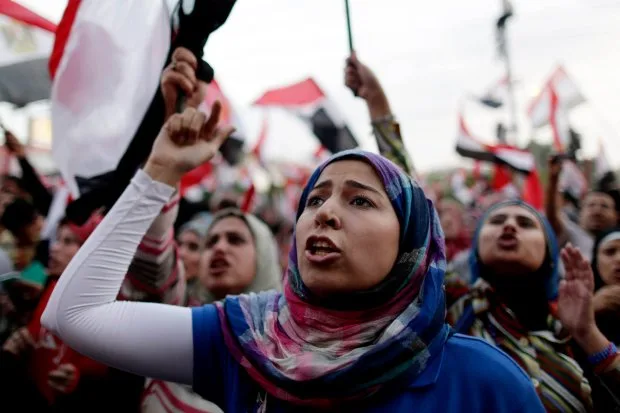
بدأ مصطلح النّسوية “Feminism” في أن يكون له وقع مألوف على الأذن في أوائل القرن العشرين في مصر على يد هدى شعراوي، إحدى أبرز النّسويات في التاريخ المصري الحديث، فقصتها في النضال من أجل تحرير المرأة بعد عودتها من روما هي من أول قصص ونظريات تحرر المرأة في مصر، نادت هدى شعراوي بخلع الحجاب مواكبةً للثقافة الغربية التي كانت تُهيمن على مصر في ذلك الوقت منذ أيام الاحتلال الإنجليزي، وإلى إنعاش دور المرأة المصرية في كل من مجال التعليم والعمل ومساواتها بالرجل بعد هضم حقها لحقبة كبيرة من الزمن.

ومع رحيل الاحتلال البريطاني ومرور مصر بالعديد من التغيرات السياسية بداية من ثورة الضباط الأحرار إلى وصول أنور السادات للحكم، ومع تطبيق سياسة الانفتاح الخارجي التي تبناها السادات، ظهرت حركة “الصحوة” الإسلامية في مصر، بما تحتويه من مختلف الجماعات الإسلامية من جماعة الإخوان المسلمين، حركة الإسلام السلفي، والجماعات الجهادية التي غاب وجودها تمامًا في فترة حُكم جمال عبد الناصر، وبدأت النّسوية الإسلامية في التعبير عن رأيها ومعتقداتها الفكرية بشكل أوضح وأكثر حرية من ذي قبل في الثمانينات من القرن الماضي.

نون بوست

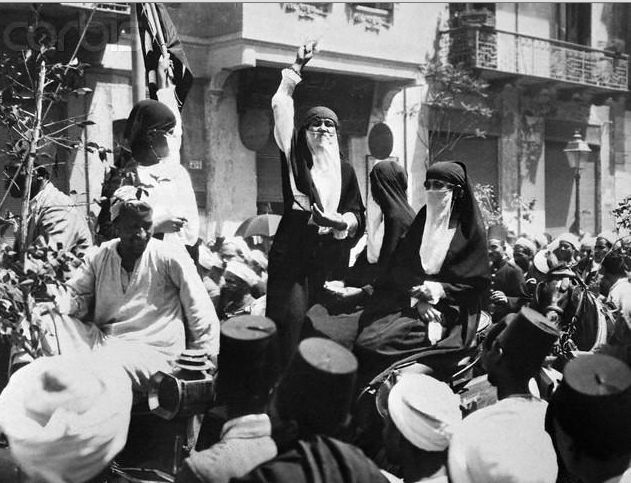
مظاهرات نّسوية ضد الحجاب في عام 1919

مصطلح الهوية المصرية كذبة يحبها الجميع

في التسعينيات من القرن الماضي لعب الإعلام المصري دورًا كبيرًا في حصر المرأة المصرية في هوية لا تُعبر عنها، وهي الهوية الليبرالية المتحررة المتمثلة في عائلة حسني مبارك الحاكمة وقتها وزوجته النصف إنجليزية سوزان مبارك، على الرغم من تنوّع المجتمع المصري الثقافي الذي يحتوي على أكثر من هوية يمكن التعبير بها عن المرأة المصرية من المرأة الريفية أو النوبية أو البدوية والصعيدية وصولًا إلى المرأة المدنية في القاهرة وغيرها من المحافظات المتطورة نسبيًا، إلا أن في التسعينات وبداية الألفينات من القرن الحالي قرر الإعلام المصري تهميش كل ما يتعلق بالتنوع الثقافي التي تتمتع به مصر ليحصرها في شكل المرأة المتحررة، مُتناسيًا ما تتمتع به المرأة المصرية على أرض الواقع بالفعل؛ ليكون كل ما هو عكس المرأة المتحررة غريبًا على المرأة المصرية، بما في ذلك الزي الإسلامي والذي يرتديه نسبة كبيرة جدًا من نساء المجتمع المصري، بالإضافة إلى هيمنة “النسويات” على أرجاء المجتمع المدني بأنشطتهن الاجتماعية التي قادت العديد منها سوزان مبارك فيما يتعلق بمشاريع القراءة أو صحة المرأة والطفل وغيرها من المجالات التي كانت ملكًا لما يُطلقون على أنفسهم “نسويات ليبراليات”.

نون بوست

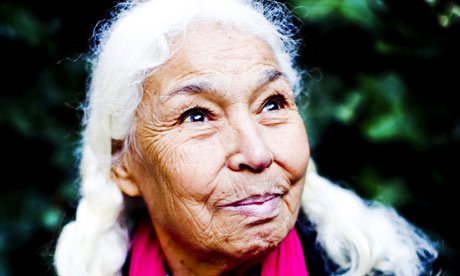
الكاتبة نوال السعداوي

الكاتبة نوال السعداوي هي من أبرز الناشطات النسويات المطالبة بحقوق المرأة في مصر، واجهت عقوبة السجن وتهديدات بالموت وسحب الجنسية المصرية منها في العديد من المرات خلال مسيرتها في المطالبة بالحرية للجميع وحملاتها المناهضة لختان المرأة في مصر.

تقول نوال السعداوي: تواجه النّسوية في العالم ردود فعل عنيفة بسبب صحوة الأديان، بالنسبة لي النّسوية هي العدالة الاجتماعية، العدالة السياسية، والعدالة الجنسية، أعتقد أنها الرابط بين الأدب والاقتصاد والسياسة والطب والتاريخ، إن لم تفهم أنها الرابط بينهم، فلن تفهم النسوية أبدًا”.

نون بوست

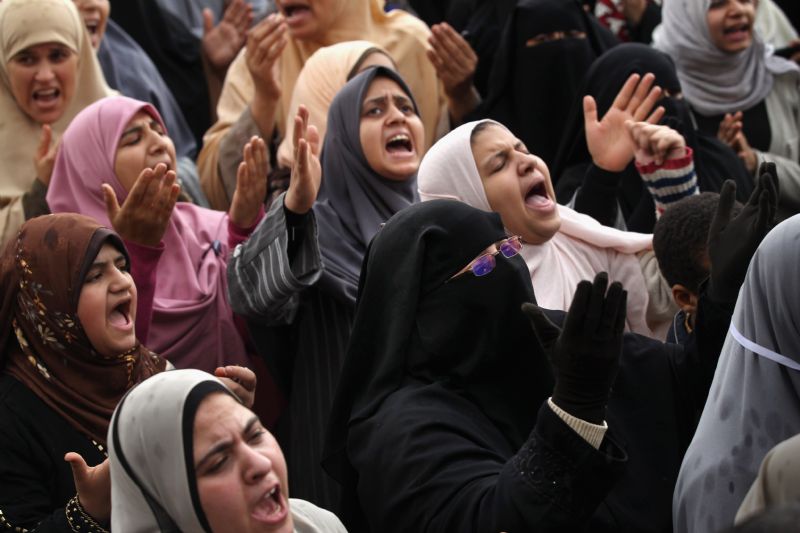
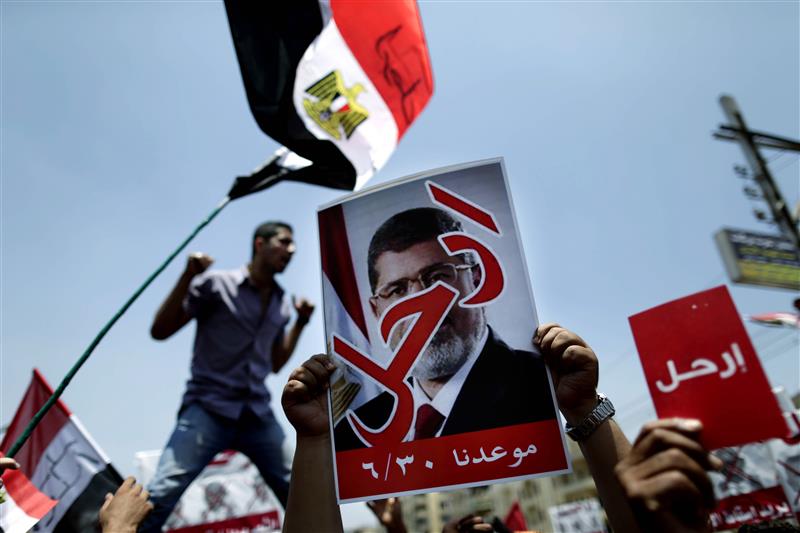
في عام 2012  وبعد نجاح محمد مرسي في أول انتخابات ديموقراطية عاشها الشعب المصري، عاد مصطلح “الصحوة الإسلامية” إلى الأذهان بالسلب في معظم الحالات، إذ كان يقترن بعودة مصر إلى العصور الوسطى، وأن من يحكم مصر الآن مجموعة من الهمج، كما عادت كذبة “الهوية المصرية” مجددًا، مُهاجمة زوجة الرئيس محمد مرسي في ذلك الوقت لارتدائها الزي الإسلامي، إذ عادت الإشاعات تلّف البلاد عن أن من يحكم مصر الآن هم جماعة ليسوا على نفس الدرجة من التحرر الفكري والثقافي كما كانت تتمتع مصر أيام حسني مبارك، حيث لعب الإعلام المصري مجددًا دورًا محوريًا في جعل جماعة الإخوان المسلمين وجماعة السلفيين متمثلة في حزب النور والجماعات الجهادية كيان واحد في ذهن المواطن المصري، فتم التركيز الشديد بل وأحيانًا المبالغة المفرطة في تصوير حقائق لا علاقة لها بالواقع وتصوير الإشاعات بأخبار مؤكدة تملأ المواطن المصري بمشاعر الكره لهذا الكيان، كما حدث في إشاعة تقليل سن الزواج في مصر أو فرض الحجاب في أماكن معينة أو تحليل بعض المحرمات.

كما كان هناك دورًا كبيرًا للـ “نّسويات التقليديات” في تحريك الشعب ضد الإخوان المسلمين بتصوير حياتهم أنها تحت التهديد في ظل حكم الإخوان المسلمين، إذ نشر البعض العديد من المقالات بعنوان “غُرباء في بلادنا”، وهاجم الكثير منهن عبارة الشريعة الإسلامية هي شريعة الدولة المصرية وأشاروا إلى أنها تجعل حياتهم مهددة طوال الوقت، إذ أنهم بدأوا يشعرون بالخوف من الإسلام نفسه “Islamophobia”.

نون بوست

بعد رحيل مرسي لا داعي لنا في المشاركة السياسية

بعد انقلاب 3 يوليو بقيادة الجيش المصري الذي أطاح بحكم الإخوان المسلمين في مصر، فقدت الحركة النّسوية رونقها، فتلك الطبقة من المجتمع ترى أنه بعد رحيل الإخوان لم يعد هناك تهديد على حياتهم، وبالتالي لا داعي للمشاركة السياسية لهم كما كانت من قبل، إلا أن النسويات دورهم لا ينحصر على المشاركة السياسية فهي تمتد إلى الدور الاجتماعي أيضًا والذي يغفله الكثير منهن في الوضع الحالي بالنسبة للمرأة في مصر.

وضع المرأة في مصر بعد الانقلاب

تُصنف مصر كأسوأ بلد عربي في التعامل مع المرأة؛ حيث يقدرعدد الإناث اللاتي تعرضن لعملية الختان إلى 27.2  مليون أنثى، كما ارتفعت نسبة التحرش الجنسي بالنساء من 93% إلى 99.3% مؤخرًا .

جرائم التحرش الجماعي وجرائم الاغتصاب الجماعي والاعتداءات الجنسية الجماعية في المناطق التي تشهد ازدحام وأجواء احتفالية مثل ميدان التحرير، حيث تم توثيق أكثر من 250 حالة وقعت بين نوفمبر 2012 ويناير 2014، بالإضافة إلى حالة الاغتصاب التي وقعت أثناء الاحتفالات بالرئيس المصري في 3 يونيو 2014 والتي تم إذاعتها على الهواء مباشرة من قِبل بعض قنوات التلفزيون أثناء نقل الاحتفالات.

نون بوست

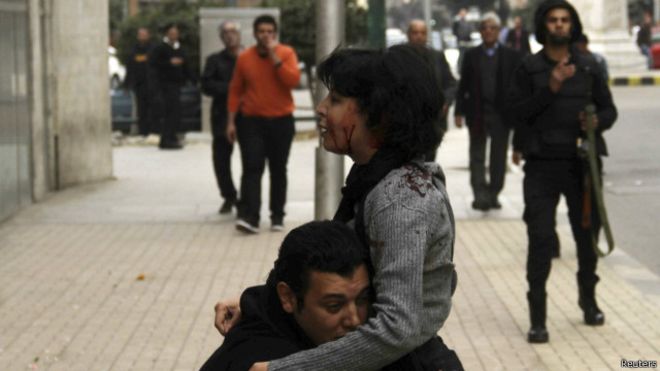
لم تسلم النساء من انتهاكات الشرطة المصرية في المسيرات والمظاهرات، ففي الذكرى الرابعة لثورة الخامس والعشرين من يناير، نظّم حزب التحالف الشعبي الاشتراكي مسيرة في يوم السبت الموافق 24 يناير 2015 انطلقت من مقر الحزب لتتوجه إلى ميدان التحرير في ذكرى ثورة 25 يناير، وفوجئ المشاركون في المسيرة – طبقًا لشهود عيان – بقيام قوات الأمن بتفريقها باستخدام قنابل الغاز وطلقات الخرطوش في محيط ميدان طلعت حرب، فأصابت إحدى الطلقات شيماء الصباغ وأردتها قتيلة، وتم الحكم بالبراءة على قاتل شيماء الصباغ، إذ قررت المحكمة أن سبب الوفاة كان نحافة شيماء مما جعل طلقات الخرطوش أن ترديها قتيلة.

إسراء الطويل

نون بوست

إسراء الطويل بعد إصابتها بطلق ناري فى يناير 2015

في 25 يناير 2014 أصاب إسراء طلق ناري في مظاهرة بميدان مصطفى محمود، سافرت على إثره للعلاج، ثم عادت، لتبقى فترة قعيدة، إسراء الطويل تعاني من ضمور شديد في عضلات الفخذ والساق، تم اختطاف إسراء الطويل قسرًا منذ شهرين وإيداعها سجن القناطر بتهمة الانضمام إلى جماعة إرهابية، لا تتلقى إسراء أي رعاية طبية داخل السجن؛ مما أدى إلى تدهور حالتها الصحية مع رفض الأطباء المستمر لدخول الأدوية اللازمة لها والأجهزة الطبية التي تساعدها على الحركة.

نساء سيناء يسترحمن السيسي

نون بوست

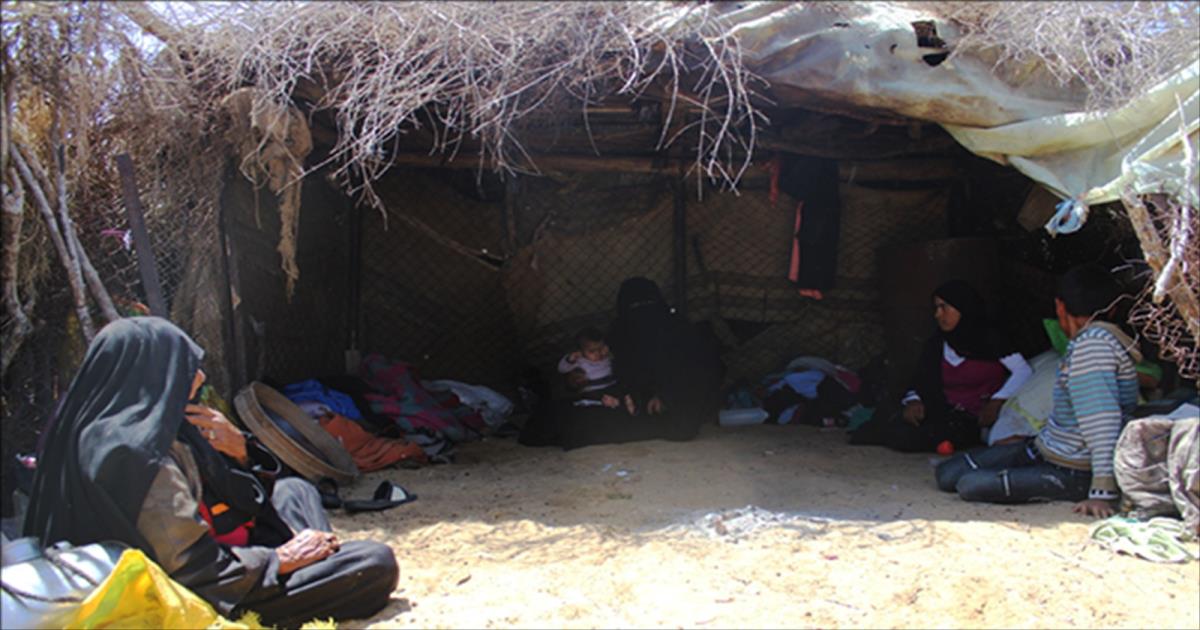
الإهانات مستمرة ضد نساء سيناء إثر الحملات العسكرية التي يقوم بها الجيش المصري لتطهير سيناء، حيث تشكو نساء عديدات في سيناء من “الإهانة” التي يتعرضن لها من قِبل الجنود حيث يتم معاقبتهم إذا لم يجد الجيش أي رجال في المنزل الذي يتم تفتيشه، حيث يتم التفتيش في ممتلكاتهم وبين ملابسهن الخاصة، وسحب هواتفهن المحمولة،  كما يتعرض البعض منهن للضرب على الوجه، ويتساءلن “إلى أين نذهب لنعيش؟”

الانتهاكات ضد المرأة في السجون المصرية

نون بوست

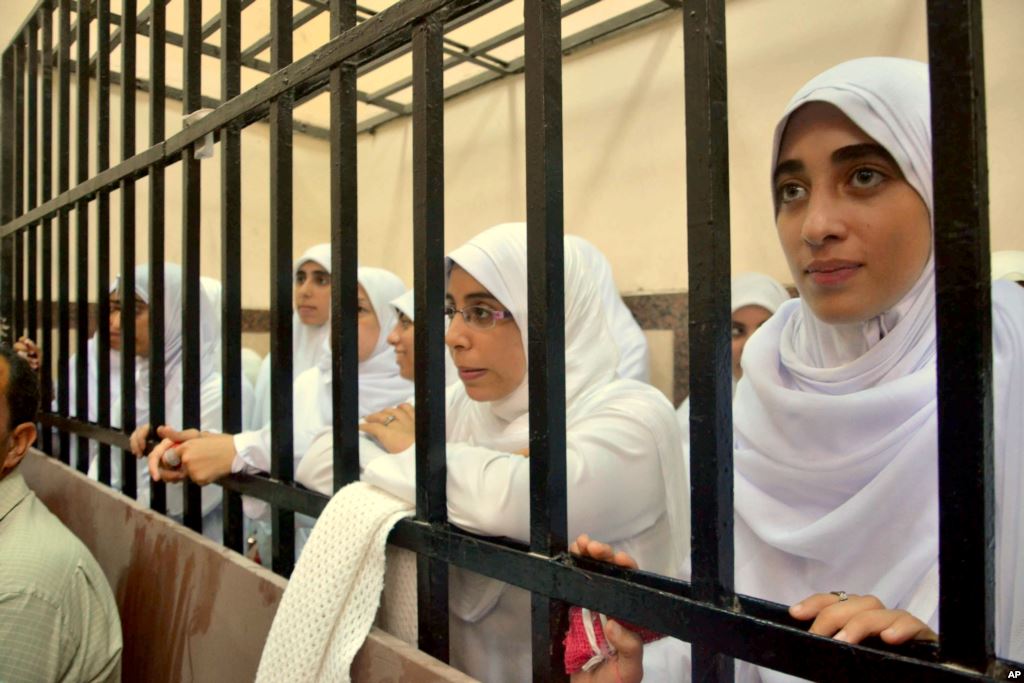
شهدت سجون الانقلاب عدد كبير من الاعتقالات السياسية للمرأة في سابقة في تاريخ مصر، حيث بلغ عدد الفتيات المعتقلات القُصّر 75  فتاةً داخل السجون المصرية، و522 فتاةً وسيدةً أكبر من 18 سنة، ليس هذا فحسب، بل تتعرض السجينات للإهانة الجسدية والجنسية داخل المعتقلات، ومنع من الزيارات ومنع دخول الطعام أو الأدوية الخاصة بهن إلى داخل السجن، وحبسهن في أماكن لا تليق بالاستخدام الآدمي، كما أن هناك عدد كبير منهن لا توجد عليهن تُهم حقيقة بأدلة كاملة.

الفحص المهبلي وفحص الشرج

يتم توقيع الفحص المهبلي من قِبل أطباء وطبيبات في مجال النساء والتوليد لأسباب مختلفة من بينها متابعة مسار الحمل لدى النساء، أو للكشف عن أمراض تناسلية معينة، وفي العادة تلجأ السجانات إلى توقيع الفحص – ليس لغرض طبي أو بطريقة طبية سليمة – بغرض الكشف عن أي مخدرات أو أسلحة قد تخفيها النساء بداخل فتحات المهبل أو الشرج، وذلك بدعوى الحفاظ على أمان باقي السجينات، طبقًا لشهادة إحدى معتقلات أحداث مسجد الفتح والتوحيد يوم 16 أغسطس 2013، يتم إجراء ذلك الفحص عن طريق استخدام كيس بلاستيكي واحد لجميع النساء، وهو إجراء خطير جدًا حيث يسهّل من تناقل الأمراض بين السجينات، ويتم تطبيقه كإجراء اعتيادي على جميع السجينات الوافدات، سواء كن متزوجات أم لا، ويمتنعون عن ممارستها فقط عند تدخل مأمور السجن.

كشوف العذرية؛ تم توقيع كشف العذرية على المدافعات عن حقوق الإنسان اللاتي تم اعتقالهن من قِبل قوات الجيش من ميدان التحرير يوم 9 مارس 2011، من قِبل أطباء وضباط بالجيش خلال فترة حكم المجلس الأعلى للقوات المسلحة، بهدف تحديد العذريات منهن بدعوى عدم قيامهن بالادعاء بأنه تم اغتصابهن من قِبل قوات الجيش، وتم توقيع الكشف في ظروف مخلة تمامًا بخصوصيتهن وحقهن في سلامتهن الجسدية.

هذا كله يشير إلى السلبية غير المبررة من قبل النّسويات، وعدم مدافعتهن عن حقوق المرأة الجسدية والاجتماعية وعدم كشفهن الانتهاكات الواضحة ضد المرأة المصرية والتي زادت معدلاتها بشكل جنوني منذ عام 2013، مما يدل على مدافعة النسويات في مصر عن حقوق المرأة الشكلية فقط سواء كان الزي زي إسلامي أم زي المرأة المتحررة، وسلبيتهن الواضحة ضد انتهاكات وجرائم بشعة تحدث في المجتمع المصري حتى وقتنا الحالي.

TAGGED: التحرش الجنسي ، المرأة المصرية ، المعتقلات في سجون مصر ، النّسوية في مصر ، انتهاكات حقوق المرأة في مصر
TAGGED: انقلاب مصر
Download this article as PDF
Share this Article
Facebook Twitter Whatsapp Whatsapp Telegram Email Copy Link
فريق التحرير
By فريق التحرير تقارير يعدها فريق تحرير نون بوست.
Follow:
Next Article نون بوست The Stigma of “ISIS”: A Heavy Legacy Haunting Women and Children of Former Members

Read More

  • U.S. Regime‑Change Policies: Why They Are Destined to Fail U.S. Regime‑Change Policies: Why They Are Destined to Fail
  • The Gulf’s Balancing Act: Iran, Israel, and Hidden Links
  • Iraq–Turkey Oil Export Treaty: Why Did Ankara Cancel It After 52 Years?
  • Syria’s Northeast on Edge: QSD Between Ankara and Damascus
  • Has Europe Changed Its Stance on Israel… or Just Its Language?
part of the design
NoonPost Weekly Newsletter
dark

An independent media platform founded in 2013, rooted in slow journalism, producing in-depth reports, analysis, and multimedia content to offer deeper perspectives on the news, led by a diverse young team from several Arab countries.

  • Politics
  • Society
  • Rights & Liberties
  • Opinions
  • History
  • Sports
  • Education
  • Technology
  • Economy
  • Media
  • Arts & Literature
  • Entrepreneurship
  • Travel
  • Cinema & Drama
  • Food
  • Health
  • Culture
  • Latest Reports
  • Files
  • Long Reads
  • Interviews
  • Podcast
  • Interactive
  • Encyclopedia
  • In Pictures
  • About Us
  • Our Writers
  • Write for Us
  • Editorial Policy
  • Advanced Search
Some rights reserved under a Creative Commons license

Removed from favorites

Undo
Go to mobile version