NoonPost NoonPost

NoonPost

  • Home
  • Politics
  • Economy
  • Society
  • Culture
  • Files
  • Long Reads
  • Podcast
AR
Notification Show More
نون بوست
“There Are Nights I Can’t Close My Eyes”: How Gazans Are Living in Homes on the Brink of Collapse
نون بوست
From al-Jolani to Ahmad al-Shara: The Evolution of Syria’s New Leader
نون بوست
When Political Islam Receded in Egypt: Who Filled the Void?
نون بوست
An Extension of Genocide: Gaza’s Detainees Speak Out
نون بوست
A Tightrope Between Survival and Sovereignty: The Syrian Government Faces Normalization Pressures
نون بوست
American Aircraft Carriers: Has the Era of “100,000 Tons of Diplomacy” Ended?
نون بوست
U.S. Regime‑Change Policies: Why They Are Destined to Fail
نون بوست
Transformations of Israeli Judaism: Between the Victim Complex and the Colonizer’s Doctrine
نون بوست
The Gulf’s Balancing Act: Iran, Israel, and Hidden Links
نون بوست
Iraq–Turkey Oil Export Treaty: Why Did Ankara Cancel It After 52 Years?
نون بوست
Syria’s Northeast on Edge: QSD Between Ankara and Damascus
نون بوست
Has Europe Changed Its Stance on Israel… or Just Its Language?
NoonPost NoonPost
AR
Notification Show More
نون بوست
“There Are Nights I Can’t Close My Eyes”: How Gazans Are Living in Homes on the Brink of Collapse
نون بوست
From al-Jolani to Ahmad al-Shara: The Evolution of Syria’s New Leader
نون بوست
When Political Islam Receded in Egypt: Who Filled the Void?
نون بوست
An Extension of Genocide: Gaza’s Detainees Speak Out
نون بوست
A Tightrope Between Survival and Sovereignty: The Syrian Government Faces Normalization Pressures
نون بوست
American Aircraft Carriers: Has the Era of “100,000 Tons of Diplomacy” Ended?
نون بوست
U.S. Regime‑Change Policies: Why They Are Destined to Fail
نون بوست
Transformations of Israeli Judaism: Between the Victim Complex and the Colonizer’s Doctrine
نون بوست
The Gulf’s Balancing Act: Iran, Israel, and Hidden Links
نون بوست
Iraq–Turkey Oil Export Treaty: Why Did Ankara Cancel It After 52 Years?
نون بوست
Syria’s Northeast on Edge: QSD Between Ankara and Damascus
نون بوست
Has Europe Changed Its Stance on Israel… or Just Its Language?
Follow US

Why Is Turkey Insisting on Extending Its Military Presence in Libya?

زياد ابحيص
ZAID Published 26 March ,2026
Share
نون بوست
نون بوست
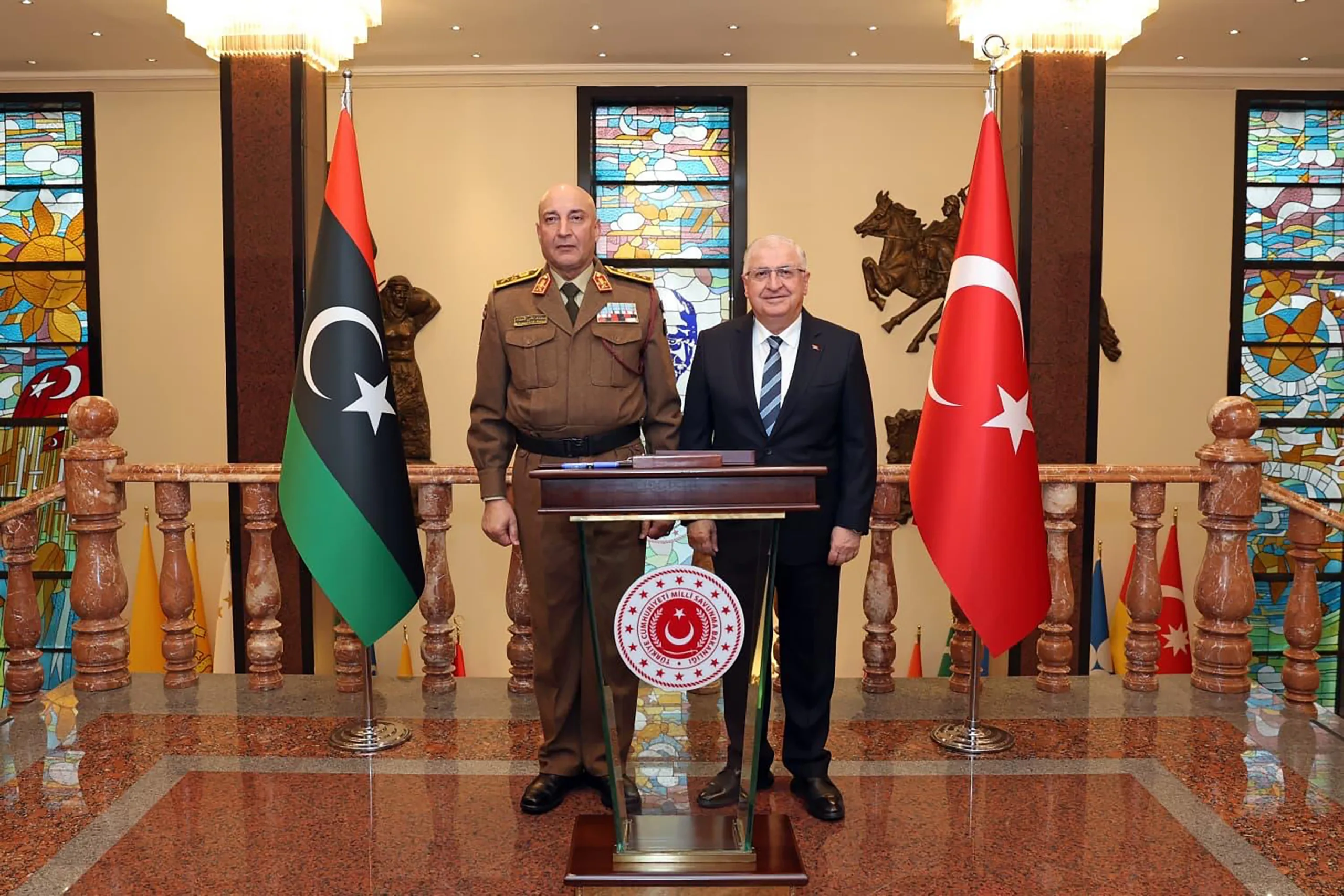
Turkish Defense Minister Yaşar Güler and Libyan Chief of Staff Lieutenant General Mohammed Ali Ahmed Al-Haddad (pictured in Ankara on December 23, hours before Al-Haddad was killed when his plane crashed)

The Turkish Parliament has extended the mandate for its military forces in Libya for another two years starting January 2, 2026. The decision is based on a presidential memorandum reaffirming Ankara’s continued support for Libya’s internationally recognized government, its commitment to maintaining the ceasefire, preventing renewed chaos, and safeguarding Turkish interests in the Eastern Mediterranean and North Africa while pledging to uphold international law.

This move underscores Ankara’s determination to maintain its military and political presence in Libya amid a complex regional and global landscape. But what motivates Turkey to extend its presence? What objectives is it pursuing? And how might this step affect the balance of power in Libya and the region?

Background of Turkey’s Military Involvement

Turkey’s military presence in Libya began in late 2019 after the former Government of National Accord (GNA), led by Fayez al-Sarraj, signed a security and military cooperation memorandum with Ankara. This was followed by a maritime boundary demarcation agreement.

These accords formed the legal basis for Turkey’s involvement. In early January 2020, the Turkish Parliament approved an official mandate allowing the deployment of troops and military advisors to Libya, at the request of the Tripoli government and under Article 92 of the Turkish Constitution.

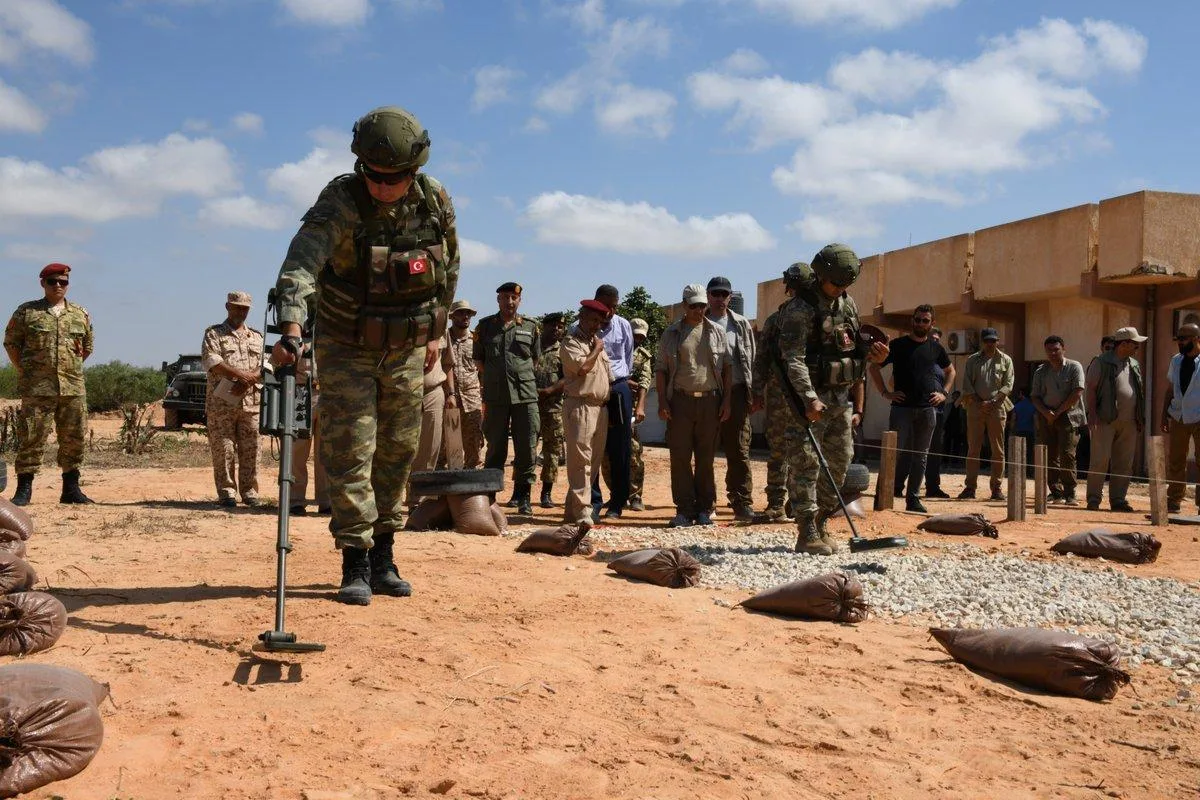
The mandate was swiftly implemented on the ground through the deployment of advisors, support units, and advanced military equipment, tipping the balance of the conflict particularly during the Tripoli battle between the GNA forces and eastern forces led by Khalifa Haftar from 2019 to 2020.
نون بوست
Turkish Armed Forces train forces of the Government of National Accord in Libya / Anadolu

Turkey’s intervention was instrumental in repelling the assault on the capital and in helping western forces retake key positions, most notably al-Watiya Airbase in May 2020. This shift paved the way for a UN-brokered nationwide ceasefire in October of that year, marking the start of a new political process.

Since then, Turkey has maintained a measured military presence and continued coordination with authorities in Tripoli. After the formation of the Government of National Unity led by Abdul Hamid Dbeibah in March 2021, Ankara strengthened its political and military support, sustaining its partnership with the internationally recognized government despite ongoing political fragmentation and the failure to hold national elections by the end of 2021.

This cooperation has produced new memorandums of understanding, the latest of which was signed in March 2024 between the Turkish defense minister and Dbeibah, reaffirming the original agreements as the foundation of bilateral defense cooperation.

Amid persistent tensions, Turkey has repeatedly renewed its parliamentary mandate: first for 18 months in June 2021, then for two more years in November 2023, and most recently through the current extension effective January 2026.

Ankara sees its presence as vital to upholding the ceasefire, supporting the political dialogue, and preventing the collapse of Libya’s fragile stability while also safeguarding its strategic interests in the Eastern Mediterranean and North Africa.

Turkey insists its deployment in Libya is based on an official request from a legitimate government and rooted in publicly declared bilateral agreements consistent with international law. This, Ankara argues, distinguishes its forces from foreign occupiers and reinforces its claim that the intervention serves Libyan sovereignty rather than undermining it.

Strategic and Security Objectives

Turkey justifies its ongoing military presence in Libya with a mix of interwoven security and political rationales, framed as protecting national interests within the bounds of international law. Ankara considers its forces a forward defensive line against potential threats from irregular armed groups, helping to prevent Libya from sliding back into chaos an outcome that could trigger renewed migration waves or the resurgence of terrorist groups.

Both scenarios are seen as direct threats to Turkish national security and regional stability in the Eastern Mediterranean.

The latest presidential memorandum submitted to the Turkish Parliament emphasized that stabilizing Libya has become integral to Turkey’s national security doctrine. It warned that ongoing political divisions and stalled elections threaten the relative calm achieved since the ceasefire agreement.

The memorandum also reaffirmed Turkey’s commitment to supporting UN efforts for national reconciliation and comprehensive elections, asserting that preventing a resurgence of violence is essential for these initiatives to succeed.

In parallel, Ankara stresses its respect for Libyan sovereignty and territorial integrity and continues to provide training and technical support to Libyan forces in Tripoli based on the bilateral security agreement. This reflects a broader effort to help build a unified national army capable of maintaining stability and confronting emerging threats.

Yet Turkey’s security calculus goes beyond immediate threats. According to observers, its role in Libya has evolved from a tactical intervention into a long-term strategic posture. Turkish support for the Libyan government altered the military balance on the ground and cemented Ankara’s role as a key actor in any future settlement.

This approach aligns with broader geopolitical objectives particularly concerning energy politics and regional influence in the Eastern Mediterranean. Libya’s strategic location and resource potential make it a vital asset in the region’s maritime power dynamics.

Turkey’s presence there provides leverage and bolsters its negotiating position on contentious issues such as maritime boundaries and access to offshore energy reserves.

In this light, Ankara views Libya as integral to its broader East Mediterranean strategy. Its presence is not temporary but a cornerstone of regional influence that affirms Turkey’s status as a pivotal player in shaping the future of the area.

Moreover, Ankara sees its partnership with Tripoli as essential for safeguarding past gains most notably the 2019 maritime demarcation agreement, which Turkey considers a strategic achievement. Continued support ensures these agreements remain in effect and blocks the possibility of rival deals that could threaten Turkish interests in the Mediterranean.

Gains and Risks

Nearly five years into its military intervention, Turkey finds itself balancing the strategic dividends of its involvement in Libya against a growing set of challenges and risks. While some view this presence as a geopolitical asset, others warn of its potential costs. Turkey’s experience in Libya presents a complex picture of influence weighed against burden.

Strategic Gains

Regional Influence: Turkey’s military footprint in North Africa has provided it with a valuable platform to project regional power, particularly on sensitive issues such as security, stability, and energy. Through its security partnership with Tripoli, Ankara has become an indispensable player in Libya’s political and economic future.

The presence underpinned by legal agreements has extended Turkish influence well beyond military engagement.

Maritime and Energy Interests: Libya is central to the regional contest over maritime boundaries and energy exploration in the Eastern Mediterranean. The 2019 agreement with the GNA granted Turkey legal and geopolitical leverage in the face of rival blocs including Egypt, Greece, and Cyprus. Sustaining a military presence helps preserve that agreement and prevents its reversal through potential rival deals in Turkey’s absence.

Security and Intelligence: Turkey’s position in Libya enhances its intelligence capabilities, allowing it to monitor extremist groups and smuggling networks across Libya and the Sahel. It also enables Turkey to cultivate a local security partner through military training efforts, reducing cross-border threats and reinforcing its counterterrorism agenda.

Economic Prospects: Ankara is betting on future reconstruction opportunities in Libya, which are expected to accelerate once political stability is restored. These opportunities could benefit Turkish firms in infrastructure, energy, and construction especially in oil and electricity sectors thanks to the strong political and security ties with Tripoli.

Key Risks and Challenges

Military and Political Overextension: Even a seemingly calculated foreign deployment carries risks. Renewed fighting could embroil Turkish troops in a costly conflict with potential losses and political fallout. Any military setbacks could become a domestic liability for the government.

Diplomatic Strain: Turkey’s continued military presence may exacerbate tensions with European powers such as France and Greece, who see it as destabilizing. Moreover, its presence contradicts UN calls for the withdrawal of foreign forces, potentially exposing Ankara to diplomatic criticism or countermeasures especially if US or EU policies shift.

Reversal of Gains if Withdrawn Abruptly: Ironically, one of the greatest risks lies in an unplanned Turkish exit. A hasty or disorganized withdrawal could unravel the 2019 maritime deal and open the door for adversaries to forge new agreements that sideline Ankara in key energy and security dynamics in the Mediterranean.

In sum, Turkey’s latest extension of its military mandate in Libya is less a tactical move than a reaffirmation of a long-term strategic posture. Ankara sees this presence as an investment in regional influence more than a simple military deployment.

However, the success of this strategy depends on two critical factors: Turkey’s ability to avoid drawn-out entanglement, and Libya’s ability to achieve a political settlement. Between influence and burden, Libya remains a key proving ground for Turkish foreign policy in the Eastern Mediterranean.

Download this article as PDF
Share this Article
Facebook Twitter Whatsapp Whatsapp Telegram Email Copy Link
زياد ابحيص
By زياد ابحيص
Follow:
Previous Article نون بوست Syria’s New Tax System: A New Era of Simplification and Digitization
Next Article نون بوست Via WhatsApp and With Lavish Salaries: How the UAE Recruited Colombians for Sudan’s War

Read More

  • U.S. Regime‑Change Policies: Why They Are Destined to Fail U.S. Regime‑Change Policies: Why They Are Destined to Fail
  • The Gulf’s Balancing Act: Iran, Israel, and Hidden Links
  • Iraq–Turkey Oil Export Treaty: Why Did Ankara Cancel It After 52 Years?
  • Syria’s Northeast on Edge: QSD Between Ankara and Damascus
  • Has Europe Changed Its Stance on Israel… or Just Its Language?
part of the design
NoonPost Weekly Newsletter

You May Also Like

U.S. Regime‑Change Policies: Why They Are Destined to Fail

U.S. Regime‑Change Policies: Why They Are Destined to Fail

إسراء سيد Esraa sayed 8 April ,2026
The Gulf’s Balancing Act: Iran, Israel, and Hidden Links

The Gulf’s Balancing Act: Iran, Israel, and Hidden Links

فريق التحرير Noon Post 8 April ,2026
Iraq–Turkey Oil Export Treaty: Why Did Ankara Cancel It After 52 Years?

Iraq–Turkey Oil Export Treaty: Why Did Ankara Cancel It After 52 Years?

فريق التحرير Noon Post 8 April ,2026

الشرق الأوسط الجديد وحدود الدم

أيمن الطرابلسي
أيمن الطرابلسي Published 20 August ,2015
Share
c3

قامت الحدود الحالية لدول الشرق الأوسط على مفاهمات الدول الكبرى في القرن الماضي، حيث قسمت المنطقة باتفاقية سايكس سنة 1916 إلى كيانات لا مسوغ تاريخيًا أو جغرافيًا أو ثقافيًا أو قوميًا لإنشائها، اليوم وبعد أحداث الربيع العربي والحروب الأهلية التي نتجت عنه، يبدو الشرق الأوسط في تفاعلات داخلية وخارجية لإعادة رسم خريطة المنطقة وتصحيح هذه الحدود لتقوم مقامها أخرى ترسم بالدم في العراق وسوريا واليمن.

العراق: 3 دول في واحدة

“لا يمكن حلها إلا بحلها” أعلنها قوية القائد السابق للجيش الأمريكي متحدثًا عن العراق.

بهذا التصريح خرجت الخطابات السرية وأحاديث المكاتب المغلقة ودردشات الأروقة إلى العلن وباتت مسألة تقسيم العراق مطروحة على الطاولة، حسب القائد العسكري المتقاعد، بلغ منحى العلاقة بين السنة والشيعة خط اللاعودة حيث الطائفية هي المحرك الأساسي لكل الفعل السياسي والعسكري على الأرض، بل وتجاوزت ذلك لتنخر مؤسسات الدولة كافة معمقة بذلك الشرخ بين مكونات المجتمع، يبدو العراق وفقًا لهذا السيناريو متجهًا نحو تقسيم طائفي إثنى بين: الأكراد والعرب والشيعة والسنة، يخدم هذا التوجه الحلم الكردى بتكوين دولة خاصة بهم في شمال العراق وبغض النظر عن المعادلة الإقليمية والفيتو الذي تفرضه الجارتان تركيا وإيران لمنع قيام كيان كردي على حدودها، يبدو الأكراد مستعدين مؤسساتيًا ومجتمعيًا لإنشاء دولتهم.

الإقليم السني هو الحلقة الأضعف في المعادلة الجديدة؛ فالسنة يفتقرون لقيادة موحدة ومرجعية أو طيف سياسي يمثلهم، هذا بالاضافة لإقصائهم طيلة السنوات العشر الماضية وغيابهم عن دائرة التأثير السياسي، كما أن عملية تطهير الإقليم تبدو صعبة مع تغلغل داعش وتركيزه عاصمة الخلافة في الإقليم السني، وكونه أكثر المناطق المهيئة اجتماعيًا (نتيجة الإقصاء والتهميش) ودينيًا (نتيجة التقارب المذهبي) لتكون حاضنة للتنظيم، وفي غياب ظهير إقليمى يدافع عن السنة يبدو أن وضعهم سيكون الأصعب في حال حدوث التقسيم، الإقليم الشيعى والأوفر حظًا لطبيعته الجغرافية المطلة على الخليج العربي لن يجد إشكالاً في ظل وجود دولة إقليمية كإيران تدافع عنه ومراجع وقيادات شيعية تسيره إلا أن إمكانية تكوين جسم شيعي على الحدود السعودية مرهون بموافقتها على ذلك وهي التي تخوض الآن عملية عاصفة الحزم لمنع قيام ذلك على حدودها الجنوبية، تبقى الإشكاليات الكبرى في عملية التقسيم إن تمت مسائل ترسيم الحدود وتقاسم الثروات الطبيعية وأكثر من ذلك كله تجاوز أزمة الأقليات الموجودة هنا وهناك في هذا الإقليم أو ذاك.

اليمن: استحضار أزمة التسعينات

اليمن هي الأخرى ليست ببعيدة عن سيناريو التقسيم؛ فالذاكرة الشعبية الجنوبية لم تتجاوز ما حدث في التسعينات حين دخل صالح على ظهر الدبابات ليثبت وحدة اليمن، و لازالت قطاعات واسعة من الجنوبيين تعتبر الشماليين غزاة محتلين يدعم فكرتهم أن الحوثيين من الشمال، أغلب المقاومة الشعبية التي تقف في الصفوف الأولى من الحراك الجنوبي الداعي للانفصال، وموضوع مشاركتها في تحرير بقية اليمن إلى الآن لازال نقطة استفهام، حيث يرفع الحراك في كل مدينة تُحرر أعلام اليمن الجنوبي بدل علم اليمن ولوحظ ذلك على مباني الدولة وعلى مقدمة الدبابات والمدرعات المقاتلة، على صعيد آخر، ولتقليل الضغط عنهم وإحداث إرباك في صفوف المقاومة الشعبية، يسوق الحوثيون للدولة الجنوبية عبر وسائل الإعلام القريبة منهم ويتوددون لهم ويدعونهم للمطالبة بحقوقهم سرًا وجهرًا، يذكر أن محمد سالم البيض الرئيس الجنوبي السابق على علاقة طيبة مع إيران منذ تسعينات القرن الماضي.

إقليميًا تدعم الإمارات توجه الانفصال في محاولة لإقصاء غريمها الإخواني حزب الإصلاح من المشهد، وقد رفضت دعم المقاومة في تعز لتواجد أحد قادة الإصلاح على رأسها، وباختصار شديد، المعادلة الإماراتية تقول إن يسيطر الحوثيون على صنعاء خير من أن تدخلها قوة الإصلاحيين في مقدمة طلائع التحرير ، على صعيد آخر تتحدث أخبار عن غضب الرئيس اليمني عبد ربه منصور بعد زيارته الأسبوع الماضي للإمارات حيث وجد قيادات الجنوب مجتمعة للنظر في موضوع الانفصال، كما أكدت مصادر مقاربة من دوائر صنع القرار عن تفاهمات عقدها بحاح مع مسؤولين إماراتيين لتقسيم الجنوب وتسوية تكفل مخرجًا لصالح والحوثيين بإشراف أمريكي.

رغم كل التحليلات والتنبؤات وما تذكره وسائل الإعلام ومراكز البحوث والدراسات تبقى مسألة الانفصال رهينة بتطور الأمور على الميدان، وبمدى سيطرة السعودية على العملية التي أطلقتها خاصة وأنها حذرت من أن أي محاولة لتقسيم اليمن من أي مكون يمنى ستتعامل معها االمملكة كما تتعامل مع الحوثيين وأن بيان الرياض الذي جمع كل القوى اليمنية ينص في أحد بنوده على وحدة اليمن.

سوريا: ملعب القوى الإقليمية

سوريا أصبحت اليوم رقعة شطرنج تحرك بيادقها أيادي القوى الإقليمية وتحدد مصيرها التفاهمات العالمية.

تركيا التي تحتظن أكثر من 2 مليون لاجئ ما مثل عبئًا عليها تسعى لإنشاء منطقة عازلة في حلب تكون موطن اللاجئين الذين يتواجدون على أراضيها، مركز انطلاق للمعارضة، ومنطقة تحميها من عمليات داعش على حدودها.

وقد بدأت علامات نشوء هذه المنطقة تبرز مع الاتفاق الأمريكي التركي الذي يقضي بفتح قاعدة إنجرليك وانسحاب جبهة النصرة من مناطق في حلب وتسليمها للمعارضة.

هذه المنطقة الشمالية تمثل النواة الأولى للإقليم الأول في سوريا، الإقليم الثاني هو إقليم كردى بامتياز مركزه كوباني وعفرين وما جاورها، وقد استطاعت وحدات حماية الشعب إقناع الولايات المتحدة بقدرتها على دحر داعش ما مكنها من تسلم أسلحة متطورة وتعزيزات نوعية، ورغم تأكيدها مرارًا وتكرارًا على تمسكها بوحدة سوريا، تبدو الممارسات مختلفة تمامًا على الأرض، حيث قامت وحدات حماية الشعب بتهجير أكثر من 8 آلاف من التركمان والعرب من المناطق التي حررتها من داعش في محاولة لتغيير التركيبة الديمغرافية، على صعيد آخر، تتقدم داعش التي تسيطر على أكثر من ثلث سوريا يومًا بعد يوم، معلنة عن قيام إقليم لا يعرف أحد أين يمكن أن يقف أو حدوده المحتملة.

يبقى النظام بدعم إيراني روسي مسيطرًا على دمشق ومنطقة الساحل معلنًا أنها خط أحمر، ومما يؤكد بداية الاعتماد الفعلي على سياسة الأقاليم، اشتراط إيران وحزب الله على أحرار الشام في إطار المفاوضات التي جرت مؤخرًا انسحاب المدنيين من الزبداني إلى حلب وانتقال شيعة الفوعة وكفريا إلى الزبداني في محاولة لتوطينها بالشيعة والعلويين وتغيير التركيبة السكانية، في خضم كل هذا ترقب إسرائيل من الخلف، محاولة إذكاء نار الصراعات التي تخدم مصالحها الإستراتيجية في تقسيم دول جوارها.

ومهما كانت نتيجة المفاوضات السياسية أو المعارك على الأرض فإن سوريا لن تعود سوريا التي كانت عليها نتيجة الانقسام المجتمعي الذي عاشته طيلة هذه السنوات الأربع.

TAGGED: إجهاض الربيع العربي ، الشرق الأوسط الجديد ، تقسيم العراق ، تقسيم اليمن ، تقسيم سوريا والعراق
Download this article as PDF
Share this Article
Facebook Twitter Whatsapp Whatsapp Telegram Email Copy Link
أيمن الطرابلسي
By أيمن الطرابلسي باحث في شؤون الشرق الأوسط والعلاقات الدولية
Follow:
Next Article نون بوست The Stigma of “ISIS”: A Heavy Legacy Haunting Women and Children of Former Members
part of the design
NoonPost Weekly Newsletter
dark

An independent media platform founded in 2013, rooted in slow journalism, producing in-depth reports, analysis, and multimedia content to offer deeper perspectives on the news, led by a diverse young team from several Arab countries.

  • Politics
  • Society
  • Rights & Liberties
  • Opinions
  • History
  • Sports
  • Education
  • Technology
  • Economy
  • Media
  • Arts & Literature
  • Entrepreneurship
  • Travel
  • Cinema & Drama
  • Food
  • Health
  • Culture
  • Latest Reports
  • Files
  • Long Reads
  • Interviews
  • Podcast
  • Interactive
  • Encyclopedia
  • In Pictures
  • About Us
  • Our Writers
  • Write for Us
  • Editorial Policy
  • Advanced Search
Some rights reserved under a Creative Commons license

Removed from favorites

Undo
Go to mobile version