

NoonPost NoonPost

NoonPost

  • Home
  • Politics
  • Economy
  • Society
  • Culture
  • Files
  • Long Reads
  • Podcast
AR
Notification Show More
نون بوست
“There Are Nights I Can’t Close My Eyes”: How Gazans Are Living in Homes on the Brink of Collapse
نون بوست
From al-Jolani to Ahmad al-Shara: The Evolution of Syria’s New Leader
نون بوست
When Political Islam Receded in Egypt: Who Filled the Void?
نون بوست
An Extension of Genocide: Gaza’s Detainees Speak Out
نون بوست
A Tightrope Between Survival and Sovereignty: The Syrian Government Faces Normalization Pressures
نون بوست
American Aircraft Carriers: Has the Era of “100,000 Tons of Diplomacy” Ended?
نون بوست
U.S. Regime‑Change Policies: Why They Are Destined to Fail
نون بوست
Transformations of Israeli Judaism: Between the Victim Complex and the Colonizer’s Doctrine
نون بوست
The Gulf’s Balancing Act: Iran, Israel, and Hidden Links
نون بوست
Iraq–Turkey Oil Export Treaty: Why Did Ankara Cancel It After 52 Years?
نون بوست
Syria’s Northeast on Edge: QSD Between Ankara and Damascus
نون بوست
Has Europe Changed Its Stance on Israel… or Just Its Language?
NoonPost NoonPost
AR
Notification Show More
نون بوست
“There Are Nights I Can’t Close My Eyes”: How Gazans Are Living in Homes on the Brink of Collapse
نون بوست
From al-Jolani to Ahmad al-Shara: The Evolution of Syria’s New Leader
نون بوست
When Political Islam Receded in Egypt: Who Filled the Void?
نون بوست
An Extension of Genocide: Gaza’s Detainees Speak Out
نون بوست
A Tightrope Between Survival and Sovereignty: The Syrian Government Faces Normalization Pressures
نون بوست
American Aircraft Carriers: Has the Era of “100,000 Tons of Diplomacy” Ended?
نون بوست
U.S. Regime‑Change Policies: Why They Are Destined to Fail
نون بوست
Transformations of Israeli Judaism: Between the Victim Complex and the Colonizer’s Doctrine
نون بوست
The Gulf’s Balancing Act: Iran, Israel, and Hidden Links
نون بوست
Iraq–Turkey Oil Export Treaty: Why Did Ankara Cancel It After 52 Years?
نون بوست
Syria’s Northeast on Edge: QSD Between Ankara and Damascus
نون بوست
Has Europe Changed Its Stance on Israel… or Just Its Language?
Follow US

“Persecuted Christians”… How Trump Uses Religion to Subjugate Nigeria

إسراء سيد
Esraa sayed Published 26 March ,2026
Share
نون بوست
نون بوست

In May 2025, when President Donald Trump accused South Africa of committing “genocide” against white farmers and launched a diplomatic campaign to isolate Pretoria, it wasn’t merely a passing event it marked the beginning of a broader escalation. The question wasn’t whether another strategically significant African nation would be targeted next, but simply when.

Just months later, Nigeria became the next focus, this time under the banner of “Christian persecution.” A country thousands of miles from Washington long regarded as a key security and economic partner in West Africa was abruptly transformed into a target of militarized rhetoric cloaked in religious language, closer in spirit to coercion and domination than to genuine concern for religious freedom.

From Diplomatic Criticism to War Drums

During Trump’s first term, U.S. relations with Nigeria were marked by diplomatic coldness and soft pressure around security and religious freedom. But upon his return to the White House, the tone shifted drastically. Legalistic critiques gave way to menacing rhetoric fueled by a right-wing administration steeped in ideology and driven by a populist, confrontational style.

Initially, Nigeria was merely re-added to the list of “Countries of Particular Concern” under the 1998 International Religious Freedom Act, enabling the U.S. to sanction nations accused of violating religious rights. The same designation was used during Trump’s first term but later revoked by Joe Biden.

What changed in Trump’s second term was the bypassing of traditional bureaucratic channels, such as recommendations from the U.S. Commission on International Religious Freedom. The decision was political and unilateral.

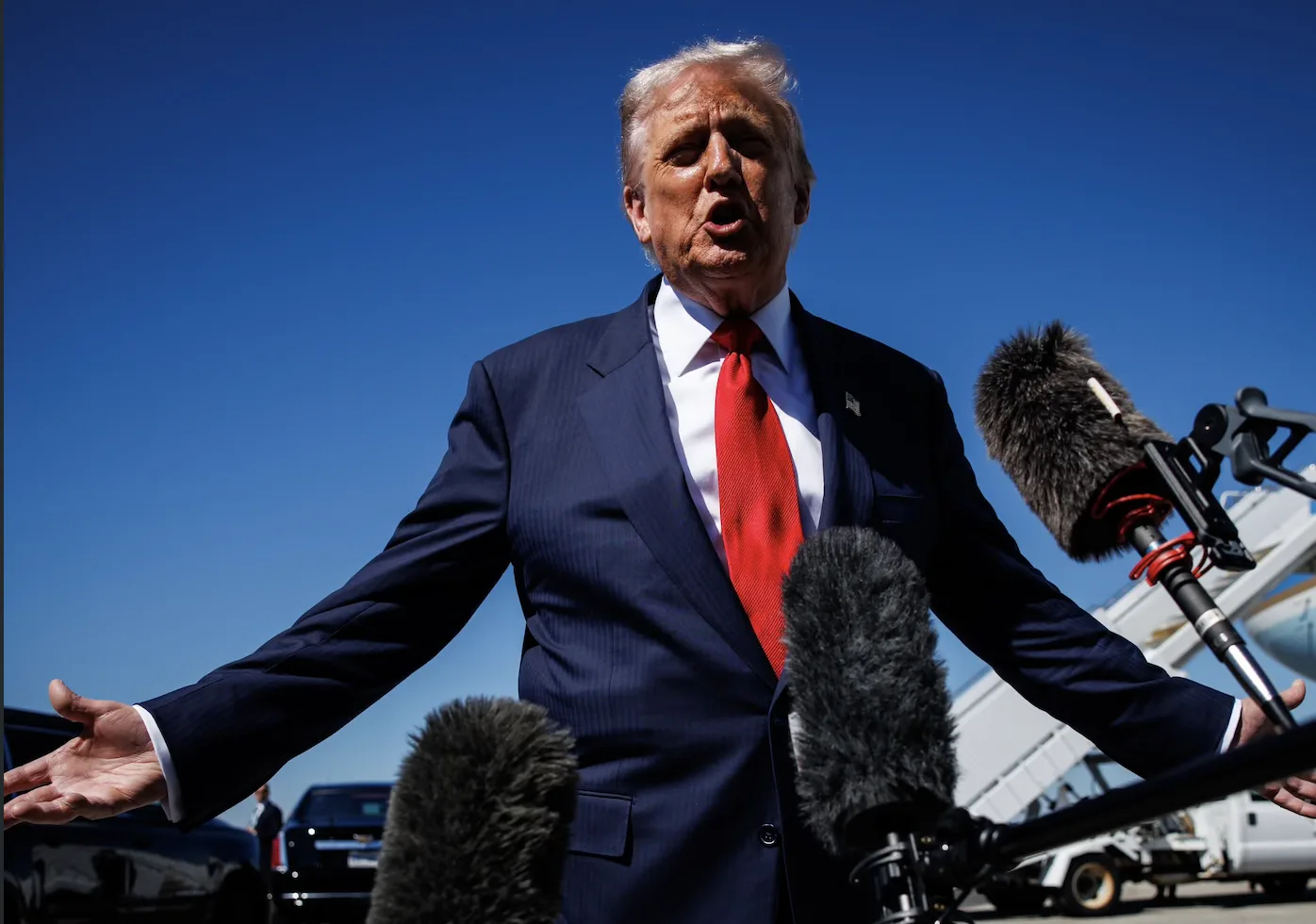
The pivotal moment came in late October 2025, when Fox News aired a report—seen by Trump aboard Air Force One depicting violence in Nigeria as purely religious in nature. The segment showcased decontextualized footage and framed it as evidence of a systematic campaign targeting Christians.

Trump didn’t wait for verification. He took to Truth Social with an unprecedented, incendiary post, using overtly religious language and pushing diplomatic norms aside for something resembling a declaration of war.

Within days, the rhetoric intensified. Trump announced a fact-finding mission led by Republican Congressman Riley Moore, threatened to cut all U.S. aid to Nigeria, and hinted at sanctions.

Secretary of State Marco Rubio a devout Christian whose faith shapes his political agenda revealed plans to impose visa restrictions on individuals suspected of involvement in the “killing of Christians.”

Until then, Nigeria had not featured in American public consciousness as a potential arena for military engagement. But within days, Trump raised the stakes, instructing the Department of War (the renamed Department of Defense) to prepare for possible airstrikes and ground operations.

He vowed a response that would be “swift and brutal,” effectively turning a supposed humanitarian concern into a pretext for military action against a sovereign nation.

This rapid escalation reflects a broader Trumpian pattern: jumping from human rights talk to military threats without a clear intermediary phase. We’ve seen it with Iran, Venezuela, and North Korea. In Nigeria’s case, the situation is more perilous due to the overt religious framing a binary of “Christians vs. Muslims” in a region already beset by fragility.

Even more dangerously, this narrative didn’t emerge in a vacuum. It was echoed by right-wing Christian Zionist activists and lawmakers, fueling legislative pushes in Congress. Evangelical-aligned Republicans like Senator Ted Cruz known for blending religious causes with foreign policy played a key role.

Cruz, along with Riley Moore and others, pushed hard for heightened action against Nigeria, introducing bills and urging the State Department to reclassify Nigeria as a religious freedom violator.

Cruz’s legislative proposals steeped in Islamophobia and arrogance weren’t isolated. They were part of a broader network of actors in Washington promoting the “Christian persecution” narrative. At the heart of this network lies an evangelical base that views global affairs through the lens of spiritual warfare and sees itself as the protector of persecuted Christians worldwide. This base pressured Trump directly to intervene.

Also instrumental in shaping this narrative were religious freedom advocacy groups many of which selectively apply their principles to suit political agendas. Within the Trump administration itself, evangelical advisers like Pastor Paula White, head of Trump’s 2016 Evangelical Advisory Board, portrayed the Nigerian crisis as a moral battle of global proportions.

Against this backdrop, Trump’s war talk was not an anomaly but the logical next step in a steadily escalating religious discourse fueled by right-wing media, amplified by lobbying groups, and culminating in a direct military threat. It represents one of the most aggressive American threats to an African nation in modern history, built on a religious framing that dangerously resurrects the us-versus-them logic of holy wars.

Nigeria: A Landscape of Complex Violence

To understand the risks of this religious oversimplification, one must look beyond simplistic narratives. Nigeria is not just Africa’s most populous nation it is also one of its most complex, demographically, ethnically, religiously, and politically.

Violence in Nigeria takes many forms, carried out by various armed groups across a fragmented geography. In the northeast, jihadist organizations like Boko Haram, Ansaru, and ISWAP operate. Muslims are the majority of victims there due to population density and the nature of the conflict.

In the northwest and central regions, a different pattern emerges. Armed gangs commonly referred to as “bandits” engage in kidnapping and extortion without religious motives. Their victims include both Muslims and Christians, revealing the criminal, economic roots of the violence.

In the Middle Belt, where religious and ethnic identities overlap, deadly clashes occur between herders and farmers. These are often cast as religious conflicts but are largely driven by competition over land, water, climate change, and population growth.

In the Christian-majority southeast home to various religious minorities—a separatist insurgency led by the Igbo ethnic group has taken shape. The Indigenous People of Biafra (IPOB), seeking to revive the defunct Biafran state, targets government institutions and civilians. Ironically, many of their victims are fellow Christians, undercutting the narrative of one-sided religious persecution.

This mosaic of violence illustrates that Nigeria’s crisis cannot be reduced to a simple Christian-versus-Muslim dichotomy. The American narrative, which ignores these nuances, is not only misleading but dangerous. It invites foreign interventions based on misdiagnosed problems and risks exacerbating rather than resolving the crisis.

The Myth of Christian Persecution

Since Trump invoked the plight of Christians, “persecution” has morphed from a legal term into a vague political weapon. Yet statistical data quickly undermines these claims. According to the Armed Conflict Location & Event Data Project (ACLED), as of September 2025, there were 317 identified Christian victims of religiously motivated attacks in Nigeria compared to 417 Muslims.

This indicates that Muslims, especially in the north, have borne the brunt of targeted violence. Armed groups have never exclusively targeted Christians. Since 2009, their attacks have primarily struck mosques, Muslim clerics, and communities that oppose extremist ideologies or cooperate with the state.

Some Nigerian Christian officials, particularly in the north, have denied the existence of systemic religious persecution. They argue that the violence is a security issue, not a religious one. The Nigerian government itself maintains that no specific ethnic or religious group is being targeted. Yet these voices are often drowned out in U.S. media, which gravitates toward sensational narratives that align with specific political agendas.

Reports used to support the persecution narrative are often marred by methodological flaws such as unverified numbers, blurred motives behind violence, and premature labeling of victims as martyrs without sufficient field evidence. This risks misleading the public and misrepresenting Nigeria’s reality.

More importantly, the Nigerian state despite its security failings does not pursue an official policy of religious oppression. The constitution guarantees freedom of belief, Christian institutions operate freely, including in the north, and Christians hold prominent positions across the political, judicial, and military spectrum. Civil society oversight is robust, countering the notion of an anti-Christian state.

The Hidden American Agenda

Trump’s rhetoric about “protecting Christians” is less about humanitarian concern and more about electoral strategy. White evangelicals form a core part of his political base, especially in swing states. Appealing to their worldview through foreign policy serves his campaign interests.

This strategy also sends a global signal: under Trump, the U.S. is not retreating but asserting itself as a defender of Christian faith worldwide. This took institutional form in his announcement of a government task force to combat “anti-Christian bias” globally.

Religion, however, is often a loud cover for tangible American interests. Nigeria is Africa’s largest oil producer, a key OPEC member, and a source of sweet crude favored by U.S. refineries enough to keep it firmly on Washington’s radar.

Beyond oil, Nigeria sits atop vast reserves of strategic minerals like lithium, cobalt, and nickel essential for global supply chains. This makes it a prize in the growing resource competition with China, which has deepened its presence through infrastructure, mining, and energy investments under the banner of “non-conditional partnership.”

Nigeria’s foreign policy pivot has also raised alarms in Washington. Its increasing alignment with BRICS and diversification of financial partnerships threaten U.S. dominance. Russia’s rising military and diplomatic clout in West Africa compounds these fears, offering regional actors an alternative to Western security arrangements.

One final irritant: Nigeria’s stance on the Middle East. During the most recent Gaza war, Abuja called for a ceasefire, criticized Israeli operations, and reaffirmed support for a two-state solution. This made Nigeria given its demographic and political heft—a thorn in the side of Washington and its allies, especially as global opinion turns against Israel.

Adding to the tension, Nigeria has repeatedly rejected U.S. requests to accept deported migrants and detainees, citing economic and population challenges. This refusal coincided with rising cultural and diplomatic friction, exemplified by the revocation of author Wole Soyinka’s U.S. visa following his public criticisms of the Trump administration.

In this light, religion becomes a tool of political blackmail. The U.S. leverages moralistic rhetoric to reshape Nigeria’s foreign policy, particularly on Palestine, and to extract economic or diplomatic concessions. Investment and energy cooperation become bargaining chips in a game of compliance or face reputational and political warfare dressed in humanitarian guise.

Ironically, this strategy could backfire. Rather than returning to the U.S. orbit, Nigeria may seek greater independence from Western hegemony. By reducing its complex reality to a simplistic religious narrative, Washington risks inflaming sectarian tensions and accelerating the erosion of its credibility in Africa and beyond.

Ultimately, the American escalation against Nigeria cannot be separated from a larger power play. Religion becomes a weapon, morality an instrument of coercion, and African nations test cases for how much sovereignty they can retain in a world increasingly shaped by geopolitical maneuvering disguised as moral crusades.

Download this article as PDF
Share this Article
Facebook Twitter Whatsapp Whatsapp Telegram Email Copy Link
إسراء سيد
By إسراء سيد صحفية وباحثة في مجال الإعلام السياسي
Follow:
Previous Article نون بوست Simon Levy: A Moroccan Jewish Memory in Defiance of Zionism
Next Article نون بوست Syria One Year After Liberation: Life Returns to the Mosques

Read More

  • U.S. Regime‑Change Policies: Why They Are Destined to Fail U.S. Regime‑Change Policies: Why They Are Destined to Fail
  • The Gulf’s Balancing Act: Iran, Israel, and Hidden Links
  • Iraq–Turkey Oil Export Treaty: Why Did Ankara Cancel It After 52 Years?
  • Syria’s Northeast on Edge: QSD Between Ankara and Damascus
  • Has Europe Changed Its Stance on Israel… or Just Its Language?
part of the design
NoonPost Weekly Newsletter

You May Also Like

U.S. Regime‑Change Policies: Why They Are Destined to Fail

U.S. Regime‑Change Policies: Why They Are Destined to Fail

إسراء سيد Esraa sayed 8 April ,2026
The Gulf’s Balancing Act: Iran, Israel, and Hidden Links

The Gulf’s Balancing Act: Iran, Israel, and Hidden Links

فريق التحرير Noon Post 8 April ,2026
Iraq–Turkey Oil Export Treaty: Why Did Ankara Cancel It After 52 Years?

Iraq–Turkey Oil Export Treaty: Why Did Ankara Cancel It After 52 Years?

فريق التحرير Noon Post 8 April ,2026

هل تذهب غزة إلى تهدئة وشيكة؟

فريق التحرير
Noon Post Published 18 August ,2015
Share
55d16f20c461883a4d8b4580

عبر وفد فلسطيني من حركة حماس في قطاع غزة يترأسه نائب المكتب السياسي لحركة حماس إسماعيل هنية إلى الأراضي المصرية عبر معبر رفح، هذا الوفد من المقرر له إجراء لقاءات مع الجانب المصري قبل أن يتجه إلى عدة زيارات خارجية من بينها زيارات إلى دولتي قطر وتركيا، وقد أتت التوقعات أن يزور الوفد أيضًا السعودية وإيران.

وعن جانب لقاءات الوفد في القاهرة فستعقد عدة جلسات بين الوفد ومسؤولين مصريين من جهاز المخابرات العامة بالتحديد، لمناقشة العديد من القضايا المتعلقة بالقطاع والحدود مع مصر، وقد أتت أنباء عن مناقشة أمر التنسيق بين الجانبين في الحرب على “ولاية سيناء” فرع تنظيم داعش في مصر عبر عمليات ضبط للحدود من الجانبين، كما يُعتقد أن عملية إعادة إعمار قطاع غزة ستكون أيضًا على رأس هذه المناقشات، خاصة مع طرح آخر المستجدات في المباحثات المختصة بالتهدئة طويلة المدى بين دولة الاحتلال الإسرائيلي وحركة حماس في قطاع غزة.

نجاح حماس في إخراج مثل هذا الوفد من القطاع بضغوط إقليمية هدفه بالأساس جمع المكتب السياسي للحركة لمناقشة المستجدات التي طرأت على عروض التهدئة مع الاحتلال وأبرزها عرض الممثل السابق للجنة الرباعية الدولية “توني بلير” المقدم بشأن إقامة تهدئة طويلة الأمد بين الحركة في القطاع وإسرائيل.

كانت حركة حماس قد عقدت مؤخرًا عدة لقاءات مع الفصائل الفلسطينية بالقطاع قبيل إرسال هذا الوفد، وذلك لشرح نتائج لقاءاتها بالخارج مع أطراف أوروبية ودولية، بشأن “التهدئة” مع إسرائيل، سبق هذه اللقاءات عقد اجتماعًا طارئًا لمجلس شورى حماس في غزة لبحث آخر مستجدات هذه المحادثات التي عقدها رئيس المكتب السياسي للحركة في الخارج “خالد مشعل” مع توني بلير في قطر، وتكاد تكون هذه هي المرة الأولى التي تعلن فيها حركة حماس بشكل رسمي عن عروض بلير بشأن التهدئة.

الجدير بالذكر أن توني بلير قدم عرضًا مكتوبًا إلى الحركة ينص على ضمان إنشاء ممر بحري بالقطاع وفتح المعابر المغلقة لتسهيل حركة الفلسطينيين ونقل البضائع من داخل القطاع وإليه مقابل تهدئة عسكرية طويلة الأجل نسبيًا بين الجانبين.

هذا العرض تناولته بعض وسائل الإعلام باعتباره عرضًا إسرائيليًا بالأساس جاء على لسان بلير وتأتي تفاصيله بإنشاء ممر بحري تحت إشراف دولي يربط قطاع غزة بجزيرة قبرص، ولم يتطرق عرض بلير إلى مسألة إعادة تأهيل مطار غزة الدولي حسبما طالبت حماس في السابق، وهو الأمر الذي ربما ستجري حماس مناقشات داخلية حياله.

ليست هذه تفاصيل العرض فحسب ولكنه من المفترض أنه يقضي برفع الحصار الذي تفرضه دولة الاحتلال على القطاع وبشكل كامل، كما يقضي بالسماح لعمال غزة بالدخول إلى اتجاه أراضي 48 كما هو حال الضفة، في المقابل العرض يُلزم حركة حماس بإيقاف حفريات الأنفاق الهجومية على الحدود بالإضافة لتهدئة عسكرية شاملة يُمنع فيها إطلاق الصواريخ أو أي شكل من أشكال التصعيد لمدة ثمانية أعوام مقبلة.

محللون يرون أن استعدادات حماس العسكرية الآن تجبر الجانب الإسرائيلي على الإسراع في الوصول إلى اتفاق مبدئي ينهي حالة الشحن لدى الجانبين، فقد أتت تحذيرات من جانب جهاز المخابرات الإسرائيلي الداخلي (الشاباك) من اختراق عدة أنفاق هجومية لحماس للحدود مع الجانب الإسرائيلي وذلك ضمن استعدادات الحركة للمواجهة القادمة مع دولة الاحتلال، يأتي هذا بالتزامن مع إعلان الحركة عن عدة إنجازات عسكرية التي تأتي في إطار الشحن المعنوي في القطاع.

بينما يرى بعض الإسرائيلين أن تهديدات حكومتهم لحماس لن تستطيع الحفاظ على الهدنة المتربصة الحالية، فقد تحدث محرر الشؤون العسكرية في القناة العبرية العاشرة “ألون بن دافيد”عن تهديدات رئيس الوزراء الإسرائيلي “بنيامين نتنياهو”  لحركة حماس التي أكد فيها أن حكومته لن تسمح لحماس باستمرار حفر الأنفاق، والواقع يقول بتأكيدات من الشاباك الإسرائيلي أن حماس تواصل حفرها وتمتلك اليوم أعداد ليست بالقليلة من الأنفاق الهجومية التي ستستخدم في أي حرب مقبلة.

وعن الجانب الإسرائيلي تحدثت الصحف الإسرائيلية عن الوساطات التي تقودها الأطراف المختلفة على المستوى الإقليمي والدولي بشأن عملية تهدئة طويلة الأمد مع حركة حماس في قطاع غزة، إذ ذكرت صحيفة “هآرتس” الإسرائيلية أمس أن بنود اتفاق التهدئة كانت محور اللقاء الذي جمع رئيس المكتب السياسي لحركة حماس خالد مشعل في زيارته لأنقرة الأسبوع الماضي مع الرئيس التركي رجب طيب أردوغان.

وتشير المصادر إلى أن دولة الاحتلال أبدت عدم ممانعة في أمر إنشاء الميناء البحري في قطاع غزة غير أنه لابد وأن يكون مرتبط بميناء آخر قبرصي يتم من خلاله عملية الرقابة وتفتيش البضائع الواردة إلى غزة لمنع نقل الأسلحة إلى غزة من خلاله، وسيقوم الجانب التركي وربما اليوناني بهذه المهمة، ولكن رفض الإسرائيليون بصورة قاطعة مطلب إعادة إعمار المطار الدولي في غزة .

هذا الأمر أكده مستشار رئيس الوزراء التركي “ياسين أقطاي” في تصريحاته عن وجود تقدم في مسألة إنشاء ميناء بحري في القطاع، كما توقع أقطاي قرب التوصل الى اتفاق نهائي بشأنه بين الجانبين، مؤكدًا على تنفيذ تعهدات بلاده في حالة إنجاز ملف التهدئة.

هذا التقدم في ملف التهدئة بين حركة حماس والجانب الإسرائيلي يثير حفيظة بعض المحللين الذين أكدوا أنه بالفعل هناك تحركات في اتجاه إنجاز شئ ما غير واضح المعالم حتى الآن، لكن موافقة الجانب الإسرائيلي على ما هو مطروح في وسائل الإعلام أمر غير مؤكد وربما لن تكون دولة الاحتلال جادة في ذلك الأمر.

وجهة النظر هذه تنطلق من كون دولة الاحتلال مستفيدة من التهدئة بشكلها الحالي لأنها تتكئ على مبدأ تهدئة حمساوية مقابل تهدئة إسرائيلية خاصة وأن الوضع الداخلي في قطاع غزة مرشح للانفجار في أي وقت بسبب الحصار المفروض على القطاع بتنسيق مصري إسرائيلي، لذلك يرى البعض أن إسرائيل لن تعطي حماس أي شيء يقلل من أزمتها الداخلية وستستمر في ضغط الحركة، والتوقعات تتجه نحو مماطلة ومراوغة إسرائيلية لإطالة أمد حالة الاستنزاف الحالية لحماس بدون دفع أي ثمن في مقابل استمرار التهدئة، وجل ما يمكن أن تقدمه إسرائيل هو مجرد تسهيلات يمكن منعها بعد ذلك بسهولة كأمر حرية مرور الفسلطينيين من وإلى القطاع عبر المعابر المختلفة مع السماح لبعض البضائع بالدخول إلى غزة لتسكين الوضع وليس لحله.

في المقابل على الجانب الحمساوي يشهد اختلافًا في الرؤية حول هذا العرض فبينما يرى البعض أنه من قبيل أفضل الفرص للخروج من الواقع الحالي المأزوم في القطاع بسبب تبعات الحرب من جهة والحصار من جهة أخرى، يرى هذا الفريق المتحمس لهذا العرض أيضًا أنه ليست هناك فرصة تلوح في الأفق لتخطي الخلافات مع حركة فتح بشأن حكومة الوفاق الوطني، كما أن المشاكل الداخلية والحياتية في القطاع تمثل عبئًا على حماس في ظل تجاهل حكومة فتح في رام الله الوضع الإنساني الكارثي في القطاع.

وترى مجموعة أخرى في حماس بقيادة إسماعيل هنية أن المضي في هذا الاتفاق قد يكون هدف إسرائيلي لإقامة دولة بغزة وهو ما تردده وسائل الإعلام الموالية لحركة فتح مؤخرًا بعد علمها بأمر التهدئة، وهو الأمر الذي ترفضه حركة حماس تمامًا والتي أكدت عبر تصريحات لإسماعيل هنية على مضيها في هدفها وهو تحرير كافة الأراضي الفلسطينية وليس بعزل قطاع غزة عن بقية أراضي فلسطين، كما ترى بعض هذه القيادات أن في عقد هذا الاتفاق بعيدًا عن الجانب المصري خطرًا ماثلًا على حركة حماس.

 حيث أشارت مصادر في وزارة الخارجية المصرية أن مصر ليست طرفًا في هذه المرحلة في التفاهمات الجارية بين دولة الاحتلال وحركة حماس، وهو ما يراه هنية ومجموعة من قيادات الحركة خطر فقدان الجانب المصري بعد نزع بوصلة التفاوض منه لأطراف دولية قد تنحاز لإسرائيل بشكل كبير في الأوقات القادمة، ويرى هذا الرأي ضرورة الحفاظ على الجانب المصري كوسيط حتى ولو أبدى الجانب المصري تعنتًا في هذه المرحلة، لكن يبدو أن الأمر حُسم داخليًا بموافقة الأغلبية على المناقشة على عرض بلير، وينتظر الأمر المناقشة مع المكتب السياسي خارجيًا وهو الهدف الرئيسي لخروج الوفد الحمساوي من قطاع غزة.

وقد تُدلل تصريحات نائب رئيس المكتب السياسي لحركة حماس إسماعيل هنية الأخيرة، بأن مرحلة الانفراج لقطاع غزة اقتربت، والفترة المقبلة ستكون إيجابية وهامة لسكان القطاع على اتجاه الحركة في القبول بعرض بلير.

وفي هذا السياق يرى متابعون للشأن الفلسطيني تجارب مفاوضات المقاومة الفلسطينية بشكل عام مع الوسطاء الغربيين سلبية بصورة كبيرة ما عدا حالات نادرة، ولكن يروا عدم الالتفات إلى المزايدات الفتحاوية مع المضي في هذه المفاوضات مع عدم التعدي على الثوابت الفلسطينية، وبالتالي سيكون أمام حركة حماس فرصة تاريخية لانتزاع بعض حقوق الفسلطينيين في قطاع غزة فيما يتعلق بعملية رفع الحصار عنهم باعتباره قضية فلسطينية بحتة وليست متعلقة بحركة أو فصيل.

يبدو أن الاتفاق بات وشيكًا ولكن تفاصيله الدقيقة هي المعضلة التي لم تتجاوزها الأطراف حتى الآن، ولكن الشواهد الدولية تؤكد السعي لحل قنبلة قطاع غزة الموقوتة عبر عرض بلير الذي يبدو وأنه التقى خلال الأسابيع الماضية عدد من الأطراف الفاعلة في ملف غزة على رأسهم الرئيس المصري عبدالفتاح السيسي، ورئيس جهاز استخباراته العامة اللواء خالد فوزي، ومستشار الملك الأردني للشؤون الأمنية، الفريق أول فيصل الشوبكي، بالإضافة إلى لقاءاته المكثفة على الصعيد الإسرائيلي مع رئيس الوزراء “بنيامين نتنياهو” وعدد آخر من المسؤولين الأمنيين في سياق التشاور على طبيعة الصيغة النهائية التي يمكن التوصل إليها في اتفاق التهدئة مع حركة حماس.

TAGGED: إسرائيل ، الأنفاق ، الحكومة الإسرائيلية ، السلطة الفلسطينية ، تهدئة
Download this article as PDF
Share this Article
Facebook Twitter Whatsapp Whatsapp Telegram Email Copy Link
فريق التحرير
By فريق التحرير تقارير يعدها فريق تحرير نون بوست.
Follow:
Next Article نون بوست The Stigma of “ISIS”: A Heavy Legacy Haunting Women and Children of Former Members

Read More

  • U.S. Regime‑Change Policies: Why They Are Destined to Fail U.S. Regime‑Change Policies: Why They Are Destined to Fail
  • The Gulf’s Balancing Act: Iran, Israel, and Hidden Links
  • Iraq–Turkey Oil Export Treaty: Why Did Ankara Cancel It After 52 Years?
  • Syria’s Northeast on Edge: QSD Between Ankara and Damascus
  • Has Europe Changed Its Stance on Israel… or Just Its Language?
part of the design
NoonPost Weekly Newsletter

You May Also Like

U.S. Regime‑Change Policies: Why They Are Destined to Fail

U.S. Regime‑Change Policies: Why They Are Destined to Fail

إسراء سيد Esraa sayed 8 April ,2026
The Gulf’s Balancing Act: Iran, Israel, and Hidden Links

The Gulf’s Balancing Act: Iran, Israel, and Hidden Links

فريق التحرير Noon Post 8 April ,2026
Iraq–Turkey Oil Export Treaty: Why Did Ankara Cancel It After 52 Years?

Iraq–Turkey Oil Export Treaty: Why Did Ankara Cancel It After 52 Years?

فريق التحرير Noon Post 8 April ,2026
dark

An independent media platform founded in 2013, rooted in slow journalism, producing in-depth reports, analysis, and multimedia content to offer deeper perspectives on the news, led by a diverse young team from several Arab countries.

  • Politics
  • Society
  • Rights & Liberties
  • Opinions
  • History
  • Sports
  • Education
  • Technology
  • Economy
  • Media
  • Arts & Literature
  • Entrepreneurship
  • Travel
  • Cinema & Drama
  • Food
  • Health
  • Culture
  • Latest Reports
  • Files
  • Long Reads
  • Interviews
  • Podcast
  • Interactive
  • Encyclopedia
  • In Pictures
  • About Us
  • Our Writers
  • Write for Us
  • Editorial Policy
  • Advanced Search
Some rights reserved under a Creative Commons license

Removed from favorites

Undo
Go to mobile version