NoonPost NoonPost

NoonPost

  • Home
  • Politics
  • Economy
  • Society
  • Culture
  • Files
  • Long Reads
  • Podcast
AR
Notification Show More
نون بوست
“There Are Nights I Can’t Close My Eyes”: How Gazans Are Living in Homes on the Brink of Collapse
نون بوست
From al-Jolani to Ahmad al-Shara: The Evolution of Syria’s New Leader
نون بوست
When Political Islam Receded in Egypt: Who Filled the Void?
نون بوست
An Extension of Genocide: Gaza’s Detainees Speak Out
نون بوست
A Tightrope Between Survival and Sovereignty: The Syrian Government Faces Normalization Pressures
نون بوست
American Aircraft Carriers: Has the Era of “100,000 Tons of Diplomacy” Ended?
نون بوست
U.S. Regime‑Change Policies: Why They Are Destined to Fail
نون بوست
Transformations of Israeli Judaism: Between the Victim Complex and the Colonizer’s Doctrine
نون بوست
The Gulf’s Balancing Act: Iran, Israel, and Hidden Links
نون بوست
Iraq–Turkey Oil Export Treaty: Why Did Ankara Cancel It After 52 Years?
نون بوست
Syria’s Northeast on Edge: QSD Between Ankara and Damascus
نون بوست
Has Europe Changed Its Stance on Israel… or Just Its Language?
NoonPost NoonPost
AR
Notification Show More
نون بوست
“There Are Nights I Can’t Close My Eyes”: How Gazans Are Living in Homes on the Brink of Collapse
نون بوست
From al-Jolani to Ahmad al-Shara: The Evolution of Syria’s New Leader
نون بوست
When Political Islam Receded in Egypt: Who Filled the Void?
نون بوست
An Extension of Genocide: Gaza’s Detainees Speak Out
نون بوست
A Tightrope Between Survival and Sovereignty: The Syrian Government Faces Normalization Pressures
نون بوست
American Aircraft Carriers: Has the Era of “100,000 Tons of Diplomacy” Ended?
نون بوست
U.S. Regime‑Change Policies: Why They Are Destined to Fail
نون بوست
Transformations of Israeli Judaism: Between the Victim Complex and the Colonizer’s Doctrine
نون بوست
The Gulf’s Balancing Act: Iran, Israel, and Hidden Links
نون بوست
Iraq–Turkey Oil Export Treaty: Why Did Ankara Cancel It After 52 Years?
نون بوست
Syria’s Northeast on Edge: QSD Between Ankara and Damascus
نون بوست
Has Europe Changed Its Stance on Israel… or Just Its Language?
Follow US

Syria One Year After Liberation: Life Returns to the Mosques

أحمد سيف النصر
Ahmed Seif EL-Nasr Published 26 March ,2026
Share
نون بوست
نون بوست

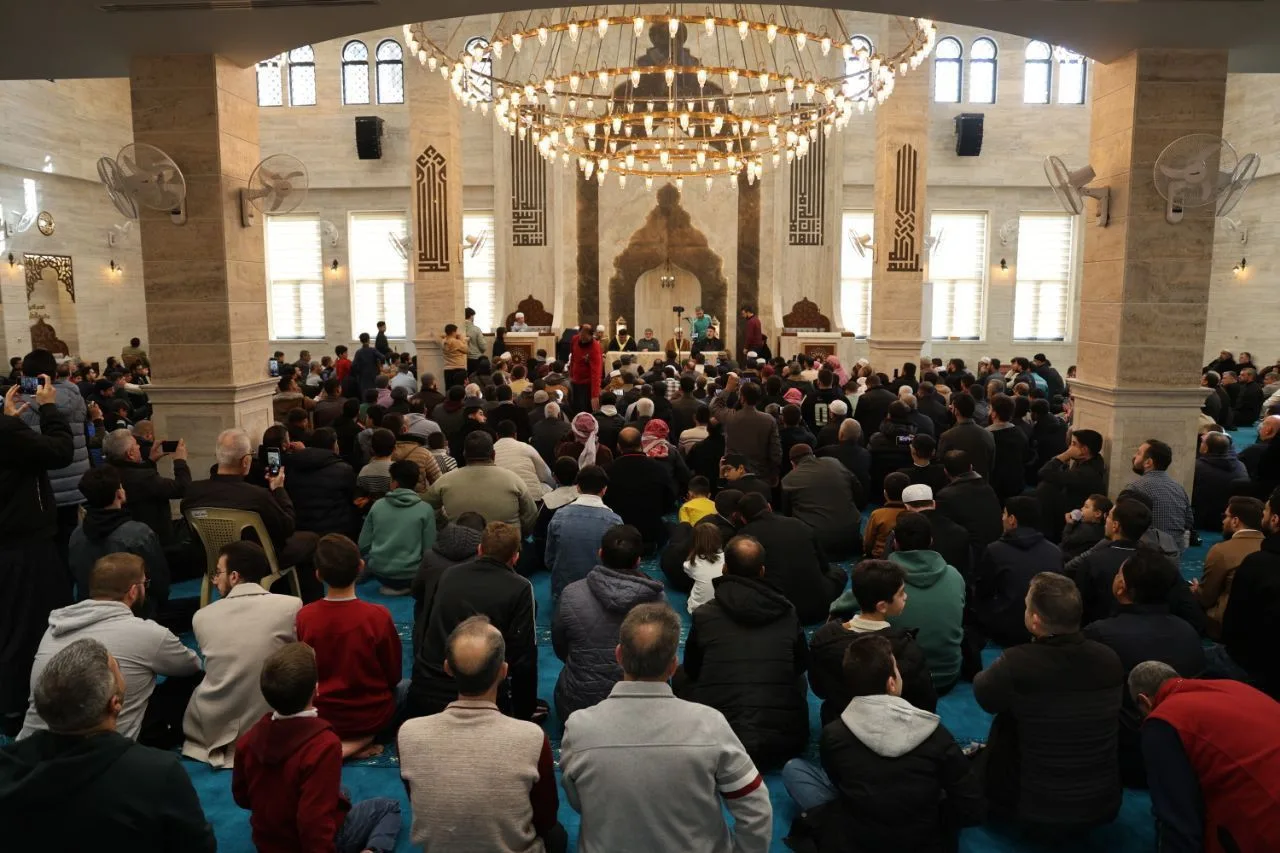
In the aftermath of the fall of the Assad regime and Syria’s entry into a post-liberation phase, mosques have rapidly and profoundly reclaimed their place in public life. After decades of restrictions and security surveillance, these religious spaces have regained their freedom, emerging as open arenas for worship, education, dialogue, and social support. Today, they play a pivotal role in rebuilding trust between society and religious institutions.

In the initial months following liberation, mosques across the country witnessed a broad revival of religious study circles and open lessons. Educational initiatives were launched, targeting all age groups from children and youth to women and the elderly. These included literacy workshops, language classes, life skills and technical training programs, as well as seminars and forums addressing social, cultural, and political issues.

As these activities expanded, mosques transitioned from spontaneous initiatives to more structured operations. Weekly and monthly programs were introduced, with dedicated spaces for children and sports activities for youth.

A new generation of independent scholars and young reformers has emerged individuals combining religious education with social engagement turning mosques into dynamic agents in Syria’s cultural and educational recovery.
نون بوست

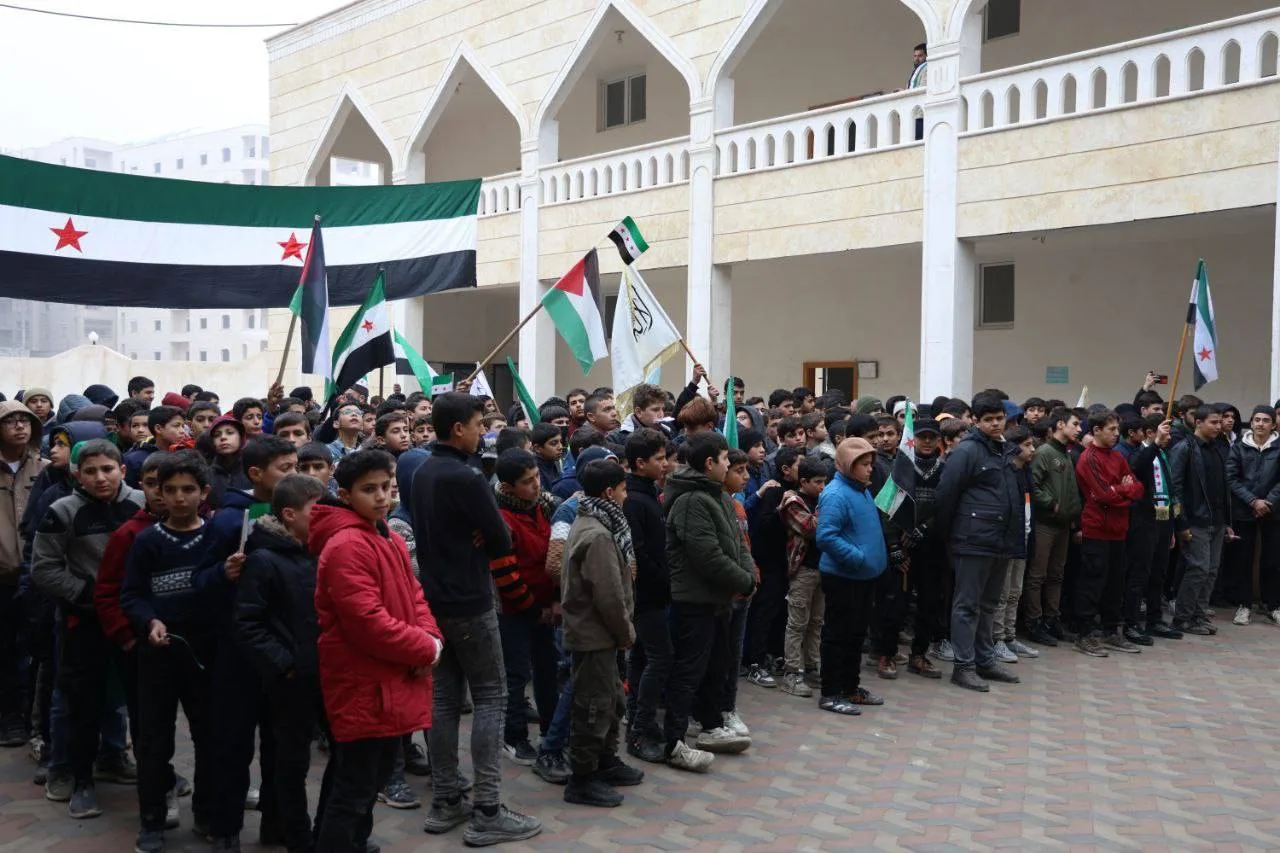
This evolution has also brought about a qualitative shift in religious discourse. Messages from the pulpit have been reshaped to address contemporary challenges using interactive formats, including open dialogues between imams and youth, and embracing digital media and modern communication tools.

In religious education, new secondary schools and institutes have been established across multiple provinces including girls’ schools in Daraa, Damascus, and Homs with qualified educators recruited to develop modern curricula.

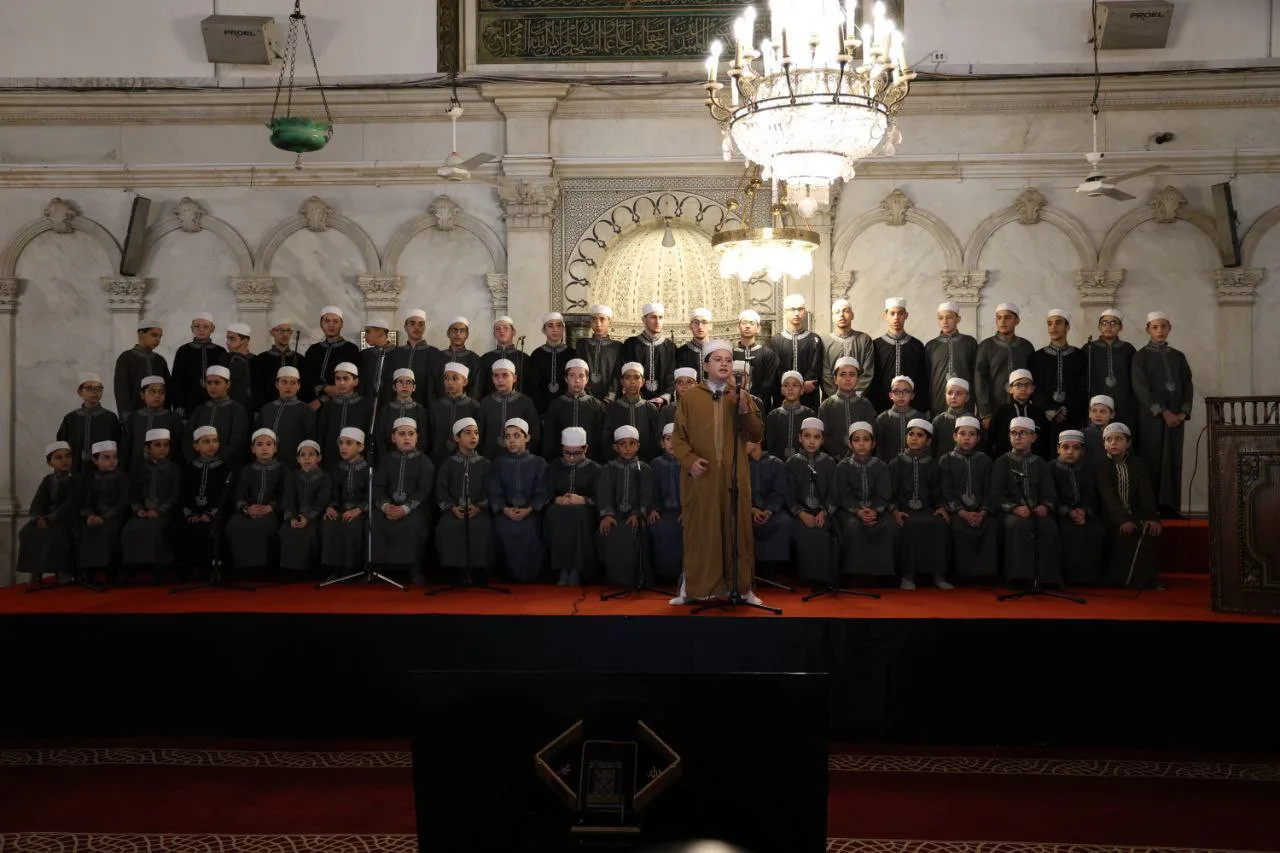
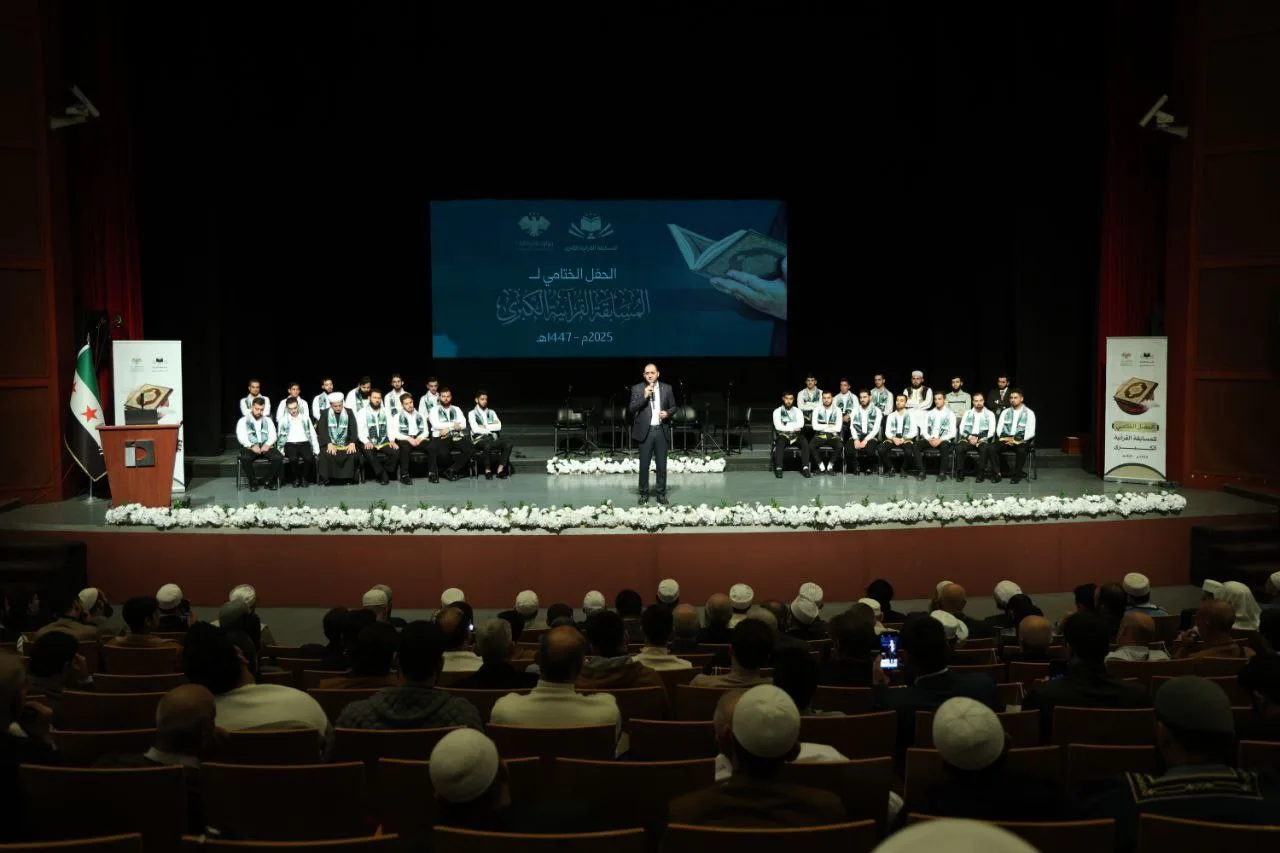
Major Quranic competitions have taken place at the provincial level, culminating in celebratory events in Damascus. Nationwide campaigns such as “Seeking the Blessings of the Heavens” have coincided with mosque reconstruction efforts especially of historical mosques and the revitalization of endowment libraries.

The Ministry of Religious Endowments (Awqaf) has also prioritized expanding women’s roles in religious and educational activities, through the opening of new girls’ schools and the organization of female-led seminars and training sessions.

On the international front, the Ministry has reemerged on the global stage with official visits to countries such as Saudi Arabia, Turkey, Malaysia, Indonesia, Brazil, and Mauritania. These diplomatic engagements have boosted Syria’s standing in the broader Islamic world and opened doors for global academic and religious collaboration.

This report offers a comprehensive overview of the evolving role of mosques in post-liberation Syria highlighting transformations in religious discourse, the broadening of mosque functions, and how these spaces are becoming vibrant centers of worship, education, culture, and community service.

Topics of Mosques After Liberation

Following the fall of the Assad regime, Syrian mosques began undergoing a qualitative transformation in their role and function. Traditional religious lessons expanded to address contemporary issues affecting daily life, including women’s rights, citizenship, and the intersection of religion and politics. This shift gave mosque discourse a practical, reality-based dimension aligned with modern societal challenges.
نون بوست

In the early months after liberation, mosques hosted specialized lectures and study sessions to deepen religious understanding. These included detailed explorations of jurisprudence, hadith sciences, Qur’anic interpretation, and the Prophet’s biography, alongside workshops on political ethics and leadership development.

The scope of mosque activities further evolved to include cultural forums, youth dialogues with imams, and discussions on post-victory responsibilities and the role of society in safeguarding hard-won gains and rebuilding a new Syria.

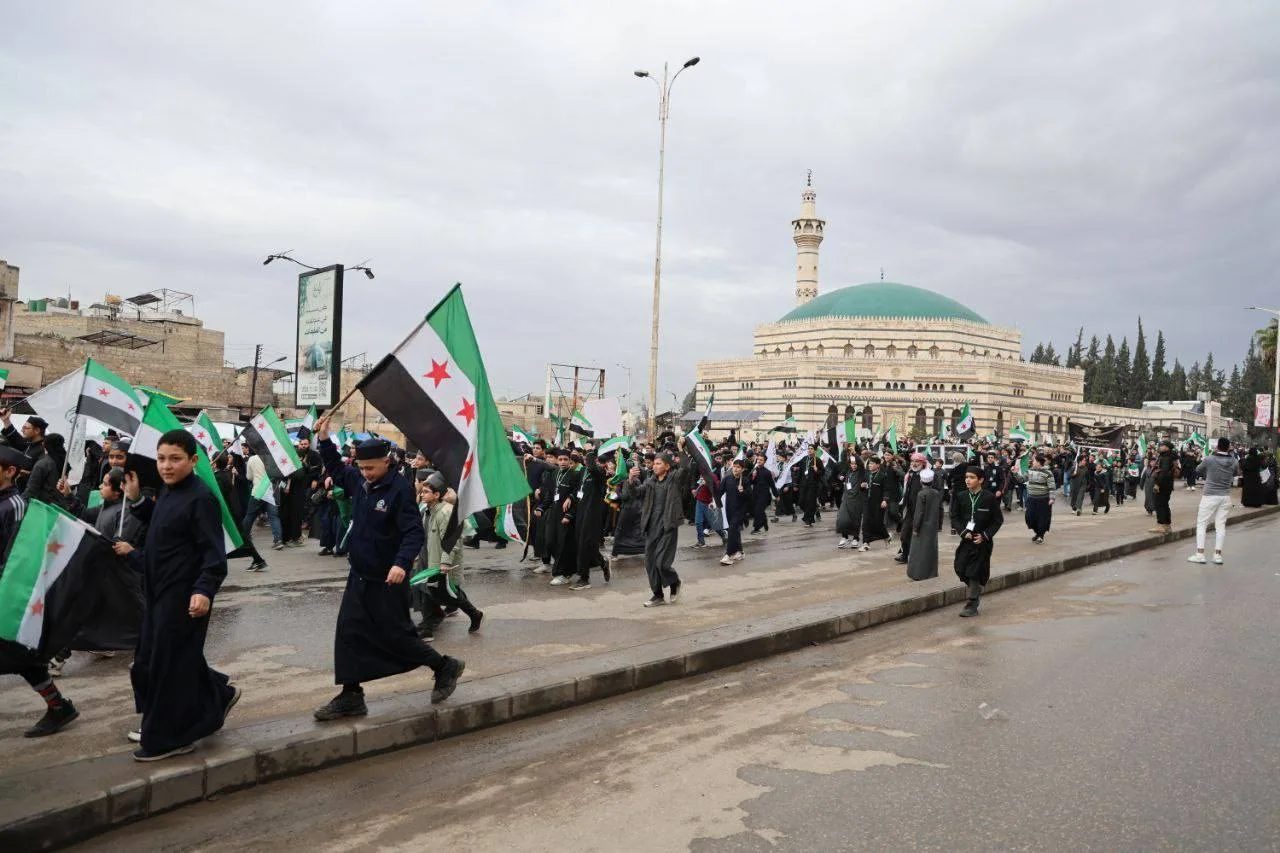
Friday sermons adopted an inclusive and reassuring tone. At Omar ibn al-Khattab Mosque in Homs, the tragedy and resilience of the people of Ghouta were commemorated. In the Umayyad Mosque in Damascus, the sermon introduced a proposed “Moral Charter for the New Syria,” emphasizing every citizen’s responsibility to build a just society.

At Al-Anwar Mosque in Aleppo, sermons focused on the significance and impact of speech in Islam, while the Great Umayyad Mosque featured a sermon titled “A Year Since Victory Damascus Remains a Fortress for the Nation,” urging the preservation of gains and national unity.
نون بوست

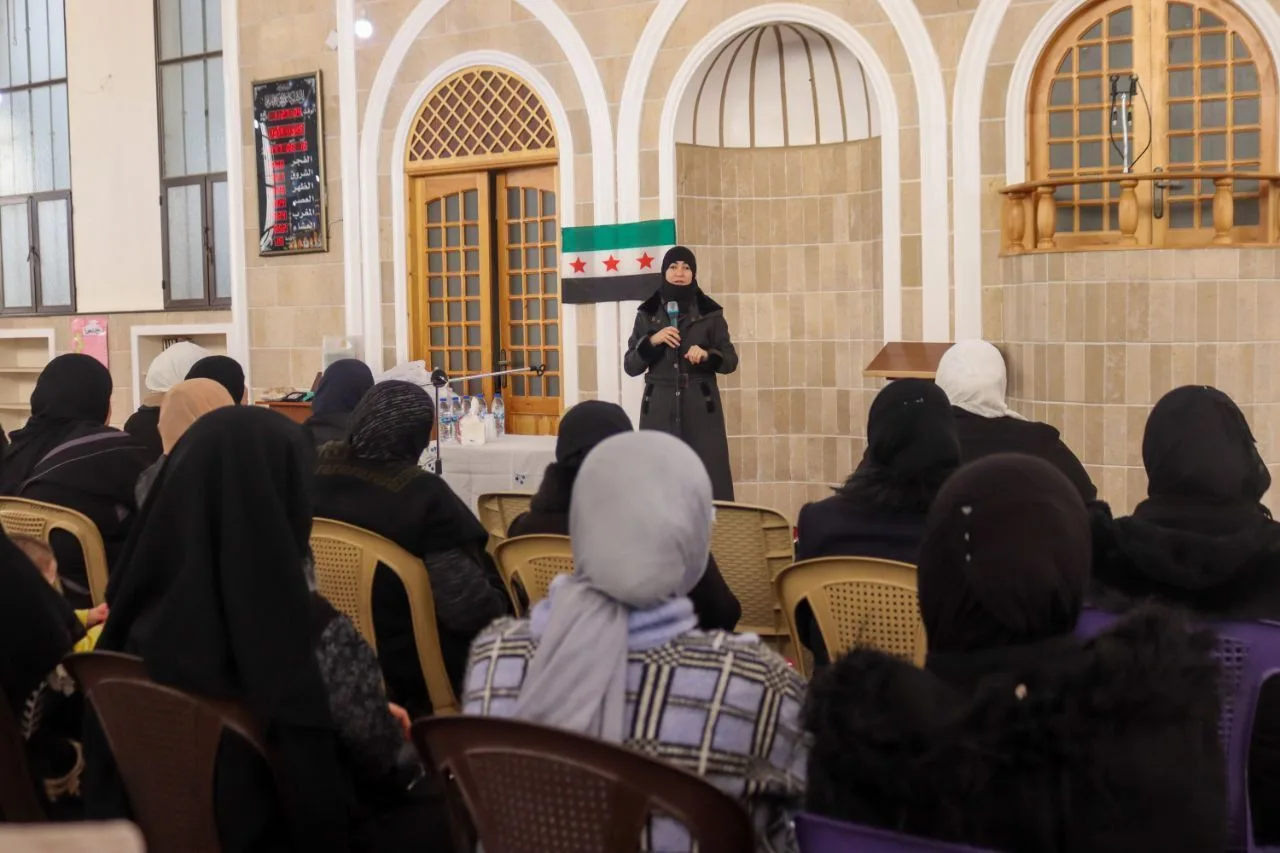
Sheikh Abdul Qadir Othman used the pulpit to promote values of belonging and post-victory civic responsibility, emphasizing awareness as a cornerstone for rebuilding local communities.

Many sermons carried messages of unity and celebrated victory as the culmination of a patient people’s sacrifices. Notable among these were Sheikh Abdullah Tarsha’s sermon on “Community Responsibility After Victory” at Al-Rahman Mosque in Idlib and a sermon at the Umayyad Mosque in Damascus addressing divine protection over the people of al-Sham.

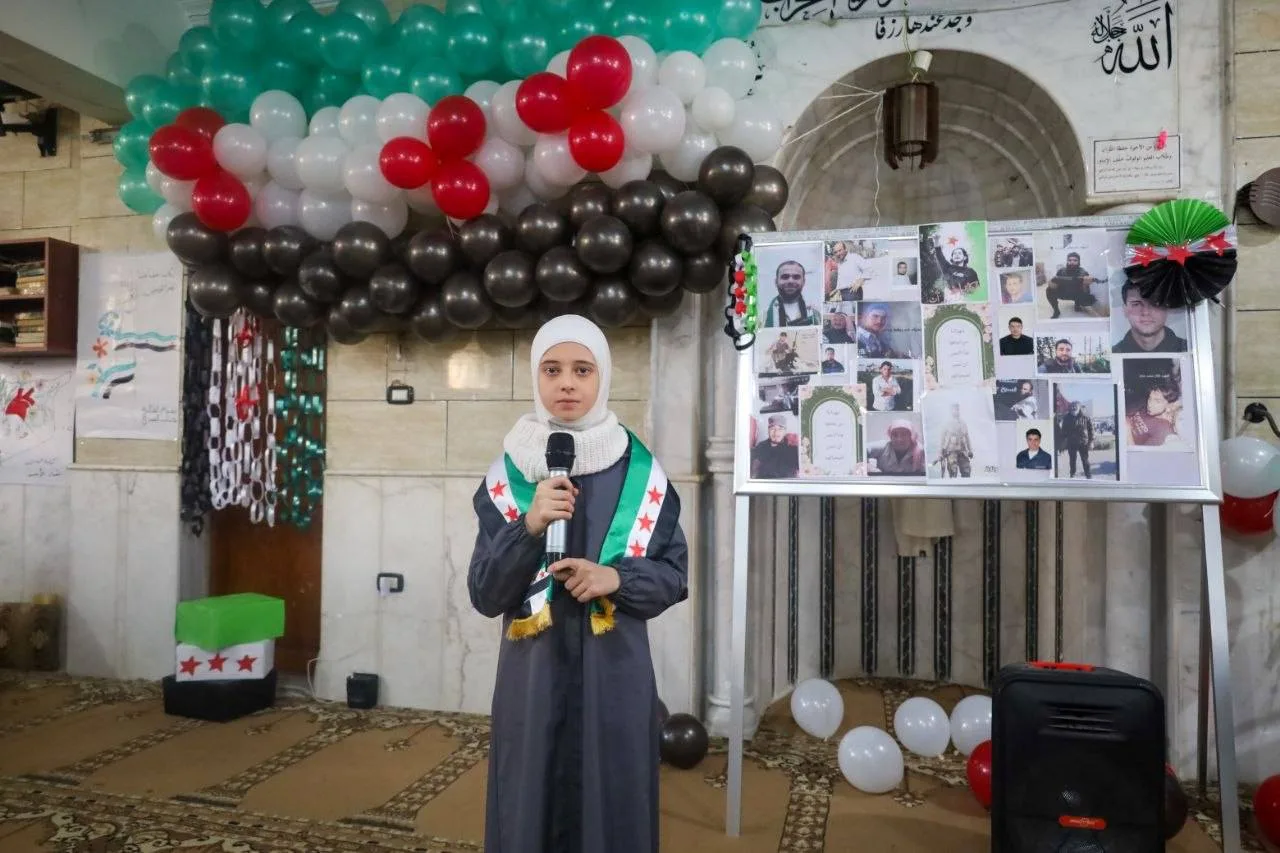
Mosques also worked to deepen community identity by honoring the memory of fallen heroes. One such initiative was the “Best Story of a Martyr” contest, which aimed to integrate the collective memory of the revolution into mosque activities—though the competition sparked some debate due to ambiguities in its title.

Numerous mosques hosted meetings with former detainees who shared their harrowing experiences under the Assad regime. These gatherings marked a significant shift, with mosques becoming public venues for awareness, memory, and survival narratives.
نون بوست

In parallel, mosques transformed into dynamic spaces for intellectual and educational development, targeting children, youth, and women alike. Dedicated areas were established for women’s and youth activities, while the Ministry of Religious Endowments launched programs and discussion circles focusing on citizens’ rights and duties, and linking religious values to citizenship, justice, and social responsibility.

The transformation in mosque discourse became increasingly evident as it moved from traditional preaching toward a deeper intellectual and ethical grounding of statehood and civic identity.

An example was the symposium titled “Building the Nation: Syria as a Model,” which invoked the Prophet’s civic leadership in Medina as a foundation for a pluralistic, contract-based society built on shared values.

Academic Revival and Leadership Development

Across Syria’s provinces, mosques experienced a renaissance in scholarly and outreach activity. Lessons and lectures ranged from classical Islamic sciences to contemporary themes such as political ethics, civic responsibility, leadership training, and engaging with differing viewpoints. Scholars and preachers from a variety of backgrounds contributed to this lively and unprecedentedly diverse religious scene.

Events included lectures by Dr. Abdul Karim Bakkar on “Foundations of Coexistence for Building a Strong State”, Sheikh Abdul Razzaq al-Mahdi’s sessions on hadith terminology in Hama, and Sheikh Qasim al-Shahadat’s lessons on spiritual purification in Daraa.
نون بوست

Dr. Issam Abdul Mola offered a course on political jurisprudence, while Sheikh Ghazi al-Touba addressed the ethical traits of scholars. Additional lectures delved into contemporary issues, jurisprudential debates, and educational leadership.

The Directorate of Mosque Affairs hosted weekly series on classical texts, including Dr. Muhammad Deeb al-Abbas’s commentary on Mukhtasar al-Majmoo’, and study circles on the Forty Hadith of al-Nawawi. Courses on dialogue, persuasive communication, and religious outreach were also organized.

Symbolic and commemorative events continued to deepen the community connection to mosques. These included the “New Hijri Year” seminar, the “Don’t Be a Conformist” sermon in Idlib, and the “Stars of the Scholars” lecture series featuring the life of Imam Abdullah ibn al-Mubarak.

Quranic Competitions and Revival of Hadith Sciences

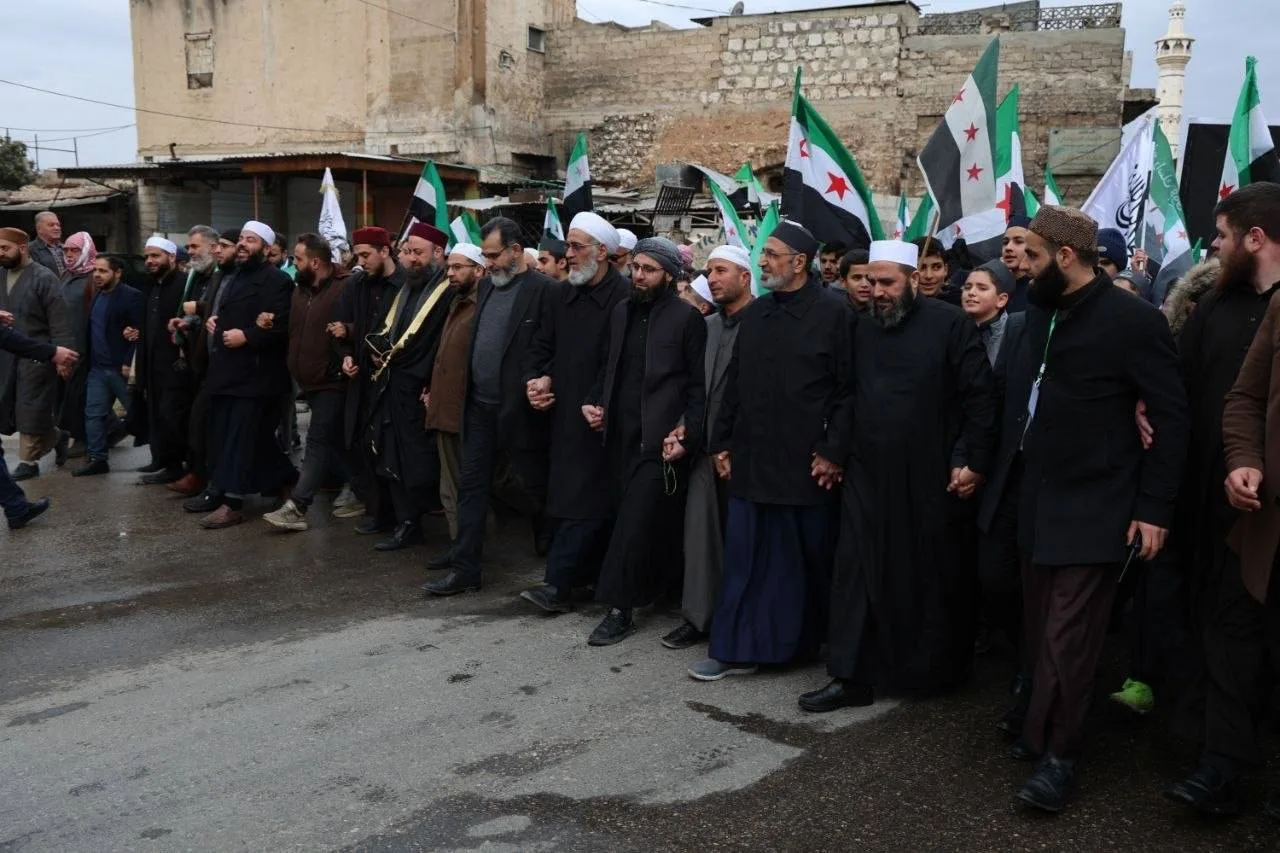
Qur’an memorization circles expanded nationwide, supported by large-scale competitions culminating in final ceremonies in Damascus. Schools such as the Sheikh Abdul Qader Badran Girls’ Religious School in Douma held public exhibitions. Initiatives like “Knights of Fajr” recognized young congregants’ commitment to dawn prayer, and Qur’an students enjoyed recreational trips.

Exhibitions on the life of Prophet Muhammad were held in Aleppo, Hama, Latakia, and Homs. Titled “In the Prophet, I Find My Role Model,” these emphasized practical application of the Prophetic tradition in daily life.
نون بوست

Advanced training in Qur’anic sciences included Tajwid, Rasm al-Mushaf, and ijazah certification. Specialized programs such as “The Most Effective Methodology in Quranic Education” and “Mastery (Ihkam)” targeted teachers and supervisors.

The landmark “Introduction to the Complete Jazariyah” and a new course in Qur’anic script marked a transition to institutionalized Quranic education.

The revival of hadith studies was equally remarkable. The Umayyad Mosque resumed public readings of Muwatta Imam Malik and launched Sahih al-Bukhari assemblies.

These gatherings reaffirmed the role of Damascus as a hub for Islamic scholarship. This momentum culminated in the First Global Hadith Conference, launching a global Bukhari project under the slogan “Bilad al-Sham: The Radiant Legacy of Prophethood.”

Family Education and the Role of Women

The Ministry of Endowments expanded family education through marriage preparation courses, girls’ reading programs, and mosque-based sports leagues. Programs such as “Forming the Family Reformer” introduced psychological and religious counseling.

Academic support, digital tools, and interactive education were used to empower all age groups from young students to adult learners.

Women’s contributions grew significantly. Programs such as “A Woman Builds a Nation” and “Say: Work” showcased female leadership in religious and educational spheres. Lectures, forums, and workshops addressed family, identity, communication, and societal challenges, establishing women as key actors in mosque-centered social renewal.

Redefining the Ministry’s Role

The Ministry of Endowments emerged as a fully institutional actor, integrating religious education with national development. Schools were opened in rural areas, curricula were updated, and centralized strategies aligned religious learning with the values of the new Syrian state.

Field visits and staff training programs were conducted across governorates. Sermons promoted unity, rain prayers were held, and charitable outreach such as hospital donations and Ramadan initiatives reinforced mosques’ civic presence.
نون بوست

The Ministry launched the digital platform “Irshad” for online sermons and religious consultations, inaugurated new buildings, and showcased initiatives at the Damascus International Fair. It adopted a pluralistic approach to Islamic traditions, supporting theological inclusion across Sunni schools Salafi, Sufi, and Ash‘ari while discouraging sectarian rhetoric.

Together, these efforts mark a clear transition in Syria’s religious landscape. Mosques have become multifaceted institutions blending worship, education, culture, and service. The Ministry of Religious Endowments has redefined itself as a partner in rebuilding the Syrian individual and society.

Mosques are no longer passive or restricted spaces. They are now dynamic engines of spiritual renewal, national consciousness, and social cohesion offering Syrians a sense of unity and purpose in the post-liberation era.

Download this article as PDF
Share this Article
Facebook Twitter Whatsapp Whatsapp Telegram Email Copy Link
أحمد سيف النصر
By أحمد سيف النصر كاتب وصحفي مصري
Follow:
Previous Article نون بوست “Persecuted Christians”… How Trump Uses Religion to Subjugate Nigeria
Next Article نون بوست Netanyahu Tries to Sway Trump—Will the U.S. Allow Israel to Strike Iran?

Read More

  • U.S. Regime‑Change Policies: Why They Are Destined to Fail U.S. Regime‑Change Policies: Why They Are Destined to Fail
  • The Gulf’s Balancing Act: Iran, Israel, and Hidden Links
  • Iraq–Turkey Oil Export Treaty: Why Did Ankara Cancel It After 52 Years?
  • Syria’s Northeast on Edge: QSD Between Ankara and Damascus
  • Has Europe Changed Its Stance on Israel… or Just Its Language?
part of the design
NoonPost Weekly Newsletter

You May Also Like

U.S. Regime‑Change Policies: Why They Are Destined to Fail

U.S. Regime‑Change Policies: Why They Are Destined to Fail

إسراء سيد Esraa sayed 8 April ,2026
The Gulf’s Balancing Act: Iran, Israel, and Hidden Links

The Gulf’s Balancing Act: Iran, Israel, and Hidden Links

فريق التحرير Noon Post 8 April ,2026
Iraq–Turkey Oil Export Treaty: Why Did Ankara Cancel It After 52 Years?

Iraq–Turkey Oil Export Treaty: Why Did Ankara Cancel It After 52 Years?

فريق التحرير Noon Post 8 April ,2026

الخطاب النسائي الإمبريالي: دراسة في أسسه الفكرية والمعرفية

يحيى شوطى
يحيى شوطى Published 19 August ,2015
Share
womenprotest28

شكل الخطاب الحقوقي في صيغته الجديدة أحد أهم منتجات الحداثة الغربية، هذا الأخير الذي جاء كتتويج لثورة عالمية ضد الظلم والاستبداد والخطابات العنصرية المذكية لعدد من الصراعات، وقد استطاعت البشرية بمختلف مللها ونحلها التفاعل بدرجات متفاوتة مع الخطاب الحقوقي ومحاولات التأسيس له من خلال عدد من الآليات الحقوقية والمدنية والشعبية.

وقد شكل ظهور الحركة النسائية، أو بالتعبير الذي انحاز إليه حسب الدكتور المسيري رحمه الله: “نظرية الحقوق الجديدة”، أحد تجلياتها وأوجه التفاعل مع موجة الحقوق والحريات، لكن وفي إطار التدافع الحاصل بين عدد من الرؤى والمقتربات، خاصة بين الحضارة المادية التي تنبني على منطق الصراع والهيمنة وتشيء الانسان كما قال بذلك الدكتور عبد الوهاب المسيري رحمه الله “نحن نعيش في عالم يحولنا إلى أشياء مادية ومساحات لا تتجاوز عالم الحواس الخمس، إذ تهيمن عليه رؤية مادية للكون”[1]، وبين الحضارة الإسلامية التي تنبني فيها علاقة الرجل بالمرأة على أسس التكامل والتراحم.

وسنعمد في هذه الدراسة وفق ما يسمح به المقام لبسط تصورات الموجة الجديدة في الخطاب النسائي، وإبراز مختلف الأسس النظرية التي تستند عليها ومحاولة نقدها انطلاقًا من عدد من الدراسات التي سبق أن تناولت هذا التوجه ويتعلق الأمر خاصة بالدكتور عبد الوهاب المسيري – رحمه الله -، كما سنورد التصور القرآني للعلاقة بين الرجل والمرأة انطلاقًا من عدد من المفاهيم القرآنية، كل ذلك لأن للموضوع أهمية بارزة كما قال الدكتور سعد الدين العثماني إنه “يحتاج إلى أن يبنى على رؤية إسلامية حضارية مخلصة من شوائب القرون، ومن تشيئ وإباحية التغريب، إن الأمر جد لأنه يتعلق بنصف المجتمع، فبدون حياته فلا حياة للمجتمع، وبدون حيويته فلا حيوية في المجتمع”.[2]

وقد تشكلت الملامح الفكرية والإبستيمية لموجة الحقوق الجديدة من خلال ما سماه المسيري “بالواحدية الهيومانية”[3] والتي تنطلق من صراع الإنسان ضد أخيه الإنسان، وهو ما عبرت عنه بعض التوجهات الفلسفية خاصة مع توماس هوبزThomas Hobbes حينما عبر بمقولة “الإنسان ذئب لأخيه الإنسان”[4]، وإذا ما نظرنا إلى تلك الفلسفات يمكن الوقوف بشكل واضح على تحيزاتها وقراءاتها للإنسان، خاصة تلك التي تحصر الإنسان في زاوية الحيوان، وتقصره على شهواته الجنسية أو الاستهلاكية وغيرها.

لكن حركات الحقوق الجديدة لا تقف عند الواحدية الإنسانية وإنما تتعداه إلى أن تصل إلى مرحلة الواحدية السائلة ذلك العالم الذي يغيب في المركز ويصير الحلول هو مركز الكون على حد تعبير المسيري، فخطورة الخطاب النسواني الجديد ليس في دفاعه عن المرأة وهو المطلب الذي لا يمكن لعاقل أن يجادل فيه، وهو ضرورة إعطاء المرأة لمكانتها التي تستحقها دون احتقارها، وهو المطلب الذي جاء الإسلام ليرسخه، وصحيح أن المرأة قد طالها من الظلم والتعسف ما نالها جراء التخلف ومحاولة البعض بناء تصورات نكوصية انطلاقًا من مبررات دينية لا تصمد أمام الدراسة والتحليل.

لكن خطورة هذا التوجه هو محاولة الانطلاق فلسفيًا قبل انطلاقه العملي من اعتبار الرجل عدوًا للمرأة ومن ثم تبنى مختلف التصورات والتحركات من هذا المنطلق، والذي كان القصد من ورائه هو هدم الأسرة باعتبارها أحد أهم المؤسسات المنشئة للإنسان، ويشكل الجندر أو النوع الاجتماعي Gender أحد المرتكزات النظرية التي تنطلق منها هذه الموجة المعلمنة في محاولتها لبسط تصوراتها وبناء نماذجها المعرفية، وكذا في تأسيساتها للصراع بين الرجل والمرأة.

وقد شكلت عدد من الدراسات الأكاديمية وقودًا لذلك التوجه نورد بعضها:

Dorothy smith وهي عالمة الاجتماع البريطانية والتي دعت إلى اعتماد علم اجتماع أنثوي منتقدة بذلك ذكورية علم الاجتماع الحالي[5] والذي يشكل بالنسبة لها أحد مؤسسي العقلية الذكورية، أو Raewyn Connell والتي تحدثت عن التسلط الذكوري Hegemonic Masculinity، من باب الإنصاف فقد ظهرت في الغرب كذلك تصورات مناقضة للخطاب النسائي وقد ظهرت عدة مدارس في مقاربة قضايا المرأة خاصة من زاوية علاقتها بالرجل فنجد نظرية Heterosexual  والتي يمكن أن تعتبر نقيضًا لـ Homosexuality.

ولعل حقل التاريخ شكل أحد أبرز الحقول التي شهدت هذا الصراع، وقد أفرد المسيري – رحمه الله – نقاشًا لهذا المبحث، إذ أصبح دعاة التمركز حول الأنثى ينادون بضرورة سرد التاريخ من وجهة نظر أنثوية بل وأعيد تسمية التاريخ فهو بالإنجليزية History التي وجد بعض الأذكياء أنها تعني (قصته his story ) فتقرر تغيير الاسم إلى her story)) ” قصتها”[6].

وقد انتقل هذا الصراع إلى الحياة الزوجية، وهو ما نجده في الدعوة إلى التمرد على الأمومة ومحاولة التمرد على الفطرة البشرية من خلال الدعوة إلى السِّحاق كما قالت Ti-Grace Atkinson وهي إحدى رائدات التوجه المتطرف “إذا كان الفيمينزم النظرية، فإن السِّحاق هو التطبيق”if feminismis the theory, lesbianismis the practice”، وكذا محاولة اعتبار الإنجاب من متاعب المرأة وغيرها من التصورات التي تستمد مرجعيتها من خطاب الواحدية السائلة، ولعل ما بات يعرف بقضايا استئجار الرحم ليشكل أحد منتجات هذا التوجه العلماني الشامل الذي يحاول التمرد على كل المرجعيات، كما أن الدعوة إلى الشذوذ الجنسي هو كذلك أحد منتجات هذا التوجه.

علاقة الرجل والمرأة في القرآن:

لقد تميز الخطاب الإلهي في القرآن الكريم بتفرده في وصف علاقة الرجل بالمرأة، إذ استطاع القرآن أن يؤسس لعلاقة من خلال عدد من المفاهيم المركبة التي تميز بها القرآن دون غيره، وإذا كان مفهوم الفردية مثلاً، هو محدد في التفكير الغربي وقد أدى إلى كوارث في العالم بسبب الندية التي أدت إلى الصراع، كما تعرضت الأسرة الغربية إلى هزات بسب الفردية والأنانية، فالإسلام، حسب محمد الطلابي، يعتبر مفهوم الزوجية يؤدي إلى التعاون وإلى العمران الرشيد، ويهتم بالتدافع بدل الصراع، لأن الكون مبني على الزوجية في كل شيء فلا وجود لقطب الموجب بدون السالب، وهو الذي تتحدث عنه الآية الكريمة: {وَمِنْ آيَاتِهِ أَنْ خَلَقَ لَكُمْ مِنْ أَنْفُسِكُمْ أَزْوَاجًا لِتَسْكُنُوا إِلَيْهَا وَجَعَلَ بَيْنَكُمْ مَوَدَّةً وَرَحْمَةً إِنَّ فِي ذَلِكَ لَآيَاتٍ لِقَوْمٍ يَتَفَكَّرُونَ}.[7]

كما يشكل مفهوم السكن وهو ما تشير إليه الآية القرآنية السالفة الذكر بقوله تعالى: {لِتَسْكُنُوا إِلَيْهَا وَجَعَلَ بَيْنَكُمْ مَوَدَّةً وَرَحْمَةً} ولعل نظرة واحدة في مفهوم السكن كفيلة بحيازة تصور حول إحالات مفهوم السكن في القرآن فنجد قال ابن القيِّم: هي الطُّمَأنِينة والوَقَار والسُّكون، الذي ينزِّله الله في قلب عبده عند اضطرابه من شدَّة المخاوف، فلا ينزعج بعد ذلك لما يرد عليه، ويوجب له زيادة الإيمان، وقوَّة اليقين والثَّبات،[8] وقال الجرجاني: “السَّكِينَة: ما يجده القلب من الطُّمَأنِينة عند تنزُّل الغيب، وهي نور في القلب يَسْكُن إلى شاهده ويطمئن”.[9]

مفهوم المساواة

في هذا الصدد يقول سعد الدين العثماني: “فالرجل والمرأة في نصوص الشرع متساويان، شقيقان لا يجوز معاملة أحدهما بالتمييز أو التفضيل أو المحاباة، وأهمية توضيح هذا المبدأ يظهر في أن مساواة الجنسين في مجال أو أمر أو حكم لا يحتاج إثباته إلى دليل لأنه الأصل، والذي يحتاج إلى البحث عن الدليل هو عدم المساواة وتخصيص النساء بأحكام مميزة، وهذا في رأينا أصل أصول النظر إلى قضية المرأة وأدلة هذا الأصل في الشريعة كثيرة منها: {يَا أَيُّهَا النَّاسُ اتَّقُوا رَبَّكُمُ الَّذِي خَلَقَكُمْ مِنْ نَفْسٍ وَاحِدَةٍ وَخَلَقَ مِنْهَا زَوْجَهَا وَبَثَّ مِنْهُمَا رِجَالًا كَثِيرًا وَنِسَاءً وَاتَّقُوا اللَّهَ الَّذِي تَسَاءَلُونَ بِهِ وَالْأَرْحَامَ إِنَّ اللَّهَ كَانَ عَلَيْكُمْ رَقِيبًا}[10]، ولم يكتف القرآن بتقرير هذه الأرضية الصلبة لأصل المساواة بين الجنسين، بل ركزت آيات عديدة على مساواتهما في المسؤولية والعمل والجزاء بشكل لافت للنظر، يقول تعالى: {وَمَنْ يَعْمَلْ مِنَ الصَّالِحَاتِ مِنْ ذَكَرٍ أَوْ أُنْثَىٰ وَهُوَ مُؤْمِنٌ فَأُولَٰئِكَ يَدْخُلُونَ الْجَنَّةَ وَلَا يُظْلَمُونَ نَقِيرًا}.[11] فحتى تفاوت الرجل والمرأة في الأحكام الإلهية ليس مرده لتفضيل الرجل على المرأة وإنما مرده كما قال العلامة البوطي رحمات الله عليه: “ولكن قد يقال: فما بال الرجال يخاطبون بتكاليف لا تخاطب بها النساء؟ وما بال النساء يخاطبن بتكاليف لا يخاطب بها الرجال؟ والجواب: أن هذا الاختلاف ليس آتيًا من فرق ما بين الذكورة والأنوثة أو ما بين الرجال والنساء، وإنما هو آت من عوامل خارجية أخرى تتعلق بالحكمة أو المصالح التي شرعت من أجلها هذه التكاليف”[12].

ومجمل القول في الختام أني لا ادعي الإحاطة بالموضوع من مختلف جوانبه وتفرعاته، لكن حسبي أن أنبه إلى موضوع يستحق منا دراسته والانتباه إليه إذ هو من المواضيع المتجددة، خاصة في ظل تنامي السعار الإمبريالي الذي يسعى إلى “تشيء الإنسان وحوسلته”[13]، وجعله آلة من آليات الإنتاج متغاضيًا في ذلك تكريم الله لبني الإنسان، وتشكل المرأة في هذا التدافع المحموم حجز الزاوية، إذ أراد المشروع الإمبريالي جعلها مصدرًا للثروة من خلال جعل جسد المرأة أحد وسائلها من خلال تنميط صورة المرأة في الإعلام وربطها بالجنس وتجارته، مستغلين في ذلك بعض القراءات النكوصية لقول الله تعالى وأقوال رسوله محاولين إهانة المرأة من خلال قراءة تلكم النصوص قراءة لا تستقيم ولا تستجيب لروح الإسلام الذي كرم الإنسان وأفرد للمرأة مكانة مهمة في الإسلام، وحسبنا أن جعل الجنة تحدت أقدام الأمهات وساوى بين الرجل والمرأة كما قال العلامة البوطي رحمات الله عليه: “وواضح أنه لا فرق في هذه الحيثية بين الرجل والمرأة، إذ إن العبودية فرع عن المملوكية، ولا شك أن كلاً من الرجل والمرأة مملوك لله عز وجل، فاطر كل شيء، ومن ثم فإن عبوديتهما لله واحدة في حقيقتها وقدرها، ولا مجال لفهم أي تفاوت ما بين الرجل والمرأة فيها، والنتيجة التي تتفرع عن ذلك تتمثل في أن الواجبات التي كلف الله بها عباده الرجال هي نفسها التي كلف بها إماءه النساء”[14]

ولعل مشكلتنا في أوطاننا المتخلفة هو مع “المُقَلّدة” على حد تعبير الفيلسوف طه عبد الرحمن، إذ يحاول هؤلاء الانسلاخ عن مقومات الهوية الحضارية الجمعية للشعوب المسلمة، واقفًا مندهشًا أمام الحداثة الغربية، ومحاولين اجترار مقولات غربية دون النظر فيها ودون تمحيصها، ويا ليتنا أمام حداثيين بخلفية معرفة أو حتى أيديولوجية صلبة، لكن واقع الحال أننا امام مقلدة مستلبة، تحاول قسرًا العمل على مشاريع الاستتباع الثقافي للغرب واعتبارنا فضاءً حيويًا Espaces vitales للغرب لتنفيس تناقضاتها الثقافية والاقتصادية والاجتماعية.

وكما قالت هبة رؤوف عزت “ما يجب على التيارات النسوية فهمه أن تلك الرؤية الفكرية الشاملة للعالم تحمل في طياتها أفقًا للعدل والحرية، والأمر مرهون بتطوير السياقات التي يتم في ظلها الجدل الاجتماعي الواسع لأن الأمة العربية اليوم لا تملك مشروعًا متبلورًا للبقاء واستمرار كأمة، بل للنهضة ككيان ووطن عربي، فكيف ينتظر منها بلوغ إجماع أو حتى اتفاق عام على قضايا المرأة؟

تلك هي المشكلة الحقيقية”[15].


[1]: عبد الوهاب المسيري، قضية المرأة بين التحرير والتمركز حول الأنثى، 2010، منشورات نهضة مصر، ط 2.

[2] : سعد الدين العثماني، المرأة ونفسية الاستبداد، دار الكلمة، الطبعة الرابعة، 2015، ص 5.

[3]: انظر عبد الوهاب المسيري، العلمانية الجزئية والعلمانية الشاملة، الجزء الأول، دار الشروق، الطبعة الثانية، 2005، وكذا المسيري، الفلسفة المادية وتفكيك الإنسان، دار الفكر، دمشق، الطبعة الثانية، 2003. وهذا المصطلح من المصطلحات الخاصة بالدكتور عبد الوهاب المسيري فتجدها مبثوثة في مختلف كتاباته ودراساته.

[4]: المقولة توماس هوبزThomas Hobbes (5 أبريل 1588 – 4 ديسمبر 1679) كان عالم رياضيات وفيلسوف إنجليزي.

[5]: بتصرف عن  محمود الذوادي، مختصر الجدال حول النظرية الاجتماعية اليوم، المعهد العالمي للفكر الإسلامي، الطبعة الأولى، 2014.

[6]: المسيري، قضية المرأة، مرجع سابق.

[7]: الروم، الآية 21.

[8]: انظر: مدارج  السالكين (2/503).    

[9]: انظر التعريفات (159/1).

[10]: النساء، الآية 1.

[11]: النساء الآية 124.

[12]: سعد الدين العثماني،مرجع سابق، ص 19/18.

[13]: المسيري، العلمانية الجزئية والشاملة، مرجع سابق.

[14]: سعيد رمضان البوطي، المرأة بين طغيان النظام الغربي و لطائف التشريع الرباني، دار الفكر المعاصر، الطبعة الأولى، ص 20.

[15]: هبة رؤوف عزة، دراسة حول مواقف القوى السياسية، خاصة الحركات الإسلامية، والحركات الدينية، من تمكين النساء في البلدان العربية على الرابط: https://www.arab-hdr.org/publications/other/ahdr/papers/2005/raouf.pdf

TAGGED: الشذوذ الجنسي ، المرأة في الإسلام ، تحرر المرأة ، قانون الحريات
TAGGED: فكر
Download this article as PDF
Share this Article
Facebook Twitter Whatsapp Whatsapp Telegram Email Copy Link
يحيى شوطى
By يحيى شوطى طالب باحث
Follow:
Next Article نون بوست The Stigma of “ISIS”: A Heavy Legacy Haunting Women and Children of Former Members

Read More

  • U.S. Regime‑Change Policies: Why They Are Destined to Fail U.S. Regime‑Change Policies: Why They Are Destined to Fail
  • The Gulf’s Balancing Act: Iran, Israel, and Hidden Links
  • Iraq–Turkey Oil Export Treaty: Why Did Ankara Cancel It After 52 Years?
  • Syria’s Northeast on Edge: QSD Between Ankara and Damascus
  • Has Europe Changed Its Stance on Israel… or Just Its Language?
part of the design
NoonPost Weekly Newsletter
dark

An independent media platform founded in 2013, rooted in slow journalism, producing in-depth reports, analysis, and multimedia content to offer deeper perspectives on the news, led by a diverse young team from several Arab countries.

  • Politics
  • Society
  • Rights & Liberties
  • Opinions
  • History
  • Sports
  • Education
  • Technology
  • Economy
  • Media
  • Arts & Literature
  • Entrepreneurship
  • Travel
  • Cinema & Drama
  • Food
  • Health
  • Culture
  • Latest Reports
  • Files
  • Long Reads
  • Interviews
  • Podcast
  • Interactive
  • Encyclopedia
  • In Pictures
  • About Us
  • Our Writers
  • Write for Us
  • Editorial Policy
  • Advanced Search
Some rights reserved under a Creative Commons license

Removed from favorites

Undo
Go to mobile version