NoonPost NoonPost

NoonPost

  • Home
  • Politics
  • Economy
  • Society
  • Culture
  • Files
  • Long Reads
  • Podcast
AR
Notification Show More
نون بوست
“There Are Nights I Can’t Close My Eyes”: How Gazans Are Living in Homes on the Brink of Collapse
نون بوست
From al-Jolani to Ahmad al-Shara: The Evolution of Syria’s New Leader
نون بوست
When Political Islam Receded in Egypt: Who Filled the Void?
نون بوست
An Extension of Genocide: Gaza’s Detainees Speak Out
نون بوست
A Tightrope Between Survival and Sovereignty: The Syrian Government Faces Normalization Pressures
نون بوست
American Aircraft Carriers: Has the Era of “100,000 Tons of Diplomacy” Ended?
نون بوست
U.S. Regime‑Change Policies: Why They Are Destined to Fail
نون بوست
Transformations of Israeli Judaism: Between the Victim Complex and the Colonizer’s Doctrine
نون بوست
The Gulf’s Balancing Act: Iran, Israel, and Hidden Links
نون بوست
Iraq–Turkey Oil Export Treaty: Why Did Ankara Cancel It After 52 Years?
نون بوست
Syria’s Northeast on Edge: QSD Between Ankara and Damascus
نون بوست
Has Europe Changed Its Stance on Israel… or Just Its Language?
NoonPost NoonPost
AR
Notification Show More
نون بوست
“There Are Nights I Can’t Close My Eyes”: How Gazans Are Living in Homes on the Brink of Collapse
نون بوست
From al-Jolani to Ahmad al-Shara: The Evolution of Syria’s New Leader
نون بوست
When Political Islam Receded in Egypt: Who Filled the Void?
نون بوست
An Extension of Genocide: Gaza’s Detainees Speak Out
نون بوست
A Tightrope Between Survival and Sovereignty: The Syrian Government Faces Normalization Pressures
نون بوست
American Aircraft Carriers: Has the Era of “100,000 Tons of Diplomacy” Ended?
نون بوست
U.S. Regime‑Change Policies: Why They Are Destined to Fail
نون بوست
Transformations of Israeli Judaism: Between the Victim Complex and the Colonizer’s Doctrine
نون بوست
The Gulf’s Balancing Act: Iran, Israel, and Hidden Links
نون بوست
Iraq–Turkey Oil Export Treaty: Why Did Ankara Cancel It After 52 Years?
نون بوست
Syria’s Northeast on Edge: QSD Between Ankara and Damascus
نون بوست
Has Europe Changed Its Stance on Israel… or Just Its Language?
Follow US

Netanyahu Tries to Sway Trump—Will the U.S. Allow Israel to Strike Iran?

عماد عنان
Emad Anan Published 26 March ,2026
Share
نون بوست
نون بوست

The region appears to be bracing for yet another escalation, according to recent developments. The news site Axios has reported, citing three Israeli sources, that the Trump administration issued a warning over the past weekend about a possible Iranian attack on Israel.

The alert was reportedly based on a missile drill conducted by Iran’s Islamic Revolutionary Guard Corps (IRGC) just days earlier.

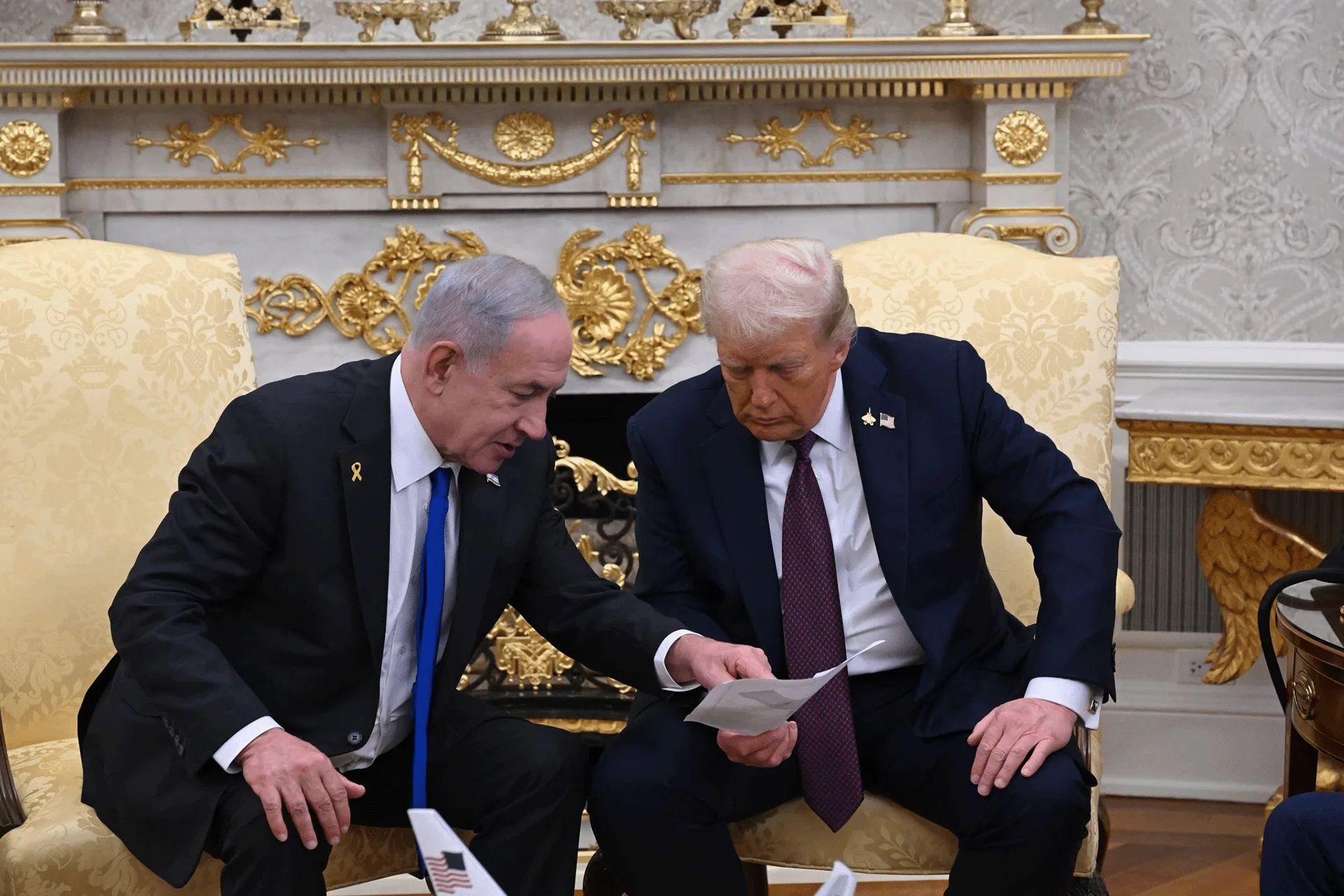
According to sources familiar with the matter, Israeli Prime Minister Benjamin Netanyahu is expected to raise the issue of Iran’s missile capabilities and the possibility of a strike on Tehran during his upcoming meeting with former U.S. President Donald Trump in Miami, Florida, on December 29.

As part of Israel’s military mobilization, Israeli Chief of Staff Lt. Gen. Herzi Halevi held a phone call on Saturday, December 20, with U.S. Central Command (CENTCOM) chief Admiral Brad Cooper.

During the conversation, Halevi conveyed Israel’s deep concern about the IRGC’s recent drill, warning that the missile movements, along with other operational activities, could be a cover for a surprise attack. He urged closer coordination between U.S. and Israeli forces on defensive preparations.

Amid these fast-moving developments and Israel’s increasingly conspicuous military posture, and given the two-year-long cycle of tension between Tehran and Tel Aviv, key questions emerge: Is the region on the verge of a direct military confrontation? And how will the United States respond to this latest escalation?

What’s Behind Israel’s Mobilization?

According to Israeli sources who spoke to Axios, current intelligence assessments point only to internal military maneuvers inside Iran and routine IRGC drills movements that, for now, fall short of justifying the level of alarm and military posturing underway.

One Israeli source noted that similar concerns had been raised six weeks earlier when Iranian missile movements were detected, but those warnings ultimately did not materialize into any concrete developments. Publicly, the source assessed the likelihood of an Iranian attack at “less than 50 percent.”

U.S. intelligence appears to share that assessment. According to an American official cited by Axios, Washington currently has no indicators pointing to an imminent Iranian attack on Israel.

Nonetheless, the Israeli position, amid what many see as exaggerated rhetoric and military buildup, is guided by a simple logic: “No one wants to take the risk of assuming it’s just a drill,” one Israeli source said. The Israeli military’s appetite for risk has notably declined—especially in the wake of the October 7, 2023, “Al-Aqsa Flood” operation launched by Hamas.

Israeli intelligence has reportedly detected early signs that Iran has resumed rebuilding its missile capabilities with greater urgency than after the 12-day war in June. According to the same sources, Iran exited that war with around 1,500 missiles down from 3,000 beforehand and retained only 200 launch platforms out of an original 400.

While Iran has begun the process of rebuilding, it has not yet regained its pre-war military capacity. Israeli military intelligence and the Mossad believe that the pace of reconstruction does not warrant an immediate military response within the next two to three months. However, they caution that the situation could evolve into a more urgent threat later in the year.

Both Israeli and American sources told Axios that the greatest risk lies in miscalculation. Each side might interpret the other’s actions as preparation for an attack, prompting a preemptive strike. Such a scenario could plunge the entire region into an uncontrollable conflict.

Netanyahu Seeks a Green Light from Trump

Netanyahu is attempting to leverage what he sees as Iran’s current vulnerability after a series of blows over the past two years and capitalize on the prevailing fluidity and disarray in the regional landscape to secure a green light from Trump for a strike on Tehran, even without direct American involvement.

According to Israel’s Yedioth Ahronoth, which cited unnamed official sources, Netanyahu plans to present Trump with updated intelligence on Iran, Hamas, and Hezbollah in an effort to convince him of the urgent need to counter what Tel Aviv sees as an accelerating Iranian ballistic missile program.

These sources suggest that simply securing Trump’s approval for a unilateral Israeli strike would be seen as a major political win for Netanyahu, especially given the understanding within Israeli circles that the U.S. is reluctant to get entangled in a new military conflict with potentially high costs.

According to informed sources and former U.S. officials, Israel believes that, if unchecked, Iran’s missile production could reach 3,000 per year. Meanwhile, Iranian Foreign Minister Abbas Araghchi publicly stated on Sunday, December 21, that Iran is “fully prepared” for another round of fighting if it comes to that, adding that strategic facilities damaged in the June war have already been restored.

A Broad Target List: What Does Tel Aviv Want?

Netanyahu’s push to gain U.S. approval for a strike on Iran serves a multi-tiered agenda:

  • Personal Objectives: Netanyahu aims to keep the region in a state of perpetual tension, stoking domestic fears about the growing Iranian threat. This could help shift public focus away from his legal troubles and boost his political survival, reinforcing the stability of his government.

  • Security Objectives: The threat posed by Iran serves as a constant pretext for Israeli military and intelligence operations in Syria, Lebanon, Iraq, and Yemen under the guise of countering Iran’s regional proxies. Chief of Staff Halevi has stated that the army is ready to strike “wherever necessary,” aligning security moves with Netanyahu’s political interests.

  • Political Objectives: The escalation sends a warning to regional powers and could pressure hesitant countries such as Saudi Arabia toward formal normalization with Israel. Greater Israeli assertiveness might nudge them toward the Abraham Accords out of fear or strategic calculation.

  • Economic Objectives: By amplifying the perceived Iranian threat and highlighting Tehran’s rearmament, Israel fuels anxiety among neighboring countries, encouraging them to bolster their own arsenals thereby benefiting U.S. and Israeli arms manufacturers and reinforcing their dominance over the regional defense market.

Deterrence and Opportunity: What Are the Scenarios?

Despite the Israeli government’s aggressive rhetoric, a direct and unilateral Israeli military strike on Iran ultimately hinges on a political decision in Washington. Israel’s capabilities alone are insufficient to carry out such a strike or absorb the consequences of retaliation from Iran’s substantial missile arsenal.

Many analysts view Tel Aviv’s verbal escalation and its transmission to American policymakers as more about deterrence than a genuine push toward war. The potential military, economic, and political costs of a direct confrontation with Iran make this a decision far beyond the scope of Israeli leadership it rests squarely with the U.S. and its broader strategic calculus in the region.

Trump’s posture on a possible Israeli strike is expected to be dictated by pure pragmatism. The conditions that led to Washington’s involvement in the June strikes no longer exist to the same extent whether in terms of intelligence or political cover.

Moreover, Trump faced significant backlash in the U.S. for what was widely seen as capitulating to Netanyahu’s pressure. This criticism may now constrain his willingness to authorize a new military venture that could be portrayed as serving Israeli interests over America’s.

As such, Washington’s current approach appears focused on risk management, not escalation seeking a balance between supporting its Israeli ally and preserving domestic political interests. This could take the form of a blend of deterrence, diplomacy, and economic pressure.

Two main scenarios are emerging:

  1. A limited strike to destroy what remains of Iran’s missile capabilities before they are fully restored viewed by Tel Aviv as a rare opportunity amid Iran’s current vulnerability.

  2. Heightened political pressure on the U.S. to impose tougher sanctions on Iran an option that is less risky and more palatable to Western capitals than plunging into a regional war that could trigger a sweeping Iranian response and a new cycle of violence.

Download this article as PDF
Share this Article
Facebook Twitter Whatsapp Whatsapp Telegram Email Copy Link
عماد عنان
By عماد عنان كاتب صحفي وباحث في الإعلام الدولي
Follow:
Previous Article نون بوست Syria One Year After Liberation: Life Returns to the Mosques
Next Article نون بوست Sanctions Target Leaders and Factions in Syria’s New Army-What Are Damascus’s Options?

Read More

  • U.S. Regime‑Change Policies: Why They Are Destined to Fail U.S. Regime‑Change Policies: Why They Are Destined to Fail
  • The Gulf’s Balancing Act: Iran, Israel, and Hidden Links
  • Iraq–Turkey Oil Export Treaty: Why Did Ankara Cancel It After 52 Years?
  • Syria’s Northeast on Edge: QSD Between Ankara and Damascus
  • Has Europe Changed Its Stance on Israel… or Just Its Language?
part of the design
NoonPost Weekly Newsletter

You May Also Like

U.S. Regime‑Change Policies: Why They Are Destined to Fail

U.S. Regime‑Change Policies: Why They Are Destined to Fail

إسراء سيد Esraa sayed 8 April ,2026
The Gulf’s Balancing Act: Iran, Israel, and Hidden Links

The Gulf’s Balancing Act: Iran, Israel, and Hidden Links

فريق التحرير Noon Post 8 April ,2026
Iraq–Turkey Oil Export Treaty: Why Did Ankara Cancel It After 52 Years?

Iraq–Turkey Oil Export Treaty: Why Did Ankara Cancel It After 52 Years?

فريق التحرير Noon Post 8 April ,2026

الإمارات بين السماح ببناء معابد هندوسية وعداء النشاطات الإسلامية

فريق التحرير
Noon Post Published 19 August ,2015
Share
55d2323ac4618884768b45ee

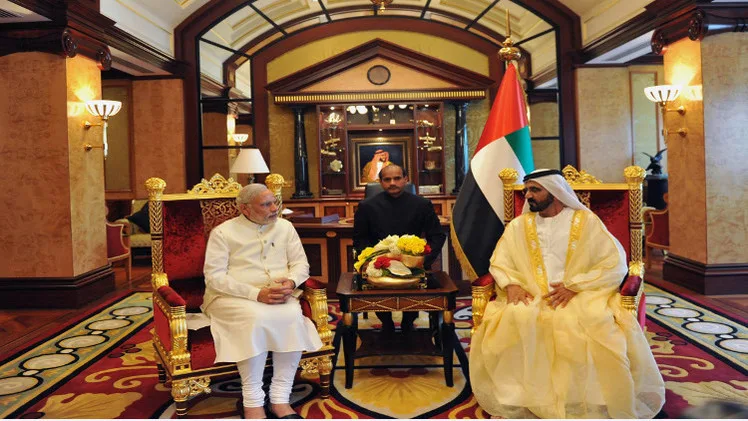
شكرٌ توجه به رئيس وزراء الهند “ناريندرا مودي” للحكومة الإماراتية على موافقتها على تخصيص قطعة أرض لبناء معبد هندوسي في مدينة أبو ظبي، وذلك عبر تدوينة كتبها على حسابه على موقع التواصل الاجتماعي تويتر، حيث دون قائلًا: “أتقدم ببالغ الشكر للحكومة الإماراتية لتخصيصها قطعة أرض لبناء معبد في أبو ظبي .. هذه خطوة عظيمة”.

I am very thankful to the UAE Govt for their decision to allot land in order to build a Temple in Abu Dhabi. This is a great step.

— Narendra Modi (@narendramodi) August 16, 2015

جاءت تلك الخطوة بعد زيارة تعتبر الأولى التي يقوم بها مسؤول هندي رفيع المستوى إلى الإمارات منذ نحو 34 عامًا، أجراها رئيس الوزراء الهندي لتستمر يومين مختتمًا إياها الاثنين الماضي 17 أغسطس، وجرى خلال تلك الزيارة مباحاثات في العلاقات الثنائية بين البلدين كما بحثا سبل تعزيزها، فيما أشارت وكالة أنباء الإمارات الرسمية إلى إجراء “مودي” عدة لقاءات مع قادة الإمارات، ولفتت القول إلى شكر الأول للشيخ محمد بن زايد ولي عهد أبو ظبي ونائب القائد الأعلى للقوات المسلحة ورئيس المجلس التنفيذي لإمارة أبو ظبي بعد قراره تخصيص قطعة الأرض تلك، وأضافرئيس وزراء الهند في تدوينة أخرى نشرها على موقع تويتر إلى اتفاق الاثنين على ضرورة بناء علاقات قوية بين البلدين، وأثنى كذلك على اللقاء الذي تحدثا خلاله حول عدة قضايا مشتركة.

Had a wonderful meeting with @HHShkMohd. We talked about several issues & agreed on need of stronger India-UAE ties. pic.twitter.com/ZeXpYsBT7d

— Narendra Modi (@narendramodi) August 17, 2015

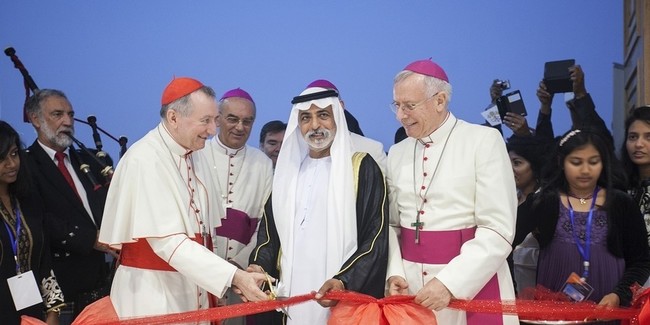
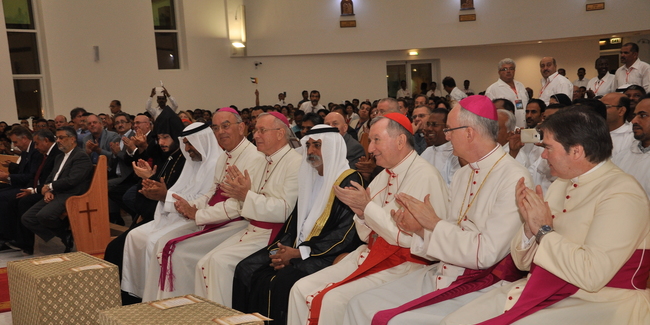
قبل شهرين صدر قرار آخر مشابه، وذلك بعدما افتتح وزير الثقافة والشباب وتنمية المجتمع في دولة الإمارات العربية المتحدة الشيخ نهيان بن مبارك آل نهيان كنيسة القديس بولس الكاثوليكية الثانية في منطقة المصفح الصناعية في العاصمة أبوظبي، وذلك بحضور أمين سر دولة حاضرة الفاتيكان الكاردينال بيترو بارولين، والسفير البابوي الموفد إلى شبه الجزيرة العربية، وأيضًا رئيس الأساقفة بيتر رايتش، والنائب الرسولي لشمال شبه الجزيرة العربية المطران كاميلو بالين، إلى جانب عدد من الشخصيات العامة ولفيف من الأساقفة والكهنة ونحو خمسة آلاف كاثوليكي من المقيمين في دولة الإمارات من مختلف الجنسـات حول العالم.
نون بوست

نون بوست

لتكون تلك الكنيسة التي افتتحت هي الثانية في دولة الإمارات، إذ افتتحت كنيسة القديس يوسف الكنيسة الكاثوليكية الأولى في فبراير من العام 1965، وذلك بعد تقديم الدولة الإماراتية قطعة أرض في إمارة أبوظبي لإقامة الكنيسة، وكانت تلك الكنيسة قد أقامت احتفالًا في مارس الماضي باليوبيل الذهبي على إنشائها، وأُنشأت الثانية بعد انتقال ما يقرب من 25 ألف كاثوليكي ممن يعيشون في المصفح مسافة 25 كيلومترًا للصلاة في كاتدرائية القديس يوسف، وهذا العدد يمثل نحو ربع الكاثوليك الموجودين بالإمارات، حيث يعيش في الدولة الإماراتية نحو 900 ألف كاثوليكي.

بالرغم من تلك القرارات التي تبدو منفتحة على الأديان وتسعى الدولة الإماراتية  في اتخاذها، إلا أن نفس تلك الدولة بقاداتها تضيق زرعًا بالنشاطات الإسلامية والقائمين عليها، حيث تتخذ الدولة موقف معادي من الجماعات الإسلامية وتصنفها على أنها منظمات إرهابية، كسابق قرارها في منتصف سبتمبر الماضي بتصنيفها نحو 83 منظمة وحركة دعوية على أنها كيانات إرهابية، وضمت تلك القائمة الاتحاد العالمي لعلماء المسلمين، وأيضًا جماعة الإخوان المسلمين المنكل بهم في السجون الإماراتية، حيث يقبع في سجون الإمارات عشرات من أبناء البلد وعدد من البلدان العربية لنشاطات دينية، صدر على عدد منهم أحكامًا بالسجن لسنوات عدة.

يبدو أن الانتفاح الزائد التي تحاول الدولة الإماراتية تصديره للعالم في قضية الأديان تلك بمساهماتها في بناء الكنائس والمعابد إلا أنها لم تستطع إخفاء عدائها الواضح لأي نشاط إسلامي أو دعوي داخليًا أو حتى على المستوى الخارجي في تعاملاتها الإقليمية والدولية.

قرار إنشاء المعبد الهندوسي أثار استفزاز عدد كبير من نشطاء مواقع التواصل الاجتماعي، حيث دشنوا هاشتاج يحمل اسم “#بناء_معبد_هندوسي_في_ابوظبي” وعبروا خلاله عن الغضب الكبير لمثل تلك الخطوة، حيث انتقد الكثيرين القرار، وذهب بعضهم إلى توصيفه على أنه انتكاسة دينية، وأشار آخرون إلى حرمانية مثل هذا القرار ومخالفته للشرع في إدخال أديان غير سماوية إلى جزيرة العرب.

فيما أدان نشطاء آخرون حرص الدولة على قمع النشاطات الإسلامية، ومحاربة الصوفيين والوهابيين والإخوان المسلمين والسلفيين فيما تشجع بناء معابد هندوسية.

وشجب ناشط آخر مثل تلك الخطوة مؤكدًا أنها لا تمثل انفتاحًا وتطورًا من الإمارات.

#بناء_معبد_هندوسي_في_أبوظبي

الانفتاح و التطور مش يعني نتخطى أمور ديننا
الهندوس ليست من الديانات السماوية وهم نفسهم من يقتلون مسلمي بورما

— محمد الرز ?? (@rezz_al) August 17, 2015

فيما تسائل آخرون، كيف للإمارات القبول ببناء معبد للهندوس الذين يقتلون المسلمين في بورما؟

كيف يقابل الهندوس المسلمين في #بورما
وكيف يتم الرد عليهم في جزيرة العرب!!#بناء_معبد_هندوسي_في_أبوظبي pic.twitter.com/B21ygLbZ5S

— خط البلدة ? (@saudibus222) August 17, 2015

سخرآخر متسائلًا عن إنتاج الدولة الإماراتية لعلماء ومفكرين أو حرصها على الأمر كحرصها على بناء المعبد.

فيما نشر مدون صورة لتقديم بعض الهندوس قرابين لإلاههم في حضور إماراتي وداخل دولتهم دون خجل.

وقام ناشط بنشر فيديو لتدمير المسجد البابري في الهند بعد قرابة أربع قرون من بناءه، ونشر تدوينة معه “هل تتذكر”؟

Do you forgot?https://t.co/ga6ZzIjFyR

#بناء_معبد_هندوسي_في_ابوظبي

— ٰ (@hmanmohad) August 19, 2015

 فيما عبر آخرون عن عدم استغرابهم من القرار بسبب ممارسات غير أخلاقية تسمح بها الدولة على أرضها

تعجب ناشط قائلًا: “مفارقة جامية، أغلق أردوغان مدارس التنصير فاتهموه بالعلمنة، وجاهر بن زايد بالدعارة وبناء المعابد فمجدوه وباركوا عمله”.

مفارقة جامية
أغلق أردغان مدارس التنصير فاتهموه بالعلمنة
وجاهر بن زايد بالدعارة وبناء المعابد فمجدوه وباركوا عمله#بناء_معبد_هندوسي_في_ابوظبي

— الناقد ☪ (@heekmmm1) August 17, 2015

كان لبعض النشطاء رأيًا آخرًا في الأمر، تعجب ناشط من سبب الإنزعاج الكبير من بناء معبد، رغم أن مساجد المسلمين تنتشر بالعالم.

وباركت ناشطة  تلك الخطوة وقالت أنها خطوة جيدة لتطبيق مبدأ حرية الاعتقاد.

خطوة رائعة لتطبيق لكم دينكم ولي دين منح حرية المعتقد للاخر يجعل الامارات اعظم دولة عربية#دامت#الامارات???? #بناء_معبد_هندوسي_في_أبوظبي

— شمس الكويتية (@shamsofficial) August 17, 2015

واعتبر ثالث تلك الخطوة سياسية، فبناء معبد في دولة مسلمة يمكن المسلمين فيما بعد من بناء مساجد بالهند.

#بناء_معبد_هندوسي_في_ابوظبي

عمار يا بلادي
حرية فكر وإعتقاد راقية وسياسة جدا حكيمة
اليوم ببني لك معبد عندي وباجر ببني 10 مساجد في بلادك ?

— Saqar Abdulla (@saqar_spark) August 17, 2015

TAGGED: #بناء_معبد_هندوسي_في_ابوظبي ، أبوظبي ، الهند ، بناء معبد هندوسي في الإمارات ، جماعات إرهابية
Download this article as PDF
Share this Article
Facebook Twitter Whatsapp Whatsapp Telegram Email Copy Link
فريق التحرير
By فريق التحرير تقارير يعدها فريق تحرير نون بوست.
Follow:
Next Article نون بوست The Stigma of “ISIS”: A Heavy Legacy Haunting Women and Children of Former Members

Read More

  • U.S. Regime‑Change Policies: Why They Are Destined to Fail U.S. Regime‑Change Policies: Why They Are Destined to Fail
  • The Gulf’s Balancing Act: Iran, Israel, and Hidden Links
  • Iraq–Turkey Oil Export Treaty: Why Did Ankara Cancel It After 52 Years?
  • Syria’s Northeast on Edge: QSD Between Ankara and Damascus
  • Has Europe Changed Its Stance on Israel… or Just Its Language?
part of the design
NoonPost Weekly Newsletter

You May Also Like

U.S. Regime‑Change Policies: Why They Are Destined to Fail

U.S. Regime‑Change Policies: Why They Are Destined to Fail

إسراء سيد Esraa sayed 8 April ,2026
The Gulf’s Balancing Act: Iran, Israel, and Hidden Links

The Gulf’s Balancing Act: Iran, Israel, and Hidden Links

فريق التحرير Noon Post 8 April ,2026
Iraq–Turkey Oil Export Treaty: Why Did Ankara Cancel It After 52 Years?

Iraq–Turkey Oil Export Treaty: Why Did Ankara Cancel It After 52 Years?

فريق التحرير Noon Post 8 April ,2026
dark

An independent media platform founded in 2013, rooted in slow journalism, producing in-depth reports, analysis, and multimedia content to offer deeper perspectives on the news, led by a diverse young team from several Arab countries.

  • Politics
  • Society
  • Rights & Liberties
  • Opinions
  • History
  • Sports
  • Education
  • Technology
  • Economy
  • Media
  • Arts & Literature
  • Entrepreneurship
  • Travel
  • Cinema & Drama
  • Food
  • Health
  • Culture
  • Latest Reports
  • Files
  • Long Reads
  • Interviews
  • Podcast
  • Interactive
  • Encyclopedia
  • In Pictures
  • About Us
  • Our Writers
  • Write for Us
  • Editorial Policy
  • Advanced Search
Some rights reserved under a Creative Commons license

Removed from favorites

Undo
Go to mobile version