
NoonPost NoonPost

NoonPost

  • Home
  • Politics
  • Economy
  • Society
  • Culture
  • Files
  • Long Reads
  • Podcast
AR
Notification Show More
نون بوست
“There Are Nights I Can’t Close My Eyes”: How Gazans Are Living in Homes on the Brink of Collapse
نون بوست
From al-Jolani to Ahmad al-Shara: The Evolution of Syria’s New Leader
نون بوست
When Political Islam Receded in Egypt: Who Filled the Void?
نون بوست
An Extension of Genocide: Gaza’s Detainees Speak Out
نون بوست
A Tightrope Between Survival and Sovereignty: The Syrian Government Faces Normalization Pressures
نون بوست
American Aircraft Carriers: Has the Era of “100,000 Tons of Diplomacy” Ended?
نون بوست
U.S. Regime‑Change Policies: Why They Are Destined to Fail
نون بوست
Transformations of Israeli Judaism: Between the Victim Complex and the Colonizer’s Doctrine
نون بوست
The Gulf’s Balancing Act: Iran, Israel, and Hidden Links
نون بوست
Iraq–Turkey Oil Export Treaty: Why Did Ankara Cancel It After 52 Years?
نون بوست
Syria’s Northeast on Edge: QSD Between Ankara and Damascus
نون بوست
Has Europe Changed Its Stance on Israel… or Just Its Language?
NoonPost NoonPost
AR
Notification Show More
نون بوست
“There Are Nights I Can’t Close My Eyes”: How Gazans Are Living in Homes on the Brink of Collapse
نون بوست
From al-Jolani to Ahmad al-Shara: The Evolution of Syria’s New Leader
نون بوست
When Political Islam Receded in Egypt: Who Filled the Void?
نون بوست
An Extension of Genocide: Gaza’s Detainees Speak Out
نون بوست
A Tightrope Between Survival and Sovereignty: The Syrian Government Faces Normalization Pressures
نون بوست
American Aircraft Carriers: Has the Era of “100,000 Tons of Diplomacy” Ended?
نون بوست
U.S. Regime‑Change Policies: Why They Are Destined to Fail
نون بوست
Transformations of Israeli Judaism: Between the Victim Complex and the Colonizer’s Doctrine
نون بوست
The Gulf’s Balancing Act: Iran, Israel, and Hidden Links
نون بوست
Iraq–Turkey Oil Export Treaty: Why Did Ankara Cancel It After 52 Years?
نون بوست
Syria’s Northeast on Edge: QSD Between Ankara and Damascus
نون بوست
Has Europe Changed Its Stance on Israel… or Just Its Language?
Follow US

Sanctions Target Leaders and Factions in Syria’s New Army-What Are Damascus’s Options?

حسن إبراهيم
Hasan Ebrahim Published 26 March ,2026
Share
نون بوست
نون بوست
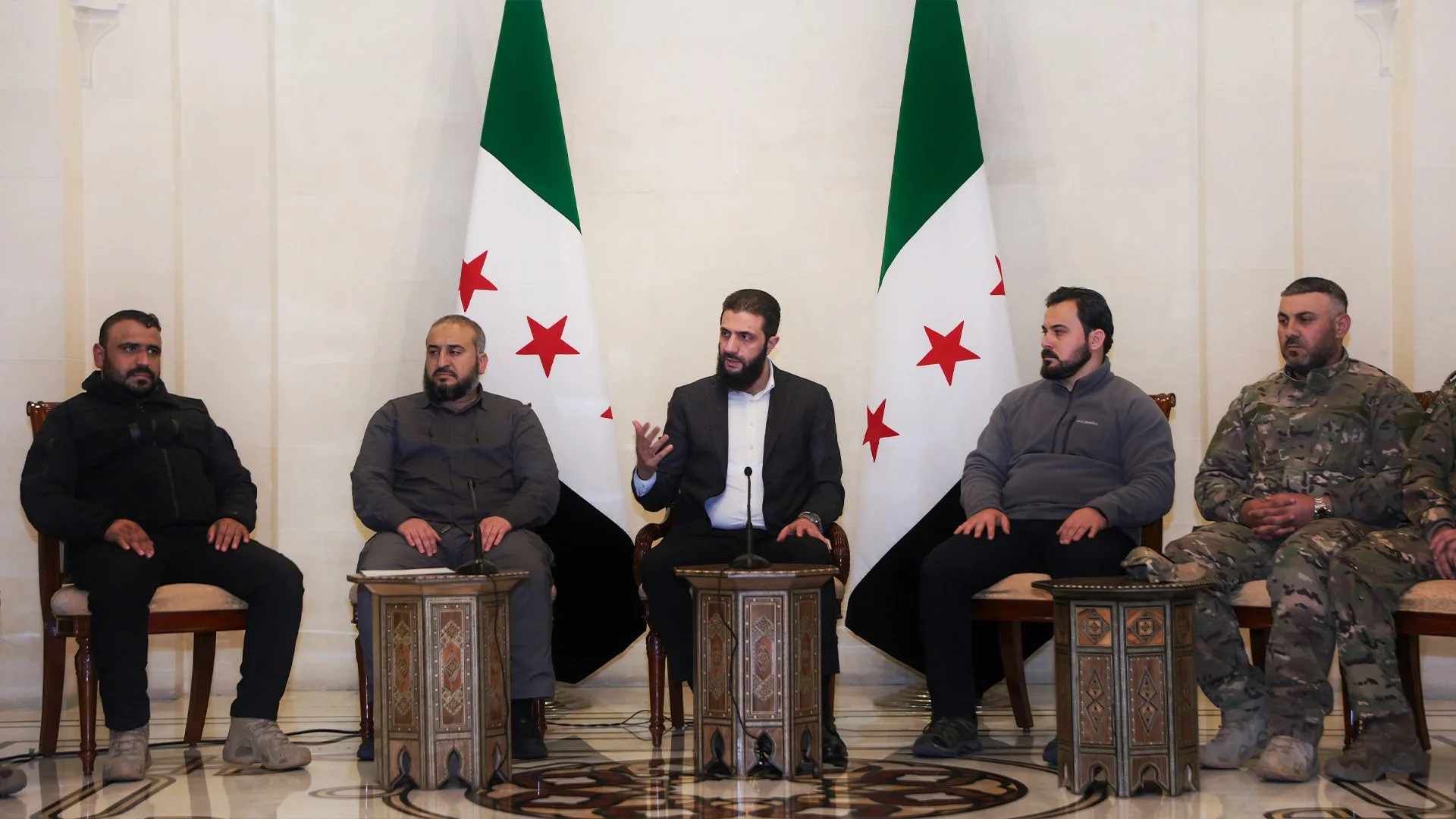
Syrian President Ahmed al-Sharaa, Defense Minister Marhaf Abu Qasra, Commander of the 76th Division Saif Boulad (right), Commander of the 62nd Division Mohammed al-Jassem (left), and military leaders, December 31, 2024 (Presidency of the Republic/X)

The United Kingdom has imposed sanctions on several factions and commanders implicated in acts of violence against civilians in Syria’s coastal region in March 2025. Among the targeted individuals are commanders Mohammed al-Jassem (Abu Amsha) and Saif Boulad (Abu Bakr), as well as the factions “Sultan Suleiman Shah,” “Sultan Murad,” and “Hamza.”

These groups have come under the umbrella of Syria’s Ministry of Defense, which remains in the early stages of formation following the fall of Bashar al-Assad’s regime on December 8, 2024.

The sanctions present significant obstacles to the process of building a new military institution especially given that several of the individuals sanctioned had already been subject to prior US and EU sanctions for human rights violations.

This raises serious political and security implications for the functioning of the Ministry of Defense and the structure of the new Syrian Army. It also reignites debate over the government’s options in addressing targeted sanctions that intersect with questions of military discipline and accountability.

On December 19, the British Foreign Office announced sanctions against six individuals and three factions comprising four people and three entities for their roles in alleged atrocities committed during the peak of Syria’s war and in violent incidents that took place in Latakia and Tartus provinces in early 2025. The sanctions also targeted two individuals accused of financially supporting the Assad regime.

The sanctions include asset freezes, travel bans, and disqualification from holding administrative positions. The individuals targeted are:

  • Ghiath Dallah – Former military commander under Assad, and head of the pro-regime “Ghaith Forces.”

  • Moqdad Fattihah – Former regime commander and militia leader.

  • Modallal Khouri – Syrian-Russian businessman accused of financing regime activities.

  • Imad Khouri – Syrian-Russian businessman accused of financing regime activities.

  • Mohammed al-Jassem – Commander of the “Sultan Suleiman Shah” faction (Commander of Division 62 in the new Syrian Army).

  • Saif Boulad – Commander of the “Hamza” faction (Commander of Division 76 in the new Syrian Army).

According to the sanctions, the following factions are now subject to asset freezes:

  • Sultan Murad Division, led by Faheem Issa (Issa himself was not individually sanctioned).

  • Sultan Suleiman Shah Division, led by Mohammed al-Jassem.

  • Hamza Division (also known as “Hamzat”), led by Saif Boulad.

The UK Foreign Office stated that this new package of sanctions is part of its broader commitment to holding accountable those responsible for violations against the Syrian people whether committed by the former Assad regime or by other actors.
نون بوست
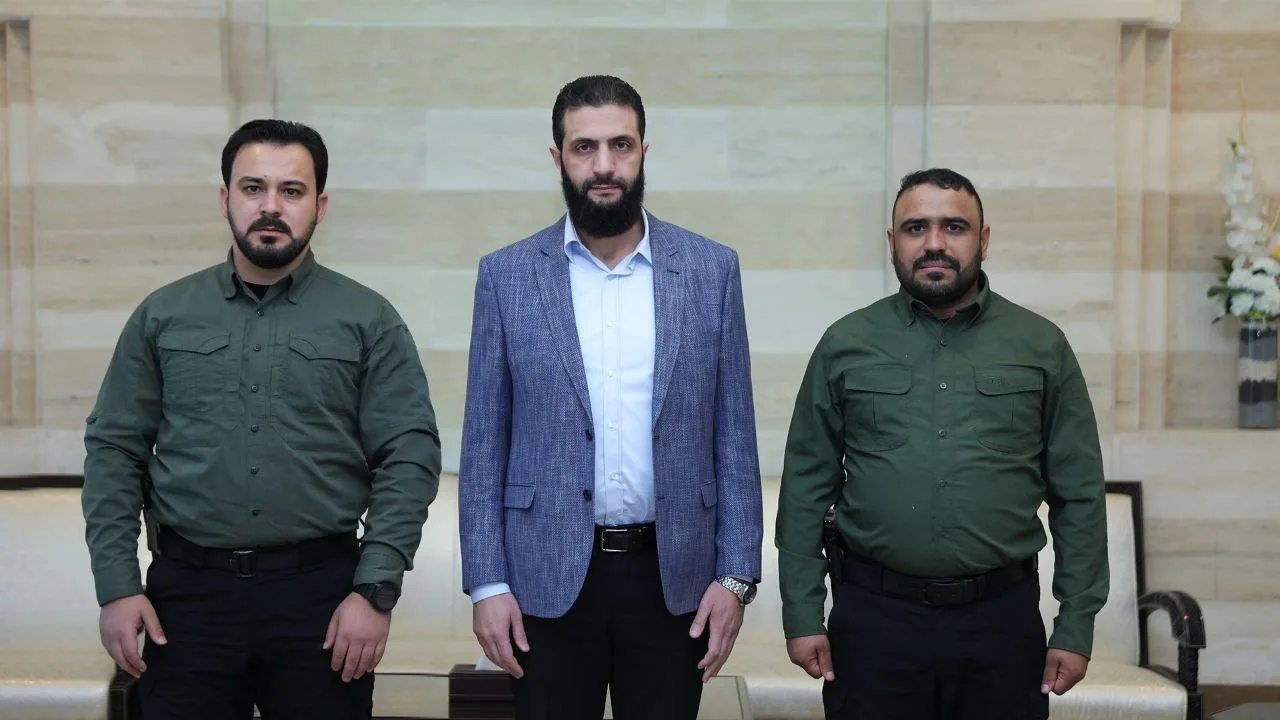
Syrian President Ahmed al-Sharaa, commander of the 62nd Division Mohammed al-Jassem (right) and commander of the 76th Division Saif Boulad (left), December 16, 2024 (Mohammed al-Jassem/X)

British Foreign Secretary Yvette Cooper emphasized that the sanctions send a clear message to anyone attempting to undermine a peaceful and prosperous future for Syrians. She reaffirmed the UK’s support for the Syrian people and its backing of the new Syrian government in achieving a comprehensive political transition. Cooper underscored that accountability and justice for all Syrians are essential for a successful and sustainable political settlement.

Background: Coastal Clashes and Civilian Casualties

Syria’s coastal region witnessed significant security unrest and armed clashes earlier in 2025 between government forces and remnants of the former regime. The violence began with an ambush by Assad loyalists targeting government personnel and escalated into wider confrontations, accompanied by sectarian and retaliatory abuses. Between March 6 and 10, 2025, 803 people were killed in extrajudicial violence.

This is not the first time such sanctions have been imposed. In May 2025, the European Union added Mohammed al-Jassem, Saif Boulad, and the factions “Sultan Suleiman Shah,” “Hamza,” and “Sultan Murad” to its sanctions list, citing their responsibility for serious human rights abuses in Syria’s coastal region. Abu Amsha denied that his faction had committed any violations.

Earlier, in August 2023, the US Treasury Department imposed similar sanctions on the “Sultan Suleiman Shah” Division, its leader Mohammed al-Jassem and his brother Walid, as well as the “Hamza” Division and its commander Saif Boulad, for abuses committed in northern Syria. At the time, Abu Amsha dismissed the sanctions as “purely political” and claimed he paid them no attention.

A Three-Pronged Risk

Following the collapse of the Assad regime, building a new national army was a top priority for the new Syrian administration. Initial steps included a high-level meeting between President Ahmad al-Shara’ and faction leaders to initiate integration into a unified army. This was followed by the formal dissolution of militia formations, structural reforms within the military, and the appointment of new commanders.

Both al-Jassem and Boulad were appointed as brigadier generals commanding Divisions 62 and 76, respectively in the newly formed Syrian Army. They have since appeared in official meetings, military exercises, and community engagements.

However, the UK sanctions targeting individuals and factions that are now part of the state apparatus come at a delicate moment. Syria is experiencing a phase of renewed international openness in the post-Assad era, with the new administration working to rebuild foreign relations, reintroduce Syria onto the global stage, and launch an economic recovery after years of sweeping sanctions.

Brigadier General Abdullah al-Asaad, a military and strategic expert, told Noon Post that these sanctions significantly impact the operational capabilities of the Ministry of Defense. They hamper combat logistics, undermine the army’s ability to cooperate with foreign militaries and regional actors, and disrupt both combat and administrative support systems creating serious cause for concern.

Meanwhile, international criminal law and human rights specialist Moatasem al-Kilani warned that UK sanctions on figures embedded in the new Syrian military present a genuine threat to its training and development even if the sanctions are only partial. Drawing on the cases of Iraq and Libya, he argued that sanctioned units within a military structure often lead either to underdeveloped and uneven training, as in Iraq, or to near-total paralysis of army-building efforts, as in Libya.

In his interview with Noon Post, al-Kilani outlined the risks and repercussions of the sanctions in three key areas:

  1. Direct impact on training and empowerment: The inclusion of sanctioned individuals and factions creates what is internationally known as a “legal contamination” of the institution. This prohibits the UK and its allied nations from providing any form of assistance even non-combat support such as leadership training, discipline building, international humanitarian law education, and institutional structuring under British sanctions regulations (UK Sanctions and Anti-Money Laundering Act – SAMLA) and Syria-specific executive orders.

  2. Obstruction of international recognition: Sanctions go beyond freezing assets or banning travel. They carry an implicit political and moral judgment that the sanctioned entities have failed to demonstrate adequate commitment to accountability and civilian protection. Their presence within the army undermines global trust in any “new national army” and prompts cautious or even non-existent engagement from Western states. This explains the repeated targeting of the same individuals by US, European, and UK sanctions.

  3. Risk of internal fragmentation and weak military cohesion: Sanctions could result in a fragmented army composed of legally “clean” units and others burdened by sanction designations or records of abuse. This leads to disparities in training, differences in doctrine and discipline, and serious challenges in achieving unified command and control.

What Are Damascus’s Options?

In response to the clashes in Syria’s coastal region, the Syrian government formed a commission to investigate the incidents. Several individuals have since been arrested, and President al-Shara’ reaffirmed Syria’s commitment to holding all perpetrators accountable, positioning the state as one governed by the rule of law. Trials of those involved in the coastal violence began in November and December and are still ongoing.

Noon Post reached out to the press office at the Syrian Ministry of Defense for comment on the UK sanctions, but received no response at the time of publication.

Legal expert Moatasem al-Kilani outlined several scenarios available to the Syrian government in responding to the UK sanctions, each with different implications for the military’s institutional development. Drawing from international precedents, these scenarios include:

  1. The “Partial Isolation” model (Iraq): Under this approach, the Iraqi army continued to receive US and NATO training, while sanctioned militias within the Popular Mobilization Forces were excluded from such programs. This resulted in a fragmented training process and an uneven military structure, slowing broader institutional reform. A similar path in Syria would involve separating sanctioned factions from leadership and training roles but without addressing the deeper issue of accountability.

  2. The “Near-Total Paralysis” model (Libya): In Libya, the integration of undisciplined and sanctioned militias into the military scene led to the collapse of genuine unification efforts. International actors withheld training and support, stalling the creation of a professional national army. This would be the worst-case scenario for Syria if sanctioned factions remain embedded without accountability or structural separation.

  3. The “Correction Path”: This is the most effective route to circumvent sanctions and aligns with the demands of the UK and EU. It entails clear legal and organizational separation of sanctioned individuals and factions from the military, full integration of compliant units, credible accountability mechanisms (including real investigations, court proceedings, or public dismissals), and legal petitions to challenge or lift sanctions through formal channels.

  4. Gradual Rebuilding of International Trust: This scenario focuses on working with human rights organizations, allowing monitoring and documentation efforts, and fostering transparency within military institutions. It is the only path likely to reopen doors for international training, institutional support, and recognition of Syria’s new national army in the long run.

Download this article as PDF
Share this Article
Facebook Twitter Whatsapp Whatsapp Telegram Email Copy Link
حسن إبراهيم
By حسن إبراهيم صحفي سوري
Follow:
Previous Article نون بوست Netanyahu Tries to Sway Trump—Will the U.S. Allow Israel to Strike Iran?
Next Article نون بوست How the Sudanese Revolution Lives On in the Hearts of Exiles

Read More

  • U.S. Regime‑Change Policies: Why They Are Destined to Fail U.S. Regime‑Change Policies: Why They Are Destined to Fail
  • The Gulf’s Balancing Act: Iran, Israel, and Hidden Links
  • Iraq–Turkey Oil Export Treaty: Why Did Ankara Cancel It After 52 Years?
  • Syria’s Northeast on Edge: QSD Between Ankara and Damascus
  • Has Europe Changed Its Stance on Israel… or Just Its Language?
part of the design
NoonPost Weekly Newsletter

You May Also Like

U.S. Regime‑Change Policies: Why They Are Destined to Fail

U.S. Regime‑Change Policies: Why They Are Destined to Fail

إسراء سيد Esraa sayed 8 April ,2026
The Gulf’s Balancing Act: Iran, Israel, and Hidden Links

The Gulf’s Balancing Act: Iran, Israel, and Hidden Links

فريق التحرير Noon Post 8 April ,2026
Iraq–Turkey Oil Export Treaty: Why Did Ankara Cancel It After 52 Years?

Iraq–Turkey Oil Export Treaty: Why Did Ankara Cancel It After 52 Years?

فريق التحرير Noon Post 8 April ,2026

إشارات مرور واشنطن لعبور تركيا: معركة الأكراد

محمود سمير
محمود سمير Published 20 August ,2015
Share
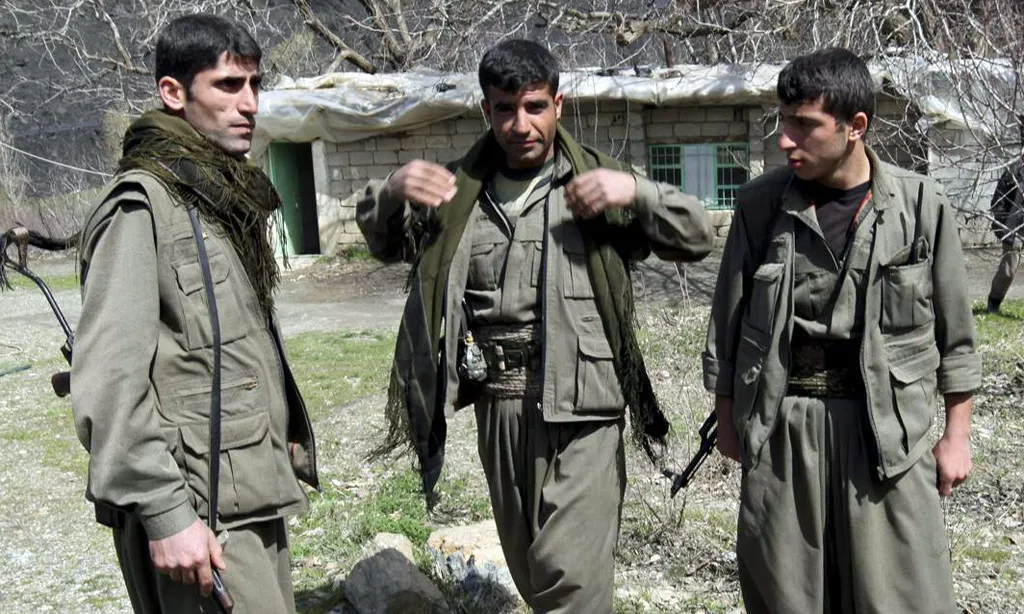
pkk-fighters-stand-g_1366896147682813

ثمة رأي يقول إن موافقة تركيا  مؤخرًا على المشاركة في حملة التحالف ضد داعش بعد جولات طويلة من المفاوضات لم يكن في جوهره إلا ذريعة لإضفاء مزيد من الشرعية وللتغطية على حربها ضد قوات حزب العمال الكردستاني وامتداداته في سوريا،  في الوقت الذي يقوم به الحزب بأدوار متصاعدة تتعارض مع المصالح التركية في الداخل والخارج وتحديدًا في سوريا.

وكانت تركيا قد وضعت في وقت سابق عدة شروط للسماح لطائرات التحالف باستخدام أجوائها والانطلاق من قواعدها، ومن هذه الشروط أن يتم مواجهة نظام الأسد من خلال إعلان منطقة حظر طيران، وأن يتم تحديد التفاصيل المتعلقة بتأهيل قوى المعارضة السورية من جهة، وأن يتم إعلان إستراتيجية حل شاملة للأوضاع في العراق وسوريا من جهة أخرى.

وتعد هذه الموافقة تغيرًا في الموقف التركي مع حالة عدم الإعلان عن تحقق الشروط التي وضعتها أنقرة سابقًا، لكن من المهم أيضًا الإشارة إلى حدوث متغيرات على المستويين الداخلي والخارجي، حيث لم يتمكن حزب العدالة من الفوز بعدد المقاعد اللازم لتشكيله الحكومة بمفرده، كما يضاف لهذا سيطرة وحدات الحماية الشعبية على المدن المحاذية للحدود التركية بمساعدة القصف الجوي للتحالف، وكذلك الحديث عن وجود علاقات كردية إيرانية متصاعدة.

وعلى كل حال فقد فتحت تركيا النار على داعش وعلى حزب العمال الكردستاني بعد تفجير مدينة سروج في 20 يوليو الماضي، ولكن ومن خلال رصد المواقف الأمريكية والغربية لضرب مواقع لحزب العمال الكردستاني من قِبل الجيش التركي فإن هناك عدة نقاط تستدعي التوقف منها إعلان واشنطن أن الضربات التركية لحزب العمال ليست ضمن الاتفاق، وأن المنطقة المتفق عليها بين مارع وجرابلس بعمق 50 كيلومترًا ليست منطقة آمنة بل منطقة خالية من داعش، ثم الحديث بأن الرد التركي على الأكراد يجب أن يكون متناسبًا.

وفي تفصيل هذه النقاط يمكننا القول إنه تزامنًا مع قيام تركيا بقصف مواقع للحزب أعلنت واشنطن أنها تعتبر الحزب منظمة إرهابية وقالت إنها تؤيد الضربات التركية له من أجل الحفاظ على أمنها، وفيما لم يجف حبر الاتفاق – إن كان مكتوبًا – بين أنقرة وواشنطن بخصوص مشاركة تركيا في التحالف ضد داعش، أعلنت واشنطن بالرغم من تصنيفها للحزب كمنظمة إرهابية أن قيام أنقرة بقصف الأكراد ليس له علاقة ولا صلة بالاتفاق الذي تم بينهما مؤخرًا والذي أعلنت تركيا بموجبه بعد اتصال هاتفي بين الرئيس الأمريكي باراك أوباما والرئيس التركي رجب طيب أردوغان عن قبولها للمشاركة في التحالف وسماحها بفتح قاعدة إنجرليك أمام طائرات التحالف.

ولعل هذا التصريح الأمريكي لا يبدو قريبًا للتصديق خاصة أن الرئيس الأمريكي باراك أوباما في زيارته لكينيا مؤخرًا ووفقا لتصريح مصدر مسؤول لرويترز كان قد أكد أن لتركيا الحق في التصدي للمتمردين الأكراد، كما جاء تصريح مشابه لهذا التصريح على لسان بريت ماكرجيك نائب المبعوث الرئاسي الخاص للتحالف.

ومع ترجيح أن الضوء الأخضر الأمريكي قد أُعطي لأنقرة من أجل ضرب معاقل حزب العمال الكردستاني ضمن المباحثات التي قام بها الجنرال جون ألن في أنقرة فإن النفي الأمريكي لا يبدو منطقيًا من وجهين أحدهما أن قيام تركيا بعمليات قصف في العراق دون ضوء أخضر من واشنطن بالتزامن مع مشاركتها في التحالف غير متصور، أما الوجه الآخر فهو عدم تحقق أي من الشروط التركية السابق حيث لا يوجد حديث عن  مكاسب تركية كبيرة من وراء فتح قاعدة إنجرليك التي بقيت أنقرة متمسكة بقرار إغلاقها في وجه قوات التحالف ضد داعش ما دامت شروطها .

لكن للأمر دلائل أخرى منها أن هذه التصريحات التي تجعل أمريكا في حل من التبعات المباشرة  للتطورات الناتجة عن القصف التركي، تبقيها محافظة على علاقاتها مع الأكراد وتحديداً في سوريا، حيث ما زالت تعتبرهم أحد أهم القوى في مواجهة داعش في ظل الرفض الدولي للمشاركة بقوات برية، وهذه واحدة من  نقاط التوجس في الاتفاق بين واشنطن وأنقرة.

وتكمن النقطة الثانية في الاستمرار في التأكيد أن المنطقة التي تم الاتفاق عليها مع تركيا ليس منطقة حظر طيران ضد نظام الأسد وليست منطقة خالية من الأكراد الذين تخشى تركيا من مطالبهم المتصاعدة بإنشاء كيان شمال سوريا، بل منطقة خالية من داعش، ويبدو أن كلا من الطرفين التركي والأمريكي يعد هذه المنطقة مهما اختلفت تسمياتها مقدمة لتطبيق أفكاره ورؤيته في المستقبل، حيث تراها واشنطن مدخلاً للاستفادة من المزايا التي توفرها تركيا للتحالف، فيما تراها أنقرة عائقًا أمام المشروع الكردي الذي يريد ربط كوباني بعفرين، ومنطلقًا للمعارضة السورية، ومع وجاهة هذا التصور إلا أن الواقع والترتيبات الحالية تؤكد تفوق رؤية واشنطن.

أما النقطة الثالثة والتي تلت بدء عمليات التحالف انطلاقًا من قاعدة إنجرليك، فهي دعوة الولايات المتحدة والاتحاد الأوروبي تركيا للرد بشكل “متكافئ” على هجمات حزب العمال الكردستاني الجارية إلى الآن والتي أوقعت عدة قتلى بين العسكريين الأتراك، ورد عليها سلاح الجو التركي بضربات جوية.

وفي هذه النقطة تريد واشنطن أن تبقي على علاقاتها مع الأكراد والاستفادة من وجودهم كورقة لمصلحتها في كل القضايا الإقليمية التي تديرها كما أنها لا تريد أن تقدم لتركيا التي فتحت قواعدها للتحالف سوى ثمن بسيط يتمثل في بضع عمليات تأديبية لبعض مواقع حزب العمال الكردستاني وليس الدخول في معركة تؤثر فيه بشكل كبير.

ويعزز هذا الكلام ما صرح به المفوض الأوروبي يوهانس هان من بروكسل “أن على الرد التركي على حزب العمال الكردستاني ألا يشكل خطرًا على الحوار السياسي الديمقراطي في البلاد”، خاصة بعد النتائج الجيدة التي حققها حزب الشعوب الديمقراطية وعبوره للحاجز الانتخابي لدخول البرلمان في يونيو الماضي، وفي هذا السياق فإن هناك قناعة متنامية لدى الرأي العام التركي أن حزب الشعوب الديمقراطية هو امتداد لحزب العمال الكردستاني وهو الجناح السياسي له وأن قادة الحزب من الممكن أن يتوجهوا للقتال في جبال قنديل في أي وقت من الأوقات إذا دعت الضرورة، خاصة مع نبرة تخلي الحزب عن عملية السلام التي بدأها مع  حكومة حزب العدالة والتنمية.

ومع هذه القناعة المتنامية فإن الضوء الأخضر الأمريكي لفتح تركيا المعركة مع حزب العمال الكردستاني يعتبر النقطة التي رأت فيها تركيا مكسبًا في المفاوضات؛ فمن جهة تقوم بتأديب حزب العمال الكردستاني ومن جهة أخرى تكبح سرعة تقوية العلاقات الأمريكية الكردية التي كانت تلوح واشنطن بها كورقة ضغط بديلة في حال احجمت تركيا عن المشاركة، ولعل هذا هو ما شجع أنقرة على فتح قاعدة إنجرليك، ولعل هذا التفسير أيضًا أقوى من القول بأن تفجير سروج الذي قامت به داعش هو السبب الأساسي، ومع اعتبار أثر التفجير إلا أن  دوره قد يكون عاملاً في تسريع تنفيذ الاتفاق، وهو ما يضع علامات استفهام كبيرة على ملابساته.

ومع النقاط الثلاثة التي ذكرناها للموقف الأمريكي من ضربات تركيا لاتحاد العمال الكردستاني فإن الضوء الأخضر المتقطع في الموقف الأمريكي بمثابة  أحد الأضواء في إشارة مرور يتم التحكم بها من واشنطن، ولهذا يبقى السؤال مفتوحًا: هل تستطيع تركيا تحمل تبعات قرارها؟ وهل الإجراءات الوقائية والدفاعية التي تقوم بها ستجنبها الانزلاق لعدم الاستقرار أم تعزز الاستقطاب السياسي وتقودها إلى خسارة أكبر؟

TAGGED: أكراد تركيا ، التحالف الدولي ضد داعش ، الحرب على داعش ، العلاقات التركية الأمريكية ، حزب العمال الكردستاني
Download this article as PDF
Share this Article
Facebook Twitter Whatsapp Whatsapp Telegram Email Copy Link
محمود سمير
By محمود سمير باحث في مركز سيتا للدراسات بأنقرة
Follow:
Next Article نون بوست The Stigma of “ISIS”: A Heavy Legacy Haunting Women and Children of Former Members
part of the design
NoonPost Weekly Newsletter
dark

An independent media platform founded in 2013, rooted in slow journalism, producing in-depth reports, analysis, and multimedia content to offer deeper perspectives on the news, led by a diverse young team from several Arab countries.

  • Politics
  • Society
  • Rights & Liberties
  • Opinions
  • History
  • Sports
  • Education
  • Technology
  • Economy
  • Media
  • Arts & Literature
  • Entrepreneurship
  • Travel
  • Cinema & Drama
  • Food
  • Health
  • Culture
  • Latest Reports
  • Files
  • Long Reads
  • Interviews
  • Podcast
  • Interactive
  • Encyclopedia
  • In Pictures
  • About Us
  • Our Writers
  • Write for Us
  • Editorial Policy
  • Advanced Search
Some rights reserved under a Creative Commons license

Removed from favorites

Undo
Go to mobile version