NoonPost NoonPost

NoonPost

  • Home
  • Politics
  • Economy
  • Society
  • Culture
  • Files
  • Long Reads
  • Podcast
AR
Notification Show More
نون بوست
“There Are Nights I Can’t Close My Eyes”: How Gazans Are Living in Homes on the Brink of Collapse
نون بوست
From al-Jolani to Ahmad al-Shara: The Evolution of Syria’s New Leader
نون بوست
When Political Islam Receded in Egypt: Who Filled the Void?
نون بوست
An Extension of Genocide: Gaza’s Detainees Speak Out
نون بوست
A Tightrope Between Survival and Sovereignty: The Syrian Government Faces Normalization Pressures
نون بوست
American Aircraft Carriers: Has the Era of “100,000 Tons of Diplomacy” Ended?
نون بوست
U.S. Regime‑Change Policies: Why They Are Destined to Fail
نون بوست
Transformations of Israeli Judaism: Between the Victim Complex and the Colonizer’s Doctrine
نون بوست
The Gulf’s Balancing Act: Iran, Israel, and Hidden Links
نون بوست
Iraq–Turkey Oil Export Treaty: Why Did Ankara Cancel It After 52 Years?
نون بوست
Syria’s Northeast on Edge: QSD Between Ankara and Damascus
نون بوست
Has Europe Changed Its Stance on Israel… or Just Its Language?
NoonPost NoonPost
AR
Notification Show More
نون بوست
“There Are Nights I Can’t Close My Eyes”: How Gazans Are Living in Homes on the Brink of Collapse
نون بوست
From al-Jolani to Ahmad al-Shara: The Evolution of Syria’s New Leader
نون بوست
When Political Islam Receded in Egypt: Who Filled the Void?
نون بوست
An Extension of Genocide: Gaza’s Detainees Speak Out
نون بوست
A Tightrope Between Survival and Sovereignty: The Syrian Government Faces Normalization Pressures
نون بوست
American Aircraft Carriers: Has the Era of “100,000 Tons of Diplomacy” Ended?
نون بوست
U.S. Regime‑Change Policies: Why They Are Destined to Fail
نون بوست
Transformations of Israeli Judaism: Between the Victim Complex and the Colonizer’s Doctrine
نون بوست
The Gulf’s Balancing Act: Iran, Israel, and Hidden Links
نون بوست
Iraq–Turkey Oil Export Treaty: Why Did Ankara Cancel It After 52 Years?
نون بوست
Syria’s Northeast on Edge: QSD Between Ankara and Damascus
نون بوست
Has Europe Changed Its Stance on Israel… or Just Its Language?
Follow US

Syria’s Natural Resources: Can They Finance the State?

محمد خير قزيها
MHD KHAIR KAZZIHA Published 26 March ,2026
Share
نون بوست
نون بوست
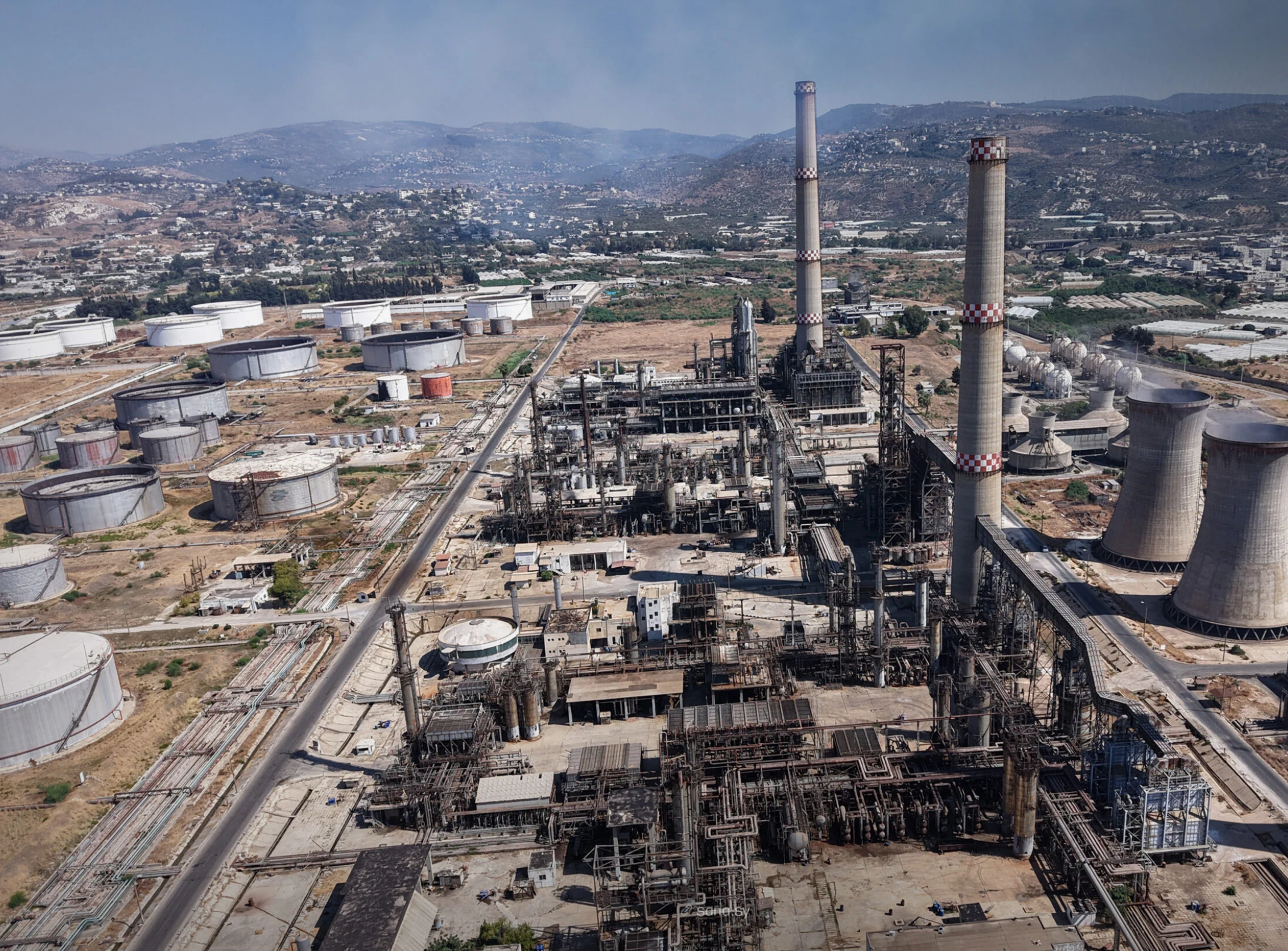
Baniyas Refinery. SANA

The question of whether Syria qualifies as a “resource-rich country” has sparked ongoing debate across economic and public spheres alike. While Syria indeed possesses a diverse range of natural resources, a deeper economic analysis is required to understand what “resource richness” truly means and what factors determine a country’s ability to convert these resources into real financial value.

By examining production data, revenues, and consumption figures objectively, it becomes possible to assess Syria’s actual position relative to rentier states, and to form a clear picture of its economic prospects.

Natural Resources and the Population Factor

In public discourse, the term “resource-rich country” is often misunderstood and reduced to merely having oil, gas, or mineral reserves. In economic terms, however, resource wealth is not defined by what lies underground but by the market value these resources can generate when extracted and sold. A natural resource only becomes valuable if there is global demand for it and if it can be sold at a price significantly higher than its production cost.

Even this factor alone, however, does not suffice to classify a country as resource-rich. Economically, what matters is not the absolute value of the resource, but its per capita share the resource income relative to population size and financial needs. A resource that generates substantial revenue in a sparsely populated country may be entirely insufficient for a nation with a large population.

Thus, the notion of resource richness hinges on a balance between two elements: the realizable market value of a country’s resources and the population size it needs to support. The higher the market value and the smaller the population, the greater the state’s capacity to fund its expenditures using those resources.

This is what enables countries like Qatar or Kuwait to finance their governments almost entirely through oil and gas revenues despite having smaller reserves than other nations with far larger populations.

On the other hand, a country may have diverse and even valuable resources but still not be considered resource-rich if the market value generated per capita is too low to meet public spending needs through natural resources alone.

Diverse Resources, But Limited Abundance

A look at Syria’s natural resources prior to 2011 offers a detailed picture of its oil, gas, phosphate, and agricultural sectors not just in terms of their presence, but their actual market value.

By analyzing production, consumption, and net revenue, one can understand the real role each resource played in supporting the Syrian economy at that time.

These figures form the necessary foundation to evaluate whether Syria can compete or build a rentier economy comparable to resource-rich states.

Oil: Capacity and Revenues

Before 2011, Syria’s oil sector operated near its natural capacity and served as a major pillar of the national economy. Proven reserves stood at about 2.4 billion barrels, which, based on a price of $58.5 per barrel, equates to a present-day value of $140.4 billion.

Production averaged roughly 350,000 barrels per day or 127.75 million barrels annually with a market value close to $7.47 billion. Of this, around 200,000 barrels per day were refined domestically in the Homs and Baniyas refineries to supply the local market with gasoline, diesel, and fuel oil. This allowed Syria to export about 150,000 barrels daily generating an annual revenue of around $3.2 billion.

Domestic consumption, however, hovered at 300,000 barrels per day, necessitating the import of about 70,000 barrels daily due to limited refinery capacity. At the same price, this translated to an annual import bill of approximately $1.49 billion. The net annual oil income was thus around $1.71 billion, highlighting the sector’s vital role before the conflict.

Gas: Reserves and Revenue Potential

Natural gas also played a key role in Syria’s energy structure, complementing oil. Proven gas reserves were estimated at 240 billion cubic meters, with a market value of around $72 billion at an assumed price of $0.30 per cubic meter.

Syria produced about 30 million cubic meters of gas per day roughly 10.95 billion cubic meters annually with an estimated yearly value of $3.285 billion. Of this, domestic consumption was around 18 million cubic meters per day (6.57 billion annually), valued at $2 billion.

The exportable surplus around 12 million cubic meters per day amounted to 4.38 billion cubic meters annually, generating approximately $1.314 billion in yearly export revenues.

Phosphate: Vast Reserves, Underused Potential

Syria holds substantial phosphate reserves exceeding 1.8 billion tons, valued at about $234 billion based on a price of $130 per ton.

Annual production before 2011 was around 3.5 million tons, with only 600,000 tons used domestically. The country still had to import 40% of its fertilizer needs reflecting weak local manufacturing capabilities.

Nearly the entire phosphate output was exported in 2010, yielding about $455 million in revenue. Current plans aim to raise production to 6 million tons by 2026 and 10 million tons by 2027, potentially generating up to $1.3 billion annually, with markets such as China and India being key targets.

Agriculture: A Foundational Sector with Export Power

Before 2011, agriculture was a cornerstone of the Syrian economy, contributing about 17.6% to the country’s GDP in 2010 a testament to its role in employment, income generation, and economic activity.

In foreign trade, agriculture was crucial in supporting the balance of payments. Agricultural exports accounted for about 30% of total Syrian exports. With overall exports valued at roughly $8.8 billion in 2010, agricultural exports brought in around $2.6 billion annually.

This made agriculture not only a vital source of hard currency but also key to food security and rural employment a strategic sector that could serve as a foundation for future economic recovery.

The Numbers: A Non-Rentier Reality

These data points reveal that, despite their significance, Syria’s natural resources before 2011 lacked both the volume and market value to underpin a rentier economy. Combined net revenues from oil and gas amounted to no more than $3 billion annually, while phosphate and agricultural exports added only a few billion more placing total resource-driven income at about $6–7 billion per year.

Syria vs. the Gulf: An Unbridgeable Gap?

The stark contrast between Syria’s and the Gulf’s resources becomes evident when comparing production value per capita the key metric in assessing whether natural resources can fund a state’s budget.

Even with diverse resources, Syria’s output, value, and population size prevent it from following a Gulf-style rentier model.

In Saudi Arabia, with a population of 35 million, oil revenues in 2024 reached $223.3 billion — or roughly $6,400 per person. This is thanks to the Kingdom’s capacity to produce 3.277 billion barrels per year, backed by massive reserves of 259 billion barrels sold at high global prices. Oil alone covers Saudi Arabia’s government spending and produces significant fiscal surpluses.

Qatar, with just 3.3 million people, earned $132 billion from gas in 2024 about $40,000 per capita based on its vast reserves of 843 trillion cubic feet and annual production of 179.5 billion cubic meters.

By contrast, Syria’s oil and gas revenues before the war stood at $1.71 billion and $1.31 billion respectively, with phosphate adding $455 million and agriculture contributing $2.6 billion. Altogether, these resources generated under $7 billion an amount insufficient to cover the needs of a country with 20–22 million people, giving Syrians less than $300–350 per capita annually from all natural resources combined.

That figure is a far cry from the thousands or tens of thousands seen in the Gulf underscoring why Gulf states can fully fund their budgets through resources, while Syria, due to the nature and value of its resources and population size, cannot.

The core difference is not about having resources but about the wealth they generate per person. Gulf resources are high-value, high-yield, and low-cost. Syria’s, by contrast, are modest in value, limited in output, and unable to produce the necessary revenues to fund a large state budget.

Can Syria Fund Itself Through Resource Revenues?

A review of Syria’s 2010 state budget which stood at $16.55 billion shows just how limited the role of natural resources was, even in peacetime. Oil, gas, and phosphate revenues together did not exceed $4.3 billion annually, covering only about 26% of the total budget. The government thus had to rely heavily on taxes and other revenues to meet its obligations, demonstrating that Syria never operated a true rentier model.

The contrast grows sharper when comparing with oil states. In 2024, Saudi Arabia’s total revenues reached 1.259 trillion riyals ($335.7 billion), of which 756.62 billion riyals ($201.7 billion) came from oil alone more than 12 times Syria’s entire 2010 budget helping fund government spending that exceeds $366 billion.

In Qatar, projected 2024 revenues were 202 billion riyals ($55.48 billion), with $43.67 billion from oil and gas. These figures vastly outstrip Syria’s total resource income and allow Doha to fund nearly all of its $55.18 billion in spending.

In this context, it becomes clear that Syria’s challenge lies not only in the quantity of resources it holds, but in their limited market value and inability to match the needs of a sizeable population. While Saudi Arabia and Qatar fund most of their spending through energy exports, Syria even in its most stable years lacked the structural capacity to do so.

This proves that Syria’s future economic model cannot rely on natural resources alone, as some might imagine.

Toward a New Economic Model: Investing in People

Syria’s economic experience shows that natural resources despite their importance lack the market power and scalability to sustain a population-rich country. As such, they cannot serve as the cornerstone for a sustainable development strategy.

The urgent task now is to transition toward a new economic model based on human and knowledge capital the most renewable and scalable resource available.

This alternative model calls for major investments in education, research, technology, digital skills, and innovation. As seen in the experiences of South Korea and Singapore, countries can become economic powerhouses even without abundant natural resources.

To make this possible, Syria must improve its business climate, attract investment, and develop infrastructure especially in energy, transport, and communications. This would open space for high-potential sectors such as pharmaceuticals, IT, agro-industries, cultural and medical tourism, and specialized agriculture.

This transformation also requires modern fiscal policies: operating budgets should be funded by stable, predictable revenues such as taxes, while resource-based revenues which are volatile and exhaustible should be directed toward long-term investments like rebuilding infrastructure and improving the business environment.

Such a distinction between revenue types can protect public finances from volatility and lay the groundwork for a productive economy built on value creation through knowledge and skills not simply resource extraction.

In this vision, Syria’s real wealth lies not in oil or gas, but in its people.

Download this article as PDF
Share this Article
Facebook Twitter Whatsapp Whatsapp Telegram Email Copy Link
محمد خير قزيها
By محمد خير قزيها باحث ومحلل اقتصادي
Follow:
Previous Article نون بوست “Israel’s Moment of Reckoning Will Come from Within Israeli Society and the Jewish Community” – An Interview with Daniel Zoughbie
Next Article نون بوست How Europe’s Tougher Migration Rules Could Reshape Turkey’s Role as a “Safe” Country

Read More

  • Militias and Iran Fuel Iraq’s Oil Crisis Militias and Iran Fuel Iraq’s Oil Crisis
  • Basra’s Water Crisis: Thirst Amid Oil and Salt
  • Chinese Investments in Egypt: Acceptable Privileges, Legitimate Concerns
  • Who Bears the Cost of Egypt's Generosity?
  • Money Laundering in Egypt: The Shadow Economy Devours the State
part of the design
NoonPost Weekly Newsletter

You May Also Like

Militias and Iran Fuel Iraq’s Oil Crisis

Militias and Iran Fuel Iraq’s Oil Crisis

فريق التحرير Noon Post 26 March ,2026
Basra’s Water Crisis: Thirst Amid Oil and Salt

Basra’s Water Crisis: Thirst Amid Oil and Salt

طه العاني Taha Alane 26 March ,2026
Chinese Investments in Egypt: Acceptable Privileges, Legitimate Concerns

Chinese Investments in Egypt: Acceptable Privileges, Legitimate Concerns

عماد عنان Emad Anan 26 March ,2026

المصريون يتأقلمون مع واقع التفجيرات في قاهرتهم الجديدة

ديفيد كيركباتريك
ديفيد كيركباتريك Published 22 August ,2015
Share
egypt-superjumbo

ترجمة وتحرير نون بوست

تتعاظم شكوك سكان الأحياء مع قدوم الغرباء الذين يسألونهم الأسئلة أو يتلقطون الصور، السواتر الأسمنتية والحواجز الأخرى التي تحتشد في الشوارع أصبحت مظاهر مألوفة، ومرتادو وسائل النقل اعتادوا على تغيير مسارهم لتجنب المرور بازدحام الحواجز الأمنية التي تصبح أمرًا لا مفر منه بعد كل انفجار جديد.

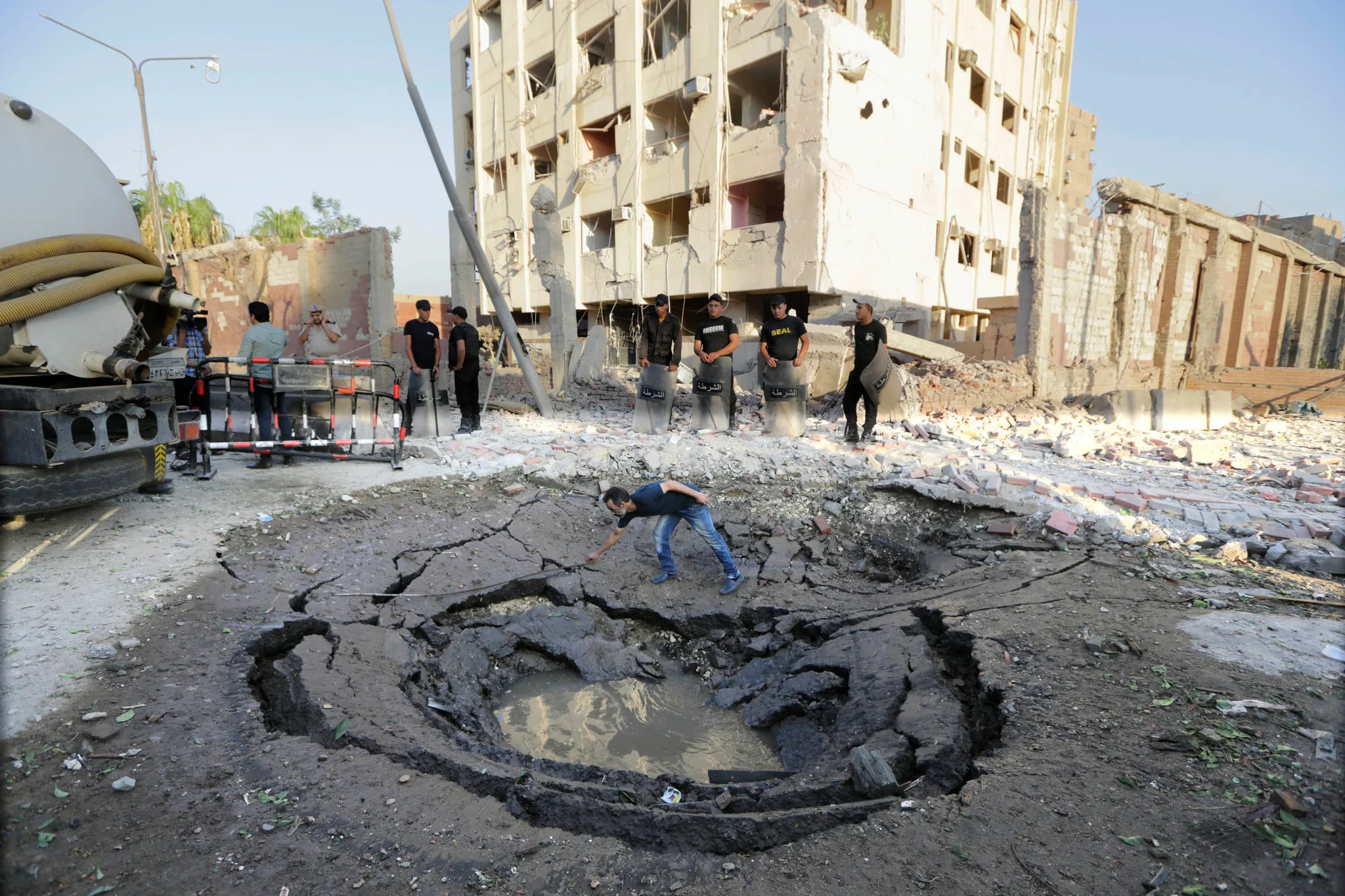
إثر عامين من تصاعد التفجيرات ضمن وحول العاصمة المصرية، يتغير شعور السكان في العاصمة تدريجيًا، حيث حصل الانفجار الأخير الذي تبنته مجموعة تابعة للدولة الإسلامية (داعش) في الساعة 2 صباحًا، مستهدفًا مقر أمن الدولة، وأسفر عن إصابة 29 شخصًا على الأقل.

“الشوارع فارغة، والمحلات فارغة، والناس لا تغادر منازلها بسبب التفجيرات”، تقول دينا أبو السعود، صاحبة مقهى ومطعم في وسط القاهرة، وتضيف “نشعر بآثار ذلك كل يوم”.

اجتمع حشد من الناس بعد انفجار قنبلة في القاهرة في وقت مبكر من صباح يوم الخميس، حيث انفجرت سيارة مفخخة بالقرب من مبنى الأمن في القاهرة بتاريخ 19 أغسطس من عام 2015.

كانت القاهرة على مدى عقود من الزمان معقلًا للاستقرار والأمان، لا سيما بالمقارنة مع عواصم عربية أخرى مثل بيروت أو بغداد، ومن ثم اندلعت انتفاضة الربيع العربي في مصر، والتي أطاحت بالرئيس حسني مبارك في عام 2011 مؤججة موجات لا نهائية من الاحتجاجات في الشوارع، واليوم، وإبان الانقلاب العسكري الذي أطاح بالرئيس محمد مرسي، التابع لجماعة الإخوان المسلمين، قبل عامين، وصل العنف المناهض للحكومة إلى مرحلة جديدة كليًا، حيث أدت سلسلة التفجيرات المتلاحقة إلى انصراف المستثمرين، وتبديد الآمال بانتعاش القطاع السياحي، كما أدت – وفوق كل اعتبار – إلى تعزيز الحملة الحكومية لقمع أي معارضة تقريبًا باسم مكافحة الإرهاب.

يلقي المدافعون عن حقوق الإنسان باللوم على التكتيكات الخرقاء التي تتبعها الحكومة المصرية، والتي تعمل على إطالة أمد دوامة القمع؛ مما يدفع بعض المعارضين غير العنيفين نحو التشدد والعنف، وحتى المؤيدون الأكثر حماسًا للحكومة الحالية يرون بأن لا نهاية تلوح في الأفق لسلسة التفجيرات المتكررة التي تشهدها الدولة المصرية.

من جهتهم، يركز سكان القاهرة على الطابع المحدود للعنف الذي يضرم بالعاصمة المصرية حتى الآن؛ ففي المقابلات التي أجريناها يوم الخميس، أكد لنا أغلب السكان بأن أيًا من هذه الهجمات لم يتسبب – حتى الآن – بخسائر بشرية واسعة النطاق في صفوف المدنيين المصريين، حيث استهدفت التفجيرات الشرطة أو المباني الحكومية والمسؤولين القضائيين أو الأمنين، أو الأعمال التجارية والمرافق العامة الفارغة.

ولكن مع ذلك فهناك بعض الاستثناءات التي لا تحمد عقباها؛ ففي ربيع هذا العام، كان سيتم استهداف معبد مزدحم بالسياح في الأقصر، لولا إحباطه ضمن موقف للسيارات، كما عمد متشددون في الأسبوع الماضي إلى إعدام موظف كرواتي تابع لشركة طاقة فرنسية، تم اختطافه على طريق سريع قرب القاهرة.

الاتجاه الذي يمكن ملاحظته بشدة ضمن القاهرة، يتمثل بتجاهل الكثير من المصريين لنمط التفجيرات التي تتم على درجة منخفضة من الأهمية، حيث يرونه مجرد إزعاج آخر ضمن المدينة المحمومة التي يقطنها أكثر من 20 مليون نسمة، “هناك نوع من التطبيع مع هذه التفجيرات”، تقول السيدة أبو السعود، صاحبة المقهى الذي خلا من رواده يوم الخميس، وهو أحد الأيام التي يشهد فيه مقهاها ازدحامًا شديدًا، كونه يتصادف مع بداية عطلة نهاية الأسبوع المصرية، وتتابع قائلة “ولكن يبدو أن ذاكرة الشعب قصيرة للغاية؛ فغدًا سوف يعود المقهى إلى سابق عهده مرة أخرى”.

تشير أبو السعود بأنها كانت تشعر بالخوف في عهد حكومة مرسي، حيث توجست من قيام الإسلاميين بفرض قواعدهم الأخلاقية الصارمة والمتشددة على المصريين الآخرين في يوم من الأيام، ولكن الحقيقة الواقعة اليوم هي أن أبو السعود تشعر بانعدام الأمان بشكل أكبر في هذه الأيام.

“ما الذي أخاف منه اليوم؟ أن يُزج بي في السجن”، تقول أبو السعود، مشيرة إلى أن القلق الذي انطلق وتنامى مع استمرار التفجيرات خوّل الشرطة والأجهزة الأمنية وأطلق يدها لتمارس الاعتقالات التعسفية أو المسيسة باسم الأمن العام.

تضيف أبو السعود شارحة “الشرطة اليوم يتصرفون كما كانوا يفعلون في عهد مبارك، لديهم السلطة لاعتقال أي شخص، وبعد أحداث مثل أحداث الليلة الماضية، يعمل الخوف الذي يُخلق نتيجة لهذه التفجيرات على تغذية قدرة الشرطة للاستمرار بممارساتهم القمعية”، وتتابع بعدها قائلة “الكثير من أصدقائي والعديد من زملائهم يقبعون اليوم في السجون، القوانين الجديدة وعدم الوضوح الذي يكتنفها يجعلها مخيفة للغاية”.

وائل إسكندر، وهو مدون وناشط، كان مع عائلته في منزله الواقع في حي الدقي في الجيزة، حينما سقطت نوافذ المنزل نتيجة لانفجار يوم الخميس، “والداي قالا، نعم، لقد سمعنا التفجير، وطفقا عائدان إلى ما كانا يفعلانه”، يقول إسكندر.

عندما بدأت التفجيرات في عام 2013، “شعرت بالخوف، وكنت أفكر فيما يجب علينا القيام به” يشرح إسكندر، ويضيف مستدركًا “ولكن الآن أعتقد أن الناس أصبحوا يشعرون بالإحباط والملل أكثر من شعورهم بالخوف”.

يوضح إسكندر بأن المصريين المهتمين بالسياسة ينتابهم القلق بشأن الحملة الأمنية التي ستمارسها الحكومة بعد كل تفجير، حيث يقولون لأنفسهم “ما هي الممارسات التي ستقوم بها الحكومة ردًا على هذا التفجير؟” قال إسكندر مؤكدًا على ما سبق وقالته أبو السعود، وأضاف “لكن على المستوى الشخصي، وبالنسبة لمعظم الأشخاص، أصبح الموضوع عاديًا بطريقة أو بأخرى”.

مروة بركات، الباحثة في مجال المناطق الحضرية، ترى الموضوع من وجهة نظر أخرى، حيث تشير إلى أن التفجيرات تغيّر من “الوجه العمراني” للمدينة من خلال تراكم الحواجز المضافة، وإغلاق الطرقات لحماية السفارات والدوائر الحكومية ومراكز الشرطة وغيرها من الأهداف المحتملة، وبعد كل تفجير، “انتشار الأمن في المنطقة المحيطة يسفر عن جعل الحركة المرورية مزدحمة إلى حد الجنون” كما تقول بركات.

ولكن التغيير الأكبر، وفق ما تقوله بركات، هو “الشك المتزايد الذي أصبح يتسلل إلى نفوس المصريين العاديين، المتخوفين من حصول هجمات إرهابية ضمن أحيائهم”، حيث تشير إلى أنه وفي وقت سابق من هذا الأسبوع، حاول سكان أحد المناطق إيقافها واعتقالها لأنها كانت تلتقط صورًا من فوق الجسر، “لقد كان الناس يقولون لي، هذا أمر ممنوع ، وليس قانونيًا، كما لو أن التصوير من فوق الجسر يشكل مصيبة عظمى”.

الصحفيون، صانعو الأفلام، الناشطون الاجتماعيون، وغيرهم ممن يطرحون أسئلة في الشارع، غالبًا ما يواجهون اتهامات مماثلة لتلك التي واجهتها بركات،”هذه التفجيرات تؤدي إلى بزوغ العديد من الشكوك الضحلة في أنفس الأشخاص”، قالت السيدة بركات، وتابعت موضحة “وهذا يؤدي إلى تقليص المساحة العامة أمام السياسة والمجتمع المدني والتي انفتحت إبان الثورة التي أطاحت بمبارك في عام 2011، ولكن الأشخاص لا يرغبون بالمشاركة بعد الآن، والتفجيرات هي أحد الأسباب”.

موجة التفجيرات بدأت في مصر قبل حوالي العامين تقريبًا، وذلك بعد سلسلة من عمليات إطلاق النار الجماعي التي مورست من قِبل قوات الأمن، وأسفرت عن مقتل أكثر من ألف متظاهر معارضين لاستيلاء الجيش على السلطة؛ ففي 5 سبتمبر 2013، انفجرت قنبلة في الصباح الباكر ضمن شارع مزدحم في القاهرة في محاولة فاشلة لاستهداف وزير الداخلية وموكبه، وفي يوم 24 ديسمبر، حدث تفجير آخر أمام مقر قيادة الشرطة في مدينة المنصورة في دلتا النيل، مما أسفر عن مقتل 16 شخصًا، وفي 24 يناير 2014، استهدف تفجير ثالث مقر قيادة الشرطة في القاهرة محدثًا أضرارًا جسيمة في متحف الفن الإسلامي.

هذه التفجيرات الثلاثة أصبحت أحداثًا تاريخية محفورة بعمق ضمن ذاكرة الشعب المصري، ولكن منذ ذلك الحين أصبحت التفجيرات أمرًا روتينيًا للغاية، حيث استهدفت الجماعات الإسلامية التي ظهرت حديثًا مراكز الشرطة، مرافق توليد ونقل الكهرباء، وواجهات المحال التجارية التي يُعتقد بأنها تدعم الحكومة، وفي هذا الصيف شهدت وتيرة العنف تصاعدًا حادًا بشكل خاص.

في نهاية يونيو الماضي تم قتل المدعي العام المصري، هشام بركات، في تفجير استهدف سيارته ضمن شوارع العاصمة، وبعد بضعة أيام حدث تفجير آخر أمام القنصلية الإيطالية، ومن ثمّ تم اختطاف الكرواتي توميسلاف سالوبيك على أحد الطرقات السريعة المؤدية للعاصمة.

يشير اقتصاديون بأن الهجمات أدت إلى تراجع البورصة المصرية بنسبة تقارب الـ30% بعد الانتعاش والذروة التي بلغتها في فبراير، كما أن هذه الهجمات والتفجيرات أثارت القلق بين الوافدين من الدول الغربية الذين يعيشون ويعملون في مصر.

“قتل السيد سالوبيك من قِبل الدولة الإسلامية سيغير النظرة إلى المخاطر الأمنية”، قال أنجوس بلير، المحلل المالي الذي يعمل في مصر، وتابع موضحًا “ستعمد الشركات الأجنبية إلى حماية الأمن الشخصي للعاملين الأجانب في مصر بشكل كبير، وربما قد تمنع الموظفين من جلب عائلاتهم إلى مصر، وهذه هي النتيجة المرجحة التي ستنجم عن هذه الأحداث”.

محمد أحمد، وهو مؤيد للحكومة الحالية، يشير إلى أن منزله الواقع في حي باب الخلق المتهالك تضرر بشدة إثر انفجار قنبلة في أوائل عام 2014، وعلى الرغم من أنه يتوقع المزيد من التفجيرات المستقبلة، بيد أنه يقول “الشعب المصري ليس خائفًا”.

ولكن على النقيض من ذلك، تقول ميادة خالد، الطالبة الجامعية التي تبلغ من العمر 20 عامًا والتي تنحدر من ذات منطقة أحمد، حيث تشير بأن العنف خنق وضيّق حياتها، “اعتدنا أن نكون قادرين على الخروج، والبقاء خارج المنزل لوقت متأخر”، تقول خالد، وتضيف “ولكن اليوم أهلي يشعرون بالقلق، ونحن مضطرون للعودة إلى المنزل قبل الساعة التاسعة مساءً”.

أسامة محمود، الذي يعيش بالقرب من القنصلية الإيطالية، يشير إلى أن الانفجار الذي استهدف القنصلية الشهر الماضي أسفر عن إحداث شق متعرج في جدار مطبخ منزله، وتفجير يوم الخميس، الذي حصل على بعد عدة أحياء، هز منزله مرة أخرى موسعًا التشقق الذي حدث إثر التفجير الماضي، ولكن هذه المرة ذُعرت والدته العجوز بشدة، وهربت خارج المنزل وانتظرت في الشارع حتى انبلاج الفجر، “هذا الوضع سوف يستمر”، تحدث محمود باستسلام وخنوع، وأردف قائلًا “في ظل حسني مبارك لم يكن الوضع على هذا النحو”.

المصدر: نيويورك تايمز

TAGGED: اغتيال النائب العام المصري ، الإرهاب في مصر ، الحرب على الإرهاب ، الربيع العربي ، انقلاب مصر
Download this article as PDF
Share this Article
Facebook Twitter Whatsapp Whatsapp Telegram Email Copy Link
ديفيد كيركباتريك
By ديفيد كيركباتريك رئيس مكتب نيويورك تايمز في القاهرة، صحفي استقصائي
Follow:
Next Article نون بوست The Stigma of “ISIS”: A Heavy Legacy Haunting Women and Children of Former Members

Read More

  • U.S. Regime‑Change Policies: Why They Are Destined to Fail U.S. Regime‑Change Policies: Why They Are Destined to Fail
  • The Gulf’s Balancing Act: Iran, Israel, and Hidden Links
  • Iraq–Turkey Oil Export Treaty: Why Did Ankara Cancel It After 52 Years?
  • Syria’s Northeast on Edge: QSD Between Ankara and Damascus
  • Has Europe Changed Its Stance on Israel… or Just Its Language?
part of the design
NoonPost Weekly Newsletter

You May Also Like

U.S. Regime‑Change Policies: Why They Are Destined to Fail

U.S. Regime‑Change Policies: Why They Are Destined to Fail

إسراء سيد Esraa sayed 8 April ,2026
The Gulf’s Balancing Act: Iran, Israel, and Hidden Links

The Gulf’s Balancing Act: Iran, Israel, and Hidden Links

فريق التحرير Noon Post 8 April ,2026
Iraq–Turkey Oil Export Treaty: Why Did Ankara Cancel It After 52 Years?

Iraq–Turkey Oil Export Treaty: Why Did Ankara Cancel It After 52 Years?

فريق التحرير Noon Post 8 April ,2026
dark

An independent media platform founded in 2013, rooted in slow journalism, producing in-depth reports, analysis, and multimedia content to offer deeper perspectives on the news, led by a diverse young team from several Arab countries.

  • Politics
  • Society
  • Rights & Liberties
  • Opinions
  • History
  • Sports
  • Education
  • Technology
  • Economy
  • Media
  • Arts & Literature
  • Entrepreneurship
  • Travel
  • Cinema & Drama
  • Food
  • Health
  • Culture
  • Latest Reports
  • Files
  • Long Reads
  • Interviews
  • Podcast
  • Interactive
  • Encyclopedia
  • In Pictures
  • About Us
  • Our Writers
  • Write for Us
  • Editorial Policy
  • Advanced Search
Some rights reserved under a Creative Commons license

Removed from favorites

Undo
Go to mobile version