






NoonPost NoonPost

NoonPost

  • Home
  • Politics
  • Economy
  • Society
  • Culture
  • Files
  • Long Reads
  • Podcast
AR
Notification Show More
نون بوست
“There Are Nights I Can’t Close My Eyes”: How Gazans Are Living in Homes on the Brink of Collapse
نون بوست
From al-Jolani to Ahmad al-Shara: The Evolution of Syria’s New Leader
نون بوست
When Political Islam Receded in Egypt: Who Filled the Void?
نون بوست
An Extension of Genocide: Gaza’s Detainees Speak Out
نون بوست
A Tightrope Between Survival and Sovereignty: The Syrian Government Faces Normalization Pressures
نون بوست
American Aircraft Carriers: Has the Era of “100,000 Tons of Diplomacy” Ended?
نون بوست
U.S. Regime‑Change Policies: Why They Are Destined to Fail
نون بوست
Transformations of Israeli Judaism: Between the Victim Complex and the Colonizer’s Doctrine
نون بوست
The Gulf’s Balancing Act: Iran, Israel, and Hidden Links
نون بوست
Iraq–Turkey Oil Export Treaty: Why Did Ankara Cancel It After 52 Years?
نون بوست
Syria’s Northeast on Edge: QSD Between Ankara and Damascus
نون بوست
Has Europe Changed Its Stance on Israel… or Just Its Language?
NoonPost NoonPost
AR
Notification Show More
نون بوست
“There Are Nights I Can’t Close My Eyes”: How Gazans Are Living in Homes on the Brink of Collapse
نون بوست
From al-Jolani to Ahmad al-Shara: The Evolution of Syria’s New Leader
نون بوست
When Political Islam Receded in Egypt: Who Filled the Void?
نون بوست
An Extension of Genocide: Gaza’s Detainees Speak Out
نون بوست
A Tightrope Between Survival and Sovereignty: The Syrian Government Faces Normalization Pressures
نون بوست
American Aircraft Carriers: Has the Era of “100,000 Tons of Diplomacy” Ended?
نون بوست
U.S. Regime‑Change Policies: Why They Are Destined to Fail
نون بوست
Transformations of Israeli Judaism: Between the Victim Complex and the Colonizer’s Doctrine
نون بوست
The Gulf’s Balancing Act: Iran, Israel, and Hidden Links
نون بوست
Iraq–Turkey Oil Export Treaty: Why Did Ankara Cancel It After 52 Years?
نون بوست
Syria’s Northeast on Edge: QSD Between Ankara and Damascus
نون بوست
Has Europe Changed Its Stance on Israel… or Just Its Language?
Follow US

How Do We See Our Cities in Zafón’s Novels? A Conversation with Translator Muauia Abdulmagid

علي مكسور
Ali Maksour Published 26 March ,2026
Share
نون بوست
نون بوست

Literary translation is far more than the transfer of words from one language to another. It is a rigorous journey through meaning, memory, and style. When a literary text crosses linguistic boundaries, it brings with it a dense human experience a city layered with history and unresolved questions of violence and destiny.

This is where the work of Syrian translator Moawia Abdelmajid stands out: it reflects a deep sensitivity to place and memory and an understanding of literature as a lens shaped by readers’ experiences and contexts.

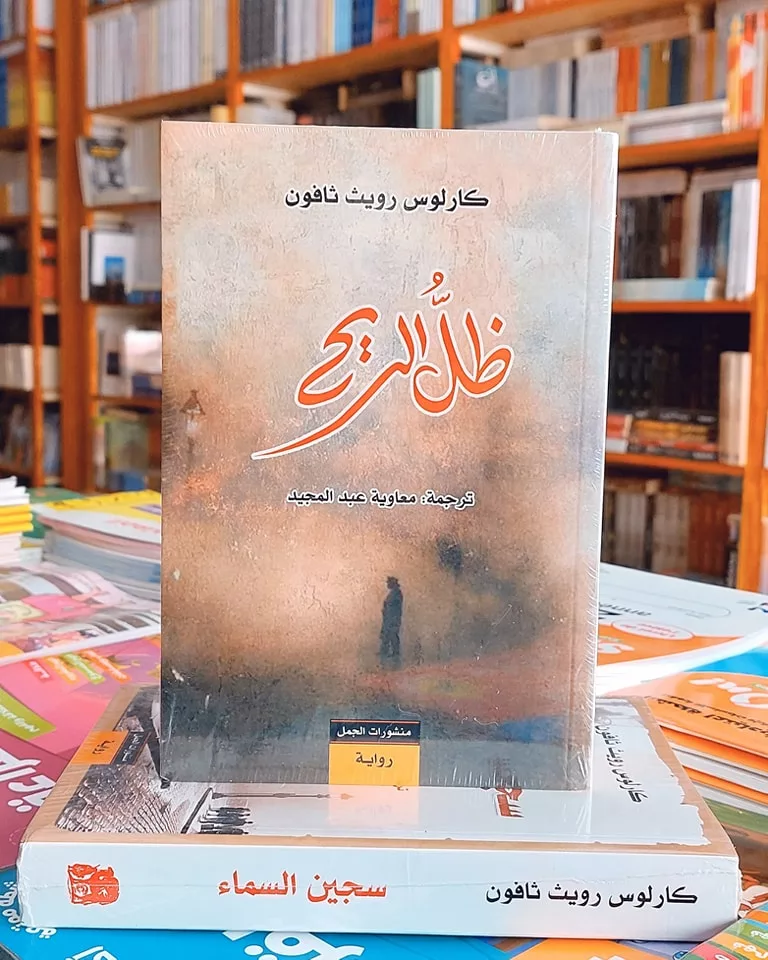
Arab readers came to know Abdelmajid through his translations of the late Spanish author Carlos Ruiz Zafón, most notably The Shadow of the Wind, the first in the Cemetery of Forgotten Books series. Abdelmajid’s Arabic rendition preserved the density of the narrative and symbolic depth of the original, while inviting comparisons between geographically distant but spiritually kindred cities.

Zafón’s Barcelona steeped in tunnels, memory, censorship, and violence felt deeply familiar to many Syrian readers. Not as a direct reflection, but as a shared human experience of tyranny and ruin, evoking Damascus, Aleppo, or Homs.

In this interview with Noon Post, Moawia Abdelmajid offers a rare glimpse into a translation journey that spanned years. He discusses literary translation as a meticulous balancing act between fidelity and creativity, linguistic choices dictated by Zafón’s layered prose, the Syrian reader’s relationship to the works, and the role of translated literature in a post-war context a time when cities, memory, and identity are once again pressing questions.

We aim, through this conversation, to approach translation as a cultural act and literature as a space to understand the self through the other in a time when the great questions of memory and meaning remain wide open.


Let’s begin..

– What first drew you to Zafón’s writing?

Was The Shadow of the Wind a natural starting point, or did you arrive there differently?

The Shadow of the Wind was a difficult choice, but indeed the natural gateway into Zafón’s world. He had written four novels before it, all well-received and primarily targeting young adults. But with The Shadow of the Wind, Zafón decided to reach a wider audience beginning with young readers but extending to older ones as well.

The novel tells the story of a young boy who discovers the pleasures of reading through a mysterious book, leading him to uncover the story of its author and the world that shaped it. This resonates with young readers and older ones alike, especially those who remember the thrill of their first transformative book.

Add to that the rich social dynamics, the neighborhood characters, love stories, and a strong cultural-political undercurrent that runs unmistakably through the narrative.
نون بوست
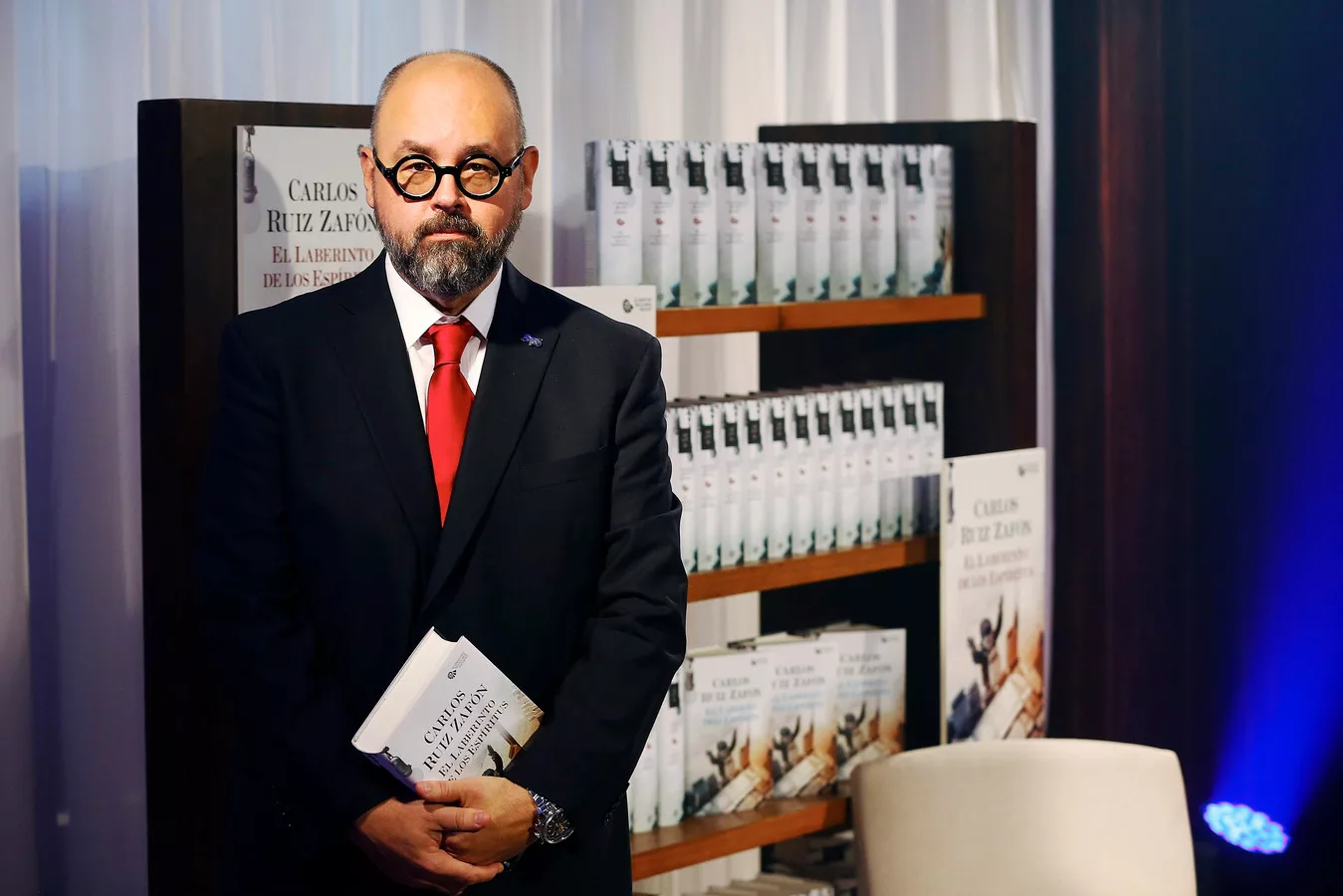
Spanish novelist Carlos Ruiz Zafón has died at the age of 55 from cancer.

Once I began translating The Shadow of the Wind, I knew I had to continue with the entire Cemetery of Forgotten Books series. I went on to translate The Angel’s Game, The Prisoner of Heaven, and The Labyrinth of the Spirits. When his complete short stories were posthumously published under City of Steam, I translated that too, as it carried the same atmosphere of Barcelona.

I eventually returned to Zafón’s earlier novels The Prince of Mist, The Midnight Palace, The Watcher in the Shadows, and Marina.

In short, all of Zafón’s works are now available in Arabic. But it all began with The Shadow of the Wind, a novel that profoundly shaped its author, its readers and its translator.


– Zafón’s language moves between tightly plotted narrative and poetic, symbolic prose.

How does a translator maintain both precision and rhythm, especially when facing metaphors that defy literal translation?

Naturally, a translator must inhabit the author’s rhythm, particularly when the writing shifts pace and tone to mirror the author’s imagination. Thankfully, Arabic is a literary language, rich in expressive tools that can be employed to navigate such challenges.

Some readers believe that literal, word-for-word translation ruins the Arabic text. That’s not always true. In some cases, literal translation solves structural problems and eliminates clumsiness that would otherwise alienate the Arabic reader.

Literary translation, however, is ultimately about interpreting the author’s stylistic intent: why is a sentence fast-paced, emotional, suspenseful? Why is another more contemplative? The translator must grasp these choices and convey them.

The real challenge is style and whether the translator preserved the original voice, making it accessible yet rich for the Arabic reader. Did I enhance the style to make it compelling in Arabic, or did I dilute it?

Beyond such questions, the translator bears a deep responsibility. Literature is a window into the lives of individuals and societies, yes, but it is also a mirror of emotional expression. In Zafón’s work, when characters enter the Cemetery of Forgotten Books, they are stunned, speechless. Arabic must rise to the occasion to convey that mythical atmosphere.


Was there a scene or passage in The Angel’s Game, The Labyrinth of the Spirits, or The Shadow of the Wind that you found especially difficult one that you felt could only be translated through radical rephrasing?

Absolutely. Many passages required multiple rewrites. Thank heavens we work on computers otherwise my house would be buried under torn paper.

Take this scene from The Shadow of the Wind, where Daniel describes the opening of the Cemetery gates:

“The gears moved like a robot, emitting a thunderous click that set off a series of pulleys dancing in a strange mechanical ballet, intersecting with a network of steel rods embedded in wall slots.”

I must have translated and re-translated that sentence six times before it felt right.

In The Angel’s Game, there’s a description of Sempere looking at David Martín: “He stared at me on the verge of a look filled more with worry than comfort.” This required a creative, almost poetic rendering: “Sempere was staring at me on the edge of a glance of worry.”

Another example, also from The Angel’s Game, involved preserving Zafón’s exact structure:

“The headquarters’ facade, seen from a distance, merged with family tombstones scattered across a skyline pierced by chimneys and buildings clumped under a black-and-scarlet eternal sunset over Barcelona.”

It’s one long sentence with no commas. Why? Because the author wants the reader to feel overwhelmed, visually and emotionally, just as the character is. Punctuation would clarify the view but Zafón wants it to blur.

I could cite dozens of such moments in every chapter, hundreds in each book. Scenes like Fumero’s confrontation, Martín’s lover’s death in the lake, every visit to the Cemetery, Fermín’s escape from prison and his magical return in The Labyrinth of the Spirits, Isabel’s jokes and Fermín’s wit the list goes on.


Would you say the Syrian reader’s connection to Zafón is more of a “mirror” than a simple translation seeing Damascus, Aleppo, or Homs in Zafón’s Barcelona?

I can’t speak for “the Syrian reader” in general. But for myself, yes. I felt that Zafón’s portrait of Barcelona’s soul reminded me of Aleppo’s spirit, its labyrinths evoked Damascus’s alleyways, its siege echoed the pain of Homs. I imagined a Syrian novelist crafting such a story in our own setting.

But what we lack is literary craft. The elements are there place, time, events. What’s missing is the novelistic technique to weave them into enduring fiction.

Interestingly, in City of Steam, Zafón writes of a traveler who survives by telling stories to pirates who want to throw him overboard. He learns to leave them wanting more, as an old Damascene storyteller once told him: “They will hate you for it, but they’ll crave you all the more.”

How could I not think of Assad’s henchmen when reading about Fumero, or the Nazi-like bombing campaigns that ravaged nearly all of Syria? Censorship, repression, corruption, torture these are real. I even used the term “shabih” (regime thug) in The Labyrinth of the Spirits.

Still, The Shadow of the Wind is a translated novel, not a mirror. But it is a fable: that tyranny fades, oppressors fall, and the people remain.


– Literary translation has historically opened intellectual horizons and challenged narrow identities.

How can it help Syrians in the post-war period move beyond sectarianism and toward a unifying national discourse?

I think Syrians today are scrambling to piece together a sense of identity often in chaotic ways. I don’t believe they are currently seeking wisdom from the experiences of other nations. Syria’s trauma is unique.

That said, we must avoid reinventing the wheel. But I fear we are heading toward even greater isolation, desperate to frame our discourse as inclusive and national, at any cost.
نون بوست

Spain endured a civil war. Syrians still reject describing their revolution that way. And if you examine the great revolutions of history many of which passed through sectarianism and tribalism you’ll find it’s hard to draw parallels to Syria, or expect similar outcomes, at least in the near term.

So yes, the unified national narrative must emerge from within the Syrian experience. Comparisons to other contexts risk being little more than cultural illusions. Translation won’t do more than that. That’s not criticism or praise. It’s simply an observation.

But such a narrative is urgently needed. It’s not a luxury or a decorative layer. It’s a foundational necessity.


Do you think Syrian readers, once peace is restored, will be more open to global literature that reminds them Syria’s tragedy is part of a larger human story like Zafón’s novels that link memory with destiny?

Yes, I think Syrian readers will be more willing to compare global experiences with their own. They may ask: why did certain societies succeed where we failed?

You mentioned the “larger human story.” And it’s worth noting: despite the diversity of European languages, their literature rarely contradicts the West’s overarching humanist values. Literature often trains readers to reject racism and fascism, and to value freedom and empathy from romance novels to detective stories.

Zafón’s writing affirms this worldview. His links between memory and fate are part of that narrative: a past of fascism and racism, a turbulent present, and a hopeful future built on respect and liberty.

Our challenge is to insert our own experience into that broader story. It’s complex, difficult, and full of obstacles. But it’s the only way to truly benefit from others’ journeys and to share our own.

Download this article as PDF
Share this Article
Facebook Twitter Whatsapp Whatsapp Telegram Email Copy Link
علي مكسور
By علي مكسور كاتب سوري
Follow:
Previous Article نون بوست ISIS Returns: Escalation Tests the Resilience of Syria’s New State
Next Article نون بوست Seven Years After the Dream: Sudan’s Journey from the December Uprising to the Generals’ War

Read More

  • U.S. Regime‑Change Policies: Why They Are Destined to Fail U.S. Regime‑Change Policies: Why They Are Destined to Fail
  • The Gulf’s Balancing Act: Iran, Israel, and Hidden Links
  • Iraq–Turkey Oil Export Treaty: Why Did Ankara Cancel It After 52 Years?
  • Syria’s Northeast on Edge: QSD Between Ankara and Damascus
  • Has Europe Changed Its Stance on Israel… or Just Its Language?
part of the design
NoonPost Weekly Newsletter

You May Also Like

U.S. Regime‑Change Policies: Why They Are Destined to Fail

U.S. Regime‑Change Policies: Why They Are Destined to Fail

إسراء سيد Esraa sayed 8 April ,2026
The Gulf’s Balancing Act: Iran, Israel, and Hidden Links

The Gulf’s Balancing Act: Iran, Israel, and Hidden Links

فريق التحرير Noon Post 8 April ,2026
Iraq–Turkey Oil Export Treaty: Why Did Ankara Cancel It After 52 Years?

Iraq–Turkey Oil Export Treaty: Why Did Ankara Cancel It After 52 Years?

فريق التحرير Noon Post 8 April ,2026

هيومانز أوف نيويورك: شبكة تضامن عالمية؟

نهى خالد
نهى خالد Published 24 August ,2015
Share
نون بوست

كثيرة هي النظريات عن أهمية الشبكات في مقابل المؤسسات، ومميزات العمل الأفقي مقارنة بالجهود الرأسية المعتمدة على التنظيمات، إلا أن الواقع، حتى وقت قريب، ظل يؤكد على أن المؤسسات والتنظيمات الكبرى تستطيع فعل ما لا يسع الشبكات الصغيرة فعله، وهو ربما خطأ يقع على عاتق من أبقى على فكرة الشبكات الأفقية حبيسة الكتب والبحوث، أو ربما حاول تنزيلها على الأرض بالشروع في مهام تصعب منافسة المؤسسات فيها.

في مقال سابق كنا قد تناولنا صفحة هيومانز أوف نيويورك الشهيرة على الفيسبوك، وتحدثنا عن إيجابيات الثورة التي تحدثها في علاقة الصورة بالإنسان، وقد أوجزنا ما يقوم به براندون ستانتون، المصور المسؤول عن الصفحة، باعتباره دمقرطة للصورة The Democratization of the Image، حيث يترك ستانتون زمام الأمور لمسار الحياة اليومية العشوائي ليحدد له من سيقابل، ويقوم بالتقاط صورة له دون أي عملية انتقائية ذات هدف فني كما يجري في السينما أو غيرها من فنون التصوير الاحترافي.

لم يقتصر ذلك المنهج، أو اللامنهج في الحقيقة، على دخول عشرات الآلاف من البشر المجهولين إلى الكادر، بل وحين قُدر لستانتون أن يلتقي شخصًا معروفًا نسبيًا، مثل متسلق الجبال المصري الشهير عُمر سمرة، نقلت لنا كاميرا ستانتون الأفقية تلك قصته كما لم نسمع بها من قبل، وربما لم نكن لنسمع بها أصلًا بالنظر لصورته أحادية البُعد التي ترسخت عبر الإعلانات المصرية وغيرها، والتي لم تنظر له سوى من زاوية نجاحه كمتسلق، وهو السبب الرئيسي لشهرته.

لم يكن يعرف براندون عُمر سمرة بالطبع، فهو معروف بين شباب الطبقة الوسطى في مصر فقط، وبالتالي دخل إلى الكادر دون أي اعتبارات مسبقة، ونقل قصة حياته الرئيسية كما يرى نفسه لا كما تراه وكالات الإعلان، ومعاناته مع آلام الفقد بعد وفاة زوجته وهي تلد ابنتهما الأولى، وكيف أنه، في الحقيقة، لم يعد يشعر بالكثير من الإيجابية تجاه الهوس بالوصول للقِمَم والتسلق كما في السابق، وهو أمر قد يخصم ربما في المستقبل من رصيده كنجم إعلاني، ولكنه على ما يبدو قد حشد له مجموعة محبين أكثر أهمية، ومتجاوزة لبلده الأم.

https://www.facebook.com/humansofnewyork/photos/pb.102099916530784.-2207520000.1440027750./930802673660500/?type=3&permPage=1

هنالك الآلاف مثل عُمرة سمرة ممن ظهروا على الصفحة، فمنهم من فقد ابنته مؤخرًا، ومنهم من أطلق العنان للحديث عن علاقة فاشلة، ومن أطلت لتشاركنا معاناتها في تربية أبنائها بميزانية محدودة في واحدة من أغنى مدن العالم، ثم من تحدث عن استمرار العنصرية ومعاناته منها، وأخيرًا المئات من الأطفال ممن دخول للكادر أيضًا دون مواربة، وأطلوا علينا بأحلام طفولية وخيالية وكلمات مقتضبة، مرة أخرى دون تدخل من براندون.

لا أحد يطلق الأحكام هنا، بل الكُل في حالة تضامن إن جاز القول، بدءًا ممن يرى نفسه ومعاناته فيمن ظهر بإحدى الصور، أو من تعاطف معها ليس إلا، وهي حالة تضامن نفسية عابرة للثقافات، بدأت تتحول في حقيقة الأمر نحو أمرٍ أكثر فاعلية وإيجابية، ومتجاوز للآمال والآلام الشخصية: حالة تضامن بالمعنى الحرفي للكلمة.

الكاميرا الأفقية: من نيويورك إلى لاهور

كانت الخطوة التالية والمتوقعة لكاميرا براندون الأفقية هي الخروج من حيز مدينة نيويورك، ومحاولة “توسيع الكادر” إن جاز القول ليشمل شرائح أكثر، فبينما كان براندون يقدم لنا عالم نيويورك من على الأرض بعيدًا عما كانت ترسمه لنا كاميرات السينما على مدار عقود، فإنه قد قرر على ما يبدو أن يفعل الشيء نفسه فيما يخص الصور النمطية عن شعوب بلدين لربما يخشاهما الأمريكيون أكثر من سواهما لأسباب لا تحتاج للتفصيل: باكستان وإيران.

لا ندري إن كان اختيار هذين البلدين المسلمين السني والشيعي واعيًا أم لا، ولكنه قلب تصورات الملايين من متابعيه رأسًا على عقب ممن لم تكن لتسنح لهم الفرصة لزيارة كل المدن التي زارها براندون بأنفسهم، من لاهور وكراتشي حتى تبريز وغيرها في رحلة لم تنتهي بعد، كما يقول سيل الصور القادم من إيران حاليًا، وهو لم يفتح آفاق متابعيه الأمريكيين فقط على ما يبدو، بل وكل من يعيش خارج إيران وباكستان ولا يدري عن سكانهما شيئًا، بما في ذلك البلدان العربية المجاورة، علاوة على أهل تلك البلدان أنفسهم ممن يعيشون في الحضر ويجهلون معاناة الريف.

https://www.facebook.com/humansofnewyork/photos/pb.102099916530784.-2207520000.1440360954./1059335417473891/?type=3&theater

في شوارع إيران

معاناة الريف الباكستاني مع العمالة الجبرية هي القصة الرئيسية التي جلبها براندون بكاميرته الخاصة من باكستان، لا مع الإرهاب أو الفساد أو هيمنة الجيش أو غيرها، فالملايين هنا تعمل في تصنيع الطوب الأحمر لتسديد ديونها بشروط مُجحِفة خارج إطار القانون، وينتهي بها الأمر في هذا المجال لبقية عمرها في الغالب فيما يعرف بالعمالة الجبرية Bonded Labour، والتي لا تختلف كثيرًا في طابعها وما يخضع له ضحاياها من استبداد أرباب العمل عن العبودية في العصور السالفة.

قصة طويلة ومعقدة بالطبع احتاج معها براندون إلى سبع صور لشرح مأساة أولئك العمال، وهيمنة أصحاب رؤوس المال ذوي النفوذ عليهم، وكيف يدرّون 3٪ من الدخل القومي الباكستاني بصناعتهم تلك والتي تجري تفاصيلها اليومية القبيحة بينما تغض الدولة الطرف عنها نتيجة لقوتهم داخل الدولة، وهُم لا يكتفون بالطبع باستعباد الملايين، بل والاعتداء الصريح على كل من يحاول الوقوف لأجلهم، وأبرزهم سيدة غلام فاطمة.

“قررت سيّدة غلام فاطمة أن تفني حياتها للقضاء على العمالة الجبرية، وتعرضت في سبيل ذلك لإطلاق النار والضرب بل والكهرباء لنشاطها، فهي تقف سدًا منيعًا بين العمال المقهورين وأصحاب المال، وقد أسست جمعية خصيصًا لذلك هي جبهة تحرير العمالة الجبرية، والتي تعمل في ريف باكستان محاولة أن تضمن حصول كل عامل على الدعم القانوني المناسب، بيد أن الجمعية بالطبع تعمل بميزانية ضئيلة جدًا.”

https://www.facebook.com/humansofnewyork/photos/pb.102099916530784.-2207520000.1440242601./1057545407652892/?type=3&permPage=1

سيدة غلام فاطمة

بهذه الكلمات قدم إلينا براندون الناشطة الباكستانية سيدة التي تحاول الدفاع عن كل هؤلاء العمال، وهي مهمة شبه مستحيلة كما ذكر بالأموال الضئيلة التي تمتلكها جمعيتها، مما دفعه لفتح باب التبرع لها، لتنهال الدولارات من متابعي الصفحة المنتشرين حول العالم، وتصل إلى مليون دولار خلال 12 ساعة فقط، و2 مليون دولار في المُجمَل حتى الآن، وهي أموال دفعت سيدة لتقرر توسيع جهودها في الريف الباكستاني، وأعطتها دفعة للأمام في مهمة كانت لتتوقف في المستقبل القريب نتيجة نفاذ التمويل.

من التواصل إلى التضامن الاجتماعي

لم تكن تلك في الحقيقة أول مرة يبرز هذا الجانب التضامني لهيومانز أوف نيويورك، وإن كانت قصة باكستان قد جذبت الملايين نظرًا لطبيعة الأزمة والمعاناة الشديدة التي يعانيها العمال هناك، ففي يناير الماضي كانت إحدى المدارس المهمّشة في نيويورك، وهي موت هول بريدجيز أكاديمي، التي ينتمي معظم طلابها لشريحة الأمريكيين من أصل أفريقي، على موعد مع كاميرا براندون ولحظة من لحظات التضامن لمساعدة المدرسة.

https://www.facebook.com/humansofnewyork/photos/pb.102099916530784.-2207520000.1440027768./872763722797729/?type=3&permPage=1

ميس لوپيز

“ذات يوم انهالت عليّ مجموعة من الرسائل على هاتفي من المدرسين والطلبة، وحين رأيت صورة فيدال ظننت أن أمرًا سيئًا قد حدث، وهو عادة ما يحدث حين تظهر صورة أحدهم بهذا الشكل..” هكذا تحدثت “ميس لوپيز” عن أحد الطلاب بالمدرسة التي تعمل كناظرة فيها، والذي ظهر بعد أن قابلته كاميرا ستانتون في أحد شوارع نيويورك، وتحدث عنها كأبرز شخص يُلهمه في حياته.

لم يكن غريبًا ما اعتقدته لوپيز في البداية بالنظر للحال المتواضعة للمدرسة والحي البسيط الذي توجد فيه، وهو حي براونسفيل الذي يهيمن السود واللاتينيون على سكانه، ويعَد ذائع الصيت نظرًا لمعدلات الجريمة والفقر المرتفعة فيه، وهي مدرسة كانت لوپيز تفكر بالاستقالة منها نظرًا لظروفها الاجتماعية والمادية الصعبة، حتى رفع براندون الصور التي التقطها لها ولطلبة المدرسة وفتح باب التبرع لإنشاء برنامج يتيح للطلاب زيارة هارفرد سنويًا، بل وإنشاء برنامج صيفي، وهي تبرعات وصلت لمليون دولار وحققت أهدافها بالفعل.

https://www.facebook.com/humansofnewyork/photos/pb.102099916530784.-2207520000.1440027768./873350702739031/?type=3&permPage=1

هناك حالات كثيرة خارج إطار صفحة هيومانز أوف نيويورك استُخدِمَت فيها شبكات التواصل الاجتماعي لتوسيع نطاق مشاريع خيرية أو اجتماعية معينة، بدءًا من رعاية الأيتام وتزويج الفقراء وإعالة الأرامل وحتى بناء المساجد وشراء معدات للمستشفيات وإيواء أسر اللاجئين، وهي حالات ربما لا تشكل فيها وسائل التواصل الاجتماعي مركز المشروع، على العكس من هيومانز أوف نيويورك، ولكنها تُعَد واحدة من أبرز عوامل قيام المشروع الخيري أو الاجتماعي نتيجة اعتمادها على نشر فكرة التضامن عن طريق الفيسبوك أو تويتر أو غيره.

حين بدأت وسائل التواصل الاجتماعي واتسع نطاق استخدامها في العالم العربي ثم انطلقت بعد ذلك بسنوات ثورات الربيع العربي، انصب تركيز الكثيرين على التبعات السياسية لطبيعة تلك الشبكات الأفقية وأثرها على المجال العام، واتجهت بعض التحليلات الرومانسية لقدرة هذه المواقع على خلق بديل سياسي في وقت قصير، بيد أن وسائل التواصل الاجتماعي، مثلها مثل أي حراك سبقها، ستحتاج للمرور بكافة مراحل التأثير الاجتماعي والبناء من أسفل قبل أن يتسنى لأي من مستخدميها أن يحدثوا أثرًا سياسيًا، تمامًا كما يحدث مع الحركات الاجتماعية على الأرض كالحركات الإسلامية أو الحركات البيئية في الغرب أو حركات الهندوسية المحافظة في الهند.

التحول من التواصل إلى التضامن هو ربما الخطوة الأهم في تاريخ وسائل التواصل الاجتماعي في هذه المرحلة، والتي لا نعلم إلى أي مدى ستتسع، فصفحة هيومانز أوف نيويورك لا تزال في أولى زياراتها للخارج، والكثير من المشاريع التي قامت مستندة لدوائر الفيسبوك لا تزال في طور الميلاد والنمو، ولعل حراك كهذا سيستغرق عقودًا قبل أن يرسخ أي نموذج اجتماعي أو شبكة أوسع يُبنى عليها كل الطموح السياسي الذي بالغ فيه كثيرون، وهو بناء سيُتاح له ربما حينئذ أن يكون ذا أثر أكبر وعُمر أطول، مقارنة بما جرى لتويتات الربيع العربي قصيرة الكلمات والعُمر أيضًا.

نون بوست

أخيرًا، وبينما يعتقد الكثيرون أن ما يقوم به براندون أمرًا مزيفًا أو سخيفًا أو لا ينقل بشكل كافي الحقائق على الأرض، يجدر القول أن الكاميرا لا تتسع لالتقاط الواقع كله، وأن كاميرا براندون هي ربما أوسع ما يمكن أن يصل له كادر، وإذ يرى بعض المصورين المحترفين أن ما يقوم به براندون هو خارج عن إطار التصوير الاحترافي، فإن التصوير كفن احترافي في الحقيقة قد يكون الكادر فيه أضيق من كادر براندون نتيجة احترافيته تلك، فبينما يتسكع براندون في شوارع نيويورك، متبنيًا اللامنهج وهو يطلق العنان لأصابعه على الكاميرا، فإنه في الحقيقة يخلق كاميرا أفقية عفوية دون أية أهداف فنية، ولعل خروجه من الإطار الضيق للتصوير المحترف المعتمد على المنهج والمقتصر على الهدف هو ما سمح له بالذوبان في أهداف اجتماعية أوسع وأكثر أهمية، وفتح له باب السعي في تحقيقها بالفعل. 

TAGGED: التصوير الفوتوغرافي ، الثقافية المصورة ، السينما ، الفن ، الفنون البصرية
Download this article as PDF
Share this Article
Facebook Twitter Whatsapp Whatsapp Telegram Email Copy Link
نهى خالد
By نهى خالد باحثة وكاتبة مصرية ومترجمة
Follow:
Next Article نون بوست The Stigma of “ISIS”: A Heavy Legacy Haunting Women and Children of Former Members
part of the design
NoonPost Weekly Newsletter
dark

An independent media platform founded in 2013, rooted in slow journalism, producing in-depth reports, analysis, and multimedia content to offer deeper perspectives on the news, led by a diverse young team from several Arab countries.

  • Politics
  • Society
  • Rights & Liberties
  • Opinions
  • History
  • Sports
  • Education
  • Technology
  • Economy
  • Media
  • Arts & Literature
  • Entrepreneurship
  • Travel
  • Cinema & Drama
  • Food
  • Health
  • Culture
  • Latest Reports
  • Files
  • Long Reads
  • Interviews
  • Podcast
  • Interactive
  • Encyclopedia
  • In Pictures
  • About Us
  • Our Writers
  • Write for Us
  • Editorial Policy
  • Advanced Search
Some rights reserved under a Creative Commons license

Removed from favorites

Undo
Go to mobile version