NoonPost NoonPost

NoonPost

  • Home
  • Politics
  • Economy
  • Society
  • Culture
  • Files
  • Long Reads
  • Podcast
AR
Notification Show More
نون بوست
“There Are Nights I Can’t Close My Eyes”: How Gazans Are Living in Homes on the Brink of Collapse
نون بوست
From al-Jolani to Ahmad al-Shara: The Evolution of Syria’s New Leader
نون بوست
When Political Islam Receded in Egypt: Who Filled the Void?
نون بوست
An Extension of Genocide: Gaza’s Detainees Speak Out
نون بوست
A Tightrope Between Survival and Sovereignty: The Syrian Government Faces Normalization Pressures
نون بوست
American Aircraft Carriers: Has the Era of “100,000 Tons of Diplomacy” Ended?
نون بوست
U.S. Regime‑Change Policies: Why They Are Destined to Fail
نون بوست
Transformations of Israeli Judaism: Between the Victim Complex and the Colonizer’s Doctrine
نون بوست
The Gulf’s Balancing Act: Iran, Israel, and Hidden Links
نون بوست
Iraq–Turkey Oil Export Treaty: Why Did Ankara Cancel It After 52 Years?
نون بوست
Syria’s Northeast on Edge: QSD Between Ankara and Damascus
نون بوست
Has Europe Changed Its Stance on Israel… or Just Its Language?
NoonPost NoonPost
AR
Notification Show More
نون بوست
“There Are Nights I Can’t Close My Eyes”: How Gazans Are Living in Homes on the Brink of Collapse
نون بوست
From al-Jolani to Ahmad al-Shara: The Evolution of Syria’s New Leader
نون بوست
When Political Islam Receded in Egypt: Who Filled the Void?
نون بوست
An Extension of Genocide: Gaza’s Detainees Speak Out
نون بوست
A Tightrope Between Survival and Sovereignty: The Syrian Government Faces Normalization Pressures
نون بوست
American Aircraft Carriers: Has the Era of “100,000 Tons of Diplomacy” Ended?
نون بوست
U.S. Regime‑Change Policies: Why They Are Destined to Fail
نون بوست
Transformations of Israeli Judaism: Between the Victim Complex and the Colonizer’s Doctrine
نون بوست
The Gulf’s Balancing Act: Iran, Israel, and Hidden Links
نون بوست
Iraq–Turkey Oil Export Treaty: Why Did Ankara Cancel It After 52 Years?
نون بوست
Syria’s Northeast on Edge: QSD Between Ankara and Damascus
نون بوست
Has Europe Changed Its Stance on Israel… or Just Its Language?
Follow US

Seven Years After the Dream: Sudan’s Journey from the December Uprising to the Generals’ War

فريق التحرير
Noon Post Published 26 March ,2026
Share
نون بوست
نون بوست

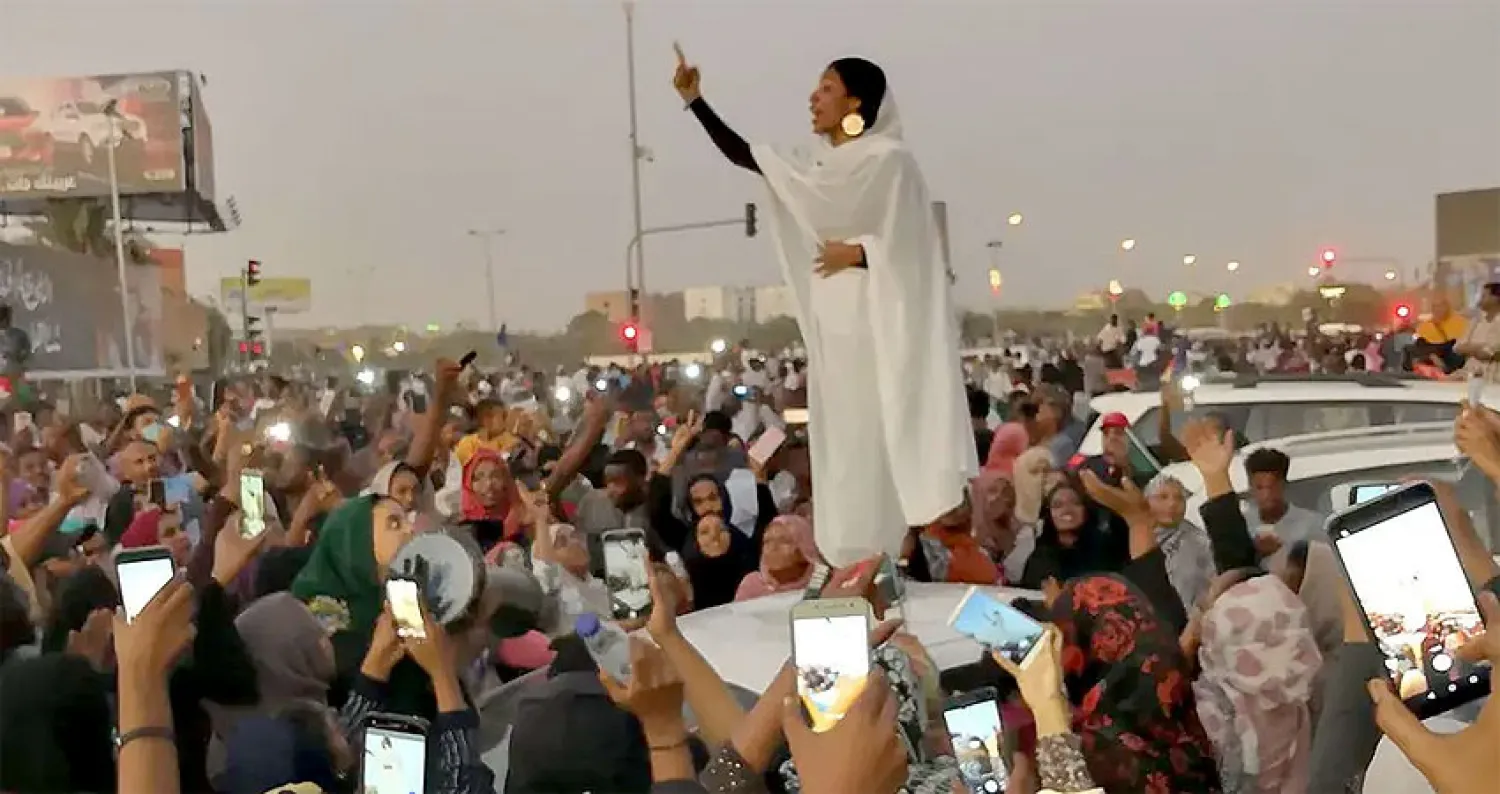
On this day in 2018, Sudanese citizens didn’t just take to the streets—they emerged from the depths of long-standing oppression. Millions marched, carrying in their hearts something heavier than slogans and more sincere than chants: the dream of freedom, the promise of peace, the yearning for justice, and the hope for a civilian state that reflects its people not the barrel of a gun.

They came together with one voice to declare that Omar al-Bashir’s era had ended, that the iron-fisted state must be dismantled, and that those who had ruled with brutality for decades must one day stand before the scales of justice, after subjecting the people to poverty, deprivation, and crushed dignity.

In those days, dreams touched the sky. Spirits ran high to the point of awe, hearts beat as one, and with every passing hour, a surge of adrenaline-fueled hope coursed through their veins.

Voices did not fall silent they roared like rivers, shaking the ground from Khartoum to Omdurman, from Port Sudan to the country’s farthest reaches. There was no North or South, East or West only one nation, one spirit, and one call: a new Sudan, democratic and civilian, free from military rule and the grip of theocracy.

Today, seven years on from that uprising born pure, like a dream the picture is far more painful. Many dreams have evaporated in the air of disappointment, and much of the hope that once floated in the clouds has come crashing down to the harsh terrain of reality.

The country has shifted from the path of a popular revolution to a battleground of generals, a war for power and spoils paid for solely by the Sudanese people, with their blood, safety, and future.

A painful and lingering question remains: what is left of the revolution? What traces of it still linger in the hearts of Sudanese people, beyond memory and nostalgia? Perhaps only a faint belief that this people who once dreamed so boldly still have it in them to dream again.

Contradictions and Bitter Ironies

Following the October 2021 coup when General Abdel Fattah al-Burhan, aided by the Rapid Support Forces (RSF) led by Mohamed Hamdan Dagalo (Hemetti), ousted the civilian government born of the revolution under Prime Minister Abdalla Hamdok Sudan entered a tunnel of weighty and tangled contradictions.

But it was in April 2023, with the eruption of war, that these contradictions reached their peak. The country became the scene of the most violent conflict in its modern history.

The most bitter irony? The two warring factions the army and the RSF now compete to present themselves as the revolution’s heirs or its guardians, even as their artillery obliterates the very dreams the revolution once carried. A war fought in the name of the nation, yet trampling it underfoot. Revolutionary slogans are raised even as their meaning is stripped bare.

Meanwhile, freedoms are experiencing one of their darkest chapters. Civic space has shrunk dramatically as militarization expands in areas controlled by both sides. The public sphere no longer breathes with the same energy it held in the early revolutionary days it is now choked by fear, surveillance, and the muzzle of guns.

Khartoum the beating heart of the revolution has been emptied by war, particularly in the neighborhoods that once led the protests. A mass exodus has displaced the youth who first sparked the uprising. Scattered in exile, they carry only memories, while the city is left hollow, like a silent witness to a revolution exhausted, though not dead.

The Return of the Old Guard

Observers note a glaring contradiction in the gradual re-emergence of figures from the former regime, many of whom have been released from prison and are regaining significant influence within the military establishment, particularly in Port Sudan. This reality runs counter to one of the revolution’s most powerful slogans: “The military to the barracks.”

Meanwhile, the street’s demand to dismantle the RSF widely known as the Janjaweed remains an unfulfilled revolutionary call, repeated in chants such as “Disband the Janjaweed!”

Worsening the tragedy, reports from rights groups and observers indicate the RSF has committed unprecedented violations in the areas it controls. The gulf between December’s dreams and today’s grim reality continues to widen, in ways more painful than anyone could have imagined.

Instead of being held accountable for their crimes crimes stained with the blood of Sudanese citizens these actors are being rewarded with government positions, power-sharing deals, and slices of state resources. It’s a grotesque scene that resets the entire political game back to square one.

December’s Aspirations-A Fallen Vision

In a special comment to Noon Post, lawyer Rana Abdelghaffar summarized the core demands of the December Revolution in its foundational slogans: freedom, peace, justice, and civilian rule. These demands were translated into legal and political terms in the 2019 Constitutional Declaration, which aimed to govern the transitional period.

Rana noted that the document partially succeeded in enshrining some of these demands—particularly those related to rights and freedoms and affirmed civilian governance, judicial independence, and accountability for abuses. These led to measures like the dismantling of the June 30 regime and reforms to repressive laws.

However, the document’s implementation remained partial and constrained by political trade-offs. It failed to fully reflect the revolutionary spirit or the aspirations of the street.

Regarding justice, the document pledged to end impunity and investigate grave crimes—including the violent dispersal of the sit-in outside army headquarters. But the lack of binding constitutional mechanisms and continued military dominance over the justice system severely undermined enforcement.

While the document guaranteed broad freedoms aligned with international standards, Rana said these guarantees remained “ink on paper” due to ongoing military rule, outdated laws, and unreformed institutions. Thus, December’s dreams remain suspended—caught between text and practice, between aspiration and reality.

Structural and Political Failures

Although the Constitutional Declaration laid out the principles of rule of law including judicial independence and separation of powers it was obstructed by executive and military dominance and the prolonged absence of a constitutional court.

While the declaration was a political pact backed regionally and internationally between the military and the Forces of Freedom and Change, it ultimately served military interests more than revolutionary demands.

This led to deep structural, legal, and institutional flaws: an imbalanced power-sharing agreement with the military, vague authorities, delayed complementary laws, the absence of a legislative council, and resistance from the deep state. All of this set the stage for the collapse of the transitional period.

Sudanese legal experts argue that the only way to prevent the revolution’s demands from being emptied of meaning is through a clear constitutionalization of its core principles chiefly, a civilian state, military subordination to civilian authority, criminalization of coups, protection of rights and freedoms, binding mechanisms for transitional justice, and sweeping legal and institutional reforms.

Only then can the revolution be more than just slogans and its gains turned into a lasting reality.

A Document on Pause

In an exclusive statement to Noon Post, Magdy Kanab, a former leader within the Forces of Freedom and Change, explored the roots of the crisis. He asserted that the goals laid out in the Constitutional Declaration were never achieved blaming both internal shortcomings among revolutionary forces and external factors, most notably the intersection of regional interests and their effects on domestic politics.

According to Kanab, the revolution effectively ended with the signing of the power-sharing agreement, transforming into a controlled change. A true revolution, he emphasized, brings deep social transformation something political forces failed to deliver.

He added that the iconic revolutionary slogans—“Freedom, Peace, Justice”—remain unrealized. The real test lies in the balance of power within the broader social struggle, which continues to shape the state, still trapped as a bureaucratic apparatus subservient to that imbalance.

He stressed that the revolution is not a fleeting explosion but a continuous process. For this reason, revolutionary forces cling to their slogans.

However, reviving the revolution amid a raging war seems nearly impossible. Achieving its goals would require a strong civilian bloc capable of leading the way something that is currently missing in Sudan’s fractured, war-torn political landscape.

The Gate of Questions and Grief

In the same vein, former spokesperson for the Omdurman Resistance Committees, Mohamed Taher, wrote on Facebook that December’s anniversary returns each year to open the gates of questions and sorrow alongside pride and honor.

Though the revolution did not achieve the hoped-for democratic transition, he argued, it succeeded in asking the right questions and confronting entrenched issues: militias, hate speech, national sovereignty, justice, and the right to life.

Taher emphasized that December marked the beginning of a continuing process of inquiry questions that all Sudanese are entitled to ask, with no one more privileged than another in their right to do so.

He added that the current war is not a result of December’s revolution, but rather of the old elite’s failure to reckon with its momentum and the region’s and world’s failure to co-opt its youth for their expansionist agendas. “What we live today is not the failure of December to ask the questions,” he wrote, “but our collective failure as Sudanese to provide the right answers.”

“No river or maritime projects, no militia state controlled externally, no military regime seeking internal and external legitimacy, and certainly no return to seat-sharing and elite consensus offer a way out for the Sudanese,” he continued.

Taher concluded that the questions sparked by December endure. They are no longer confined to the revolutionary bloc, but are now part of an open dialogue among all Sudanese about when, where, and how.

The persistence of protests even after the Constitutional Declaration, the civilian-military partnership, the transitional period, and the coup—proves that the revolutionary spirit remains alive. Popular resistance continues to remind Sudan: no authority or accord can silence the questions of freedom, justice, and sovereignty.

Download this article as PDF
Share this Article
Facebook Twitter Whatsapp Whatsapp Telegram Email Copy Link
فريق التحرير
By فريق التحرير تقارير يعدها فريق تحرير نون بوست.
Follow:
Previous Article نون بوست How Do We See Our Cities in Zafón’s Novels? A Conversation with Translator Muauia Abdulmagid
Next Article نون بوست Three Seasons of Surplus, Then Came the Drought: Iraq Returns to Wheat Imports

Read More

  • U.S. Regime‑Change Policies: Why They Are Destined to Fail U.S. Regime‑Change Policies: Why They Are Destined to Fail
  • The Gulf’s Balancing Act: Iran, Israel, and Hidden Links
  • Iraq–Turkey Oil Export Treaty: Why Did Ankara Cancel It After 52 Years?
  • Syria’s Northeast on Edge: QSD Between Ankara and Damascus
  • Has Europe Changed Its Stance on Israel… or Just Its Language?
part of the design
NoonPost Weekly Newsletter

You May Also Like

U.S. Regime‑Change Policies: Why They Are Destined to Fail

U.S. Regime‑Change Policies: Why They Are Destined to Fail

إسراء سيد Esraa sayed 8 April ,2026
The Gulf’s Balancing Act: Iran, Israel, and Hidden Links

The Gulf’s Balancing Act: Iran, Israel, and Hidden Links

فريق التحرير Noon Post 8 April ,2026
Iraq–Turkey Oil Export Treaty: Why Did Ankara Cancel It After 52 Years?

Iraq–Turkey Oil Export Treaty: Why Did Ankara Cancel It After 52 Years?

فريق التحرير Noon Post 8 April ,2026

تداعيات أزمة الإخوان: كيانات داخلية جديدة تظهر لرأب الصدع

فريق التحرير
Noon Post Published 24 August ,2015
Share
lqf

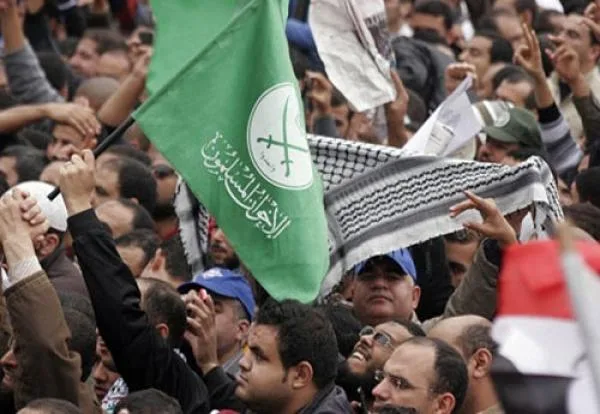
تداعيات الخلاف الحاد داخل جماعة الإخوان المسلمين في مصر الذي ظهر إلى العلن منذ عدة شهور لم تتوقف بعد، تراشقات إعلامية بين مجموعتين من القيادات بالجماعة إحداهما تُوصف بأنها القيادات التاريخية والمجموعة الأخرى توصف بأنها “قيادة جديدة” تم تصعيدها عقب فض اعتصامي رابعة العدوية والنهضة المؤيدين لشرعية الرئيس السابق محمد مرسي بعد الانقلاب عليه من قِبل الجيش في يوليو من عام 2013.

الأنباء المتواردة من الداخل تُشير إلى وجود محاولات عدة لرأب الصدع داخليًا، لكن ثمة تسريبات أخرى تظهر على وسائل الإعلام من حين لآخر تشي بفشل تلك المحاولات التي تقوم بها أطراف مختلفة لعل أبرزها وساطات بعض الرموز التاريخية في الجماعة التي ابتعدت عن العمل التنظيمي منذ زمن، وفي هذا الصدد تردد اسم الشيخ يوسف القرضاوي أحد أبرز فقهاء ومنظري الجماعة في الوقت الحاضر وكذلك اسم يوسف ندا مفوض العلاقات الخارجية السابق لدى الجماعة.

لكن نفي رسمي لم يأت من الجماعة حول فشل هذه المساعي، ما أكد أن الخلاف قائم ولربما احتدم بين المجموعتين، يرى البعض أن القيادات القديمة تريد فرض سطوتها على الجماعة عبر النفوذ الأبوي وترى هذه القيادات أنها تُنقذ الجماعة من براثن التهور والانجرار للعنف أمام السلطة رافضة الاعتراف بأي تحركات جديدة تنفذها القيادات الميدانية في الداخل أو الخارج طالما لم تمر من خلالها.

هذا السجال الذي يملك كلا الطرفين روايته الخاصة عن حقيقته نزل إلى قواعد الجماعة داخليًا وخارجيًا ولاقى استهجانًا واسعًا بين أفرادها ممن ليسوا في مواقع قيادية، وقد ظهر مردود الخلافات في القيادة العليا على قاعدة الجماعة ولكن دون قدرة على تغيير المشهد بشكل كبير نظرًا لأن هذه القاعدة قد اعتمدت دهرًا على تلقي الأوامر من هذه القيادة المنقسمة على نفسها، وعندما حان دور هذه القاعدة في القيام بالفعل لم تكن سوى بعض الاعتراضات الفردية على ما يحدث دون القدرة على تنظيم نفسها لتصبح فعل يجبر الطرفين على احترامه.

ولكن في تطور وتداعٍ جديد من نوعه على تنظيم الإخوان المسلمين تظهر لجنة تحت مسمى “شباب الإخوان” تُصدر بيانًا حول موقف شباب الجماعة من الخلاف الدائر بين قياداتها، حيث أكدوا في بيانهم الذين نُشر على موقع التواصل الاجتماعي “تويتر” على شكل عدة تغريدات أن ما تمر به الجماعة هو الدافع الأساسي حول أخذ مواقف أكثر جرأة وتجردًا لإنجاح الثورة بحسب تعبيرهم.

إن ما مرت به دعوتنا أثبت أنه كان لزاما علينا أخذ مواقف أكثرجرأة وتجردا لإنجاح الثورة وللإجهاز على عصابة العسكر ومجموعاته #لجنة_شباب_الاخوان

— ikhwanyouth (@ikhyout) August 23, 2015

حيث تساءل هذا البيان موجهًا حديثه إلى القيادات المختلفة بنبرة لوم في ظل أوضاع الجماعة الحالية قائلًا: “وكان عزيز علينا أن نرى خلافًا يدب بين إخوتنا الكبار في إدارة جماعتنا، خلاف وصل لساحة الإعلام في ظل أحكام باطلة بالإعدام، والمؤبدات، واغتصاب أخوات لنا، واغتيالات في البيوت، وإعدامات بغير وجه حق.

إن ما دار من خلاف بين قادتنا قد أساء للأسف لجماعتنا ولجهادها، وكان سؤالنا لإخواننا دومًا: على ماذا تختلفون و في هذا الوقت؟!”.

إن ما دار من خلاف بين قادتنا قد أساء للأسف لجماعتنا ولجهادنا، وكان سؤالنا لإخواننا دوما: على ماذا تختلفون وفي هذا الوقت؟ #لجنة_شباب_الاخوان

— ikhwanyouth (@ikhyout) August 23, 2015

وقد أكد البيان المنسوب للجنة شباب الإخوان أنهم استدعوا بصفتهم الاعتبارية للمشاركة في حل الأزمة ولكن هالهم ما رأوا من تعمد تعطيل لرأب الصدع ورغبة في التحكم والسيطرة من بعض القيادات، بل وصل الأمر لاستغلال الاحتياجات المالية للجماعة في الداخل من أجل الضغط في هذه الأزمة بحسب البيان.

استدعينا بصفتنا الاعتبارية "الكيان الشبابي بالجماعة" في جناحها الثوري للمشاركة في إدارة ملف حل الأزمة، وهالنا ما رأينا!!#لجنة_شباب_الاخوان

— ikhwanyouth (@ikhyout) August 23, 2015

رأينا من البعض من إخواننا من تعمد تعطيل رأب الصدع، أو رغبة في السيطرة والتحكم "رغم بعده عن المشهد الثوري منذ فترة #لجنة_شباب_الاخوان

— ikhwanyouth (@ikhyout) August 23, 2015

رأينا في الأزمة استخدام لقضية الاحتياجات المالية لأهالي الشهداء والمصابين والمعتقلين في الأزمة الدائرة #لجنة_شباب_الاخوان

— ikhwanyouth (@ikhyout) August 23, 2015

وقد أكد البيان أن شباب الجماعة ليسوا جزءًا من الأزمة وأنهم معنيون بالحفاظ على الجماعة من خطر الانشقاق، فيما أكدوا أن المنهج الثوري في هذا التوقيت هو طريق الجماعة، كما دعوا الجميع للالتزام بالقواعد الشورية في الجماعة والالتزام بما أفرزته من نتائج أخيرة.

حاولنا التقصي وراء هذا البيان المنسوب لشباب الجماعة، حيث إن جماعة الإخوان كانت دائمًا ما ترفض إنشاء كيان اعتباري لشباب الإخوان يتحدث باسمه خارج إطار حديث الجماعة ككل، رافضين نبرة القيادات والشباب، أما نحن الآن أمام تحول دراماتيكي جعل شباب الإخوان ينظمون أنفسهم في كيان اعتباري يتدخل في الأمور القيادية دون الاكتفاء بالمسارات التنظيمية التقليدية.

إذ أكدت بعض المصادر الداخلية في الجماعة أن لجنة شباب الإخوان هي لجنة رسمية شُكلت من قِبل مكتب الإرشاد في الداخل في شهر نوفمبر من العام 2011، وبالتواصل مع الدكتور أحمد رامي أحد المتحدثين الرسميين بحزب الحرية والعدالة في السابق، الذراع السياسي لجماعة الإخوان المسلمين، أكد لنا في تصريحات خاصة أنه بالفعل هناك لجنة لشباب الإخوان وهي لجنة مركزية تولت إصدار هذا البيان الأخير بحسب قوله.

وأضاف هذه اللجنة معنية ببعض الفعاليات الجماهيرية في الشارع، كما أنها مسؤولة عن التواصل مع الحركات السياسية الشبابية ومجموعات الأولتراس، وأكد أيضًا أن هذه اللجنة كانت جزءًا من حل أزمة سابقة داخل الجماعة، وقد تم إنشاء هذه اللجنة من الأساس بناء على رؤية طُرحت عقب الانقلاب من عدة محاور من بينها تمكين الشباب.

فيما قال رامي: “إنه بغض النظر عن الاختلاف حول صدور البيان للعلن وهو إجراء لم يعتده الإخوان إلا أن المتاح له من معلومات – وهو قليل بالمناسبة – بحسب وصفه، أنها تسعى للحل وليست جزءًا من المشكلة”.

لم يصدر أي تعقيب من المنافذ الإعلامية الرسمية للجماعة على هذا البيان، ولم يصدر أي تعليق من القيادات القديمة في الجماعة أيضًا على محتوى البيان الذي بدا هجوميًا بعض الشيء عليهم في قوله: “إن الثورة الحية في نفوسنا لا يمكن لأحد أن يطفئها بإعادة جيل فاته قطار الثورة منذ زمن فلم يؤمن بها ولم يدفع من أجل تحققها”، وهي إشارة بلا شك إلى قيادات الجماعة القديمة.

لكن ألفاظ البيان وطريقته وأسلوبه يبدو وأنها تميل إلى جانب على حساب آخر ولو ادعى البيان غير ذلك، فلو كانت المجموعة الجديدة التي تسيطر على المنافذ الإعلامية للجماعة معترضة على هذا البيان كان بإمكانها إصدار نفي عبر المتحدث الرسمي أو الموقع الرسمي للجماعة ولكن حتى الآن الأمر يبدو مساندًا لموقفهم أمام القيادات القديمة المتنفذة التي لم يُعرف رد فعلها على هذا البيان هي الأخرى حتى اللحظة، في ظل أحاديث داخلية غير مؤكدة عن إمكانية عقد مؤتمر لشباب الجماعة في وقت قريب.

لم يكن هذا البيان هو الإعلان الوحيد عن وجود كيان داخلي جديد داخل جماعة الإخوان المسلمين؛ حيث صدر بيان آخر من هيئة تُطلق على نفسها اسم “الهيئة الشرعية لجماعة الإخوان المسلمين” حول الأزمة الحالية التى تشهدها الجماعة، وأكد هذا البيان أن هذه الهيئة كُلِفت من قِبل إدارة الإخوان في الداخل بعمل دراسة للتأصيل الشرعى لما أسمته “العمل الثورى”، حيث أكدت في دراستها وجوب مقاومة الانقلاب بكافة الأشكال والأنواع مع ضرورة مراعاة الضوابط الشرعية حين تنفيذها.

وقد أفاد البيان أيضًا أن هذه الدراسة قُرئت كلمة كلمة أمام إدارة الإخوان، واعتمدتها، ونزلت لجميع الإخوان، وأقرت، وكانت سببًا بحسب البيان فى قوة الصف وتماسكه، ورفع الروح المعنوية له، كما أكدت الهيئة أن المسار الثورى هو الطريق المناسب لدحر الانقلاب، كما وصف البيان.

وبتقفي أثر هذا البيان أيضًا داخل جماعة الإخوان المسلمين أفادت بعض المصادر الداخلية صحة هذا البيان الصادر عن هذه الهيئة التي اختيرت من قِبل إدارة الإخوان في الداخل لتكون مرجعًا شرعيًا للجماعة وتحركاتها، وقد أكدت أيضًا هذه المصادر تعود وجود مثل هذه اللجان والهيئات داخل الإخوان ولو بمسميات مختلفة، كما أن كافة قيادات الجماعة القدامى والجدد على علم بها بحسب تصريحاتهم.

وقد أكد على هذا الرأي الدكتور أحمد رامي الذي قال إنه بطبيعة جماعة الإخوان الإسلامية فإنه من المقبول اعتبار الرأي الشرعي بداخلها، ويكون لمن يدير الأمر الواقع في اختيار القرار ما لم يرد نص بتحريمه وفقًا للمصالح والمفاسد بحسب ما صرح لنا، وقد أكد أيضًا أن ما أسماه الخيار الثوري ليس خيار بعض الأفراد في الجماعة بل هو خيار أعلى سلطة في الجماعة وهو مجلس شوراها.

لكن يبدو أن هناك رأيًا آخر لأحد القيادات التاريخية داخل الجماعة وهو نفي عبد الخالق الشريف، مسؤول النشر والدعوة بالإخوان وعضو مجلس شوراها، وجود ما يسمى بـ “الهيئة الشرعية لجماعة الإخوان”، لافتًا إلى أن البيان المنسوب للجماعة والذي يدعو إلى استخدام كل أشكال المقاومة ضد قوات الأمن، غير حقيقي ولم يرد من الجماعة رسميًا، بحسب ما نقلته شبكة رصد الإخبارية.

وبالرجوع إلى مصادر الجماعة الداخلية المؤكدة لصحة البيان أكدوا أنه ليس هناك قسمًا لنشر الدعوة حاليًا بالأساس في الجماعة ليترأسه الشريف بعد إعادة الهيكلة التي تمت وإنما تحول القسم إلى قسم “الرأي العام” بحيث يكون هيكلاً خادمًا للمهمة الثورية، كما أكدوا أن الشيخ الشريف مريض منذ فترة ويتم علاجه من مرض مزمن في إحدى المستشفيات بالخارج وهو الأمر الذي ربما حال دون متابعته  لآخر التطورات الإدارية للجماعة في الداخل.

ما يمكن استشفافه من هذه البيانات والكيانات الجديدة المعلن عنها أنها ربما تأتي من الجبهة الداخلية المؤيدة لجناح التصعيد أمام النظام في مقابل رؤية بعض القيادات القديمة عن ضرورة إيجاد حل ومخرج للأزمة الحالية، وهي رؤية وخلاف حول المسار الذي يجب اتباعه في أزمة الجماعة مع النظام، والتي يمكن اعتبارها أحد الخلافات بين مجموعات القيادات ولا يمكن حصر الخلاف الحادث حولها فقط بأي حال من الأحوال، إذ إن الأمر أعمق من ذلك على المستوى الإداري وعلى مستوى الرؤية العامة لمستقبل الجماعة ككل.

TAGGED: الإخوان المسلمون في مصر ، الثورة ، اللجنة المركزية لشباب الإخوان ، النهضة ، الهيئة الشرعية لجماعة الإخوان
TAGGED: الإخوان المسلمون
Download this article as PDF
Share this Article
Facebook Twitter Whatsapp Whatsapp Telegram Email Copy Link
فريق التحرير
By فريق التحرير تقارير يعدها فريق تحرير نون بوست.
Follow:
Next Article نون بوست The Stigma of “ISIS”: A Heavy Legacy Haunting Women and Children of Former Members

Read More

  • U.S. Regime‑Change Policies: Why They Are Destined to Fail U.S. Regime‑Change Policies: Why They Are Destined to Fail
  • The Gulf’s Balancing Act: Iran, Israel, and Hidden Links
  • Iraq–Turkey Oil Export Treaty: Why Did Ankara Cancel It After 52 Years?
  • Syria’s Northeast on Edge: QSD Between Ankara and Damascus
  • Has Europe Changed Its Stance on Israel… or Just Its Language?
part of the design
NoonPost Weekly Newsletter
dark

An independent media platform founded in 2013, rooted in slow journalism, producing in-depth reports, analysis, and multimedia content to offer deeper perspectives on the news, led by a diverse young team from several Arab countries.

  • Politics
  • Society
  • Rights & Liberties
  • Opinions
  • History
  • Sports
  • Education
  • Technology
  • Economy
  • Media
  • Arts & Literature
  • Entrepreneurship
  • Travel
  • Cinema & Drama
  • Food
  • Health
  • Culture
  • Latest Reports
  • Files
  • Long Reads
  • Interviews
  • Podcast
  • Interactive
  • Encyclopedia
  • In Pictures
  • About Us
  • Our Writers
  • Write for Us
  • Editorial Policy
  • Advanced Search
Some rights reserved under a Creative Commons license

Removed from favorites

Undo
Go to mobile version