NoonPost NoonPost

NoonPost

  • Home
  • Politics
  • Economy
  • Society
  • Culture
  • Files
  • Long Reads
  • Podcast
AR
Notification Show More
نون بوست
“There Are Nights I Can’t Close My Eyes”: How Gazans Are Living in Homes on the Brink of Collapse
نون بوست
From al-Jolani to Ahmad al-Shara: The Evolution of Syria’s New Leader
نون بوست
When Political Islam Receded in Egypt: Who Filled the Void?
نون بوست
An Extension of Genocide: Gaza’s Detainees Speak Out
نون بوست
A Tightrope Between Survival and Sovereignty: The Syrian Government Faces Normalization Pressures
نون بوست
American Aircraft Carriers: Has the Era of “100,000 Tons of Diplomacy” Ended?
نون بوست
U.S. Regime‑Change Policies: Why They Are Destined to Fail
نون بوست
Transformations of Israeli Judaism: Between the Victim Complex and the Colonizer’s Doctrine
نون بوست
The Gulf’s Balancing Act: Iran, Israel, and Hidden Links
نون بوست
Iraq–Turkey Oil Export Treaty: Why Did Ankara Cancel It After 52 Years?
نون بوست
Syria’s Northeast on Edge: QSD Between Ankara and Damascus
نون بوست
Has Europe Changed Its Stance on Israel… or Just Its Language?
NoonPost NoonPost
AR
Notification Show More
نون بوست
“There Are Nights I Can’t Close My Eyes”: How Gazans Are Living in Homes on the Brink of Collapse
نون بوست
From al-Jolani to Ahmad al-Shara: The Evolution of Syria’s New Leader
نون بوست
When Political Islam Receded in Egypt: Who Filled the Void?
نون بوست
An Extension of Genocide: Gaza’s Detainees Speak Out
نون بوست
A Tightrope Between Survival and Sovereignty: The Syrian Government Faces Normalization Pressures
نون بوست
American Aircraft Carriers: Has the Era of “100,000 Tons of Diplomacy” Ended?
نون بوست
U.S. Regime‑Change Policies: Why They Are Destined to Fail
نون بوست
Transformations of Israeli Judaism: Between the Victim Complex and the Colonizer’s Doctrine
نون بوست
The Gulf’s Balancing Act: Iran, Israel, and Hidden Links
نون بوست
Iraq–Turkey Oil Export Treaty: Why Did Ankara Cancel It After 52 Years?
نون بوست
Syria’s Northeast on Edge: QSD Between Ankara and Damascus
نون بوست
Has Europe Changed Its Stance on Israel… or Just Its Language?
Follow US

Three Seasons of Surplus, Then Came the Drought: Iraq Returns to Wheat Imports

فريق التحرير
Noon Post Published 26 March ,2026
Share
نون بوست

نون بوست
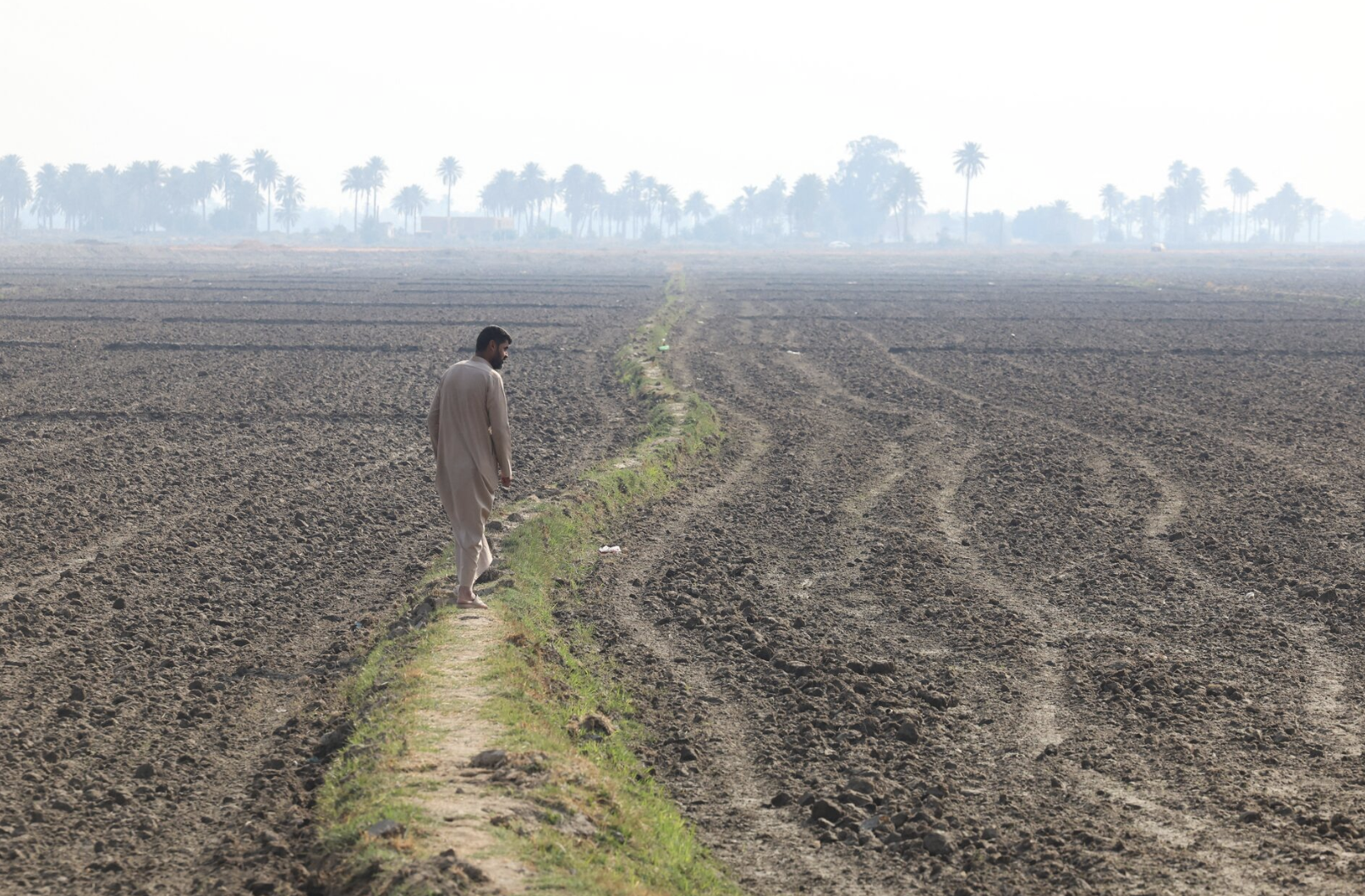
Iraq is experiencing the most severe drought in decades amid the accelerating effects of climate change.

For three consecutive seasons, Iraqi government programs aimed at promoting wheat cultivation succeeded in generating surpluses an impressive turnaround for a country that has historically ranked among the region’s largest importers of this strategic staple.

Over the past decade, achieving food security has become a central goal for successive Iraqi governments. They have supported farmers through preferential pricing, high-yield seed varieties, and modern irrigation equipment.

But this dream was shattered in 2025, as Iraq experienced the most severe drought in its modern history. Wheat production plummeted, turning the tide from promising surpluses to sharp declines. What are the key figures that reveal the scale of the crisis, and what factors drove this dramatic reversal?

By the Numbers: From Surplus to Shortfall

Between 2023 and 2025, government support programs led to wheat production surpluses. In the 2024–2025 season, Iraq produced about 5.1 million tons, with reserves exceeding 6 million tons.

But in the 2025–2026 season, the situation flipped. The UN’s Food and Agriculture Organization (FAO) estimates that drought and poor water management will slash output by 30–50%.
نون بوست
Drought and poor water management could reduce wheat yields by 30 to 50%.

These projections stem from reduced cultivated land due to water scarcity and new mandates requiring farmers to adopt modern irrigation systems driving up production costs.

The Famine Early Warning Systems Network (FEWS NET) forecasts average output to fall to 4.5 million tons, creating a shortfall of 2.4 million tons that must be covered through imports.

This marks a significant departure from Iraq’s near-achievement of wheat self-sufficiency just two years ago.

Key Drivers Behind the Crisis

1. Historic Drought and Climate Change

Iraq is enduring its harshest drought in decades amid accelerating climate change. Since 2000, average temperatures have risen by 0.5°C per decade, with projections suggesting a potential rise of up to 5.6°C by century’s end.

At the same time, water levels in the Tigris and Euphrates Rivers have plummeted. Iraq’s total water reserves fell from around 60 billion cubic meters in 2020 to under 4 billion cubic meters by the end of 2025.

This decline stems from a combination of natural and human-made factors: rising temperatures, reduced rainfall, regional water policies, and Iraq’s own lack of effective water resource management.

FEWS NET warns that these conditions will likely persist during the 2025–2026 growing season, exacerbated by the El Niño weather phenomenon, which is expected to keep rainfall below average during winter and spring.

2. Regional Water Policies

Iraq depends on neighboring countries for roughly 70% of its water resources. But both Turkey and Iran have built extensive dam networks like Turkey’s Atatürk Dam on the Euphrates and Ilisu Dam on the Tigris reducing downstream flows into Iraq.

Iran has also redirected water from key tributaries such as the Sirwan and Lower Zab Rivers toward its own agricultural projects.

These developments, combined with the lack of binding agreements and waning water diplomacy, have cut Iraq’s share of the two rivers to less than 35% of its entitlement.
نون بوست
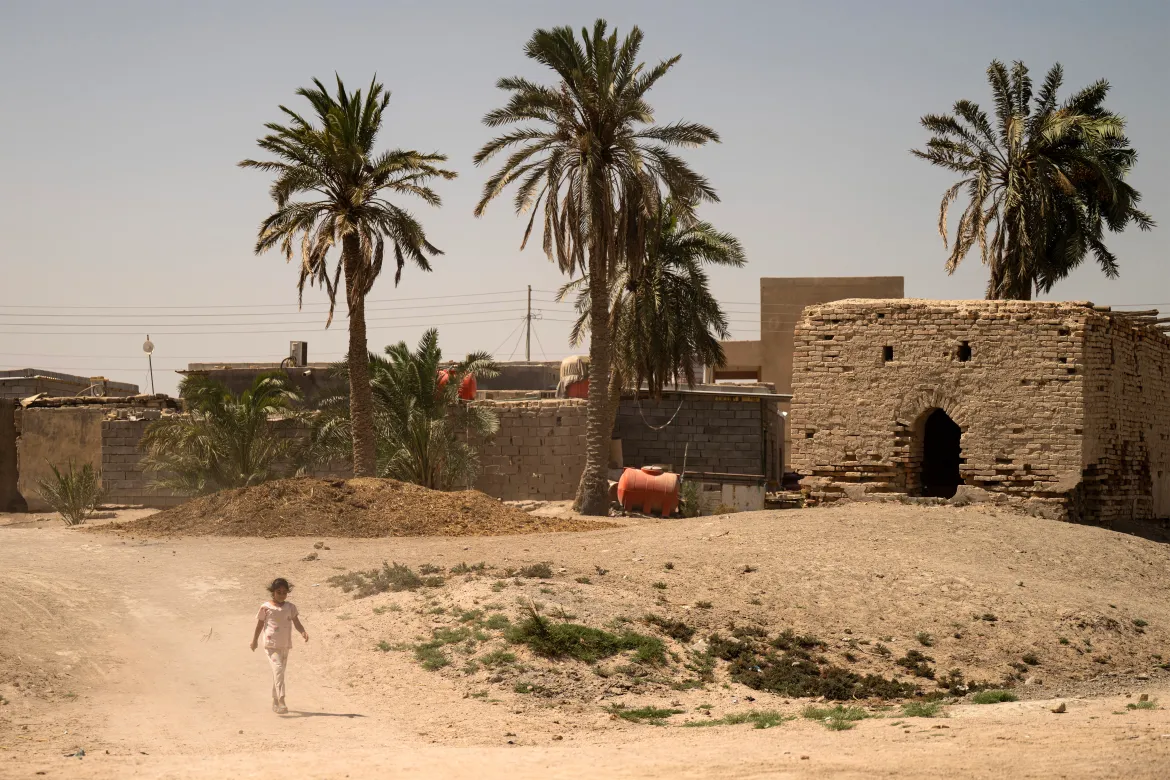
Approximately 170,000 people have been displaced in the central and southern regions due to climate factors.

3. Weak Infrastructure and Water Management

Part of the crisis is rooted in Iraq’s fragile infrastructure. The current irrigation network operates at under 60% efficiency due to leakage and evaporation. Large quantities of water are wasted through unlined flood irrigation systems.

Modernization and maintenance projects have lagged behind growing demand. Plans for dam construction and desalination have stalled over the years due to corruption and political gridlock.

Government Measures to Mitigate the Crisis

1. Limiting Cultivation and Promoting Modern Irrigation

The Ministry of Agriculture limited river-irrigated farmland to 1 million dunams (approximately 250,000 acres), half the area cultivated the previous season.

It also banned the cultivation of rice, one of the most water-intensive crops, and mandated the use of drip and sprinkler irrigation systems, aiming to reduce water loss from traditional methods.

An additional 3.5 million dunams in desert regions have been allocated for groundwater irrigation but only using modern techniques.

While crucial, these measures impose high upfront costs on farmers who often lack the financial means to purchase pumps and irrigation equipment.

2. Social Policies and Price Support

Baghdad has maintained its wheat procurement program, offering farmers more than double the global market price.

The government has also upheld the national ration card system, which provides subsidized flour to most households and ensures the availability of low-cost bread.

According to FEWS NET, Iraq’s current grain reserves are sufficient to meet domestic consumption for about 14.5 months. However, it warns that if oil prices Iraq’s main source of revenue—continue to decline, the government may be forced to cut subsidies and reduce ration card allocations.

3. Desalination and Dam Projects

Amid rising public anger over water shortages, the government announced in July 2025 plans to build 10 rainwater-harvesting dams in desert areas.

It also awarded a joint Iraqi-Chinese venture the contract to build a seawater desalination plant in Basra, aiming to fast-track the project.

Still, Chatham House warns that similar projects have previously been hampered by corruption and poor oversight, raising concerns about their ability to provide lasting solutions.

The Biggest Losers and the Fallout

Producing one ton of wheat in Iraq requires about 1,100 cubic meters of water. When water is scarce, farmers are forced to reduce planting areas.

Ma’an Al-Fatlawi, a farmer from Najaf, says he had to cut his wheat acreage to one-fifth of its usual size and lay off 8 of his 10 workers.

Women, who make up about a quarter of the agricultural workforce in Basra, have also been severely affected. Beyond material losses, water scarcity has driven families to abandon their land or sell their livestock.

The International Organization for Migration reports that around 170,000 people in central and southern Iraq have been displaced by climate-related factors. The FAO expects this number to rise as drought conditions worsen.

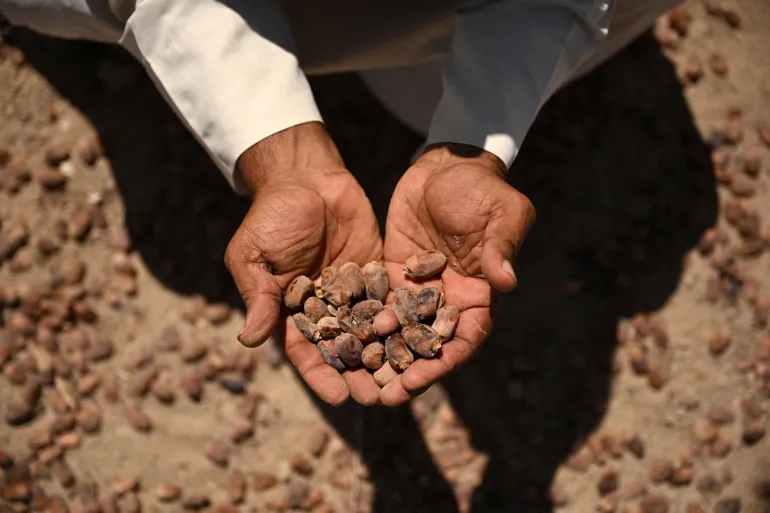
Rising salinity levels have also had devastating effects. Poultry populations have declined, and pomegranate, fig, and orchard trees in Basra and Amarah have been damaged.

In the Shatt al-Arab waterway, salinity levels surged to 29,000 parts per million, up from 2,600 ppm the previous year rendering the water unfit for drinking or agriculture.

Officials warn that unregulated groundwater extraction could lower the water table in Basra by three to five meters.

Iraq’s Food Security Outlook in 2026

Experts present mixed scenarios for Iraq’s food security in 2026:

  • FEWS NET anticipates that drought will persist into the next season, with wheat and barley yields below average in rain-fed and river-irrigated areas.

  • The government is likely to continue reducing cultivated areas to prioritize drinking water supplies, further limiting domestic output.

  • According to the FAO, import needs may reach 2.4 million tons in 2025–2026 about 8% above average.

Nevertheless, the FAO believes Iraq’s current reserves can meet demand for almost a year, and that the Public Distribution System (PDS) will help avert a major food crisis.

However, if oil prices continue to fall, the government may struggle to finance both imports and subsidies, potentially leading to rising bread and staple food prices.

This would deepen Iraq’s dependence on wheat imports from the Black Sea region or Australia, making the country’s food security increasingly vulnerable to global market volatility.

Download this article as PDF
Share this Article
Facebook Twitter Whatsapp Whatsapp Telegram Email Copy Link
فريق التحرير
By فريق التحرير تقارير يعدها فريق تحرير نون بوست.
Follow:
Previous Article نون بوست Seven Years After the Dream: Sudan’s Journey from the December Uprising to the Generals’ War
Next Article نون بوست “Help Us, Umm Saleh!” A 60-Year-Old Midwife Brings Life into the Tents and Rubble of Gaza

Read More

  • U.S. Regime‑Change Policies: Why They Are Destined to Fail U.S. Regime‑Change Policies: Why They Are Destined to Fail
  • The Gulf’s Balancing Act: Iran, Israel, and Hidden Links
  • Iraq–Turkey Oil Export Treaty: Why Did Ankara Cancel It After 52 Years?
  • Syria’s Northeast on Edge: QSD Between Ankara and Damascus
  • Has Europe Changed Its Stance on Israel… or Just Its Language?
part of the design
NoonPost Weekly Newsletter

You May Also Like

U.S. Regime‑Change Policies: Why They Are Destined to Fail

U.S. Regime‑Change Policies: Why They Are Destined to Fail

إسراء سيد Esraa sayed 8 April ,2026
The Gulf’s Balancing Act: Iran, Israel, and Hidden Links

The Gulf’s Balancing Act: Iran, Israel, and Hidden Links

فريق التحرير Noon Post 8 April ,2026
Iraq–Turkey Oil Export Treaty: Why Did Ankara Cancel It After 52 Years?

Iraq–Turkey Oil Export Treaty: Why Did Ankara Cancel It After 52 Years?

فريق التحرير Noon Post 8 April ,2026

لماذا لا يمكن أن يكون المحافظون الجدد على صواب في معارضتهم للصفقة النووية؟

ستيفين إم
ستيفين إم Published 25 August ,2015
Share
an_iran_nuclear_deal_is-f77acff6d164dfc9e2a887247a3a6102

ترجمة وتحرير نون بوست

خلال الأسابيع القليلة الماضية، رتّب أنصار الاتفاق النووي مع إيران، ابتداءً من قمة الهرم المتمثلة بالرئيس الأمريكي باراك أوباما ونزولًا إلى المراتب الأدنى، هجومًا قويًا ضد بعض أبرز المعارضين للصفقة، وعلى وجه التحديد، ركز أنصار الصفقة على حقيقة لا جدال فيها، والتي تتمثل بأن العديد من الأفراد والمنظمات التي تمارس الضغوطات بنشاط وتعارض علنًا الصفقة النووية، ساعدت على تحقيق حلم فكرة غزو العراق، أو عملت بجد لإقناع الكونجرس والشعب الأمريكي بالتوافق مع هذه الفكرة؛ لذا فإن منطق المعسكر المؤيد للصفقة هو بسيط للغاية، بالنظر إلى أن المعارضين للصفقة اليوم كانوا مخطئين بشكل كارثي في تأييدهم للحرب على العراق، لا ينبغي لأحد الاستماع لنصائحهم اليوم.

من وجهة نظري، أنا أتفق مع هذه المقولة الأساسية، ولكن المعارضين للصفقة يتمسكون بخط دفاعهم الأوحد ضد مقولة “مخطئون بشأن العراق، مخطئون بشأن إيران”، ويتمثل دفاعهم بقولهم إنه من الممكن لشخص ما أن يكون مخطئًا للغاية حول الحكمة من غزو العراق في عام 2003، ولكنه مع ذلك قد يكون مصيبًا لجهة معارضة الاتفاق النووي مع إيران اليوم، فلا أحد منا معصوم عن الخطأ، ومن المعقول أن يكون بيل كريستول، إليوت أبرامز، جيمس وولسي، فريد هيات، ماكس بوت، وآخرون، مخطئون في عام 2002 ولكنهم على حق هذه المرة.

يمكن أن نفترض أن هذه الحجة معقولة، ولكنها مستبعدة للغاية، ولكن لماذا؟ لأن وجهات نظر المعارضين للاتفاق النووي اليوم ليست مستقلة عن آرائهم التي طرحوها عام 2002، بل على العكس من ذلك، دعمهم السابق لحرب العراق ومعارضتهم الحالية للاتفاق الإيراني ينبعان من وجهة النظر العالمية الأساسية للمحافظين الجدد والتي تؤطر كامل نهجهم المتبع تجاه السياسة الخارجية.

بشكل أكثر تحديدًا ودقة، المشكلة لا تتمثل فقط بالخطأ المحرج الذي ارتكبوه حول العراق، فبعد كل شيء، الكثير من الأشخاص الذين تم تضليلهم في ذلك الوقت للقبول بفكرة غزو العراق، يدعمون الآن الصفقة النووية، وعلى قدم المساواة لا تتمحور المشكلة في عناد المحافظين الجدد وأرضيتهم الأخلاقية المشكوك بها التي خولتهم رفض الاعتراف بخطئهم والتحلل من تحمل المسؤولية عن الحيوات والأموال التي تم إهدارها نتيجة لذلك.
بل إن المشكلة تتمثل بحقيقة أن النظرة العالمية التي يتمتع بها المحافظون الجدد، وهي ذات النظرة التي لا تزال تؤطر تفكير العديد من الجماعات والأفراد الأكثر صخبًا في معارضتهم للصفقة الإيران، هي خاطئة ومضللة في أساسها وجوهرها، بمعنى أن خطأ العراق لم يكن ناجمًا عن مجرد سوء تقدير مؤسف، بل إنه نتيجة لنظرياتهم المريبة والمشكوك فيها حول السياسة العالمية، ونتيجة لفهمهم الأخرق للكيفية التي يعمل بها هذا العالم، ومن الناحية التقنية، عندما يكون برنامجك الإستراتيجي على الكومبيوتر يفيض بالعيوب والاختلالات، لا بد أن تتوقع سيلًا من رسائل الخطأ.

إذن، ما هي العيوب الرئيسية التي تؤدي باستمرار إلى دفع المحافظين الجدد إلى سبل الضلال والخطأ؟

أولًا، المحافظون الجدد يعتقدون بأن توزان القوى السياسية مبدأ غير صالح ليحكم الشؤون الدولية، بل يجب على الدول أن تنصاع بقوة وتركب ضمن “عربة” الدول الأقوى بدلًا من ذلك، وبعبارة أخرى، مبادئ المحافظين الجدد تتصور بأنه من السهل الضغط على الدول الأضعف لضمان انصياعها وعدم تحديها للخصوم الأقوياء، وهذا المنطق الخاطئ يستتبع أن تقوم الدول الأخرى بفعل ما تمليه عليها واشنطن فقط، وهذا الأمر مشروط بمدى القوة والعنف الذي تظهره أمريكا في سياستها العالمية؛ هذا الاعتقاد قادهم إلى الاستنتاج بأن إسقاط صدام سيرسل رسالة قوية ستدفع بالدول الأخرى في الشرق الأوسط إلى تملق أمريكا، وإذا واصلت أمريكا سياسة الضغط وإظهار القوة، فإن القوة العسكرية العظمى لأمريكا ستعمل بسرعة على تحويل المنطقة إلى بحر من الديمقراطيات المؤيدة والمنصاعة للولايات المتحدة.

ما حدث، للأسف، هو أن الدول المختلفة التي كنا نهددها لم تقفز ضمن “عربتنا”، بل بدلًا من ذلك، سوّت هذه الدول أمورها، وتوازنت، ومن ثم اتخذت خطوات لتواجهنا بمقاومة كبيرة ومتنامية، وهذا الأمر ظهر على وجه الخصوص في سورية وإيران، وهما الهدفان المقبلان على قائمة أهداف المحافظين الجدد، حيث تعاونتا مع بعضها البعض، وساعدتا على تعزيز التمرد المناهض للولايات المتحدة في العراق نفسها، وبالطبع أغضب هذا السلوك المحافظين الجدد، وهو أمر ليس بمفاجئ بالنظر إلى أفكارهم التي ينتهجونها، وفي الوقت عينه، حلفاء الولايات المتحدة المخضرمين غضبوا من سياسة وأفعال أمريكا ونأوا بأنفسهم عنا، أو استغلوا السياسة الأمريكية المفرطة وركبوا في عربتنا مجانًا على حساب أمريكا، وباختصار، تبين بأن أفكار المحافظين الجدد حول قدرة الولايات المتحدة على ترهيب وتخويف الآخرين لدفعهم لممارسة الأعمال لحسابها، هي أفكار خاطئة ولا أساس لها من الصحة.

اليوم، بطبيعة الحال، المعارضة للاتفاق الإيراني تعكس اعتقادًا مماثلًا حول قدرة العنف والقوة على تخويل واشنطن لإملاء شروطها مهما كانت، حيث سبق لي وأن كتبت مقالًا يوضح بأن فكرة “الصفقة الأفضل” هي أسطورة غير قابلة للتحقيق، لأن المحافظين الجدد يفترضون بأن الدول تنصاع للقوة ويسهل إرهابها وتخويفها، ويعتقدون بأن رفض الصفقة، تصعيد العقوبات، والتهديد بالحرب سوف يؤدي في نهاية المطاف إلى تراجع الحكومة الإيرانية وتفكيكها لبرنامجها للتخصيب النووي بأكمله، ولكن الحقيقة هي تمامًا على عكس ذلك، كون التخلف عن عقد هذه الصفقة سوف يشد من عزيمة إيران، وسيقوي من بأس المتشددين ضمن السياسة الإيرانية، وربما سيتحول جل اهتمامهم للحصول على سلاح نووي في يوم من الأيام، كما سيتسبب ذلك بحل شراكة بعض الأعضاء في دول الخمسة زائد واحد مع الولايات المتحدة.

ثانيًا، نظرة المحافظين الجدد تبالغ أيضًا في تقدير فعالية القوة العسكرية بالتوازي مع تحجيمها لشأن الدبلوماسية في مجال العلاقات الدولية، وبطبيعة الحال، القوة العسكرية هي عنصر أساسي من عناصر القوة الوطنية، ولكن المحافظين الجدد يميلون لرؤيتها كأداة سحرية قادرة على إنجاز كل شيء، حتى تلك الأمور التي لم تصمم القوة العسكرية لإنجازها، كخلق ديمقراطيات عملية في دول العالم على سبيل المثال، وفي الواقع، القوة العسكرية هي أداة خام يصعب التنبؤ بما قد ينجم عن استعمالها، وغالبًا ما تنتج عواقبًا غير مقصودة، ولنا أسوة مثلًا في ليبيا، اليمن، الصومال، باكستان، وما إلى ذلك، كما أن الحال كان كذلك تمامًا إبان استخدام القوة العسكرية في العراق، فضلًا عن أن نتائج الصراع العسكري المباشر مع إيران لا يمكن التنبؤ بها على حد سواء.

علاوة على ذلك، يعتقد المحافظون الجدد بأن القوة العسكرية هي أداة مطواعة يمكن تشغيلها وإيقافها كصنبور مياه، فإذا استخدمت الولايات المتحدة القوة الخشنة وسارت الأمور بشكل سيء، يرى المحافظون الجدد أن أمريكا قادرة على سحب قواتها للتو، وإرجاء القتال ليوم آخر، ولكن الأمور ليست بهذه البساطة في العالم السياسي الحقيقي؛ فبمجرد نزول القوات إلى الأرض، سيطالب القادة العسكريون بالمزيد من الفرص لتحقيق انتصار صريح، والسياسيون سيقلقون حيال ضياع هيبة الأمة وفقدانهم لثرواتهم السياسية، والصراعات في أفغانستان، العراق، اليمن، والصومال ينبغي أن تعلمنا بأن الانخراط بالحرب أسهل بكثير من الخروج منها، ولكن يبدو أن معظم المحافظين الجدد ضيعوا الحكمة المستفادة من هذا الدرس.

ثالثًا، المحافظون الجدد يتبنون نظرة مبسطة وغير تاريخية حول الديمقراطية بحد ذاتها، فهم يزعمون بأن هدفهم الرئيسي هو نشر الحرية والديمقراطية، باستثناء الشعب الفلسطيني بالطبع، ولكنهم لا يمتلكون نظرية تشرح كيف ستعم الديمقراطية وتنتشر أو كيف سيتسبب إسقاط حكومة أجنبية من خلال القوة العسكرية بشكل سحري بظهور الديمقراطية في ذاك البلد فجأة، بدلًا من ذلك، يرى معتنقو هذه المبادئ بأن الرغبة بالعيش بحرية وديمقراطية مضمنة داخل الحمض النووي البشري، وكل ما علينا القيام به هو الإطاحة بالأشخاص الأشرار الذين يعتلون دفة الحكم، وبمجرد خلعهم، فإن السكان المحررين للتو سينسون المظالم الماضية، سيشكلون الأحزاب السياسية، سيتبنون ثقافة التسامح، سيصطفون لتنظيم انتخابات ديمقراطية، وسيرتضون بنتائجها عن طيب خاطر، وبالمحصلة سيقدمون رسائل العرفان والامتنان لفضل العم سام.

سيكون من الجميل حقًا لو كان هذا السيناريو البولياني (نسبة إلى رواية بوليانا للكاتبة إلينور بورتر) دقيق وحقيقي على أرض الواقع، ولكن في الحقيقة إن مثل هذه الآراء تشكل خيانة متمثلة بالجهل شبه التام للشروط الأساسية لمعنى للديمقراطية وتاريخ تطورها الفعلي في الغرب بحد ذاته؛ ففي الواقع، خاضت الديمقراطية الليبرالية عملية تطور طويلة، خلافية، غير كاملة، وغالبًا عنيفة، في أوروبا الغربية وأمريكا الشمالية، وأي شخص مطلع على هذا التاريخ سيدرك مسبقًا بأن وصفة المحافظين الجدد للتغيير الديمقراطي هي وصفة محكومة بالفشل منذ البداية.
رابعًا، على نحو يلائم مجموعة منظري الكراسي الوثيرة الذين يهدفون بشكل أساسي للظفر بالسلطة في أروقة واشنطن، غالبًا ما تمتاز نظرة المحافظين بالجهل المدهش للظروف الفعلية القائمة في الدول التي يرغبون بتحويل سياستها ومجتمعها، فأي من المحافظين الجدد لا يكاد يعرف أي شيء عن واقع العراق قبيل غزو الولايات المتحدة لها، وربما لو تم وضع هذه الظروف القائمة فعليًا على أرض الواقع في العراق بعين الاعتبار، لتمت إعادة النظر بكامل المخطط، واليوم أيضًا، تتميز توصيفات المحافظين الجدد لإيران بتهيئات مخيفة تحمل شبهًا ضعيفًا بالواقع السياسي والاجتماعي المعقد في إيران، وباختصار، بالإضافة إلى نظرياتهم الخاطئة، فإن نظرة المحافظين الجدد تعوّل أيضًا على قراءة غير دقيقة للحقائق على أرض الواقع.

أخيرًا وليس آخرًا، مقاربات المحافظين الجدد تجاه السياسة الخارجية الأمريكية يتم تشويهها بشكل دائم من خلال ارتباطهم القوي بإسرائيل، وهو الارتباط الذي يصفه ماكس بوت، وغيره، بأنه “الركيزة الأساسية” للحركة بأكملها، وعلى الرغم من أن هذا الارتباط ليس خاطئًا بحد ذاته، بيد أنه يعمل على إعاقة قدرة المحافظين الجدد على تقديم المشورة السياسة العقلانية للسياسيين في الولايات المتحدة، وبشكل خاص، يميل المحافظون الجدد للاعتقاد بأن ما يصب في مصلحة إسرائيل يصب في مصلحة الولايات المتحدة، والعكس صحيح، وهذا هو السبب في أنهم لا يرون أي تناقض ما بين ارتباطهم بإسرائيل وولائهم للولايات المتحدة، ولكن على أرض الواقع، لا يوجد دولتين على سطح المعمورة تتمتعان بمصالح متطابقة في جميع الأوقات، وعندما تتعاكس مصالح البلدين، يضطر الأشخاص الذين يرتبطون بقوة بكل منهما لترتيب أولوياتهم حول الدولة التي يرغبون بالانحياز للوقوف في صفها.

خلال الأسابيع القليلة الماضية، أشار بعض أنصار الاتفاق –بحق-، إلى أن بعض المعارضين للصفقة يعارضونها لأنهم يعتقدون بأنها لا تصب بمصلحة إسرائيل، ولأن حكومة نتنياهو تعارضها بشدة، وبالطبع كما هو متوقع، أودى هذا النقاش لاتهام أنصار الصفقة، بما في ذلك الرئيس أوباما، بمعاداة السامية، وهذه الاتهامات كما تقول، لارا فريدمان، جي جي غولدبرغ، وبيتر بينارت، هي اتهامات سخيفة، بل إنها مثيرة للضحك أيضًا، فمن بين أمور أخرى، يبدو بأن أغلبية اليهود الأمريكيين يؤيدون الصفقة، وذات الموقف يتبناه العديد من الشخصيات البارزة في مؤسسة الأمن القومي الإسرائيلي ذاتها، ومن هنا يمكننا القول بأن جهود نتنياهو كانت تهدف لإقناع اليهود الأمريكيين بأن من واجبهم تقديم الدعم له، بدلًا من تقديم الدعم لرئيسهم، بناء على هذه الحجج لواهية.

إن الترويج لهذا التشويه المألوف للحقائق بدلًا من الانتقاد الجاد، هو في الحقيقة مجرد وسيلة لتغيير الموضوع، وحصر أنصار الصفقة في موقف دفاعي، ولحسن الحظ، التهمة هنا لا يبدو بأنها مخولة للالتصاق بمؤيدي الصفقة، وهي مجرد علامة أخرى على أن المعارضين لا يحوزون حججًا عقلانية أو أدلة دامغة لتبرير معارضتهم.

خلاصة القول: حقيقة كون المحافظين الجدد، أيباك، مؤتمر الرؤساء، والمجموعات الأخرى المنضوية تحت لواء اللوبي الإسرائيلي، مخطئين حول الحرب على العراق بحد ذاتها، لا تعني أنهم بالضرورة مخطئين حول صفقة إيران، ولكن عند دراسة وجهات النظر الأساسية حول سياسة هذه المجموعات العالمية، ونهجهم المستمر حيال سياسة الولايات المتحدة في الشرق الأوسط، يصبح من الواضح أن هذا ليس من قبيل الصدفة على الإطلاق؛ فالدعم لحرب العراق ومعارضة الاتفاق النووي ينحدران من ذات الأماكن الخاطئة، وهذا هو السبب الذي يجعل من اتباع نصائح المعارضين اليوم تصرفًا أحمقًا كما كان في عام 2003.

المصدر: فورين بوليسي

TAGGED: الاتفاق النووي الإيراني ، السياسة الأمريكية ، المحافظون الجدد ، غزو العراق
Download this article as PDF
Share this Article
Facebook Twitter Whatsapp Whatsapp Telegram Email Copy Link
ستيفين إم
By ستيفين إم أستاذ العلاقات الدولية بجامعة هارفارد
Follow:
Next Article نون بوست The Stigma of “ISIS”: A Heavy Legacy Haunting Women and Children of Former Members
part of the design
NoonPost Weekly Newsletter
dark

An independent media platform founded in 2013, rooted in slow journalism, producing in-depth reports, analysis, and multimedia content to offer deeper perspectives on the news, led by a diverse young team from several Arab countries.

  • Politics
  • Society
  • Rights & Liberties
  • Opinions
  • History
  • Sports
  • Education
  • Technology
  • Economy
  • Media
  • Arts & Literature
  • Entrepreneurship
  • Travel
  • Cinema & Drama
  • Food
  • Health
  • Culture
  • Latest Reports
  • Files
  • Long Reads
  • Interviews
  • Podcast
  • Interactive
  • Encyclopedia
  • In Pictures
  • About Us
  • Our Writers
  • Write for Us
  • Editorial Policy
  • Advanced Search
Some rights reserved under a Creative Commons license

Removed from favorites

Undo
Go to mobile version