NoonPost NoonPost

NoonPost

  • Home
  • Politics
  • Economy
  • Society
  • Culture
  • Files
  • Long Reads
  • Podcast
AR
Notification Show More
نون بوست
“There Are Nights I Can’t Close My Eyes”: How Gazans Are Living in Homes on the Brink of Collapse
نون بوست
From al-Jolani to Ahmad al-Shara: The Evolution of Syria’s New Leader
نون بوست
When Political Islam Receded in Egypt: Who Filled the Void?
نون بوست
An Extension of Genocide: Gaza’s Detainees Speak Out
نون بوست
A Tightrope Between Survival and Sovereignty: The Syrian Government Faces Normalization Pressures
نون بوست
American Aircraft Carriers: Has the Era of “100,000 Tons of Diplomacy” Ended?
نون بوست
U.S. Regime‑Change Policies: Why They Are Destined to Fail
نون بوست
Transformations of Israeli Judaism: Between the Victim Complex and the Colonizer’s Doctrine
نون بوست
The Gulf’s Balancing Act: Iran, Israel, and Hidden Links
نون بوست
Iraq–Turkey Oil Export Treaty: Why Did Ankara Cancel It After 52 Years?
نون بوست
Syria’s Northeast on Edge: QSD Between Ankara and Damascus
نون بوست
Has Europe Changed Its Stance on Israel… or Just Its Language?
NoonPost NoonPost
AR
Notification Show More
نون بوست
“There Are Nights I Can’t Close My Eyes”: How Gazans Are Living in Homes on the Brink of Collapse
نون بوست
From al-Jolani to Ahmad al-Shara: The Evolution of Syria’s New Leader
نون بوست
When Political Islam Receded in Egypt: Who Filled the Void?
نون بوست
An Extension of Genocide: Gaza’s Detainees Speak Out
نون بوست
A Tightrope Between Survival and Sovereignty: The Syrian Government Faces Normalization Pressures
نون بوست
American Aircraft Carriers: Has the Era of “100,000 Tons of Diplomacy” Ended?
نون بوست
U.S. Regime‑Change Policies: Why They Are Destined to Fail
نون بوست
Transformations of Israeli Judaism: Between the Victim Complex and the Colonizer’s Doctrine
نون بوست
The Gulf’s Balancing Act: Iran, Israel, and Hidden Links
نون بوست
Iraq–Turkey Oil Export Treaty: Why Did Ankara Cancel It After 52 Years?
نون بوست
Syria’s Northeast on Edge: QSD Between Ankara and Damascus
نون بوست
Has Europe Changed Its Stance on Israel… or Just Its Language?
Follow US

“Help Us, Umm Saleh!” A 60-Year-Old Midwife Brings Life into the Tents and Rubble of Gaza

أميرة نصار
Amira Nassar Published 26 March ,2026
Share
نون بوست
نون بوست

“My wife’s in labor, it’s her first child help us, Umm Saleh!”
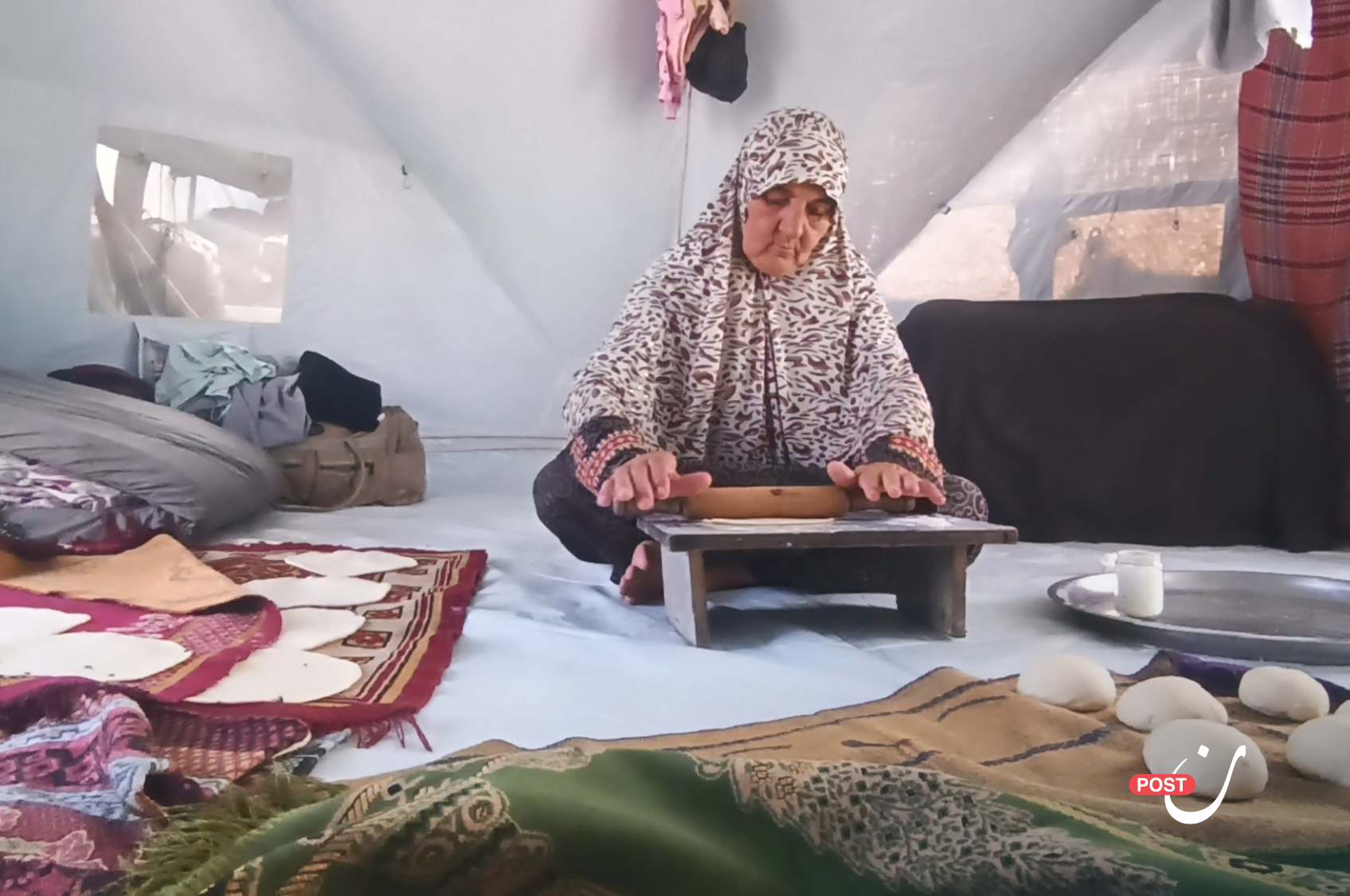
It’s one of the many desperate cries that wake 60-year-old midwife Fiza Shreim in the dead of night. With urgency etched into every wrinkle of her hands, she grabs her worn black medical bag, throws on her clothes, and steps out of her white tent.

Guided by the beam of her flashlight, she walks through the rubble-strewn paths and scenes of trauma in Gaza City on her way to deliver life amid death.

Fiza Shreim, a woman known as the “Angel of Birth,” recounts the beginning of her journey. “It was the 1970s, I was just 13. The Israeli occupation had imposed a security lockdown in Gaza. My mother was in labor with my sister Jamila, and there was no one to help her. That’s when I delivered my very first baby.”
That experience led her to pursue formal training in nursing in 1979.

With a warm voice and radiant smile, she continues: “Ten days after I got married, I was accepted into a midwifery program not available in Gaza at the time, but in Sarafand, inside Israeli-occupied territory. I spent a year learning the foundations and practical skills of the craft.”

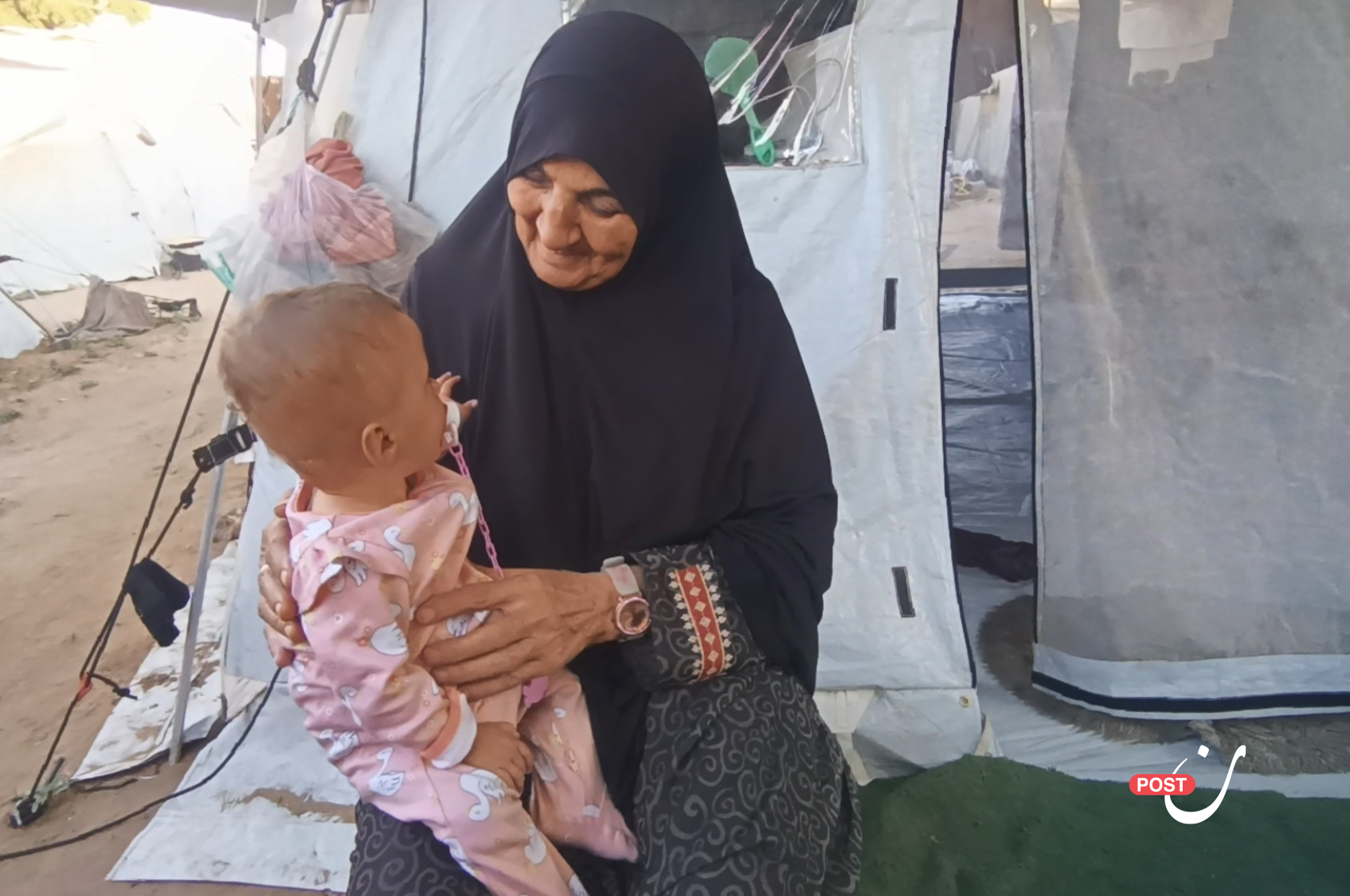
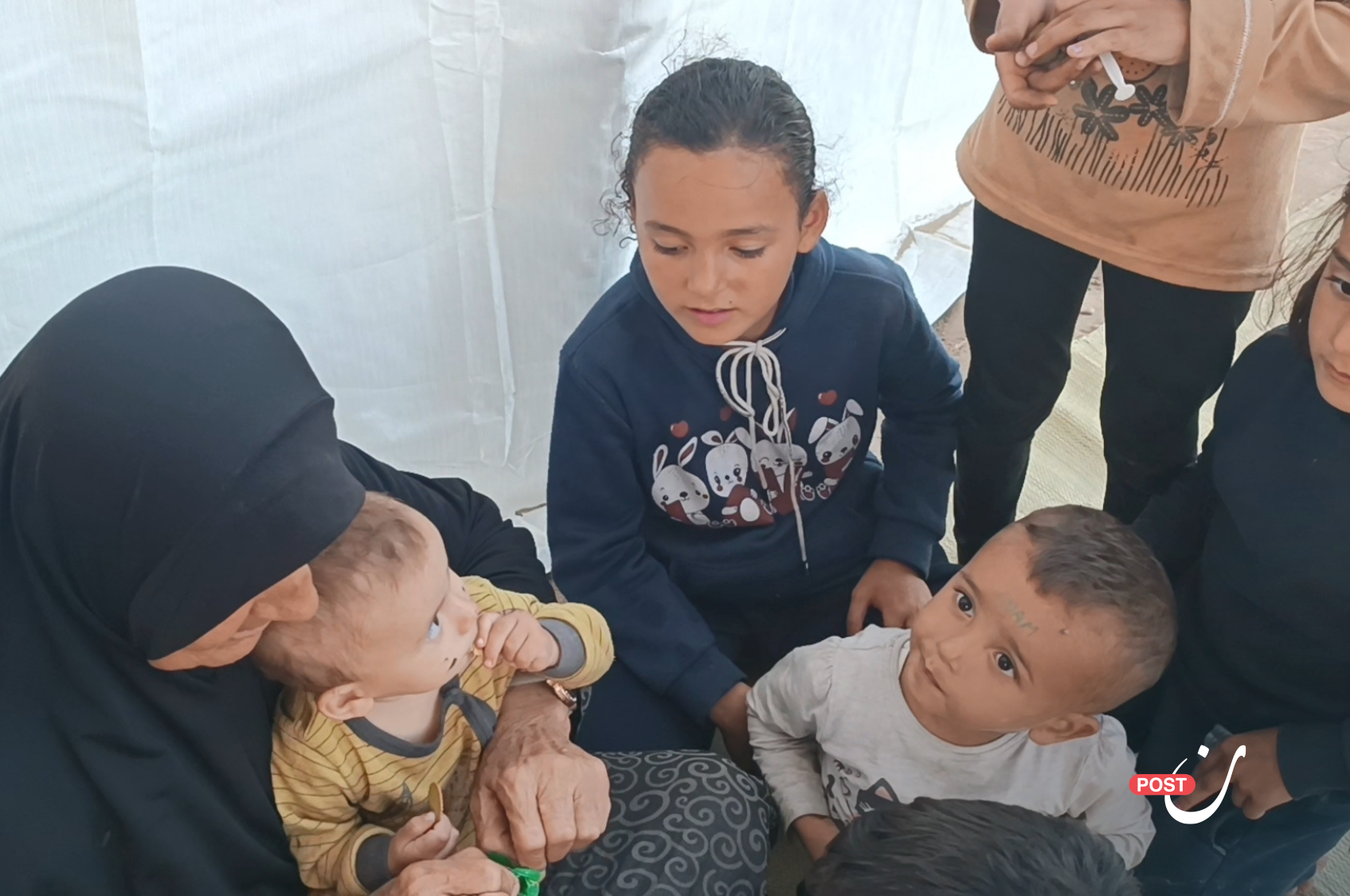
Shreim went on to give birth to 13 children of her own three of whom were killed in Israel’s war of extermination on Gaza. Today, she is a grandmother to 53 grandchildren many of whom she helped deliver herself.

Looking around the corners of her tent, which lacks the warmth of her former home, she says:
“I worked at Al-Shifa Hospital the only facility that served women giving birth from Rafah in the south to Beit Hanoun in the north. I practiced midwifery for more than four decades without pause.”

Retirement did nothing to slow her commitment to bringing life into the world. “Even after I retired, I turned a room in my house in Jabalia into a birthing room. I continued helping women give birth, comforting them through labor, and letting them hear the joyous cries of their newborns for free, purely as a humanitarian duty.

I carried on even after being displaced to Deir al-Balah more than two years ago, during Israel’s ongoing genocide in Gaza.”

According to the United Nations Population Fund, “Well-trained midwives could prevent up to 66% of maternal and newborn deaths. Women who receive continuous care from a midwife are 24% less likely to deliver prematurely and 16% less likely to lose their babies.”

Her voice trembles and a tear slips from her eye as she speaks:
“I had long awaited the moment to help my pregnant daughter deliver her baby. She had been counting down the days. But the Israeli occupation killed her, her two daughters, her unborn child, and 23 members of her husband’s family.”
Wiping away the tear, she continues:
نون بوست

“My eldest daughter lost her husband. She went into labor on the third day of mourning. I helped her through it. I was her mother, her midwife, and the grandmother to her children all at once.”

With many pregnant women unable to reach hospitals because of relentless Israeli bombardment and an airtight blockade, Shreim now helps them give birth in tents and refugee shelters. She uses only the basic tools in her bag, while Gaza’s healthcare system lies in ruins.

Recalling one of the most harrowing births during the war, she says:
“One pitch-black night, lit only by the streaks of airstrikes, a man came running, screaming: ‘My wife is giving birth, please help us, Auntie Umm Saleh. There’s no one else no mother, no support, and no ambulance can reach us.’”
“I didn’t hesitate for a second.

I grabbed my son and said, ‘We’re going to bring life from life.’ We recited the shahada, ‘There is no god but God, and Muhammad is His Messenger,’ expecting to die under the buzzing drones overhead.”

She clasps her gnarled fingers together, takes a breath, and goes on:
“We reached their home. I helped ease the woman’s labor, and the baby emerged with her cries drowning out the sound of Israeli shelling. I delivered the placenta and cleaned the child but then realized I didn’t have any surgical sutures in my bag.
نون بوست

I walked over a kilometer back home on foot to get the threads. I returned and stitched her up under the faint glow of a mobile phone flashlight. I thank God for every life I’ve helped bring into the world, using only the simplest of tools.”

As for what she carries in her medical bag during war, she says:
“I was displaced over 13 times. I kept only the essentials: cotton, gauze, gloves, sutures, and scissors. I had to leave behind my suction equipment and oxygen tanks in my home, which was later destroyed by the Israeli army.”

During this war of annihilation, women have endured double the pain surviving bombardment while fearing for their unborn children. Many have lost their babies because ambulances couldn’t reach them in time, or the roads were too destroyed to travel.

The Israeli military has not hesitated to kill mothers and their unborn children. Yet Auntie Umm Saleh continues to deliver hope—baby by baby—from under the rubble, amidst the explosions, and inside Gaza’s tents. Through it all, she lets the world hear the cries of life from Gaza.

Download this article as PDF
Share this Article
Facebook Twitter Whatsapp Whatsapp Telegram Email Copy Link
أميرة نصار
By أميرة نصار صحفية وكاتبة من غزة
Follow:
Previous Article نون بوست Three Seasons of Surplus, Then Came the Drought: Iraq Returns to Wheat Imports
Next Article نون بوست What Are Israel’s Hidden Calculations in Southern Yemen?

Read More

  • "There Are Nights I Can’t Close My Eyes": How Gazans Are Living in Homes on the Brink of Collapse "There Are Nights I Can’t Close My Eyes": How Gazans Are Living in Homes on the Brink of Collapse
  • From al-Jolani to Ahmad al-Shara: The Evolution of Syria’s New Leader
  • When Political Islam Receded in Egypt: Who Filled the Void?
  • An Extension of Genocide: Gaza’s Detainees Speak Out
  • A Tightrope Between Survival and Sovereignty: The Syrian Government Faces Normalization Pressures
part of the design
NoonPost Weekly Newsletter

You May Also Like

“There Are Nights I Can’t Close My Eyes”: How Gazans Are Living in Homes on the Brink of Collapse

“There Are Nights I Can’t Close My Eyes”: How Gazans Are Living in Homes on the Brink of Collapse

فريق التحرير Noon Post 8 April ,2026
From al-Jolani to Ahmad al-Shara: The Evolution of Syria’s New Leader

From al-Jolani to Ahmad al-Shara: The Evolution of Syria’s New Leader

أحمد سيف النصر Ahmed Seif EL-Nasr 8 April ,2026
When Political Islam Receded in Egypt: Who Filled the Void?

When Political Islam Receded in Egypt: Who Filled the Void?

أحمد عبد الحليم أحمد عبد الحليم 8 April ,2026

ما بعد أوبِك: قواعد لعبة النفط الجديدة

فريق التحرير
Noon Post Published 26 August ,2015
Share
the-new-economist-cover-says-it-all

بكل ثقة جلس علي النعيمي في قمة أوبِك الأخيرة، وهو وزير النفط السعودي المستمر في منصبه منذ حوالي عقدين رُغم تجاوزه الثمانين من العُمر، لتستمر مسيرته التي بدأت بإدارة شركة أرامكو في رسم سياسات النفط السعودية، والتي تغيّرت كثيرًا على ما يبدو عن دورها القديم، إذ كانت الرياض في السابق تكبح إنتاجها لتحافظ على مستوى الأسعار من الهبوط، في حين هي اليوم تفعل العكس تمامًا: تحافظ على إنتاجها الغزير بينما تشاهد سعر البرميل وهو يهبط، كنتيجة طبيعية لاستمرار الإنتاج مع ركود الطلب، حيث يُعَد الطلب العالمي على النفط حاليًا 92 مليون برميل يوميًا، في حين يقف الإنتاج عند 94 مليون برميل يوميًا.

على الرُغم من ثقته في قرارات السعودية الأخيرة بالاستمرار في ضخ النفط للسوق العالمي بدلًا من تخفيض الإنتاج مع القدرة على تحمّل بعض الخسائر على المدى القصير، يبدو وأن النعيمي قد أصبح مكروهًا من دول أوبِك الأخرى، والتي بدا غضبها واضحًا في القمة الأخيرة، فهبوط الأسعار من 115 دولار للبرميل في صيف 2014 وصولًا إلى 39 دولارًا فقط هذا الشهر هو خبر شديد السوء لاقتصادات معظم دول أوبك الفقيرة مثل فنزويلا وأنغولا والجزائر ونيجيريا وإيران والعراق وإكوادور، والتي لا تملك احتياطيًا نقديًا كبيرًا يتيح لها تحمّل هبوط الأسعار مثل السعودية.

نون بوست

علي النعيمي وزير النفط السعودي

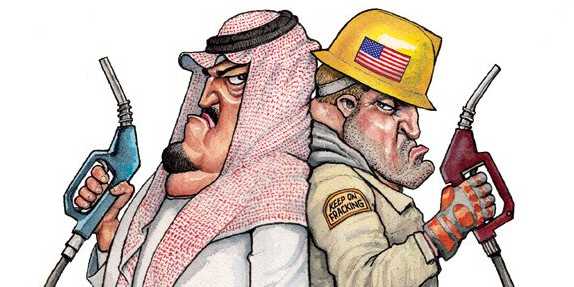
كارهو النعيمي في ازدياد إذن، بيد أنهم لا يملكون الكثير لفعله، أولًا لأن هبوط الأسعار خبر سعيد لمستهلكي النفط في كافة أنحاء العالم، حيث يتوقع أن توفر الأسرة الأمريكية الواحدة 500 دولار جراء هبوط أسعار البنزين، في حين ستُنعِش الأسعار الرخيصة للنفط الأسواق الأوروبية والصينية واليابانية التي تعاني ركودًا مؤخرًا، وثانيًا، وهو الأهم، لأن نصيب إنتاج أعضاء منظمة أوبِك يتضاءل في الحقيقة منذ سنوات بعد صعود الإنتاج الأمريكي من نفط شيل نتيجة اكتشاف الشركات الأمريكية لتقنية التكسير الهيدروليكي واستخراجها لملايين البراميل من النفط يوميًا في السنوات القليلة الماضية، وهو ما يعني أن نفوذ أوبِك في لعبة النفط لم يعد كسابقه.

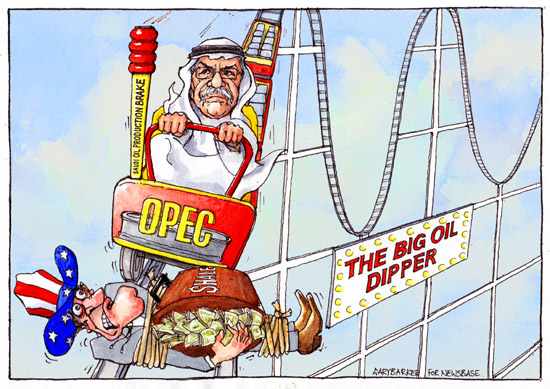
هي لعبة جديدة تتشكل ملامحها بين النعيمي وشركات النفط الأمريكية التي أصبح صعودها حتميًا، إذ تحاول السعودية إلحاق الضرر بتلك الشركات لوضعها تحت ضغط يُخرجها من السوق أو يجبرها على الأقل على إلغاء بعض مشاريعها ليتباطأ صعودها السريع، حيث يؤدي هبوط الأسعار بالطبع لانخفاض أرباحها وبالتالي تقليص ميزانيات المشاريع المستقبلية لتلك الشركات، وهو ما يعني أن يظل نصيب السعودية من سوق النفط كبيرًا لأطول فترة ممكنة، حتى لو تضررت هي نفسها من هبوط الأسعار، فكما يقول ليوناردوا ماوجيري، خبير شؤون النفط والغاز بجامعة هارفرد ومدير شركة ENI الإيطالية سابقًا، “السعوديون يدركون أنهم سيتأذون، ولكنهم يطمحون إلى إلحاق أذى أكبر بغيرهم.”

نون بوست

الأذى الذي تريد السعودية إلحاقه هو بالشركات الأمريكية الجديدة، ولكنها في الحقيقة ستؤذي أعضاء أوبك في النهاية أكثر من غيرهم، ومنهم للمفارقة دول غريمة للولايات المتحدة، مما يعني بعض الفوائد السياسية لواشنطن رُغم تراجع شركاتها عن الإنتاج في الفترة القادمة، وأبرز هؤلاء هي فنزويلا، التي اعتمدت فيها شعبية نظام تشافيز الاشتراكي سابقًا على ميزانية كبيرة ارتكزت لعوائد النفط، والذي يمثل 96% من صادراتها، مما يفسر المعاناة الشديدة لنظامها الحالي في تسديد ديونه وتقديم الخدمات التي كان يقدمها في الماضي، وانكماش الاقتصاد فيها بنسبة 7%، ناهيك عن توقف إرسال الدعم المادي المعتاد لحلفائها مثل كوبا، وهو ما أشار له البعض باعتباره واحدة من أسباب تقارب نظام كوبا الفقير مع الولايات المتحدة.

روسيا أيضًا ستتضرر كثيرًا، وهو أمر يُسعِد واشنطن والاتحاد الأوروبي كذلك، فالروبل الروسي يهبط بسرعة منذ تطبيق العقوبات الغربية بعد الأزمة الأوكرانية، وهو ما يعني أن هبوط أسعار النفط تزيد الطين بلة في موسكو التي تعتمد في نصف دخلها على عوائد النفط والغاز، والتي يتوقع انكماش اقتصادها هي الأخرى بنسبة 3.4%، بينما ستهبط أرباح عملاق النفط الروسي، شركة غازبروم، بحوالي الثُلث، وهو ما يخلق ضغطًا كبيرًا على نظام بوتين كما يقول نيك باتلر، متخصص شؤون النفط والغاز بجامعة كينغز كوليدج الإنجليزية ومدير شركة BP البريطانية سابقًا، “غازبروم هي بمثابة ماكينة تدرّ المال لدائرة المقربين من بوتين.”

نون بوست

غازبروم

بالإضافة لذلك، تشهد العراق حاليًا حراكًا كبيرًا مناهضًا للحكومة في البصرة والجنوب بشكل عام نتيجة لعدم قدرتها على تقديم خدماتها كما في السابق، وهي مسألة تعود أيضًا لهبوط أسعار النفط الذي تشكل عوائده 90% من ميزانية الحكومة في بغداد، وعلى الرُغم من حالة الاصطفاف الشيعي التي جرت في الفترة الأخيرة لمواجهة داعش، إلا أن شرائح شعبية واسعة في الجنوب الشيعي بدأت في التعبير عن غضبها تجاه الحكومة في الأيام القليلة الماضية، وهي مسألة قد تفيد الأمريكيين نسبيًا والذين جرت خلافات بينهم وبين بغداد مؤخرًا والتي لا تزال أقرب لإيران من واشنطن، كما أنها ستفيد السعودية بالقطع والتي تتسم علاقاتها مع العراق بالتوتر الكبير منذ سنوات.

أما إيران، التي بدأت تقاربًا مع الولايات المتحدة مؤخرًا، وتعاني حاليًا من ضغوط في الميزانية نتيجة انخفاض الأسعار وتحتاج إلى وصولها لمائة دولارللبرميل لسد العجز في الموازنة، فإن وضعها الحالي يفيد السعودية نتيجة تعرض إنفاقها على حلفائها من الشيعة في المنطقة للضغط، وهي مسألة تعرّض النظام في الداخل للكثير من الانتقادات نتيجة حاجة الداخل الإيراني للمليارات التي تنفقها طهران في سوريا ولبنان والعراق، وهو ربما ما يفسر الحديث مؤخرًا عن التوصل لصفقة في الملف السوري، أضف لذلك أنه يفيد الولايات المتحدة في نفس الوقت نظرًا لاستمرار المفاوضات بين الطرفين في ملفات أخرى بخلاف البرنامج النووي، وهو ما يعني أن ضعف موقف إيران سيكون مفيدًا في كل الأحوال للأمريكيين سياسيًا.

نون بوست

تظاهرات ضد الفساد بالأمس في البصرة

ماذا بعد؟

إلى متى تستمر تلك الأزمة؟ في الحقيقة لا يبدو أنها ستتلاشى عما قريب نظرًا لتعلقها بتغيّرات طويلة الأمد في الاقتصاد العالمي، فالواقع أن جزءًا كبيرًا من الأزمة يعتمد على ما يجري في الصين أكثر من شركات النفط الأمريكية، فزيادة الإنتاج لطالما كان موجود في سوق النفط دون أن يؤدي لهذا الهبوط الحاد، والذي وقع بسبب ركود الاقتصاد الصيني وتباطؤ نموه بعد أن كان نموه السريع يرفع من الطلب على النفط بشكل ملحوظ، وبالنظر لكون هذا التباطؤ أمر حتمي لأي اقتصادٍ نامٍ وسيظل مع الصين لعقود بينما تتحول من اقتصاد نمو سريع رخيص إلى اقتصاد متقدم مثل الدول الأوروبية، يبدو وأن نمو الطلب على النفط لن يعود كسابق عهده إلا إذا ظهر مجال نمو سريع رخيص جديد يوازي حجم الصين.

“أوقات سعيدة تلك التي قضاها منتجو النفط في السنوات الماضية دون أن يدركوا أنهم يعتمدون على نمو الاقتصاد الصيني أكثر مما تصوّروا، الهشاشة الكامنة الآن في الاقتصاد الصيني ستؤثر على العالم كله، بما في ذلك صدمة النفط الجارية حاليًا”، هكذا تحدث دانييل يرجين نائب رئيس شركة IHS المتخصصة في تقديم المشورة حول الأسواق، والذي ألّف كتابين عن سوق النفط تحديدًا، وهو ما يعني أن عالم النفط ببساطة يدخل إلى مرحلة جديدة أكثر اعتمادًا على سياسات السعودية منفردة منها على منظمة أوبِك كُكل، فالسعودية التي لا تزال متربعة على عرش إنتاج النفط تستطيع رفع وخفض الأسعار في حين يبدو أن منظومة أوبِك لم تعد ذات فائدة لها.

نون بوست

أزمة البورصة الصينية هذا الأسبوع

بالمثل، سيكتشف منتجو النفط من أعضاء أوبِك أن المنظمة لم تعد تسير دفة اللعبة كما في السابق، وهو ما يعني إما خضوعهم للسياسات السعودية، أو شروعهم في رسم سياساتهم منفردين وربما زيادة إنتاجهم، وهو توجّه سيزيد الطين بلة، أو تبلور تحالف نفط على الأرض بين الدول المناهضة للسياسات السعودية، وفي هذه الحالة فإن تكتّل إيران والعراق وفنزويلا كفيل بإحداث بعض التأثير بالنظر لكون إنتاج تلك الدول الثلاث معًا يقارب الإنتاج الأمريكي أو السعودي، بيد أن تلك المجموعة على المدى القصير ستظل غير قادرة على امتلاك رفاهية خفض الإنتاج لرفع الأسعار، لا سيما أن إيران مشغولة الآن بفتح أسواقها للغرب وتعزيز دخلها القومي.

“أوبِك قد تموت بالفعل، ولكن قوة السعودية ستبقى نظرًا لبقائها على عرش النفط منفردة”، هكذا تحدث روبينسون ويست، مستشار لدى مركز الدراسات الإستراتيجية والدولية، في إشارة واضحة لملامح اللعبة الجديدة، والتي ستنحصر على ما يبدو بين ماكينة الضخ السعودية التي تأبى التخلي عن نصيبها ولو مع هبوط الأسعار من ناحية، وشركات النفط الأمريكية الصاعدة من ناحية أخرى، بالإضافة لسلطان غازبروم الروسي، وأي تحالف نفط قد تشكله كل من إيران والعراق معًا في المستقبل البعيد، لتتشكل لدينا معادلة ثلاثية أو رباعية للعبة النفط، خارج إطار منظومة أوبِك التي ستصبح قريبًا جزءًا من الماضي.

TAGGED: أسعار البترول ، أوبك ، الأزمة الأوروبية ، الاقتصاد الأمريكي ، الاقتصاد الصيني
Download this article as PDF
Share this Article
Facebook Twitter Whatsapp Whatsapp Telegram Email Copy Link
فريق التحرير
By فريق التحرير تقارير يعدها فريق تحرير نون بوست.
Follow:
Next Article نون بوست The Stigma of “ISIS”: A Heavy Legacy Haunting Women and Children of Former Members

Read More

  • U.S. Regime‑Change Policies: Why They Are Destined to Fail U.S. Regime‑Change Policies: Why They Are Destined to Fail
  • The Gulf’s Balancing Act: Iran, Israel, and Hidden Links
  • Iraq–Turkey Oil Export Treaty: Why Did Ankara Cancel It After 52 Years?
  • Syria’s Northeast on Edge: QSD Between Ankara and Damascus
  • Has Europe Changed Its Stance on Israel… or Just Its Language?
part of the design
NoonPost Weekly Newsletter

You May Also Like

U.S. Regime‑Change Policies: Why They Are Destined to Fail

U.S. Regime‑Change Policies: Why They Are Destined to Fail

إسراء سيد Esraa sayed 8 April ,2026
The Gulf’s Balancing Act: Iran, Israel, and Hidden Links

The Gulf’s Balancing Act: Iran, Israel, and Hidden Links

فريق التحرير Noon Post 8 April ,2026
Iraq–Turkey Oil Export Treaty: Why Did Ankara Cancel It After 52 Years?

Iraq–Turkey Oil Export Treaty: Why Did Ankara Cancel It After 52 Years?

فريق التحرير Noon Post 8 April ,2026
dark

An independent media platform founded in 2013, rooted in slow journalism, producing in-depth reports, analysis, and multimedia content to offer deeper perspectives on the news, led by a diverse young team from several Arab countries.

  • Politics
  • Society
  • Rights & Liberties
  • Opinions
  • History
  • Sports
  • Education
  • Technology
  • Economy
  • Media
  • Arts & Literature
  • Entrepreneurship
  • Travel
  • Cinema & Drama
  • Food
  • Health
  • Culture
  • Latest Reports
  • Files
  • Long Reads
  • Interviews
  • Podcast
  • Interactive
  • Encyclopedia
  • In Pictures
  • About Us
  • Our Writers
  • Write for Us
  • Editorial Policy
  • Advanced Search
Some rights reserved under a Creative Commons license

Removed from favorites

Undo
Go to mobile version