
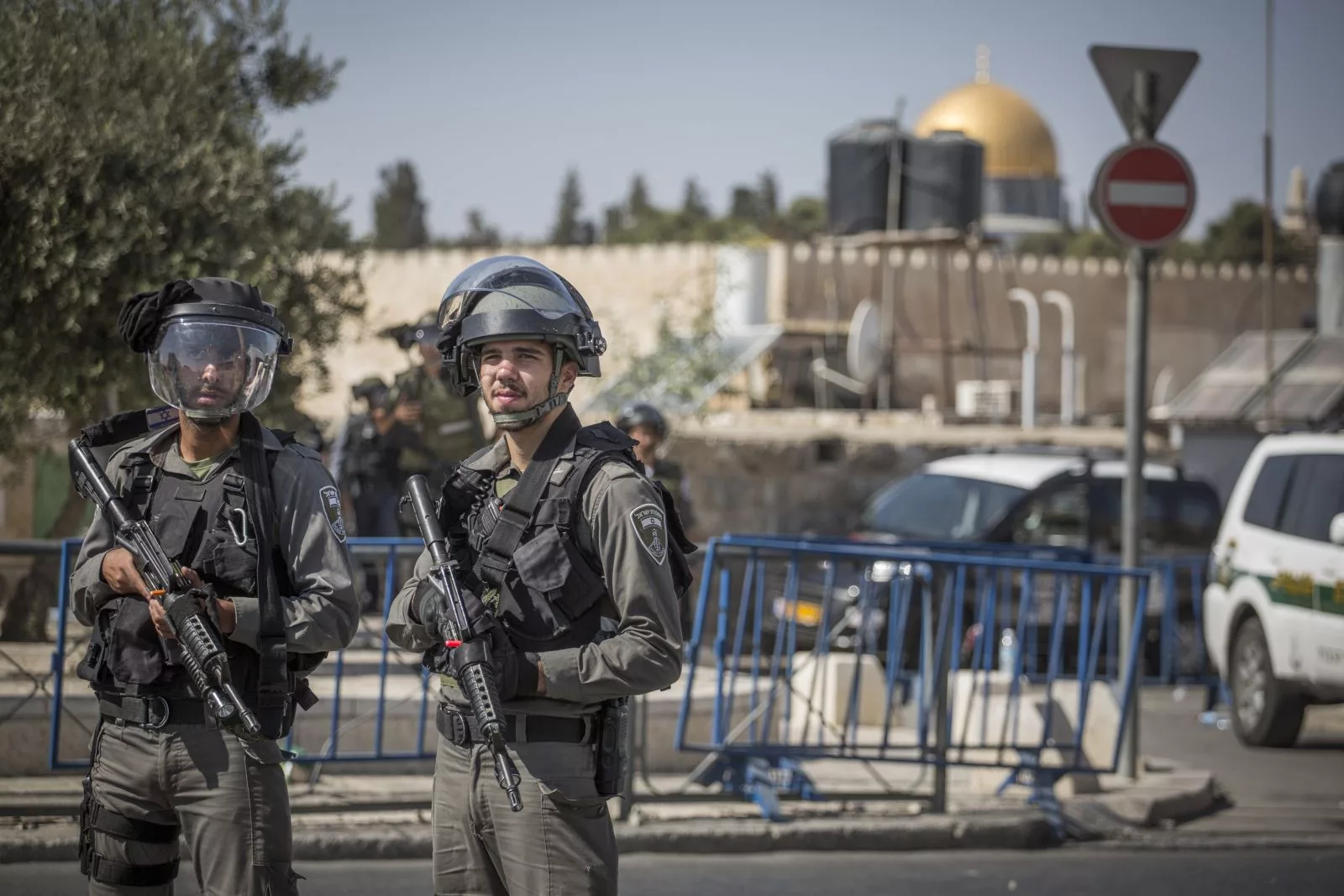
In a move widely seen as a step toward militarizing and further Judaizing occupied Jerusalem, Israel’s Ministry of Defense and the Jerusalem Municipality have signed what has been described as a “strategic” agreement to relocate the ministry’s headquarters, military colleges, and various security infrastructures to the city—further stripping Palestinians of their rights and deepening their marginalization.
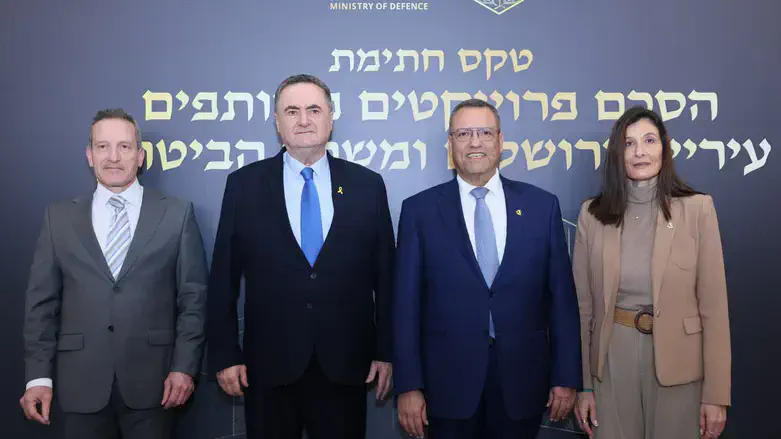
While the plan has existed for years, it has now shifted from planning to execution with the formal agreement signed between Defense Minister Yoav Gallant and Jerusalem Mayor Moshe Lion.
This decision comes amid heightened Israeli military operations in Jerusalem and the West Bank and increased discussions around the annexation of the latter, signaling a broader strategy to eliminate the possibility of a sovereign Palestinian state. So, what are the implications of this move, and what has changed on the ground in occupied Jerusalem?
Key Provisions of the Agreement
1. Establishing a Main “Defense Complex”
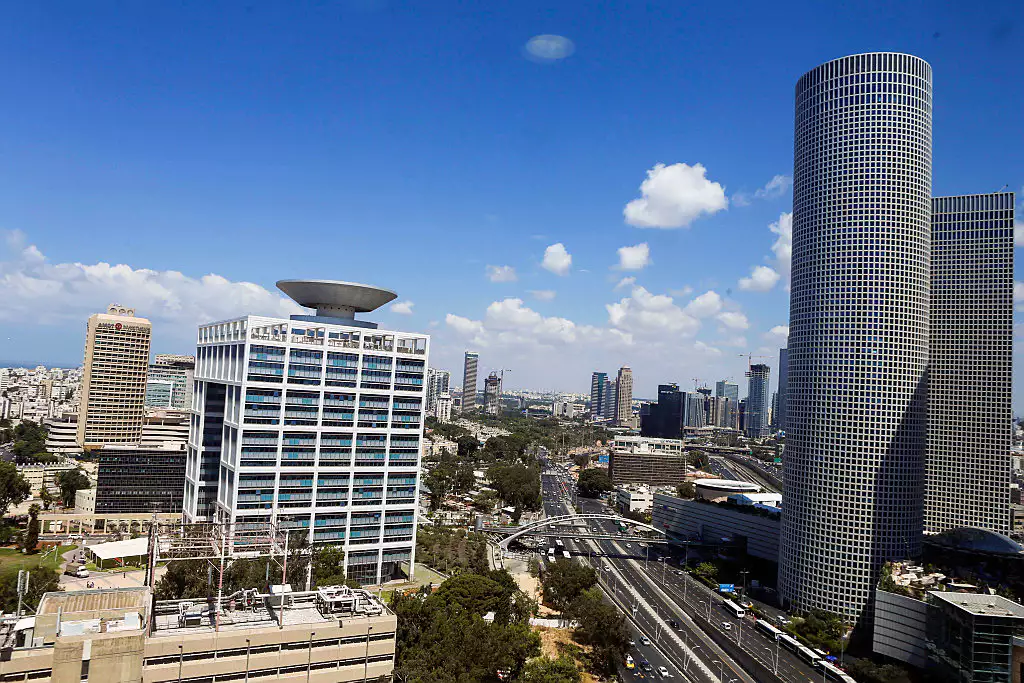
A central feature of the agreement is the construction of a 30-story “Defense Tower” at the entrance to the city, which will house the offices of the defense minister, the army chief of staff, departments of the General Staff, and other key bodies. This move will shift these operations from the Kirya military compound in Tel Aviv to Jerusalem.
The tower will also host offices of various Israeli security agencies to “enhance coordination” between military and intelligence institutions.
Behind the language of “administration” and “coordination,” Palestinians view the move as heralding more checkpoints, surveillance, restrictions, and violations—further limiting the movement of Jerusalemites and placing them under constant threat.
2. A Military R&D and Technology Hub
The agreement includes the creation of an advanced research and development center for weapons systems near the tower, featuring sophisticated technological infrastructure. The aim is to “attract talent” from the high-tech sector and transform Jerusalem into a hub of what is being dubbed “military innovation.”
According to Israeli media, this initiative seeks to “merge startup networks with security needs and draw young talent” to the occupied city. In reality, however, it strengthens Israel’s surveillance and control systems over Palestinians and intensifies their monitoring.
3. Building an Israeli Military Museum
A “national museum” dedicated to the Israeli military will be built near the city’s botanical gardens, adjacent to the Mandel Leadership Institute. Its stated aim is to showcase “Israeli military heritage” and to reinforce the army’s symbolic presence in Jerusalem.
The project reflects an attempt to institutionalize fabricated historical narratives that seek to erase Palestinian identity from Jerusalem by falsely presenting the city as an intrinsic part of an alleged Jewish heritage.
4. Relocating the Recruitment Office and Military Colleges
The agreement also calls for relocating the current recruitment office from Rechev Street in Jerusalem to a new site designed to receive conscripts in a more “secure and advanced” manner. In addition, military colleges will be moved from the Glilot base in Herzliya to the holy city.
According to Israel Hayom, the new location will be easily accessible via public transportation and is expected to accommodate hundreds of military students, boosting activity in nearby neighborhoods. In practice, this will place soldiers throughout Jerusalem’s streets and neighborhoods, turning the city into something resembling a military garrison.
5. Settlement Projects for Soldiers
Perhaps the most alarming aspect of the agreement is the provision for settlement projects specifically for Israeli soldiers and their families in Jerusalem effectively establishing a military-settler bloc in the city.
This would normalize the permanent presence of occupation soldiers in the city, exacerbating restrictions and pressure on Palestinian residents.
Military and Security Objectives
Israel claims the plan aims to transform Jerusalem into the new hub for its military and security operations, moving away from Tel Aviv, which it deems more vulnerable to missile attacks.
Defense Minister Yoav Gallant stated that the defense establishment is “clearly declaring today that Jerusalem is becoming the center of its core activities,” noting that this move is part of a broader readiness effort as Israel navigates “ongoing wars.”
Jerusalem Mayor Moshe Lion described the deal as a “milestone” that will “strengthen the city and place it at the forefront of national security,” while Defense Ministry Director-General Amir Baram stressed that “national security also means having a strong and developed Jerusalem.”
Hamas, for its part, warned that the plan seeks to militarize and Judaize Jerusalem, cementing its role as Israel’s claimed capital through force.
Senior Hamas official Mahmoud Mardawi stated that the agreement is a “dangerous indication of turning Jerusalem into a military and security center, deepening its occupation identity and imposing new realities that target its Arab and Islamic character.”
He warned that the plan is part of a broader scheme to Judaize the city, alter its demographic makeup, tighten restrictions on Palestinians, and bind Jerusalem’s future to the Israeli military establishment.
The Jerusalem Governorate condemned the agreement as an escalatory measure that forms part of systematic annexation and Judaization efforts, further threatening the city’s social fabric and its Arab, Islamic, and Christian identity.
Political Dimensions
Beyond the military implications, the agreement carries explicit political messages. During the signing ceremony, Gallant emphasized that “Jerusalem is being built, developed, and strengthened as the eternal capital of the State of Israel and the Jewish people. This is the best response to our enemies.”
This rhetoric confirms that the relocation of the Defense Ministry and its institutions is not merely administrative it is an overt political act aimed at entrenching Israel’s disputed sovereignty over the city. Mayor Lion echoed this by describing the construction of defense infrastructure as “a clear declaration of strength, commitment, and confidence.”
The move also comes amid escalating Israeli military operations in the West Bank and increasing rhetoric within the far-right ruling coalition about annexing the territory. As such, it is viewed as part of a broader campaign to eliminate any future prospects for Palestinian statehood.
Impact on Palestinian Life
This decision is expected to have far-reaching consequences for Palestinians in Jerusalem, including:
-
A daily influx of thousands of soldiers and an increase in aggressive military activity against Palestinians in the city.
-
Expansion of Jewish settlements in adjacent neighborhoods and further encroachment within occupied Jerusalem.
-
Alteration of the city’s urban and demographic character, reinforcing a militarized, settler-colonial reality.
-
Conversion of public spaces into military training zones, resulting in greater surveillance and more restrictions on movement.
-
Heightened risk of confrontations with Palestinians, who see these plans as a direct threat to their lives and properties.
Thus, the agreement cannot be seen as a simple administrative measure to “enhance coordination,” as Israel claims. Instead, it represents a calculated step toward transforming Jerusalem into a full-fledged military outpost institutionalizing the occupation, deepening settlement expansion, and accelerating Judaization, all at the expense of Palestinian rights, lands, and freedoms.