NoonPost NoonPost

NoonPost

  • Home
  • Politics
  • Economy
  • Society
  • Culture
  • Files
  • Long Reads
  • Podcast
AR
Notification Show More
نون بوست
“There Are Nights I Can’t Close My Eyes”: How Gazans Are Living in Homes on the Brink of Collapse
نون بوست
From al-Jolani to Ahmad al-Shara: The Evolution of Syria’s New Leader
نون بوست
When Political Islam Receded in Egypt: Who Filled the Void?
نون بوست
An Extension of Genocide: Gaza’s Detainees Speak Out
نون بوست
A Tightrope Between Survival and Sovereignty: The Syrian Government Faces Normalization Pressures
نون بوست
American Aircraft Carriers: Has the Era of “100,000 Tons of Diplomacy” Ended?
نون بوست
U.S. Regime‑Change Policies: Why They Are Destined to Fail
نون بوست
Transformations of Israeli Judaism: Between the Victim Complex and the Colonizer’s Doctrine
نون بوست
The Gulf’s Balancing Act: Iran, Israel, and Hidden Links
نون بوست
Iraq–Turkey Oil Export Treaty: Why Did Ankara Cancel It After 52 Years?
نون بوست
Syria’s Northeast on Edge: QSD Between Ankara and Damascus
نون بوست
Has Europe Changed Its Stance on Israel… or Just Its Language?
NoonPost NoonPost
AR
Notification Show More
نون بوست
“There Are Nights I Can’t Close My Eyes”: How Gazans Are Living in Homes on the Brink of Collapse
نون بوست
From al-Jolani to Ahmad al-Shara: The Evolution of Syria’s New Leader
نون بوست
When Political Islam Receded in Egypt: Who Filled the Void?
نون بوست
An Extension of Genocide: Gaza’s Detainees Speak Out
نون بوست
A Tightrope Between Survival and Sovereignty: The Syrian Government Faces Normalization Pressures
نون بوست
American Aircraft Carriers: Has the Era of “100,000 Tons of Diplomacy” Ended?
نون بوست
U.S. Regime‑Change Policies: Why They Are Destined to Fail
نون بوست
Transformations of Israeli Judaism: Between the Victim Complex and the Colonizer’s Doctrine
نون بوست
The Gulf’s Balancing Act: Iran, Israel, and Hidden Links
نون بوست
Iraq–Turkey Oil Export Treaty: Why Did Ankara Cancel It After 52 Years?
نون بوست
Syria’s Northeast on Edge: QSD Between Ankara and Damascus
نون بوست
Has Europe Changed Its Stance on Israel… or Just Its Language?
Follow US

The Bondi Attack: 5 Ways Western Media Linked the Incident to Gaza and Muslims

فريق التحرير
Noon Post Published 26 March ,2026
Share
نون بوست
نون بوست

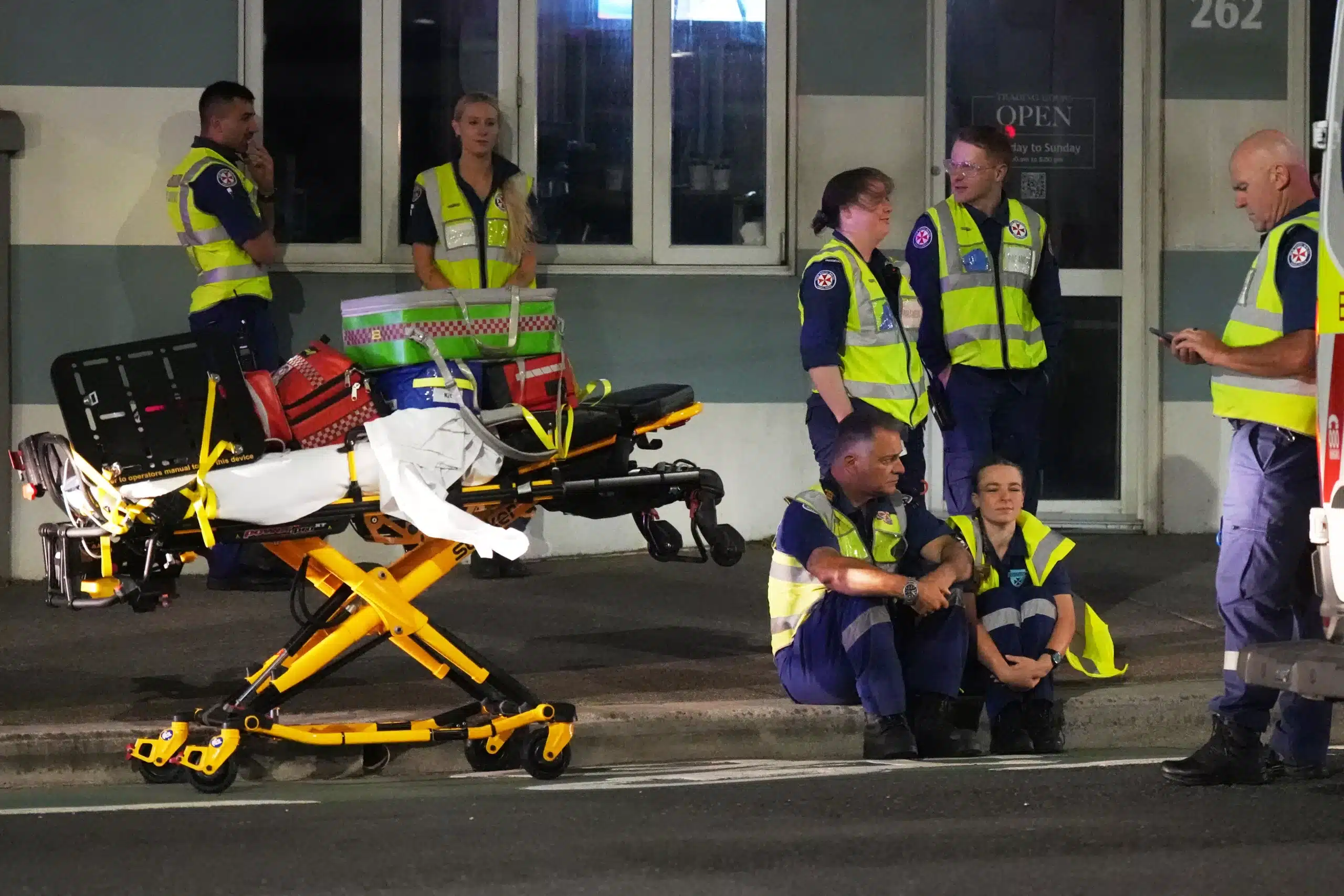
The way several Western media outlets covered the attack on a Hanukkah festival at Bondi Beach in Australia has stirred considerable controversy, with some coverage veering beyond the bounds of professional journalism and into the realm of prepackaged interpretive frameworks.

This coverage recycled a narrative that instinctively tied the incident to Muslims and “antisemitism,” while dragging the Gaza war and the Palestinian uprising into the story — despite the fact that official investigations have not established any ideological motives or affiliations for the perpetrators.

This report examines how prominent Western newspapers and websites handled the December 14 attack. It breaks down the biases and flaws in their reporting and highlights the gap between verified facts and the media discourse presented to the public.

Headlines and Coverage from Western Outlets

Reuters

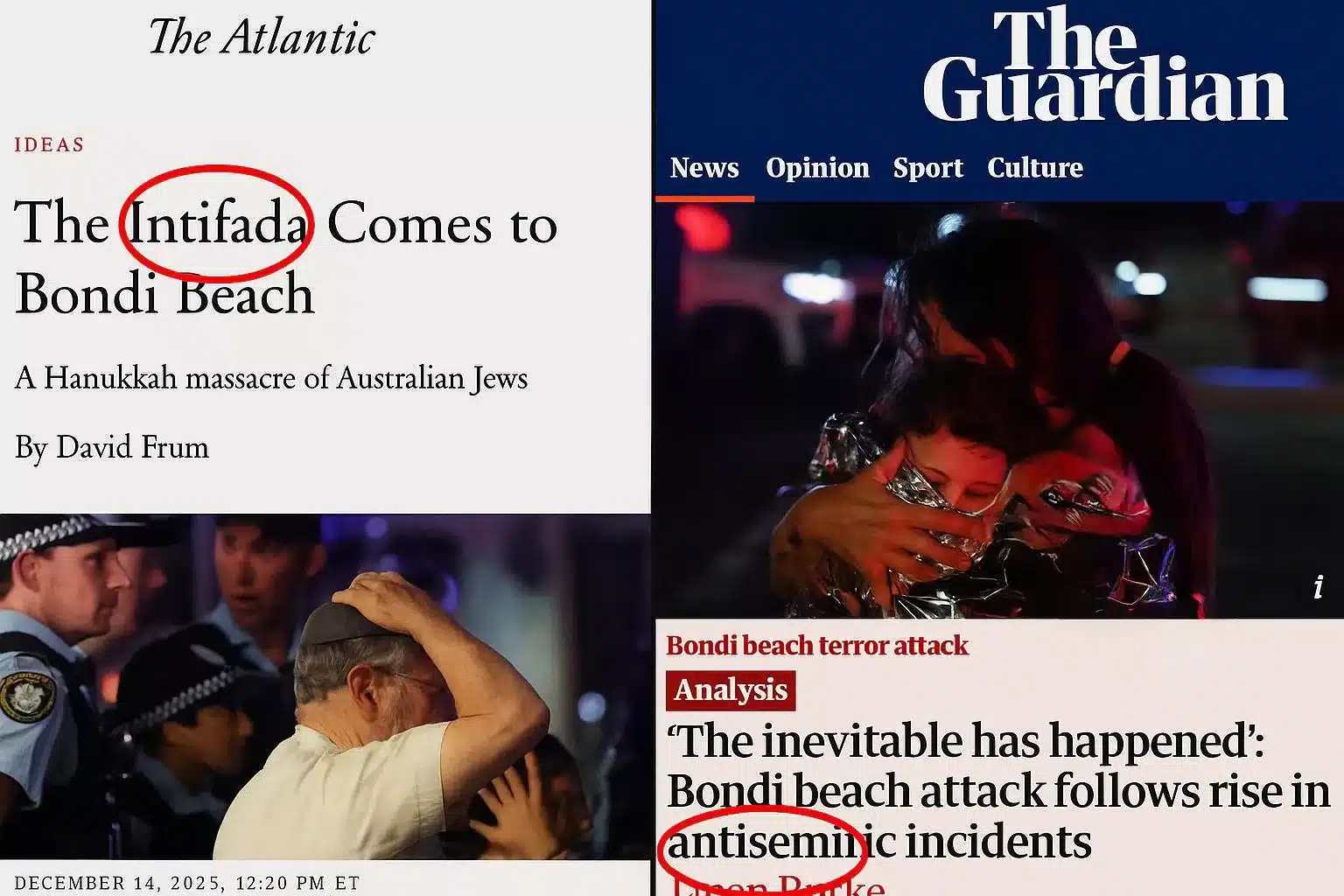
  • “Antisemitism” Frame: Reuters claimed the attack was “the most serious in a series of antisemitic attacks since Israel’s war in Gaza,” placing the event within a narrative of “rising hatred against Jews.”

  • Link to Palestinian Recognition: The British agency reported that Israeli Prime Minister Benjamin Netanyahu condemned Australia’s recognition of a Palestinian state, claiming it fuels hostility an attempt to frame the attack as a direct consequence of this move.

  • Connection to Gaza War: Another Reuters report tied the incident to pro-Palestine protests in Australia, focusing on demands for stricter laws to protect Jews. However, it failed to highlight reassurances given to the Muslim community.

The Guardian

  • Hinting at Islam: Although the Australian Prime Minister stated there was no evidence linking the attackers to any organized cell, The Guardian described the assault as a “terrorist attack.” Many saw this as an attempt to implicitly associate Muslims with terrorism especially since the attackers (a father and son) were of Pakistani Muslim origin.

    نون بوست
    Some Western media outlets linked the attack to what they termed “anti-Semitic incitement” following the war in Gaza.
  • Blaming Pro-Palestinian Activists: In a separate analysis, The Guardian quoted voices blaming “pro-Palestinian elements” for inflaming antisemitic rhetoric, particularly in the aftermath of the Gaza war.

  • Ignoring Alternative Views: The Guardian gave considerable space to statements from Australian officials but did not offer equal attention to condemnations issued by Islamic or Arab organizations denouncing the attack.
Other Media Outlets

  • PBS and The New York Times: Both chose headlines laden with presumption, such as “Mass shooting at Jewish festival fuels antisemitism fears” and “Australian Jews feel abandoned after antisemitic attack.”

  • CNN and BBC: These networks linked the assault to what they called “antisemitic incitement” following the Gaza war, without referencing condemnation from Australia’s Muslim community.

  • The Atlantic and The New York Times: Both contextualized the Bondi incident within the Palestinian uprising and the Gaza conflict, presenting a pre-formed political lens that preempted investigative outcomes and framed the attack as an extension of the Palestinian cause within Western societies.

Flaws in the Coverage

  • Reflexive Linking to the Palestinian Cause: Most Western outlets linked the attack to “antisemitism” within the context of the Gaza war despite the lack of any official confirmation. This framing risks obscuring alternative explanations and narrows public understanding.

  • Neglect of Muslim and Arab Condemnations: Reuters and The Guardian, among others, failed to highlight public denunciations from the Australian National Imams Council and various Islamic organizations that described the attack as horrific and called for unity. This omission can falsely suggest that Muslims are either complicit or indifferent.

    نون بوست
    Western media coverage reproduced a discourse that automatically linked the event to Muslims and “anti-Semitism”.
  • Focus on Identity: Several reports emphasized the attackers’ ethnic and religious backgrounds, describing the event as part of an alleged wave of “Islamist terrorism” without presenting evidence.

  • Generalizing Blame, Fueling Islamophobia: Implicitly pointing fingers at Muslims as a group holds entire communities responsible for individual acts, exposing them to hostility and discrimination in Australia and beyond.

  • Ignoring Historical Context of Anti-Muslim Discrimination: While the reports echoed Jewish communities’ fears, they failed to address the long-standing history of racism against Arabs and Muslims in Australia including denaturalization, media demonization, and policies that may provoke radical reactions.

When Facts Disrupt Prepackaged Narratives

Amid this distorted Western media coverage, one piece stood out an article by renowned British-American journalist Mehdi Hasan, which offered a critical perspective that disrupted the narrative many outlets had sought to establish from the outset.

Hasan focused on the psychological toll such incidents take on Muslim minorities in the West the fear that extends beyond the immediate violence to the dread that the perpetrator might be Muslim, which then results in collective blame and social pressure long before investigations conclude.

In his article, Hasan wrote:
“While the attackers were Muslim, the man who stopped the massacre and risked his life to save dozens of Jews was also Muslim a Syrian immigrant.”

He continued:
“Yes, Ahmad Al-Ahmad, a 43-year-old fruit shop owner and father of two, was shot twice in the arm and hand while confronting and disarming the gunman. Not only is he Muslim, he’s a Syrian refugee from Idlib.”

Hasan did not downplay the horror of the attack, but he exposed the Western media’s selective emphasis highlighting the identity of the assailant while sidelining the hero’s story because it didn’t fit the prevailing ideological framework that often vilifies Islam and migrants, casting the event as further “evidence” for preconceived narratives.

Download this article as PDF
Share this Article
Facebook Twitter Whatsapp Whatsapp Telegram Email Copy Link
فريق التحرير
By فريق التحرير تقارير يعدها فريق تحرير نون بوست.
Follow:
Previous Article نون بوست Saudi Arabia’s Sudan Strategy: From Cautious Neutrality to Calculated Engagement
Next Article نون بوست The Politicization Trap: How the Sydney Attack Undermined a Prepackaged Narrative

Read More

  • U.S. Regime‑Change Policies: Why They Are Destined to Fail U.S. Regime‑Change Policies: Why They Are Destined to Fail
  • The Gulf’s Balancing Act: Iran, Israel, and Hidden Links
  • Iraq–Turkey Oil Export Treaty: Why Did Ankara Cancel It After 52 Years?
  • Syria’s Northeast on Edge: QSD Between Ankara and Damascus
  • Has Europe Changed Its Stance on Israel… or Just Its Language?
part of the design
NoonPost Weekly Newsletter

You May Also Like

U.S. Regime‑Change Policies: Why They Are Destined to Fail

U.S. Regime‑Change Policies: Why They Are Destined to Fail

إسراء سيد Esraa sayed 8 April ,2026
The Gulf’s Balancing Act: Iran, Israel, and Hidden Links

The Gulf’s Balancing Act: Iran, Israel, and Hidden Links

فريق التحرير Noon Post 8 April ,2026
Iraq–Turkey Oil Export Treaty: Why Did Ankara Cancel It After 52 Years?

Iraq–Turkey Oil Export Treaty: Why Did Ankara Cancel It After 52 Years?

فريق التحرير Noon Post 8 April ,2026

“زُهر”: ماذا نعرف عن حقل الغاز المصري الجديد؟

فريق التحرير
Noon Post Published 31 August ,2015
Share
00

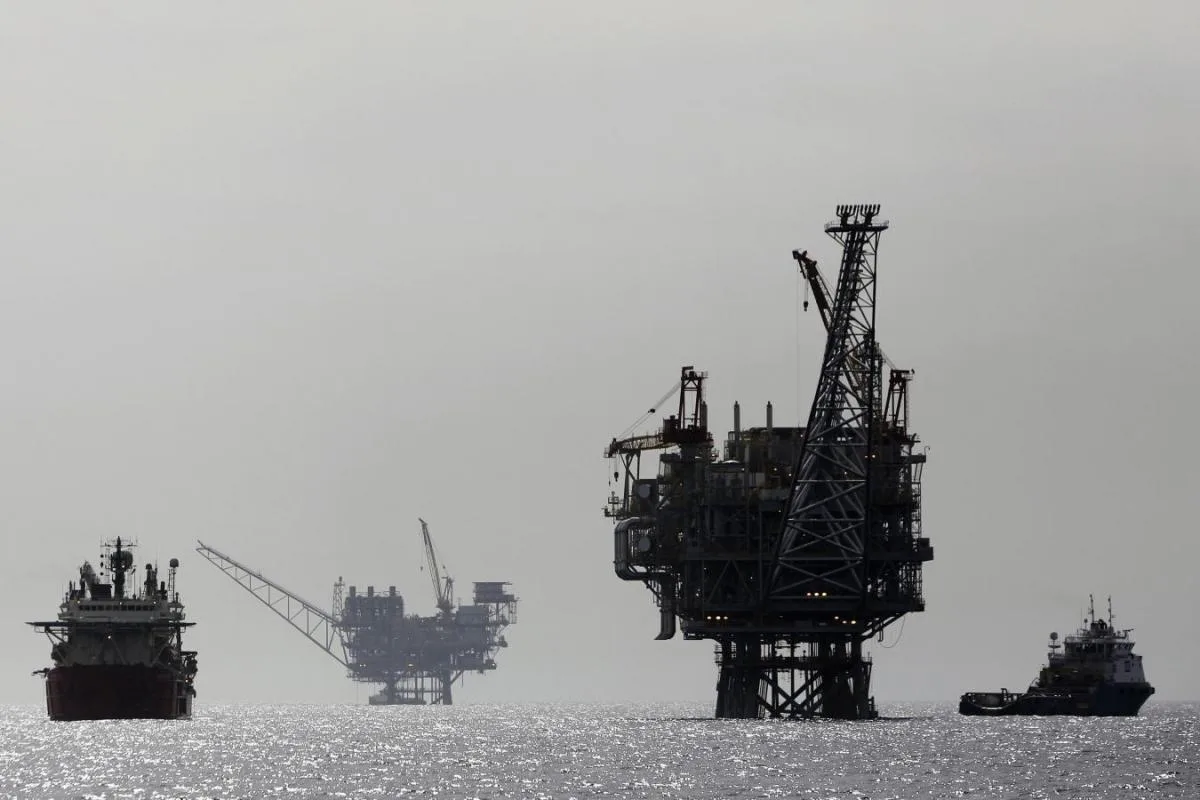
أعلنت شركة إيني الإيطالية بالأمس اكتشاف حقل غاز عملاق يقع داخل مياه مصر الإقليمية في البحر المتوسط على عُمق 1450 متر كجزء من منطقة كانت الشركة قد فازت بها في مناقصة مطلع العام المنصرم، لتوقع عقدًا مع الحكومة المصرية على التنقيب فيها في يناير 2014، وطبقًا للبيان الرسمي الصادر من الشركة، تشير التقديرات الأولية إلى أن الاحتياطي في بئر زُهر قد يصل لحوالي 30 مليار قدم مكعب، مما يجعله أكبر اكتشاف للغاز في مصر والبحر المتوسط.

حتى الآن تبدو الأخبار القادمة من الشركة جدية رُغم عدم معرفتنا بتصنيف كميات الغاز المقدرة، حيث يتم عادة تصنيف أي اكتشاف نفطي أو غازي إما P1 باعتباره مؤكد استخراجه مستقبلًا بنسبة 90٪، أو P2 إذا ما كان محتملًا بنسبة 50٪، أو P3 إذا ما كانت هناك إمكانية لاستخراجه مستقبلًا بالفعل ولكن باحتمال ضعيف، وطبقًا لما صرحت به الشركة، فإن “زُهر” قد يكفي مصر من احتياجاتها لخمسة عقود مقبلة أو أقل قليلًا بالأخذ في الحسبان أي احتمالات نمو اقتصادي قوي في المستقبل.

“إنه يوم هام جدًا لشركة إيني والعاملين فيها، فالنتائج تكشف خبراتنا وقدراتنا التكنولوجية وقوة التعاون بين كافة وحدات الشركة، وهذا الاكتشاف هو ثمرة استراتيجية العمل بدأب في بلدان نمتلك فيها خبرة طويلة ومناطق ندرك جيدًا إمكانياتها في مجال الطاقة، وهو اكتشاف سيغيّر تمامًا من خارطة الطاقة في مصر التي نعمل بها منذ ستين عامًا،” هكذا قال المدير التنفيذي لشركة إيني، كلاوديو ديسكالزي، والذي التقى الرئيس المصري لمناقشة آخر تطورات ملف الغاز.

نون بوست

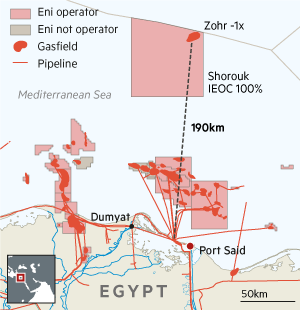
خريطة حقل زُهر قبالة السواحل المصرية

ماذا يعني حقل زُهر لمصر؟

على الرُغم من تصريحات شركة إيني بقدرة مصر على تحقيق الاكتفاء الذاتي، إلا أن روبين ميلز، الباحث المتخصص في شؤون الطاقة، يقول بأن إنتاج الشركة من الحقل فعليًا قد يسد جزءًا كبيرًا من عجز الطاقة في مصر ولكن ليس كله، كما أنه لن يضع مصر على خارطة التصدير ما لم يتسع نطاق التنقيب وتكتشف الشركة كميات أكبر من الغاز، بيد أنه يؤكد أن زُهر يجعل استيراد الغاز من إسرائيل، والذي كان مطروحًا على الطاولة منذ أشهر لحل أزمة الطاقة في مصر، خارج الحسابات تمامًا.

تمتلك شركة إيجاس المصرية 50٪ من الحقل وحقوق إنتاج الغاز فيه، في حين تمتلك شركة إيني 50٪، وهو ما يعني نظريًا قدرة مصر على تسيير دفة مشاريع استخراج الغاز وتقرير ما إذا كانت ستخصصه للأسواق المحلية لسد عجز الطاقة، أم تصديره للسوق العالمي مع الاستمرار في خطط الاعتماد على الغاز الإسرائيلي و/أو الخليجي، وهي مسألة تخضع بالطبع للاعتبارات المالية أولًا، بالنظر للسيناريو الذي سيحقق أرباحًا أكبر، والسياسية ثانيًا، فإذا كانت القاهرة راغبة في تحقيق استقلالية أكبر عن إسرائيل والخليج فإنها ستتجه بالفعل للاستفادة محليًا من زُهر.

يلفت النظر في وسط هذه الأخبار خبر قديم لم يلقى انتباهًا في الصُحُف المصرية يشير إلى أن مصر قد رفعت سعر شراء الغاز من شركة إيني أكثر من 100٪، ليصل لـ5.88 دولار لكل مليون وحدة حرارية بريطانية بعد أن كان 2.65 في السابق، وهو سعر تم الاتفاق عليه في مطلع يوليو الماضي وفقًا لما قاله مسؤول في الشركة المصرية القابضة للغازات الطبيعية “إيجاس،” وذلك بعد توقيع اتفاق سابق مع شركة إيني لتنفيذ مشروعات استكشافية بملياري دولار لمدة أربعة أعوام في يونيو (نص الخبر كاملًا من رويترز هنا).

من ناحية، يقول البعض أن تسلسل الأحداث يشير إلى ظهور الحقل في الحسابات منذ فترة بشكل أدى للصفقة الجديدة في يوليو الماضي، والتي ستؤدي على الأرجح لتصدير أغلب الكميات المكتشفة كما كان يحدث في حقول غاز أخرى في السابق، وأن الإعلان عن الكشف الآن يهدف إلى خلق صورة تفيد بقدرة مصر على التصدير ليس إلا لتمرير الصفقة، ومن ناحية أخرى، يقول آخرون أن شركة إيني، على العكس من غيرها من شركات النفط والغاز الأوروبية، لها تقليد عتيد في الاهتمام بالبلدان صاحبة الثروات البترولية واحترام ملكيتها لها مما يعني قدرة مصر على استغلال تلك الثورة للإيفاء باحتياجاتها، وهو أمر يفترض بالطبع وجود إرادة سياسة لتعزيز استفادة الداخل المصري من تلك الثروة.

نون بوست

أين يقع “زُهر” من أكبر حقول الغاز في العالم؟

إذا صحت التقديرات الأولية لشركة إيني، فإن حقل زُهر سيكون رقم 20 على قائمة أكبر حقول غاز في العالم، باحتياطي قابل للاستخراج يصل لحوالي 850 مليار متر مكعّب، لينقل مصر إلى المركز 15 عالميًا في قائمة البلدان صاحبة أكبر كميات من احتياطي الغاز في العالم، وهي القائمة التي تتربع على رأسها كل من إيران وروسيا وقطر، الثلاثي العملاق في عالم الغاز الطبيعي، كما أنه سيكون الأكبر في المتوسط وإن لم يكن الأكبر في أفريقيا، مما يعني أنه سيضاهي الحقول المُكتَشَفة مؤخرًا في إسرائيل وقبرص واليونان.

كانت بعض التقارير الإخبارية هنا وهناك قد أشارت إلى أن زُهر قد يكون الأكبر في العالم، وهي تقارير مبالغ فيها في الواقع إذا ما قورنت الأرقام الرسمية بالكميات المثبتة في حقول الغاز الأكبر في العالم، والتي يقع على رأسها حقل پارس الذي تتقاسمه إيران مع قطر في الخليج الفارسي، ويحتوي على احتياطي يبلغ 35 تريليون متر مكعب، وحقل أورينغوي الروسي الواقع في حوض غرب سيبيريا، والذي يحتوي على 6 تريليون متر مكعّب، ثم حقل بامبورغ في روسيا أيضًا بأقصى الشمال ناحية المحيط القطبي، والذي يحتوي على حوالي 4 تريليون متر مكعب، وحقل حاسي الرمل بالجزائر ويحتوي على 3.5 تريليون متر مكعب، وتلك هي الحقول الأربعة في العالم.

ماذا يعني “زُهر” للعبة الغاز في شرق المتوسط؟

نون بوست

خطوط الغاز الموجودة حاليًا بالأحمر، والمطروحة في مشاريع بالأزرق، والمُقترحة نظريًا بالنقاط الحمراء

في الفترة الأخيرة، تحدث الكثير من المحللين عن دخول منطقة شرق المتوسط إلى عالم الطاقة بعد اكتشافات عدة على سواحل اليونان وقبرص وقطاع غزة وإسرائيل ولبنان، وهي اكشتافات تُعرَف مجمّعة بحوض الشام، والذي يُقدّر الاحتياطي فيه بحوالي 3 تريليون متر مكعب، بيد أن استخراج الكثير منه يخضع للتوترات بين لبنان وإسرائيل في تحديد حدود المياه الإقليمية بين البلدين، وبين قبرص وتركيا أيضًا، حيث تهيمن الأخيرة على جمهورية شمال قبرص التركية وتتنازع مع جمهورية قبرص بعض حقول الغاز في المتوسط.

تباعًا، كانت حقول ليفياثان وتمار في إسرائيل وحقل أفروديت في قبرص هي الحقول الوحيدة التي بدأ العمل فيها على قدم وساق نتيجة عدم وجود خلافات عليها، وهي حقول لم يكن مُتاحًا لها التصدير إلا في صورة غاز مُسال يتم شحنه مثله مثل براميل النفط، أو في صورته كغاز طبيعي عبر خطوط الغاز المارة من تركيا، وهو ملف يخضع بالطبع للعلاقات مع تركيا والمتوتر مع الطرفين بالفعل، وبالنظر لصعوبة وتكلفة إنشاء خط تحت مياه البحر مباشرة لليونان وضآلة الكميات فيه مقارنة بما تملكه إيران، بدا مؤخرًا أن ملف الغاز في المتوسط سيقتصر على الدول القريبة مثل مصر والبلقان ولن يغيّر قواعد اللعبة في أوروبا، والتي تتجه الآن على ما يبدو ناحية عملاق الغاز الإيراني بعد رفع العقوبات.

من ناحيتها، وبالنظر لقُربها مؤخرًا من قبرص واليونان وإسرائيل وتوترها مع تركيا، قد تكون مصر حريصة على استغلال زُهر لتعزيز تحالف الغاز هذا، لا سيما وأنها تمتلك في دمياط منشأة لتحويل الغاز الطبيعي لغاز مُسال وبالتالي تصديره لأسواق جنوب أوروبا، أو ربما تدشين خط غاز يصلها بشبكة المغرب العربي المتجهة لأوروبا، وهي كلها خيارات تصب في إبعاد الغاز عن تركيا، والتي تحاول الهيمنة قدر الإمكان على خطوط نقل الطاقة من آسيا وإلى أوروبا، وإن كان انقشاع التوتر بين النظامين في القاهرة وأنقرة على المدى البعيد بالطبع يفتح احتمالية الاتصال بخطوط الغاز القادمة من آسيا والأكثر استقرارًا مقارنة بالخط الليبي.

بين تعزيز تحالف الغاز مع إسرائيل من ناحية، والإحباط الذي ستعانيه نتيجة خسارة صفقة تصدير الغاز لمصر، صدر بالأمس اول تصريح رسمي من تل أبيب على الاكتشاف المصري، إذ صرّح وزير الطاقة الإسرائيلي يوفال شتاينيتز أن زُهر “تذكرة مؤلمة لإسرائيل بألا تتلكأ في توقيع العقود بعد ذلك وهي تعلم أن خارطة الطاقة تتغير كل لحظة،” في إشارة إلى التأخير من الجانب الإسرائيلي في توقيع عقد تصدير إلى مصر خلال الأشهر الماضية، والذي كان في طريقه للاتمام في الحقيقة بينما استمرت الشركات الإسرائيلية في استخراج الغاز استعدادًا لتمريره إلى مصر في المستقبل القريب، وهي خطط أفسدها على ما يبدو ظهور زُهر على خريطة الطاقة العالمية، ما لم تكن هناك حسابات أخرى.

TAGGED: الثورة الطبيعية في مصر ، الغاز الطبيعي ، الغاز المصري ، الغاز في مصر ، النفط في مصر
TAGGED: الطاقة
Download this article as PDF
Share this Article
Facebook Twitter Whatsapp Whatsapp Telegram Email Copy Link
فريق التحرير
By فريق التحرير تقارير يعدها فريق تحرير نون بوست.
Follow:
Next Article نون بوست The Stigma of “ISIS”: A Heavy Legacy Haunting Women and Children of Former Members

Read More

  • U.S. Regime‑Change Policies: Why They Are Destined to Fail U.S. Regime‑Change Policies: Why They Are Destined to Fail
  • The Gulf’s Balancing Act: Iran, Israel, and Hidden Links
  • Iraq–Turkey Oil Export Treaty: Why Did Ankara Cancel It After 52 Years?
  • Syria’s Northeast on Edge: QSD Between Ankara and Damascus
  • Has Europe Changed Its Stance on Israel… or Just Its Language?
part of the design
NoonPost Weekly Newsletter
dark

An independent media platform founded in 2013, rooted in slow journalism, producing in-depth reports, analysis, and multimedia content to offer deeper perspectives on the news, led by a diverse young team from several Arab countries.

  • Politics
  • Society
  • Rights & Liberties
  • Opinions
  • History
  • Sports
  • Education
  • Technology
  • Economy
  • Media
  • Arts & Literature
  • Entrepreneurship
  • Travel
  • Cinema & Drama
  • Food
  • Health
  • Culture
  • Latest Reports
  • Files
  • Long Reads
  • Interviews
  • Podcast
  • Interactive
  • Encyclopedia
  • In Pictures
  • About Us
  • Our Writers
  • Write for Us
  • Editorial Policy
  • Advanced Search
Some rights reserved under a Creative Commons license

Removed from favorites

Undo
Go to mobile version