NoonPost NoonPost

NoonPost

  • Home
  • Politics
  • Economy
  • Society
  • Culture
  • Files
  • Long Reads
  • Podcast
AR
Notification Show More
نون بوست
“There Are Nights I Can’t Close My Eyes”: How Gazans Are Living in Homes on the Brink of Collapse
نون بوست
From al-Jolani to Ahmad al-Shara: The Evolution of Syria’s New Leader
نون بوست
When Political Islam Receded in Egypt: Who Filled the Void?
نون بوست
An Extension of Genocide: Gaza’s Detainees Speak Out
نون بوست
A Tightrope Between Survival and Sovereignty: The Syrian Government Faces Normalization Pressures
نون بوست
American Aircraft Carriers: Has the Era of “100,000 Tons of Diplomacy” Ended?
نون بوست
U.S. Regime‑Change Policies: Why They Are Destined to Fail
نون بوست
Transformations of Israeli Judaism: Between the Victim Complex and the Colonizer’s Doctrine
نون بوست
The Gulf’s Balancing Act: Iran, Israel, and Hidden Links
نون بوست
Iraq–Turkey Oil Export Treaty: Why Did Ankara Cancel It After 52 Years?
نون بوست
Syria’s Northeast on Edge: QSD Between Ankara and Damascus
نون بوست
Has Europe Changed Its Stance on Israel… or Just Its Language?
NoonPost NoonPost
AR
Notification Show More
نون بوست
“There Are Nights I Can’t Close My Eyes”: How Gazans Are Living in Homes on the Brink of Collapse
نون بوست
From al-Jolani to Ahmad al-Shara: The Evolution of Syria’s New Leader
نون بوست
When Political Islam Receded in Egypt: Who Filled the Void?
نون بوست
An Extension of Genocide: Gaza’s Detainees Speak Out
نون بوست
A Tightrope Between Survival and Sovereignty: The Syrian Government Faces Normalization Pressures
نون بوست
American Aircraft Carriers: Has the Era of “100,000 Tons of Diplomacy” Ended?
نون بوست
U.S. Regime‑Change Policies: Why They Are Destined to Fail
نون بوست
Transformations of Israeli Judaism: Between the Victim Complex and the Colonizer’s Doctrine
نون بوست
The Gulf’s Balancing Act: Iran, Israel, and Hidden Links
نون بوست
Iraq–Turkey Oil Export Treaty: Why Did Ankara Cancel It After 52 Years?
نون بوست
Syria’s Northeast on Edge: QSD Between Ankara and Damascus
نون بوست
Has Europe Changed Its Stance on Israel… or Just Its Language?
Follow US

Secession or Normalization: What Role for Israel in Southern Yemen?

عماد عنان
Emad Anan Published 26 March ,2026
Share
نون بوست
نون بوست

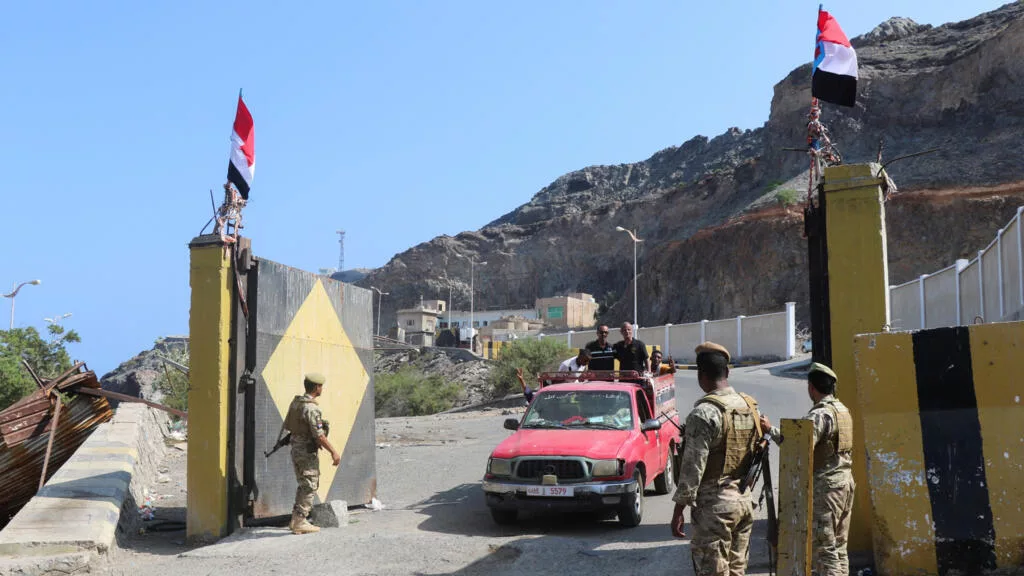
In recent days, southern Yemen has undergone significant geopolitical shifts, redrawing the contours of its political and military landscape. The Southern Transitional Council (STC), with clear backing and funding from the United Arab Emirates, has extended its influence across Hadramawt and vast stretches of the east, reaching the coastal city of Aden the seat of Yemen’s internationally recognized, Saudi-backed government for over a decade.

With these developments, Aden has effectively slipped from the government’s control. Most political and military leaders, including the Prime Minister and the President of the Presidential Leadership Council an eight-member body formed to share executive powers have departed.

A new political reality has thus emerged, with the STC now exerting near-total dominance amid an unprecedented institutional vacuum.

Tensions are further heightened by the STC’s increasingly explicit calls for secession and the revival of a “South Yemen” state signaling the possible opening of a new chapter of unrest, not only within Yemen but across the broader regional balance of power.

While the visible power struggle pits Riyadh and Abu Dhabi against each other in southern Yemen, a quieter but no less significant actor is observing closely: Israel. For Tel Aviv, the growing momentum toward secession presents a strategic opportunity to advance its security agenda. Though unacknowledged officially, Israel’s indirect involvement positions it as a key, if discreet, player in shaping southern Yemen’s future.

Israel’s growing interest in Yemen stems from the critical strategic importance of the Bab al-Mandeb Strait one of the world’s most vital maritime chokepoints connecting the Red Sea and the Indian Ocean.

Any disruption to navigation through this corridor is seen by Tel Aviv as a direct threat to its maritime trade, the security of Eilat Port, and a strategic vulnerability that could be exploited by adversaries especially Iran.

From this perspective, Israel does not view the crisis in Yemen as a localized conflict, but as an integral part of the broader Red Sea security equation and the wider regional struggle. Accordingly, its role has expanded from observer to influential player.

Israel’s Yemen Strategy: Containing the Houthis First

Since the outbreak of the Gaza war in October 2023, Yemen has emerged as one of the most complex arenas of confrontation for Israel. The Houthi movement has launched dozens of missile and drone attacks targeting Israeli territory and repeatedly struck Israeli and Israel-linked vessels in the Red Sea.

While Israel has managed to contain other fronts, Yemen remains volatile and unresolved a lingering security challenge.

Israel’s engagement in Yemen thus forms part of its broader confrontation with Iran. Viewing the Houthis as an extension of Iranian influence, Tel Aviv has pursued a dual-track approach: direct military strikes against the Houthis which began in May 2025 in response to missile attacks and support for the STC’s advance in the south to strategically weaken Houthi control.

This two-pronged strategy aims to reduce Houthi influence while bolstering Israel’s position in the regional contest with Tehran.

Secession vs. Normalization: A Strategic Shift

Since its formal inclusion in the internationally recognized Yemeni government under the 2019 Riyadh Agreement, the STC has operated with significant political and military autonomy.

The agreement granted the council representation on the Presidential Leadership Council and control of key ministries, enabling it to launch successive military campaigns and consolidate control over most of the south and east areas rich in natural resources and crucially located along maritime trade routes.

Following the Abraham Accords in 2020 and growing UAE-Israel alignment, Tel Aviv began engaging in the Yemeni crisis through its Emirati channel. Israel has since become an unofficial backer of the STC, under the banner of curbing Houthi influence and ensuring the security of the Red Sea, Bab al-Mandeb, and Yemen’s strategically located ports.

With the STC now firmly in control of much of the south, these covert alignments have begun to surface publicly. During a visit to the United States, STC President Aidarous al-Zoubaidi openly discussed the possibility of normalization and establishing official ties with Israel.

In comments reported by Maariv, he argued that an independent southern state would pave the way for joining the Abraham Accords and crafting an independent foreign policy.

In parallel, The Times revealed that direct communications have taken place between the STC and Israeli officials to discuss “shared concerns,” chief among them the fight against the Houthis. Western diplomats and UN Security Council members have also reportedly been informed that Yemeni unity is a thing of the past, and preparations for a southern state declaration are underway.

Yet the STC’s path founded in 2017 and aspiring to revive the pre-1990 southern state remains fraught with obstacles, chief among them Saudi opposition and Western skepticism over the destabilizing implications of secession.

A Strategic Gain for Israel

The prospect of southern Yemen’s secession, while deeply disruptive domestically, could serve Israel’s strategic interests. It would isolate the Houthis in the north, curtail their logistical access to the Red Sea, and bolster Israel’s position in safeguarding maritime security in the Bab al-Mandeb and the Gulf of Aden two of the world’s most sensitive maritime corridors.

Moreover, a newly independent southern state allied with Israel through the UAE-backed STC would mark a significant geopolitical gain. Such an alliance would limit Iranian influence in the Red Sea and constrain Houthi movements, strengthening Israel’s deterrence posture in one of the region’s most volatile theaters.

According to Israeli media, this scenario could also enhance Tel Aviv’s geostrategic footprint, enabling it to expand economic ties with emerging Arab partners while undermining Tehran’s maritime ambitions.

And What of the Houthis — and Iran Behind Them?

Analysts suggest that the deepening divisions within Yemen’s internationally recognized government and the growing rivalries between Saudi Arabia, the UAE, and Israel could ultimately benefit the Houthis. The fragmented front against them offers room for political and military maneuvering, easing direct confrontation.

At the very least, these divisions provide the Houthis with breathing space to maintain their grip on the north their traditional stronghold. Even if the Houthis lose southern access or resources, their core territorial control remains intact, allowing them to recalibrate their priorities rather than face existential defeat.

Yet should the south break away, the long-term implications could challenge Iran’s strategic calculus. A southern state would erode Tehran’s influence in the Red Sea a vital node in global shipping and constrain its reach in a critical geopolitical theater. Any short-term gains by the Houthis may come at the cost of Iran’s broader regional ambitions.

Saudi Arabia, Egypt, and the Perimeter States: What Comes Next?

The intensifying secessionist drive in southern Yemen poses a potential geopolitical earthquake, one that could redraw the regional map. Control over the south means control over Bab al-Mandeb a gateway through which over one-fifth of global trade passes. The area has become a linchpin of both regional and international security frameworks.

If Israeli influence expands into this vital maritime corridor, it could present an unprecedented threat to Arab national security. Tel Aviv’s ambitions appear to extend beyond conventional conflict, toward an expansive regional posture encapsulated in ideological visions of dominance “from the river to the sea.” This could shift the Red Sea from a shared Arab-international waterway to a zone of direct Israeli control.

In response, Saudi Arabia has long sought to curb southern secession by co-opting the STC into the government as part of the anti-Houthi coalition. But that strategy now appears to be unraveling, with the STC’s ambitions moving beyond power-sharing to an independent southern entity even if it means normalization with Israel.

Egypt, for its part, is particularly alarmed. Israeli expansion into the Red Sea via Yemen’s southern flank presents a nightmare scenario for Cairo’s national security, potentially forcing a strategic realignment across the region.

Southern Yemen is no longer a stage for internal conflict alone. It has become a geopolitical flashpoint where regional and global powers converge. Between the STC’s secessionist push, Israel’s quiet but growing presence, and the weakening of the internationally recognized government, Yemen is approaching a pivotal moment that could reshape alliances and power structures across the Middle East.

The consequences of this unfolding drama are likely to spill far beyond Yemen’s borders affecting Arab national security and international maritime stability. Any political or military escalation could become a defining test of regional equilibrium in the years ahead.

Download this article as PDF
Share this Article
Facebook Twitter Whatsapp Whatsapp Telegram Email Copy Link
عماد عنان
By عماد عنان كاتب صحفي وباحث في الإعلام الدولي
Follow:
Previous Article نون بوست A Slow Return to the Suez Canal: Why Are Shipping and Insurance Giants Still Hesitant?
Next Article نون بوست The Egyptian Pound: A Brief History of a Once‑Promising Currency

Read More

  • U.S. Regime‑Change Policies: Why They Are Destined to Fail U.S. Regime‑Change Policies: Why They Are Destined to Fail
  • The Gulf’s Balancing Act: Iran, Israel, and Hidden Links
  • Iraq–Turkey Oil Export Treaty: Why Did Ankara Cancel It After 52 Years?
  • Syria’s Northeast on Edge: QSD Between Ankara and Damascus
  • Has Europe Changed Its Stance on Israel… or Just Its Language?
part of the design
NoonPost Weekly Newsletter

You May Also Like

U.S. Regime‑Change Policies: Why They Are Destined to Fail

U.S. Regime‑Change Policies: Why They Are Destined to Fail

إسراء سيد Esraa sayed 8 April ,2026
The Gulf’s Balancing Act: Iran, Israel, and Hidden Links

The Gulf’s Balancing Act: Iran, Israel, and Hidden Links

فريق التحرير Noon Post 8 April ,2026
Iraq–Turkey Oil Export Treaty: Why Did Ankara Cancel It After 52 Years?

Iraq–Turkey Oil Export Treaty: Why Did Ankara Cancel It After 52 Years?

فريق التحرير Noon Post 8 April ,2026

اللاجئون لا يهربون من الموت بل يبحثون عن الحياة .. وعلى أوروبا أن تدرك ذلك

المظفر قطز
المظفر قطز Published 3 September ,2015
Share
screen_shot_2015-09-03_at_6

تسببت الحرب في سوريا في تهجير أكثر من 4 ملايين نسمة خارج البلاد، وتبقى الأغلبية العظمى للمهجرين حتى اليوم في تركيا والبلدان العربية كلبنان والأردن والعراق ومصر، يصل تعداد اللاجئين السوريين في هذه البلاد الخمسة لما يزيد عن ثلاثة ملايين وتسعمائة ألف نسمة، ويبدو أن أعدادًا كبيرة من هؤلاء لا تنوي البقاء في هذه البلاد المتأزمة أغلبها لوقت أطول من هذا.

تنقل الأخبار بشكل يومي مؤخرًا مآسي القتلى من السوريين على الطرقات إلى بلدان غرب أوروبا، في بداية الأمر كان غرق الزوارق المتجهة إلى اليونان وإيطاليا عبر المتوسط هو الخبر المعتاد، إلا أن الأحداث الأخيرة على حدود بلدان شرق أوروبا وجهت الانتباه إلى الطريق البري للتهريب، والمسؤول غالبًا عن نقل أعداد أكبر بكثير من طريق البحر إلى قلب أوروبا.

أدت الصورة متناهية البشاعة للغرقى وقمع المتسللين على طول الحدود البرية إلى إثارة حالة واسعة من الغضب والحزن داخل وخارج أوروبا، إلا أن حقيقة أن هذه التغطية الإعلامية لا يتعدى مداها أرقام محدودة للغاية من اللاجئين السوريين تدين بالأساس لكونها على طول حدود القارة الأوروبية، القارة التي تملأ السمع والبصر لما بها من إعلام وما لها من أهمية في الرأي العام الدولي، وهذه الحقيقة تحديدًا توجب علينا النظر إلى واقع النزوح السوري وعلاقته بالبلدان المضيفة من خلال الأرقام لتقديم فهم أفضل للأزمة داخل وخارج أوروبا، خصيصًا مع أخذ الحاجة الأوروبية الحادة إلى أيدي عاملة شابة لمواجهة تقدم سن شعوبها المتسارع، والذي يتمظهر بدوره في ردود الفعل الملتبسة من حكومات كالألمانية فيما يخص استقبال المهاجرين في المجتمعات الأوروبية.

البلدان الخمسة الحاضنة للأغلبية العظمى من اللاجئين السوريين (تركيا، لبنان، الأردن، العراق ومصر) تمتاز بالأساس بكونها جميعًا بلدان متأزمة اقتصاديًا (باستثناء تركيا ربما) وسياسيًا لأقصى حد، تحتضن هذه البلاد ما يزيد على ثلاثة ملايين وتسعمائة ألف لاجئ سوري، التعداد السكاني لهذه البلاد مجتمعة يقارب 206 مليون نسمة، ونسبة اللاجئين للسكان تظل كبيرة جدًا في بلدان صغيرة سكانيًا كلبنان والأردن، متوسط نصيب الفرد من الناتج القومي في هذه البلاد مجتمعة لا يتعدى 150 ألف دولار، ومتوسط العمر في هذه البلاد لا يعدو 25 عامًا، مما يعني بحسبة بسيطة أن هذه البلاد تعاني من نسب عالية من البطالة بين الشباب وحالة اقتصادية متواضعة، هذا طبعًا مع غض النظر عن الظروف السياسية المتردية والنزاعات المتزايدة في هذه البلاد من قمع سلطوي واقتتال طائفي.

على الناحية الأخرى من هذه البلاد، البلدان الأوروبية الخمسة الأكثر استقبالًا للسوريين وهي ألمانيا، اليونان، السويد، النمسا وإيطاليا على الترتيب ترسم صورة مختلفة تمامًا عن الأرقام السابق ذكرها، حيث يصل عدد السوريين الذين استقبلتهم هذه البلدان إلى ما يزيد عن 255 ألف نسمة، بينما يصل مجموع تعداد سكانها إلى ما يزيد عن 170 مليون نسمة، ومتوسط نصيب الفرد من الناتج القومي بين هذه البلاد يزيد عن 39.9 ألف دولار، بينما يزيد متوسط عمر السكان في هذه البلدان عن الـ 43 عامًا.
هذه بلدان متقدمة اقتصاديًا لأقصى حد (باستثناء اليونان) وذات قدر كبير من الصناعات المتطورة والاقتصاد العالمي، وفي ذات الوقت هي بلدان من المؤكد أنها ستواجه مشكلة في توفير الأيدي العاملة اللازمة لهذه الصناعات، والقادرة أيضًا على خلق الوفرة المالية اللازمة لرعاية القطاعات العريضة من كبار السن والمتقاعدين في هذه البلاد.

المشكلة السكانية والعمالية في أوروبا هي مشكلة حقيقية لأقصى حد، والهجرة أفضل الحلول لهذه الأزمة من الناحية الزمنية، نجحت سياسات فتح الحدود داخل أوروبا في خلق حالة من الهجرة من بلدان كبولندا ودول شرق أوروبا الأقل تقدمًا اقتصاديًا وذات الشعوب الأقل سنًا نحو بلدان كألمانيا وبريطانيا؛ إلا أن المشكلة أثبتت أنها أكبر من ذلك كثيرًا وتبقى الحاجة إلى المزيد من الشباب.

وهنا يجدر الإشارة إلى مسببات النزوح السوري المركبة؛ فالسبب المباشر للهجرة من سوريا يظل وبلا شك الخطر المهدد للحياة في منطقة حرب، وهو التعريف القانوني لمستحقي اللجوء، إلا أن هذا السبب ليس كافيًا لترك هؤلاء اللاجئين لبلدان كتركيا يتوافر فيها عنصر الأمان نحو أوروبا، السبب الحقيقي للتوجه إلى أوروبا هو السبب الأقدم والأكثر بساطة للهجرة بشكل عام منذ فجر التاريخ؛ البحث عن حياة أفضل اقتصاديًا واجتماعيًا.

خلقت الحرب الأهلية في سوريا حالة من الخطر واليأس كافية لإجبار الملايين على ترك بيوتهم في وقت قصير نسبيًا، إلا أن هذا اليأس تحديدًا دعم التوق البشري الطبيعي إلى حياة أرغد وأسهل في مكان أفضل، أصبحت بلدان الجوار الآمنة مجرد خطوة على سلم الهروب نحو بلدان غنية لا قهر سياسي للحريات بها.

تسبب هذا اليأس في خلق التدافع الشديد نحو الأراضي الأوروبية في مدة زمنية قصيرة، ونتج عن هذا بطبيعة الحال تزايد ضحايا عمليات التهريب الخطرة بطبيعتها، وهنا يجب الإشارة إلى أن الأزمة الحقيقية التي تواجهها أوروبا حاليًا هي أزمة القتلى على شواطئها وحدودها وليست أزمة الهجرة في حد ذاتها، فالتخاذل الأوروبي في صورة إغراق مراكب اللاجئين في المياه الدولية وإغلاق محطات القطارات وغيرها من التصرفات الهستيرية التي أتت تحت ضوء الإعلام هو الأزمة الأخلاقية والإجرائية التي فشلت فيها أوروبا بجدارة.

وفي نفس الوقت، لا يبدو أن أوروبا قد تمكنت من استثمار الوقت بوضع حاجتها للهجرة مع مشاكلها الداخلية مع الهجرة في معادلة يمكن حلها، تبقى مؤسسات أوروبا الإعلامية والتعليمية فاشلة في وضع حد للنمو المتزايد للأفكار اليمينية القومية المعادية للهجرة المدفوعة بالفشل الاقتصادي وتناقص العدالة الاجتماعية داخلها، وتبقى الجهود لوضع أسس لإدماج المهاجرين الجدد في المجتمعات الأوروبية محدودة وغير قادرة على تقبل التنوع الإثني وتخطي المقولات العرقية والعلمانية.

العمل على إنهاء الحرب في سوريا قد يكون حلًا كافيًا لإنهاء التهديد الدائم لحياة السكان في سوريا تحت البراميل المتفجرة والغازات الكيماوية، إلا أنه بهذا الشكل لن ينتهي إلا بنزع صفة اللجوء عن السوريين ممن يحاولون شق طريق إلى أوروبا؛ لتبقى صفة المهاجرين كما هي.

إنهاء الأزمة العسكرية سيبقي على سوريا كأرض معركة مدمرة لا يمكن عيش حياة كريمة فيها بسهولة، ولن يكون بأي شكل من الأشكال نهاية لتطلع السوريين نحو حياة أفضل.

على أوروبا أن تعلم أن أفواج المهاجرين السوريين لن تتوقف بمجرد الوصول لحل سياسي للعنف في سوريا، لا شك أن مثل هذا الحل قد يكون ناجعًا في إيقاف هروب السوريين من سوريا، إلا أن العودة إليها في مثل هذه الحالة لا يغلب ظن أنها حل مقبول لدى الكثير من المهجرين.

على المدى القريب على أوروبا أن تسعى حثيثًا لإيقاف النزيف السوري وإن كان لمجرد وقف سيل المهاجرين المحتملين ممن يهربون من البلاد يوميًا، وعليها أيضًا أن تسابق الزمن لخلق بدائل لأزمتها الإنسانية الحقيقية لوفاة العشرات على حدودها، بدائل رسمية آمنة وفي نفس الوقت سريعة متخطية للبطء البيروقراطي والسياسي المعتاد، بدائل يمكن للاجئ السوري أن يثق بها كفتح أبواب اللجوء في المناطق الآمنة عوضًا عن إلقاء نفسه إلى تهلكة التهريب.

وعلى المدى البعيد يجب أن يبدأ العمل على خطط إعادة إعمار سوريا من الآن، في محاولة لجعلها مكان لا تستوجب المعيشة فيه التفكير في الهروب بشكل يومي، وبجانب هذا يجب أن تصل المجتمعات الأوروبية إلى حالة مع التصالح مع مشكلاتها السكانية وحاجتها إلى الهجرة، هذه الحالة تستوجب جهود حقيقية للإجابة عن أسئلة أسس المواطنة والمجتمعات متعددة الأعراق، وأن تدرك أهمية مواجهة النزعات اليمينية القومية وكل ما تحمله من أخطار حقيقية عن طريق مؤسساتها الإعلامية والتعليمية، وفي ذات الوقت بمواجهة الحواضن الاجتماعية لمثل هذا الفكر والمتمثلة في غياب العدالة الاجتماعية وشعور اليأس والتفوق العرقي الزائف، أي الوصول إلى حالة من التصالح مع الواقع يمكن عندها العمل على بناء مستقبل آمن لا ترصعه الكراهية والعنصرية؛ ويصبح الرخاء الاقتصادي فيه إمكانية حقيقية وواقعية.


TAGGED: أزمات اللاجئين ، اللجوء إلى أوروبا ، الهجرة غير الشرعية
TAGGED: اللاجئون السوريون
Download this article as PDF
Share this Article
Facebook Twitter Whatsapp Whatsapp Telegram Email Copy Link
المظفر قطز
By المظفر قطز باحث بمركز الدراسات العمرانية بجامعة اسطنبول شهير التركية، ومهتم بالدراسات الثقافية في المنطقة العربية
Follow:
Next Article نون بوست The Stigma of “ISIS”: A Heavy Legacy Haunting Women and Children of Former Members
part of the design
NoonPost Weekly Newsletter
dark

An independent media platform founded in 2013, rooted in slow journalism, producing in-depth reports, analysis, and multimedia content to offer deeper perspectives on the news, led by a diverse young team from several Arab countries.

  • Politics
  • Society
  • Rights & Liberties
  • Opinions
  • History
  • Sports
  • Education
  • Technology
  • Economy
  • Media
  • Arts & Literature
  • Entrepreneurship
  • Travel
  • Cinema & Drama
  • Food
  • Health
  • Culture
  • Latest Reports
  • Files
  • Long Reads
  • Interviews
  • Podcast
  • Interactive
  • Encyclopedia
  • In Pictures
  • About Us
  • Our Writers
  • Write for Us
  • Editorial Policy
  • Advanced Search
Some rights reserved under a Creative Commons license

Removed from favorites

Undo
Go to mobile version