NoonPost NoonPost

NoonPost

  • Home
  • Politics
  • Economy
  • Society
  • Culture
  • Files
  • Long Reads
  • Podcast
AR
Notification Show More
نون بوست
“There Are Nights I Can’t Close My Eyes”: How Gazans Are Living in Homes on the Brink of Collapse
نون بوست
From al-Jolani to Ahmad al-Shara: The Evolution of Syria’s New Leader
نون بوست
When Political Islam Receded in Egypt: Who Filled the Void?
نون بوست
An Extension of Genocide: Gaza’s Detainees Speak Out
نون بوست
A Tightrope Between Survival and Sovereignty: The Syrian Government Faces Normalization Pressures
نون بوست
American Aircraft Carriers: Has the Era of “100,000 Tons of Diplomacy” Ended?
نون بوست
U.S. Regime‑Change Policies: Why They Are Destined to Fail
نون بوست
Transformations of Israeli Judaism: Between the Victim Complex and the Colonizer’s Doctrine
نون بوست
The Gulf’s Balancing Act: Iran, Israel, and Hidden Links
نون بوست
Iraq–Turkey Oil Export Treaty: Why Did Ankara Cancel It After 52 Years?
نون بوست
Syria’s Northeast on Edge: QSD Between Ankara and Damascus
نون بوست
Has Europe Changed Its Stance on Israel… or Just Its Language?
NoonPost NoonPost
AR
Notification Show More
نون بوست
“There Are Nights I Can’t Close My Eyes”: How Gazans Are Living in Homes on the Brink of Collapse
نون بوست
From al-Jolani to Ahmad al-Shara: The Evolution of Syria’s New Leader
نون بوست
When Political Islam Receded in Egypt: Who Filled the Void?
نون بوست
An Extension of Genocide: Gaza’s Detainees Speak Out
نون بوست
A Tightrope Between Survival and Sovereignty: The Syrian Government Faces Normalization Pressures
نون بوست
American Aircraft Carriers: Has the Era of “100,000 Tons of Diplomacy” Ended?
نون بوست
U.S. Regime‑Change Policies: Why They Are Destined to Fail
نون بوست
Transformations of Israeli Judaism: Between the Victim Complex and the Colonizer’s Doctrine
نون بوست
The Gulf’s Balancing Act: Iran, Israel, and Hidden Links
نون بوست
Iraq–Turkey Oil Export Treaty: Why Did Ankara Cancel It After 52 Years?
نون بوست
Syria’s Northeast on Edge: QSD Between Ankara and Damascus
نون بوست
Has Europe Changed Its Stance on Israel… or Just Its Language?
Follow US

Rubble as Rule: Gaza’s Colonized Time and Space

فريق التحرير
Noon Post Published 26 March ,2026
Share
نون بوست
نون بوست

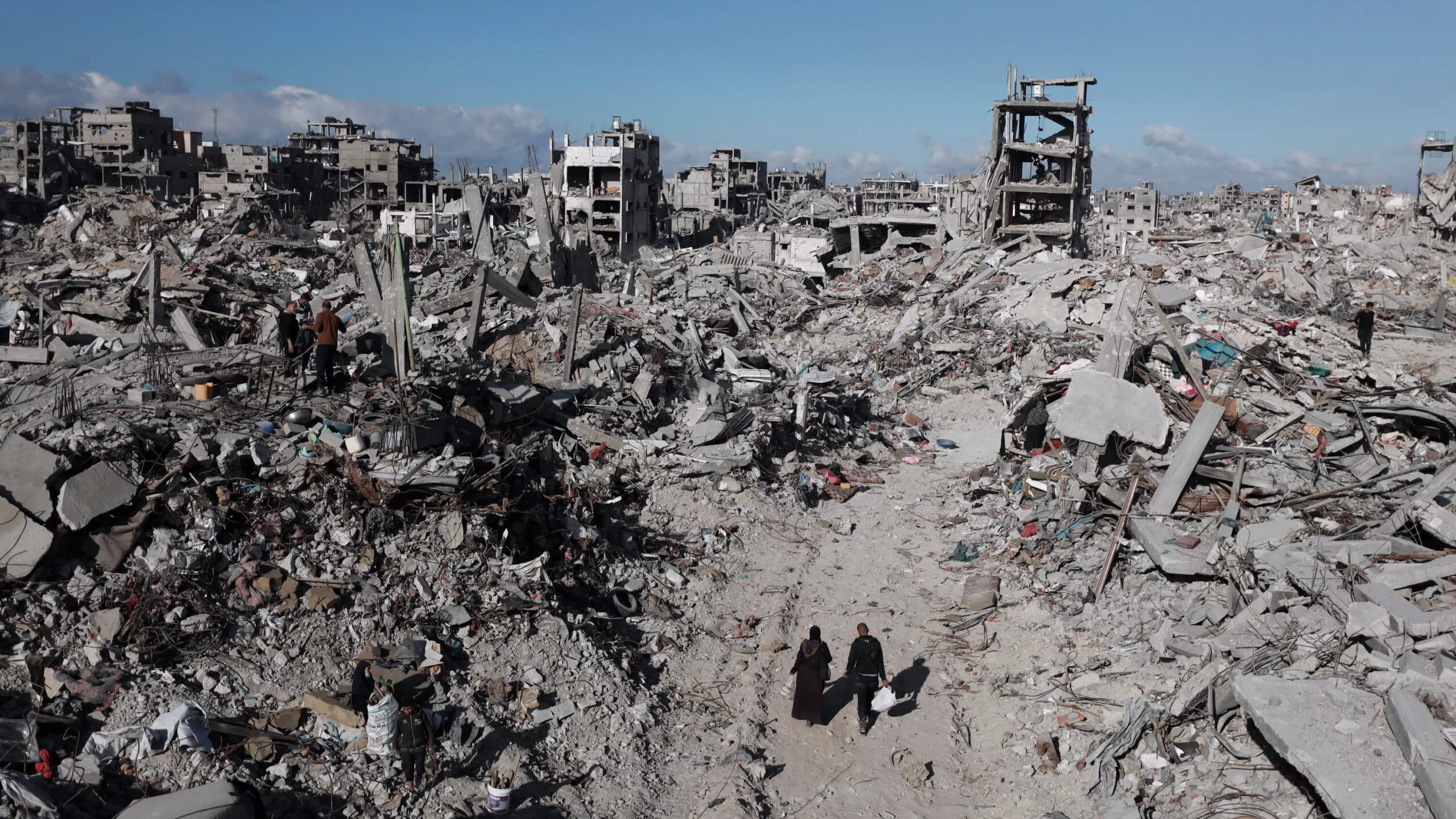
In Gaza, rubble is not merely the aftermath of bombing or a product of Israeli efforts to destroy the present. It is a deliberate colonial structure that persists within civilian time, shaping the daily lives of Palestinians and redefining their relationship with space, time, and the body.

Rubble is not a temporary state between destruction and reconstruction; it is a lived temporality and an intentional political space, continuously reproduced to suspend the future. It compels Palestinians to exist in a reality saturated with ruin, with no clear horizon for rebuilding or reclaiming a sense of normal life.

What appears to be the collapse of physical infrastructure is, in essence, the creation of a new form of spatial colonization. Life in Gaza is managed through destruction a process that transcends mere logistical failure or postwar mismanagement.

It reflects a conscious Israeli policy to keep the strip in a suspended material and temporal state, where life and death coexist in the same scene, and destruction becomes a daily colonial practice of control.

Rubble thus transforms from a wartime remnant to a material instrument of governance, from a marker of death to a new form of life within a shattered landscape. It must be read as a distinct socio-political structure a living archive that both documents and administers death and destruction, while also regulating survival.

It confirms the enduring Israeli grip on Palestinian space and daily life, where bodies are forced to adapt to a devastated environment and live among the ruins.

Violence does not end with the airstrike; it continues through the physical space that becomes a lethal environment impeding movement, disrupting basic services, and posing constant danger. This violence surpasses bodily harm, extending into the very spaces meant to shelter life.

Rubble becomes an active agent in shaping daily existence, reproducing systems of restriction and deprivation, and imposing a new mode of life in cities suspended between reconstruction and destruction.

It thus exerts symbolic domination and functions as a policy in its own right keeping Gaza in a state of perpetual ash and managing Palestinians socioeconomically through their own ruins, imposing constraints on both the present and the future.

In this context, rubble emerges as a central symbol in understanding the relationship between colonial violence and space. It reflects how the political economy of control entangles with civilian temporality and social space, defining Palestinian life within the ruins and perpetuating domination through the very materiality of destruction.

1. Rubble as a Living Colonial Archive

With over 60 million tons of debris, Gaza’s rubble is not merely physical remnants of destruction to be cleared for reconstruction. It constitutes a spatial-temporal archive of colonial control over the population.

Homes, streets, schools, and hospitals along with the interactive systems and collective memory they embody become colonial tools, functioning as daily registers of material and political domination.

The ash is not just a visual residue of ruin, but a symbolic and political apparatus that forces Gazans to coexist within a suspended rhythm of life between ruin and rebuilding, memory and loss, past and future.

Sociologically, rubble represents a living temporal space where power is inscribed. Its influence extends beyond the cessation of hostilities, affecting social organization, relationships, daily routines, and even Palestinians’ perceptions of their future.

The destruction strips architecture not only of its function but also of its socio-cultural meaning, forcing people to redefine their relationship with place.

The ruined environment acts as a coerced archive, documenting death and genocide, while simultaneously serving as a mechanism for the systematic reproduction of colonial domination in the present and future.

By preventing rubble removal through restrictions on equipment and material entry Israel enacts a deliberate political will to perpetuate dominance over Palestinian life, politically, socially, and symbolically.

Destruction becomes a tool for managing Palestinian time, embedding the colonial regime into the very fabric of daily civilian life, even after ceasefires. Life is forced to unfold within the temporal landscape of ruins, where destruction is not a moment of the past but an enduring presence.

Socially, rubble acts as a coercive mechanism for reshaping interactions and relationships under the conditions of devastation. It becomes part of an ongoing archive of control in a space where life and death are deeply intertwined.

This is a collective experience shaped by continued policies of erasure and forced adaptation to survival patterns, reorganizing shelter, displacement, and movement during and after war, all within a public sphere governed by rubble and devoid of civil or political oversight.

In this way, rubble transcends being merely a physical environment it becomes an invisible daily institution that shapes social behavior and collective interactions, stripping residents of their autonomy.

The forced dependency on colonial infrastructure becomes central to daily life. Thus, rubble is not a relic of a finished war it is an enduring colonial structure that continues to manage the present and dictate the future.

2. Rubble as a Tool of Temporal and Civil Death

In Gaza, rubble serves as a complex instrument of domination—an everyday mediator between life and death. It reproduces their governance under what Achille Mbembe terms “necropolitics.” Even after the bombardments stop, the Strip remains a lethal environment.

Israeli control over death continues through its management of post-strike life: the obstruction of rubble removal, the prevention of reconstruction, and the deliberate prolongation of danger through the unresolved presence of explosive remnants.

Rubble becomes a sustained site of violence a conscious colonial policy by Israel where every movement is shadowed by potential death. The presence of 70,000 unexploded ordinances, structurally unsound buildings, toxic materials, and decomposing bodies beneath the rubble transforms Gaza into a geography of slow death extending the moment of killing into a drawn-out temporal and spatial condition. This could be described as a regime of “partial-daily death.”

In this environment, new social dynamics emerge. Palestinians are forced to adapt to a deliberately destabilized and deadly landscape an environment crafted by a war of annihilation.

Social interaction becomes a form of survival, mediated by destruction. Ruin becomes the instrument of control over all aspects of life, obstructing mobility, housing, rehabilitation, and any return to pre-war normalcy. Every element of daily life is tied to the presence and peril of rubble.

Here, even the present becomes a tool of domination, while the future is indefinitely suspended. Rubble is transformed into a mechanism of colonial control over Palestinian lived time. The occupation does not only enact immediate violence; it also captures the horizon of life itself, trapping residents in a suspended temporality caught between death and survival, unable to reclaim a natural rhythm of living.

Thus, rubble functions as a dual-purpose colonial instrument: it reinforces domination while transforming the material landscape into a necropolitical space. It dictates both life and death, restricting social movement and forcing the population to exist in a state of continuous adaptation to destruction.

It becomes a persistent colonial structure that entrenches Israeli dominance after the war, just as during it, reproducing both material and symbolic violence in every aspect of daily life.

3. Rubble as a Mechanism for Economic and Civil Time Control

Israel exercises total control over the temporality of rubble deciding when it can be removed, accessed, or used for reconstruction. This is not merely a matter of logistical management; it is the transformation of rubble into a resource that ensures the continuation of economic fragility and coerced dependence on the occupation.

Any form of civil or economic planning is indefinitely postponed, making rubble a political and economic tool that governs the rhythm of daily life and the Palestinian future under permanent precarity, subject to the occupier’s decisions.

This form of control creates three levels of dependency:

  • Daily dependency, where movement and access to resources hinge on the clearance of roads and debris.

  • Economic dependency, where recycling or utilizing rubble for rebuilding requires Israeli approval.

  • Symbolic-political dependency, where time itself becomes a tool of domination, as every delay in rubble removal reinforces colonial authority.

As a result, the civil cycle becomes a theater of power. Destruction becomes the means through which daily life is regulated and held in perpetual limbo. Rubble becomes a deferred economy life is managed through a disabled timeline shaped by military, bureaucratic, and colonial calculations. Time is no longer a neutral dimension but a governing apparatus. Material devastation is not merely the outcome of war; it is a means of controlling the future.

With the accumulation of debris and the indefinite suspension of its removal, rubble institutionalizes waiting and prevents the formation of a future. Delayed reconstruction, limited access, high-risk zones, and a removal process that could take years—all generate a colonial temporality designed to keep Palestinians in permanent suspension. Rubble freezes the present and narrows the future to uncertain, externally dictated possibilities.

In this sense, civilian time itself is colonized. The natural life cycle is disrupted, the economy paralyzed, and the future confined to the realm of the unknown.

This article demonstrates how rubble in Gaza functions as an extended colonial structure that penetrates and reshapes every aspect of daily life. It controls time, space, and possibility, turning each moment into a battleground where destruction is not just a consequence of war but an integral part of the colonial system that persists even after the bombs stop falling.

Rubble is an archive of death and domination, an instrument of necropolitics, and a medium for reproducing forced dependence on the occupation. It carries political and economic value, turning destruction itself into a form of capital for control and population management.

The ruined material becomes a political actor that reinforces symbolic and social domination and transforms devastation into an economy of survival.

From a political economy perspective, rubble produces a deferred economy in which investment and civil organization are paralyzed and wholly subordinated to Israeli conditions. Civil life is stifled by the materiality of destruction, which restricts mobility, limits access, and embeds the control of civilian and economic time within the logic of colonial power.

In essence, Gaza’s rubble represents a comprehensive colonial model for managing society interweaving matter, time, and politics. Its effects endure long after the bombing ceases, rendering destruction a living extension of domination, not a relic of the past.

Download this article as PDF
Share this Article
Facebook Twitter Whatsapp Whatsapp Telegram Email Copy Link
فريق التحرير
By فريق التحرير تقارير يعدها فريق تحرير نون بوست.
Follow:
Previous Article نون بوست Pete Hegseth: The Ideological Architect of America’s Nationalist Right
Next Article نون بوست Ruling from Behind: Foreign Power in the Gulf

Read More

  • U.S. Regime‑Change Policies: Why They Are Destined to Fail U.S. Regime‑Change Policies: Why They Are Destined to Fail
  • The Gulf’s Balancing Act: Iran, Israel, and Hidden Links
  • Iraq–Turkey Oil Export Treaty: Why Did Ankara Cancel It After 52 Years?
  • Syria’s Northeast on Edge: QSD Between Ankara and Damascus
  • Has Europe Changed Its Stance on Israel… or Just Its Language?
part of the design
NoonPost Weekly Newsletter

You May Also Like

U.S. Regime‑Change Policies: Why They Are Destined to Fail

U.S. Regime‑Change Policies: Why They Are Destined to Fail

إسراء سيد Esraa sayed 8 April ,2026
The Gulf’s Balancing Act: Iran, Israel, and Hidden Links

The Gulf’s Balancing Act: Iran, Israel, and Hidden Links

فريق التحرير Noon Post 8 April ,2026
Iraq–Turkey Oil Export Treaty: Why Did Ankara Cancel It After 52 Years?

Iraq–Turkey Oil Export Treaty: Why Did Ankara Cancel It After 52 Years?

فريق التحرير Noon Post 8 April ,2026

روحاني بعد عامين: هل يبدأ المعركة في الداخل؟

فريق التحرير
Noon Post Published 5 September ,2015
Share
نون بوست

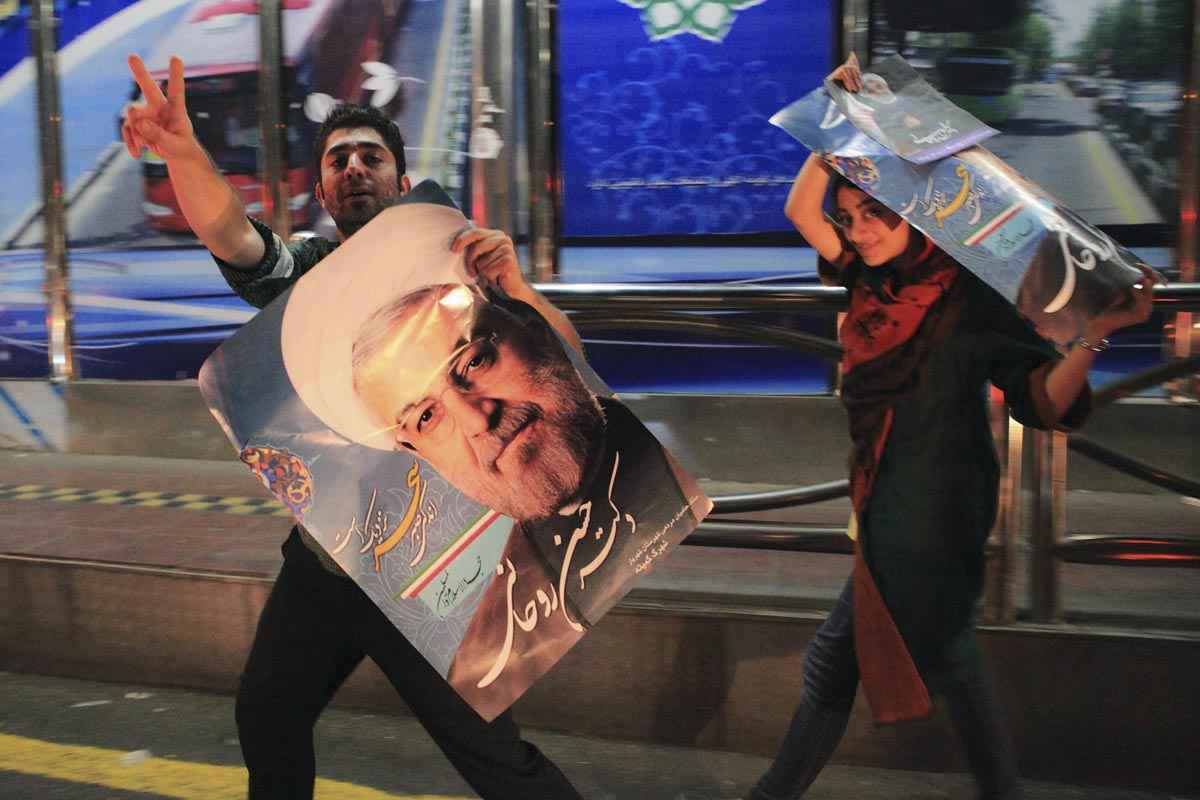
في شارع جمهوري بالعاصمة الإيرانية طهران، يقف عباس مدير محل من فروع شركة سامسونغ في إيران، ويتحدث عن تحسّن الأحوال الاقتصادية كثيرًا عما كانت عليه منذ ثلاثة أعوام، حين قررت الولايات المتحدة مع الاتحاد الأوروبي تشديد العقوبات على إيران، “لقد كنت على حافة الإفلاس، بين عامي 2012 و2014 كانت الأمور سيئة للغاية، وكانت البضائع تُحجَز في الجمارك مقابل رشاوى ضخمة يجب دفعها للحصول عليها، ناهيك عن أن صعود قيمة الدولار وهبوطها يوميًا أفقدت الناس الثقة ودفعتهم لتقليل الاستهلاك حتى أنني في بعض الأشهر لم أبِع سوى ثلاثة تلفزيونات.”

“لو لم يكن هناك إنجاز آخر لروحاني سوى استقرار العُملة الإيرانية لكفى، فهو إنجاز بمثابة نهضة اقتصادية للإيرانيين أعادت ثقتنا بالسوق، وبدأت تدفع الناس للعودة لحياتهم الطبيعية، والآن أنا أتعامل مع زبائن بشكل يومي، لقد تنفسنا الصعداء،” هكذا يقول عباس البالغ من العُمر 42 عامًا، “روحاني رئيس التزم بكلمته، وكل ما علينا الآن انتظار الإفراج عن أموالنا بعد الاتفاق النووي لمشاهدة قفزة في السوق الإيراني، وإن كان لدى روحاني نية للترشح لولاية ثانية فسأنتخبه حتمًا.”

عباس ليس وحده بالطبع المُفعَم بالأمل، فكل أصحاب المصالح الاقتصادية كبارًا وصغارًا يشمرون عن سواعدهم الآن استعدادًا للنهضة الاقتصادية القادمة بموجب الاتفاق النووي، وكذلك الإيرانيين الراغبين في معظمهم في استكمال انفتاح بلادهم على أوروبا، بيد أن تلك الصورة الوردية تختلف قليلًا بالنظر لتفاصيل الوضع الاقتصادي والمالي على الأرض، والتي لا تشي بأن تلك القفزة ستحدث في سنوات قليلة، وأحد أبرز تلك الأسباب بالطبع هي التحولات الجارية في عالم النفط وهبوط أسعاره بشكل كبير، مما دفع البرلمان الإيراني لتأجيل اعتماد الموازنة مرات عدة خلال هذا العام، والاعتماد على نصف الميزانيات السابقة في تسيير أعمال الحكومة.

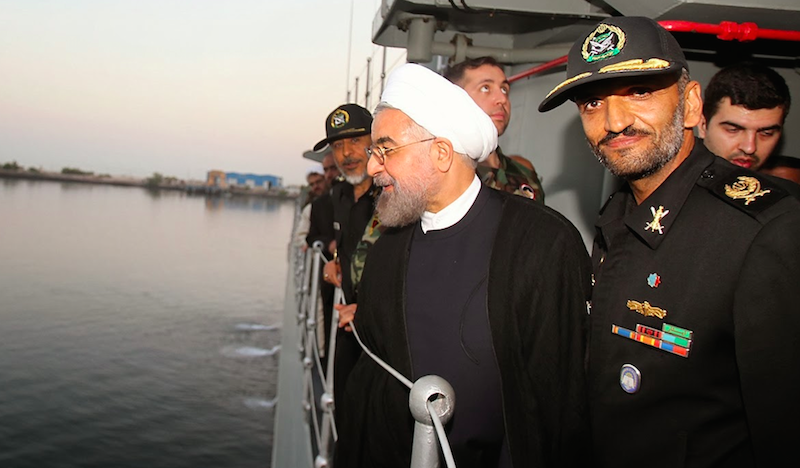
إن كان تحدي هبوط أسعار النفط مسألة خرجت عن أيدي طهران، وستضطر للتعامل معها خلال العقود المقبلة نظرًا لكون هبوط الأسعار سمة ستدوم لفترة أطول نتيجة تحولات دائمة تحدث وستظل تحدث في سوق النفط، فإن التحدي الثاني والمهم أيضًا، وهو كبح الشركات والمؤسسات شبه الرسمية، وأبرزها كل ما هو تابع للحرس الثوري، يُعَد المعركة الرئيسية التي سيواجهها روحاني لتحقيق الإنجازات الاقتصادية التي وعد بها، وهو ما بدأت تظهر بوادره بتوتر حدث مؤخرًا بين الرئيس والحرس الثوري.

روحاني والمعركة القادمة

نون بوست

“تحذيرات روحاني الانتخابية،” بهذا العنوان الرئيسي طُبعَت إحدى الصُحُف، حاملة صورة روحاني بدون ابتسامته المعتادة، في إشارة إلى الانتقادات التي وجهها مؤخرًا للحرس الثوري الذي يقوم بالإشراف على كل مرشحي البرلمان وتحديد أهليتهم لخوض الانتخابات من عدمها، وهي انتخابات ستجري عام 2016 لتنتخب البرلمان الذي سيرسم ملامح السياسة والاقتصاد في إيران ما بعد اتفاق فيينا، بالإضافة لانتخابات مجلس الخبراء الذي سيقرر على الأرجح هو الآخر خليفة خامنئي في موقع المرشد الأعلى.

“مجلس صيانة الدستور هو المشرف وليس المدير، من يدير الانتخابات هو الإدارة المسؤولة عن ذلك وهناك هيئات مختصة بالفعل لضمان عدم وجود خروقات للقانون، مجلس صيانة الدستور مجرد عين على الانتخابات، والعين لا يمكنها أن تحل محل اليدَين،” هكذا صرح روحاني بخصوص سلطات المجلس المعيّن بالكامل، بستة أعضاء من الفقهاء يعيّنهم المرشد الأعلى وستة من القانونيين يعيّنهم رئيس السلطة القضائية الذي يعينه أيضًا المرشد، وهو مجلس يُعرَف بعلاقاته الوطيدة بالحرس الثوري وتعزيز نفوذه.

ردًا على روحاني وبدون ذكره بالاسم، صرّح محمد جعفري، قائد الحرس الثوري، بأن “هذا الخطاب يُضعِف واحدة من أهم أركان الثورة الإسلامية ويدمر الوحدة الوطنية،” طالبًا من كل المسؤولين بالجمهورية ألا يثيروا اللغط حول مبادئ وقيم الثورة تماشيًا مع رغبات “الشيطان الأكبر،” وهو الولايات المتحدة كما تظل في خطاب الكثير من المحافظين، وعلى الرُغم من الابتسامات التي أطلقها وزير الخارجية محمد جواد ظريف مع نظيره الأمريكي جون كيري أثناء توقيع الاتفاق النووي.

التوتر حيال الانتخابات يعود لعدم وجود ثقة بإدارة انتخابات نزيهة، لا سيما بالنظر لأن النظام تلاعب بالفعل حين كان ذلك في صالحه كما جرى عام 2009 مع أحمدي نجاد، وإن كان البعض يقول بأن انتخاب روحاني يشير إلى تحسن أداء الدولة في التعامل مع رغبات الإيرانيين، فإن هناك من يخشى أن يكون ذلك مجرد استثناء نظرًا لحاجة النظام الإيراني آنذاك إلى صوت إصلاحي هادئ، أما الآن وقد بدأت ملحمة إعادة رسم الاقتصاد بعد الاتفاق النووي، فإن هناك معركة ستجري على الأرجح بين الإصلاحيين والمحافظين لرسم ملامح “النهضة” القادمة، والتي ستؤثر بالتبعية على المدى البعيد على طبيعة السياسة والدولة.

مقارنة بثلاثة مليارات دولار فقط جذبتها إيران خلال الرُبع الأول من العام الحالي، تطمح طهران إلى رفع ذلك الرقم ليتجاوز مائة وخمسين مليار دولار، خاصة في قطاع النفط والغاز، وهو ما يعني حاجة الإدارة الإصلاحية الحالية لتوفير المناخ المناسب للاستثمارات الأجنبية، والغربية تحديدًا، وبالتبعية كبح مصالح الحرس الثوري صاحب المصالح الاقتصادية الواسعة والراسخة في مجالات النفط والزراعة والنقل والتعدين والبناء وغيرها، والتي وصلت لحوالي عشرة آلاف مشروع بين عامي 2006 و2013 (المصدر).

نون بوست

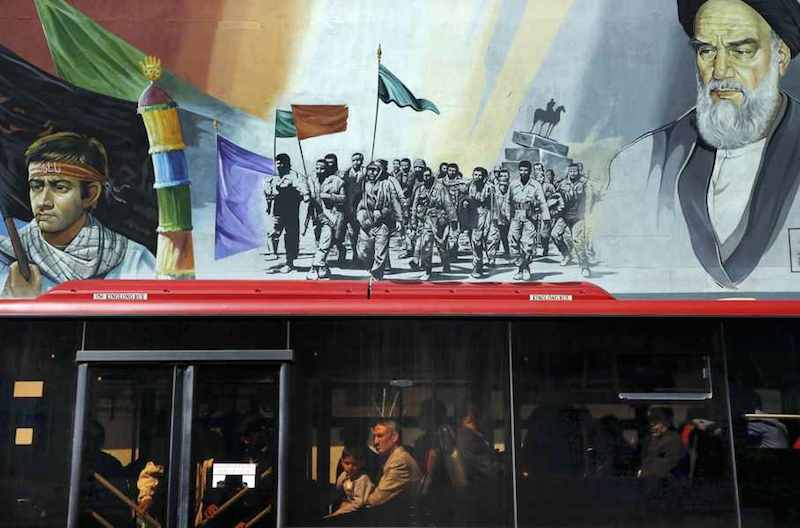
لافتة كبيرة لصورة الخميني مع أعضاء الباسيج في إحدى شوارع طهران بينما تمر إحدى الحافلات

تباعًا، لن يكون الحرس الثوري راغبًا في تدفق واسع للاستثمارات والتي ستتمكن بالطبع من منافسته بقوة وطرح منتجات بجودات أعلى، كما يحدث عادة عندما يشهد اقتصاد مُغلق انفتاحًا على الأسواق الغربية، وهي مهمة لن تكون صعبة إذ يمكن وضع عراقيل بيروقراطية كثيرة أمام الاستثمارات الأوروبية والأمريكية، والبيروقراطية هي أحد أبرز أسباب عزوف الاستثمارات عن دخول أسواق الدول الأوتوقراطية كما هو معروف، علاوة على حُجَج الأمن القومي التي سيتذرع بها الحرس في مجالات كالاتصالات والتكنولوجيا والنفط والغاز.

معركة كتلك لن تنتهي بالطبع بإقصاء طرف للآخر بالكامل، ولكن بالتوصل لصيغة بين الإصلاحيين، المتوقع فوزهم في الانتخابات البرلمانية، والحرس الثوري، وهي صيغة ستتضمن أي القطاعات يتم فتحها للاستثمار وأيها يظل بعيدًا عن أيدي الشركات الغربية، وستكون رغبة الحرس الثوري أن يتدفق الاستثمار بعيدًا عن المجالات الثقيلة والحساسة، في حين ستدفع إدارة روحاني ربما إلى وجود الاستثمار في بعضٍ منها نظرًا لحاجتها للتطوير والاستفادة من الخبرات الغربية.

علاوة على معركة الاقتصاد، ستكون هناك معركة سياسية سيحاول بها روحاني كسب قلوب المزيد من الشباب والمنتمين للطبقة الوسطى، وهي الحد من سلطان الشرطة وقوات الباسيج المهيمن على الحياة العامة، والذي يتدخل أحيانًا فيما ترتديه النساء، وفي التصرفات الجارية بينهن وبين الشباب في المجال العام، وهي معركة بدأت تظهر هي الأخرى إثر صدور تصريحات من منتمين للباسيج برفض الاتفاق النووي باعتباره خضوعًا للغرب، وإعلان منظمة طلاب الباسيج تحفّظها على بعض بنود الاتفاق.

الباسيج تحديدًا لا يخضع سوى لأوامر المرشد الأعلى، والذي يظل موقفه مبهمًا حتى الآن، فهو مؤيد للاتفاق النووي ولكن لا يزال يحتفظ بلهجته الحادة المعادية للغرب والتي يعتبرها أعداء الاتفاق النووي في الغرب دليلًا على خداع الموقف الإيراني، كما أنه يستمر في دعم مراكز القوى المحافظة داخل الدولة وإن سمح للحكومة والرئيس بانتهاج طريق مختلف، كما يشي بذلك استمرار حبس المعارضين للجمهورية الإسلامية والصحافيين وقوانين التحكّم بالإنترنت، وهي معادلة يرى البعض أنها محاولة منه لاحتواء المحافظين من ناحية في مقابل تحقيق مكتسبات الانفتاح عن طريق الرئيس، بينما يرى البعض أنها ليست سوى جني لثمار الاتفاق النووي على المدى القصير حالما يستريح المحافظون ويعودون من جديد بعد روحاني.

نون بوست

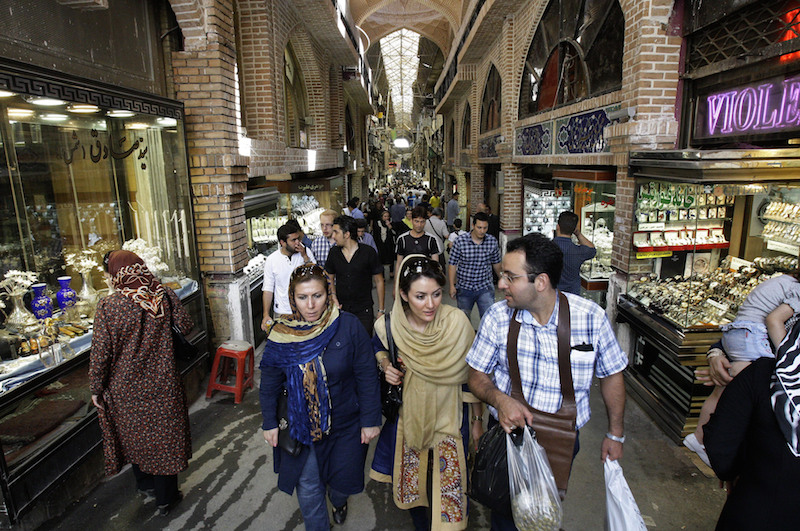
“أنا أحب روحاني، ونجاحه في الاتفاق النووي يثبت أنه يبذل جهودًا حقيقية، ولكن الاقتصاد والأمن القومي ليسا كل شيء، فكوني امرأة متعلمة يعني أنني أمتلك حقوقًا من المفترض أن يدافع عنها، كما أنه يجب أن يمنع الشرطة وقوات الباسيج من حرية فعل ما شاءوا بالشوارع تجاه الناس،” هكذا تقول ماريان ذات الأربعين عامًا، “أنا أتعرّض لضغط الشرطة بخصوص طريقة حجابي منذ كان عمري ستة عشر عامًا، وتم احتجازي في شاحنات الشرطة ثلاث مرات هذا العام فقط، وقد انتخبت روحاني ليس فقط لتحسين الاقتصاد ولكن لكبح هؤلاء الحمقى، فهو ليس منوطًا بأن يأخذنا للجنة فقط، ولكنه يجب أن ينتشلنا من الجحيم أيضًا.”

TAGGED: الاتفاق النووي الإيراني ، الاقتصاد الإيراني ، الثورة الإيرانية ، الجمهورية الإسلامية ، الحرس الثوري
Download this article as PDF
Share this Article
Facebook Twitter Whatsapp Whatsapp Telegram Email Copy Link
فريق التحرير
By فريق التحرير تقارير يعدها فريق تحرير نون بوست.
Follow:
Next Article نون بوست The Stigma of “ISIS”: A Heavy Legacy Haunting Women and Children of Former Members

Read More

  • U.S. Regime‑Change Policies: Why They Are Destined to Fail U.S. Regime‑Change Policies: Why They Are Destined to Fail
  • The Gulf’s Balancing Act: Iran, Israel, and Hidden Links
  • Iraq–Turkey Oil Export Treaty: Why Did Ankara Cancel It After 52 Years?
  • Syria’s Northeast on Edge: QSD Between Ankara and Damascus
  • Has Europe Changed Its Stance on Israel… or Just Its Language?
part of the design
NoonPost Weekly Newsletter

You May Also Like

U.S. Regime‑Change Policies: Why They Are Destined to Fail

U.S. Regime‑Change Policies: Why They Are Destined to Fail

إسراء سيد Esraa sayed 8 April ,2026
The Gulf’s Balancing Act: Iran, Israel, and Hidden Links

The Gulf’s Balancing Act: Iran, Israel, and Hidden Links

فريق التحرير Noon Post 8 April ,2026
Iraq–Turkey Oil Export Treaty: Why Did Ankara Cancel It After 52 Years?

Iraq–Turkey Oil Export Treaty: Why Did Ankara Cancel It After 52 Years?

فريق التحرير Noon Post 8 April ,2026
dark

An independent media platform founded in 2013, rooted in slow journalism, producing in-depth reports, analysis, and multimedia content to offer deeper perspectives on the news, led by a diverse young team from several Arab countries.

  • Politics
  • Society
  • Rights & Liberties
  • Opinions
  • History
  • Sports
  • Education
  • Technology
  • Economy
  • Media
  • Arts & Literature
  • Entrepreneurship
  • Travel
  • Cinema & Drama
  • Food
  • Health
  • Culture
  • Latest Reports
  • Files
  • Long Reads
  • Interviews
  • Podcast
  • Interactive
  • Encyclopedia
  • In Pictures
  • About Us
  • Our Writers
  • Write for Us
  • Editorial Policy
  • Advanced Search
Some rights reserved under a Creative Commons license

Removed from favorites

Undo
Go to mobile version