NoonPost NoonPost

NoonPost

  • Home
  • Politics
  • Economy
  • Society
  • Culture
  • Files
  • Long Reads
  • Podcast
AR
Notification Show More
نون بوست
“There Are Nights I Can’t Close My Eyes”: How Gazans Are Living in Homes on the Brink of Collapse
نون بوست
From al-Jolani to Ahmad al-Shara: The Evolution of Syria’s New Leader
نون بوست
When Political Islam Receded in Egypt: Who Filled the Void?
نون بوست
An Extension of Genocide: Gaza’s Detainees Speak Out
نون بوست
A Tightrope Between Survival and Sovereignty: The Syrian Government Faces Normalization Pressures
نون بوست
American Aircraft Carriers: Has the Era of “100,000 Tons of Diplomacy” Ended?
نون بوست
U.S. Regime‑Change Policies: Why They Are Destined to Fail
نون بوست
Transformations of Israeli Judaism: Between the Victim Complex and the Colonizer’s Doctrine
نون بوست
The Gulf’s Balancing Act: Iran, Israel, and Hidden Links
نون بوست
Iraq–Turkey Oil Export Treaty: Why Did Ankara Cancel It After 52 Years?
نون بوست
Syria’s Northeast on Edge: QSD Between Ankara and Damascus
نون بوست
Has Europe Changed Its Stance on Israel… or Just Its Language?
NoonPost NoonPost
AR
Notification Show More
نون بوست
“There Are Nights I Can’t Close My Eyes”: How Gazans Are Living in Homes on the Brink of Collapse
نون بوست
From al-Jolani to Ahmad al-Shara: The Evolution of Syria’s New Leader
نون بوست
When Political Islam Receded in Egypt: Who Filled the Void?
نون بوست
An Extension of Genocide: Gaza’s Detainees Speak Out
نون بوست
A Tightrope Between Survival and Sovereignty: The Syrian Government Faces Normalization Pressures
نون بوست
American Aircraft Carriers: Has the Era of “100,000 Tons of Diplomacy” Ended?
نون بوست
U.S. Regime‑Change Policies: Why They Are Destined to Fail
نون بوست
Transformations of Israeli Judaism: Between the Victim Complex and the Colonizer’s Doctrine
نون بوست
The Gulf’s Balancing Act: Iran, Israel, and Hidden Links
نون بوست
Iraq–Turkey Oil Export Treaty: Why Did Ankara Cancel It After 52 Years?
نون بوست
Syria’s Northeast on Edge: QSD Between Ankara and Damascus
نون بوست
Has Europe Changed Its Stance on Israel… or Just Its Language?
Follow US

Ruling from Behind: Foreign Power in the Gulf

سجود عوايص
Sujoud Awais Published 26 March ,2026
Share
نون بوست
نون بوست

British Prime Minister Winston Churchill once famously said, “If Britain ruled a country for a hundred years, its policies would continue to rule it for two hundred more after withdrawal.” This quote encapsulates a deeper pattern of colonialism and dominance, shedding light on the forms of inherited imperialism that followed World War II.

Though the United States emerged as the new global power and heir to Britain’s colonial legacy, this did not mark a complete end to British influence especially its cultural and administrative presence in former colonies.

This dynamic is particularly evident in the Arabian Gulf, a region historically referred to by multiple names ”The Gulf of Basra,” “The Persian Gulf,” “The Eastern Gulf,” and “East of Suez” each term reflecting a different mode of colonial dominance.

With the sun setting on the British Empire in the mid-20th century, especially in the Indian subcontinent, Britain pivoted from direct rule to a more subtle form of control through protectorates, spheres of influence, and advisory missions.

This form of indirect rule came to define the emergence of the modern Gulf states Yemen, Oman, the UAE, Qatar, Bahrain, Kuwait, and Iraq. British involvement extended beyond mere partition and fragmentation; it influenced judicial systems, police and security apparatuses, educational curricula, and the control of natural resources such as oil and pearls.

To implement Churchill’s long-term vision of influence without direct occupation, Britain employed a strategy of “rule from behind,” relying on local rulers while embedding British advisors within royal courts.

These advisors quietly shaped state institutions, policies, and the political direction of Gulf monarchies without the overt presence of colonial governors. This low-cost approach secured British interests while avoiding the political fallout of formal colonialism.

This report deconstructs this enduring power structure by examining the Gulf as a case study of informal guardianship and advisory rule. It delves into the roles of British advisors such as Charles Belgrave in Bahrain, Hugh Boustead and William Luce in the Trucial States (now the UAE), and figures like Timothy Landon in Oman. These individuals did more than advise; they effectively governed from the shadows.

The report explores how these figures shaped rentier economies and created long-standing dependencies on external actors not only in security and foreign policy but also in economic and administrative management.

It also documents the evolution from direct colonialism to the rise of global consulting firms entities now tasked with managing Gulf states’ economic transitions under the guise of international expertise.

[The full article continues across multiple sections highlighting detailed historical accounts of Charles Belgrave’s sweeping authority in Bahrain, Ian Henderson’s security reign and practices of torture, William Luce’s orchestration of regional influence, and Timothy Landon’s role in Oman’s palace coup.]

These case studies illustrate how British influence morphed from overt control to institutional embedding, evolving over time into the contemporary era of “soft guardianship” a form of structural dependency facilitated by multinational consultancy firms and defense alliances.

Despite formal independence in 1971, the legacy of colonial structures continues to shape governance, economic planning, and security strategies across the Gulf.

Today, states like the UAE, Qatar, and Saudi Arabia rely heavily on firms like McKinsey & Company, Boston Consulting Group, and PwC to structure economic diversification, public sector reform, and strategic planning. These firms have effectively replaced imperial advisors, operating behind the scenes while asserting significant influence on policy directions.

In essence, the Gulf’s experience underscores that guardianship did not end with the departure of colonial administrators. Instead, it was rebranded continuing through security agreements, economic advisory roles, and administrative partnerships. Western powers secure the region’s borders, while consulting firms engineer its domestic transformation.

It is colonialism without colonies: a mutually dependent structure where external actors wield internal control under the banner of modernization and stability.

Download this article as PDF
Share this Article
Facebook Twitter Whatsapp Whatsapp Telegram Email Copy Link
سجود عوايص
By سجود عوايص باحثة في قضايا الإعلام الفلسطيني والقانون الدولي الإنساني.
Follow:
Previous Article نون بوست Rubble as Rule: Gaza’s Colonized Time and Space
Next Article نون بوست Egypt’s Fragile Economy: Are External Crises a Convenient Scapegoat for Government Failures?

Read More

  • U.S. Regime‑Change Policies: Why They Are Destined to Fail U.S. Regime‑Change Policies: Why They Are Destined to Fail
  • The Gulf’s Balancing Act: Iran, Israel, and Hidden Links
  • Iraq–Turkey Oil Export Treaty: Why Did Ankara Cancel It After 52 Years?
  • Syria’s Northeast on Edge: QSD Between Ankara and Damascus
  • Has Europe Changed Its Stance on Israel… or Just Its Language?
part of the design
NoonPost Weekly Newsletter

You May Also Like

U.S. Regime‑Change Policies: Why They Are Destined to Fail

U.S. Regime‑Change Policies: Why They Are Destined to Fail

إسراء سيد Esraa sayed 8 April ,2026
The Gulf’s Balancing Act: Iran, Israel, and Hidden Links

The Gulf’s Balancing Act: Iran, Israel, and Hidden Links

فريق التحرير Noon Post 8 April ,2026
Iraq–Turkey Oil Export Treaty: Why Did Ankara Cancel It After 52 Years?

Iraq–Turkey Oil Export Treaty: Why Did Ankara Cancel It After 52 Years?

فريق التحرير Noon Post 8 April ,2026

ماذا يحمل اجتماع الدوحة للمكون السني العراقي؟

فريق التحرير
Noon Post Published 5 September ,2015
Share
441_3

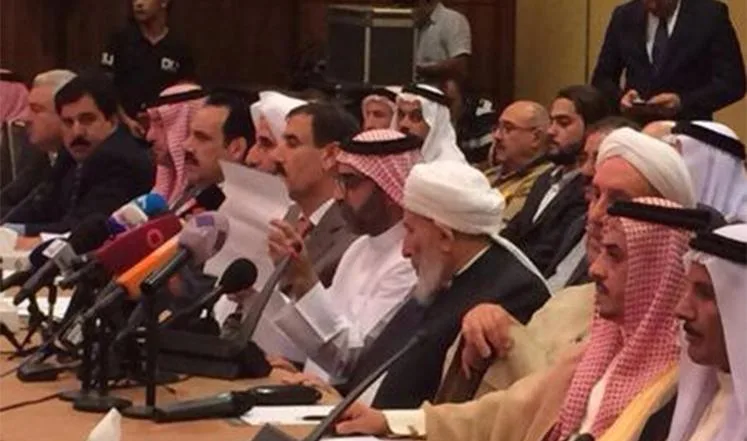
أعلنت دولة قطرمبادرة لإطلاق حوار وطني بين كافة المكونات السياسية العراقية في العاصمة القطرية الدوحة، وذلك بمباركة خليجية وفي انتظار رعاية الأمم المتحدة وأطراف دولية، كانت أولى الخطوات القطرية في هذا الصدد إقامة مؤتمر تحت ذريعة بحث المستجدات التي طرأت على الساحة العراقية ومناقشة الأوضاع السياسية وملف المصالحة الوطنية.

كان على رأس المدعوين إلى الدوحة القوى المعارضة العراقية السنية، في محاولة رأها البعض إجراءًا تعويضيًا من جانب القوى الخليجية التي أهملت القوى السنية العراقية التي أنهكت في السنوات الماضية، وتُركت فريسة للتوغل الإيراني الشيعي في العراق.

حضر الاجتماع شخصيات قيادية سنية متباينة الآراء دعتها الحكومة القطرية لمحاولة رأب الصدع بينها من أبرزها خميس الخنجر، والشيخ علي حاتم السليمان، والدكتور رافع العيساوي، الشيخ أحمد أبو ريشة، والنائب أحمد الساري، والشيخ رافع الرفاعي، وأيضًا قادة فصائل الجيش الإسلامي والطريقة النقشبندية وجيش المجاهدين،  وقد أكدت المصادر ترحيب بعض نواب تحالف القوى العراقية، رغم أن قادة تحالف القوى لم يحضروا الاجتماع ولكن لم يُبدوا أية ممانعة في أمر عقده.

الغاية القطرية من الاجتماع تمثل رغبة خليجية عامة بقيادة السعودية التي تركت ملف توحيد الجهد السني في العراق إلى جارتها قطر، ولن يكون لهذا الاجتماع الأول النتائج المتوخاه من انعقاده بسبب تصاعد الخلافات الشخصية بين المدعوين على صعيد المصالح والرؤى للواقع السني.

تضاربت المواقف من هذا الاجتماع الذي أكد البعض أنه بعلم الحكومة العراقية الحالية، حيث طرحت المبادرة إبان زيارة وزير خارجية قطر إلى العراق، الذي دعا القوى السياسية العراقية المشاركة في العملية السياسية والمعارضة لها، وذلك لعقد اجتماع برعاية قطرية في العاصمة الدوحة للاستفادة من كل الطاقات العراقية.

سليم الجبوري رئيس مجلس النواب العراقي، تلقى دعوة للمشاركة في الاجتماع ولكنه لم يتخذ قرارًا في المشاركة من عدمها حين تلقى الدعوة، ولكن الجبوري قطع الشك باليقين وتأكد حضوره في الاجتماع الذي عُقد الأربعاء الماضي، مثل الحضور ثلاثة مكونات سياسية عراقية، هي الجيش الإسلامي، وأعضاء في حزب البعث العراقي، وأعضاء مشاركين في العملية السياسية في مقدمتهم الجبوري.

سادت أجواء من التعتيم الإعلامي على هذا اللقاء حيث اكتفت المصادر الرسمية بتحديد هدف اللقاء وهو إيجاد “مكون سني” يدعو إلى مؤتمر مصالحة وطنية، تحت مظلة الأمم المتحدة، وبرعاية خليجية، دون مزيدٍ من التفاصيل حول اللقاء وأجندته.

وعن الجانب القطري فقد أكدت المصادر الدبلوماسية القطرية أن هذه المشاورات التي تجري تمت بعلم الحكومة العراقية ودعمها، وقد أكد ذلك الأمر أنباء عن مشاركة وزير الدفاع العراقي، خالد العبيدي، لكنه اعتذر عن المشاركة في اللحظات الأخيرة لما أسماه الظروف الطارئة، وهو الأمر الذي يعني علم رئيس الحكومة العراقية، حيدر العبادي، بكامل تفاصيل المبادرة القطرية التي جرى طرحها أثناء زيارة الوزير القطري خالد العطية لبغداد في مايو الماضي.

من جانبها أكدت مصادر من داخل الحكومة العراقية كلام مغاير لما يذكره الجانب القطري، حيث تقول الأنباء الواردة من مكتب رئيس الوزراء العراقي حيدر العبادي بأن مؤتمر الدوحة تم من دون التنسيق مع حكومته، مؤكدًا رفضه القاطع للمؤتمر، كما أفاد مكتب رئيس الوزراء العراقي أنه قام بإبلاغ رئيس البرلمان العراقي سليم الجبوري هو والأطراف السياسية العراقية بعدم المشاركة فيه، مضيفًا أن الحكومة القطرية قد عقدت المؤتمر من دون التنسيق التفصيلي المسبق مع حكومة العراق.

تصريحات الحكومة العراقية هذه تنم عن وجود ضغط إيراني لعدم إخراج ملف المصالحة الوطنية خارج حدود العراق ليبقى تحت سيطرة النفوذ الإيراني، حيث أكد حيدر العبادي ذلك في تصريحاته أن حكومته تسعى إلى المضي قدمًا في ملف المصالحة الوطنية بين كافة الأطياف العراقية لتخطي المرحلة الراهنة، وهو ما يعني رفض المؤتمرات الخارجية بهذه الصورة.

المكون السياسي الشيعي في العراق بالطبع معارض لمثل هذا المؤتمر؛ إذ تؤكد هذه القوى أن المؤتمرالرئيسي المزمع عقده في الدوحة مجرد استمرار لساحات الاعتصام في محافظة الأنبار، كما طالب البعض  رئيس البرلمان العراقي بتشكيل لجنة نيابية للتحقق بشأن تلقي بعض القوى السياسية دعمًا ماليًا من دول وصفت بأنها معادية للعراق في الإشارة للدول الخليجية التي تدعم القوى السنية العراقية، معتبرين أن مثل هذه المؤتمرات هي نواة لتمزيق العراق.

كما اتهمت الشخصيات المشاركة في المؤتمر بأن من بينها ممولين للإرهاب وداعمين له، كما اتهموا المشاركين فيه أيضًا بالطائفية بسبب مشاركة وجوه تصدرت ساحات الاعتصام السنية التي رأها الساسة الشيعة بأنها ترفع شعارات طائفية.

هذه الاتهامات هي انعكاس لرغبة إيرانية  في عدم توحيد الصف السني داخل العراق من خلال الخليج، فالمواجهة الآن تتحول إلى لبنان جديدة بين إيران والخليج، حيث تدعم إيران المكون السياسي الشيعي، في المقابل ستمول السعودية وقطر المكون السني السياسي داخل العراق، وهو الأمر الذي يُهدد بتراجع النفوذ الإيراني داخل العراق.

المهمة الموكلة لقطر شديدة التعقيد بسبب الخلافات بين المكونات السنية وبعضها البعض، لكن السعودية وقطر قد وضعت أمر ضرورة إيجاد نفوذ خليجي مقابل للنفوذ الإيراني أولوية كبرى تستحق هذا العناء، فيما لا تُعارض الولايات المتحدة معادلة النفوذ الإيراني في العراق وهي التي سعت له بالأساس منذ فترة بإنشاء فروع عسكرية سنية مدعومة من الولايات المتحدة وهو الأمر الذي رفضته إيران على لسان الحكومة العراقية.

في الحين الذي يتم مهاجمة المؤتمر فيه والدعوة القطرية ككل تحت دعاوى أن هذا المؤتمر هو نواة تكوين الإقليم السني في العراق برعاية خليجية أمريكية، كما تتبنى القوى المعارضة للمؤتمر وجهة نظر تقول أن الخلافات في العملية السياسية هي شأن داخلي عراقي يُعاد تقييمها من خلال مناقشة جميع الأطراف وموافقتها على أن يكون الحل عراقيًا دون تدخل لأي دولة، مؤكدين أن المصالحة الوطنية الحقيقية تتطلب عقد مؤتمر موسع داخل العراق وليس خارجه.

ولكن يبدو أن الدول الخليجية بقيادة السعودية مصممة على هذه المواجهة مع إيران على أرض العراق، إذا ما نجحت في إزالة الخلافات السنية- السنية، مما يُعتبر فتح جبهة جديدة مع إيران بخلاف المواجهة في اليمن وسوريا.

فيما تهدد قوى سياسية مدعومة إيرانيًا داخل العراق بالتصعيد ضد كافة من حضروا ذلك المؤتمر، وذلك بالتلويح بجمع توقيعات من النواب البرلمانيين؛ تمهيدًا لإقالة رئيس مجلس النواب العراقي سليم الجبوري بسبب زيارته لدولة قطر، متهمينه بأن الإملاءات الخارجية كانت أقوى منه والتوجيهات التي وصلت إليه من الخارج بضرورة سفره كانت توجيهات صارمة لا تقبل النقاش، بحسب تعبير بعض نواب ائتلاف دولة القانون المعارضين لهذا الاجتماع.

هذا الاجتماع  وتباعاته من شأنه إعلان تواجد نفوذ خليجي في العراق سيصارع الإيرانيين بعد أن تُركت الساحة فارغة لهم الفترات الماضية، وهو ما أدى إلى شعور بالمظلومية لدى المكونات السنية العراقية التي لم تتلقى أي دعم في حراكها الداخلي، حتى استغلت داعش هذا الفراغ وتمكنت من اجتياح العراق.

المؤتمر الذي عُقد بهذه الصورة رغم رفض الحكومة العراقية له يؤكد أن ثمة أهداف خليجية من تبني قطر لرعاية هذا المؤتمر، تلك الأهداف هي السر الذي يكمن وراء اهتمام قادة الدوحة بالإشراف على المؤتمر وحضور جلساته، في وقت يمر فيه العراق بمرحلة مفصلية، لا شك وأن الخليج لن يترك هذه المرحلة تمر دون إعادة الدور الخليجي إلى العراق عن طريق دعم الفصائل السنية في العراق، وقد عبرت قطر عن تمسكها بهذا الجهد بقولها إن الضربات الجوية التي يشنها التحالف في العراق ضد داعش ستظل بلا فائدة في غياب جهد حقيقي من أجل مصالحة وطنية، وربما تعني قطر بالمصالحة الوطنية إشراك المكون السني بفعالية في القتال ضد داعش.

في حين يرى المكون السني أن الإصلاحات التي يقوم بها العبادي مؤخرًا ليست كافية، مشيرين أنها غير جذرية وإنما كانت شكلية فقط بإلغاء مناصب أو تخفيض بعض أعداد الحمايات وهذه ليست الإصلاحات الجذرية التي يطالب بها الشارع العراقي، كما أن تحقيق المصالحة الوطنية يتطلب خطوات بشكل جاد في مقدمتها التراجع عن القوانين التي أحدثت إجحافًا بالمكون السني، وهو الأمر الذي تعتبره بعض القيادات العشائرية السنية حلم صعب المنال بسبب التدخلات الخارجية التي تقوي ظهر بعض الأطراف النافذة في الحكومة العراقية، وهو الأمر الذي يمكن أن يفسر لجوء بعض المكونات السنية للخليج كداعم في مواجهة ذلك.

TAGGED: الحراك السني في العراق ، الشيعة ، الطائفية ، القوى السنية العراقية ، المصالحة الوطنية
Download this article as PDF
Share this Article
Facebook Twitter Whatsapp Whatsapp Telegram Email Copy Link
فريق التحرير
By فريق التحرير تقارير يعدها فريق تحرير نون بوست.
Follow:
Next Article نون بوست The Stigma of “ISIS”: A Heavy Legacy Haunting Women and Children of Former Members

Read More

  • U.S. Regime‑Change Policies: Why They Are Destined to Fail U.S. Regime‑Change Policies: Why They Are Destined to Fail
  • The Gulf’s Balancing Act: Iran, Israel, and Hidden Links
  • Iraq–Turkey Oil Export Treaty: Why Did Ankara Cancel It After 52 Years?
  • Syria’s Northeast on Edge: QSD Between Ankara and Damascus
  • Has Europe Changed Its Stance on Israel… or Just Its Language?
part of the design
NoonPost Weekly Newsletter

You May Also Like

U.S. Regime‑Change Policies: Why They Are Destined to Fail

U.S. Regime‑Change Policies: Why They Are Destined to Fail

إسراء سيد Esraa sayed 8 April ,2026
The Gulf’s Balancing Act: Iran, Israel, and Hidden Links

The Gulf’s Balancing Act: Iran, Israel, and Hidden Links

فريق التحرير Noon Post 8 April ,2026
Iraq–Turkey Oil Export Treaty: Why Did Ankara Cancel It After 52 Years?

Iraq–Turkey Oil Export Treaty: Why Did Ankara Cancel It After 52 Years?

فريق التحرير Noon Post 8 April ,2026
dark

An independent media platform founded in 2013, rooted in slow journalism, producing in-depth reports, analysis, and multimedia content to offer deeper perspectives on the news, led by a diverse young team from several Arab countries.

  • Politics
  • Society
  • Rights & Liberties
  • Opinions
  • History
  • Sports
  • Education
  • Technology
  • Economy
  • Media
  • Arts & Literature
  • Entrepreneurship
  • Travel
  • Cinema & Drama
  • Food
  • Health
  • Culture
  • Latest Reports
  • Files
  • Long Reads
  • Interviews
  • Podcast
  • Interactive
  • Encyclopedia
  • In Pictures
  • About Us
  • Our Writers
  • Write for Us
  • Editorial Policy
  • Advanced Search
Some rights reserved under a Creative Commons license

Removed from favorites

Undo
Go to mobile version