NoonPost NoonPost

NoonPost

  • Home
  • Politics
  • Economy
  • Society
  • Culture
  • Files
  • Long Reads
  • Podcast
AR
Notification Show More
نون بوست
“There Are Nights I Can’t Close My Eyes”: How Gazans Are Living in Homes on the Brink of Collapse
نون بوست
From al-Jolani to Ahmad al-Shara: The Evolution of Syria’s New Leader
نون بوست
When Political Islam Receded in Egypt: Who Filled the Void?
نون بوست
An Extension of Genocide: Gaza’s Detainees Speak Out
نون بوست
A Tightrope Between Survival and Sovereignty: The Syrian Government Faces Normalization Pressures
نون بوست
American Aircraft Carriers: Has the Era of “100,000 Tons of Diplomacy” Ended?
نون بوست
U.S. Regime‑Change Policies: Why They Are Destined to Fail
نون بوست
Transformations of Israeli Judaism: Between the Victim Complex and the Colonizer’s Doctrine
نون بوست
The Gulf’s Balancing Act: Iran, Israel, and Hidden Links
نون بوست
Iraq–Turkey Oil Export Treaty: Why Did Ankara Cancel It After 52 Years?
نون بوست
Syria’s Northeast on Edge: QSD Between Ankara and Damascus
نون بوست
Has Europe Changed Its Stance on Israel… or Just Its Language?
NoonPost NoonPost
AR
Notification Show More
نون بوست
“There Are Nights I Can’t Close My Eyes”: How Gazans Are Living in Homes on the Brink of Collapse
نون بوست
From al-Jolani to Ahmad al-Shara: The Evolution of Syria’s New Leader
نون بوست
When Political Islam Receded in Egypt: Who Filled the Void?
نون بوست
An Extension of Genocide: Gaza’s Detainees Speak Out
نون بوست
A Tightrope Between Survival and Sovereignty: The Syrian Government Faces Normalization Pressures
نون بوست
American Aircraft Carriers: Has the Era of “100,000 Tons of Diplomacy” Ended?
نون بوست
U.S. Regime‑Change Policies: Why They Are Destined to Fail
نون بوست
Transformations of Israeli Judaism: Between the Victim Complex and the Colonizer’s Doctrine
نون بوست
The Gulf’s Balancing Act: Iran, Israel, and Hidden Links
نون بوست
Iraq–Turkey Oil Export Treaty: Why Did Ankara Cancel It After 52 Years?
نون بوست
Syria’s Northeast on Edge: QSD Between Ankara and Damascus
نون بوست
Has Europe Changed Its Stance on Israel… or Just Its Language?
Follow US

From Administrative Detention to Starvation: What Do Israeli Prisons Under Ben-Gvir Reveal?

فريق التحرير
Noon Post Published 26 March ,2026
Share
نون بوست
نون بوست

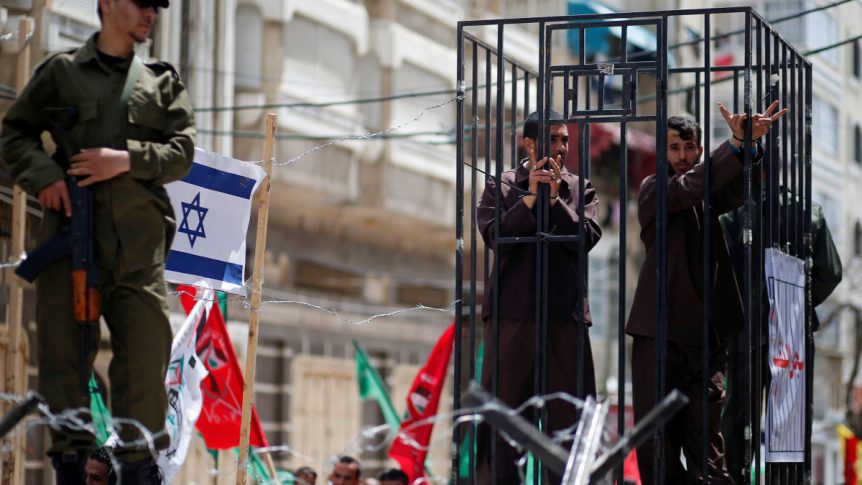
Since Itamar Ben-Gvir assumed the role of Israel’s Minister of National Security in late 2022, the country’s prison system has entered a phase of systematic escalation against Palestinian detainees. This began with the curtailment of basic living conditions, turning fundamental rights into tools of punishment and humiliation.

But following the Al-Aqsa Flood operation on October 7, 2023, the prison system underwent a total transformation. Prisons became arenas of retaliation, marked by intensified violations and entrenched practices of starvation, medical neglect, and torture all under a policy of collective punishment.

Hebrew-language media outlets suggest that Ben-Gvir treats the prison file as a political asset, using harsh rhetoric and punitive measures to bolster his popularity among the Israeli far right. So, what exactly has changed under his tenure?

Key Developments Under Ben-Gvir

1. Arrests and Deaths

  • The estimated number of Palestinian prisoners held in Israeli custody exceeds 10,000, though no official figure exists due to Israel’s refusal to release data.

  • Between October 2023 and November 2025, Israeli forces arrested approximately 21,000 Palestinians across the West Bank and Jerusalem (these include temporary detentions).

  • As of November 2025, there were 3,368 administrative detainees (held without trial) and 1,205 labeled by Israel as “unlawful combatants.”

  • These numbers exclude thousands detained from Gaza and held in military camps, with no information released about their fate.

    نون بوست
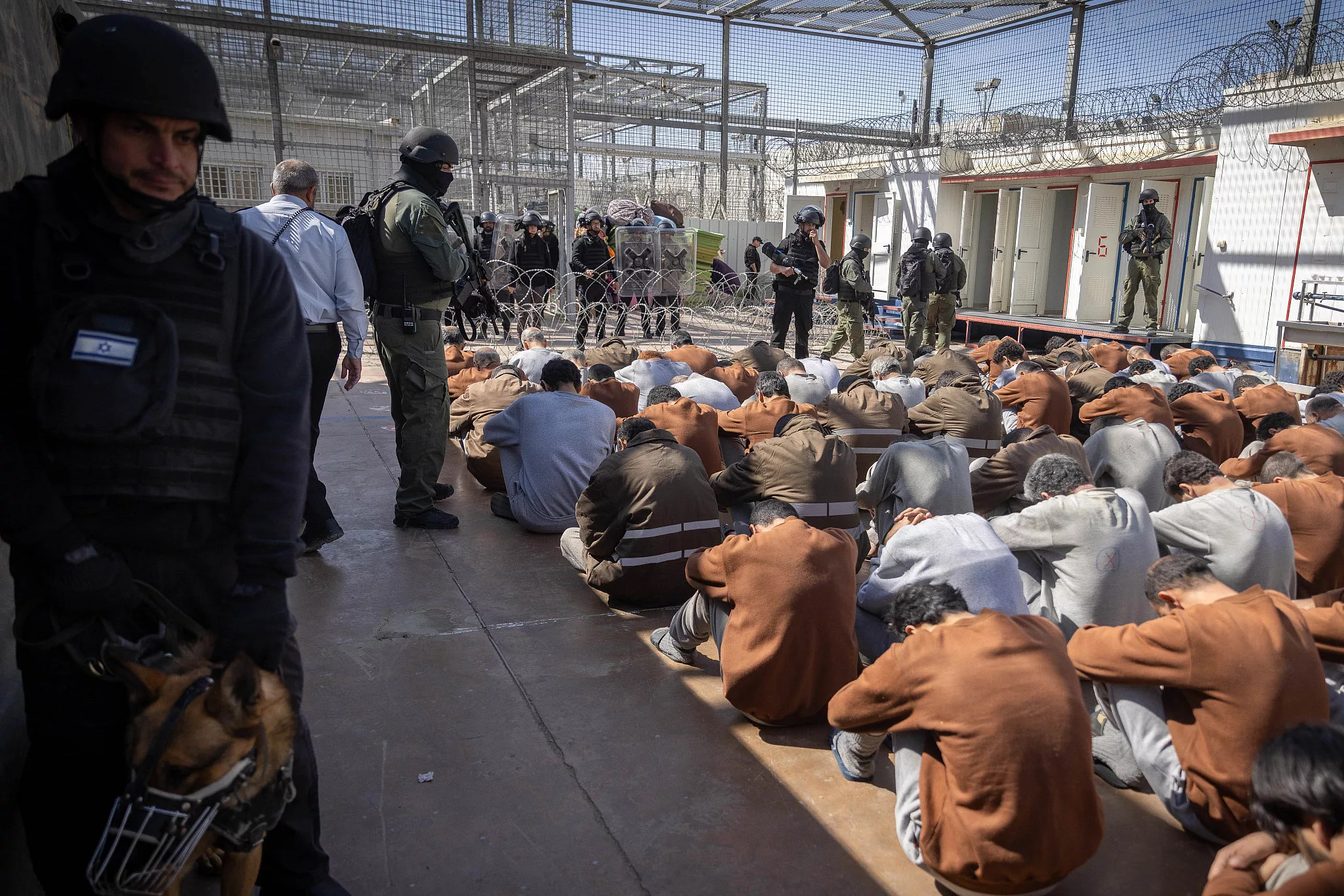
    The surprise inspections are accompanied by beatings, insults, and being forced to stand for hours.
  • 110 Palestinian prisoners have died in custody between January 2023 and June 2025 an average of nearly one death per week, the highest in decades.

  • Deaths were distributed over nearly three years: 32 in 2023, 47 in 2024, and 31 in the first half of 2025.

  • Most of the deceased were transferred to hospitals in critical condition, with Israeli authorities providing no official cause of death.

  • The NGO Physicians for Human Rights – Israel stated that the majority died due to torture, head injuries, internal bleeding, or severe malnutrition.
2. Expansion of Administrative Detention

  • Alongside the spike in arrests, Israel significantly expanded its use of administrative detention—holding thousands without trial under renewable secret orders.

  • Human rights groups estimate that nearly half of the over 10,000 security detainees by the end of 2025 were administrative detainees.

  • These individuals are denied access to the charges against them, with their detention orders renewed every six months.

  • Reports indicate that hundreds of children and minors have been subjected to administrative detention and interrogated without legal representation.

3. Overcrowding and Conditions of Confinement

  • In December 2023, Knesset Internal Security Committee Chair Zvika Fogel warned that the prison system was “on the verge of losing control” due to overcrowding.

  • Israel’s official prison capacity stands at 14,500 beds, yet over 21,000 individuals were held by June 2025.

  • Data shows that 84% of security prisoners are crammed into cells offering less than three square meters per person.

  • More than 3,000 detainees sleep on mattresses on the floor due to a shortage of beds.

  • In response, the Knesset passed legislation allowing a “state of emergency in prisons,” temporarily lifting legal restrictions to create more space.

4. Denial of Basic Needs and Food

  • Human rights organizations and the Israeli State Comptroller’s prison oversight report (December 2025) described prison conditions as follows:

    • Security prisoners are served meager portions, including undercooked rice and rotten vegetables, leading to severe weight loss and widespread malnutrition.

      نون بوست
    • Drinking water is scarce due to rationing; prisoners reported faucets being turned on for only a few hours per day.

    • With the arrival of winter, inmates were denied blankets and heating units, and barred from receiving winter clothing, worsening the cold.

    • Most prisoners released in exchange deals suffered from extreme weight loss due to deliberate starvation, with many requiring immediate hospitalization.

    • Inmates were often given only one bottle of water per cell per day, and access to water in restrooms was virtually nonexistent.

5. Abuse and Daily Assaults

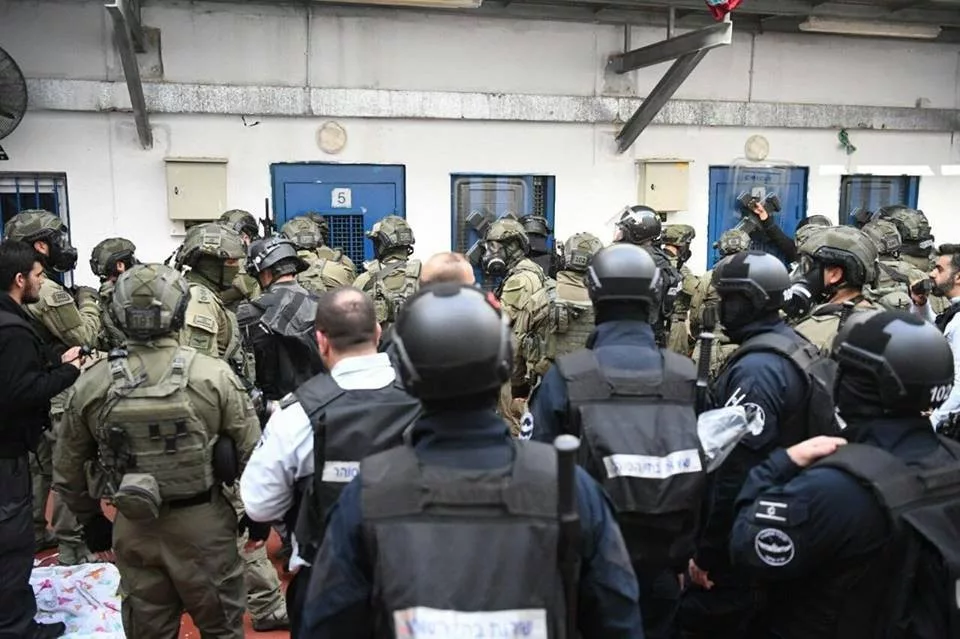
  • The State Comptroller’s report detailed routine surprise inspections accompanied by beatings, insults, and forced standing for hours without justification.

  • Detainees were also beaten during transfers between prison wings or en route to court, using batons and pepper spray.

  • Testimonies from released prisoners confirmed that daily beatings became standard practice after Ben-Gvir declared prisons should be “a nightmare for terrorists.”

  • Human rights reports confirm systematic abuse: broken ribs and jawbones, sexual assaults, and sleep deprivation.

  • Some prisoners are held underground in the secret Rakevet facility beneath Ramla Prison, denied food and medical care, and subjected to beatings.

  • Abuse continues even upon release, with prisoners shackled, blindfolded, beaten, and insulted while being transported.

6. Disease and Slow Death

  • Poor hygiene, limited water access, and unsanitary conditions have led to outbreaks of skin diseases, heart conditions, severe dehydration, and diarrhea.

  • Malnutrition has decimated the immune systems of many prisoners, some of whom died from treatable illnesses due to a lack of medical care.

  • According to the State Comptroller’s report, scabies became endemic in several sections, causing persistent itching and open wounds.

  • Medical professionals warn that these conditions constitute a policy of slow death, as prisoners are left vulnerable to chronic diseases without treatment.

  • Medication is heavily restricted, and medical visits are rare, further exacerbating the suffering.

7. Bans on Visits and Communication

  • Since October 16, 2023, Israeli prison authorities have barred security prisoners from using public telephones and suspended family and Red Cross visits.

  • Prisoners are allowed only one hour outdoors daily, and their personal belongings—including books and electronic devices have been confiscated.

  • This policy has cut prisoners off from their families, compounding psychological pressure in an apparent effort to break their spirits.

  • Thousands labeled as “unlawful combatants” and held without trial are also denied access to lawyers or any form of outside contact.

8. Push for the Death Penalty

  • Since taking office, Ben-Gvir has actively promoted legislation mandating the death penalty for those convicted of deadly attacks against Israelis.

  • A draft bill passed its first Knesset reading in November 2025, though its implementation remains controversial due to opposition from judges and legal experts.

  • Following the vote, Ben-Gvir declared: “This is how we fight terrorism… when this law passes, terrorists won’t leave prison except for the grave.”

  • During a Knesset session on December 8, 2025, Ben-Gvir and his party members wore noose-shaped pins in support of the bill.

  • He also stated that hanging would not be the only method of execution, suggesting the use of the electric chair and lethal injection as well.

Download this article as PDF
Share this Article
Facebook Twitter Whatsapp Whatsapp Telegram Email Copy Link
فريق التحرير
By فريق التحرير تقارير يعدها فريق تحرير نون بوست.
Follow:
Previous Article نون بوست Egypt’s Fragile Economy: Are External Crises a Convenient Scapegoat for Government Failures?
Next Article نون بوست The Frozen Deposits: Syria’s Banking Sector Is Facing Its Toughest Test Yet

Read More

  • U.S. Regime‑Change Policies: Why They Are Destined to Fail U.S. Regime‑Change Policies: Why They Are Destined to Fail
  • The Gulf’s Balancing Act: Iran, Israel, and Hidden Links
  • Iraq–Turkey Oil Export Treaty: Why Did Ankara Cancel It After 52 Years?
  • Syria’s Northeast on Edge: QSD Between Ankara and Damascus
  • Has Europe Changed Its Stance on Israel… or Just Its Language?
part of the design
NoonPost Weekly Newsletter

You May Also Like

U.S. Regime‑Change Policies: Why They Are Destined to Fail

U.S. Regime‑Change Policies: Why They Are Destined to Fail

إسراء سيد Esraa sayed 8 April ,2026
The Gulf’s Balancing Act: Iran, Israel, and Hidden Links

The Gulf’s Balancing Act: Iran, Israel, and Hidden Links

فريق التحرير Noon Post 8 April ,2026
Iraq–Turkey Oil Export Treaty: Why Did Ankara Cancel It After 52 Years?

Iraq–Turkey Oil Export Treaty: Why Did Ankara Cancel It After 52 Years?

فريق التحرير Noon Post 8 April ,2026

السامريون في فلسطين على خطى موسى

فريق التحرير
Noon Post Published 6 September ,2015
Share
السامريون

السامريون

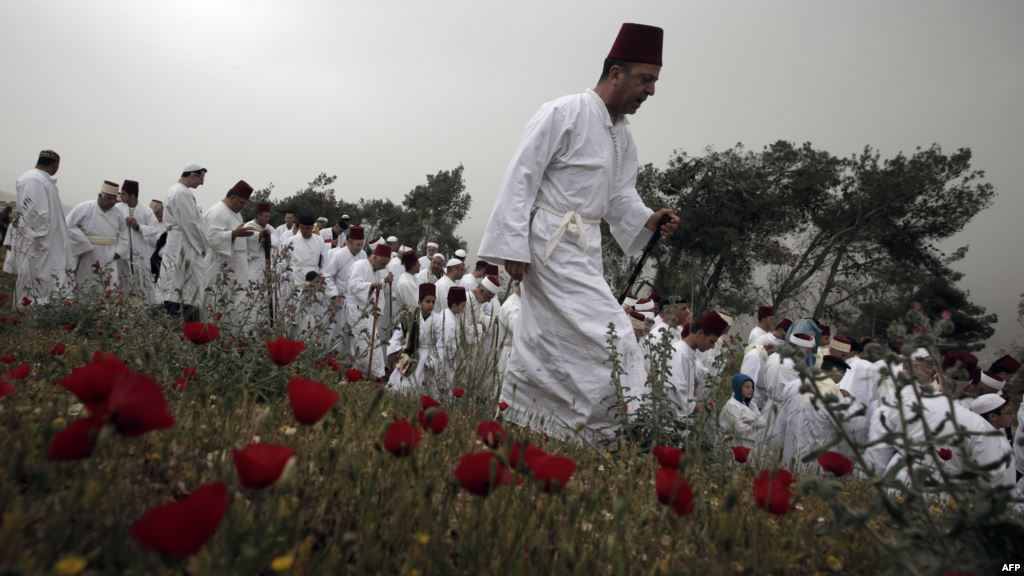
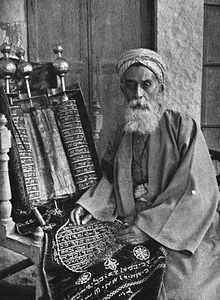
المشهد في الصورة ليس لحجاج بيت الله الحرام في يوم عرفات، وإنما هم حجاج السامريين، على قمة جبل جرزيم قرب نابلس، شمال الضفة الغربية في فلسطين، حيث تعيش أقدم وأصغر طائفة دينية في العالم، عددهم يُقارب 740 نسمة، هم السامريون، من يعتبرون أنفسهم السلالة الأصلية لبني إسرائيل، والمرافقون الأوائل لموسى عليه السلام في خروجه من مصر، فمنذ خروجهم من مصر وبقائهم في أرض كنعان لم يُغادروها إطلاقًا ،أي قبل 3645 سنة، وتعني كلمة “سامري” في العبرية القديمة محافظًا، أي كل سامري يجب أن يكون من المحافظين على شرائع الدين وأحكامه وضوابطه كما يجب أن يكون محافظًا على التوراة القديمة، والتي يعود عمرها إلى 3664 سنة، والتي كتبها الرابع من هارون، ابيشع بن فينحاس بن إلعازر بن هارون، شقيق سيدنا موسى بعد 13 سنة من وصولهم الأراضي المقدسة، والتي يعتبرها السامريون التوراة الأصلية والتي تختلف اختلافًا كبيرًا عن التوراة اليهودية، حيث تحتوي كل من التوراتين على فروقات تصل حد تكفير كل طائفة الأخرى.

السامريون

السامريون واليهود

يُرجع العديد من المؤرخين العداء بين السامريين واليهود إلى مرجعية دينية، تعود إلى رحلة المسيح عليه السلام إلى الجليل ومروره ببئر يعقوب طالبًا الماء من امرأة سامرية، لترد عليه “كيف تطلب الماء وأنت يهودي وأنا امرأة سامرية؟، وذلك لأن اليهود لا يتعاملون مع السامريين، لينفي الاعتقاد السائد بأن اليهود والسامريين وجهان لعملة واحدة.

يقول الكاهن الأكبر للطائفة السامرية في أحد لقاءاته إن السامريين واليهود يؤمنان بتوراة واحدة، إلا أن السامريين يؤمنون بالأسفار الخمسة الأولى من الكتاب المقدس ولا يؤمنون بالبقية، بعد هروبهم من بطش فرعون في مصر القديمة، عاش السامريون منشقين عن اليهود، حيث إن اليهود في أنظارهم هم من انشق عن الديانة من بني إسرائيل.

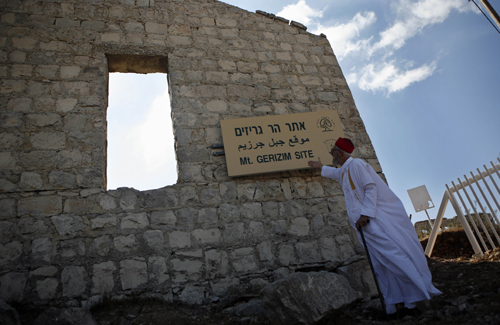
حدث الانشقاق بين اليهود والسامريين في زمن الملك سليمان وداوود، فكان الاختلاف على الهيكل، الذي يؤمن اليهود بوجوده في القدس، إلا أن السامريين لا يؤمنون بذلك الهيكل، هيكل سليمان، كما لا يؤمنون بنجمة داوود، ويؤمنون أن هيكل سيدنا موسى على “جبل جرزيم” حيث يعيشون، بالإضافة إلى إيمانهم أن سيدنا إبراهيم وقصته في ذبح إبنه “إسحاق”- على حد روايتهم – كانت على جبل جرزيم، في حين ينفيها اليهود ويؤمنون بحدوثها في القدس، كما أنهم يؤكدون على الآية الوحيدة في التوراة التي لم يُغيّرها اليهود وهي قول الله: “وجعلت البركة على جبل جرزيم”.

الديانة السامرية

ترتكز الديانة السامرية على خمسة أركان أساسية هي:

وحدانية الله الواحد الأحد، نبوة موسى بن عمران كليم الله ورسوله، التوراة خمسة أسفار، قدسية جبل جرزيم (الجبل الجنوبي لمدينة نابلس) وهو قبلة السامريين، واليوم الآخر وهو يوم الحساب والعقاب، وكل سامري لا يؤمن بالأركان الخمسة إيمانا أكيدًا ثابتًا وراسخًا غير قابل للشك، لا يعتبر سامريًا، تعتمد العقيدة السامرية على الوصايا العشر التي أنزلها الله على موسى الكليم في جبل سيناء، بعد خروجهم من مصر وتحررهم من عبودية فرعونها، وهي: “لا يكن لك آلهة أخرى أمامي، لا تنطق باسم الله كذبًا، احفظ يوم السبت، احترم أباك وأمك، لا تقتل، لا تزن، لا تسرق، لا تشهد شهادة زور، لا تشته بيت قريبك وما يحويه، احفظ قدسية جبل جرزيم الذي اختاره المولى لإقامة الشعائر الدينية عليه”.

السامريون

لغة السامريين هي العبرية القديمة، والتي يتم التعريف بها على أنها أم لغات العالم، وأقدم لغات العالم، إلا أن اليهود حرّفوا اللغة على يد “عذرا سُفير” المسمى في القرآن الكريم بـ “عزيز”، {وقالت اليهود عزير ابن الله وقالت النصارى المسيح ابن الله ذلك قولهم بأفواههم يضاهون قول الذين كفروا من قبل قاتلهم الله أنى يؤفكون اتخذوا أحبارهم ورهبانهم أربابا من دون الله والمسيح ابن مريم وما أمروا إلا ليعبدوا إلها واحدا لا إله إلا هو سبحانه عما يشركون}، تم تغيير اللغة وكتابة التوراة على يد “عذرا سُفير”، بعد أن تحدث اليهود تلك اللغة لحقبة كبيرة من الزمن.

السامريون

يؤمن السامريون بوجود الإسلام، كما يصدقون بوجود نبوءة النبي العربي في التوراة التي يؤمنوا بها، حتى أن تاريخ السامرية يشمل نصًا من رسول الله “محمد” عليه الصلاة والسلام، نص فيه على حماية للسامريين عندما انتشر الإسلام في الجزيرة العربية.

نص بيان الحماية: “أنا محمد بن عبدالله بن عبدالمطلب، أمرت أن يُكتب للسامرة أمان، وضمانًا على دينهم وديارهم”.

الجبل المقدس وأعياد السامريين

جبل “جرزيم” هو جبل الفرائض، حيث يتم تقديم القرابين عليه، كما فعل سيدنا إبراهيم وقام بذبح الشاه قربانًا إلى الله، حيث يؤمن السامريون إيمانًا قاطعًا بأن ذلك الجبل هو الجبل المقدس نفسه المذكور في التوراة القديمة، حيث إن القدس لم تذكرها التوراة ولا مرة بحسب روايتهم.

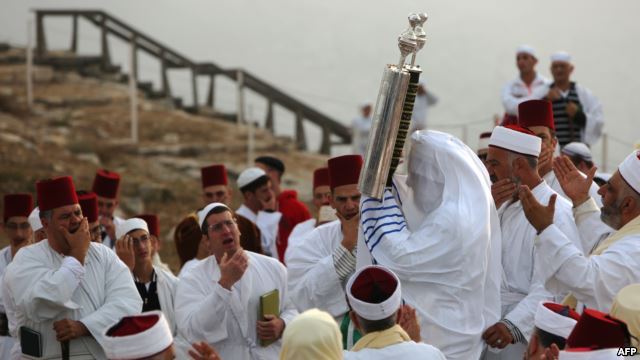
يحتفل السامريون بأعياد التوراة الدينية فقط وهي سبعة: عيد الفصح أو الفسح (عيد القربان)، عيد الفطير (العجين غير المختمر)، عيد الحصاد، عيد رأس السنة العبرية، عيد الغفران، عيد العرش (المظال)، العيد الثامن أو فرحة نزول التوراة، وليس للسامريين أعياد وطنية أو قومية، ومن خلال هذه الأعياد يحج السامريون إلى جبلهم المقدس (جبل جرزيم) ثلاث مرات سنويًا، في أثناء عيد الفصح وعيد الحصاد وعيد العرش.

السامريون

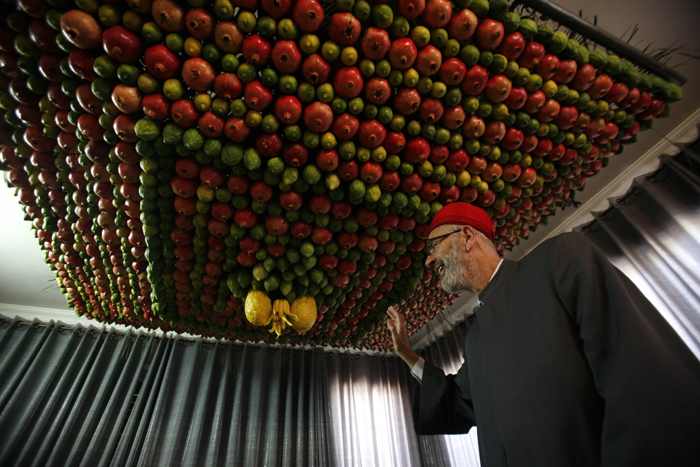
صورة لكاهن سامري في عيد العرش

تقول السامري لوكالة الأناضول، بينما تواصل العمل في صناعة العرش،” في عيد العرش، نبني العرش المصنوع من أربعة أصناف هي كفوف النخيل وأغصان الغار وثمر الحقل وثمرة الترنج (ليمون بحجم كبير)، في المنازل بمشاركة الأطفال بناء على طلب رب العالمين من بني إسرائيل خلال التيه في صحراء سيناء عقب خروجهم من مصر، يعد عيد العرش، من أكبر أعياد الطائفة السامرية، حيث يتم تعليق الفواكه فيه كما في الصورة، ويتم حولها الأكل والشرب والصلاة والنوم كذلك.

مكانة المرأة السامرية كبيرة لدى السامريين، فهي السبب الأهم لاستمرار طائفتهم على وجه الأرض، حيث لا يتزوج السامري من خارج طائفته أبدًا، كما أنه ممنوع على السامرية أن تتزوج من غير سامري، وذلك حفاظًا على الطائفة وعددها، تعاليم الزواج عند السامريين تشبه تعاليم الإسلام، إلا في الزواج من زوجة العم بعد وفاته، وزوجة الأخ بعد وفاته، وأخت الزوجة بعد وفاتها، ولا يحق للزوج الجمع بين زوجتين إلا إذا كانت الأولى عاقرًا.

تفرض تعليمات التوراة على المرأة السامرية في فترة الحيض أن تمتنع كليًا مدة سبعة أيام عن أعمال البيت أو ملامسة السامريين أو أغراضهم، وتخصص لها غرفة خاصة بأغراضها.

يحمل السامريون الجنسية الإسرائيلية، إلا أنهم يتحدثون العربية بطلاقة، ويفخرون بوطنهم فلسطين، ويشغلون العديد من المناصب الحكومية في مدينة نابلس، التي يترددون عليها يوميًا من أجل العمل أو الدراسة.

السامريون من أكثر الطوائف الدينية التي تم ظلمها على مر العصور بداية من اليهود والآشوريين والفرس حتى ظهور الإسلام، حيث حماهم الرسول عليه الصلاة والسلام وأعطى لهم ضمانًا بالأمان، إلا أنهم مازالوا يعانون من التفرقة العنصرية بينهم وبين الإسرائيلين، كما يوضع حتى يومنا هذا حاجز من جيش الاحتلال على مشارف جبل جرزيم، يعيق حركتهم من الجبل إلى مدينة نابلس حيث يمارسون حياتهم اليومية فيها ويعودوا للجبل، كما أن جيش الاحتلال يسحب بطاقات الهوية لكل من أراد الخروج أو الدخول إلى الجبل، لذا انقطعت العديد من الصلات الاجتماعية التي كانت تجمع بين السامريين وأهل نابلس الفلسطينين بسبب الحاجز الإسرائيلي.

TAGGED: التوراة ، الديانة اليهودية ، السامريون ، جبل جرزيم
TAGGED: المجتمع
Download this article as PDF
Share this Article
Facebook Twitter Whatsapp Whatsapp Telegram Email Copy Link
فريق التحرير
By فريق التحرير تقارير يعدها فريق تحرير نون بوست.
Follow:
Next Article نون بوست The Stigma of “ISIS”: A Heavy Legacy Haunting Women and Children of Former Members

Read More

  • U.S. Regime‑Change Policies: Why They Are Destined to Fail U.S. Regime‑Change Policies: Why They Are Destined to Fail
  • The Gulf’s Balancing Act: Iran, Israel, and Hidden Links
  • Iraq–Turkey Oil Export Treaty: Why Did Ankara Cancel It After 52 Years?
  • Syria’s Northeast on Edge: QSD Between Ankara and Damascus
  • Has Europe Changed Its Stance on Israel… or Just Its Language?
part of the design
NoonPost Weekly Newsletter
dark

An independent media platform founded in 2013, rooted in slow journalism, producing in-depth reports, analysis, and multimedia content to offer deeper perspectives on the news, led by a diverse young team from several Arab countries.

  • Politics
  • Society
  • Rights & Liberties
  • Opinions
  • History
  • Sports
  • Education
  • Technology
  • Economy
  • Media
  • Arts & Literature
  • Entrepreneurship
  • Travel
  • Cinema & Drama
  • Food
  • Health
  • Culture
  • Latest Reports
  • Files
  • Long Reads
  • Interviews
  • Podcast
  • Interactive
  • Encyclopedia
  • In Pictures
  • About Us
  • Our Writers
  • Write for Us
  • Editorial Policy
  • Advanced Search
Some rights reserved under a Creative Commons license

Removed from favorites

Undo
Go to mobile version