NoonPost NoonPost

NoonPost

  • Home
  • Politics
  • Economy
  • Society
  • Culture
  • Files
  • Long Reads
  • Podcast
AR
Notification Show More
نون بوست
“There Are Nights I Can’t Close My Eyes”: How Gazans Are Living in Homes on the Brink of Collapse
نون بوست
From al-Jolani to Ahmad al-Shara: The Evolution of Syria’s New Leader
نون بوست
When Political Islam Receded in Egypt: Who Filled the Void?
نون بوست
An Extension of Genocide: Gaza’s Detainees Speak Out
نون بوست
A Tightrope Between Survival and Sovereignty: The Syrian Government Faces Normalization Pressures
نون بوست
American Aircraft Carriers: Has the Era of “100,000 Tons of Diplomacy” Ended?
نون بوست
U.S. Regime‑Change Policies: Why They Are Destined to Fail
نون بوست
Transformations of Israeli Judaism: Between the Victim Complex and the Colonizer’s Doctrine
نون بوست
The Gulf’s Balancing Act: Iran, Israel, and Hidden Links
نون بوست
Iraq–Turkey Oil Export Treaty: Why Did Ankara Cancel It After 52 Years?
نون بوست
Syria’s Northeast on Edge: QSD Between Ankara and Damascus
نون بوست
Has Europe Changed Its Stance on Israel… or Just Its Language?
NoonPost NoonPost
AR
Notification Show More
نون بوست
“There Are Nights I Can’t Close My Eyes”: How Gazans Are Living in Homes on the Brink of Collapse
نون بوست
From al-Jolani to Ahmad al-Shara: The Evolution of Syria’s New Leader
نون بوست
When Political Islam Receded in Egypt: Who Filled the Void?
نون بوست
An Extension of Genocide: Gaza’s Detainees Speak Out
نون بوست
A Tightrope Between Survival and Sovereignty: The Syrian Government Faces Normalization Pressures
نون بوست
American Aircraft Carriers: Has the Era of “100,000 Tons of Diplomacy” Ended?
نون بوست
U.S. Regime‑Change Policies: Why They Are Destined to Fail
نون بوست
Transformations of Israeli Judaism: Between the Victim Complex and the Colonizer’s Doctrine
نون بوست
The Gulf’s Balancing Act: Iran, Israel, and Hidden Links
نون بوست
Iraq–Turkey Oil Export Treaty: Why Did Ankara Cancel It After 52 Years?
نون بوست
Syria’s Northeast on Edge: QSD Between Ankara and Damascus
نون بوست
Has Europe Changed Its Stance on Israel… or Just Its Language?
Follow US

What Did Iraq Gain from Its Gamble in Syria?

فريق التحرير
Noon Post Published 26 March ,2026
Share
نون بوست
نون بوست

Those who ignore the lessons of history are doomed to repeat its bitter losses. Among the gravest mistakes any regime or state can commit is aligning itself with despotic rulers against oppressed populations. History has consistently shown that people, no matter how long they endure tyranny, will eventually win their freedom.

This historic blunder was committed by the Iraqi regime when it chose to side with the Syrian regime in its war against its own people, disregarding the clear lessons of history: that regimes are temporary, while nations and their people endure. Wisdom dictates standing with the will of the people not with oppressive regimes.

Iraq’s leadership made a fatal error by aiding Bashar al-Assad’s regime and helping to prolong its rule, all while ignoring the atrocities committed against hundreds of thousands of Syrians, the displacement of millions, and the destruction of entire cities, now reduced to rubble.

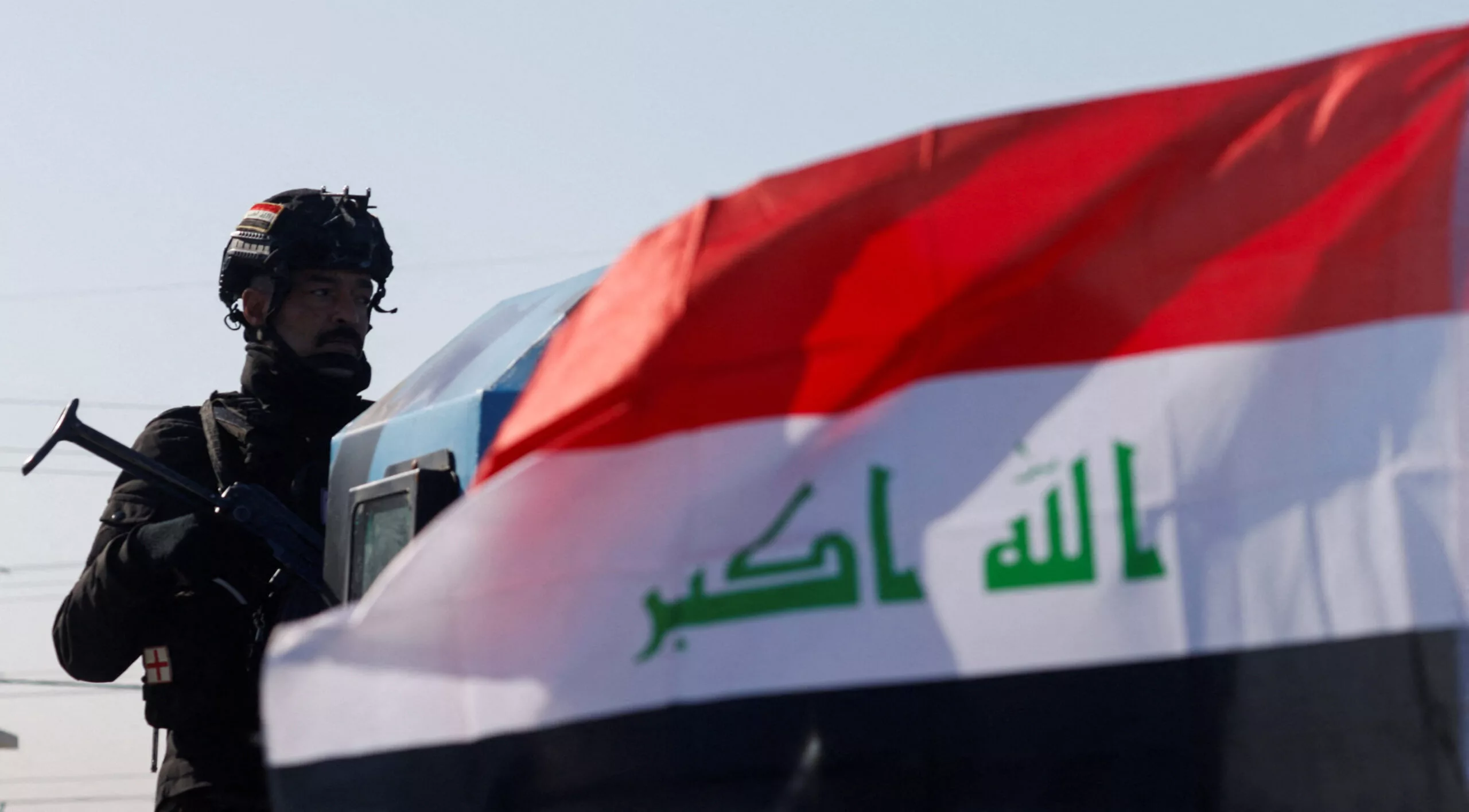
On December 8, 2024 the day Syria was liberated militias backed by Iraq fled en masse. Militias such as Asa’ib Ahl al-Haq and Harakat al-Nujaba abandoned their positions near Sayyida Zainab’s shrine in Damascus’s suburbs and retreated toward the Iraqi border, leaving weapons and equipment behind.

They were soon followed by Kataib Hezbollah, the Tufuf Brigade, and Sayyid al-Shuhada from Al-Bukamal and Mayadeen. This chaotic retreat, which coincided with Bashar al-Assad’s flight from Damascus, is still described by many security circles as a “baffling” withdrawal.

It marked the end of a political and security trajectory that began 13 years earlier when Baghdad’s leaders decided to support Assad politically an alliance that would later evolve into direct financial and military backing.

Now, as we witness Syria’s liberation and the collapse of Iraq’s misguided intervention, the question arises: What did Iraq actually gain from that policy? And now that the Syrian regime has fallen, what is Iraq’s position as it watches the broader Iranian-led project in Syria crumble?

Why Did Iraq Side with the Assad Regime?

When the Syrian revolution erupted in 2011, Nouri al-Maliki was Iraq’s Prime Minister. A sectarian figure and staunch loyalist of Iran, Maliki led the Islamic Dawa Party. Despite Assad’s regime being aligned with Iran, relations between Maliki and Assad were strained.

Maliki had long accused the Syrian regime of supporting extremist groups like al-Qaeda to destabilize Iraq through bombings that claimed the lives of hundreds of Iraqis.

Maliki’s accusations were not unfounded Assad’s regime did, in fact, support terrorist elements as a strategy to distract American forces in Iraq and dissuade them from turning on Damascus next. At one point, the rift between Baghdad and Damascus grew so deep that Maliki filed a formal complaint to the UN accusing Assad of supporting terrorism.

Iranian mediation at the time failed to reconcile the two regimes. But when the Arab Spring reached Syria, Maliki completely reversed his stance. He perceived the peaceful uprising of the Syrian people as a direct threat to his rule, believing such movements would inevitably reach Baghdad. More crucially, Assad’s fall would jeopardize Iran’s grand project of building a regional axis stretching from Tehran to Beirut via Iraq and Syria.

Maliki abandoned his previous criticisms and threw Iraq’s full support behind Assad, providing financial, military, and logistical aid to help the regime survive. Baghdad justified its involvement by claiming it sought to protect sacred Shia shrines in Syria—a rationale also used by Lebanon’s Hezbollah to legitimize its brutal repression of the Syrian uprising.

Iran launched a sweeping propaganda campaign aimed at galvanizing Shia populations in Iraq and Lebanon. The slogan “Zainab will not be taken captive twice” became a rallying cry for militias to fight in Syria under the pretext of protecting Sayyida Zainab’s shrine.

Similarly, the chant “Revenge for Hussein” was weaponized as a justification to conquer Damascus historically the seat of the Umayyads framing the Syrian uprising as an attempt to symbolically dishonor Zainab.

Through this religiously charged narrative, Iran laid the groundwork for expanding its hegemony under the guise of safeguarding Shia sanctities. It constructed and restored allegedly sacred shrines and fabricated sites to attract Shia devotion, all while using them as platforms to deepen its regional entrenchment. The campaign fueled a surge in Shia extremism, as death squads and sectarian militias turned against the Syrian people.

What Did Iraq Lose by Supporting Assad?

Iraq’s support for Assad was a historic blunder with far-reaching consequences. According to information obtained by Al-Hurra, between 2012 and 2014, Maliki and his inner circle coordinated efforts to launder money for Iran’s Revolutionary Guard and Hezbollah to finance Assad’s regime.

Maliki’s team also provided financial and military backing to Iraqi militias fighting in Syria—funded from Iraq’s state budget. He even established a foreign operations office in collaboration with Branch 279 of Syrian intelligence, responsible for activities outside Syria. According to US intelligence sources, around $460 million was funneled to Syria in 2012 alone.

Meanwhile, over 18,000 Iraqi, Afghan, and Pakistani Shia fighters were recruited by the IRGC with the help of militia leaders such as Akram al-Kaabi (al-Nujaba), Abu Mahdi al-Muhandis (Kataib Hezbollah), Shibl al-Zaydi (Imam Ali Brigades), and Sheikh Abdul Halim al-Zuhairi from the Dawa Party. Iraq bore the cost of recruitment, transport, and salaries for these fighters.

The war in Syria drained Iraq’s treasury. The regime in Damascus relied on massive financial transfers and military logistics from Baghdad, including an uninterrupted supply of fuel to both Syria and Hezbollah strongholds in Lebanon delivered via a vast fleet of oil tankers.

Politically, Iraq paid a steep price in the form of widespread Arab isolation, especially from key countries supporting the Syrian revolution. Iraq came to be seen as an Iranian satellite in foreign policy, and even the US began treating the Iraq file as a sub-component of its Iran portfolio.

On top of this, hundreds of young Iraqis died fighting in Syria under the command of the late IRGC general Qassem Soleimani. Ultimately, these same militias were seen fleeing Syria, leaving behind weapons and vehicles to be seized by revolutionary forces.

What Did Iraq Actually Gain?

Iraq gained nothing but the enmity of the Syrian people, whose blood was spilled by Iraqi and allied militias. It is now a pariah in the eyes of the new Syrian government deemed untrustworthy and isolated in the Arab world. Worse still, Iraqi leaders now fear that the success of Syria’s revolution could inspire similar uprisings in Iraq.

They also worry about terrorist organizations, once based in Syria, relocating to Iraq fertile ground for extremism given Baghdad’s continued sectarian policies against its Sunni population. Such policies are a breeding ground for radical ideologies.

These fears were reflected in recent statements by Iraqi military officials regarding the potential redeployment of US forces from the Syria-Iraq border into central Syria, near Damascus. Baghdad Today reported rising anxiety over the repositioning of American forces, with speculation that US bases in areas controlled by the SDF may be dismantled in favor of establishing a new hub in Damascus a sign of Washington’s shifting focus.

Security analysts argue that the US military presence in northeastern Syria acted as a critical buffer against ISIS’s resurgence along the Iraq border and provided valuable intelligence to Baghdad. A reduction in this presence, they warn, would create a volatile security vacuum ripe for extremist exploitation.

Will Pro-Assad Regimes Learn the Lesson?

When one observes Syrians celebrating the first anniversary of their revolution’s triumph, the contrast is stark: a free people rejoicing in genuine victory versus a nation coerced through bribes or threats to mark hollow anniversaries of military coups or foreign occupations, as in Iraq.

The scenes broadcast from Damascus and across Syrian cities massive, spontaneous crowds celebrating the revolution strike fear into the heart of regimes like Iraq’s. These people were not mobilized by state propaganda; they poured into the streets willingly, expressing joy in a victory they fought for and paid for with their lives and the lives of their loved ones.

By contrast, Iraqis continue to yearn for the day they can break free from the grip of an oppressive regime. And the Iraqi government knows this. It realizes that a population disconnected from its leadership’s vision will eventually rise to overthrow it.

This is a reality understood even by the United States the very power that handed Iraq’s political class the reins. When Washington wants to pressure the Iraqi regime, it threatens to withdraw its protection. That threat alone is enough to send Iraq’s entire political elite into panic, willing to do whatever it takes to preserve that shield.

But will Iraq’s rulers learn from Syria’s lesson? Will they recognize that tyranny is ultimately unsustainable, and that the will of the people always prevails? It appears unlikely.

Instead of reconciling with Syria’s new government a legitimate representation of its people—the Iraqi regime continues to undermine it, clinging to remnants of the old Assad regime in hopes of a miraculous comeback. This is yet another costly mistake, and one Iraq will inevitably pay for. Its fate may not be any better than Assad’s.

Any government that takes power in Syria post-Assad will not forget Iraq’s official position during the revolution. Tensions political, economic, and social are inevitable between these neighboring states, compounding Iraq’s regional and international isolation.

The same holds true for other regimes that clung to Assad until the bitter end, refusing to acknowledge Syria’s new government. If not for pressure from influential Arab states and US approval of Syria’s transformation, many of these regimes would still be openly hostile to the revolution.

Time waits for no one. Unless Iraq’s leaders change their approach toward the new Syrian leadership, they will be the first casualties of the coming wave of change in the Middle East. When that happens, they will be relegated to history along with their Iranian allies.

The Iranian axis is heading toward a suicidal confrontation, and Iraq’s refusal to break from Tehran will only drag it toward the same fate. When their end comes, it will not be mourned except for the fact that, tragically, the Iraqi people will also bear the consequences of their leaders’ choices.

Download this article as PDF
Share this Article
Facebook Twitter Whatsapp Whatsapp Telegram Email Copy Link
فريق التحرير
By فريق التحرير تقارير يعدها فريق تحرير نون بوست.
Follow:
Previous Article نون بوست Syria After Liberation: When Cities Regained Their Faces
Next Article نون بوست WBD Deal: Gulf Investments Spark Fears of Advancing Israeli Narrative

Read More

  • U.S. Regime‑Change Policies: Why They Are Destined to Fail U.S. Regime‑Change Policies: Why They Are Destined to Fail
  • The Gulf’s Balancing Act: Iran, Israel, and Hidden Links
  • Iraq–Turkey Oil Export Treaty: Why Did Ankara Cancel It After 52 Years?
  • Syria’s Northeast on Edge: QSD Between Ankara and Damascus
  • Has Europe Changed Its Stance on Israel… or Just Its Language?
part of the design
NoonPost Weekly Newsletter

You May Also Like

U.S. Regime‑Change Policies: Why They Are Destined to Fail

U.S. Regime‑Change Policies: Why They Are Destined to Fail

إسراء سيد Esraa sayed 8 April ,2026
The Gulf’s Balancing Act: Iran, Israel, and Hidden Links

The Gulf’s Balancing Act: Iran, Israel, and Hidden Links

فريق التحرير Noon Post 8 April ,2026
Iraq–Turkey Oil Export Treaty: Why Did Ankara Cancel It After 52 Years?

Iraq–Turkey Oil Export Treaty: Why Did Ankara Cancel It After 52 Years?

فريق التحرير Noon Post 8 April ,2026

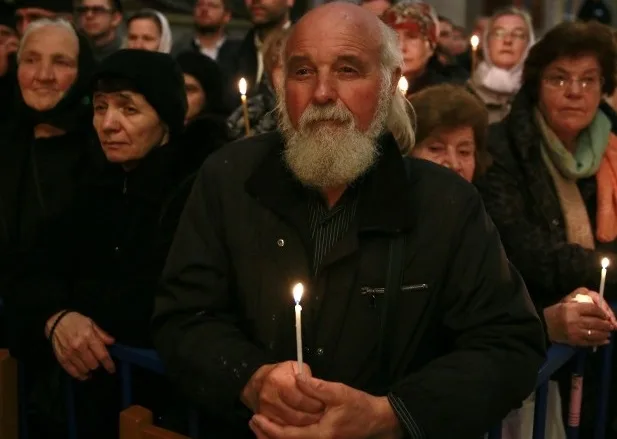
مع نقص تمويل المدارس.. المسيحيون يتساءلون عن مستقبلهم في إسرائيل

جوناثان كوك
جوناثان كوك Published 8 September ,2015
Share
palestinianchristians_afp

ترجمة وتحرير نون بوست

باشرت الآلاف من المدارس العربية في إسرائيل إضرابًا مفتوحًا يوم الاثنين الماضي، مجبرة طلابها، البالغ عددهم حوالي 450.000 تلميذ، على البقاء في منازلهم، بالتوازي مع شحذ الحكومة الإسرائيلية لهمتها استعدادًا لمواجهة كبرى مع أكبر أقلية فلسطينية ضمن إسرائيل.

ما أجج حملة الإضراب هو قرار الحكومة الإسرائيلية بحرمان 47 مدرسة مستقلة، تم تأسيسها أصلًا من قِبل الكنائس العالمية، من التمويل الحكومي الذي كانت تحصل عليه منذ عقود.

هذه المدارس، التي تعد من بين أفضل المرافق التعليمية في البلاد، اضطرت على نحو فعال لإغلاق أبوابها إلى أجل غير مسمى، تاركة حوالي 33.000 تلميذ ضائعين وغير واثقين متى سيعودون إلى صفوفهم، أو حتى إذا كانوا سيعودون إليها أساسًا.

يوم الأحد الماضي، اجتمعت الآلاف من العائلات القادمة من مختلف أنحاء إسرائيل، من مدن مثل الناصرة وحيفا ويافا والرملة والقدس الشرقية المحتلة، حيث توجد تلك المدارس، لممارسة احتجاج صاخب خارج مكتب رئيس الوزراء الإسرائيلي بنيامين نتنياهو.

ترزح هذه المدارس تحت وطأة الديون الضخمة منذ بدأ المسؤولون عن القطاع التعليمي في الحكومة الإسرائيلية بتخفيض ميزانياتها منذ سبع سنوات، حيث تم تخفيض التمويل الممنوح للمدراس الحكومية من 75% ليصبح اليوم 29% فقط، علمًا أنه لمباشرة هذا العام الدراسي، تحتاج هذه المدارس إلى مبلغ يقدر بحوالي 50 مليون دولار؛ تقدم الحكومة منه 5 مليون دولار فقط.

المحادثات والنقاشات التي استمرت على مدى الـ18 شهرًا الماضية مع وزارة التعليم الإسرائيلية لم تفضِ إلى أية نتيجة، وكما تبين من حملة إضراب التضامن يوم الاثنين، فإن حكومة نتنياهو لا تواجه بقرارها مدارس الكنيسة والشعب المسيحي الصغير، المؤلف من حوالي 150.000 نسمة، بل إنها تواجه المليون ونصف المليون مواطن فلسطيني في البلاد، والذين يشكلون خُمس عدد السكان.

إسرائيل من خلال نهجها هذا تخاطر أيضًا باحتمالية مواجهتها لمحنة دبلوماسية مع الفاتيكان والكنائس الدولية الأخرى؛ ففي الأسبوع الماضي أثار البابا فرانسيس هذه المسألة خلال زيارة الرئيس الإسرائيلي، رؤوفين ريفلين، للكرسي الرسولي، وريفلين تعهد حينها بإيجاد حل، رغم أن الحكومة الإسرائيلية ذاتها لم تظهر أي علامات على استعدادها للتزحزح عن قرارها.

القادة المسيحيون في إسرائيل لمّحوا إلى احتمالية إغلاق المقدسات الهامة في فلسطين، مثل كنيسة البشارة في الناصرة، وجبل التطويبات بجوار بحر الجليل، انتقامًا من النهج الإسرائيلي، آملين من خلال ذلك أن يلفتوا انتباه الحجاج والسياح، بما قد يضمن تحقيق المزيد من الضغط على إسرائيل.

دوافع شريرة

من اللافت للنظر بأن المسؤولين عن القطاع التعليمي في إسرائيل، يأملون أن يحدّوا من دعم هذا المدارس من خلال طرحهم لحجة قد تبدو معقولة ومنطقية، حيث يذهبون إلى القول بأنه في حال كانت مدارس الكنيسة تسعى للحصول على أموال الحكومة، فينبغي عليها أن تنضم إلى النظام التعليمي للدولة.

ولكن مع ذلك، وعلى أرض الواقع، يلاحظ مراقبون بأن هذه الخطوة التي انتهجتها الحكومة الإسرائيلية ليست نابعة من أسس اقتصادية، بل يوجد دوافع شريرة تقف خلف هذه الحملة الشعواء على مدارس الكنيسة، حيث يحذر نديم الناشف، مدير منظمة بلدنا، وهي منظمة في حيفا تسعى لتعزيز حقوق الشباب الفلسطيني، من أن الهدف الرئيس لحكومة نتنياهو يتمثل بإنهاء الاستقلالية التعليمية لهذه المدارس.

“إنهم يسعون لتشديد الرقابة”، يقول الناشف لصحيفة ميدل إيست آي، ويتابع “حتى لو خففت الحكومة في نهاية المطاف من التخفيضات، فإن المعركة ستكون قد بعثت برسالة واضحة للغاية للمعلمين في تلك المدراس، تصرفوا كعرب صالحين وسنعمد إلى إقفال مدارسكم”.

هذا التحرك يرتبط بتدابير طويلة الأجل اتخذتها الحكومة الإسرائيلية تهدف إلى إضعاف الأقلية المسيحية، وجعل الطبقة الوسطى الفلسطينية الفتية في إسرائيل أكثر اعتمادًا على الدولة، وهي ذات الدولة التي أثبتت بشكل ممنهج ومرارًا وتكرارًا معاداتها لسكانها من غير اليهود.

الحجج التي تتبناها الحكومة لتبرير موقفها بشأن تخفض التمويل، يسهل تفنيدها؛ فإذا كان القضية تتعلق بمجرد تحديد الطرف الذي سيعمد إلى تمويل مدارس الكنيسة، كما تتحجج وزارة التعليم الإسرائيلية، فلماذا إذن تصر الحكومة على منع المدارس من تعويض العجز في الميزانية عن طريق فرض مبالغ أكبر على الطلاب؟

من خلال تكبيل يد هذه المدارس، فإن وزارة التربية تعمد، على حد تعبير مدارس الكنيسة، إلى توجيه الضربة القاضية لهذه المدارس، بشكل يجعل استمرار وجود هذه المدارس بشكلها المستقل أمرًا مستحيلًا ضمن الظروف الحالية.

الكيل بمكيالين

وبالمثل، إذا كانت القضية تتعلق بعدم عدالة دعم الدولة للتعليم الديني، وهي إحدى الحجج التي تم التمسك بها أيضًا، فلماذا تعمد الحكومة بعدئذ إلى تمويل المدارس الدينية الخاصة التابعة لليهود الأورثوذكس المتعصبين بشكل كثيف؟

فعلى النقيض من الطريقة التي تتعامل بها الحكومة مع مدارس الكنيسة، تحصل المدارس الدينية المتشددة التابعة لليهود الأرثوذكس على تمويل يبلغ 100% من احتياجاتها.

ولا تقتصر الأمور على ذلك، بل تتجاوزها لتناقضات أخرى مدهشة، فعلى النقيض من مدارس الكنيسة التي تدرّس المنهج الوطني، فإن مدارس اليهود الأورثوذكس تخالف القانون من خلال امتناعها عن تدريس المواد الأساسية مثل اللغة الإنجليزية والرياضيات، وعلى عكس السجل الرائع الذي تحوزه مدارس الكنيسة، فإن المدارس الدينية اليهودية المتطرفة تعاني من إخفاقات أكاديمية هائلة.

وأيضًا، على عكس المدارس الدينية اليهودية المتطرفة التي تقتصر بتقديم خدماتها على اليهود المتدينين، فإن مدارس الكنيسة تفتح أبوابها أمام جميع شرائح الأقليات الفلسطينية، حيث إن نصف عدد طلاب هذه المدارس هم من المسلمين، ولهذا السبب فإن الدعم الذي تحصل عليه هذه المدارس ينبع من جهات أو فئات غير متوقعة، فيقول القيادي في الحركة الإسلامية الجنوبية، مسعود غنايم ، بأن “مدارس الكنيسة هي من بين أفضل المدارس في المجتمع العربي، وبالتالي نضالهم هو نضالنا”.

بالإضافة إلى ما تقدم، تفشل الحكومة أيضًا بتبرير تعويل نظام التعليم في إسرائيل على سياسة الفصل الصارم، حيث تتم ممارسة سياسة الفصل ما بين التلاميذ اليهود والعرب، وما بين اليهود المتدينين والعلمانيين، وفي عام 1954، وضمن قضية الحقوق المدنية الشهيرة لبراون ضد مجلس التعليم في توبيكا، قضت المحكمة العليا في الولايات المتحدة بأن نظام فصل المدارس ما بين السود والبيض هو نظام غير عادل بطبيعته، ولكن مع ذلك، ومنذ تأسيسها، تصر إسرائيل على ممارسة سياسة الفصل، وكما حذر قضاة الولايات المتحدة، فإن النتيجة الإجمالية لهذا التمييز في النظام التعليمي أصبحت ملموسة على جميع المستويات بين الأغلبية اليهودية والأقلية الفلسطينية.

نقص يبلغ 6000 فصل دراسي

تظهر الدراسات بأنه وسطيًا يحصل التلاميذ اليهود على تمويل ينوف بخمسة أضعاف التمويل الذي يحصل عليه التلاميذ العرب، 1100 دولار لكل تلميذ يهودي بالمقارنة مع 192 دولارًا لكل تلميذ عربي، كما أن النظام العربي يعاني من نقص هائل في الفصول الدراسية يبلغ أكثر 6000 فصل دراسي، ونقص هائل بالهيئة التدريسية يصل إلى 4000 مدرس، فضلًا عن أن المدارس اليهودية تتمتع بضعف عدد أجهزة الكمبيوتر التي تمتلكها المدراس العربية واللازمة لحسن سير العملية التدريسية.

ولكن المفارقة الأكثر إحداثًا للضرر، كما يقول الناشف، تتمثل بأن المدارس العربية لا تحوز أي سيطرة على مناهجها، التي يتم تحديدها من قِبل المسؤولين اليهود، وذلك في الوقت الذي تمارس به الشرطة الإسرائيلية السرية، الشاباك، رقابة لصيقة على تعيينات المدرسين والنظام التعليمي في المدارس العربية، مؤسسة بذلك لمناخ قمعي رهيب.

تبعًا لجميع ما تقدم، فإن مدارس الكنيسة المستقلة توفر الطريق الوحيد ربما للهروب من هذا الواقع، على الأقل بالنسبة للأسر الفلسطينية في إسرائيل الذين يستطيعون دفع تكلفة الدراسة ضمنها.

تظهر معدلات شهادة الثانوية العامة لمدارس الكنيسة مدى نجاحها في العملية التعليمية، فالكثيرون ضمن القيادة الفلسطينية، وكذلك ثلث خريجي الجامعات من الأقليات، ومعظم المهندسين التكنولوجيين، تلقوا تعليمهم في هذه المدارس.

ويقول أيمن عودة، رئيس القائمة المشتركة في البرلمان الإسرائيلي، وهو ذاته أحد خريجي مدارس الكنيسة أيضًا، بأنه “من المستحيل التحدث عن التنمية وتكافؤ الفرص من جهة، وهم يقومون على الجهة الأخرى بإحداث الضرر بالمدارس ذاتها التي نجحت في كسر السقف الزجاجي”.

على أرض الواقع، عمل الآباء الذي يرسلون أولادهم لمدارس الكنيسة وهذه المدارس بحد ذاتها إلى دعم النظام التعليمي ككل، حيث استطاعت هذه المدارس تخريح بعضًا من أفضل التلاميذ تعليمًا في البلاد، ولكن قد يكون هذا الأمر بحد ذاته هو جزء من المشكلة من وجهة النظر الإسرائيلية.

الخوف من الطبقة المتوسطة

خلال حرب عام 1948 والتي أودت إلى تأسيس دولة إسرائيل، أفرغت الميليشيات اليهودية المدن الفلسطينية من معظم سكانها الفلسطينيين، إلا في مدينة الناصرة المقدسة الحساسة، التي بقيت بعيدة نسبيًا عن هذه الممارسات.

أول رئيس وزراء لإسرائيل، دافيد بن غوريون، أشاد بالمدن الفلسطينية التي كانت موطنًا للطبقات الوسطى الفلسطينية، ومراكزًا للحياة الفكرية والنشاطات السياسية؛ لذا فإذا كانت إسرائيل ستواجه في أي وقت مضى أي مقاومة فلسطينية منظمة، فإنها كانت ستخرج من هذه المدن، ولهذا السبب أكد بن غوريون على ضرورة مسح هذه المدن، حيث أدت أنظمة المراقبة الصارمة، وممارسات التمييز الهائلة إلى تحويل هذه الأقليات إلى شرائح ضعيفة ومنقسمة.

على مدى العقود العديدة الماضية عمد المجتمع الفلسطيني لإعادة بناء نفسه ببطء، وفي السنوات الأخيرة بدأت الطبقة الوسطى بالظهور من جديد ضمن هذه المدن، وخاصة في الناصرة، مدعومة لدرجة كبيرة من قِبل مدارس الكنيسة.

وكما كان يخشى بن غوريون، أثبتت الفئات الأكثر تعليمًا في كثير من الأحيان بأنها من بين النقاد الأكثر قسوة على إسرائيل، والأكثر تنظيمًا للمطالبة بحقوقهم، والأكثر تعبيرًا ونجاحًا في الوصول إلى الجماهير الخارجية، بما في ذلك مجموعات التضامن المسيحية، وحركة المقاطعة وسحب الاستثمارات وفرض العقوبات، اختصارًا (BDS).

وقد لا يكون من قبيل المصادفة بأن السياسية الأكثر كرهًا من قِبل الجمهور اليهودي الإسرائيلي لمواقفها القومية، حنين زعبي، هي امرأة مسلمة تخرجت من مدرسة الكنيسة في الناصرة.

الضغط للترحيل

من خلال إجبار مدارس الكنيسة على الإغلاق أو إجبارها على الانضواء تحت سيطرة الدولة، فإن إسرائيل ستعمل على إزالة حجر الزاوية من الهيكلية الداعمة للطبقة الوسطى الفلسطينية الفتية، وخصوصًا سكان المناطق الحضرية من المسيحيين.

“إن الجيل القادم من النخب الفلسطينية، بما في ذلك المسيحيين، سيكون أكثر اعتمادًا بكثير على الدولة من الجيل الذي سبقه، ومن المرجح أن يكون هذا الجيل الجديد أكثر حذرًا حول نشاطه السياسي”، يقول الناشف من منظمة بلدنا.

المراقبون، مثل الناشف، يعتقدون بأن خطوة الحكومة الإسرائيلية بتخفيض التمويل لمدارس الكنيسة، يجب أن يُنظر إليها كخطوة تتعلق بمبادرة أخرى أطلقتها الحكومة مؤخرًا، وهي الخطوة التي تهدف بشكل واضح إلى خلق انقسامات ضمن الأقليات الفلسطينية، حيث تعمل الحكومة اليوم على ممارسة الضغط على الشباب المسيحي، وليس المسلم، في إسرائيل للخدمة في الجيش الإسرائيلي.

الخوف يتمثل اليوم بقيام إسرائيل بفتح الشباب المسيحي الفلسطيني ببطء أمام الخيارات المتوفرة أمامهم في المستقبل، وهو المستقبل الذي يضمن لهم العيش كأقلية محاصرة وضعيفة، معادية لجيرانها من المسلمين، وتعتمد على الدولة التي تجبرهم على طاعتها، رغم أنها توفر الامتيازات لمواطنيها من اليهود فقط.

وبمعنى آخر، الطبقات الوسطى المسيحية يجري إعدادها للاختيار من بين أمرين أحلاهما مر، إما إثبات الولاء للصهاينة، أو التعايش مع الحياة التي ستصبح أشد صعوبة بالنسبة لهم داخل إسرائيل.

في الأسبوع الماضي، وفي خضم مظاهرة في الناصرة، حذر أسقف كاثوليكي بارز، يدعى جياسينتو بولس ماركوزو، من أن “تهديد المدارس المسيحية، سيعمل على المدى الطويل على تهديد الوجود المسيحي بحد ذاته ضمن إسرائيل”.

لطالما كانت مدارس الكنيسة مرتكزًا للمواطنين الفلسطينيين المسيحيين في إسرائيل، حيث تدعم تقاليدهم الدينية، وتزودهم بهوية منفصلة ومختلفة عن تلك الهوية القميئة التي تروج لها الدولة، وتمنحهم فرصة للازدهار الاقتصادي، ولكن كل ذلك أصبح في خطر اليوم.

الإضرابات، كالإضراب التضامني الذي حصل يوم الاثنين، والضغط الممارس من قِبل الفاتيكان، قد يجبر الحكومة الإسرائيلية في النهاية على تخفيف موقفها جزئيًا، ولكن مع ذلك، فإن العديد من المسيحيين في إسرائيل بدأوا بالتشكك من أن الحكومة الإسرائيلية أعلنت حربًا منخفضة المستوى ضدهم.

أخيرًا، ومع فرار إخوانهم في الدين من الدول المجاورة في المنطقة كونهم يواجهون حروبًا أهلية وتهديدات اضطهادية، يجب علينا الاعتراف بأن سوء معاملة المسيحيين في إسرائيل يتمثل بشكله البيروقراطي أكثر من شكله الجسدي، ولكن كما يحذر ماركوزو، على المدى الطويل، من المرجح أن تؤدي هذه الممارسات إلى إحداث نتائج ملموسة.

المصدر: ميدل إيست آي

TAGGED: الأقليات ، التعليم ، الحكومة الإسرائيلية ، الطبقة الوسطى ، المدارس الإسرائيلية
TAGGED: إسرائيل من الداخل
Download this article as PDF
Share this Article
Facebook Twitter Whatsapp Whatsapp Telegram Email Copy Link
جوناثان كوك
By جوناثان كوك صحفي بريطاني حائز على جائزة مارثا غيلهورن الخاصة للصحافة، مقيم في مدينة الناصرة المحتلة.
Follow:
Next Article نون بوست The Stigma of “ISIS”: A Heavy Legacy Haunting Women and Children of Former Members

Read More

  • U.S. Regime‑Change Policies: Why They Are Destined to Fail U.S. Regime‑Change Policies: Why They Are Destined to Fail
  • The Gulf’s Balancing Act: Iran, Israel, and Hidden Links
  • Iraq–Turkey Oil Export Treaty: Why Did Ankara Cancel It After 52 Years?
  • Syria’s Northeast on Edge: QSD Between Ankara and Damascus
  • Has Europe Changed Its Stance on Israel… or Just Its Language?
part of the design
NoonPost Weekly Newsletter
dark

An independent media platform founded in 2013, rooted in slow journalism, producing in-depth reports, analysis, and multimedia content to offer deeper perspectives on the news, led by a diverse young team from several Arab countries.

  • Politics
  • Society
  • Rights & Liberties
  • Opinions
  • History
  • Sports
  • Education
  • Technology
  • Economy
  • Media
  • Arts & Literature
  • Entrepreneurship
  • Travel
  • Cinema & Drama
  • Food
  • Health
  • Culture
  • Latest Reports
  • Files
  • Long Reads
  • Interviews
  • Podcast
  • Interactive
  • Encyclopedia
  • In Pictures
  • About Us
  • Our Writers
  • Write for Us
  • Editorial Policy
  • Advanced Search
Some rights reserved under a Creative Commons license

Removed from favorites

Undo
Go to mobile version