NoonPost NoonPost

NoonPost

  • Home
  • Politics
  • Economy
  • Society
  • Culture
  • Files
  • Long Reads
  • Podcast
AR
Notification Show More
نون بوست
“There Are Nights I Can’t Close My Eyes”: How Gazans Are Living in Homes on the Brink of Collapse
نون بوست
From al-Jolani to Ahmad al-Shara: The Evolution of Syria’s New Leader
نون بوست
When Political Islam Receded in Egypt: Who Filled the Void?
نون بوست
An Extension of Genocide: Gaza’s Detainees Speak Out
نون بوست
A Tightrope Between Survival and Sovereignty: The Syrian Government Faces Normalization Pressures
نون بوست
American Aircraft Carriers: Has the Era of “100,000 Tons of Diplomacy” Ended?
نون بوست
U.S. Regime‑Change Policies: Why They Are Destined to Fail
نون بوست
Transformations of Israeli Judaism: Between the Victim Complex and the Colonizer’s Doctrine
نون بوست
The Gulf’s Balancing Act: Iran, Israel, and Hidden Links
نون بوست
Iraq–Turkey Oil Export Treaty: Why Did Ankara Cancel It After 52 Years?
نون بوست
Syria’s Northeast on Edge: QSD Between Ankara and Damascus
نون بوست
Has Europe Changed Its Stance on Israel… or Just Its Language?
NoonPost NoonPost
AR
Notification Show More
نون بوست
“There Are Nights I Can’t Close My Eyes”: How Gazans Are Living in Homes on the Brink of Collapse
نون بوست
From al-Jolani to Ahmad al-Shara: The Evolution of Syria’s New Leader
نون بوست
When Political Islam Receded in Egypt: Who Filled the Void?
نون بوست
An Extension of Genocide: Gaza’s Detainees Speak Out
نون بوست
A Tightrope Between Survival and Sovereignty: The Syrian Government Faces Normalization Pressures
نون بوست
American Aircraft Carriers: Has the Era of “100,000 Tons of Diplomacy” Ended?
نون بوست
U.S. Regime‑Change Policies: Why They Are Destined to Fail
نون بوست
Transformations of Israeli Judaism: Between the Victim Complex and the Colonizer’s Doctrine
نون بوست
The Gulf’s Balancing Act: Iran, Israel, and Hidden Links
نون بوست
Iraq–Turkey Oil Export Treaty: Why Did Ankara Cancel It After 52 Years?
نون بوست
Syria’s Northeast on Edge: QSD Between Ankara and Damascus
نون بوست
Has Europe Changed Its Stance on Israel… or Just Its Language?
Follow US

After Their Commanders Fled: Where Did Iran’s Militias Vanish in Syria?

فريق التحرير
Noon Post Published 26 March ,2026
Share
نون بوست
نون بوست

Since the outbreak of the Syrian revolution in March 2011, the involvement of Iranian-backed militias marked a turning point in the conflict. As Assad’s forces faltered in the face of rapid territorial gains by the Free Syrian Army and armed opposition groups starting in early 2013, Tehran opened supply routes and funneled fighters from Iraq, Lebanon, and Afghanistan through transnational formations such as Hezbollah, Liwa Fatemiyoun, Liwa Zainebiyoun, and Iraq’s Popular Mobilization Forces (PMF), all along sectarian lines.

These groups played a decisive role in bolstering the Syrian regime in some of the bloodiest battles in Rif Dimashq, Aleppo, and Deir Ezzor including the battles for Qusayr, Aleppo, and others. They were also directly implicated in large-scale massacres against civilians, particularly in Sunni-majority regions.

Without this sweeping intervention coordinated by Iran’s Islamic Revolutionary Guard Corps (IRGC) and led personally by Quds Force commander Qassem Soleimani the Assad regime would likely have collapsed under the pressure of the revolution, which by then had seized control of nearly three-quarters of Syria’s territory.

The Militia Mosaic: Hezbollah, Fatemiyoun, Zainebiyoun, and the PMF

In 2013, following the opposition’s territorial expansion, Iran escalated its support from political and economic backing to full-blown military involvement. It deployed IRGC officers and Quds Force units under Soleimani’s command, and began establishing cross-border armed factions from Lebanon, Iraq, Afghanistan, and Pakistan.
نون بوست
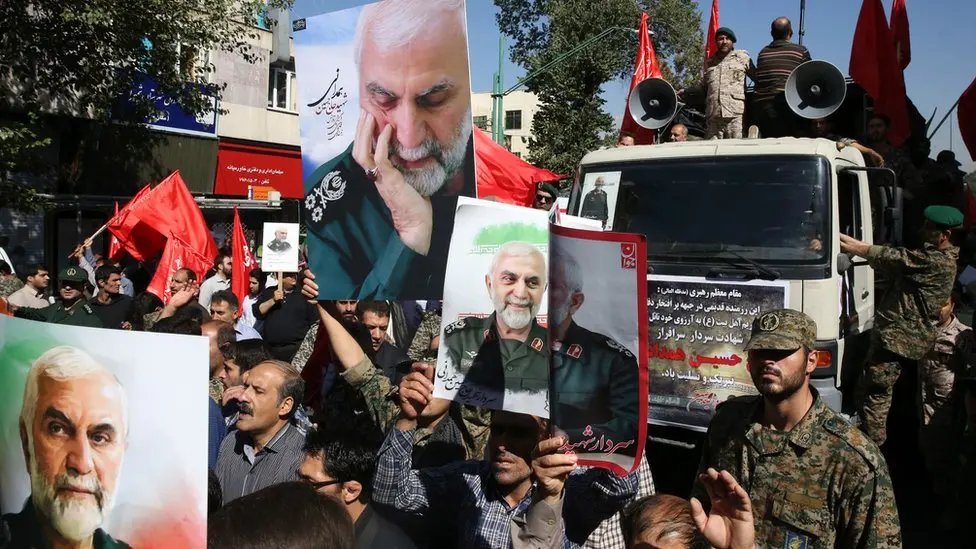
Hossein Hamedani was the most senior Iranian military officer to have been killed in Syria

Soleimani effectively became the de facto commander of the main operations rooms in key battles from Qusayr and Qalamoun to Aleppo and Deir Ezzor and was granted broad authority to oversee Syria’s military and economic files.

Iran’s strategy centered on diversifying its manpower:

  • Hezbollah acted as the spearhead on sensitive frontlines (Rif Dimashq, Qusayr, Qalamoun, southern Aleppo countryside, Daraa, and Quneitra), given its high level of training and ideological alignment with Iran.

  • Liwa Fatemiyoun (Afghan) and Liwa Zainebiyoun (Pakistani) recruited thousands of fighters, mostly refugees in Iran, through financial incentives (salaries, residency status) and sectarian appeals (protecting Shiite shrines). These units were often used as shock troops or “cannon fodder” in high-casualty battles.

  • Iraqi militias (Nujaba, Badr, Asaib Ahl al-Haq, and other PMF factions) secured overland supply lines from Iraq to Deir Ezzor and Al-Bukamal, and participated in eastern and desert campaigns.

At their peak, Iran-backed militias in Syria numbered in the tens of thousands including over 10,000 Hezbollah fighters alone, in addition to thousands of Iraqi, Afghan, and Pakistani combatants.

As Assad’s army weakened, these militias functioned as a parallel military force, effectively dictating battlefield decisions. Soleimani became the de facto ground commander, and Iran built local economic networks through loyal agents to exert control over certain regional economies.

From Dominance to Target: Israeli Strikes and Regional Pressures

Once the internal battles subsided, Syria transformed into an arena for regional power struggles. Since 2017, Israel has launched an expansive air campaign targeting IRGC and Hezbollah bases, weapons depots, and training centers across Syria a response to Iran’s growing military entrenchment.

These strikes intensified amid the undeclared war between Tehran and Tel Aviv, killing numerous senior field commanders, including prominent Iranian officers. After the outbreak of the Gaza war in late 2023, the conflict escalated into a broader confrontation that extended to Iranian proxies in Lebanon, Syria, and Iraq.

Withdrawals Under Pressure

Amid relentless Israeli airstrikes and a quiet US-Russian consensus on the need to curb Iranian influence in Syria, many of these militias began vacating key positions.

Entire units retreated toward Iraq, while Hezbollah scaled down its presence along the southern border after dozens of its fighters were killed in precision strikes. No formal agreement was reached with the Syrian regime regarding their exit; instead, the withdrawal appeared to result from mounting military and political pressure, amid growing regional calls to “cut off Iran’s arms,” which had made the militias a strategic liability even for Assad.
نون بوست
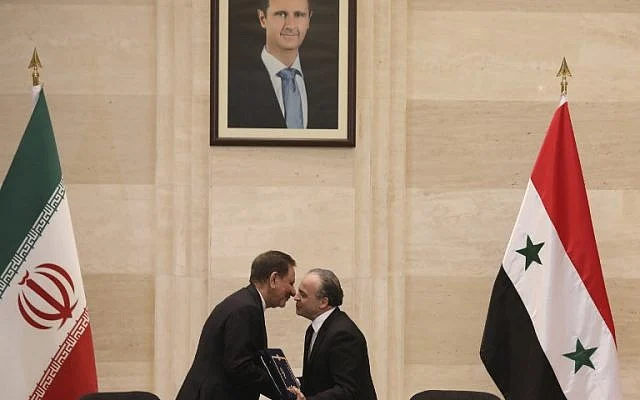
Syrian Prime Minister Imad Khamis, right, and Iranian Vice President Eshaq Jahangiri shake hands after the signing of an agreement in the capital Damascus on January 28, 2019. (LOUAI BESHARA / AFP)

A former Syrian officer who worked at an IRGC-linked intelligence facility in Damascus recounted receiving a call from his Iranian superiors on December 5, 2024 three days before the fall of the previous government instructing him to report to the operations headquarters in Mezzeh Villas East the next morning for an “urgent matter.”

Upon arrival, he and about 20 Syrian officers and soldiers serving under the IRGC were told by the Iranian commander that “as of today, there will be no more IRGC presence in Syria,” adding: “We are leaving.”

The Iranian official ordered them to burn and destroy sensitive documents in front of him, and to remove all hard drives from their computers. They were informed: “It’s over we are no longer responsible for you. You will receive your civilian IDs in a few days.”

Losing the Ground Game

Fawaz Al-Attiyah, a Syrian journalist specializing in eastern Syria, told Noon Post that during the launch of Operation Deterrence Against Aggression, Iranian militias went on high alert across several regions and began recruiting local fighters with monthly salaries of $200 and a food basket per family.

The militias tried to reassure their members through Telegram that the events unfolding were “a trap set for the deterrence forces.” However, when the opposition-led forces captured Aleppo, the psychological blow to the militias was immense. They began withdrawing heavy and advanced weaponry including drones and spare parts and moved them toward Iraq and Damascus in preparation for eventual transfer to Lebanon.

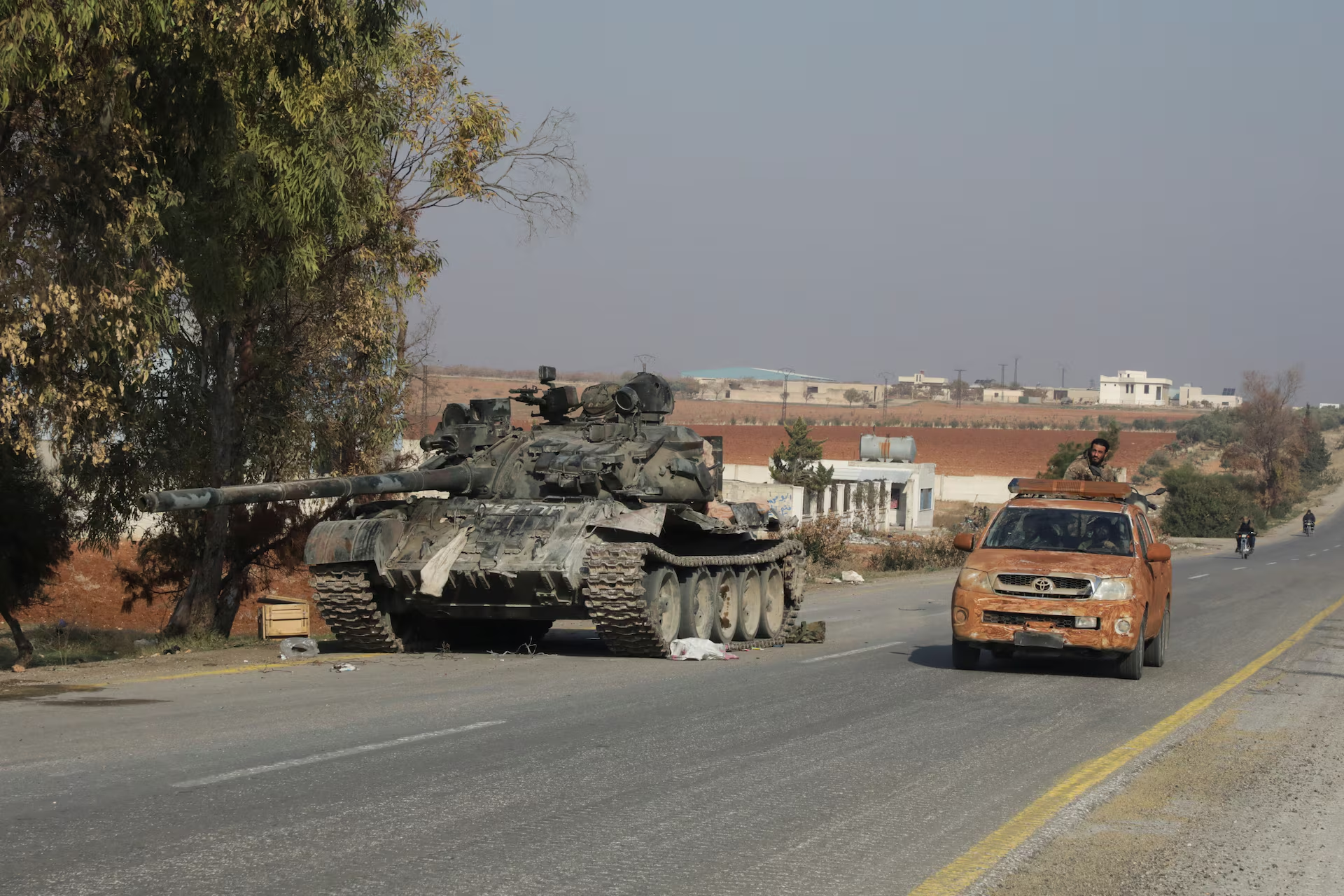
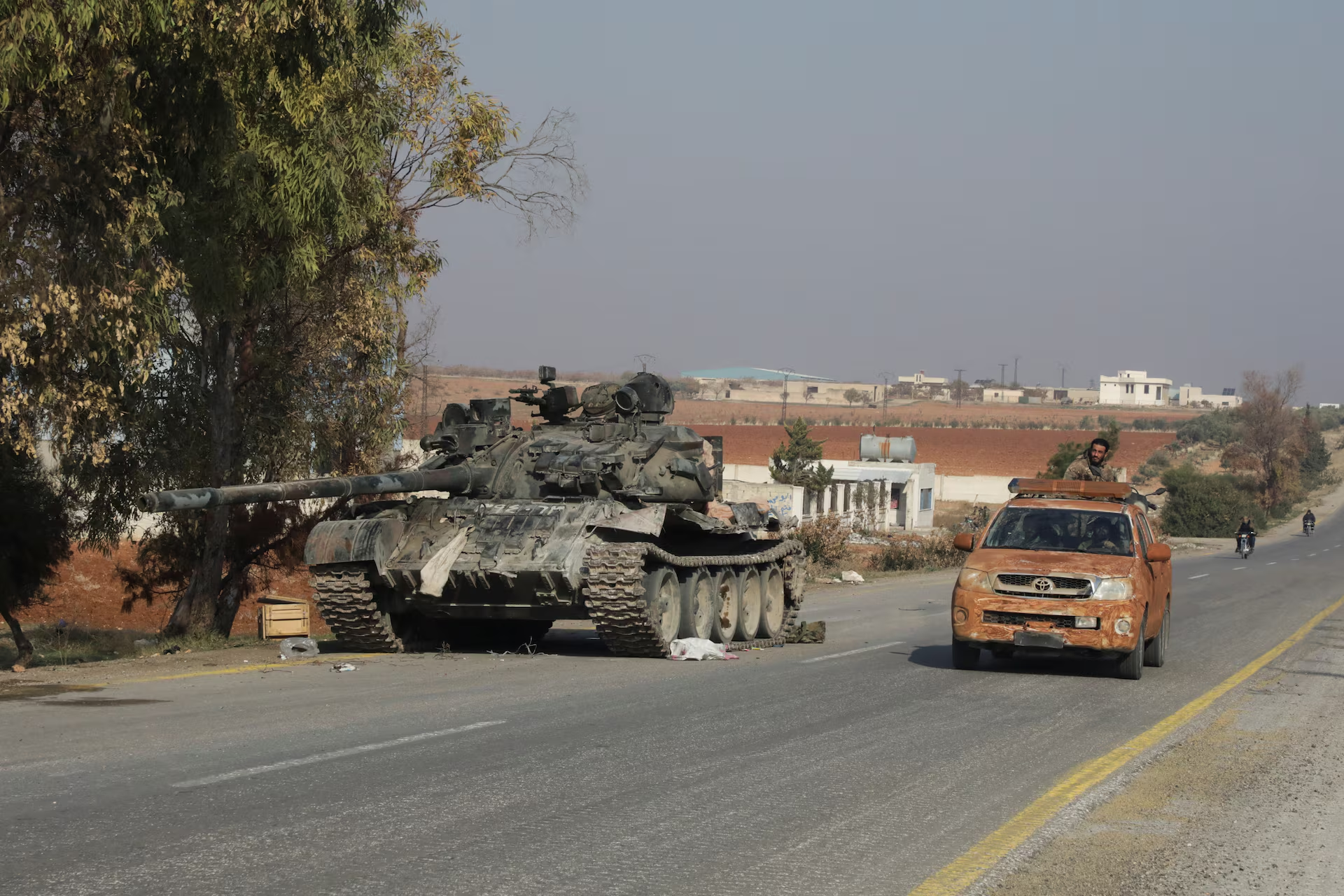
By December 6, 2024, as opposition gains continued, the militias began pulling out in groups. They told local recruits they were heading to “battlefronts,” not leaving Syria, to avoid revenge attacks. These units withdrew under cover of night through both smuggling and official crossings, including in Al-Bukamal and Qusayr. Some retreated to Iraq, others to Lebanon.

No Exit Deal, No Guarantees

Speaking to Noon Post, economic analyst Younes Al-Karim denied the existence of any formal agreement with Iran regarding the militias’ withdrawal. He argued the primary concern was a devastating joint US-Israeli military strike not the expansion of Operation Deterrence Against Aggression, which no one expected to extend beyond Aleppo.

This is evidenced by the initial failure to remove large stockpiles of Iranian weapons. But as the fighting spread toward Hama, Iran began concealing its arsenal and reportedly asked Turkey to mediate to protect its positions.

Karim added that once Aleppo was lost, Iran realized Russia would not intervene. This led to a shift in priorities within Operation Deterrence, allowing for a more orderly withdrawal. Iran and Hezbollah tried to hold onto Qusayr but suffered a major blow from Israeli air raids.

Positions held by Hezbollah’s elite Radwan Unit were struck in the Homs desert, and a convoy from Lebanon was destroyed effectively neutralizing Hezbollah’s presence in Syria and accelerating the opposition’s battlefield momentum.

Abandoned Fighters and Lingering Dangers

Local fighters remained behind after the withdrawal of their commanders. IRGC leadership evacuated only senior advisers and officers via Hmeimim airbase and Damascus International Airport. No action was taken against the abandoned Syrian fighters. Religious figures also fled alongside military commanders to Iraq and elsewhere, with some militias relocated to third countries.
نون بوست

Karim warned that after a warming of ties between Syria and the US, Iran tried to re-activate some of its proxy elements in anti-regime areas particularly in SDF-held zones and along the Syria–Lebanon border. However, the greatest concern lies in the possible handover of Iranian weapons, apparently facilitated by Tehran itself, to Islamic State (ISIS) cells, which have shown signs of renewed activity in the Syrian desert.

The danger also stems from dormant militia members who may be reactivated if instability returns. Their loyalty to their former factions and fear of retribution makes them vulnerable to recruitment. Some of these individuals even appeared during recent unrest in Sweida alongside their ex-commanders.

A Quiet Collapse

In summary, Iranian militias were hastily dismantled. Their leadership was transferred to Iraq, Iran, and Lebanon. Lower-ranking fighters were redeployed to SDF-controlled areas, while many local affiliates stayed behind after disarming.

With the shifting military and political landscape, Iran’s leadership seems to have recognized that the role its militias once played in saving Assad has come to an end. Their swift withdrawal from frontlines marked a dramatic shift in Syria’s balance of power.

No longer capable of defending the regime or shaping a post-war settlement, their disappearance revealed a stark truth: the same Iranian presence that once ensured Assad’s survival had become a source of weakness, hastening the unraveling of his allies and hastening their flight.

Download this article as PDF
Share this Article
Facebook Twitter Whatsapp Whatsapp Telegram Email Copy Link
فريق التحرير
By فريق التحرير تقارير يعدها فريق تحرير نون بوست.
Follow:
Previous Article نون بوست The Shadow Government That Rules Egypt and Devours Its Wealth
Next Article نون بوست Yemen: How the Southern Provinces Fell into the Hands of the Separatists

Read More

  • U.S. Regime‑Change Policies: Why They Are Destined to Fail U.S. Regime‑Change Policies: Why They Are Destined to Fail
  • The Gulf’s Balancing Act: Iran, Israel, and Hidden Links
  • Iraq–Turkey Oil Export Treaty: Why Did Ankara Cancel It After 52 Years?
  • Syria’s Northeast on Edge: QSD Between Ankara and Damascus
  • Has Europe Changed Its Stance on Israel… or Just Its Language?
part of the design
NoonPost Weekly Newsletter

You May Also Like

U.S. Regime‑Change Policies: Why They Are Destined to Fail

U.S. Regime‑Change Policies: Why They Are Destined to Fail

إسراء سيد Esraa sayed 8 April ,2026
The Gulf’s Balancing Act: Iran, Israel, and Hidden Links

The Gulf’s Balancing Act: Iran, Israel, and Hidden Links

فريق التحرير Noon Post 8 April ,2026
Iraq–Turkey Oil Export Treaty: Why Did Ankara Cancel It After 52 Years?

Iraq–Turkey Oil Export Treaty: Why Did Ankara Cancel It After 52 Years?

فريق التحرير Noon Post 8 April ,2026

الانتخابات البلدية السعودية: هل تستحق عناء المشاركة؟

علي مطير
علي مطير Published 11 September ,2015
Share
gettyimages-469314737

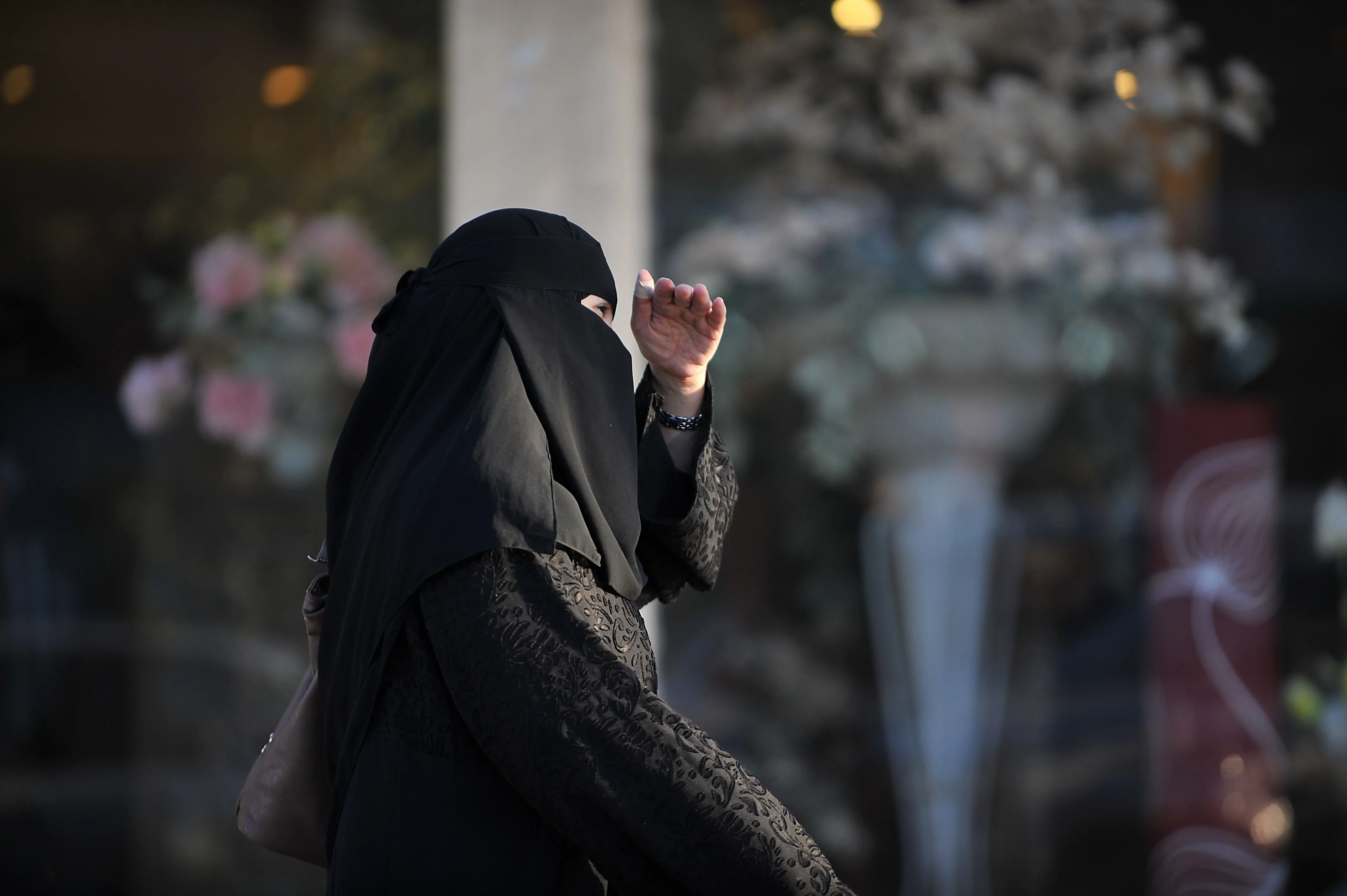
بدأت في 22 أغسطس إجراءات إخراج قيود الناخبين في 11 منطقة سعودية، بعد أسبوع من بدئها في الأماكن المقدسة، استعدادًا لانتخابات المجالس البلدية، هذه هي الدورة الانتخابية الثالثة في تاريخ السعودية، ومن المقرر إجراؤها في ديسمبر المقبل، وهي تتميز عن سابقاتها بتوسيع دائرة المشاركة الشعبية عن طريق السماح للمرأة بالترشح والانتخاب، وزيادة نسبة الأعضاء المنتخَبين في المجالس من النصف إلى الثلثين (الباقي مُعيَّن)، وتخفيض سن الناخب من 24 إلى 21 سنة، وعلى هذا، هناك توسيع لصلاحيات المجالس البلدية عما كانت عليه في الدورتين السابقتين، ورفع المستوى التأهيلي والتعليمي للمرشح ليكون حاصلاً على الشهادة الثانوية بدلاً من الاكتفاء بالقراءة والكتابة، وزيادة عدد الأعضاء والدوائر الانتخابية.

سخرية

غطى الإعلام التقليدي السعودي، بشقيه الرسمي والخاص، انتخابات المجالس البلدية بكثافة عبر مقالات صحفية وبرامج حوارية، وكأن الحدث فعلًا تاريخي، لكن للشارع رأيًا آخر، فقد تحدثت تقارير صحافية كثيرة عن إقبال ضعيف جدًا على التسجيل في قيود الانتخابات، ففي مكة المكرمة وهي المدينة المزدحمة، كان عدد من استَخرج قيودًا انتخابية على مدار أسبوع كامل 700 شخص فقط، وفي الرياض، كان معدل القيود الانتخابية بالنسبة لعدد المراكز أقل من واحد لكل مركز انتخابي في يوم واحد، هذا بالإضافة إلى كمية سخرية كبيرة من المجالس البلدية على موقع تويتر عبر وسم #الانتخابات_البلدية؛ مما دفع بعض المثقفين لانتقاد السخرية المفرطة كالناقد الأدبي عبد الله الغذامي الذي كتب على حسابه “هناك حالة تنكيت على الانتخابات البلدية القادمة، إن كنا سنستهتر بكل نصف خطوة تلوح، فإننا لن نصل إلى أي خطوة من أي نوع وأي قياس”.

على هامش الانتخابات

حصول المرأة على حق الترشح والانتخاب أثار حفيظة بعض المشايخ وأصحاب الآراء المتشددة حيال مشاركة المرأة في الشأن العام عمومًا، تراوحت أقوال علماء الدين في شدتها، فيرى البعض عدم جواز مشاركتها بالمطلق حيث إنها يجب أن تكون تابعة للرجل كما جاء في تسجيل انتشر على تويتر في وسم #الانتخابات_البلدية للشيخ عبد المحسن العباد، ورأى آخرون أن عليهم التعامل مع ما يقره ولي الأمر، كالشيخ عبد العزيز الفوزان، الذي أوصى بأن يصوت الناخبون للرجال لقطع الطريق على النساء، وخصوصًا “المنحرفات منهن خلقيًا وفكريًا”، على حد قوله، ويرى الفوزان أن دخولهن للمجالس البلدية قد يكون فرصة لتغريب وإفساد المجتمع، وانطلقت حملة على وسائل التواصل الاجتماعي عبر مقطع فيديو بعنوان “بادر يا غيور بتقييد اسمك ناخبًا” للحث على المشاركة والتحذير من اختلاط المرأة بالرجل في المجالس البلدية.

أما الكثير من الناشطات والحقوقيات السعوديات فرأين في منحهن حق الترشح والانتخاب مكسبًا وخطوة تاريخية في مسيرتهن الحقوقية، وحرصت الكثير من النساء ليكن أول من يستخرجن قيودًا انتخابية في دوائرهن، إلا أن شروط إثبات مقر السكن والوثائق اللازمة لاستخراج القيود مثلت عوائق كبيرة أمام الكثيرات منهن، وانطلقت حملة “مبادرة بلدي” بتنسيق ليلى الكاظم لحث النساء على المشاركة في الانتخابات، وتمثل ردود أفعال الناشطات على منحهن حق الترشح والانتخاب في المجالس البلدية مؤشرًا على أفق الكثير منهن ومدى ما يطمحن إليه في حراكهن، فبدا ابتهاجهن بالحصول على حق الترشيح، وكأن أقصى أمانيهن هي “مساواتهن بالرجل” الذي ما زال أصلًا يطالب بحقوقه السياسية والمدنية، وليس الوصول بالمرأة إلى حالة تكون فيها “إنسانة كاملة”، كان لبعض النساء رأي مختلف، مثل الكاتبة السعودية حليمة الشهاب، التي قللت من أهمية مشاركة المرأة في مجالس منزوعة السلطة واعتبرتها خطوة لا تمثل أي مكسب بل تطيل وضع المرأة المزري على الصعيد الإنساني والحقوقي والقانوني.

كما حضرت مشكلة الولاء القبلي وعلاقتها بالانتخابات بقوة في وسائل الإعلام، وانتشرت أنباء عن قيام القبائل في بعض المناطق بإجراء انتخابات داخل القبيلة نفسها كتصفية للمرشحين، ثم تقوم القبيلة بإلقاء ثقلها خلف من ينتخب من قِبل أبنائها، على غرار ما كان يحدث في الكويت، قوبلت تلك العصبية بحملات توعية عبر وسائل الإعلام التقليدية للحث على اختيار المرشح الكفء، إلا أن مواقع التواصل الاجتماعي بقيت فضاءً مفتوحًا لنخوة القبيلة كي تنصر أبناءها.

خطيئة المشاركة

جدير بالذكر أنه في عام 1955 جرت انتخابات للمجالس البلدية في السعودية، وكان كل أعضاء المجلس البلدي آنذاك منتخبين، وتمتعت تلك المجالس البلدية في الخمسينيات بصلاحيات كبيرة مقارنة بالصلاحيات الموكلة لها الآن، فأعضاء المجلس هم من يرفعون اسم مدير البلدية للسلطات لتصدر قرار تعيينه، ويرسمون الخطط ويقرون الميزانيات البلدية، بالإضافة إلى تقييد معظم قرارات البلدية بموافقة المجلس، فهل يجوز أن تقام انتخابات بعد 60 سنة تُخرج ثلثي أعضاء مجلس بلدي كل ما يملكون منه هو “إبداء الرأي” حسب لوائح وأنظمة المجالس البلدية الحالية، بل يمكن الاستغناء بالكامل عن المجالس البلدية إذا قرأنا المهام الموكلة إليها لأن الصحافة المحلية تقوم أصلاً بتلك المهام.

المشكلة هنا هي لدى من يُنشد التغيير، وفي بلد كالسعودية، يعد الانتصار في انتزاع مجالس بلدية ذات صلاحيات حقيقية معركة صغيرة في حرب إصلاحية طويلة، أما تجزئة المعركة الصغيرة أصلاً إلى عدة معارك أصغر، مثل احتجاج النساء على شروط استخراج القيد الانتخابي، فيأخذنا بعيدًا عن مسار التغيير ويطيل معركة الحصول على حق المشاركة الشعبية في صنع القرار، وهكذا تنتشر فكرة أن مقاطعة الانتخابات هي أفضل الحلول الآنية، لكي لا يكون استخراج القيد الانتخابي والوقوف في طوابير أمام صناديق اقتراع، هي “بقايا التمر” الذي نتقاتل عليه، وقد أخذ الشارع زمام المبادرة عبر إقباله الضعيف جدًا على “معركة” استخراج قيود الانتخاب، كتمهيد للانتقال إلى المطالبة بتغيير صلاحيات وأنظمة المجالس البلدية.

المصدر: السفير العربي

TAGGED: الإصلاح في السعودية ، الانتخابات البلدية السعودية ، المرأة السعودية
TAGGED: الإصلاح في السعودية
Download this article as PDF
Share this Article
Facebook Twitter Whatsapp Whatsapp Telegram Email Copy Link
علي مطير
By علي مطير كاتب سعودي
Follow:
Next Article نون بوست The Stigma of “ISIS”: A Heavy Legacy Haunting Women and Children of Former Members
part of the design
NoonPost Weekly Newsletter
dark

An independent media platform founded in 2013, rooted in slow journalism, producing in-depth reports, analysis, and multimedia content to offer deeper perspectives on the news, led by a diverse young team from several Arab countries.

  • Politics
  • Society
  • Rights & Liberties
  • Opinions
  • History
  • Sports
  • Education
  • Technology
  • Economy
  • Media
  • Arts & Literature
  • Entrepreneurship
  • Travel
  • Cinema & Drama
  • Food
  • Health
  • Culture
  • Latest Reports
  • Files
  • Long Reads
  • Interviews
  • Podcast
  • Interactive
  • Encyclopedia
  • In Pictures
  • About Us
  • Our Writers
  • Write for Us
  • Editorial Policy
  • Advanced Search
Some rights reserved under a Creative Commons license

Removed from favorites

Undo
Go to mobile version