

NoonPost NoonPost

NoonPost

  • Home
  • Politics
  • Economy
  • Society
  • Culture
  • Files
  • Long Reads
  • Podcast
AR
Notification Show More
نون بوست
“There Are Nights I Can’t Close My Eyes”: How Gazans Are Living in Homes on the Brink of Collapse
نون بوست
From al-Jolani to Ahmad al-Shara: The Evolution of Syria’s New Leader
نون بوست
When Political Islam Receded in Egypt: Who Filled the Void?
نون بوست
An Extension of Genocide: Gaza’s Detainees Speak Out
نون بوست
A Tightrope Between Survival and Sovereignty: The Syrian Government Faces Normalization Pressures
نون بوست
American Aircraft Carriers: Has the Era of “100,000 Tons of Diplomacy” Ended?
نون بوست
U.S. Regime‑Change Policies: Why They Are Destined to Fail
نون بوست
Transformations of Israeli Judaism: Between the Victim Complex and the Colonizer’s Doctrine
نون بوست
The Gulf’s Balancing Act: Iran, Israel, and Hidden Links
نون بوست
Iraq–Turkey Oil Export Treaty: Why Did Ankara Cancel It After 52 Years?
نون بوست
Syria’s Northeast on Edge: QSD Between Ankara and Damascus
نون بوست
Has Europe Changed Its Stance on Israel… or Just Its Language?
NoonPost NoonPost
AR
Notification Show More
نون بوست
“There Are Nights I Can’t Close My Eyes”: How Gazans Are Living in Homes on the Brink of Collapse
نون بوست
From al-Jolani to Ahmad al-Shara: The Evolution of Syria’s New Leader
نون بوست
When Political Islam Receded in Egypt: Who Filled the Void?
نون بوست
An Extension of Genocide: Gaza’s Detainees Speak Out
نون بوست
A Tightrope Between Survival and Sovereignty: The Syrian Government Faces Normalization Pressures
نون بوست
American Aircraft Carriers: Has the Era of “100,000 Tons of Diplomacy” Ended?
نون بوست
U.S. Regime‑Change Policies: Why They Are Destined to Fail
نون بوست
Transformations of Israeli Judaism: Between the Victim Complex and the Colonizer’s Doctrine
نون بوست
The Gulf’s Balancing Act: Iran, Israel, and Hidden Links
نون بوست
Iraq–Turkey Oil Export Treaty: Why Did Ankara Cancel It After 52 Years?
نون بوست
Syria’s Northeast on Edge: QSD Between Ankara and Damascus
نون بوست
Has Europe Changed Its Stance on Israel… or Just Its Language?
Follow US

Yemen: How the Southern Provinces Fell into the Hands of the Separatists

فريق التحرير
Noon Post Published 26 March ,2026
Share
نون بوست
نون بوست

Since late November 2025, Yemen has witnessed unprecedented military developments following the launch of “Promising Future,” a military operation led by the UAE-backed Southern Transitional Council (STC) in the Hadhramaut Valley and the eastern province of Al-Mahrah.

Although the secessionist STC is technically part of the internationally recognized Presidential Leadership Council, it took unilateral action by deploying thousands of UAE-trained fighters to the eastern and southern provinces it considers part of its envisioned future state.

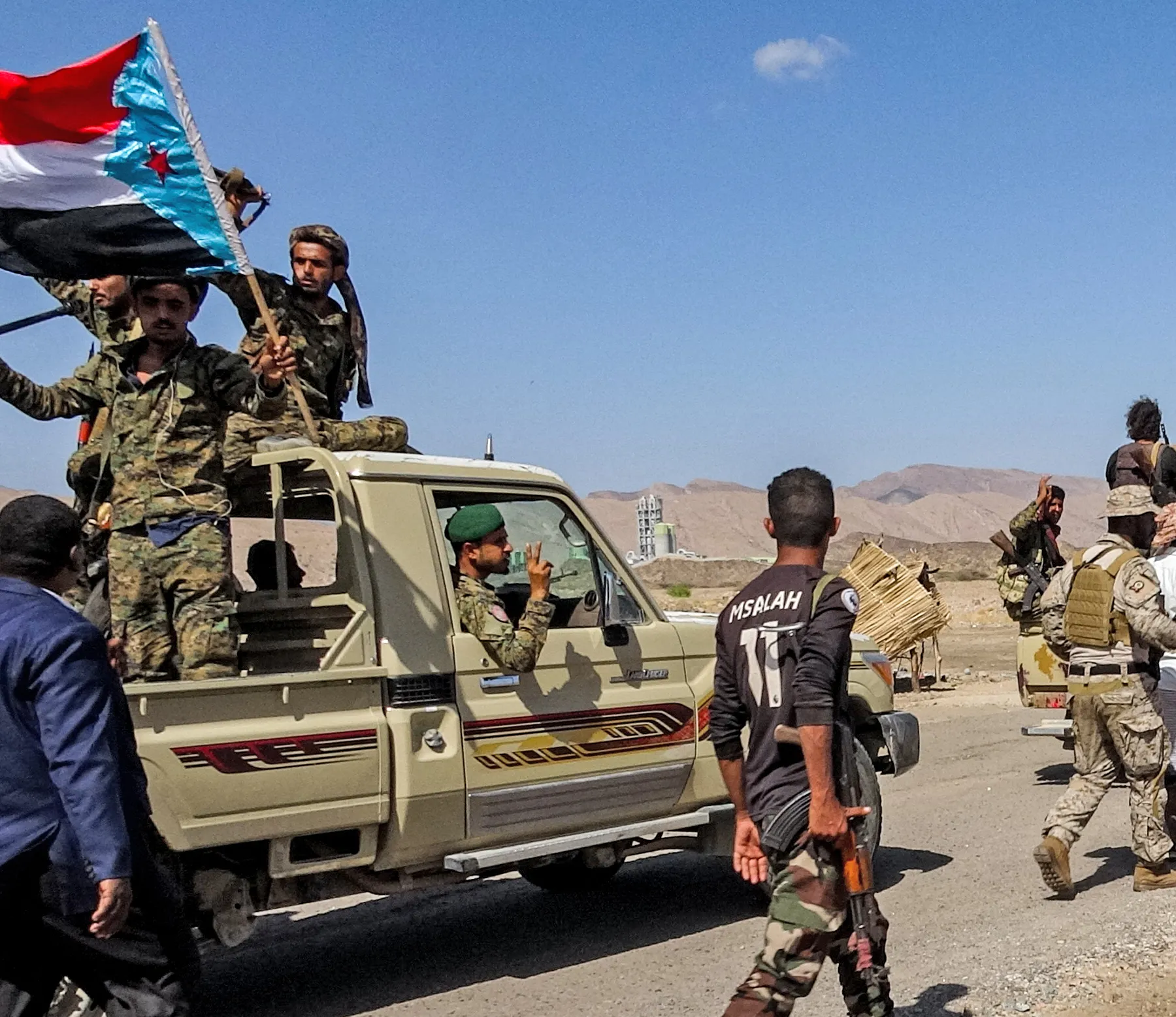
Within days, STC forces comprising military police, security belts, and the elite Hadhrami units seized control of state institutions, oil fields, airports, and border crossings in these regions, facing only limited resistance from government-aligned forces.

A Timeline of Escalation

In late November, pro-government “Hadhramaut Tribes Alliance” forces, backed by Saudi Arabia, seized an oil field and surrounding areas near the PetroMasila facility, halting production and demanding a greater share of oil revenues.

The STC seized on the incident to accuse the Hadhramaut Valley of becoming a hub for arms smuggling and diverting oil profits away from the south.

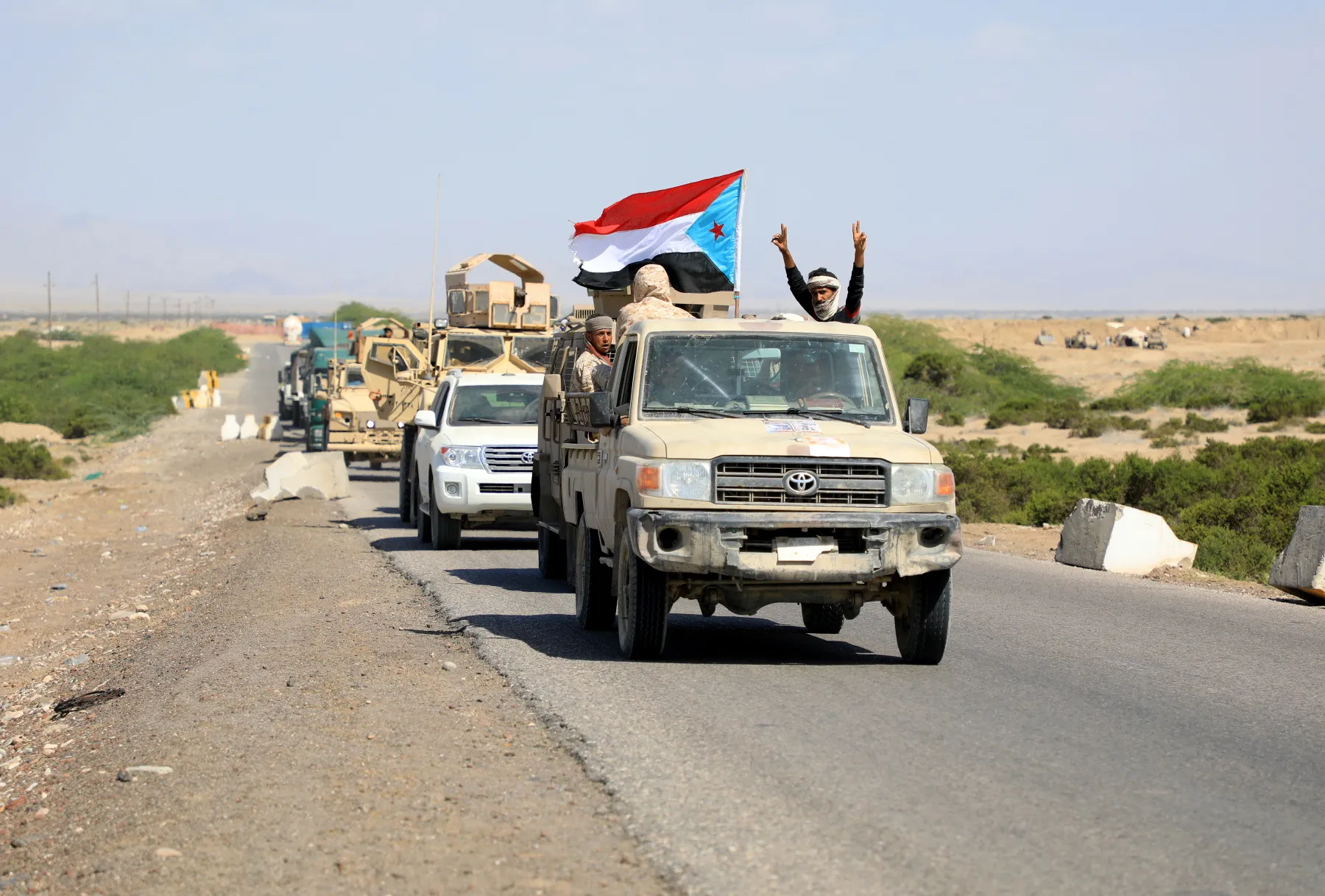
In early December, the STC launched “Promising Future.” Its elite Hadhrami units advanced rapidly, seizing several towns, raising the southern flag over the presidential palace in Seiyun, and declaring the “liberation of the Hadhramaut Valley.”

While the Hadhramaut Tribes Alliance attempted to resist from its strongholds, government forces stationed nearby did not respond militarily, allowing STC units to push forward. Clashes ensued, resulting in casualties on both sides.
نون بوست
Government-aligned forces offered only limited resistance to the Transitional Council.

In response, Saudi Arabia dispatched a military delegation to Mukalla, the provincial capital of Hadhramaut. On December 3, the two sides reached a de-escalation agreement to resume oil supplies and halt hostilities but fighting resumed the following day.

Simultaneously, STC units moved into Al-Mahrah province, taking control of the airport, seaport, and border crossings. They hoisted the southern flag over government buildings.

Government forces put up only minor resistance. Within days, the STC declared that all eight southern provinces including Aden were now under its “protection.” The stated aim: to unify the theater of operations, bolster security, and prepare for a potential confrontation with the Houthis.

Why the Separatists Hold the Upper Hand

Military Training and Support

The STC owes much of its military strength to robust Emirati support—financially, militarily, and logistically.

  • Equipped with modern weaponry, including Chinese AH‑4 howitzers

  • Built an effective intelligence network

  • Trained fighters in offensive operations and urban control

  • Maintains multiple elite units: the Aden-based Security Belt, Hadhrami and Shabwani elites

By contrast, government-aligned forces rely on Ministry of Defense brigades supported by Saudi Arabia. However, they face chronic funding shortfalls, political fragmentation, lack of heavy weaponry, and the absence of a unified command structure.

Unified Command vs. Government Disarray

Despite its diverse factions, the STC benefits from a centralized military and political leadership through its Presidential Council and security apparatus, allowing it to assert control by appointing loyal local commanders.
نون بوست
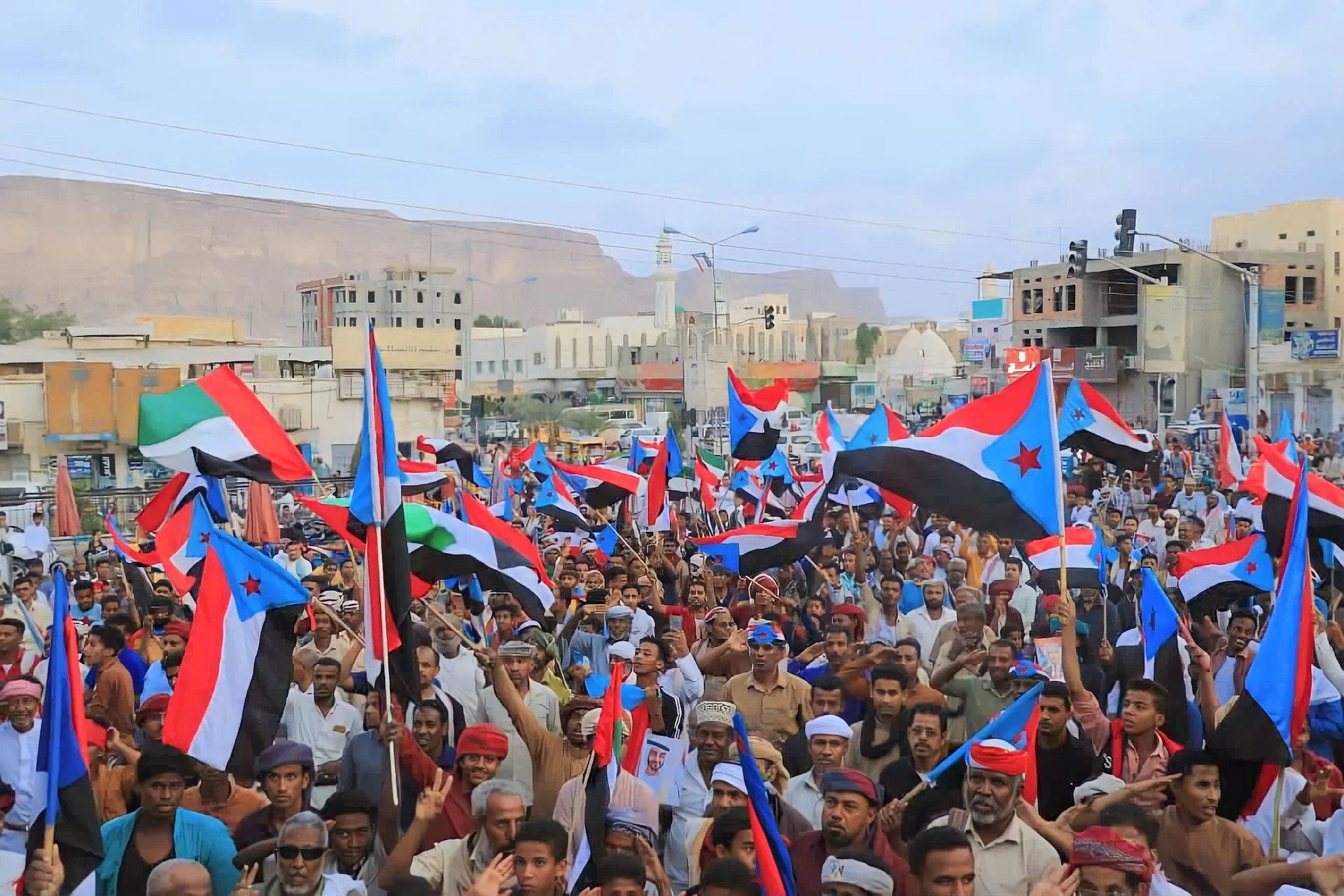
The Transitional Council succeeded in attracting a wide audience through its separatist rhetoric.

The government military lacks such cohesion. Units in the First Military Region are affiliated with the Islah Party, while “National Shield” brigades report directly to Saudi Arabia, and the Giants Brigades are aligned with the STC itself creating overlapping loyalties and undermining chain of command.

Moreover, government forces struggle to control the patchwork of militias collecting informal taxes on highways and competing with the state for resources.

Financial Resources and Control of Ports

The STC controls the Port of Aden and oil export facilities in Shabwa and Hadhramaut providing it with a substantial revenue stream.

It collects port fees and customs revenues, which previously accounted for 70% of the government’s income. Although the Houthi blockade and rerouting of shipping lanes through Hudaydah have impacted trade, the STC still enjoys a financial edge.

In addition, Hadhramaut’s oil reserves represent around 80% of Yemen’s total, giving the STC significant economic leverage.

Local Depth and Tribal Support

The STC draws strength from its secessionist narrative, which has attracted wide support across various southern provinces. Over the years, it has successfully mobilized popular backing through promises of improved security and governance, especially in Aden.

Conversely, the government has failed to provide basic services. Widespread power outages and unpaid salaries have severely eroded its support base.

While the government does have backing from tribal groups in Hadhramaut and Al-Mahrah, it has been unable to unify these factions. Some tribes view government forces as “northern militias” or extensions of other power centers, deepening internal divisions and weakening the state’s ability to mobilize a coherent resistance.

Factors Undermining Government Control

  • Institutional Disintegration and Service Collapse: Government ministries have lost authority, corruption is rampant, and basic services like water and electricity have deteriorated. This shifts public allegiance toward whoever controls essential resources—a vacuum the STC has effectively exploited.

  • Economic Crisis and Living Conditions: The halt in oil exports and slowdown in port activity have slashed government revenues. Yemen’s deepening economic crisis has pushed many to support whichever force can provide even minimal services—even at the cost of national unity.

  • Tribal Fragmentation and Resource Struggles: In Hadhramaut, competing tribal alliances demand local control over oil fields. This opened space for STC inroads in some areas, even as others resisted undermining central authority and creating security vacuums.

  • Smuggling and Extremist Groups: The STC justified “Promising Future” by citing rampant arms and drug smuggling in the Hadhramaut Valley, which it claims has also become a haven for extremist groups like ISIS and al-Qaeda.

  • Saudi–UAE Rivalry: A major factor in the erosion of government control. Riyadh favors a unified Yemen under a weak government capable of negotiating with the Houthis. Abu Dhabi backs southern secession, aiming to cement long-term influence over strategic ports like Aden, Mukalla, and Bir Ali.

Scenarios and Implications

A Southern Secession?

The Guardian has suggested that the STC may push for a public referendum rather than a unilateral declaration of independence, aiming to maintain the political backing of both the UAE and Saudi Arabia.

Risk of Confrontation with the Houthis

Washington’s Soufan Center argues that the STC’s takeover of oil-rich Hadhramaut is designed to deprive the Houthis of key funding sources. This could pave the way for future alliances with Israel or others against Iran. However, it might also give the Houthis a new pretext to rally support in defense of Yemeni unity.

Rising Saudi–UAE Tensions

The events underscore a widening rift between Riyadh and Abu Dhabi, which could spiral into indirect conflict through their local proxies. Alternatively, the situation may force both to renegotiate the balance of power in Yemen.

Local Chaos

The STC’s military takeover has left an administrative vacuum in Hadhramaut and Al-Mahrah. Power cuts and service collapses following the offensive have triggered fears of mass displacement. Rising regional rhetoric and signs of deepening societal divisions point to a potential social breakdown in the absence of a political settlement.

Yemen’s “Somalization”?

Observers fear Yemen could follow a Somalia-like trajectory. STC militias often operate independently, lack unified command, extort money at checkpoints, and compete for resources raising the specter of lawlessness and fragmented rule.
Download this article as PDF
Share this Article
Facebook Twitter Whatsapp Whatsapp Telegram Email Copy Link
فريق التحرير
By فريق التحرير تقارير يعدها فريق تحرير نون بوست.
Follow:
Previous Article نون بوست After Their Commanders Fled: Where Did Iran’s Militias Vanish in Syria?
Next Article نون بوست What Lies Ahead for Gaza in the Second Phase?

Read More

  • U.S. Regime‑Change Policies: Why They Are Destined to Fail U.S. Regime‑Change Policies: Why They Are Destined to Fail
  • The Gulf’s Balancing Act: Iran, Israel, and Hidden Links
  • Iraq–Turkey Oil Export Treaty: Why Did Ankara Cancel It After 52 Years?
  • Syria’s Northeast on Edge: QSD Between Ankara and Damascus
  • Has Europe Changed Its Stance on Israel… or Just Its Language?
part of the design
NoonPost Weekly Newsletter

You May Also Like

U.S. Regime‑Change Policies: Why They Are Destined to Fail

U.S. Regime‑Change Policies: Why They Are Destined to Fail

إسراء سيد Esraa sayed 8 April ,2026
The Gulf’s Balancing Act: Iran, Israel, and Hidden Links

The Gulf’s Balancing Act: Iran, Israel, and Hidden Links

فريق التحرير Noon Post 8 April ,2026
Iraq–Turkey Oil Export Treaty: Why Did Ankara Cancel It After 52 Years?

Iraq–Turkey Oil Export Treaty: Why Did Ankara Cancel It After 52 Years?

فريق التحرير Noon Post 8 April ,2026

الهروب إلى الحرية

مجاهد الحوامدة
مجاهد الحوامدة Published 12 September ,2015
Share
11923248_1169190379765529_5529717848989986250_n-702x432

“لو أتيح لي فعلاً الهروب لأعطيت الأولوية للهروب الجسدي قبل هذا الثاني” علي عزت بيجوفتش في مقدمة كتابه “هروب إلى الحرية”.

قد يكون الهروب إلى إنسانية الإنسان من جبروت المادة، وقد يكون الهروب بالإنسان من مادة الجبروت، وكله هروب إلى الحرية.

قد يكون الشيء ونقيضه فاعلين في الإنسان؛ فالرؤية الإنسانية بتجلياتها قد تكون كامنة في الوجدان، وفي الوقت ذاته يكون النموذج المادي وحركيته حاضرًا في القلب بتجسيداته المختلفة.

في الغرب الأوروبي يأخذ هذا التجسيد المادي مقولة اختزالية تارة في العنصر الاقتصادي، وتارة في التاريخ ومقولاته الحتمية، وفي أحيان أخرى قد تصبح قضية ما هي الحتمية المادية المتجسدة في الواقع، ومنها يبرز الإنسان صاحب القضية والحق، فيتحول إلى المركز مباشرة، وتسقط لبرهة الحتميات المادية بمركزيتها الخانقة.

هذا السقوط الذي يصب للوهلة الأولى في صالح الإنسان المقموع الهارب بجسده ابتداءً إلى الحرية، ولكنه في حقيقة الأمر يجسد إنقاذًا وخلاصًا للإنسان الغربي المقهور بالنموذج المادي المتسلط، فهو إنما ينقذ ذاته المهدَرة باستدعاء الإنساني والأخلاقي في كيانه بمد يد العون للآخر الإنسان لتنتصر الرؤية الإنسانية الكامنة في وجدانه ولو لوقت من الزمن.

كما أن الحياة الإنسانية بتركيبها مفعمة بالثنائيات ودرجاتها والتنوع وأشكاله، وليست سردية بسيطة أو سطحية على الإطلاق؛ فحياة الإنسان تقع في نقطة تقاطع بين العديد من العناصر التي تشكل حياته؛ تقاطع تواصل وتكامل، وتقاطع حدود وفواصل، فالدنيا هي المكان الذي يحقق فيه الإنسان حريته وإمكاناته، وفي ذات الوقت يحاول ألا يذوب أو يستوعَب في عالم المادة واللذة والاستهلاك، وإلا تحولت حياته جحيمًا لا يطاق وركضًا وراء السراب.

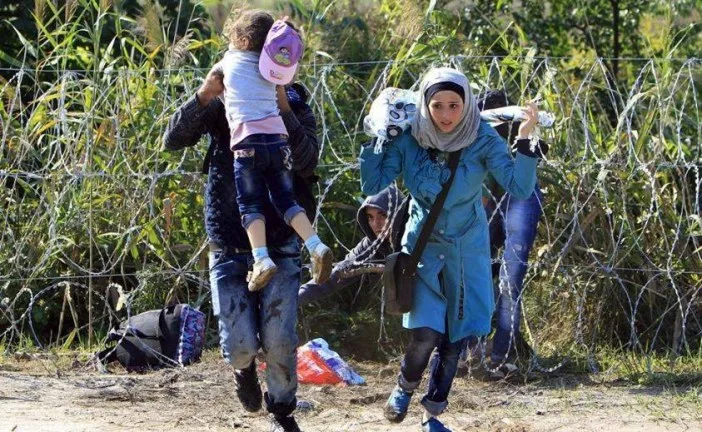
هذه مقدمة لا بد منها لمقاربة الفعل الإنساني الذي رصده المشاهد العربي في تعاطي الإنسان الغربي مع المهاجر العربي – دون انزلاق لثنائية الانبهار أو اللامبالاة الصفرية – وذلك قبل الإشارة إلى التناقض الكامن بين هذا التصرف العفوي الإنقاذي في مقابل التصور الحاكم للمنظومة الغربية الرسمية المتجردة، وليس في استدعاء مصطلح “الرسمي” هنا أي استبطان لعقد مقارنة دارجة بين ما هو شعبي وما هو رسمي في السردية العربية الوصفية للغرب، بقدر ما يكون توصيفًا لما هو عام وشائع في الممارسة الرسمية التي قد تكون حاضرة وبقوة في بعض طبقات المجتمع ذاته.

***

عندما يستشعر الإنسان أنه خلق من جديد؛ أنه استيقظ من سكرة طويلة بعد عقود من الزمن مارس فيها معنى أن يكون عبدًا في وطنه طوعًا أو كرهًا، عندها فقط يكون قد فهم معنى الحرية ممارسة، أن الكرامة هي الهوية وهي القيمة التي يملك، وهي التعريف بالذات الحقيقية، هنا تبدأ صفحة جديدة من التاريخ، ليس هروبًا من الماضي، إنما رسم لمستقبل شعاره “لن نذل بعد اليوم”.

لقد كانت تلك الجثة الحية الميتة المسجاة على شواطئ البحر، والتي اخترقت صورتها دون استئذان العالم كله، كانت تعلن وبقوة عن المعنى العميق لتلك الكرامة الإنسانية، جاءت الرسالة لتقول: نعم للحياة، فمن لم يتعظ بالموت لا يعظم معنى الحياة. لكن الموت – هادم اللذة والمادة – لم يأت طبيعيًا أو من تحت الأنقاض هذه المرة، إنما جاء ملحميًا نضاليًا هروبًا إلى الحرية.

هذه الرمزية ربما هي التي حركت العالم، وتحركت معها شعوب العالم، أو ربما كسرت النسق الذي اعتاد الناس عليه، أو ربما لأن الطفل يملك خصائص جذابة ومقنعة قريبة من أصل كينونته الإنسانية، فمع الزمن يفقد الإنسان شيئًا من إنسانيته تدريجيًا، ومع تقدمه في العمر يبتعد عن جذوره، ومن هنا أراد الجميع تعزية الإنسان في أنفسهم باسترجاع شيء من الأصل الذي ضمر أو افتقدوه طويلاً.

أما إنسان الغرب الذي تعصره المادة، وتحيط به من كل جانب، ويرسم له “السيستم” بأدوات الأخ الأكبر مسار حياته، فقد كان لا بد له من زلزال أو هزة في الضمير والروح المشلولة، كانت تلك الأنفس بحاجة للتفكير في الموت حتى تستيقظ فيها الحياة، لا أقولها هروبًا إلى الأمام وإلقاء بالمسؤولية على الآخر، أو تبرئة لكيانات رسمية موميائية تنطق الضاد، بقدر ما يكون القول رصدًا لحاجة ذلك الإنسان بخصوصيته الأوروبية إلى التحرر والانعتاق من قيود التوصيف المادي للحياة.

ولعله صدق فيهم – على هذا المستوى – قول عمرو بن العاص رضي الله عنه في أسلافهم: “إن فيهم لخصالاً أربعًا: إنهم ‏ ‏أحلم ‏ ‏الناس عند فتنة، وأسرعهم إفاقة بعد مصيبة،  ‏وأوشكهم ‏كرة‏ ‏بعد فرة، وخيرهم لمسكين ويتيم وضعيف، وخامسة حسنة جميلة: وأمنعهم من ظلم الملوك”!

الموقف الشعبي في بعض الدول الأوروبية من المهاجرين تعلي دون مواربة مقولة إنسان التراحم مقابل مقولات أخرى يعيشها الكثير من بشر هذا الزمن، إن الشر هو الذي يعطي للوجود معنى وللتجربة خصوبتها والمقولة الإنسانية شخصيتها وتفردها، ولا أظن أن إنسان أوروبا قد يفكر في استغلال حاجة الأسرة المهجرة في إخماد شهوته المشتعلة كما يفعل البعض من بني جلدتنا تحت عباءة التعدد التي تخفي تحتها غرائز حيوانية هي في الحقيقة تعريف لذواتهم وتعبير عن معنى الإنسان في حياتهم.

في السردية الأدبية حجم البطل ليس في أهميته الاجتماعية، وإنما بحجم القضية الأخلاقية التي يحملها هذا البطل، لذلك فإن الملك في الرواية الأدبية يمكن أن يكون شخصًا ثانويًا وخادمه هو البطل، ولكن لماذا لا تسير الأمور هكذا في الحياة؟! قد يكون السبب لأن الكاتب في الأدب يعرفنا على روح البطل، أما في الحياة ففي الأعم الأغلب تتعرف على الناس فقط من الناحية الخارجية، تلك الأشياء التي لا قيمة أخلاقية لها – الاسم، المهنة، الموقع الاجتماعي والمادي… – ولكن ما هو مهم في الحقيقة وما يخبرنا عنه الأديب عن هذا الإنسان يبقى عادة غير معروف لنا في الحياة.

ولكن ماذا لو ظهرت روح البطولة في الحياة، وتجلت أمام الإنسان على شكل شعب يعاند الظلم والظالمين، ويعلي لواء العزة، وطفل يرفض السجان، فيتحول إلى أيقونة تتمسك وتقبل الأرض، وإنسان في الغرب يرفض تنميط الآخر، ويستقبل إنسانًا مثله رافضًا التخلي عما بقي من شخصيته الإنسانية مقابل الشخصية البراغماتية التي تتحرك مع صيرورة المادة وتقلباتها!

عندها تصح مقولة الثورة أو العقل التوليدي تمامًا – وهي التي تذهب إلى أنه يوجد في العقل أفكار كامنة لا تكتسب عن طريق التجربة وإنما تسبقها – فهي ليست معرفة مكتسبة، وإنما فطرية في العقل الإنساني، وهي تتفق تمامًا مع مفهوم الفطرة في الإسلام متجاوزة الرؤية المادية للعقل والفعل الميكانيكي في إنسان السوق.

“يجب أن نكون مثل الطبيعة، والطبيعة لا تعرف الرحمة والشفقة”، هتلر.

على مر العقود السابقة، وابتداءً من عصر التنوير بدأ تشكل النموذج الغربي، وازدادت مع مرور الوقت معدلات التجريد في المجتمع، فنزعت تدريجيًا الصفات الخاصة عن الإنسان؛ حتى يتسنى استيعابه داخل الماكينة بشكل يتحول فيه الأفراد إلى كم يمكن قياسه ولا قداسه له.

وقد نجحت عمليات التجريد الرسمية مع تعاظم قوة الدولة المركزية وهيمنتها وتحولها إلى مطلق، نجحت في جعل القيمة الأخلاقية شيئًا بعيدًا لا علاقة له بفعل الإنسان المباشر، فتحول الفعل من مسؤولية أخلاقية إلى مسؤولية فنية وتكنوقراطية محضة، وظهرت مؤسسات متخصصة تقوم بتحقيق أهدافها بشكل مقنن ومنظم لا دخل فيه للعواطف.

وبهذا حلت الحسابات الرشيدة محل الاستجابة التلقائية والعواطف؛ مما مكن الإنسان الرسمي من كبت أي أحاسيس لديه بالشفقة أو الانفعال الفطري، وحل محل ذلك كله قدر عال من الانضباط والتخطيط المجرد، وعندها أصبح من الممكن أن تقرر الدولة وأعضاء النخبة إبادة عناصر غير نافعة في المجتمع أو في وطن آخر أو قارة بأسرها تشكل مجالاً حيويًا للدولة صاحبة القرار.

ومن هنا فإن التراكم الرأسمالي والتقدم (حسب المعيار الغربي) الذي حدث في الغرب لم يكن نتيجة جهد ذاتي لتلك الشعوب، بل كان نتاجًا للتراكم الكولينيالي باعتباره جوهر الرؤية الغربية الحديثة والتطبيق للنموذج النظري العلماني الصفري.

لقد تشيأ الآخر وتحول إلى مادة استعمالية توظف لمصلحة الغرب وترفيه مجتمعاته (العمالة الرخيصة، الموارد الرخيصة، الإبادات السكانية، العبيد السود وحقول القطن وقصص الطفرات الاقتصادية بأمريكا في القرن التاسع عشر ثم نهب المستعمرات..)، وهي الإستراتيجية التي اتبعها الغرب في تقدمه المادي وتأسيس بنيته الاقتصادية الضخمة.

ومن ثم لا يمكن إغفال هذه الرؤية الكامنة لدى الرسمي في الغرب عند الحديث عن المواقف الرسمية المرحبة بالمهاجرين، ليس باعتبارها ظواهر سياسية شاذة، وإنما نابعة من صميم تلك الإستراتيجية المادية، إضافة إلى التوظيف الذي تمارسه النخب الحاكمة على شعوبها ابتداءً والجماعة المهاجرة ثانيًا والعالم انتهاء بإطلاق سحابة من الدخان الأخلاقي والإنساني، إما لتسويغ سياسات في الداخل، أو تهميش دورها التاريخي في صياغة منظومة الدولة والطبقة المتحكمة في بلادنا، أو محاولة للتطهر من متتالية العقدة النازية في الحالة الألمانية على سبيل المثال.

وهنا قد يخطر سؤال على الخاطر: ماذا لو شعر الإنسان الغربي في أعماقه بلاأخلاقية النموذج والقرار؟

إن الآليات المتبعة ستعلمه كيف يكون قادرًا على إسكات حسه الأخلاقي؛ فالإنسان الحداثي الرسمي أصبح بحسه العلمي ومن خلال الحسابات الرشيدة والتبرير العلمي الموضوعي المحايد ومراكز الأبحاث الترشيدية، أصبح قادرًا على تسويغ أي شيء وقبول أي وضع، وبذا يمكنه التضحية بالآخر، ثم تتكفل المؤسسات الإعلامية للدولة بتصفية كل ما تبقى فيه من أحاسيس إنسانية وأخلاقية متخلفة.

وبما أن جوهر هذه الرؤية الغربية الحداثية هي تسخير الإنسان ومكننته لتعظيم المكاسب المادية، وصيانة الديناميكية الاقتصادية الغربية، وزيادة عجلة الاستهلاكية الدوارة، فليس من المستغرب حدوث هكذا مواقف على المستوى الرسمي، لاسيما وأن أزمتي الشيخوخة والتباطؤ الذي تعانيه العجلة الاقتصادية باتت مقلقة لأصحاب القرار في أوروبا.

ولكن ماذا لو اكتشف الغرب الرسمي (بأسواق نفوذه وكارتيلات نخبته والأوليغاركات والعائلات المتنفذه فيه) أن هذه المادة المهاجرة غير نافعة، وتشكل عائقًا في طريق المنفعة وزيادة الإنتاج والاستهلاك؟

لقد كانت المنظومة الغربية قبل ثورة التواصل تقوم بإزالة العائق مباشرة كما حدث مع اليهود في ألمانيا ومع الهنود الحمر، في ذات الوقت الذي كانت تجلب فيه أعدادًا غفيرة من السود لأمريكا؛ ذلك لأن الهولوكوست البشري بشكل عام وليس كتجربة خاصة باليهود – كما يقول مؤلف كتاب الحداثة والهولوكوست – يولد طبيعيا من رحم الحداثة الغربية، ولم يكن النظام النازي إلا ثمرة طبيعية للتشكيل الحضاري الكولينيالي الغربي الحديث في عز نضوجه وتجليه.

ولكن المعضلة التي تواجه هذه المنظومة الآن – إذا تجاوزنا الأبعاد السياسية الإعلامية والاقتصاد السياسي ومكسب الصناديق – فإنها تتشكل في التشكيل الحضاري المتماسك الذي تمثله مجموعات المهاجرين كما كان يشكله الهنود الحمر إضافة إلى الحق التاريخي في الأرض، على النقيض من الكتلة السوداء المستجلبة من أفريقيا، والتي فرض عليها الانكسار النفسي، علاوة على غياب عامل التماسك الحضاري.

هذا التشكيل الحضاري المتماسك هو ما يزعج الغرب بالدرجة الأولى – على اختلاف النسب والدرجات بين الدول الأوروبية بفعل عوامل التاريخ وطبيعة الإدراك لدى الطبقة الحاكمة للهوية بين الصلابة والسيولة – وليس مبدأ تقسييم الحصص الذي اعترض عليه وزير خارجية المجر مع بداية الأزمة، ذلك لأن تراجع سطوة الدولة القومية في أوروبا مقابل تعاظم النموذج الاقتصادي المادي كمرجعية نهائية ودور الشركات العابرة للقارات، يحول الإشكال بين الدول الأوروبية حين وقوعه إلى إشكال اقتصادي رقمي كمي حصصي يمكن حله.

وهنا لن يكون أمام الغرب من سبيل إلا استهداف الداخل مباشرة على مستوى النفس البشرية والتصورات الحاكمة للفرد باستيعاب المهاجر ضمن منظومة الغرب الخاصة، واستبطانه للنموذج الغربي المادي بوعي أو بغير وعي.

عندها يتحول الإنسان الهارب إلى الحرية بحمولة نضالية وحضارية إلى كائن اقتصادي تختزل تطلعاته داخل السقف المادي، فينسلخ تدريجيًا عن الحالة النضالية الحادثة على أرضه، ويدور في حدود البقاء، ويتحول معنى الحرية والحق والكرامة في وطنه كقضية مقاومة عادلة إلى حالة اختزالية سطحية في شكل هجرة بشرية ومهجريين جياع؛ مما يمكن الغرب الرسمي بماكينته الإعلامية ومؤسساته المعولمة من التلاعب بأصل القضية وعزلها في سياقات ثانوية خدمة لأهدافه ونزعته الكولينيالية المتلونة.

ولعل المستشارة الألمانية تنظر إلى قادرة العالم الغربي وعلى وجهها ابتسامة صفراء، وتردد في نفسها مقولة هتلر: “يا سادة أنا لم أخلق القبح، بل إن الأمر أبعد ما يكون عن ذلك، كم من التعساء الصغار الذين قتلهم أصدقاؤكم، هذه النزهة كانت قد بدأت وأنا بعد في المهد صبي! في لعبة الأرقام السود لست أسوأ اللاعبين”!

وهنا لا بد من التذكير بأن الإنسان المسلم هو نموذج إنساني للمقاومة، فهو لا يعتبر معدلات الاستهلاك النقطة المرجعية في حكمه على الأمور، فمرجعيته هي مقدار تحقيقه لقيمه الإسلامية، وخلق شبكات عميقة داعمة للصمود والكرامة في بلده، لتسقط قابليته للاستعمار من الداخل مباشرة.

TAGGED: اللجوء إلى أوروبا ، اللجوء السوري ، الهجرة إلى أوروبا
TAGGED: أزمة الهجرة
Download this article as PDF
Share this Article
Facebook Twitter Whatsapp Whatsapp Telegram Email Copy Link
مجاهد الحوامدة
By مجاهد الحوامدة كاتب وباحث من الأردن
Follow:
Next Article نون بوست The Stigma of “ISIS”: A Heavy Legacy Haunting Women and Children of Former Members
part of the design
NoonPost Weekly Newsletter
dark

An independent media platform founded in 2013, rooted in slow journalism, producing in-depth reports, analysis, and multimedia content to offer deeper perspectives on the news, led by a diverse young team from several Arab countries.

  • Politics
  • Society
  • Rights & Liberties
  • Opinions
  • History
  • Sports
  • Education
  • Technology
  • Economy
  • Media
  • Arts & Literature
  • Entrepreneurship
  • Travel
  • Cinema & Drama
  • Food
  • Health
  • Culture
  • Latest Reports
  • Files
  • Long Reads
  • Interviews
  • Podcast
  • Interactive
  • Encyclopedia
  • In Pictures
  • About Us
  • Our Writers
  • Write for Us
  • Editorial Policy
  • Advanced Search
Some rights reserved under a Creative Commons license

Removed from favorites

Undo
Go to mobile version