NoonPost NoonPost

NoonPost

  • Home
  • Politics
  • Economy
  • Society
  • Culture
  • Files
  • Long Reads
  • Podcast
AR
Notification Show More
نون بوست
“There Are Nights I Can’t Close My Eyes”: How Gazans Are Living in Homes on the Brink of Collapse
نون بوست
From al-Jolani to Ahmad al-Shara: The Evolution of Syria’s New Leader
نون بوست
When Political Islam Receded in Egypt: Who Filled the Void?
نون بوست
An Extension of Genocide: Gaza’s Detainees Speak Out
نون بوست
A Tightrope Between Survival and Sovereignty: The Syrian Government Faces Normalization Pressures
نون بوست
American Aircraft Carriers: Has the Era of “100,000 Tons of Diplomacy” Ended?
نون بوست
U.S. Regime‑Change Policies: Why They Are Destined to Fail
نون بوست
Transformations of Israeli Judaism: Between the Victim Complex and the Colonizer’s Doctrine
نون بوست
The Gulf’s Balancing Act: Iran, Israel, and Hidden Links
نون بوست
Iraq–Turkey Oil Export Treaty: Why Did Ankara Cancel It After 52 Years?
نون بوست
Syria’s Northeast on Edge: QSD Between Ankara and Damascus
نون بوست
Has Europe Changed Its Stance on Israel… or Just Its Language?
NoonPost NoonPost
AR
Notification Show More
نون بوست
“There Are Nights I Can’t Close My Eyes”: How Gazans Are Living in Homes on the Brink of Collapse
نون بوست
From al-Jolani to Ahmad al-Shara: The Evolution of Syria’s New Leader
نون بوست
When Political Islam Receded in Egypt: Who Filled the Void?
نون بوست
An Extension of Genocide: Gaza’s Detainees Speak Out
نون بوست
A Tightrope Between Survival and Sovereignty: The Syrian Government Faces Normalization Pressures
نون بوست
American Aircraft Carriers: Has the Era of “100,000 Tons of Diplomacy” Ended?
نون بوست
U.S. Regime‑Change Policies: Why They Are Destined to Fail
نون بوست
Transformations of Israeli Judaism: Between the Victim Complex and the Colonizer’s Doctrine
نون بوست
The Gulf’s Balancing Act: Iran, Israel, and Hidden Links
نون بوست
Iraq–Turkey Oil Export Treaty: Why Did Ankara Cancel It After 52 Years?
نون بوست
Syria’s Northeast on Edge: QSD Between Ankara and Damascus
نون بوست
Has Europe Changed Its Stance on Israel… or Just Its Language?
Follow US

What Lies Ahead for Gaza in the Second Phase?

فريق التحرير
Noon Post Published 26 March ,2026
Share
نون بوست
نون بوست

A 20-point ceasefire agreement in Gaza is on the verge of entering its second phase, following the completion of a fragile initial truce, a prisoner exchange, and a partial withdrawal of Israeli forces to what has become known as the “Yellow Line” inside the Gaza Strip.

As Israeli Prime Minister Benjamin Netanyahu prepares for his upcoming visit to Washington to meet President Donald Trump between December 28, 2025, and January 1, 2026, the spotlight has turned to the contours of the agreement’s second phase and the practical likelihood of its implementation.

Key Elements of the Second Phase

1. Withdrawal of Israeli Forces from Gaza

In the first phase, Israeli forces pulled back to a line within Gaza referred to as the Yellow Line, encompassing roughly 53% of the Strip’s total area. Within this boundary, the Israeli military maintains a presence in the eastern sectors of Gaza City and Khan Younis, as well as the far north and south of the Strip.

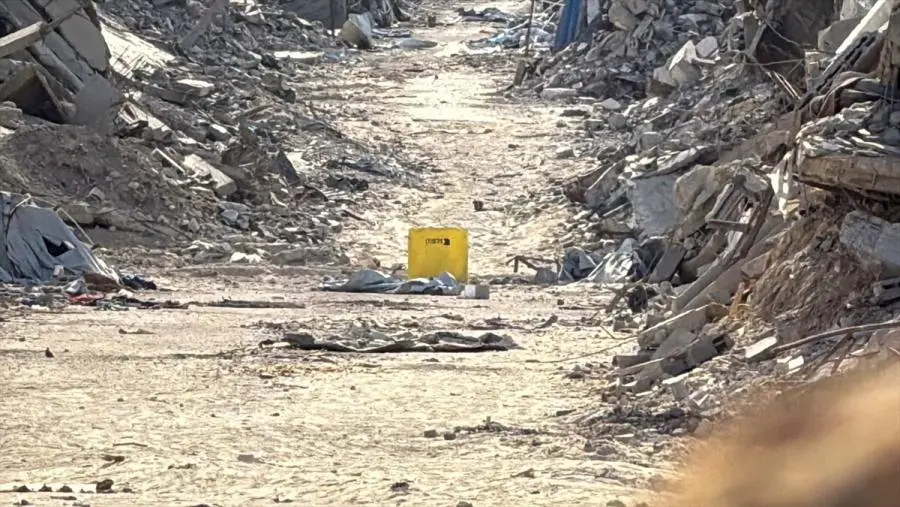
On October 20, 2025, images surfaced showing the placement of yellow concrete blocks outside this line to demarcate it physically an indication, many believe, of intentions for a prolonged occupation.
نون بوست
Yellow cement blocks to mark the yellow line controlled by the occupation in Gaza

The agreement’s second phase stipulates a full withdrawal of Israeli forces beyond the Yellow Line and out of Gaza. However, Netanyahu’s government continues to oppose such a move.

Israeli Chief of Staff Herzi Halevi stated that the Yellow Line serves as “an advanced defensive line and will remain in place even after the launch of the second phase.”

2. Disarmament of Hamas and Other Factions

Israel has made the disarmament of Hamas and other armed groups its primary condition for proceeding with phase two. The agreement calls for the handover of heavy weapons, allowing only light arms to remain with the local police.

Netanyahu has stressed that the second phase is “much more difficult than the first” because of the arms issue, vowing to “ensure disarmament by any means, even if international forces fail to do so.”

In response, Hamas leader Basem Naim stated that the group is willing to “freeze or store” its weapons as part of a political process leading to the establishment of a Palestinian state but refuses to hand them over to any foreign force.

Naim and other Hamas officials maintain that retaining their weapons is a direct response to the ongoing occupation. They have, however, expressed willingness to consider a long-term truce of five or even ten years.

3. Deployment of an International Stabilization Force

Details regarding the proposed international force remain unclear. On October 24, U.S. Secretary of State Marco Rubio said the force was still in the process of being formed, and that several countries had shown interest in participating, though he did not elaborate.

According to Axios on October 30, Trump administration officials have been in talks with multiple countries about forming an international force that would include Palestinian police units and be deployed in Gaza.

Hamas has welcomed the idea of Arab and Muslim participation in a UN-mandated force “to secure borders and monitor the ceasefire,” but without operating inside Gaza. Conversely, both Israel and the U.S. have insisted that the force must also be tasked with disarming Hamas.

Israeli government spokesperson Shosh Bedrosian said that Tel Aviv seeks “comprehensive security control” over Gaza, raising fears that the international force could merely become a new mechanism for entrenching the occupation especially as Israel opposes the participation of certain countries, including Turkey and Qatar.

4. Formation of a Technocratic Committee to Administer Gaza

The U.S. is preparing to establish a temporary technocratic committee to manage Gaza, under the supervision of a “Peace Council,” by December 15, 2025. The committee’s role is expected to be administrative and non-political effectively extending Israeli control after two years of what many describe as genocide.
نون بوست
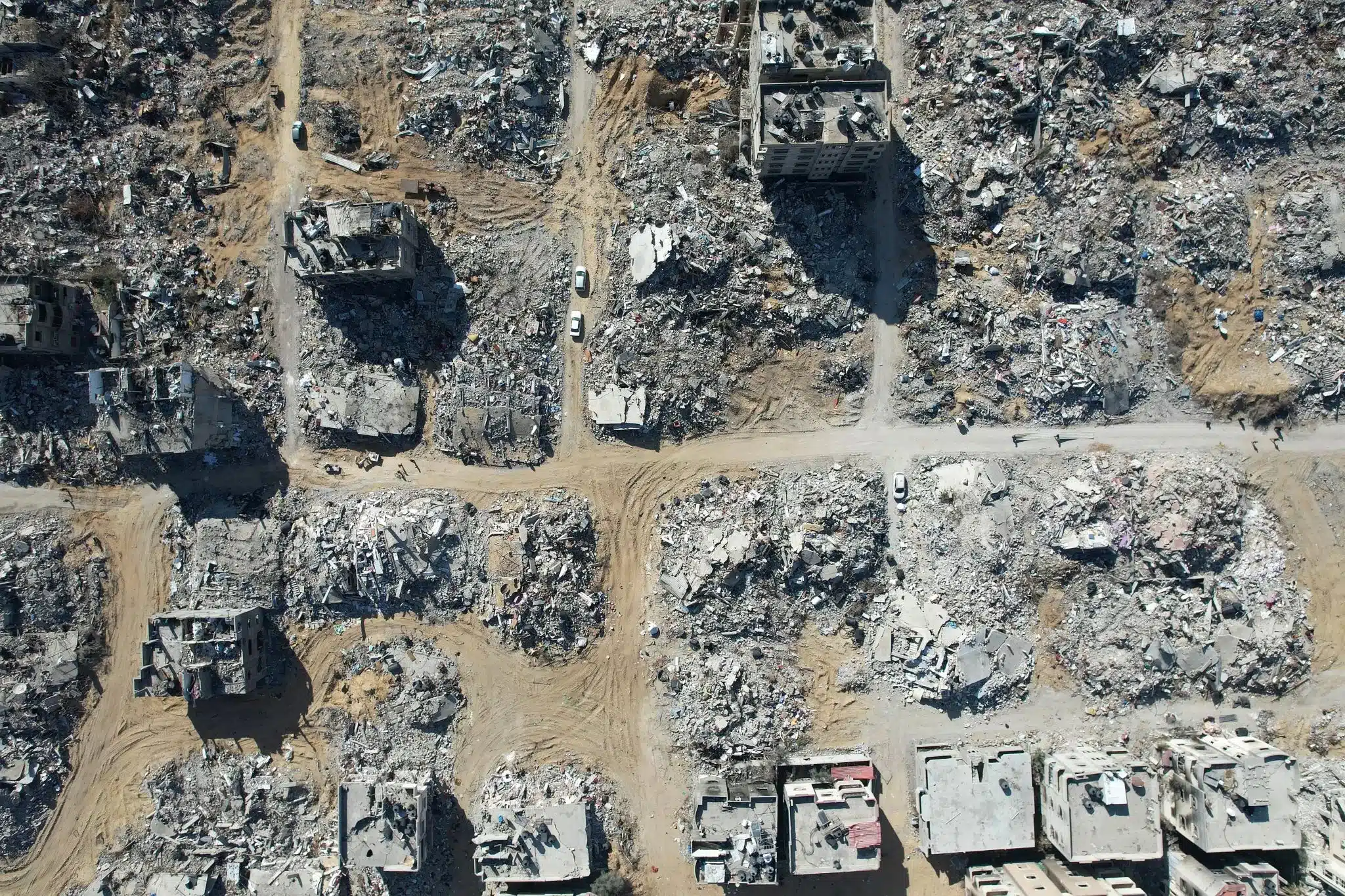
Israel refuses to fully rebuild and limits itself to establishing cities under its control, such as “Green Rafah”.

The Palestinian Authority has rejected the proposal, calling it a blow to national legitimacy. Various Palestinian factions have likewise condemned the plan as an attempt to solidify American-Israeli tutelage over Gaza, arguing that the only viable solution lies in a comprehensive Palestinian dialogue leading to a unified national leadership.

In a New York Times interview, Netanyahu stated that he would only engage with Palestinian figures unaffiliated with either the PA or Hamas raising questions about the committee’s viability without the involvement of these major local actors.

5. Launch of the Reconstruction Process

The plan includes the launch of reconstruction efforts in Gaza, where an estimated 84% of infrastructure has been destroyed, with costs surpassing $70 billion, according to the United Nations.

Before reconstruction can begin, Gulf states particularly Qatar and Saudi Arabia are demanding a clear pathway toward establishing a Palestinian state. Meanwhile, Western donors have linked their financial support to disarmament and reforms within the Palestinian Authority.

According to Trump’s plan, the aforementioned technocratic committee would coordinate reconstruction efforts by working with donor countries and UN agencies to mobilize funding and oversee the rebuilding of homes and infrastructure. However, this remains largely theoretical, as Israel continues to block full-scale reconstruction, limiting efforts to new settlements under its control, such as the planned “Green Rafah” project.

Why Is Netanyahu Stalling Phase Two?

Netanyahu has introduced conditions not specified in the agreement that are effectively obstructing the implementation of the second phase:

  • Hostage Remains: Israel insists that the return of the last Israeli soldier’s remains from under the Gaza rubble is a prerequisite for moving forward.

  • Security Pretexts: Israel considers the Yellow Line a new defensive border that justifies keeping troops in half of Gaza to prevent Hamas from regrouping.

  • International Force Concerns: Israel fears losing its grip if the international force replaces its own, especially if it includes countries with diverging political stances.

  • Domestic Politics: Netanyahu’s political survival depends on right-wing factions that oppose withdrawal from Gaza, prompting him to maintain the status quo to preserve his fragile coalition.

  • Undermining Peace Initiatives: Netanyahu is actively delaying phase two to avoid addressing thorny issues such as Palestinian statehood and the future of Gaza and the West Bank.

  • Additional Demands: Israel has added new conditions, including the full dismantling of tunnels and guarantees that Hamas will not rearm.

What Lies Ahead?

According to Israeli reports, the Trump administration sees the ongoing deadlock as a threat to potential diplomatic and economic gains. In early December 2025, Trump reportedly phoned Netanyahu, urging him to shift away from military escalation in Gaza, Lebanon, and Syria and toward diplomacy and confidence-building moves deemed essential for expanding normalization agreements with Arab nations and delivering a tangible victory for his administration.

Expected U.S. steps to implement phase two include:

  • Announcing the launch of phase two before the end of 2025, even without recovering the last Israeli soldier’s remains.

  • Unveiling the members of the Peace Council and the technocratic committee that will govern Gaza, along with the countries participating in the stabilization force.

  • Pushing Israel to allow Turkey’s inclusion in the international force, to enhance its legitimacy and secure Hamas’s compliance with the agreement.

  • Working with Egypt, Qatar, and Turkey to persuade Hamas to begin phased disarmament starting with heavy weapons and temporarily retaining lighter arms.

  • Initiating reconstruction projects in the Israeli-controlled areas of Gaza before full disarmament is achieved.

  • Using Netanyahu’s visit to promote Trump’s vision for expanding normalization deals, convincing Saudi Arabia and others to back Gaza’s reconstruction in return for Israeli concessions.

Ultimately, Trump’s ability to enforce his vision depends on multiple actors: Hamas, which remains reluctant to surrender its arms; Israel, which cites security concerns to maintain its grip; and Arab states, which have made reconstruction contingent on political progress.

Still, both Israeli and American sources suggest that the closing days of 2025 will be pivotal—Netanyahu’s visit may determine whether phase two moves forward or remains a promise unfulfilled.

Download this article as PDF
Share this Article
Facebook Twitter Whatsapp Whatsapp Telegram Email Copy Link
فريق التحرير
By فريق التحرير تقارير يعدها فريق تحرير نون بوست.
Follow:
Previous Article نون بوست Yemen: How the Southern Provinces Fell into the Hands of the Separatists
Next Article نون بوست The First Return: When Syrians Breathed the Air of Their Homes Again

Read More

  • U.S. Regime‑Change Policies: Why They Are Destined to Fail U.S. Regime‑Change Policies: Why They Are Destined to Fail
  • The Gulf’s Balancing Act: Iran, Israel, and Hidden Links
  • Iraq–Turkey Oil Export Treaty: Why Did Ankara Cancel It After 52 Years?
  • Syria’s Northeast on Edge: QSD Between Ankara and Damascus
  • Has Europe Changed Its Stance on Israel… or Just Its Language?
part of the design
NoonPost Weekly Newsletter

You May Also Like

U.S. Regime‑Change Policies: Why They Are Destined to Fail

U.S. Regime‑Change Policies: Why They Are Destined to Fail

إسراء سيد Esraa sayed 8 April ,2026
The Gulf’s Balancing Act: Iran, Israel, and Hidden Links

The Gulf’s Balancing Act: Iran, Israel, and Hidden Links

فريق التحرير Noon Post 8 April ,2026
Iraq–Turkey Oil Export Treaty: Why Did Ankara Cancel It After 52 Years?

Iraq–Turkey Oil Export Treaty: Why Did Ankara Cancel It After 52 Years?

فريق التحرير Noon Post 8 April ,2026

كيف استبدل السيسي وزارة “الفساد” برئيس وزراء منها؟

فريق التحرير
Noon Post Published 12 September ,2015
Share
3_0

قبل الرئيس المصري عبدالفتاح السيسي استقالة رئيس الوزراء إبراهيم محلب ثاني رئيس لوزراء مصر بعد الانقلاب العسكري الذي قاده الجنرال السيسي على الرئيس السابق محمد مرسي، وبعيدًا عن مسميات الإقالة والاستقالة فإنه قد بدا مؤخرًا أن السيسي قد ضاق ذرعًا بهذه الحكومة التي كثُرت مشاكلها مؤخرًا فبدلًا من كونها أداة لحل مشاكل النظام باتت وبالًا عليه.

ربما أراد السيسي أن يظهر بمظهر محارب الفساد في نظامه بعدما فاحت رائحة الفساد واستفحلت من حكومة إبراهيم محلب، ربما كانت قضية الفساد الكبرى الأخيرة التي طالت ثمانية وزراء من هذه الحكومة دفعة واحدة هي القصة التي قصمت ظهر البعير لهذه الحكومة، بعد توقيف وزير الزراعة بالحكومة بتهمة الفساد واستغلال منصبه في التربح بدون وجه حق، وهو الأمر الذي أثار الرأي العام المصري لأيام.

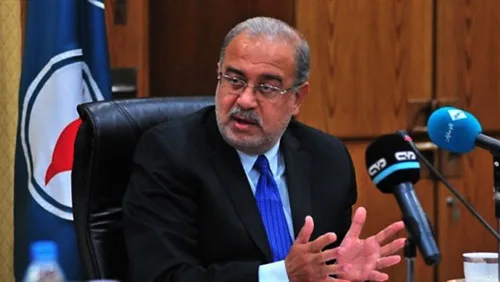
اجتمع السيسي بعدها برئيس حكومته إبراهيم محلب وقيل أن هذا الاجتماع سيُحدد مصير الحكومة إما بتعديل وزاري موسع أو بإقالة الحكومة ككل، ولم تكذب الأنباء حيث أعلن السيسي بعد اجتماعه هذا قبول استقالة الحكومة وتعيين أحد أعضائها وهو وزير البترول شريف إسماعيل كرئيس جديد للوزراء ليتم تكليفه بتشكيل وزارة جديدة.

شريف إسماعيل هو اسم عليه العديد من علامات الاستفهام، ولم يكن متوقعًا بالمرة أن يأتي رجل من حكومة متهمة بالفساد ليترأس حكومة جديدة، وذلك بعدما تناقلت وسائل الإعلام أخبارًا عن نية السيسي تعيين رجل عسكري لرئاسة الحكومة الجديدة، وقد كان الأقرب لهذا المنصب في وجهة نظر المتابعين هو الفريق مهاب مميش  رئيس هيئة قناة السويس، بعدما جرت حملة تلميعية للرجل بعد افتتاح مشروع تفريعة قناة السويس، والذي أطلق عليه النظام المصري “قناة السويس الجديدة”، وقد عُد إنجاز للفريق مميش.

غير معلوم بالتحديد لماذا اختار السيسي شريف إسماعيل لهذا المنصب، ولكن المعلومات المتاحة عن الرجل تؤكد أن السيسي لم يُغير الوزارة بسبب فسادها كما قيل لأن رئيس الوزاء الجديد لم يكن بمنأى عن اتهامات الفساد.

إسماعيل وزير لحقيبة البترول فى الدولة منذ حكومة حازم الببلاوى التي تشكلت عقب انقلاب يوليو 2013، واستمر بعد تشكيل وزارة محلب إلى الآن في نفس المنصب، أما عن تاريخ الرجل فقد كان أحد رجال سامح فهمي المقربين وزير البترول في عهد الرئيس المصري المخلوع حسني مبارك، إذ كان يشغل منصب وكيل وزارة البترول لشؤون العمليات.

هذا وقد كانت له شهادة في قضية تصدير الغاز المصري إلى إسرائيل دافع فيها عن السعر المتدني الذى باعت به مصر الغاز لإسرائيل وهو 0.75 دولار فى الوقت الذى كانت تشترى فيه مصر الغاز من الشريك الأجبنى بـ 2.6دولار للمليون وحده حرارية، وهو الأمر الذي اعتبر شهادة في صالح وزير البترول الأسبق سامح فهمى وحسين سالم المتهمين في القضية، ما سهل منحهما البراءة من التهم المنسوبة إليهم.

أما عندما أصبح شريف إسماعيل وزيرًا للبترول بنفسه فهو الذي وقع اتفاقية لاستيراد الغاز من إسرائيل بعدما كانت مصر تصدره في السابق، ورغم اكتشاف حقل الغاز المصري الأخير فإن إسماعيل قد أكد أن ذلك لن يُلغي اتفاقية استيراد الغاز من إسرائيل، كما اتهم شريف إسماعيل من قبل معارضين للسلطة في مصر بأنه متورط في قضايا فساد وتسهيلات قدمها لشركات بترول عالمية للسيطرة على البترول والغاز المصري، وكانت آخر هذه الوقائع هي مضاعفته لسعر شراء الغاز من شركة “اينى” الايطالية، وبعد ذلك نُسب إليه اكتشاف أحد أكبر حقول الغاز الطبيعى فى مصر والذي ستعمل نفس الشركة في استخراج الغاز المصري منه.

وقد يعتقد البعض أن شريف إسماعيل بعيدًا عن التورط في قضية الفساد الأخيرة التي تم توقيف وزير الزراعة على إثرها، فأحد المتهمين بالقضية وهو الإعلامي محمد فودة تربطه علاقات قوية بشريف إسماعيل للدرجة التي جعلت إسماعيل يحضر مؤتمر انتخابي جماهيرى نظمه الإعلامى محمد فودة بمدينة  زفتى بمحافظة الغربية، وذلك لافتتاح مشروع توصيل غاز لمدن المحافظة، وهو الأمر الذي يعتبر استغلال للوزير في الدعاية بخلاف القانون، كما توضح أيضًا هذه الواقعة مدى قوة العلاقة التي تجمع بين إسماعيل وفودة.

كما اتهمه المحامي مرتضى منصور في السابق خلال مداخلة هاتفية مع أحد البرامج الرياضية، بتعيين زوجته وشقيقها في شركة إنبي رغم أن ذلك الأمر يحظره القانون المصري، كما هدد منصور حينها بأنه لن يترك ملف تعيين زوجة الوزير بشركة إنبي وبعض أقاربها وسيقدمه لرئيس الجمهورية ورئيس الوزراء في وقتها.

ذكر اسم شريف إسماعيل على الرأي العام ملصقًا بتهم الفساد ليس جديدًا، حيث وصفه في السابق مدير مكتب الرئيس المصري ووزير الدفاع قبل ذلك، اللواء عباس كامل في أحد التسريبات التي أذاعتها قناة مكملين الفضائية المعارضة بألفاظ نابية كوصفه بـ”الصايع الضايع” في معرض حديثه عن أخطاء للوزير في حسابات متعلقة بطلبات مالية ودعم بترولي من دول الخليج، وقد اتهمه المعارضون وقتها بالمشاركة في تبديد الودائع الخليجية مع قادة الجيش.

وباستعراض هذا التاريخ القديم الحديث لرئيس وزراء مصر الجديد، نجد أن اختيار السيسي له لن يثبت أمر محاربته للفساد مطلقًا لأنه اختار أحد رجال العهد المباركي الذي تدور حوله شبهات الفساد قديمًا وفي الوقت الراهن وباعتراف المقربين من النظام أنفسهم، وقد صرح نشطاء أن ربما يكون هذا الاختيار مفسدًا لخطة السيسي التي يأمل أن يظهر فيها بصورة الرجل الذي يُحارب الفساد.

هذا الاختيار الرئاسي المصري يؤكد أن عملية اختيار رؤوساء الوزراء المتعاقبة منذ الانقلاب العسكري في مصر لا تختلف كثيرًا عن بعضها البعض وفي جوهرها عملية روتينية للنظام، فقد أتى حازم الببلاوي ورحل، ثم أعقبه إبراهيم محلب ورحل، وها هو شريف إسماعيل يأتي ليستكمل المسيرة، دون أن توجد خطة واضحة أو برنامج لكل حكومة وإنما تسير كل وزارة تلو الأخرى تبعًا لتوجيهات الرئيس وفقط، ولا يوجد شئ مشترك بين هذه الوزرات سوى أن رؤسائها وأعضائها ينتمون إلى عهد نظام مبارك ومتهمون في قضايا فساد سابقة كإبراهيم محلب المتهم في قضية فساد بتسهيل الاستيلاء لمبارك على محتويات القصور الرئاسية.

كل ذلك يؤكد نظرية أن هذه الحكومات المتعاقبة هي ستار مدني لحكم الجيش المتوغل على كافة القطاعات في الدولة لا سيما الاقتصادية منها، في ظل غياب الشفافية في تناول الأسباب الحقيقة لإقالة الحكومات، وهو ما قد يأتي هذا ربما في إطار تغيير الوجوه مع استمرار السياسات لمجرد امتصاص الغضب الشعبي من تصاعد الأزمات المعيشية.

TAGGED: إقالة الحكومة ، استقالة حكومة محلب ، تشكيل وزاري ، حكومة محلب ، شريف إسماعيل
TAGGED: انقلاب مصر
Download this article as PDF
Share this Article
Facebook Twitter Whatsapp Whatsapp Telegram Email Copy Link
فريق التحرير
By فريق التحرير تقارير يعدها فريق تحرير نون بوست.
Follow:
Next Article نون بوست The Stigma of “ISIS”: A Heavy Legacy Haunting Women and Children of Former Members

Read More

  • U.S. Regime‑Change Policies: Why They Are Destined to Fail U.S. Regime‑Change Policies: Why They Are Destined to Fail
  • The Gulf’s Balancing Act: Iran, Israel, and Hidden Links
  • Iraq–Turkey Oil Export Treaty: Why Did Ankara Cancel It After 52 Years?
  • Syria’s Northeast on Edge: QSD Between Ankara and Damascus
  • Has Europe Changed Its Stance on Israel… or Just Its Language?
part of the design
NoonPost Weekly Newsletter
dark

An independent media platform founded in 2013, rooted in slow journalism, producing in-depth reports, analysis, and multimedia content to offer deeper perspectives on the news, led by a diverse young team from several Arab countries.

  • Politics
  • Society
  • Rights & Liberties
  • Opinions
  • History
  • Sports
  • Education
  • Technology
  • Economy
  • Media
  • Arts & Literature
  • Entrepreneurship
  • Travel
  • Cinema & Drama
  • Food
  • Health
  • Culture
  • Latest Reports
  • Files
  • Long Reads
  • Interviews
  • Podcast
  • Interactive
  • Encyclopedia
  • In Pictures
  • About Us
  • Our Writers
  • Write for Us
  • Editorial Policy
  • Advanced Search
Some rights reserved under a Creative Commons license

Removed from favorites

Undo
Go to mobile version