

NoonPost NoonPost

NoonPost

  • Home
  • Politics
  • Economy
  • Society
  • Culture
  • Files
  • Long Reads
  • Podcast
AR
Notification Show More
نون بوست
“There Are Nights I Can’t Close My Eyes”: How Gazans Are Living in Homes on the Brink of Collapse
نون بوست
From al-Jolani to Ahmad al-Shara: The Evolution of Syria’s New Leader
نون بوست
When Political Islam Receded in Egypt: Who Filled the Void?
نون بوست
An Extension of Genocide: Gaza’s Detainees Speak Out
نون بوست
A Tightrope Between Survival and Sovereignty: The Syrian Government Faces Normalization Pressures
نون بوست
American Aircraft Carriers: Has the Era of “100,000 Tons of Diplomacy” Ended?
نون بوست
U.S. Regime‑Change Policies: Why They Are Destined to Fail
نون بوست
Transformations of Israeli Judaism: Between the Victim Complex and the Colonizer’s Doctrine
نون بوست
The Gulf’s Balancing Act: Iran, Israel, and Hidden Links
نون بوست
Iraq–Turkey Oil Export Treaty: Why Did Ankara Cancel It After 52 Years?
نون بوست
Syria’s Northeast on Edge: QSD Between Ankara and Damascus
نون بوست
Has Europe Changed Its Stance on Israel… or Just Its Language?
NoonPost NoonPost
AR
Notification Show More
نون بوست
“There Are Nights I Can’t Close My Eyes”: How Gazans Are Living in Homes on the Brink of Collapse
نون بوست
From al-Jolani to Ahmad al-Shara: The Evolution of Syria’s New Leader
نون بوست
When Political Islam Receded in Egypt: Who Filled the Void?
نون بوست
An Extension of Genocide: Gaza’s Detainees Speak Out
نون بوست
A Tightrope Between Survival and Sovereignty: The Syrian Government Faces Normalization Pressures
نون بوست
American Aircraft Carriers: Has the Era of “100,000 Tons of Diplomacy” Ended?
نون بوست
U.S. Regime‑Change Policies: Why They Are Destined to Fail
نون بوست
Transformations of Israeli Judaism: Between the Victim Complex and the Colonizer’s Doctrine
نون بوست
The Gulf’s Balancing Act: Iran, Israel, and Hidden Links
نون بوست
Iraq–Turkey Oil Export Treaty: Why Did Ankara Cancel It After 52 Years?
نون بوست
Syria’s Northeast on Edge: QSD Between Ankara and Damascus
نون بوست
Has Europe Changed Its Stance on Israel… or Just Its Language?
Follow US

The Moment of Liberation from Exile

فريق التحرير
Noon Post Published 26 March ,2026
Share
نون بوست
نون بوست

In a moment as monumental as the fall of the Syrian regime, it’s difficult to separate the personal from the collective. These two realms long intertwined through years of exile and loss are now blending to the point where every individual story seems part of a grander narrative.

So I’ll write moving between the two between what I felt, and what Syrians around me experienced certain that Syrian readers will find reflections of their own journeys and joys.

After long years of despair, we Syrians in exile grew numb to the news. The red banners and urgent breaking news no longer gripped us like they once did. Bad news became routine, recurring events we barely acknowledged almost as if we had learned to coexist with pain.

That numbness deepened in Assad’s final year, the year of normalization, when we began to feel we had lost our homeland and perhaps the right to return. Longing for Syria became an ordinary, daily ache. We spoke of it like a distant land we could no longer see or change.

Then came the last week of November. Time stopped in front of our screens TVs or laptops streaming the news live, phones tracking social media, and the expanding swaths of green on the map. Sleep, food, and all human needs lost meaning.

The question “How are you?” was replaced with “How far have they reached?” Everything hinged on the regime’s next move.

Luckily, I didn’t sleep on the night of December 8th. I watched with my own eyes the most significant breaking news of all: “Damascus without Bashar al-Assad.” It was a feeling too complex for words a mix of disbelief, joy, and fear that it might not be real. I couldn’t hold back tears.

I immediately called my childhood friend, and we cried together, celebrating a dream reborn after years of waiting. Only then could I sleep again. This time, knowing that the journey of migration and exile might finally end, and that I had a homeland I could at least visit in the summer and speak of with my friends.

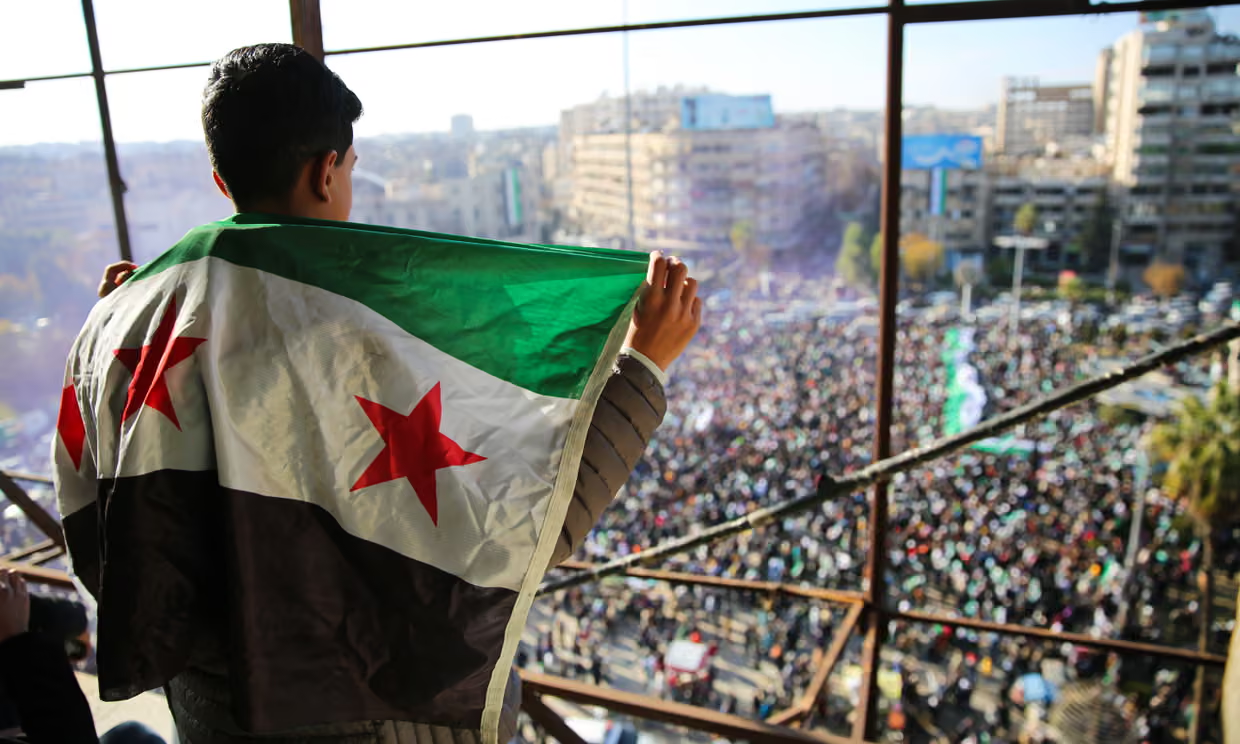
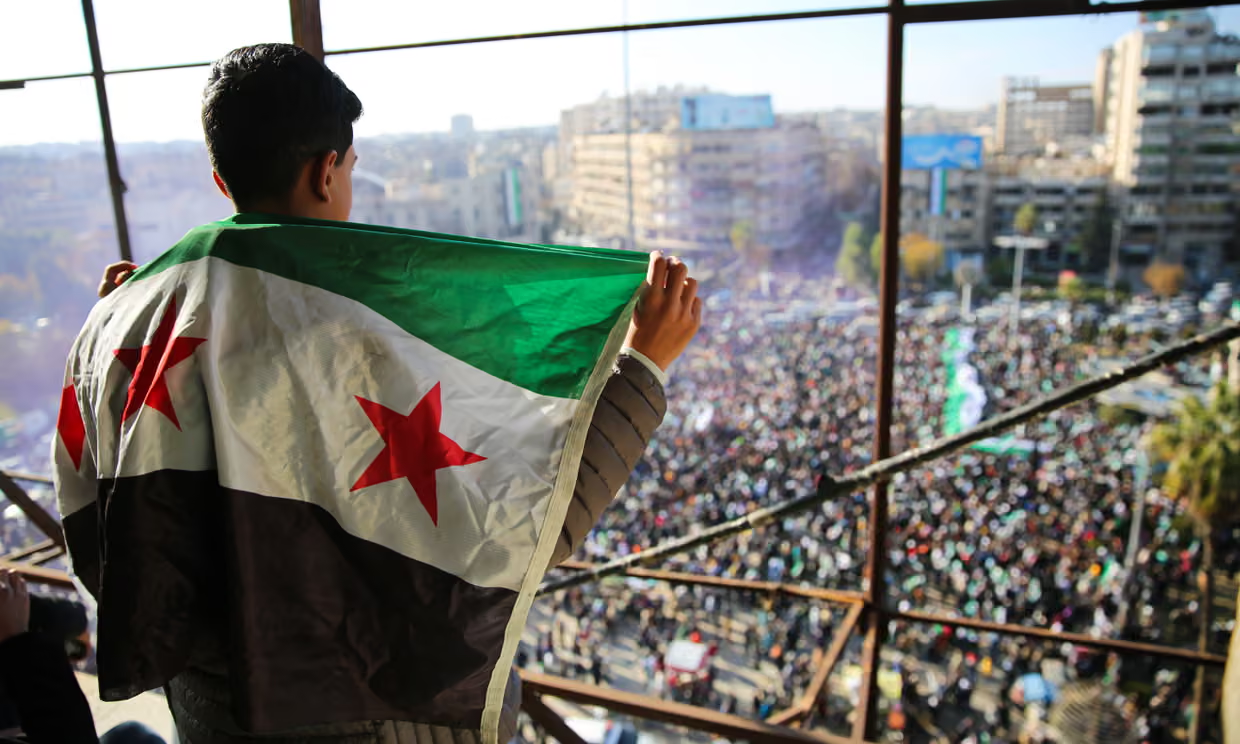
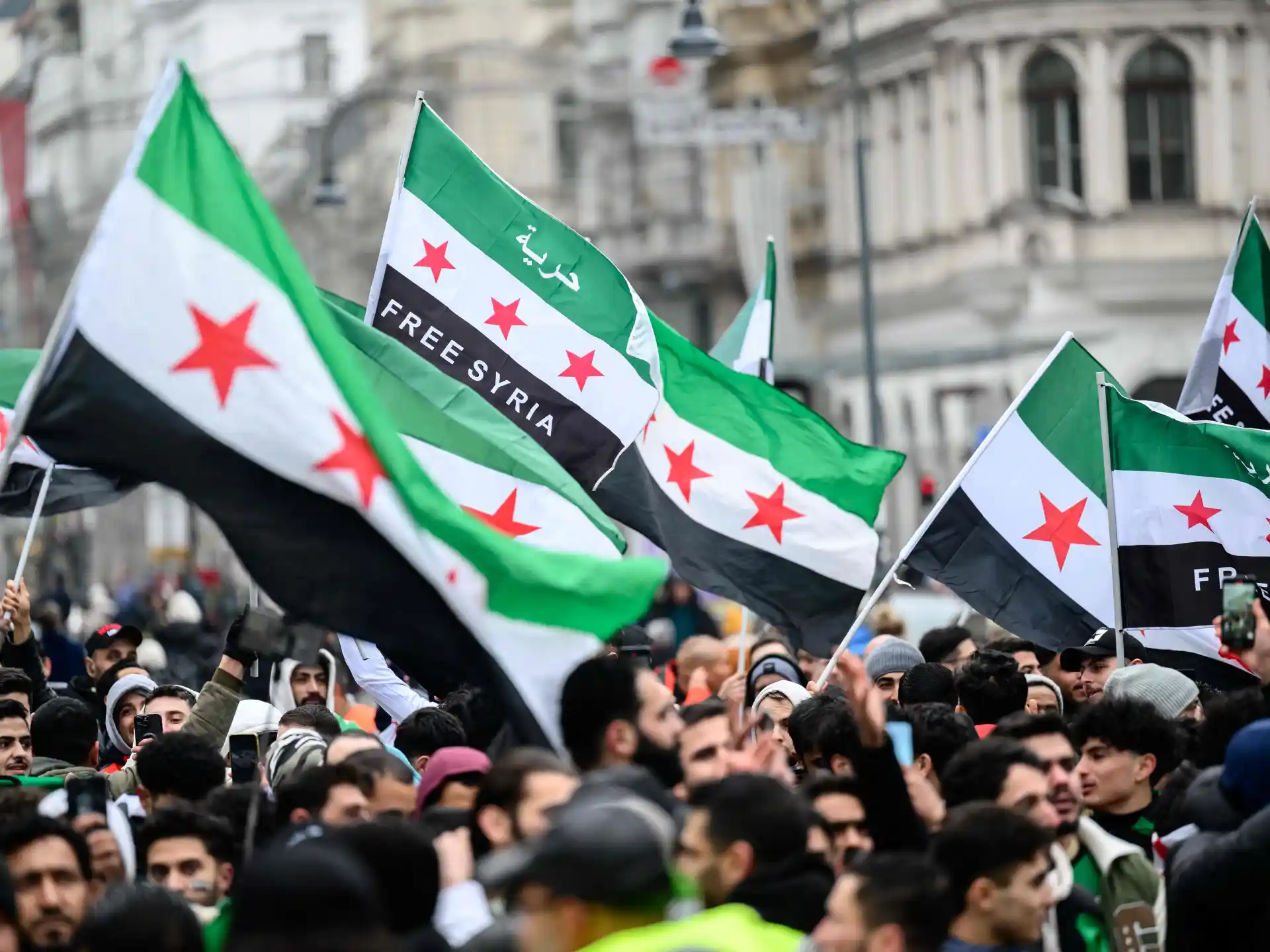
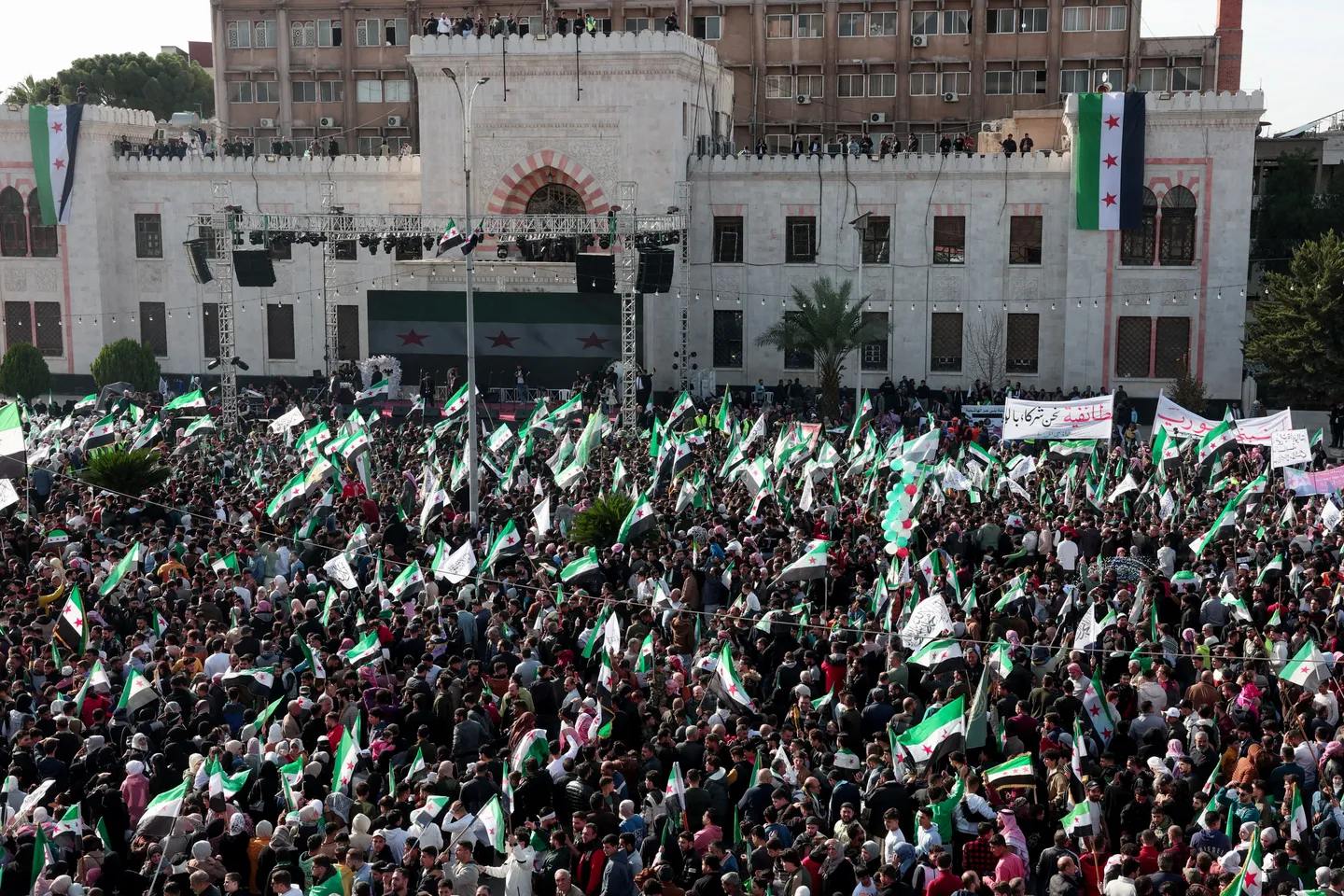
That morning, I woke as if the world had changed overnight. The streets that had embodied our exile for the past decade overflowed with joy. Syrians celebrated in every city across the globe, waving our new flag, hugging and weeping, sharing sweets, and rediscovering a happiness we thought was lost forever.

Most importantly, we chanted in the past tense: “Syria has lived, and the eternal has fallen.” A historic moment witnessed by the entire world.
نون بوست

Amid these scenes of jubilation, my father’s tears remain the most vivid image in my mind. He and his generation had lived through both Assads, dreaming of revolution long before my generation was even born.

While we exchanged a lighthearted “Mabrouk,” he and his friends greeted one another with “Alhamdulillah ‘ala salameh” thank God for your safety as if emerging from a long, dark tunnel.

That’s where our conversation began, trying to relive the moment through his eyes.

What was the first thing that came to mind when you heard the news? How did it reach you? Was there someone specific you wanted to contact immediately?
“Joy. Immense joy is what comes to mind when I remember that moment. I was drained from a full week of following the military operations.

I fell asleep and woke to my daughter’s tears telling me the regime had fallen… I cried like never before. A martyred brother stirred within me that’s who I wanted to speak to.”

As both a writer and a daughter, I have to pause here. My father is no exception—he represents nearly every Syrian household. He wasn’t the only one who remembered a martyr in that moment. Every Syrian family carried a name, a face, someone who had vanished but lived on in memory.

If we were to scroll through old social media posts today, we’d find ourselves staring at the images of those we wish could be with us now. This is a moment of joy, yes but one filled with absence. That’s what makes Syrian joy heavier, more layered than any other.

Speaking of this complicated joy, my father added: “We all postponed our fears, or even denied them.”

That hesitation was visible on every Syrian face in the celebrations. Despite the faint unease, each person had witnessed five decades of waiting. So I asked: When you think of fifty years of rule, which scenes or moments surface first? And do those memories come back differently now, compared to before the fall?

“Definitely the moments of my arrest, and times I had to hide or stay off the radar until the ‘security study’ was over… The fear, the anxiety at every checkpoint. The panic in my mother’s and father’s eyes.

In my beloved’s eyes. But also the pride. I chose to oppose the regime when I was just ten years old! At ten, I founded an organization we called ‘The Peace Pioneers,’ in response to the Baath’s ‘Baath Pioneers’… Can you believe that? I can hardly believe it myself.”

His words took me back to my own childhood—our childhood—when we chanted slogans not as heroes, but because we were forced to. We supported the regime, the unity of the nation, ready to defend it with little stomping feet and voices that didn’t understand what they were saying. Today, as we celebrated in the streets, my friend told me she could finally take her children born in France to visit their home in Homs for the first time.
نون بوست

They could now see the country she’d always told them about: their grandmother’s house, her food, the cousins, the gifts, the Eid games. Our simplest dreams had come back to life. The question of return without concessions suddenly seemed answerable.

We joked about passport renewal fees after the fall. One of us said he’d gladly pay whatever it takes, as long as it wasn’t going to Assad. Perhaps the most joyful moment was our unanimous decision: “This summer, we’re going to Syria, inshallah.” Invitations to visit every city flowed.

What can we offer Syria now?

Amid joy and cautious optimism, the fall of the regime marked a turning point a moment to answer: What now? What can we do?
Many of us, especially the youth, began looking for ways to engage. Those who had boycotted the regime had no excuse anymore. Those afraid of civil or political work inside Syria now saw an opening.

Civil society organizations operating from exile began exploring ways to shift their work to Syria. Political actors, too, mobilized. From the very morning after the regime’s fall, we began seeing new initiatives aimed at supporting democratic transition, preserving the revolution’s gains, and realizing its dreams.

In this context, we spoke to “Sara” (a pseudonym), a civil society activist who had worked in northern Syria and in exile. She recalled her joy when she saw vehicles bearing her organization’s logo enter regime-controlled areas, accompanying the liberation: “Suddenly, I felt justice might actually be possible.

When I saw those vehicles entering Damascus, I didn’t care who made it happen. What mattered was that we could now go back to Syria.”

In addition to her organizational work, Sara has begun thinking about operating from the Netherlands. She noted that many exiles had given up hope, saw no point in political work, or weren’t interested at all especially the younger generation who grew up in exile.

But after the fall, many became deeply invested in contributing to their homeland. As a law graduate, she says: “Now’s the time to give back.

What are we doing here? A lot of people still can’t return to Syria right now, but they want to help. We started small held a session on transitional justice. We’re beginning to create spaces for dialogue now that fear is gone. We’re asking: What are our priorities as a Syrian people?”

How does working inside Syria differ from working in exile?

“The priorities are different. Inside Syria, people are focused on economic and daily survival. Outside, we have privileges that let us move beyond that. We have access to organizations and European parliaments. We can, for example, support health and education sectors…”

A year after the fall, we all agree: the reunions between exiled Syrians and their families back home are unforgettable. We watch the videos as if they are our own homes and relatives.

Sara returned to her home in rural Damascus. What was once, in her words, an “impossible dream,” became reality. She recalled the despair of leaving, believing she’d never return and compared it to the feeling of coming home: “I visited our house. I had accepted that we’d never return. We left afraid, terrified. But we came back to people greeting us with ‘Hold your head high’… It felt like nothing short of victory.”

Today, one year after the regime’s fall, life feels like a new chapter. Syrians are trying to find their place in the broader landscape, redefining roles and responsibilities, searching for ways to contribute to rebuild what was destroyed, and to restore the ties severed by displacement. In every city and home, new stories are emerging: of reunions, initiatives, and small projects.

Today, we must rejoice despite the long road to justice. And we must acknowledge: our joy is a collective political act.

Download this article as PDF
Share this Article
Facebook Twitter Whatsapp Whatsapp Telegram Email Copy Link
فريق التحرير
By فريق التحرير تقارير يعدها فريق تحرير نون بوست.
Follow:
Previous Article نون بوست How the Fall of Babanusa Could Shift the Course of Sudan’s War
Next Article نون بوست Morgan Ortagus: The Combative Face of U.S. Policy in Lebanon

Read More

  • "There Are Nights I Can’t Close My Eyes": How Gazans Are Living in Homes on the Brink of Collapse "There Are Nights I Can’t Close My Eyes": How Gazans Are Living in Homes on the Brink of Collapse
  • From al-Jolani to Ahmad al-Shara: The Evolution of Syria’s New Leader
  • When Political Islam Receded in Egypt: Who Filled the Void?
  • An Extension of Genocide: Gaza’s Detainees Speak Out
  • A Tightrope Between Survival and Sovereignty: The Syrian Government Faces Normalization Pressures
part of the design
NoonPost Weekly Newsletter

You May Also Like

“There Are Nights I Can’t Close My Eyes”: How Gazans Are Living in Homes on the Brink of Collapse

“There Are Nights I Can’t Close My Eyes”: How Gazans Are Living in Homes on the Brink of Collapse

فريق التحرير Noon Post 8 April ,2026
From al-Jolani to Ahmad al-Shara: The Evolution of Syria’s New Leader

From al-Jolani to Ahmad al-Shara: The Evolution of Syria’s New Leader

أحمد سيف النصر Ahmed Seif EL-Nasr 8 April ,2026
When Political Islam Receded in Egypt: Who Filled the Void?

When Political Islam Receded in Egypt: Who Filled the Void?

أحمد عبد الحليم أحمد عبد الحليم 8 April ,2026

هل انتصر جناح الرئاسة في الجزائر؟

فريق التحرير
Noon Post Published 14 September ,2015
Share
71c43bc146275a525c7bdaf49e0cb02b

أنهى رئيس الجمهورية الجزائرية، عبد العزيز بوتفليقة، أمس الأحد، بشكل رسمي مهام قائد جهاز المخابرات، الفريق محمد مدين الملقب بـ “توفيق”، حسبما أوردت صحف جزائرية نقلاً عن مصادر أمنية، لينهي بذلك تربع الأخير على عرش جهاز المخابرات لفترة تجاوزت العشرين عامًا، وليطلق الأقلام نقلاً وتحليلاً لهذا الحدث اللافت في المشهد السياسي الجزائري.

وأكدت وكالة الأنباء الجزائرية خبر إحالة الجنرال توفيق على التقاعد وتعيين بشير طرطاق خلفًا له من طرف بوتفليقة، مثبتًا بذلك مستشاره الأمني وهو اللواء المتقاعد والذي سبق له أن تقلد مسؤوليات عليا بمصالح اللاستخبارات والأمن، على رأس الجهاز الأقوى في الجزائر بحسب محللين.

من يكون الجنرال توفيق؟

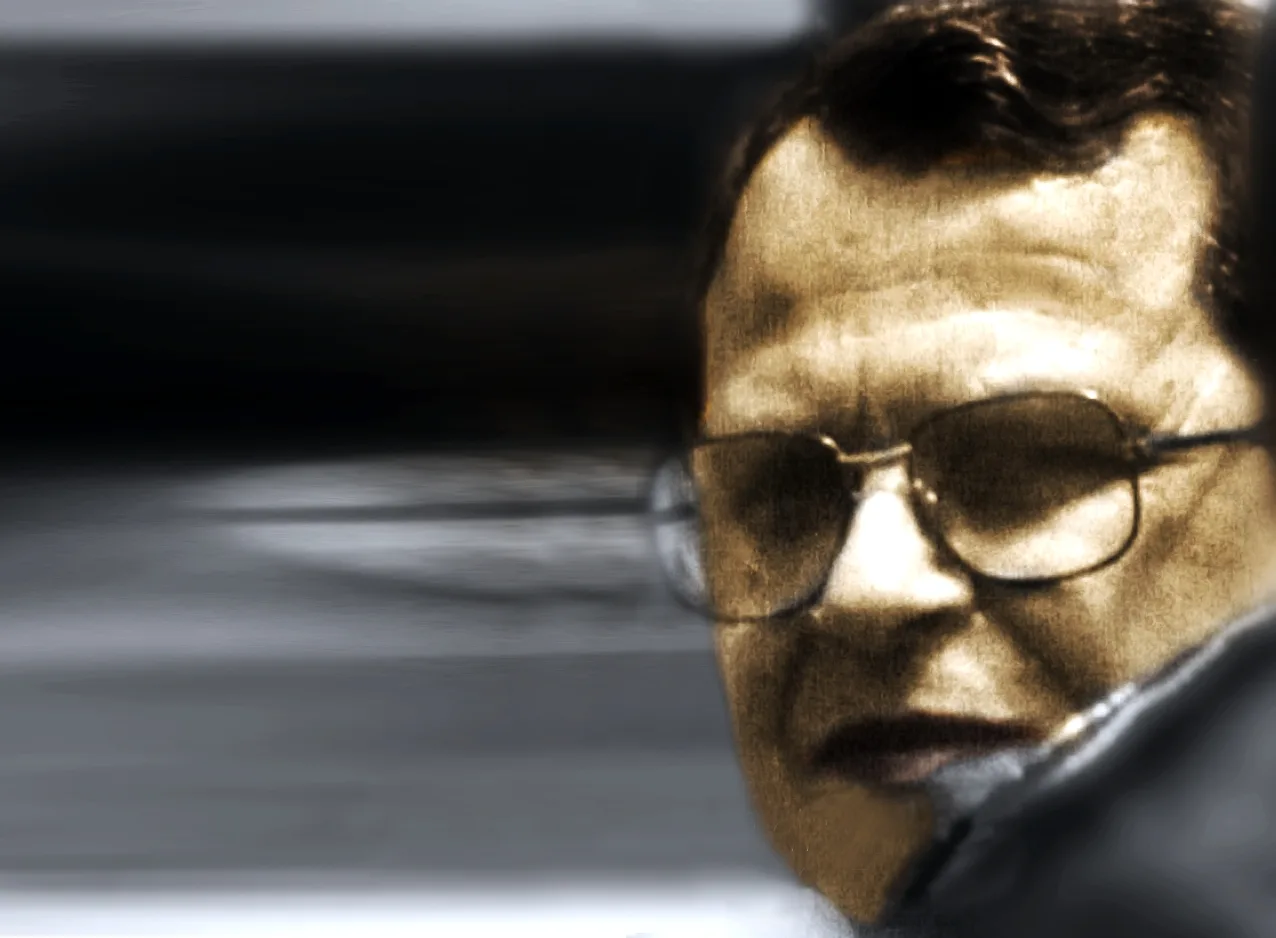
لم تكن لتمر هذه الإقالة وهذا التغيير على رأس مؤسسة من مؤسسات الدولة مرور الكرام لطبيعة الشخص الذي شملته حركة “إعادة تشكيل موازين القوى” في الجزائر التي شملت مؤخرًا أحزاب المولاة والمؤسسة الأمنية والعسكرية؛ يلقبه البعض بصانع الزعماء السياسيين والرؤساء والبعض الآخر بالرجل الغامض، وهو المتربع على عرش جهاز المخابرات منذ ربع قرن، محمد لمين مدين المعروف أيضًا بالفريق “توفيق” من مواليد 1939 في منطقة قنزات في ولاية سطيف، وشغل منصب رئيس الاستخبارات الجزائرية من سبتمبر 1990 حتى إقالته.

الجنرال المحال إلى التقاعد، ولد بسطيف غير أنه ترعرع بحي بولوغين الشعبي بالعاصمة، التحق بصفوف جيش التحرير سنة 1961 ليلتحق مباشرة بعد الاستقلال بجهاز المخابرات العسكري، اين تدرج في مختلف الرتب واستفاد من دورات تكوينية بالاتحاد السوفياتي آنذاك، ليتحول سنة 1986 بعد عودته من منصب مستشار عسكري في ليبيا ليُنصب في الرئاسة كمدير لمديرية الدفاع والأمن بالهيئة ذاتها، ثم نُصب سنة 1990 على رأس المخابرات الجزائرية أو ما يعرف بـ “الدياراس” DRS مديرية الأمن والاستعلام، وهو المنصب اللذي لم يفارقه حتى اليوم، ما جعله أحد أقدم العسكريين في العالم.

وبحسب بعض المطلعين بكواليس منظومة الحكم الجزائري، ومنذ تولي منصبه سنة 1990، عرف عنه التحكم في كل صغيرة وكبيرة حدثت في الجزائر، وقد ساهم في وصول العديد من رؤساء الجزائر إلى سدة الحكم، وتقول مصادر جزائرية، إنه من أوقف المسار الانتخابي سنة 1992، وإنه كان المحرك الأساسي في إقالة الرئيس بن جديد، وساهم في تولي محمد بوضياف رئاسة الجزائر الذي اغتيل في نفس السنة، ليدفع باليمين زروال إلى سدة الحكم، وكان أيضًا سببًا في إقالته وترشيح عبدالعزيز بوتفليقة لرئاسة الجزائر.

وتضيف المصادر ذاتها، أنه كان أحد الوجوه العسكرية والأمنية التي دفعت وأقنعت بوتفليقة في عام 1988 بضرورة أن يكون مرشح النظام في انتخابات 1999 وباقي الانتخابات الرئاسية اللاحقة وآخرها في 2014، ويقال إنه من كان يمسك بخيوط اللعبة السياسية في الجزائر وإنه الحاكم الفعلي من خلف الستار خاصة منذ الإعلان عن مرض بوتفليقة قبل سنوات، وتكرار غيابه عن الجزائر بسبب تلقيه العلاج في المستشفيات الفرنسية.

طيلة هذه الفترة، صنع الرجل لشخصه أسطورة عبر الامتناع عن الظهور العلني، لدرجة أن قليلين هم من يعرفون ملامح وجهه، وحتى صوره الثلاث التي قد تعترضك على شبكة الإنترنت وأنت تبحث للتعرف عليه مشكوك في مصداقيتها، بالإضافة إلى ذلك، وكنتيجة لهالة الغموض التي حرص على تثبيتها، يعتبر شق هام من الشارع الجزائري أنه الحاكم الفعلي للبلاد، قبل أن يشاع وجود صراع خفي بين الرئيس ودوائره من جهة، وبين رجل الظل من جهة أخرى.

قراءات مختلفة لهذه الإقالة

عند العودة قليلاً بالزمن إلى الوراء، نكتشف وجود خط ناظم انتهى بإقالة مدين، حيث مثل شن عمار سعداني، أمين عام جبهة التحرير الوطني الجزائرية (الحزب الحاكم)، حملة شرسة ضد مدين، الرجل القوي على رأس جهاز المخابرات، واصفًا إياه بالرجل المتسلط وعديم الكفاءة، وسط ذهول من المراقبين والمحللين السياسيين في الجزائر، نظرًا لبقاء مدين طوال عقود كخط أحمر لا تتطرق له الصحافة المحلية ولا السياسيون، أول القطرات التي أفاضت الكأس لاحقًا، وهو ما لم يكن ليحصل دون حصوله على ضوء أخضر من بوتفليقة ورجاله، ليتلو هذا التهجم عمليات إحالة وجوبية على التقاعد لجنرالات معروفين بقربهم من رجل الظل، بهدف عزله وتقليم مخالبه.

من جهته، اعتبر رئيس حركة مجتمع السلم، عبد الرزاق مقري، أن الحدث لا يعدو أن يكون سوى تمظهر لصراع الأجنحة داخل النظام، الجاري منذ مدة وفي الخفاء وأن الأمر يتعلق بمنافسة داخل النظام السياسي، لا يمكن للمواطن العادي ولا حتى الأحزاب السياسية أن تطلع على خفاياها، كما عبر عن تخوفها أن يتطور هذا الصراع بشكل “يلحق ضررًا بالمجتمع”.

على صعيد آخر، اعتبرت بعض التحليلات أن بوتفليقة طبق بقراره هذا ما كان يكرره دائمًا في خطاباته بأنه لن يقبل بأن يكون ¾ رئيس، باعتبار أن النظام الجزائري يتشكل من ثلاثة أقطاب متحكمة وهي رئاسة الجمهورية وأركان الجمهورية وجهاز المخابرات الذي سقط بتحالف الأولين، لينتهي مؤقتًا صراع تقليدي بين الرئاسة والمخابرات انطلق منذ الاستقلال.

هل انتصر شق الرئاسة؟

نظريًا نعم، فسلسلة التغييرات التي شهدتها المؤسسات العسكرية الجزائرية انتهت بإزاحة أكبر الرؤوس، لكن على المستوى العملي سنحتاج أن ننتظر قليلاً لنتابع كيف ستتعامل مؤسسة المخابرات مع ما حل بها من ترويض وسحب للصلاحيات، فمدين بتربعه على كرسيها لمدة ربع قرن لم يعد يمثل شخصه فقط، بل أصبح شخصًا مؤسسة.

قد تكون هذه الخطوة هي الأخيرة قبل دخول الجزائر في عملية انتقال السلطة، عملية انتقال قد يسبقها تنزيل للإصلاحات الدستورية والمصادقة عليها ثم تنصيب من ستحدد دوائر الرئيس لخلافته، بكل راحة بعد إبعاد كل ذي طموح وسلطة موازية.

وأهم من كان يعتقد أن بوتفليقة مجرد رجل مقعد لا حول له ولا قوة، وسواء كان صاحب القرار الحقيقي في الجزائر أو أحد المحيطين به، يبدو أن لحظة التغيير اقتربت، وهذا التغيير لن يكون على خلاف ما سيسطره شق الرئاسة في بلد المليون شهيد.

TAGGED: إقالة الجنرال توفيق ، التغيير في الجزائر ، جهاز المخابرات الجزائري
Download this article as PDF
Share this Article
Facebook Twitter Whatsapp Whatsapp Telegram Email Copy Link
فريق التحرير
By فريق التحرير تقارير يعدها فريق تحرير نون بوست.
Follow:
Next Article نون بوست The Stigma of “ISIS”: A Heavy Legacy Haunting Women and Children of Former Members

Read More

  • U.S. Regime‑Change Policies: Why They Are Destined to Fail U.S. Regime‑Change Policies: Why They Are Destined to Fail
  • The Gulf’s Balancing Act: Iran, Israel, and Hidden Links
  • Iraq–Turkey Oil Export Treaty: Why Did Ankara Cancel It After 52 Years?
  • Syria’s Northeast on Edge: QSD Between Ankara and Damascus
  • Has Europe Changed Its Stance on Israel… or Just Its Language?
part of the design
NoonPost Weekly Newsletter

You May Also Like

U.S. Regime‑Change Policies: Why They Are Destined to Fail

U.S. Regime‑Change Policies: Why They Are Destined to Fail

إسراء سيد Esraa sayed 8 April ,2026
The Gulf’s Balancing Act: Iran, Israel, and Hidden Links

The Gulf’s Balancing Act: Iran, Israel, and Hidden Links

فريق التحرير Noon Post 8 April ,2026
Iraq–Turkey Oil Export Treaty: Why Did Ankara Cancel It After 52 Years?

Iraq–Turkey Oil Export Treaty: Why Did Ankara Cancel It After 52 Years?

فريق التحرير Noon Post 8 April ,2026
dark

An independent media platform founded in 2013, rooted in slow journalism, producing in-depth reports, analysis, and multimedia content to offer deeper perspectives on the news, led by a diverse young team from several Arab countries.

  • Politics
  • Society
  • Rights & Liberties
  • Opinions
  • History
  • Sports
  • Education
  • Technology
  • Economy
  • Media
  • Arts & Literature
  • Entrepreneurship
  • Travel
  • Cinema & Drama
  • Food
  • Health
  • Culture
  • Latest Reports
  • Files
  • Long Reads
  • Interviews
  • Podcast
  • Interactive
  • Encyclopedia
  • In Pictures
  • About Us
  • Our Writers
  • Write for Us
  • Editorial Policy
  • Advanced Search
Some rights reserved under a Creative Commons license

Removed from favorites

Undo
Go to mobile version