NoonPost NoonPost

NoonPost

  • Home
  • Politics
  • Economy
  • Society
  • Culture
  • Files
  • Long Reads
  • Podcast
AR
Notification Show More
نون بوست
“There Are Nights I Can’t Close My Eyes”: How Gazans Are Living in Homes on the Brink of Collapse
نون بوست
From al-Jolani to Ahmad al-Shara: The Evolution of Syria’s New Leader
نون بوست
When Political Islam Receded in Egypt: Who Filled the Void?
نون بوست
An Extension of Genocide: Gaza’s Detainees Speak Out
نون بوست
A Tightrope Between Survival and Sovereignty: The Syrian Government Faces Normalization Pressures
نون بوست
American Aircraft Carriers: Has the Era of “100,000 Tons of Diplomacy” Ended?
نون بوست
U.S. Regime‑Change Policies: Why They Are Destined to Fail
نون بوست
Transformations of Israeli Judaism: Between the Victim Complex and the Colonizer’s Doctrine
نون بوست
The Gulf’s Balancing Act: Iran, Israel, and Hidden Links
نون بوست
Iraq–Turkey Oil Export Treaty: Why Did Ankara Cancel It After 52 Years?
نون بوست
Syria’s Northeast on Edge: QSD Between Ankara and Damascus
نون بوست
Has Europe Changed Its Stance on Israel… or Just Its Language?
NoonPost NoonPost
AR
Notification Show More
نون بوست
“There Are Nights I Can’t Close My Eyes”: How Gazans Are Living in Homes on the Brink of Collapse
نون بوست
From al-Jolani to Ahmad al-Shara: The Evolution of Syria’s New Leader
نون بوست
When Political Islam Receded in Egypt: Who Filled the Void?
نون بوست
An Extension of Genocide: Gaza’s Detainees Speak Out
نون بوست
A Tightrope Between Survival and Sovereignty: The Syrian Government Faces Normalization Pressures
نون بوست
American Aircraft Carriers: Has the Era of “100,000 Tons of Diplomacy” Ended?
نون بوست
U.S. Regime‑Change Policies: Why They Are Destined to Fail
نون بوست
Transformations of Israeli Judaism: Between the Victim Complex and the Colonizer’s Doctrine
نون بوست
The Gulf’s Balancing Act: Iran, Israel, and Hidden Links
نون بوست
Iraq–Turkey Oil Export Treaty: Why Did Ankara Cancel It After 52 Years?
نون بوست
Syria’s Northeast on Edge: QSD Between Ankara and Damascus
نون بوست
Has Europe Changed Its Stance on Israel… or Just Its Language?
Follow US

Illness as Punishment: How Egyptian Prisons Became Theaters of Silent Death

فريق التحرير
Noon Post Published 26 March ,2026
Share
نون بوست
نون بوست

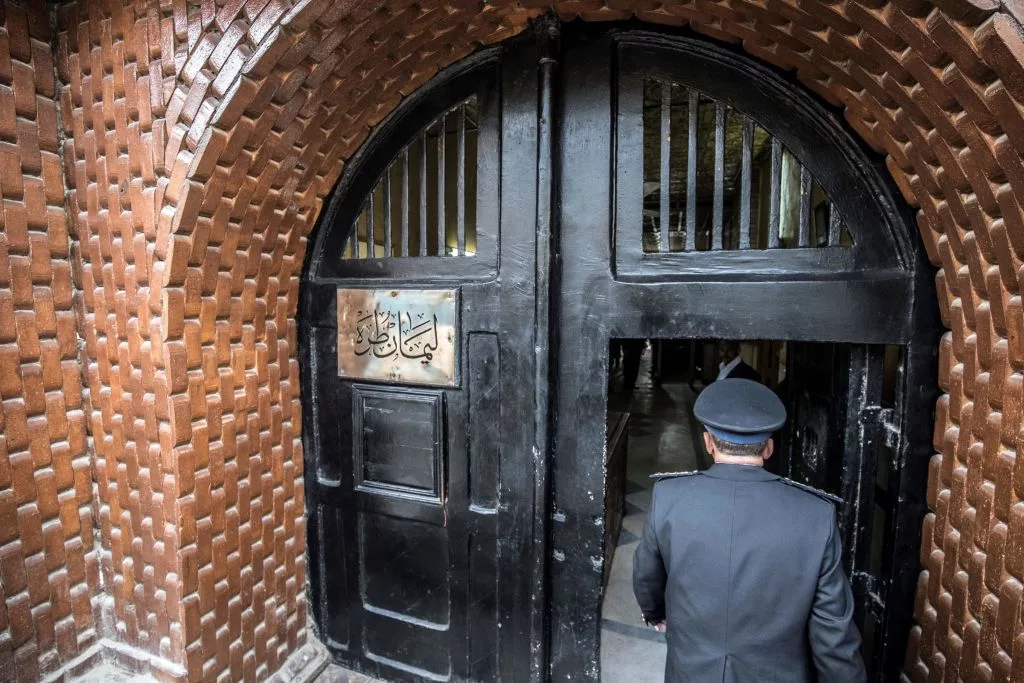
A new report from the El-Shehab Center for Human Rights has revealed the death of political detainee Ibrahim Ahmed Abdel Rahman, known as “Abu Tasbeeh,” at the age of 60, inside Gamasa Prison. His death followed a long struggle with illness and medical neglect.

Detained since 2014, Ibrahim’s health deteriorated significantly after he developed a critical bile duct blockage later diagnosed as cancer.

Despite his clearly worsening condition and urgent need for treatment, he was denied timely medical care and was only transferred to Mansoura Hospital during his final days passing away quietly behind prison walls.

Ibrahim’s case is not an isolated incident. According to the center’s November 2025 report, three additional detainees died in custody due to similar medical neglect. These numbers paint a bleak picture of Egypt’s detention system, where illness often serves as a slow death sentence in cells stripped of even the most basic healthcare services while families and human rights advocates continue to call for justice, to no avail.

In a related development, the “Not Subject to Expiry” campaign by the Egyptian Initiative for Personal Rights (EIPR) released a report titled “Medical Release: A Right Denied!” documenting prison healthcare conditions between September 2024 and September 2025.

The report asserts that medical negligence in Egyptian prisons has evolved from administrative failure into a deliberate tool of punishment claiming the lives of political dissidents under the guise of fate. Despite official promises and optimistic declarations, the humanitarian crisis deepens, leaving detainees to face disease alone behind locked doors.

20 Deaths in One Year Due to Medical Neglect

The “Not Subject to Expiry” campaign documented 20 deaths in custody between September 2024 and September 2025, directly linked to medical negligence. These fatalities occurred in various detention centers, notably Badr 1 Prison (3 cases), Tenth of Ramadan Prison (4 cases), Tenth of Ramadan Police Station No. 2 (2 cases), Zagazig First Police Station (1 case), Borg Al-Arab Prison (1 case), and Al-Mustaqbal Prison in Ismailia (1 case). Behind each number lies a name and a life extinguished without a chance for treatment or survival.

Testimonies collected by the campaign reveal harrowing stories of detainees abandoned in pain without medication, with fatal delays in hospital transfers. In some cases, denial of treatment was used as a form of punishment.

The report stresses that the crisis stems not from lack of resources, but from the absence of oversight, transparency, and the medical system’s subordination to security authorities stripping doctors of their independence and turning healthcare into a privilege that can be withheld.

In the same vein, Journalists Without Chains published a report in June 2025 titled “Prisons Without Keys: How Egyptian Cells Destroy Lives and Hope,” highlighting the grim reality endured by thousands of political detainees since 2013.

According to the report, at least 1,160 individuals have died in detention over the past decade 74% due to deliberate medical neglect. Meanwhile, more than 60,000 people remain behind bars, including journalists, human rights defenders, women, and minors many without fair trials.

A Blatant Violation of Law and Treaties

All the reports converge on one conclusion: the medical negligence occurring inside Egypt’s prisons—whether through intent or disregard—constitutes a crime against humanity. It flagrantly violates the Egyptian Constitution and international human rights treaties to which the country is a signatory.

Article 55 of the Egyptian Constitution mandates that “any person arrested, detained, or whose freedom is restricted shall be treated in a manner that preserves their dignity. They shall not be tortured, terrorized, coerced, or physically or psychologically harmed.”

It also requires that all detention occur in facilities appropriate for human and health standards, with accessibility guaranteed for persons with disabilities. Violations are deemed criminal offenses.

On the international front, Article 10 of the International Covenant on Civil and Political Rights and the UN’s Nelson Mandela Rules set clear standards: denying prisoners their right to healthcare is punishable. The conditions in Egyptian prisons represent a grave breach of these principles and fall far short of any notion of justice or humanity.

Cries for Help Met with Silence

Political prisoners in Egypt, along with their families, continue to raise urgent alarms over the willful medical neglect threatening their lives. These pleas, however, fall on deaf ears, as security authorities maintain a wall of silence, leaving illness to silence the voices of dissent one by one.

Among the most striking cases is that of former presidential candidate Dr. Abdel Moneim Aboul Fotouh, who remains in critical condition in Tora’s Al-Mazraa Prison. Despite suffering four consecutive angina attacks within three months along with other chronic illnesses and advanced age he has not been transferred to a hospital or placed under specialized care.

He remains in solitary confinement under conditions described as a form of indirect torture, where each day becomes a battle for survival.

The suffering continues with Marwa Ashraf Arafa, a young translator held in pre-trial detention for over five years. In October 2025, she appeared in court struggling to breathe and suffering complications from a pulmonary embolism yet still received no medical attention.

Similarly, human rights lawyer Hoda Abdel Moneim has endured multiple severe health crises, including a blood clot in her leg, kidney failure, a heart attack, and a recent diabetes diagnosis. Despite having served her initial sentence, she remains imprisoned. Her appeals, like those of many others, echo unanswered in a vacuum of neglect and indifference.

Relentless Abuses Backed by Grim Statistics

The figures compiled by human rights organizations paint a stark contrast to the Egyptian government’s claims of prison reform and improved detention conditions. Far from the rhetoric of reform and presidential initiatives, the documented statistics point to a continued policy of repression and systemic neglect telling a vastly different story than the one presented to the public.

From September 2024 to September 2025, 48 detainees died in custody 20 of them directly due to medical neglect. In 2024 alone, 11 deaths were recorded, 5 of which were linked to inadequate care. In 2025, 37 detainees died, including 15 from preventable medical causes underscoring a sharp rise in health-related fatalities in detention.

The Nadeem Center for the Rehabilitation of Victims of Violence documented 77 cases of medical neglect in the first half of 2025 alone. These ranged from deprivation of basic healthcare to severe deterioration of detainees’ health.

The center noted that the actual number is likely much higher, as access to many prisons remains severely restricted. May saw the highest number of cases (22), followed by April and June (20 each), highlighting an alarming and escalating health crisis behind prison walls.

A Systemic Weapon of Suppression

The growing body of evidence makes clear that illness in Egypt’s prisons is no longer incidental or bureaucratic failure it has become a weapon. Medical neglect is wielded as a silent form of punishment against political opponents and dissenters, turning prisons into slow-motion execution chambers under the pretense of divine will and legal fate.

In this context, denial of healthcare becomes a calculated strategy employed by security services a way to eliminate dissidents without resorting to executions that might provoke international backlash. Behind these locked doors, detainees face both illness and the silence of the state.

Their cries and those of their families go unheard, while the cells remain enduring witnesses to a persistent human tragedy that defies law, morality, and hope alike.

Download this article as PDF
Share this Article
Facebook Twitter Whatsapp Whatsapp Telegram Email Copy Link
فريق التحرير
By فريق التحرير تقارير يعدها فريق تحرير نون بوست.
Follow:
Previous Article نون بوست In a Region on Fire, the Doha Forum Charts a Path Toward a More Humane World Order
Next Article نون بوست Oil, Ports, and Tribes: Three Keys to Understanding the Struggle for Hadramawt

Read More

  • U.S. Regime‑Change Policies: Why They Are Destined to Fail U.S. Regime‑Change Policies: Why They Are Destined to Fail
  • The Gulf’s Balancing Act: Iran, Israel, and Hidden Links
  • Iraq–Turkey Oil Export Treaty: Why Did Ankara Cancel It After 52 Years?
  • Syria’s Northeast on Edge: QSD Between Ankara and Damascus
  • Has Europe Changed Its Stance on Israel… or Just Its Language?
part of the design
NoonPost Weekly Newsletter

You May Also Like

U.S. Regime‑Change Policies: Why They Are Destined to Fail

U.S. Regime‑Change Policies: Why They Are Destined to Fail

إسراء سيد Esraa sayed 8 April ,2026
The Gulf’s Balancing Act: Iran, Israel, and Hidden Links

The Gulf’s Balancing Act: Iran, Israel, and Hidden Links

فريق التحرير Noon Post 8 April ,2026
Iraq–Turkey Oil Export Treaty: Why Did Ankara Cancel It After 52 Years?

Iraq–Turkey Oil Export Treaty: Why Did Ankara Cancel It After 52 Years?

فريق التحرير Noon Post 8 April ,2026

ثمن الموت: رحلة في أموال صناعة الهجرة الأوروبية

فريق التحرير
Noon Post Published 16 September ,2015
Share
refsyrianoon2

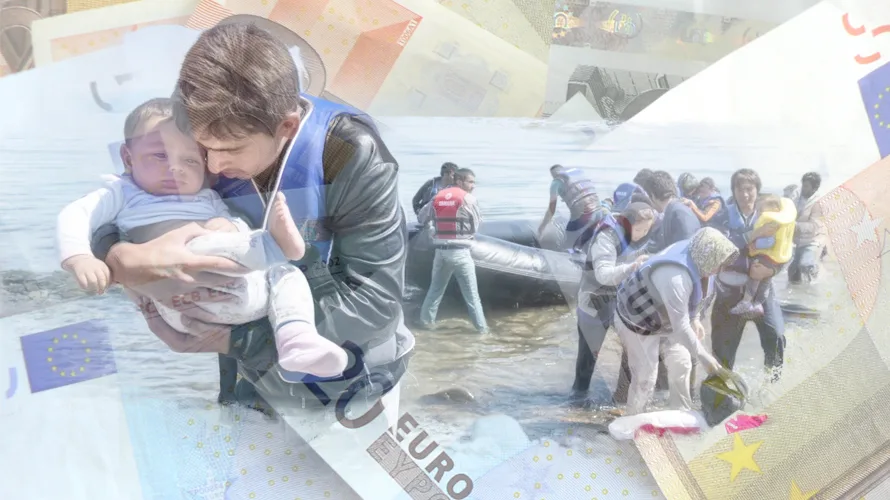
اللاجئون عبء على أوروبا، هذا ما يقوله أعداء استقبال القارة العجوز للمهاجرين يوميًا عبر منابرهم المتمثلة في الأحزاب والحركات اليمينية والفاشية من ألمانيا وفرنسا إلى المجر وبلغاريا، بيد أن المفارقة، كما سنكشف في هذا التحقيق المنقول عن مجموعة “ملفات المهاجرين” The Migrants Files، هو أن جهود المؤسسات الأوروبية لمنع دخول اللاجئين تحولت إلى بزنس وتجارة تدر ملايين، وهي ملايين تأتي في معظمها من جيوب المواطنين الأوربيين دافعي الضرائب، وهم نفس المواطنين الذين لا يريدون الإنفاق على اللاجئين أو استيعاب المهاجرين من جيوبهم، دون أن يدركوا كم الأموال التي ستُنفَق في كل الأحوال، بل ولربما تكون خسارتهم أكبر ببذل الجهود لمنعهم من الوصول لأوروبا.

بزنس تأمين الحدود

طبقًا لوكالة الأمم المتحدة للاجئين، يتحرك الآن حوالي 60 مليون شخص حول العالم بحثًا عن اللجوء، وهو أكبر رقم منذ نهاية الحرب العالمية الثانية، ففي الأشهر الستة الأولى لعام 2014، ترك أكثر من خمسة ملايين شخص منزله، وفي عام 2014 كله طلب 600.000 شخص اللجوء لأوروبا، وهو حلم يتطلب من كل هؤلاء مواجهة عراقيل شتى تضعها الدول الأوروبية، جغرافية ومالية بل وإلكترونية، والأخيرة تلك بالذات تتضمن تكنولوجيا عسكرية تقوم بتزويدها شركات خاصة عبر تمويل دول الاتحاد الأوروبي.

لشركات السلاح تلك دور كبير يفوق ربما دور منظمة الأمم المتحدة للاجئين، فمجموعة العمل المسؤولة عن البحوث الأمنية، والتابعة للمفوضية الأوروبية، لا تضم منظمة الأمم المتحدة ولا تضم المنظمة العالمية للهجرة، ولكنها للمفارقة تضم أربع شركات سلاح رائدة على مستوى أوروبا، هي إيرباص (EADS سابقًا)، وثاليس Thales، وفينميكانيا Finmeccania، وBAE، علاوة على مشاركة شركات تكنولوجيا مثل ساب SAAB، وإندرا وسيمنز وديل Diehl.

لم يكن غريبًا أن ينشأ مع الوقت بزنس كبير من جراء بحوث تلك المجموعة، والتي لم تلتق سوى مرتين كانتا كافيتين في الحقيقة لتدشين سياسة جديدة لمواجهة الهجرة، فقد قام فريق “ملفات المهاجرين” بدراسة 39 مشروعًا للبحث والتطوير قامت بتمويله مؤسسات الاتحاد الأوروبي أو وكالة الفضاء الأوروبية بين عامي 2002 و2013 لتلك الشركات، كلفت حوالي 225 مليون يورو، وقد أنفقت كلها لتعزيز الحدود الأوروبية، وهي ملايين جنتها بالطبع الشركات المتعاونة مع الاتحاد الأوروبي، وأبرزها إيرباص التي شاركت في عشرة مشاريع وفينميكانيا التي شاركت في 16 وثاليس المشاركة في 18.

ما هي طبيعة تلك المشاريع بالضبط؟ تنصب تلك المشاريع على تعزيز الرقابة الحدودية الجوية، مثل مشاريع أوبرامار Operamar وويماس Wimaas وإيروسيبتور Aeroceptor، وعلى تشديد الحدود نفسها على الأرض وتطوير التكنولوجيا المستخدمة للرقابة اليومية، مثل مشاريع ستابورسِك Staborsec وإفّيسِك Effisec وفاستباس Fastpass ، وعلى تطوير مجسات تحاكي حاسة الشم عند الكلاب لتعقب البشر عند النقاط الحدودية، مثل مشاريع دوجيز Doggies وسنيفر Sniffer وسنوبي Snoopy، كما أن هناك مشرعين عكفا على إنتاج روبوتات لتمشيط الحدود، واحد للبر هو تالوس Talos والآخر للبحر هو أونكوس Uncoss.

برامج وطائرات ومراكب وجدران

تلك الملايين ليست كل شيء بالطبع، وهو ما ينقلنا إلى مجال آخر لبزنس منع الهجرة والذي تقوده فرونتِكس Frontex وكالة الأمن الحدودي الخاصة بالاتحاد الأوروبي، والتي تنسق جهود الدول الأعضاء في تمشيط الحدود وتطوير برامج خاصة لذلك، وحصلت منذ تأسيسها عام 2004 حتى الآن على أكثر من مليار يورو، ويلفت الانتباه هنا برنامج يوروسور Eurosur الذي بدأ عام 2011 هادفًا إلى مشاركة إدارة ومعلومات الحدود بشكل مباشر بين الدول، وهو ما استوجب إنشاء مجموعة مراكز للتنسيق تنقل تلك المعلومات ستكلف حين الانتهاء منها حوالي 200 مليون يورو، دون أن نعرف بالضرورة جدواها على الأرض من أي تقييمات أو دراسات أو تجارب أولية.

على سبيل المثال لننظر إلى يوروداك Eurodac، قاعدة بيانات البصمات الأوروبية، والمصممة للتعرف على مقدمي طلبات الهجرة ممن يتواجدون في أي بلد أوروبي بشكل غير قانوني، وما إذا كانوا قد قدموا على طلبات هجرة لبلد أوروبي آخر وتم رفضهم، حيث تشير الإحصاءات إلى أن عشرة أشخاص على الأقل يتم ترحيلهم عن طريق الخطأ سنويًا نتيجة أعطاب في ذلك النظام أثناء التقاط بصماتهم، وهو رقم قد يكون أكبرعلى أرض الواقع، وهو ما قال أحد موظفي الشركات العاملة في المجال إنه يكون مقصودًا في بعض الأحيان.

لنترك عالم البرمجة وننتقل إلى الأجهزة الصلبة، والتي تتراوح من الطائرات دون طيار حتى المراكب والجدران، والدول الواقعة في جنوب القارة بالطبع هي الأكثر إنفاقًا بالطبع نظرًا لقُربها من المنطقة العربية والقارة الأفريقية، فإسبانيا واليونان تنفقان 70 مليون يورو على المراكب وسيارات الدفع الرباعي والطائرات دون طيار لمساعدتها في ضبط وغلق الحدود، كما أن بناء الجدران أيضًا أصبح مؤخرًا مجالًا رائجًا لتحقيق الأرباح بدأتا بالاستثمار فيه إلى جانب بلغاريا، فالجدران المعروفة في مدينتي سبتة ومليلة الواقعتين في المغرب والتابعتين لإسبانيا منذ عصر الاستعمار تكلف سنويًا عشرة ملايين يورو.

الإيطاليون كعادتهم أكثر دهاءً وحيلة، وكيف لا وهم ملوك المافيا، فإلى جانب الإنفاق المعتاد على المراكب والطائرات، وبدلًا من بناء أية جدران على الأرض، تقوم الحكومة الإيطالية بدفع الأموال لبعض القبائل في ليبيا لوقف سيل المهاجرين من التحرك من السواحل الليبية من الأصل، وهي جهود تكلفت منذ 2011 حوالي 17 مليون يورو تلقتها القبائل والسلطات الليبية، حيث تم تزويد الأخيرة بأجهزة كثيرة مثل المراكب ونظارات الرؤية الليلية، علاوة على حصول موظفيها على تدريبات في هذا المجال لتتبع حركات اللاجئين والمهاجرين.

ماذا عن تكاليف الترحيل؟

لنأتي للمفاجأة الآن، وهي أن كل ما ذكرناه أنفًا ليس بعد أكثر ما يكلف أوروبا في مسألة الحد من اللجوء والهجرة إليها، فالمهمة التي وصلت تكلفتها لحوالي 11.3 مليار يورو منذ عام 2000 هي مهمة ترحيل اللاجئين والمهاجرين المتواجدين في أوروبا بشكل قانوني، وهي مليارات دفعتها الدول الأعضاء في الاتحاد الأوروبي، والبالغ عددها 28، علاوة على النرويج وسويسرا وأيسلندا وليختنشتاين وهي الدول الأوروبية غير الأعضاء بالاتحاد رسميًا.

ذلك الرقم بالطبع هو رقم تقريبي وقد يكون أصغر أو أكبر قليلًا، والسبب هو أن أيًا من دول الاتحاد لا تتولى مهمة حساب تكاليف الترحيل، فإن كان الجميع هنا يتحدث عن تكاليف استضافة اللاجئين ونصب الخيم وتقديم الخدمات، فإن أحدًا لا يهتم على ما يبدو بمهمة لا تقل تكلفة، وهي وضع المرحّلين في مراكز الترحيل ودفع أموال نقلهم لبلدانهم الأصلية، والاستثناء هنا هي بلجيكا البلد الوحيد الذي يحسب بالفعل تكاليف ترحيل المتواجدين خارج القانون، وبشكل جزئي السويد التي تحسب تكاليف نقلهم فقط لا حجزهم في مراكز الترحيل.

من الصعب بالطبع الوصول لرقم دقيق، فالتكاليف تتباين من بلد لبلد، كما أن هناك طرقًا عديدة لطرد أي شخص ليس مواطنًا لدولة أوروبية، بدءًا من إقناعه بالعودة طوعًا وحتى ترحيله قسرًا، بيد أن مكتب الإحصاءات الأوروبي قد يدلنا قليلًا نظرًا لامتلاكه قاعدة بيانات لمن تركوا أوروبا بعد تلقيهم إنذارًا، وهي بيانات نظر فيها الصحافيون المسؤولون عن موقع “ملف المهاجرين،” مع البيانات الأخرى المتاحة من بعض الدول الأوروبية في بعض جوانب ملف الترحيل، وتوصلوا لأن أوروبا تدفع ما يقارب المليار يورو سنويًا في جهود الترحيل.

***

بينما تعج الشوارع بالمتظاهرين في المجر والكثير من مدن ألمانيا لاسيما شرقها، وغيرها من بلدان في خضم اجتياح موجة اليمين المتطرف للكثير من الشرائح المجتمعية في أوروبا، وبينما تتعالى الأصوات المطالبة بالحفاظ على أموال أوروبا من التبديد لاستضافة اللاجئين والإنفاق عليهم، خاصة وبعض دول القارة العجوز لا تزال تعاني من الأزمة الاقتصادية، يتساءل المرء ماذا يعرف هؤلاء عن بزنس منع الهجرة، وعن تكاليف الترحيل وضبط الأمن الحدودي وصناعة الأجهزة وكتابة البرامج المخصصة لذلك، وما إذا كان يمكن أن تكون تلك التكاليف أكبر في الحقيقة من تكاليف استضافة اللاجئين.

يبقى التساؤل الأخير هو: وماذا إن عرفوا بالفعل؟ هل يفتحون أذرعهم فجأة للاجئين باعتبار ذلك أقل تكلفة من ترحيلهم ومراقبتهم؟ سيكون هذا تصرفًا منطقيًا إن كانت الاعتبارات الوحيدة بالفعل هي اعتبارات عدم تحمل أوروبا لتكاليفهم، أما إذا كانت هناك اعتبارات أخرى متجاوزة للماديات، فذلك يصبح إذن شأنًا آخر.

TAGGED: الشينجين ، اللاجئون السوريون ، اللجوء ، اللجوء إلى أوروبا ، الهجرة
Download this article as PDF
Share this Article
Facebook Twitter Whatsapp Whatsapp Telegram Email Copy Link
فريق التحرير
By فريق التحرير تقارير يعدها فريق تحرير نون بوست.
Follow:
Next Article نون بوست The Stigma of “ISIS”: A Heavy Legacy Haunting Women and Children of Former Members

Read More

  • U.S. Regime‑Change Policies: Why They Are Destined to Fail U.S. Regime‑Change Policies: Why They Are Destined to Fail
  • The Gulf’s Balancing Act: Iran, Israel, and Hidden Links
  • Iraq–Turkey Oil Export Treaty: Why Did Ankara Cancel It After 52 Years?
  • Syria’s Northeast on Edge: QSD Between Ankara and Damascus
  • Has Europe Changed Its Stance on Israel… or Just Its Language?
part of the design
NoonPost Weekly Newsletter

You May Also Like

U.S. Regime‑Change Policies: Why They Are Destined to Fail

U.S. Regime‑Change Policies: Why They Are Destined to Fail

إسراء سيد Esraa sayed 8 April ,2026
The Gulf’s Balancing Act: Iran, Israel, and Hidden Links

The Gulf’s Balancing Act: Iran, Israel, and Hidden Links

فريق التحرير Noon Post 8 April ,2026
Iraq–Turkey Oil Export Treaty: Why Did Ankara Cancel It After 52 Years?

Iraq–Turkey Oil Export Treaty: Why Did Ankara Cancel It After 52 Years?

فريق التحرير Noon Post 8 April ,2026
dark

An independent media platform founded in 2013, rooted in slow journalism, producing in-depth reports, analysis, and multimedia content to offer deeper perspectives on the news, led by a diverse young team from several Arab countries.

  • Politics
  • Society
  • Rights & Liberties
  • Opinions
  • History
  • Sports
  • Education
  • Technology
  • Economy
  • Media
  • Arts & Literature
  • Entrepreneurship
  • Travel
  • Cinema & Drama
  • Food
  • Health
  • Culture
  • Latest Reports
  • Files
  • Long Reads
  • Interviews
  • Podcast
  • Interactive
  • Encyclopedia
  • In Pictures
  • About Us
  • Our Writers
  • Write for Us
  • Editorial Policy
  • Advanced Search
Some rights reserved under a Creative Commons license

Removed from favorites

Undo
Go to mobile version