NoonPost NoonPost

NoonPost

  • Home
  • Politics
  • Economy
  • Society
  • Culture
  • Files
  • Long Reads
  • Podcast
AR
Notification Show More
نون بوست
“There Are Nights I Can’t Close My Eyes”: How Gazans Are Living in Homes on the Brink of Collapse
نون بوست
From al-Jolani to Ahmad al-Shara: The Evolution of Syria’s New Leader
نون بوست
When Political Islam Receded in Egypt: Who Filled the Void?
نون بوست
An Extension of Genocide: Gaza’s Detainees Speak Out
نون بوست
A Tightrope Between Survival and Sovereignty: The Syrian Government Faces Normalization Pressures
نون بوست
American Aircraft Carriers: Has the Era of “100,000 Tons of Diplomacy” Ended?
نون بوست
U.S. Regime‑Change Policies: Why They Are Destined to Fail
نون بوست
Transformations of Israeli Judaism: Between the Victim Complex and the Colonizer’s Doctrine
نون بوست
The Gulf’s Balancing Act: Iran, Israel, and Hidden Links
نون بوست
Iraq–Turkey Oil Export Treaty: Why Did Ankara Cancel It After 52 Years?
نون بوست
Syria’s Northeast on Edge: QSD Between Ankara and Damascus
نون بوست
Has Europe Changed Its Stance on Israel… or Just Its Language?
NoonPost NoonPost
AR
Notification Show More
نون بوست
“There Are Nights I Can’t Close My Eyes”: How Gazans Are Living in Homes on the Brink of Collapse
نون بوست
From al-Jolani to Ahmad al-Shara: The Evolution of Syria’s New Leader
نون بوست
When Political Islam Receded in Egypt: Who Filled the Void?
نون بوست
An Extension of Genocide: Gaza’s Detainees Speak Out
نون بوست
A Tightrope Between Survival and Sovereignty: The Syrian Government Faces Normalization Pressures
نون بوست
American Aircraft Carriers: Has the Era of “100,000 Tons of Diplomacy” Ended?
نون بوست
U.S. Regime‑Change Policies: Why They Are Destined to Fail
نون بوست
Transformations of Israeli Judaism: Between the Victim Complex and the Colonizer’s Doctrine
نون بوست
The Gulf’s Balancing Act: Iran, Israel, and Hidden Links
نون بوست
Iraq–Turkey Oil Export Treaty: Why Did Ankara Cancel It After 52 Years?
نون بوست
Syria’s Northeast on Edge: QSD Between Ankara and Damascus
نون بوست
Has Europe Changed Its Stance on Israel… or Just Its Language?
Follow US

Oil, Ports, and Tribes: Three Keys to Understanding the Struggle for Hadramawt

فريق التحرير
Noon Post Published 26 March ,2026
Share
نون بوست
نون بوست

In late 2025, Yemen’s largest and most oil-rich province, Hadramawt, erupted in armed clashes between the UAE-backed separatist Southern Transitional Council (STC) and a tribal alliance supported by Saudi Arabia, along with units of the Yemeni army.

Within days, STC militias swept through Wadi Hadramawt in eastern Yemen, raising the flag of the former South Yemen in major cities along the Arabian Sea. In response, Riyadh dispatched a high-level military delegation in an attempt to de-escalate the situation.

Behind the clashes lies a broader competition between the UAE and Saudi Arabia for influence and access to resources in Yemen a rivalry that extends beyond Hadramawt but becomes especially acute there due to the province’s oil reserves, strategic ports, and expansive borders.

So, who are the key local actors, what do the Gulf powers want from Hadramawt, and why is this province so geopolitically significant?

Timeline of Events

In late November 2025, forces from the “Hadramawt Tribal Alliance” seized control of an oil field and surrounding territory near the PetroMasila facility, halting production to demand a greater share of oil revenues.

The Southern Transitional Council seized on this move to accuse the region of becoming a hub for arms smuggling and illicit oil revenue transfers, which it claimed undermined southern interests.
نون بوست
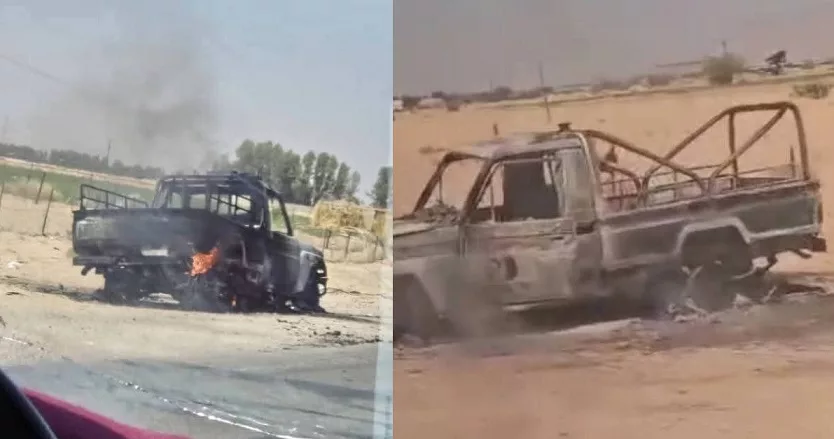
Clashes in Hadramawt province resulted in 10 deaths on both sides of the conflict.

In early December, the STC launched a military offensive dubbed “Promising Future,” during which its forces took over large parts of Wadi Hadramawt, most notably the city of Sayun home to one of Yemen’s most important international airports.

The Hadrami Elite Forces, affiliated with the STC, advanced swiftly, taking several towns and raising the southern flag over the presidential palace in Sayun, declaring the “liberation of Wadi Hadramawt.”

The Tribal Alliance resisted the assault, claiming to protect the province from “foreign militias,” but remained largely stationed in its territories.

At the onset of the operation, Yemen’s Ministry of Defense and government forces issued no immediate military response, enabling the STC to gain ground, though clashes did result in 10 deaths on both sides.

Saudi Arabia sent a military delegation to the provincial capital, Mukalla, affirming that Hadramawt’s security was a strategic priority and calling for the withdrawal of STC forces and the restoration of state authority.

On December 3, a local ceasefire agreement was announced, promising the resumption of oil exports and a halt to military and media escalation. However, fighting resumed the next day, with both sides accusing each other of breaking the truce.

The Warring Yemeni Parties and Their Backers

Southern Transitional Council (STC)
Formed in 2017 with Emirati backing, the STC seeks the secession of South Yemen and a return to the pre-unification status quo of May 22, 1990, citing grievances of marginalization and exclusion.

The STC controls the southern port city of Aden and large swathes of the southern coast. Its military wings include the Security Belt Forces and both the Shabwani and Hadrami Elite Forces, all trained and funded by the UAE.
نون بوست
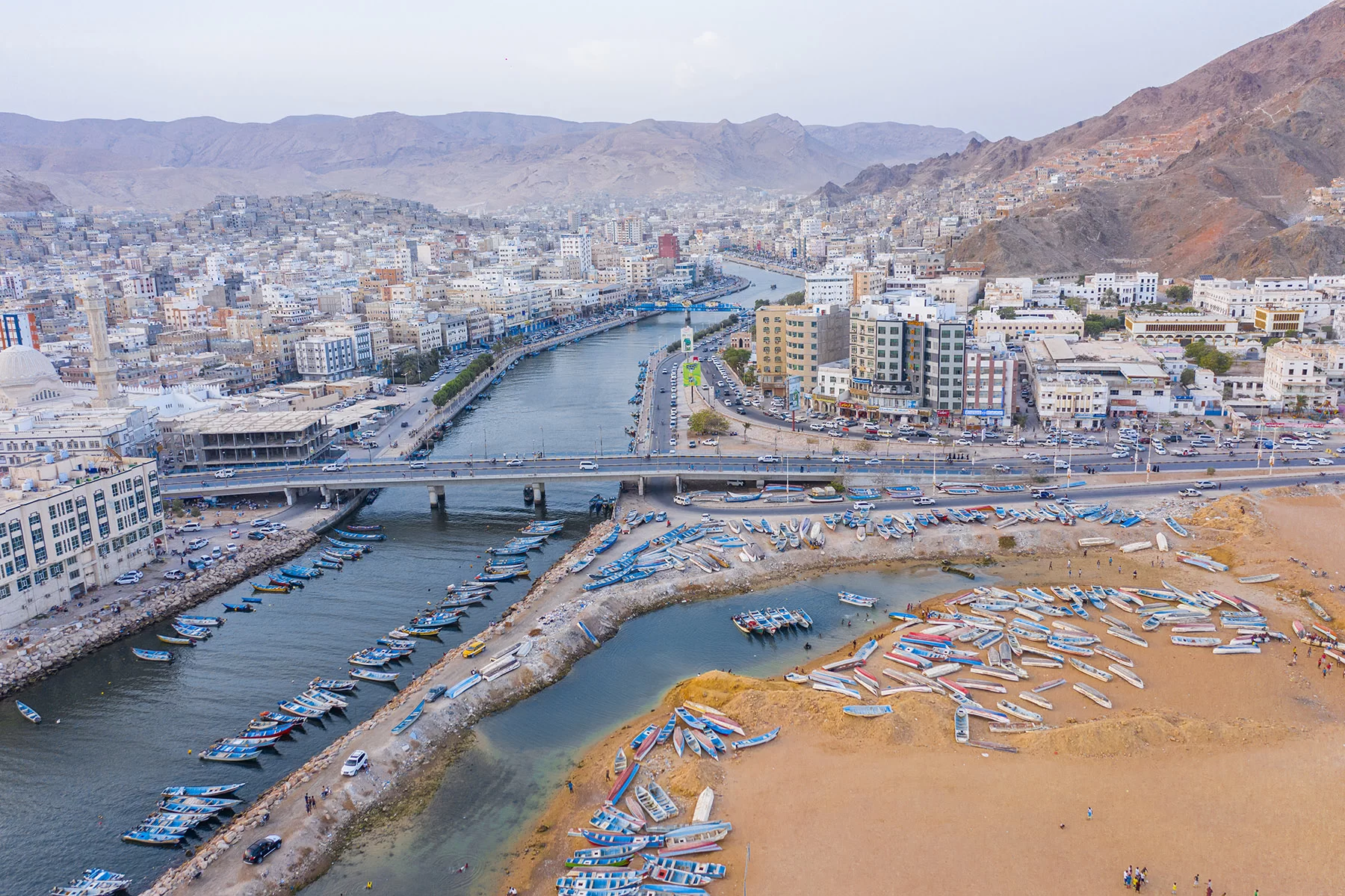
Hadhramaut has the port of Mukalla on the Arabian Sea and overlooks a coastline of 450 kilometers.

Hadramawt Tribal Alliance
Established in 2013, this alliance calls for autonomous rule for Hadramawt and is composed exclusively of local tribal leaders, independent of both the STC and the central government. It is led by Sheikh Amr bin Habrish and seeks to empower Hadramis in managing their own resources and governance.

Since 2020, some of its units have integrated into the Saudi-backed government forces under the name “Hadramawt Protection Forces,” receiving financial and military support from Riyadh. Saudi Arabia views them as a bulwark against both the Houthis and Emirati expansionism.

Yemeni Government’s Position
Following renewed clashes, Presidential Leadership Council head Rashad al-Alimi departed the interim capital, Aden, for Saudi Arabia to consult with regional and international stakeholders.

In a statement, al-Alimi reiterated that the state alone is responsible for protecting national institutions and safeguarding citizens’ interests, rejecting any unilateral actions that challenge the government’s exclusive authority. He emphasized that the main battle remains against the Houthis.

Nevertheless, the government appeared powerless as the STC seized control of the Wadi, issuing no strong military response. Caught between two Gulf allies and their respective local partners, the government is attempting to maintain a fragile balance but lacks real influence on the ground, often resorting to mediation.

The Geopolitical Significance of Hadramawt

Strategic Location
Covering nearly a third of Yemen’s territory, Hadramawt includes desert routes that connect the east to the south, making it a vital corridor for both smuggling and commerce. Controlling it grants significant influence over the southern Arabian Peninsula.

Ports and Borders
Hadramawt is home to the port of Mukalla on the Arabian Sea and boasts a 450-kilometer coastline. It also includes key border crossings: al-Wadiah with Saudi Arabia and Sarfait with Oman making it a commercial gateway and major transit point.

Oil and Gas Reserves
Hadramawt holds between 80–90% of Yemen’s proven oil and gas reserves. The PetroMasila and Masila fields are among the largest in the country, and control over them is a crucial source of revenue for any authority.

GDP Contribution
The province contributes approximately 16.3% to Yemen’s gross domestic product.

Cultural Identity
Hadramawt possesses a distinct identity within Yemen, with a predominantly Sunni population and a tribal structure that differs from the north. This makes it a prime target for regional powers seeking to empower loyal local actors as part of broader influence campaigns.

What Do Saudi Arabia and the UAE Want from Hadramawt?

Saudi Arabia
Riyadh sees Hadramawt as a defensive buffer, shielding its southern border from arms and drug smuggling. It also has strategic interests in safeguarding the planned oil pipeline through al-Mahra province that would connect Saudi oil fields directly to the Arabian Sea.

Saudi Arabia fears growing Emirati influence in the region, which could redraw Yemen’s internal map. To counter this, Riyadh backs the Hadramawt Protection Forces as a locally rooted stabilizing force aligned with its vision of a united Yemen, and to prevent either the Houthis or the STC from gaining control of the Wadi.

United Arab Emirates
Abu Dhabi aims to tighten its grip on southern ports Aden, Mukalla, and Bir Ali and adjacent coastal regions along the Arabian Sea.

The UAE has invested heavily in Mukalla port and transportation infrastructure in the region and views Hadramawt as the “grand prize,” given its vast oil reserves. Capturing the province is key to facilitating southern secession.

Tensions between the UAE and Saudi Arabia have been mounting since 2019, when the STC, with Emirati backing, staged a coup against the government in Aden.

Conflict Outlook: Possible Scenarios

Continued Expansion
If the STC consolidates its control over Wadi Hadramawt with Emirati backing, it may push further into al-Mahra or parts of Marib. This could deepen Yemen’s fragmentation splitting it between a Houthi-controlled north and an Emirati-backed south/east and exacerbate Riyadh-Abu Dhabi tensions.

Temporary Settlement
Saudi mediation may lead to a partial STC withdrawal in exchange for granting the tribal alliance a greater role in managing oil revenues and integrating the Hadrami Elite Forces into state structures.

Internal Explosion
If oil operations face repeated disruption or mutual media campaigns escalate, Hadramawt could spiral into open war potentially prompting direct military intervention by either Gulf state or driving tribes to seek new alliances.

Wider War Implications
The ongoing Saudi–UAE rift undermines efforts to reach a comprehensive peace with the Houthis. The latter could exploit the disarray among their adversaries to expand into regions like Shabwa or Abyan.

Download this article as PDF
Share this Article
Facebook Twitter Whatsapp Whatsapp Telegram Email Copy Link
فريق التحرير
By فريق التحرير تقارير يعدها فريق تحرير نون بوست.
Follow:
Previous Article نون بوست Illness as Punishment: How Egyptian Prisons Became Theaters of Silent Death
Next Article نون بوست Netanyahu Seeks Presidential Pardon: Will He Quit Politics to Avoid Prosecution?

Read More

  • U.S. Regime‑Change Policies: Why They Are Destined to Fail U.S. Regime‑Change Policies: Why They Are Destined to Fail
  • The Gulf’s Balancing Act: Iran, Israel, and Hidden Links
  • Iraq–Turkey Oil Export Treaty: Why Did Ankara Cancel It After 52 Years?
  • Syria’s Northeast on Edge: QSD Between Ankara and Damascus
  • Has Europe Changed Its Stance on Israel… or Just Its Language?
part of the design
NoonPost Weekly Newsletter

You May Also Like

U.S. Regime‑Change Policies: Why They Are Destined to Fail

U.S. Regime‑Change Policies: Why They Are Destined to Fail

إسراء سيد Esraa sayed 8 April ,2026
The Gulf’s Balancing Act: Iran, Israel, and Hidden Links

The Gulf’s Balancing Act: Iran, Israel, and Hidden Links

فريق التحرير Noon Post 8 April ,2026
Iraq–Turkey Oil Export Treaty: Why Did Ankara Cancel It After 52 Years?

Iraq–Turkey Oil Export Treaty: Why Did Ankara Cancel It After 52 Years?

فريق التحرير Noon Post 8 April ,2026

الانتخابات البلدية أضافت المغرب لقائمة الاستثناء العربي

فهمي هويدي
فهمي هويدي Published 16 September ,2015
Share
Election

 (1)

أتحدث عن الاكتساح الذي حققه حزب العدالة والتنمية المغربى في الانتخابات التي جرت في الرابع من شهر سبتمبر الحالي، ليس فقط لأن الحزب معروف بمرجعيته الإسلامية، ولكن أيضًا لأن النتائج بدت مقدمة مثيرة للانتخابات التشريعية التي يفترض أن تجرى في العام المقبل، ذلك أن الحزب الذي يقود التحالف الحاكم ضاعف من الأصوات التي حصلها ثلاث مرات بالمقارنة بالانتخابات المحلية التي جرت في عام 2009، كما أنه حصل على المركز الأول في عدد الأصوات التي حصل عليها في المدن (مليون و672 ألف صوت) كما في القرى (مليون و559 و800 صوت) بفارق عشرات الألوف من الأصوات بالمقارنة بالأحزاب الكبيرة الأخرى، مع ذلك اختلف الأمر بالنسبة لنصيبه من المقاعد في الحالتين، إذ احتل المركز الأول في مقاعد مجالس المدن، وجاء بعده حزب الأصالة والمعاصرة المقرب من القصر الملكي، وبعد الاثنين حزب الاستقلال صاحب الرصيد التاريخى، وهو وضع اختلف في القرى المنتشرة والتي أعيد تقسيم الدوائر فيها، إذ رغم أن حزب العدالة حصل على النسبة الأكبر من الأصوات، إلا أن ترتيبه جاء الثالث في عدد المقاعد، إذ سبقه حزب الأصالة والمعاصرة الذي احتل المركز الأول، وتلاه حزب الاستقلال، وحكاية تقسيم الدوائر والمقاعد لها قصة طويلة، لأنها لم تكن بريئة دائمًا؛ ذلك أن إقليم تارودانت مثلاً الذي يضم 400 ألف ناخب خصص له 1500 مقعد، في حين أن الدار البيضاء التي يقطنها خمسة ملايين نسمة خصص لها أقل من 500 مقعد، وهو ما تكرر في مناطق أخرى، مع ذلك فالتقاسم لا يخلو من إيجابية لأنه من وجهة النظر الديمقراطية ليست هناك مصلحة في أن يحتكر حزب واحد صدارة المجالس في الحضر والبادية، لأن المعارضة مطلوبة حتى على ذلك المستوى من التمثيل.

في ثنايا المفاجأة الكبرى أبرزت التفاصيل مفاجآت أخرى منها مثلاً أن المدن الكبرى التي ظلت طوال السنوات التي مضت تدار بواسطة الأحزاب التاريخية صوتت جميعها لأول مرة لحزب العدالة والتنمية، وهو ما أحدث انقلابًا أدى إلى سقوط وزراء وسياسيين تقليديين أمام أجيال جديدة من القيادات تخوض التجربة لأول مرة، ولفت الانتباه في هذا الصدد أن الأمينين العامين لاثنين من الأحزاب الكبرى خسرا في مدينتيهما، إذ سقط الأمين العام لحزب الأصالة والمعاصرة مصطفى الباكوري في مدينة المحمدية، كما سقط الأمين العام لحزب الاستقلال حميد شباط في مدينة فاس، التي كانت تعد من القلاع التاريخية لذلك الحزب، وبذلك التصويت أصبحت العواصم المهمة للمملكة تحت قيادة حزب العدالة والتنمية؛ من العاصمة الإدارية (الرباط) إلى العاصمة الاقتصادية (الدار البيضاء أكبر مدن المغرب) والعاصمة العلمية (فاس) ومراكش وأكادير وطنجة، وهي المدن السياحية الأساسية المليئة بالأنشطة والملاهي التي قد تمثل اختبارًا لتوجهات رئيس المنطقة الجديد المنتمي إلى الحزب الإسلامي.

(2)

في تحليل تلك النتائج كتب الناشط السياسي والصحفي المغربي علي أنوزلا – المعارض وأحد خصوم الإسلام السياسي – تحليلاً نشره في 9 سبتمبر موقع “صدى نيوز”، وصف فيه انتصار إسلاميي المغرب بأنه “مبهر”، وقال إن عنصر المفاجأة في الانتخابات لا يكمن فقط في نتائجها، وإنما أيضًا في السياقات الصعبة التي جاءت في ظلها، ولخص تلك السياقات في أربعة عوامل، أولها ضغوط السلطة والدوائر المرتبطة بالقصر.،وهذه الدوائر لا تنظر بعين الرضا لقيادة الإسلاميين للحكومة.

العامل الثاني أن الانتخابات كانت بمثابة أول اختبار حقيقي لإسلاميي المغرب منذ وصولهم إلى قيادة الحكومة، وقد تم تأخير تلك الانتخابات أربع سنوات من أجل إضعاف الحزب واستنزافه، خصوصًا أنه اضطر لاتخاذ قرارات غير شعبية تمثلت في زيادة أسعار المحروقات ورفع الدعم الذي كانت تقدمه الدولة لأسعار المواد الأساسية، كما أن رئيس الحكومة أُجبر في أكثر من مناسبة على تقديم تنازلات للقصر في أمور هي من صلاحياته طبقًا للدستور المغربي الجديد، إضافة إلى تعرض بعض مشاريع حزب الإصلاح التي طرحها الحزب إلى عراقيل من جانب مراكز القوى الرافضة للتغيير، وبعضها مدعوم من السلطة.

العامل الثالث أن الإعلام الرسمي الذي تحتكره السلطة إضافة إلى الإعلام الخاص الذي تتحكم فيه مراكز القوى وشبكات المصالح، تم تسخيره طوال السنوات الأربع للنيل من تجربة الحكومة الإسلامية وإضعافها وتشويهها أمام الرأي العام، وفي مقابل ذلك كان هناك ضعف واضح للإسلاميين في الدفاع عن مشاريعهم وتسويق إنجازاتهم ومواجهة خصومهم على الجبهة الإعلامية.

العامل الرابع أن الانتصار “المبهر” لإسلاميى المغرب جاء في سياق إقليمي بطبيعة التراجع الكبير للإسلام السياسي في المحيط العربى، إضافة إلى التراجع النسبي للنموذج الأردوغاني النسبي الذي ظل لعدة سنوات يجسد نموذجًا تسعى تيارات الإسلام السياسي في المنطقة العربية إلى تقليده، وهو ما ينبئ بميلاد نموذج إسلامي سياسي عربي في المغرب، طابعه الاعتدال والبراجماتية السياسية.

خلص الكاتب إلى أن نجاح حزب العدالة والتنمية يقاس بأمرين مهمين، الأول أنه نجح في اختراق الطبقة الوسطى التي تقطن المدن، ذلك أن أغلب فئات هذه الطبقة التي لا تشارك الحزب الإسلامى تصوره المجتمعي أصبحت ترى فيه بديلاً جسَد نزاهة اليد ومواجهة الفساد.

الأمر الثاني الأهم أن خطاب الأمين العام للحزب (رئيس الحكومة) عبدالإله بن كيران، الذي ركز طوال الحملة الانتخابية على مهاجمة مراكز نفوذ السلطة، ساهم في زحزحة هاجس الخوف الذي بدأ يعود ليتحكم في عقول الناس بعدما أزاحته ثورات الربيع العربي، وفي رأى الكاتب أن العدالة والتنمية إذا لم ينجح سوى في هذه النقطة الأخيرة لكتبت له بماء الذهب في ميزان أعظم إنجازاته التي قد يتجاوز أثرها حدود المغرب.

(3)

في عام 2003 حين وقعت الأحداث الإرهابية في الدار البيضاء، سارع منافسو حزب العدالة والتنمية وخصومه إلى توجيه أصابع الاتهام إليه، بدعوى أن وجوده على الساحة أسهم في تنشيط الحركات السلفية المتشددة التي كانت وراء تلك الأحداث، وارتفعت أصوات اليساريين وغلاة العلمانيين داعية إلى حل الحزب وحظره، ووضع مشروع الحل على جدول أعمال الحكومة بطلب من وزراء اليسار، إلا أن الملك محمد السادس تدخل من جانبه لوقف الاحتقان السياسي، ومن ثم واصل الحزب مشاركته في الحياة السياسية من خلال عضوية البرلمان الذي مثل فيه آنذاك بـ 42 عضوًا نجحوا في الانتخابات التشريعية التي تمت عام 2002، إلا أن ذلك لم يوقف حملة التشهير التي قادها الإعلام ضده، من منابره التي كانت الدولة العميقة في صدارتها إلى جانب الأحزاب المنافسة، ولوقف تمدده ظهر في الساحة حزب الأصالة المعاصرة الذي تشكل في عام 2008 وكان مؤسسة وزير الداخلية السابق ومستشار الملك فؤاد عالى الهمة.

وفي حين رفع حزب العدالة والتنمية (الذي شكل عام 1997) شعارات محاربة الفساد وضمان الاستقرار والتنمية والعدالة، فإن حزب الأصالة قدم نفسه منافسًا له ومناهضًا للرجعية والتزمت وداعيًا إلى التحرر والليبرالية والحداثة، وبدا التفاوت في الخطاب معبرًا عن إستراتيجية الحزبين، فحزب العدالة اعتبر أن معركته خدمة المجتمع في حين أن حزب الأصالة اختار منذ اللحظة الأولى أن تكون معركته ضد مشروع حزب العدالة.

كان حزب العدالة قد أعلن منذ تأسيسه في عام 1997 (عام الثورة الإيرانية) أنه “حزب سياسي وطني يسعى انطلاقًا من المرجعية الإسلامية وفي إطار الملكية الدستورية القائمة على إمارة المؤمنين، إلى الإسهام في بناء مغرب حديث وديمقراطي”، وفي الممارسة قدم نموذجًا مغايًرا قام على عدة ركائز لخصها في النقاط التالية الدكتور سعد الدين العثمانى رئيس المجلس الوطنى للحزب (ملجس الشورى) ووزير الخارجية السابق:

–  استقلال الحزب عن الحركة الإسلامية (التوحيد والإصلاح) التي خرج من عباءتها، من ثم فإنه فك ارتباط الجهد الدعوي بالعمل السياسي، وانفرد بالأخير بعيدًا عن الحزب.

– اختار طريق العمل السياسي السلمي الذي يعمد إلى تحقيق الإصلاح اهتداءً بالثوابت الوطنية المتعارف عليها، ومن خلال المؤسسات الديمقراطية المنتخبة وبالتعاون قدر الإمكان مع القصر المهيمن على السلطة.

– التدرج في ممارسة العمل العام من خلال الدفع بأعداد محدودة في مختلف الاستحقاقات الانتخابية.

– رفع شعار المجتمع قبل الجماعة، لذلك فإن الالتزام ظل محصورًا في محاربة الفساد وتحقيق التنمية.

– رفض الانفراد والسلطة والانطلاق من التعاون مع القوى السياسية الأخرى تكريسًا لمبدأ الشراكة.

لذلك فإن الائتلاف الحاكم أصبح يقوم إلى جانب حزب العدالة والتنمية على مشاركة وزراء مثلوا أحزاب التجمع الوطني للإصرار (ليبرالي مقرب من القصر) والحركة الشعبية (يميني أقرب إلى تمثيل الأمازيغ) وحزب التقدم والاشتراكية (الحزب الشيوعي سابقًا).

بهذه التشكيلة قاد حزب الأغلبية إدارة المغرب خلال السنوات الأربع الماضية، وتجنب الصدام مع القصر طوال الوقت، حتى حل موعد الانتخابات الأخيرة التي وصف رئيس الحكومة والأمين العام للحزب عبدالإله بنكيران نتائجها بقوله إن الشعب المغربي رد لحزبه التحية بأفضل منها.

(4)

ليست تلك نهاية المطاف بطبيعة الحال، لأن القادم حافل بالعديد من التفاعلات والاحتمالات، من ناحية لأن دخول حزب العدالة والتنمية بهذا الثقل إلى إدارة المدن الكبرى يحوله إلى فاعل أساسي في الشأن المحلي من خلال الاحتكاك المباشر بالجماهير، وهو أمر من شأنه أن يُحدث تأثيرًا كبيرًا في الانتخابات التشريعية القادمة.

من ناحية ثانية فإن النتائج التي تحققت تثير أكثر من علامة استفهام حول مستقبل علاقة الحزب بالقصر، الذي فوجئ بمضاعفة الأصوات التي حصل عليها حزب العدالة والتنمية، وفي رأى المحلل السياسي المغربي خالد الجامعي أن العادة جرت على أن يتراجع رصيد الحزب الذي يمارس السلطة، وهو ما راهن عليه القصر الذي لا يريحه ان يتعامل مع حزب قوي تتزايد شعبيته، إلا أن القصر سيضطر للتعامل معه، أقله لأنه سيكون بحاجة إليه لتمرير ما لا يستطيع تمريره في حالة ما إذا أصبح الحزب في المعارضة، ويرجع الأستاذ الجامعي أن القصر سيحاول إحداث توازن في مواجهة حزب العدالة والتنمية، من خلال السعي لضخ مياه جديدة تقوي من حزبي الاستقلال والاتحاد الاشتراكي في مواجهته.

من ناحية ثالثة، لأن النتائج استنفرت الأحزاب السياسية الأخرى وأججت التنافس والصراع بينها، بعدما تبين أن حزب العدالة يهدد نفوذها ووجودها، وقد أصبح الصراع يهدد التحالفات القائمة، خصوصًا في ظل التنازع على رئاسة المدن والبلديات.

لا يستطيع أحد أن يدعى أن متغيرًا جوهريًا طرأ على بنية النظام المغربي الذي لايزال القصر فيه مهيمنًا وممسكًا بأغلب وأهم خيوط اللعبة السياسية، لكن أحدًا لا يستطيع أن ينكر أن الشعب المغربي الفائز الأول في الانتخابات، رفع صوته وأصبح أمله في التغيير أكبر بعد انتفاضة 20 فبراير 2011 التي كانت من أصداء الربيع العربي حين هبت رياحه في ذلك العام، صحيح أن الشوط لايزال طويلاً لإنجاز التغيير الديمقراطي المنشود، إلا أن إحياء الأمل في إحداث ذلك التغيير له أهميته، لأن بعض تجارب الربيع العربي انتكست إلى درجة انها لم تحدث التغيير بل وأجهضت الأمل في تحقيقه في الأجل المنظور.

المصدر: CNN بالعربية

TAGGED: إسلاميو المغرب ، الإصلاح في المغرب ، الانتخابات المحلية المغربية ، حزب الأصالة والمعاصرة ، حزب العدالة والتنمية المغربي
TAGGED: المشهد المغربي
Download this article as PDF
Share this Article
Facebook Twitter Whatsapp Whatsapp Telegram Email Copy Link
فهمي هويدي
By فهمي هويدي كاتب ومفكر مصري
Follow:
Next Article نون بوست The Stigma of “ISIS”: A Heavy Legacy Haunting Women and Children of Former Members
part of the design
NoonPost Weekly Newsletter
dark

An independent media platform founded in 2013, rooted in slow journalism, producing in-depth reports, analysis, and multimedia content to offer deeper perspectives on the news, led by a diverse young team from several Arab countries.

  • Politics
  • Society
  • Rights & Liberties
  • Opinions
  • History
  • Sports
  • Education
  • Technology
  • Economy
  • Media
  • Arts & Literature
  • Entrepreneurship
  • Travel
  • Cinema & Drama
  • Food
  • Health
  • Culture
  • Latest Reports
  • Files
  • Long Reads
  • Interviews
  • Podcast
  • Interactive
  • Encyclopedia
  • In Pictures
  • About Us
  • Our Writers
  • Write for Us
  • Editorial Policy
  • Advanced Search
Some rights reserved under a Creative Commons license

Removed from favorites

Undo
Go to mobile version