NoonPost NoonPost

NoonPost

  • Home
  • Politics
  • Economy
  • Society
  • Culture
  • Files
  • Long Reads
  • Podcast
AR
Notification Show More
نون بوست
“There Are Nights I Can’t Close My Eyes”: How Gazans Are Living in Homes on the Brink of Collapse
نون بوست
From al-Jolani to Ahmad al-Shara: The Evolution of Syria’s New Leader
نون بوست
When Political Islam Receded in Egypt: Who Filled the Void?
نون بوست
An Extension of Genocide: Gaza’s Detainees Speak Out
نون بوست
A Tightrope Between Survival and Sovereignty: The Syrian Government Faces Normalization Pressures
نون بوست
American Aircraft Carriers: Has the Era of “100,000 Tons of Diplomacy” Ended?
نون بوست
U.S. Regime‑Change Policies: Why They Are Destined to Fail
نون بوست
Transformations of Israeli Judaism: Between the Victim Complex and the Colonizer’s Doctrine
نون بوست
The Gulf’s Balancing Act: Iran, Israel, and Hidden Links
نون بوست
Iraq–Turkey Oil Export Treaty: Why Did Ankara Cancel It After 52 Years?
نون بوست
Syria’s Northeast on Edge: QSD Between Ankara and Damascus
نون بوست
Has Europe Changed Its Stance on Israel… or Just Its Language?
NoonPost NoonPost
AR
Notification Show More
نون بوست
“There Are Nights I Can’t Close My Eyes”: How Gazans Are Living in Homes on the Brink of Collapse
نون بوست
From al-Jolani to Ahmad al-Shara: The Evolution of Syria’s New Leader
نون بوست
When Political Islam Receded in Egypt: Who Filled the Void?
نون بوست
An Extension of Genocide: Gaza’s Detainees Speak Out
نون بوست
A Tightrope Between Survival and Sovereignty: The Syrian Government Faces Normalization Pressures
نون بوست
American Aircraft Carriers: Has the Era of “100,000 Tons of Diplomacy” Ended?
نون بوست
U.S. Regime‑Change Policies: Why They Are Destined to Fail
نون بوست
Transformations of Israeli Judaism: Between the Victim Complex and the Colonizer’s Doctrine
نون بوست
The Gulf’s Balancing Act: Iran, Israel, and Hidden Links
نون بوست
Iraq–Turkey Oil Export Treaty: Why Did Ankara Cancel It After 52 Years?
نون بوست
Syria’s Northeast on Edge: QSD Between Ankara and Damascus
نون بوست
Has Europe Changed Its Stance on Israel… or Just Its Language?
Follow US

Netanyahu Seeks Presidential Pardon: Will He Quit Politics to Avoid Prosecution?

فريق التحرير
Noon Post Published 26 March ,2026
Share
نون بوست
نون بوست

In a politically charged and unprecedented moment in Israel’s political history, Tel Aviv faces a highly sensitive test as Israeli Prime Minister Benjamin Netanyahu formally requests a presidential pardon from President Isaac Herzog for longstanding corruption charges.

The request follows a formal call that came after earlier verbal appeals, most notably from former U.S. President Donald Trump on November 12, who urged Herzog to pardon Netanyahu and bring an end to his trial on charges of corruption, bribery, and breach of trust.

The timing and political implications of the request give it added significance. It comes two years after the Al-Aqsa Flood operation and as Israel enters a crucial election year, with general elections scheduled for October 2026 unless an early vote is called.

Will Herzog grant Netanyahu a full pardon? Will he attach conditions such as Netanyahu’s withdrawal from political life? Or will he reject the request entirely despite mounting pressure from within Israel and from Washington?

The Charges Against Netanyahu

Netanyahu faces multiple charges of corruption, bribery, and breach of trust across three main cases each known by a numerical designation (which carries no legal or political significance):

  • Case 1000: Receiving lavish gifts for himself and his family from wealthy businessmen in exchange for favors and benefits.

  • Case 2000: Negotiating favorable media coverage with Yedioth Ahronoth publisher Arnon Mozes.

  • Case 4000: Providing regulatory benefits to Shaul Elovitch, former owner of the Walla news site and a senior figure at telecom giant Bezeq, in return for positive media coverage.

Three Possible Scenarios

1. Full Pardon

Should President Herzog grant Netanyahu a full pardon, the ongoing trial would end, and the prime minister would be cleared of criminal liability without an official acquittal.

Such a decision would likely satisfy Trump and Netanyahu’s right-wing base, but it would spark fierce opposition, with critics decrying it as a “fatal blow to the rule of law” if not tied to strict conditions.

According to Israel Hayom, an unconditional pardon could ignite massive protests possibly surpassing those sparked by the judicial overhaul plans in early 2023.

Trump’s letter, in particular, has fueled internal tensions, with opposition parties calling it blatant foreign interference in Israeli affairs and warning that it deepens an already volatile situation.

2. Pardon Rejected

If Herzog denies the request, the trial will proceed as normal a move the opposition would likely welcome, according to The Times of Israel.

However, such a decision could provoke anger among Netanyahu’s supporters and the broader right-wing camp, potentially triggering counter-protests demanding a reversal.

Netanyahu may spin a rejection into a form of political gain, framing himself as a victim of persecution and using the decision to rally his base ahead of the upcoming elections.

Legally, the continuation of the trial means Netanyahu faces years of hearings that could eventually end in conviction or acquittal. Either way, the case will remain politically charged until a final ruling is delivered.

3. Conditional Pardon

A middle-ground option would be a conditional pardon a possible way to ease political tensions and appease parts of the opposition without triggering large-scale unrest.

Under this scenario, Herzog could negotiate conditions with Netanyahu and his inner circle before signing off on a pardon. These may include a formal admission of guilt and a complete withdrawal from political life.

Herzog might also link the pardon to halting the judicial overhaul legislation and launching a formal inquiry into the events of October 2023.

Although some sources close to the presidency suggest Herzog is leaning toward this compromise, Netanyahu’s allies insist he will never agree to any admission of guilt even a partial one or consider retiring from political life. This casts serious doubt on the viability of a conditional deal.

The Legal Process for a Pardon Request

  1. Submission: Netanyahu or his legal team submits the pardon request to the President’s Office, which refers it to the Justice Ministry’s Pardon Department for review.

  2. Collection of Opinions: The department gathers relevant documents including court files, prosecution recommendations, and agency reports to prepare a preliminary legal opinion.

  3. Formulating a Recommendation: The Justice Minister issues a final recommendation to the president, based on the department’s opinion and the legal advisor’s counsel.

  4. Presidential Decision: The president reviews all inputs before making a final decision. If he grants the pardon, numerous appeals are expected to be filed with the Supreme Court to challenge its legitimacy.

Does the President Have the Authority to Pardon Netanyahu?

Israeli law does empower the president to issue pardons or reduce criminal sentences. However, this authority is typically exercised after a conviction and a formal admission of guilt, according to The Times of Israel.

Yet, a legal analysis from the Israel Democracy Institute argues that a confession is not a legal requirement for a pardon. Still, the Attorney General’s Office has long held that pre-conviction pardons should be granted only in exceptional cases.

There is precedent: the president issued pre-trial pardons for Shin Bet agents involved in the 1984 “Bus 300” affair. However, the Supreme Court ruled at the time that such interventions should be reserved for rare and extraordinary security-related circumstances.

A detailed legal review published by Israel Hayom, based on opinions from former Justice Minister Daniel Friedmann and former Pardon Department Director Amy Palmor, underscores this view stating that pardons should not be issued in the middle of a trial.

Download this article as PDF
Share this Article
Facebook Twitter Whatsapp Whatsapp Telegram Email Copy Link
فريق التحرير
By فريق التحرير تقارير يعدها فريق تحرير نون بوست.
Follow:
Previous Article نون بوست Oil, Ports, and Tribes: Three Keys to Understanding the Struggle for Hadramawt
Next Article نون بوست Government Subsidies in Egypt… A Countdown to the Death of the Social Contract

Read More

  • U.S. Regime‑Change Policies: Why They Are Destined to Fail U.S. Regime‑Change Policies: Why They Are Destined to Fail
  • The Gulf’s Balancing Act: Iran, Israel, and Hidden Links
  • Iraq–Turkey Oil Export Treaty: Why Did Ankara Cancel It After 52 Years?
  • Syria’s Northeast on Edge: QSD Between Ankara and Damascus
  • Has Europe Changed Its Stance on Israel… or Just Its Language?
part of the design
NoonPost Weekly Newsletter

You May Also Like

U.S. Regime‑Change Policies: Why They Are Destined to Fail

U.S. Regime‑Change Policies: Why They Are Destined to Fail

إسراء سيد Esraa sayed 8 April ,2026
The Gulf’s Balancing Act: Iran, Israel, and Hidden Links

The Gulf’s Balancing Act: Iran, Israel, and Hidden Links

فريق التحرير Noon Post 8 April ,2026
Iraq–Turkey Oil Export Treaty: Why Did Ankara Cancel It After 52 Years?

Iraq–Turkey Oil Export Treaty: Why Did Ankara Cancel It After 52 Years?

فريق التحرير Noon Post 8 April ,2026

أوراق من رحلتي: كوتاهيا التي وصلتها جيوش مصر

محمد عبد اللطيف
محمد عبد اللطيف Published 17 September ,2015
Share
mnzr_mtl_l_lmdyn_mn_l_lql

عندما تستمع إلى كلمة “كوتاهيا” يأتي إلى عقلك صناعة الصيني، أو المسمى بالتركية تشيني، وما يميزها عن مدينة أزنيك أن صناعة الصيني مستمرة إلى يومنا هذا، وتقوم المدينة بتصدير إنتاجها إلى جميع أنحاء العالم، بل وتحمل إحدى ماركات الصيني الشهيرة اسم المدينة.

نون بوست

 من السوق الصيني

أثناء تجولك في أطراف المدينة سوف تتصادف كثيرًا مع الصيني والبورسلين، فقد تجد محلات بيعها، وأتوليهات صنعها وتعليم صنعها، بل وقطع فنية موضوعة على هيئة هياكل أو نافورات وخلافه مما يزين تلك المدينة الصغيرة، التي يقطنها حوالي ربع مليون نسمة فقط، وكانت تحت حكم الرومان ثم فتحها السلاجقة ثم استعادها الصليبيون، ثم استردها السلاجقة من جديد، ثم استولى عليها تيمور لينك، ومن بعد ذلك تمكن العثمانيون من فتحها مجددًا، وذكرني الصديق محمد لطفي عند ذكر مدينة كوتاهيا أنها تلك المدينة التي وصلها محمد علي باشا بجيوشه بقيادة إبراهيم باشا وتم عقد صلح كوتاهيا هناك، فهي مدينة إذن تنعم بتاريخ ذاخر، وهذا ما قد تلحظه بوضوح في بيوتها وعمارتها الرائعة الهادئة، بألوان مبانيها الساكنة المتناسقة المغردة بألحان تشدوها الطيور المحلقة في سمائها.

نون بوست

السوق الصيني

قررت الذهاب إلى كوتاهيا كمحطة ترانزيت في طريقي إلى أنقرة، حيث إنها مدينة صغيرة فقد قررت أن أمكث بها يومًا واحدًا وألا أبيت بها، فخرجت صباحًا من مدينة بورصة واصلًا إياها قبل صلاة الجمعة بحوالي ساعة، وبعد وصولي ترمينال كوتاهيا اتخذت الباص المتجه إلى وسط المدينة ولم يستغرق الكثير من الوقت حتى وصل إلى “محلة” أي حي “بوركتشيلير”، وتحديدًا في شارع سلطان باغه، لأرى أول ما أرى تمثال يتوسط الميدان عبارة عن راقص مولوي صوفي، ليعطيني انطباع ما عن التوجه المحافظ لأهل تلك المنطقة، والشعب التركي أغلبيته المطلقة صوفية التوجه، وعلى يسار التمثال ستجد مسجد دونينلير أي العائدين، وهي في الأصل خانة مولوية كان يُمارس بها السماع وخلافه من الشعائر الصوفية ولكنها تحولت إلى مسجد فيما بعد، وعلى الجانب المقابل ترى جامعًا صغيرًا يُسمى أناليجا، وهو جامع أسس عام 1369، وهذا مما يميز مدينة كوتاهيا وهو وجود عدة مساجد أثرية بها.

نون بوست

التمثال المولوي

وعند التقدم إلى الأمام قليلًا ستجد أمامك جامع كوتاهيا الكبير “أولو جامي”، وهو أكبر جامع بكوتاهيا والذي أُسس عام 1410، وهو المسجد السلطاني الوحيد بكوتاهيا حيث أسسه السلطان بايزيد يلدرم، ويتميز هذا الجامع عند دخوله بفصلك روحيًا عن المكان الخارجي المزدحم المحيط له، فبعد دخوله تحس بالطمأنينة والسلام النفسي بشكل مدهش، وبعد أن شاهدته أكملت رحلتي ولم أصل الجمعة به، بل فضلت أن أصليها في إحدى الجوامع الصغيرة، وهو جامع اسحاق فقيه الذي أُسس عام 1433.

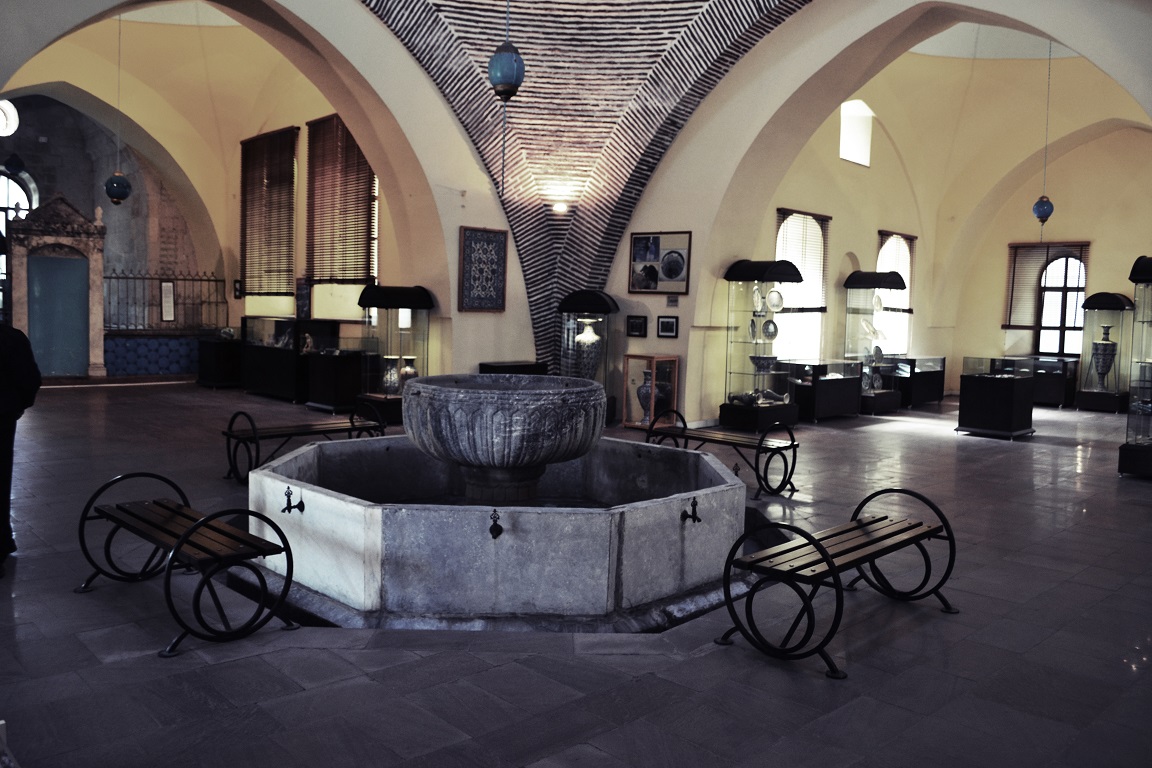
قبل الصلاة قمت بجولة سريعة في متحف آثار كوتاهيا والذي كان من قبل “مدرسة الواجدية”، وهو بناء سلجوقي الأصل أُسس عام 1314 ويحتوي على آثار من عهد الفريجيا، وهم الذين حكموا أسيا الصغرى بعد سقوط الحيثين في القرن الثالث عشر قبل الميلاد، وهو متحف صغير الحجم يتميز بإضاءته الساحرة والتي مصدرها الفتحة المغطاة بالزجاج الموجودة بقبته والتي توفر إضاءة طبيعية تغمر الصالة الرئيسية.

لم أمكث كثيرًا لصغر المتحف ولكنني لاحظت وجود رحلة مدرسية أو ما شابه، وفكرت مجددًا في كيفية استغلال المباني التاريخية وتحويلها إلى متاحف ومن ثم تنشيطها عن طريق الرحلات المدرسية التي ستستمر بالتعاقب على ذاك المتحف مما لن يحوله إلى متحف مهجور لا يزوره أحد، والغريب هنا أنه بالرغم من أن مدينة كوتاهيا صغيرة جدًا بالمقارنة ببقية المدن إلا أنك ستجد فيها عدة متاحف وهو أمر يدعو للتفكير حقًا، حيث إن معظم المدن التركية صغيرها وكبيرها تحتوي على متاحف، حتى وإن حوت بعض تلك المتاحف على آثار قد تجدها عديمة القيمة، إلا أن الميزة هنا هو الاستغلال الأمثل لما يمتلكونه من آثار أو ثقافة وتراث حتى.

نون بوستمن داخل المتحف

وعلى الجانب الآخر من المحزن أن دولة ذات تاريخ عظيم حافل مليء بما يُمكن استغلاله، نجدها ضعيفة جدًا في هذا المجال، فنحن لا نستطيع تسويق آثارنا وحتى متاحفنا فهي مُنشأة بطريقة لا تليق أبدًا بما تحويه، فلا زلت أتذكر هذا المتحف الكوميدي الذي أُنشأ مجددًا في الفسطاط، على ما أتذكر، والذي يشبه في تصميمه وتصميم إضاءته وعرض منتجاته كقاعة سينما درجة ثانية!

وبجانب المتحف يوجد متحف آخر أيضًا وهو متحف الصيني، وهو أول متحف صيني في تركيا وقد يكون أيضًا أول متحف للصيني في العالم، ويحتوي على تُحف فنية من القرن الرابع عشر إلى يومنا هذا، وأرفقت صورة لإحدى التُحف الفنية التي أعجبتني بالأسفل، بالإضافة إلى صورة لقاعة العرض الرئيسية.

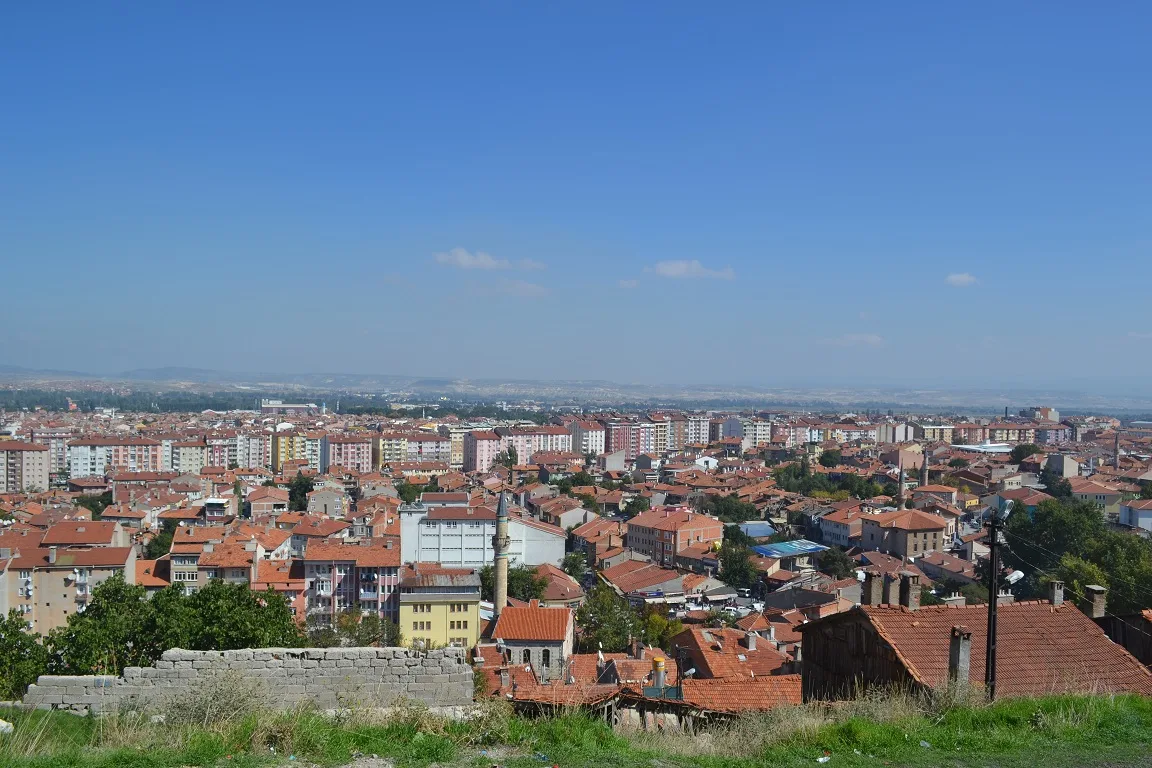
بعد الانتهاء من جولتي بالمتحف، قررت الصعود إلى قلعة كوتاهيا، والتي أُسست على ثلاث مراحل، ابتدأها البيزنطيين في القرن الثامن، ثم استكملوها في القرن الثاني عشر، ثم أكمل الأتراك القلعة القرن الثالث والرابع عشر، وكان آخر ما تم إنشاؤه منها في عهد السلطان محمد الفاتح رحمه الله، وكان الطريق إلى القلعة شاقًا مرتفعًا، لا تصل إليه إلا مشيًا على الأقدام أو بواسطة عربة خاصة، فاضطررت إلى المشي طويلًا، لأتمكن من الصعود، إلى أن صعدت إلى مكان مرتفع نسبيًا مطل على مدينة كوتاهيا، ونظرت إلى المدينة من أعلى ولكنني لم أحس أنها مختلفة عن تلك المناظر التي شاهدتها في الكثير من المدن، لم تكن مميزة، كان طابعها واحدًا، روتينيًا مكررًا، مما لم يشدني كثيرًا فقررت النزول وقد أصبت إلى حد ما بخيبة أمل بسيطة، مسرعًا لألحق بصلاة الجمعة من أولها.

نون بوست

منظر مُطل على المدينة من أعلى القلعة

نون بوست

بقايا القلعة القديمة

كان العيد على الأبواب وكانت الخطبة بالتأكيد عن مراسم عيد الأضحى، ولأن المسجد صغير ويقع بمنطقة غير سياحية، كان الجميع ينظر لي بعين فضولية، ولكنني لم أهتم أيضًا فقد كنت متعبًا بما فيه الكفاية فلم أستطع أن أقوم ببدء حوار مع أحدهم، ففضلت الجلوس والخروج سريعًا بمجرد الانتهاء من الصلاة، متجهًا إلى وجهتي القادمة وهي “مجر أيفي” أي البيت المجري، وهو البيت الذي مكث فيه كوسوث لاجوس، وتم إعداد الدستور المجري به، وتحول إلى متحف من طابقين يحتوي على غرفة نوم وعمل كوسوث، غرف مكوث عائلته، والأشياء التي استخدمها وخلافه، والآن حان وقت الطعام، فاتجهت إلى مطعم “كوتاهيا كوناغه” وهو مطعم تاريخي مميز، زاره الرئيس التركي عدنان مندريس من قبل، وطلب منه الرئيس السابق عبد الله جول الطعام وأحضروه من هنالك إلى مكان مكوثه في إحدى الاجتماعات التي نظمها، وقد استقبلني أصحاب المطعم بحفاوة بالغة، حتى إنه من فرط كرم ضيافتهم أصبت قليلًا بالملل! ومما لا يمكن أن أنساه حلوى مهلبية التين التي استمتعت بتناولها على الرغم من سعرها المرتفع قليلًا، ولكنها، كما أخبروني، من ابتكارهم، ولن أستطع أن أجدها في أي مكان آخر سوى لديهم، وكانت بالطبع لذيذة جدًا، ولم أجدها بسهولة هنا في بورصة على سبيل المثال، كان الطبق الرئيسي الذي طلبته هو “المانطي”، وهو طبق تركي شبيه بالمعكرونة باللحم المفروم ولكنها ليست معكرونة بالطبع بل شيئًا شبيهًا بها، لم تكن لذيذة إلى حد ما.

انتهيت من الطعام ثم ذهبت إلى التراس المطل على الحديقة، وجلست قليلًا في الهواء الطلق، قبل أن أشكرهم على حسن ضيافتهم وأغادر المكان، وقد سألني صاحب المطعم عما إذا كنت أود التقاط صورة تذكارية بالخارج أم لا، فشكرته مع الإيجاب، وسألته عن كيفية الذهاب إلى وجهتي القادمة وهي منطقة وسط البلد، فدلني ولم تكن بعيدة جدًا، فتوجهت إليها مشيًا على الأقدام، وفي الطريق إليها مررت بالكثير من البيوت التاريخية الخشبية ذات الطابقين والتي لها واجهات مميزة ساحرة.

نون بوست

تناسق ألوان البيوت في المدينة

وبعد انتهاء جولتي السريعة بمركز المدينة، قررت الذهاب إلى جامع الصيني، وهو جامع حديث ولكن واجهته الخارجية كلها مغطاة بالصيني، وهو ما ذكرني بالعمارة الإيرانية، فقررت الذهاب مشيًا على الأقدام في طريق طويل حيث صعدت كيلومترًا إلى الأعلى، واستمر المشي لأكثر من ساعة إلى أن أحسست بلحظة الانتصار عندما وصلته، وكان الجامع بالفعل يستحق تلك التجربة، فهو أول جامع أراه في حياتي يحمل هذا الطرز.

بعد ذلك، نزلت وأكملت رحلتي متجهًا إلى سوق الصيني لأشاهد بعض المنتجات المعروضة هناك، ثم قمت بالتوجه إلى مول سيرا كوتاهيا، وهو مول كبير جدًا عجبت لوجوده في تلك المدينة الصغيرة، وهذا شيء يُلاحظ أيضًا هنا في تركيا، وهو وجود المولات ومراكز التسوق الكبيرة حتى في المدن الصغيرة، وهو أمر لا نراه في مصر، حيث أعتقد أنه لا يوجد مراكز كبيرة بتلك الجودة في المحافظات الريفية مثلًا، على الرغم من أنه لو تم إنشاؤها فسأتوقع لها النجاح؛ لأنها ستكون نقطة تجمع جديدة تُوفر لقانطي تلك المحافظات أماكن يستطيعون فيها التسوق والالتقاء بدلًا من حاجتهم للسفر إلى القاهرة للقيام بذلك.

نون بوست

الجامع الصيني

قارب الوقت على غروب الشمس، وحان لي الذهاب إلى محطة الباصات للقيام بحجز رحلة إلى أنقرة، للذهاب لأقضي أول أيام عيد الأضحى مع أصدقائي هناك، وعند الذهاب اكتشفت نفاذ التذاكر المتجهة إلى أنقرة، فاضطررت إلى حجز تذكرة ترانزيت إلى أسكي شهير ومنها أستطيع حجز تذكرة إلى أنقرة بسهولة لتوفرها هناك بكثرة، وبالفعل قمت بذلك، وانتهت رحلتي مع تلك المدينة الصغيرة التي تحمل طيات من تاريخ طويل مر على أراضي الأناضول.

TAGGED: رحلة إلى تركيا ، رحلة التعلم ، سفر
Download this article as PDF
Share this Article
Facebook Twitter Whatsapp Whatsapp Telegram Email Copy Link
محمد عبد اللطيف
By محمد عبد اللطيف مدون مصري مقيم في تركيا
Follow:
Next Article نون بوست The Stigma of “ISIS”: A Heavy Legacy Haunting Women and Children of Former Members

Read More

  • U.S. Regime‑Change Policies: Why They Are Destined to Fail U.S. Regime‑Change Policies: Why They Are Destined to Fail
  • The Gulf’s Balancing Act: Iran, Israel, and Hidden Links
  • Iraq–Turkey Oil Export Treaty: Why Did Ankara Cancel It After 52 Years?
  • Syria’s Northeast on Edge: QSD Between Ankara and Damascus
  • Has Europe Changed Its Stance on Israel… or Just Its Language?
part of the design
NoonPost Weekly Newsletter

You May Also Like

U.S. Regime‑Change Policies: Why They Are Destined to Fail

U.S. Regime‑Change Policies: Why They Are Destined to Fail

إسراء سيد Esraa sayed 8 April ,2026
The Gulf’s Balancing Act: Iran, Israel, and Hidden Links

The Gulf’s Balancing Act: Iran, Israel, and Hidden Links

فريق التحرير Noon Post 8 April ,2026
Iraq–Turkey Oil Export Treaty: Why Did Ankara Cancel It After 52 Years?

Iraq–Turkey Oil Export Treaty: Why Did Ankara Cancel It After 52 Years?

فريق التحرير Noon Post 8 April ,2026
dark

An independent media platform founded in 2013, rooted in slow journalism, producing in-depth reports, analysis, and multimedia content to offer deeper perspectives on the news, led by a diverse young team from several Arab countries.

  • Politics
  • Society
  • Rights & Liberties
  • Opinions
  • History
  • Sports
  • Education
  • Technology
  • Economy
  • Media
  • Arts & Literature
  • Entrepreneurship
  • Travel
  • Cinema & Drama
  • Food
  • Health
  • Culture
  • Latest Reports
  • Files
  • Long Reads
  • Interviews
  • Podcast
  • Interactive
  • Encyclopedia
  • In Pictures
  • About Us
  • Our Writers
  • Write for Us
  • Editorial Policy
  • Advanced Search
Some rights reserved under a Creative Commons license

Removed from favorites

Undo
Go to mobile version