NoonPost NoonPost

NoonPost

  • Home
  • Politics
  • Economy
  • Society
  • Culture
  • Files
  • Long Reads
  • Podcast
AR
Notification Show More
نون بوست
“There Are Nights I Can’t Close My Eyes”: How Gazans Are Living in Homes on the Brink of Collapse
نون بوست
From al-Jolani to Ahmad al-Shara: The Evolution of Syria’s New Leader
نون بوست
When Political Islam Receded in Egypt: Who Filled the Void?
نون بوست
An Extension of Genocide: Gaza’s Detainees Speak Out
نون بوست
A Tightrope Between Survival and Sovereignty: The Syrian Government Faces Normalization Pressures
نون بوست
American Aircraft Carriers: Has the Era of “100,000 Tons of Diplomacy” Ended?
نون بوست
U.S. Regime‑Change Policies: Why They Are Destined to Fail
نون بوست
Transformations of Israeli Judaism: Between the Victim Complex and the Colonizer’s Doctrine
نون بوست
The Gulf’s Balancing Act: Iran, Israel, and Hidden Links
نون بوست
Iraq–Turkey Oil Export Treaty: Why Did Ankara Cancel It After 52 Years?
نون بوست
Syria’s Northeast on Edge: QSD Between Ankara and Damascus
نون بوست
Has Europe Changed Its Stance on Israel… or Just Its Language?
NoonPost NoonPost
AR
Notification Show More
نون بوست
“There Are Nights I Can’t Close My Eyes”: How Gazans Are Living in Homes on the Brink of Collapse
نون بوست
From al-Jolani to Ahmad al-Shara: The Evolution of Syria’s New Leader
نون بوست
When Political Islam Receded in Egypt: Who Filled the Void?
نون بوست
An Extension of Genocide: Gaza’s Detainees Speak Out
نون بوست
A Tightrope Between Survival and Sovereignty: The Syrian Government Faces Normalization Pressures
نون بوست
American Aircraft Carriers: Has the Era of “100,000 Tons of Diplomacy” Ended?
نون بوست
U.S. Regime‑Change Policies: Why They Are Destined to Fail
نون بوست
Transformations of Israeli Judaism: Between the Victim Complex and the Colonizer’s Doctrine
نون بوست
The Gulf’s Balancing Act: Iran, Israel, and Hidden Links
نون بوست
Iraq–Turkey Oil Export Treaty: Why Did Ankara Cancel It After 52 Years?
نون بوست
Syria’s Northeast on Edge: QSD Between Ankara and Damascus
نون بوست
Has Europe Changed Its Stance on Israel… or Just Its Language?
Follow US

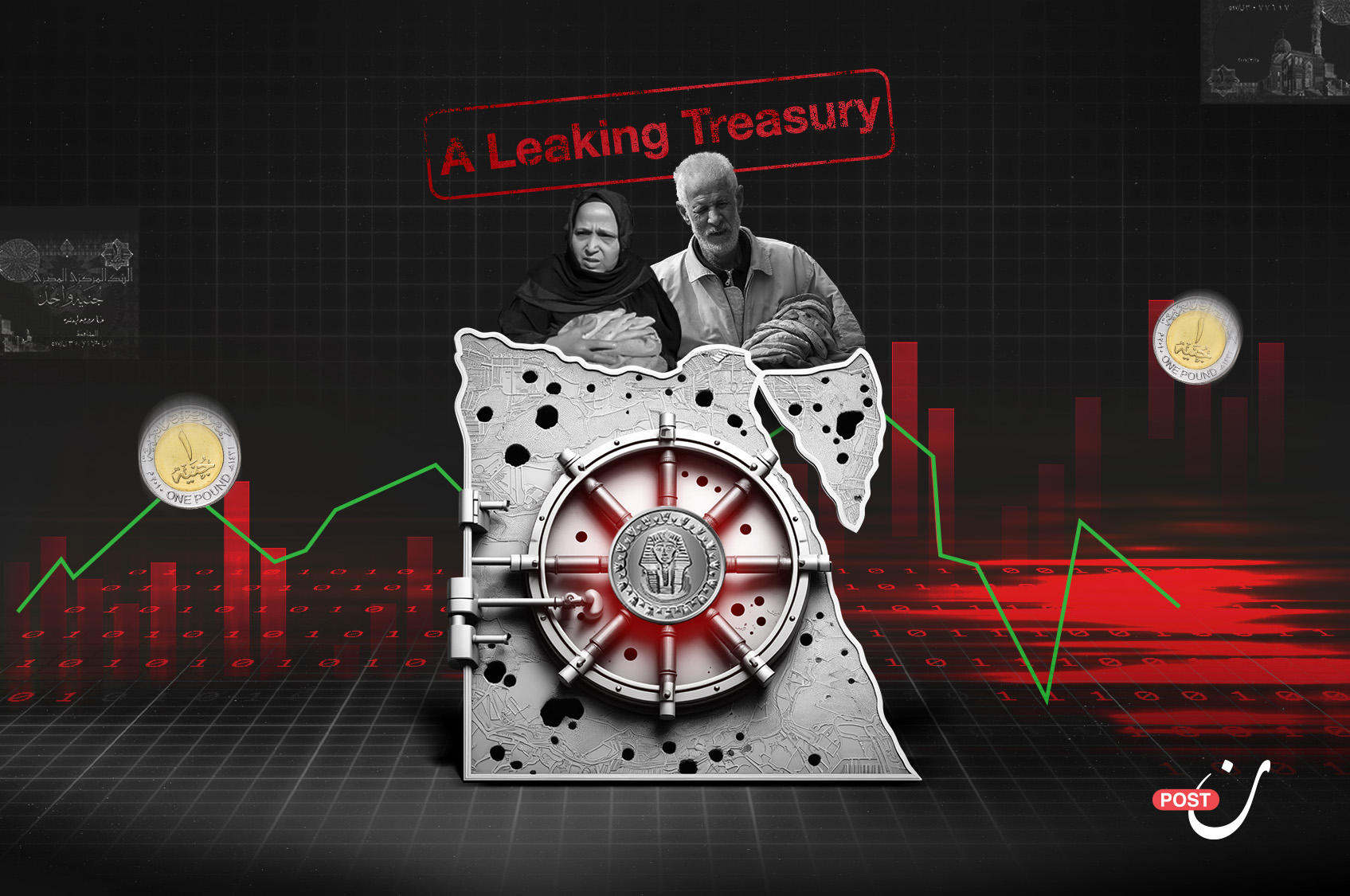
Government Subsidies in Egypt… A Countdown to the Death of the Social Contract

فريق التحرير
Noon Post Published 26 March ,2026
Share
نون بوست
نون بوست

At the end of May 2024, the Egyptian government announced that the price of subsidized bread would rise from 5 piastres to 20 piastres a 300% increase. That means a family of four that used to spend 30 Egyptian pounds per month on bread alone will now spend 120 pounds.

This decision will carry major economic and social consequences for tens of millions of poor households, given that around 70 million Egyptians rely primarily on subsidized bread, using it as a filling staple in the face of soaring food prices.

At the same conference where the bread price hike was approved, the prime minister hinted at a new government plan to overhaul the established subsidy policy and shift toward direct cash support a policy the government favors.

This move reflects how the government is aligning with the economic reform program promoted by the International Monetary Fund, along with policies skewed toward capital owners at the expense of lower‑income groups.

For the current fiscal year, the subsidy portion of the general budget stands at roughly 636 billion Egyptian pounds representing only about 16% of total expenditure in the 2024–2025 budget, which amounts to 3.9 trillion pounds.

Moreover, this support does not guarantee that households will spend the funds on essential goods; they may redirect them to other non‑essential needs. It is expected that vast segments of the population will be excluded from the planned cash‑subsidy program.

Even if a monthly cash allowance is granted, the severely diminished purchasing power of the Egyptian currency means that over time this allowance may not suffice to cover a family’s basic food needs, especially since the government’s cash transfers rarely keep pace with rapidly rising prices.

Symbolically, this step carries weight: removing bread subsidies has always posed a major challenge to successive regimes seeking to implement IMF decades‑old recommendations since 1977.

The current government, therefore, is not unique in its harsh handling of the subsidy system a system that once embodied a sensitive bond between ordinary Egyptians and successive governments.

The economic and social fallout of these measures, however, raises a persistent question: How much more can Egyptians endure? It is time to revisit the historical ledger of the relationship between the people of Egypt and their rulers, and the path that led us here.

The Origins of Subsidies

Subsidies have long been a fundamental pillar of the social contract between Egyptians and their rulers, organizing the economy and society, and playing a central role in sustaining governing systems.

Modern Egypt’s history as political economist Nazih Ayubi argues in his book The Arab State’s Inflation points to the era of Muhammad Ali of Egypt as the moment when the state, in the European legal‑institutional sense, was formed: a sovereign entity with internal bureaucracy, unified markets, and basic regulations.

It was in Muhammad Ali’s lineage that one can trace the origins of the subsidy system as we understand it today. The state first adopted such mechanisms to regulate the economy and society, primarily to combat widespread black‑market activity a phenomenon that plagued Egyptian society especially during the two World Wars. The 1945 film The Black Market vividly captures how that society was shaped.

Following World War I, the Egyptian government imported wheat and flour, selling them at subsidized prices through government‑run outlets. Beginning in 1941, during World War II, the government expanded subsidies to include essential goods like sugar, kerosene, oil, tea distributed through a ration‑card system tied to family size. That rationing system, in one form or another, survives to this day, though much weakened.

Nasser’s Welfare Expansion

Under Gamal Abdel Nasser, state intervention in the economy deepened. Following agrarian reform and nationalization campaigns, the regime offered a new unwritten social contract: political legitimacy in exchange for social welfare. Nasser framed politics not as rhetoric or slogans but as tangible action and economic policy to guarantee “a better life” for everyone.

State subsidies especially bread became central to this welfare agenda. After the 1967 defeat, the system broadened to include beans, lentils, meat proteins, electricity, gasoline, public transportation, and even textiles.

The subsidies targeted the mass population, not just the poor. By 1970, 20 million pounds were allocated for subsidies, with 75% going to food aid.

These welfare policies, along with land redistribution, rent controls, and expansion of the public sector, helped lower poverty levels in both rural and urban areas as observed by sociologist Saad Eddin Ibrahim. This period became known as the era of the welfare state.

From Nasser to Sadat: The Turning Point

The victory of 1973, however, marked a turning point. Under Anwar Sadat, Egypt embarked on a policy of economic liberalization and integration into the global economy, influenced by pro‑Western ideology hoping to rely on American and Western aid.

The “open door” policy, though, failed to attract sufficient foreign direct investment: only about 5 billion Egyptian pounds flowed in during the first eight years. By 1981, foreign debt had surged to 22 billion US dollars, compared to 1.8 billion at the start of Sadat’s rule in 1970.

Faced with persistent economic crisis and the collapse of domestic manufacturing in favor of rising imports, Sadat turned to the IMF. In 1977, Egypt secured a 600‑million‑dollar loan to address balance‑of‑payments deficits.

As a condition, support to basic goods weakened: spending on subsidies was slashed and prices of essential items, particularly bread, increased triggering what Egyptians remember as the Bread Intifada.

Though often portrayed as a spontaneous “hunger revolution,” the Bread Intifada erupted with organized protests, especially by striking workers in industrial zones like the Shubra Al‑Kheima steel plants and the Alexandria Dockyards.

The protests began on January 18 with slogans such as “Egypt’s workers say: we can’t even find beans.” Over the following days, demonstrations spread across Cairo and elsewhere, culminating in burning of public buildings.

In response, Sadat reversed the price hikes but only temporarily. Thereafter, his regime enacted repressive laws criminalizing labor strikes, jailing labor leaders and key dissidents.

Thus while the regime kept expanding subsidies for bread and flour, it dismantled the political and labor freedoms that might challenge state power later.

Under Mubarak — Managing the Anger

When Hosni Mubarak came to power, he inherited two images: one of a murdered president, and the other of looming social unrest following the 1977 uprising. As historian Samer Suleiman noted, the lesson of 1977 was stark: any sudden and deep cut in public spending would trigger severe social explosions. Gradualism, therefore, became the regime’s sacred principle.

Hence, during the 1980s and 1990s, the state slowly dismantled the subsidy system without provoking widespread unrest. It removed subsidies from fish, chicken, tea, rice and by 1997, only bread, flour, sugar, and oil remained subsidized. Netanyahu, it also restructured food‑ration cards and halted registration of newborns in the subsidy system as of 1989.

Bread remained technically subsidized, but the government manipulated its weight and size shrinking loaves from 150 grams to 130 grams while holding the price at 5 piastres. This gradual erosion prevented mass backlash.

Suleiman argues that political unrest arises not solely from economic strain but from conducive political contexts such as active labor movements and student activism, which Egypt lacked in the 1980s.

January 2011 – The Dream and the Nightmare

Over three decades, anger accumulated, culminating in the 2011 uprising. In its aftermath, the government of Essam Sharaf passed a budget of $91 billion the largest in Egypt’s history and subsidies once again accounted for about 20% of total expenditures.

Still, the underlying structural problems persisted: feeble economic performance and limited resources made this unsustainable.

By 2014, the first year of Abdel Fattah el‑Sisi’s presidency, the regime had already begun dismantling public‑subsidy systems, arguing that broad subsidies disproportionately benefited middle‑ and upper‑income groups, not just the poor. Over a decade, subsidies for fuel and basic goods were withdrawn, and eventually even bread subsidies came under threat. Millions from the lower and middle classes found themselves vulnerable.

The government introduced a smart‑card system for bread distribution: citizens must present their card at bakeries, and each registered individual is limited to five loaves per day. Undisbursed monthly quotas are converted into points redeemable for other subsidized food items. The state then positioned this as a shift from commodity-based subsidies to cash transfers.

Yet even after the allowance was raised to 51 pounds in 2018 (from 15–25 pounds in 2016), rampant inflation and currency depreciation rapidly eroded its real value. As researcher Mohamed Gad explains in When Will the Prices Go Down?, this austerity combined with token pay raises effectively shrank real subsidies to the poor.

For example: in 2008, food subsidies stood at about 21.1 billion Egyptian pounds, when the exchange rate was 5.5 pounds per US dollar roughly 3.83 billion dollars. Today, even though nominal subsidies measure around 134 billion pounds, when adjusted for the current exchange rate their value is only about 2.85 billion dollars illustrating how drastically the real value has declined.

The ration‑card system still covers some 61.8 million people but broad reliance on direct cash support as a social‑safety net has significant flaws. It demands up‑to‑date data systems and continuous evaluation, requiring a capable bureaucratic apparatus something the government lacks. In practice, many of the poor remain excluded, while aid often leaks to the non‑eligible.

It increasingly appears that the real goal of cash‑assistance initiatives is to gradually shrink the overall welfare burden.

The revolution raised many hopes but ended in a nightmare reminiscent of the herd of bulls gathering to break into the farm one night, only to find themselves led straight into the slaughterhouse.

Today’s Egyptians have little to long for regarding a past “golden era.” Perhaps only faint memories remain of some aspirations from the national‑welfare project under Nasser or nostalgia for somewhat better living conditions under Sadat or Mubarak.

But when it comes to bread, ration cards, or subsidies in general, there are many different “eras” to look back on all seemingly better than the present reality. Over the past decade, Egyptians have endured successive rounds of subsidy cuts and austerity. What many once considered inviolable red lines the basic right to affordable bread have been repeatedly violated.

That social contract, once sealed between the state and its people, is now unraveling. And when that bond is broken, one must sound the alarm: the danger is not far off.

Download this article as PDF
Share this Article
Facebook Twitter Whatsapp Whatsapp Telegram Email Copy Link
فريق التحرير
By فريق التحرير تقارير يعدها فريق تحرير نون بوست.
Follow:
Previous Article نون بوست Netanyahu Seeks Presidential Pardon: Will He Quit Politics to Avoid Prosecution?
Next Article نون بوست Roots of the War: Who Is Fighting in Sudan?

Read More

  • U.S. Regime‑Change Policies: Why They Are Destined to Fail U.S. Regime‑Change Policies: Why They Are Destined to Fail
  • The Gulf’s Balancing Act: Iran, Israel, and Hidden Links
  • Iraq–Turkey Oil Export Treaty: Why Did Ankara Cancel It After 52 Years?
  • Syria’s Northeast on Edge: QSD Between Ankara and Damascus
  • Has Europe Changed Its Stance on Israel… or Just Its Language?
part of the design
NoonPost Weekly Newsletter

You May Also Like

U.S. Regime‑Change Policies: Why They Are Destined to Fail

U.S. Regime‑Change Policies: Why They Are Destined to Fail

إسراء سيد Esraa sayed 8 April ,2026
The Gulf’s Balancing Act: Iran, Israel, and Hidden Links

The Gulf’s Balancing Act: Iran, Israel, and Hidden Links

فريق التحرير Noon Post 8 April ,2026
Iraq–Turkey Oil Export Treaty: Why Did Ankara Cancel It After 52 Years?

Iraq–Turkey Oil Export Treaty: Why Did Ankara Cancel It After 52 Years?

فريق التحرير Noon Post 8 April ,2026

لماذا سيخسر حزب العمال الكردستاني هذه الجولة أيضا؟

بشير موسى
بشير موسى Published 17 September ,2015
Share
hzb-lml

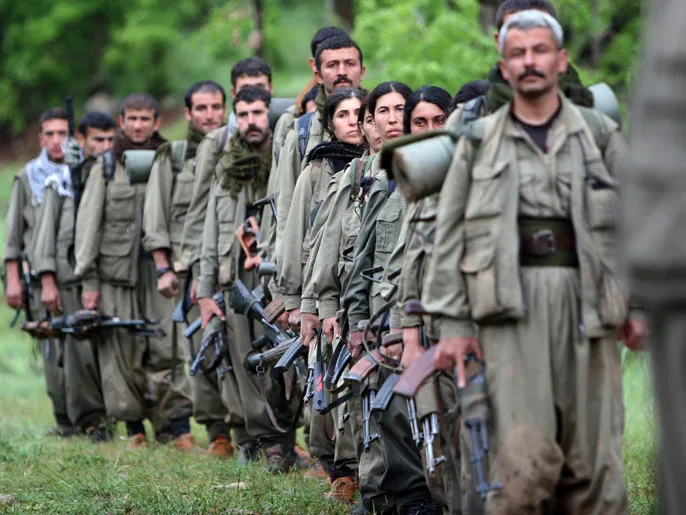
عاد حزب العمال الكردستاني إلى حربه مع الدولة التركية، أو هو بالأحرى يستأنف حرباً توقف عنها لبرهة قصيرة. ما اتضح، منذ قتلت مجموعة مسلحة من الحزب أربعة من رجال الأمن الأتراك بمدينة سروج في تموز/يوليو الماضي، أن العمال الكردستاني لم يتوقف عن الاستعداد للحرب طوال السنوات الثلاث الماضية من عملية السلام. عندما كانت الدولة التركية تأخذ خطوات واسعة وغير مسبوقة لحل المسألة الكردية وتوطيد عرى السلم في جنوب وجنوب شرقي البلاد، كان حزب العمال الكردستاني يقوم بتخزين السلاح في أنحاء البلاد، ينظم مجموعات إرهابية جديدة وينشرها في المدن والبلدات الكردية، بل ويزرع المتفجرات في مواقع كمائن مفترضة، استعداداً لجولة حرب جديدة. ولكن الأرجح أن العمال الكردستاني، الذي خسر عدة جولات سابقة في حربه الدموية والعبثية، سيخسر هذه الجولة أيضاً.

انطلقت عملية السلام، التي أيدها زعيم حزب العمال التاريخي، عبد الله أوجلان، وشارك فيها الحزب بصورة مباشرة وغير مباشرة، على أساس من توقف الحزب عن نشاطاته الإرهابية، وسحب عناصره المسلحة من تركيا أو تسليمهم أنفسهم للأجهزة القضائية، وإلقاء السلاح بصورة تدريجية. في المقابل، تأخذ الحكومة خطوات تشريعية وسياسية، تفضي إلى تحرير الدولة التركية من التوجهات القومية التمييزية، الاعتراف بالحقوق الثقافية لأكراد تركيا، وبذل الجهود الضرورية لتنمية مناطق الأغلبية الكردية في الجنوب والجنوب الشرقي، التي أهملت لعقود طويلة. ما حدث منذ 2012 أن حكومة العدالة والتنمية أوفت بتعهداتها، إلى حد كبير، بينما مارس العمال الكردستاني عملية خداع استراتيجية كبرى. وربما تصور قادة الجناح المسلح للحزب، في معاقلهم على الجانب العراقي من الحدود، أن نتائج انتخابات حزيران/يونيو الماضي غير الحاسمة وفرت فرصة لابتزاز الدولة التركية وتركيعها.

السبب الآخر المحتمل خلف استئناف الحزب للحرب هو ربما خشية قادة الجناح المسلح من أن تستطيع قيادة حزب الشعوب الديمقراطي، الذي يمثل جناحاً سياسياً للعمال الكردستاني، سحب البساط من تحت أقدام قيادة الجبل المسلحة، سيما بعد النجاح الانتخابي الكبير للشعوب الديمقراطي. مهما كان الأمر، لم يعد العمال الكردستاني للحرب من جديد وحسب، بل وعاد بصورة بالغة التصعيد والعنف. كما أن من الواضح أن قيادة الحزب تسيطر عليها أوهام ثقيلة حول قدرتها على خلق أمر واقع في المدن التي تقود بلدياتها عناصر موالية للحزب، مثل الإعلان عن إدارات حكم ذاتي في هذه المدن. 

ردت الدولة التركية على عنف العمال الكردستاني بعنف مقابل، مطلقة سلسلة من الغارات الجوية المدمرة على قواعد الحزب في جبال قنديل واعتقال المئات من عناصره في مختلف أنحاء البلاد. كما طبقت إجراءات سريعة ضد كل رؤساء البلديات الذين توهموا أن بإمكانهم تكريس واقع انفصالي عن الدولة المركزية. وبالرغم من أن قوات الأمن والجيش التركي تكبدت هي الأخرى عشرات الإصابات، فليس ثمة ما يشير إلى أي تراجع في تصميم الدولة، بكافة أذرعها، على خوض هذه المعركة إلى نهايتها. ولكن، وبالرغم من أن البعد الأمني والعسكري للمواجهة بات واقعاً ضرورياً، فليس هو العامل الرئيسي، أو الوحيد، في حسم نتيجة هذه الجولة من الحرب بين العمال الكردستاني والدولة التركية.

مقارنة بمناطق التواجد الكردية الأخرى في المشرق، مثل العراق وسوريا وإيران، لم يعد من الممكن الحديث عن نطاق جغرافي حصري للأكراد الأتراك. ثمة مناطق ومدن أغلبية كردية بلا شك، سيما في الجنوب والجنوب الشرقي، ولكن الأكراد الأتراك يتواجدون أيضاً، وبكثافة، في مدن الوسط وغرب الأناضول، كما في أنقرة واسطنبول. وتعتبر اسطنبول، وليس ديار بكر، المدينة التي تضم أكبر عدد من الأكراد الأتراك على الإطلاق. والمهم أن هذا الانتشار الكردي في أنحاء البلاد ليس حديثاً وطارئاً، بل هو وجود مكرس وعميق الجذور، ويكاد يشمل عدة أجيال من الأسر الكردية، التي انقطعت صلتها كلية بموطنها الأصلي في الجنوب والجنوب الشرقي. وللطبيعة المعقدة والمتناقضة لنظام التمييز القومي الجمهوري ضد الأكراد والعرب والشركس، وغيرهم من مكونات الشعب التركي، فإن ملايين الأكراد خارج مناطق الأغلبية الكردية اندمجت بصورة كاملة في الاجتماع الثقافي والاقتصادي لموطنها الجديد.

من جهة أخرى، ونظراً للجهود التي بذلت منذ عهد تورغوت أوزال في التسعينات، وتقدمت بصورة ملموسة بعد صعود العدالة والتنمية للحكم في 2002، يحتل السياسيون الأكراد، بدون حاجة لإنكار أصولهم الإثنية، مواقع فعالة في جسم الدولة التركية وفي مؤسسات الحكم المختلفة. خلال العقود القليلة الماضية، برز أكراد بأعداد كبيرة كوزراء ونشطين وقادة حزبيين، سواء في الأحزاب ذات الخلفيات الإسلامية، أو حتى في حزب الشعب الجمهوري، الذي يضم كتلة ملموسة من الأكراد العلويين، بما في ذلك رئيس الحزب الحالي. بل إن رئيس الحكومة ورئيس الجمهورية الأسبق، تورغوت أوزال، نفسه انحدر من جذور كردية.
بهذا المعنى، لا يمكن القول، لا خلال سنوات المواجهة المحتدمة في الثمانينات والتسعينات ولا اليوم، أن حزب العمال الكردستاني يمثل الأغلبية الكردية التركية. الحقيقة، أنه حتى انتخابات يونيو/ حزيران الماضي كان عدد البرلمانيين الأكراد من حزب العدالة والتنمية أكبر بكثير من عدد أولئك الذين وصلوا إلى قاعة البرلمان على اللوائح القومية الكردية الموالية لحزب العمال. وبالرغم من النجاح الكبير وغير المتوقع الذي حققه حزب الشعوب الديمقراطي، الكردي القومي، في الانتخابات الماضية، لم يزل نصف أو أكثر من نصف الأصوات الكردية يذهب بصورة رئيسة للعدالة والتنمية، كما لأحزاب إسلامية أصغر ولحزب الشعب الجمهوري العلماني.

من جهة أخرى، فليس ثمة شك أن العقد الطويل من حكم العدالة والتنمية أسهم مساهمة كبيرة في تقليص المناخ القومي التركي الراديكالي والفاشي في البلاد، ليحل محله مناخ جمعي، وحدوي، وتعددي. ولكن ذلك لا يعني أن القومية التركية قد دفنت، أو أنها باتت بلا أسنان. إن كانت العودة إلى السلاح والحرب اليوم تهدف إلى امتحان القومية التركية، فالمؤكد أن حزب العمال الكردستاني سيواجه عنفاً قومياً تركياً لا يقل شراسة عن العنف الذي أطلقه. نظراً لارتباطها الوثيق بولادة الدولة الجمهورية وتطورها، تعتبر القومية التركية أكثر النزعات القومية في المشرق حساسية وقدرة على إعادة إنتاج نفسها.

وربما كانت الأسابيع القليلة الماضية من ايلول/سبتمبر، التي شهدت زيادة نسبية في خسائر قوات الأمن والجيش التركي، مؤشراً على انعكاسات هذه الحرب على المشاعر القومية التركية. ففي عدة مدن تركية، انطلقت تظاهرات شعبية، منظمة من قوى قومية تركية أو عفوية، شاب عددا منها شيء من العنف الأهوج ضد ممتلكات كردية. تحرك القادة الأتراك سريعاً لحصار بؤر العنف التي اندلعت في بعض مدن البلاد، ولكن اتساع نطاق حالة العنف الاجتماعي لن يكون في صالح استقرار تركيا، ولا في صالح العمال الكردستاني على وجه الخصوص. إلى جانب ذلك كله، فليس ثمة ما يشير إلى توفر مناخ دولي يمكن أن يساعد العمال الكردستاني على تحقيق أهدافه. وكانت التجربة الكردية في العراق قد أوضحت بصورة فائقة، أن توفر مثل هذا المناخ شرط ضروري لتبلور كيان كردي سياسي

تعيش تركيا انتكاسة فادحة ومؤلمة لمسار التسوية السلمية للمسألة الكردية. وسيكون لهذه الانتكاسة تكاليف باهظة على تركيا ككل وعلى منطقة الأغلبية الكردية بصورة خاصة. المسؤول الأول عن هذه الانتكاسة هو حزب العمال الكردستاني والأوهام التي لم تزل تعشش في عقول قادته. وربما يجدر بعقلاء الجناح السياسي للحزب إدراك العواقب الوخيمة للعودة إلى العمل الإرهابي المسلح، ومحاولة الضغط لوقف التصعيد. بدون ذلك، فإن الاحتكام للسلاح لن ينتهي لصالح العمال الكردستاني، ولا لصالح تركيا بالطبع

TAGGED: الأكراد في تركيا ، انفصال الأكراد ، حزب العمال الكردستاني ، عملية السلام بين تركيا والأكراد
TAGGED: الأكراد
Download this article as PDF
Share this Article
Facebook Twitter Whatsapp Whatsapp Telegram Email Copy Link
بشير موسى
By بشير موسى كاتب وباحث عربي في التاريخ الحديث
Follow:
Next Article نون بوست The Stigma of “ISIS”: A Heavy Legacy Haunting Women and Children of Former Members
part of the design
NoonPost Weekly Newsletter
dark

An independent media platform founded in 2013, rooted in slow journalism, producing in-depth reports, analysis, and multimedia content to offer deeper perspectives on the news, led by a diverse young team from several Arab countries.

  • Politics
  • Society
  • Rights & Liberties
  • Opinions
  • History
  • Sports
  • Education
  • Technology
  • Economy
  • Media
  • Arts & Literature
  • Entrepreneurship
  • Travel
  • Cinema & Drama
  • Food
  • Health
  • Culture
  • Latest Reports
  • Files
  • Long Reads
  • Interviews
  • Podcast
  • Interactive
  • Encyclopedia
  • In Pictures
  • About Us
  • Our Writers
  • Write for Us
  • Editorial Policy
  • Advanced Search
Some rights reserved under a Creative Commons license

Removed from favorites

Undo
Go to mobile version