NoonPost NoonPost

NoonPost

  • Home
  • Politics
  • Economy
  • Society
  • Culture
  • Files
  • Long Reads
  • Podcast
AR
Notification Show More
نون بوست
“There Are Nights I Can’t Close My Eyes”: How Gazans Are Living in Homes on the Brink of Collapse
نون بوست
From al-Jolani to Ahmad al-Shara: The Evolution of Syria’s New Leader
نون بوست
When Political Islam Receded in Egypt: Who Filled the Void?
نون بوست
An Extension of Genocide: Gaza’s Detainees Speak Out
نون بوست
A Tightrope Between Survival and Sovereignty: The Syrian Government Faces Normalization Pressures
نون بوست
American Aircraft Carriers: Has the Era of “100,000 Tons of Diplomacy” Ended?
نون بوست
U.S. Regime‑Change Policies: Why They Are Destined to Fail
نون بوست
Transformations of Israeli Judaism: Between the Victim Complex and the Colonizer’s Doctrine
نون بوست
The Gulf’s Balancing Act: Iran, Israel, and Hidden Links
نون بوست
Iraq–Turkey Oil Export Treaty: Why Did Ankara Cancel It After 52 Years?
نون بوست
Syria’s Northeast on Edge: QSD Between Ankara and Damascus
نون بوست
Has Europe Changed Its Stance on Israel… or Just Its Language?
NoonPost NoonPost
AR
Notification Show More
نون بوست
“There Are Nights I Can’t Close My Eyes”: How Gazans Are Living in Homes on the Brink of Collapse
نون بوست
From al-Jolani to Ahmad al-Shara: The Evolution of Syria’s New Leader
نون بوست
When Political Islam Receded in Egypt: Who Filled the Void?
نون بوست
An Extension of Genocide: Gaza’s Detainees Speak Out
نون بوست
A Tightrope Between Survival and Sovereignty: The Syrian Government Faces Normalization Pressures
نون بوست
American Aircraft Carriers: Has the Era of “100,000 Tons of Diplomacy” Ended?
نون بوست
U.S. Regime‑Change Policies: Why They Are Destined to Fail
نون بوست
Transformations of Israeli Judaism: Between the Victim Complex and the Colonizer’s Doctrine
نون بوست
The Gulf’s Balancing Act: Iran, Israel, and Hidden Links
نون بوست
Iraq–Turkey Oil Export Treaty: Why Did Ankara Cancel It After 52 Years?
نون بوست
Syria’s Northeast on Edge: QSD Between Ankara and Damascus
نون بوست
Has Europe Changed Its Stance on Israel… or Just Its Language?
Follow US

A Russian Naval Base in Sudan: What Does Moscow’s Presence on the Red Sea Mean?

عماد عنان
Emad Anan Published 26 March ,2026
Share
نون بوست
نون بوست

In early December, The Wall Street Journal revealed that the Sudanese government has offered Moscow the opportunity to establish its first naval base on African soil a move that places Khartoum at the center of an international power struggle and reshuffles the dynamics in one of the world’s most strategic maritime corridors.

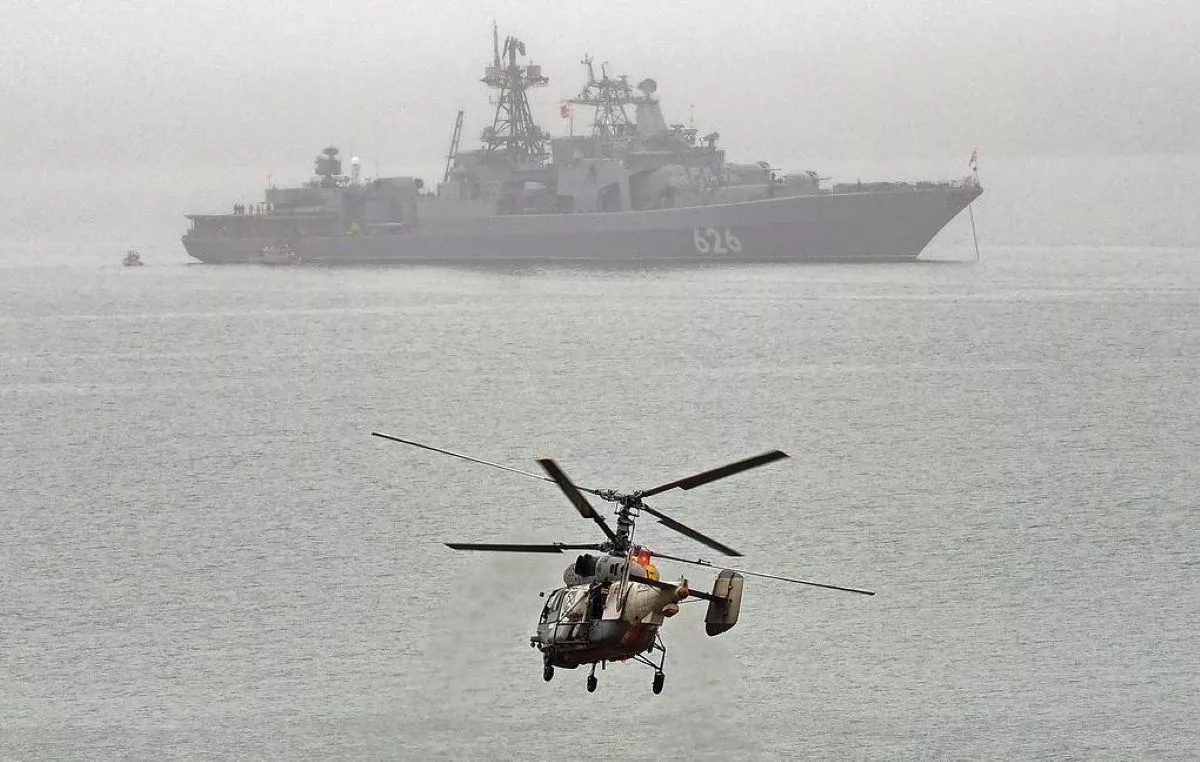
According to Sudanese officials quoted in the report, the proposed agreement would span 25 years and grant Russia the right to station up to 300 military personnel and four naval vessels including nuclear-powered ships at Port Sudan or another coastal facility on the Red Sea.

The deal would also allow Moscow to expand its economic footprint by bolstering its operations in Sudan’s gold sector, where the country ranks as Africa’s third-largest producer.

This development comes as Sudan is engulfed in a war between the national army and the Rapid Support Forces (RSF), during one of its most precarious phases. The RSF has gained the upper hand on the battlefield, thanks in large part to external backing chiefly from the United Arab Emirates tilting the balance of power internally.

If the proposed Russian move materializes, it will not merely be a military arrangement. It could trigger a geopolitical earthquake that reshapes the Red Sea region and reverberates through the interests of major global powers. The United States is actively working to prevent Russian and Chinese expansion in Africa.

Meanwhile, Russia seeks a permanent maritime foothold, and China watches cautiously as competitors vie along the route of its primary trade corridor. The move also carries direct implications for Arab national security and the stability of its broader strategic environment.

Not a New Proposal

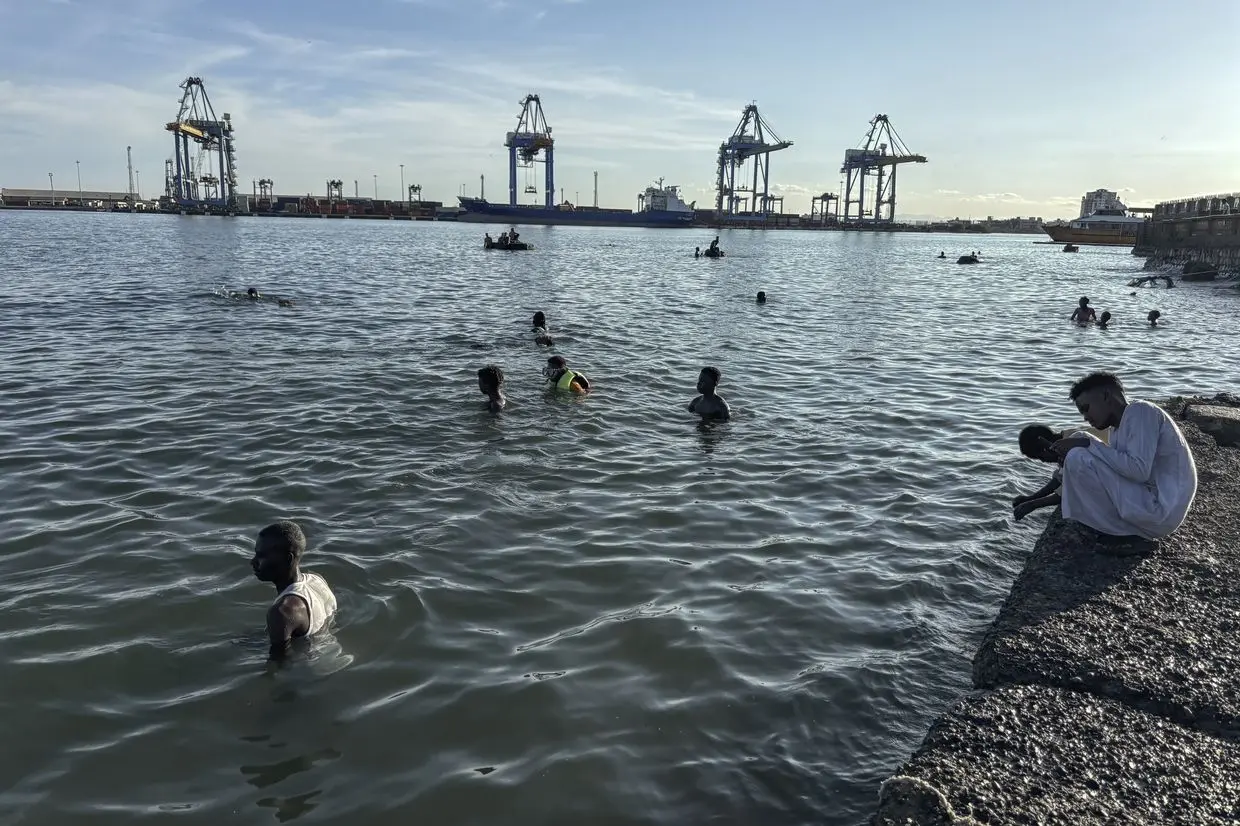
It’s important to note that the Wall Street Journal report does not break new ground in Sudan-Russia relations. Rather, it revives and expands upon longstanding understandings, most notably dating back to November 2020, when agreements were signed allowing Russia to use part of Port Sudan and its surrounding waters.
نون بوست

Those earlier agreements capped the Russian military presence at 300 personnel with diplomatic immunity and permitted the simultaneous deployment of four warships, including nuclear-powered vessels.

In March of this year, Sudanese Foreign Minister Ali Al-Sadiq told Russia’s RIA Novosti that Khartoum was not fundamentally opposed to a Russian base on its territory. However, Russia’s response via Ambassador Andrei Chernovol signaled a pause, describing the project as being in a state of “temporary freeze.”

Between this freeze and potential activation, the base remains a strategic card for both parties one that could be played when regional conditions align and internal power dynamics become clearer. This raises a pivotal question: why has Khartoum revived the offer now?

Why Now?

The Sudanese army finds itself at a critical juncture, facing a rapidly deteriorating military balance in favor of the RSF. The paramilitary force has been buoyed by a steady stream of foreign support, particularly from the UAE, which, according to reports, has supplied it with advanced weaponry including drones that have dramatically shifted the battlefield dynamics.

In May, when the army declared full control over Khartoum, many believed the war was nearing its end, with General Abdel Fattah al-Burhan and his command preparing to conclude the conflict. But the tide has since turned.

The RSF has expanded its capabilities and territorial reach, prompting the Sudanese military leadership to seek new sources of advanced arms, especially air defense systems and high-tech weaponry, to neutralize the RSF’s technological edge.

In this context, the Russian naval base proposal has resurfaced as a strategic emergency option for the Sudanese army. Ironically, Moscow had previously aligned itself with RSF leader Mohamed Hamdan Dagalo, known as Hemeti, through Wagner Group operatives and logistical backing from Libya’s Khalifa Haftar.

Yet in geopolitics, especially during moments of crisis, alliances are often redrawn with brutal pragmatism. Yesterday’s adversaries can become today’s indispensable partners if the strategic payoff is deemed worthwhile.

Russia’s Denial Reveals Intent

In its first official reaction to the Wall Street Journal report, the Russian Embassy in Khartoum sought to downplay what it called “media sensationalism,” dismissing the report as a revival of a five-year-old “horror story.”

In comments to RIA Novosti, the embassy argued that the absence of any tangible developments rendered the article an attempt to recycle outdated material on Russia’s Red Sea ambitions.

Still, this diplomatic denial fails to mask Moscow’s longstanding drive to secure a strategic foothold on the Red Sea. Russia has engaged in extensive negotiations and pressure campaigns for years but has yet to achieve its goal.

Thus, the embassy’s remarks may be better understood as a “calculated diplomatic denial”—one that pauses public engagement while the Kremlin assesses new developments and weighs the potential gains of partnering with Khartoum amid shifting regional and global dynamics.

A Russian base in Sudan would offer a critical vantage point over global trade routes through the Suez Canal and Bab al-Mandeb Strait, which together account for about 12% of global trade, and would enhance Russia’s security presence at one of the world’s most vital maritime chokepoints.

Washington’s Response

Washington views a potential Russian naval base on the Red Sea as a strategic threat, granting its rival influence over crucial sea lanes and commercial corridors. As a result, the U.S. has issued stark warnings to Khartoum, cautioning that hosting such a base in Port Sudan could trigger “severe consequences,” including sanctions and deeper international isolation for Sudan’s military leadership.

A U.S. administration official stated that Washington is “closely monitoring” all reports of negotiations between Moscow and Sudan’s military regarding a coastal facility. The official emphasized that all nations especially Sudan should avoid engagement with Russia’s defense sector, as doing so could result in sanctions on individuals and entities involved.

The same official warned, in language that stopped just short of an ultimatum, that pursuing military cooperation with Moscow be it through a naval base or broader security partnership would not bring Khartoum protection or support, but rather intensify its isolation, escalate the civil conflict, and destabilize the region further.

Implications for Arab National Security

Naturally, the establishment of a Russian naval base deep within a vast Arab country like Sudan must be seen as a direct threat to the security of the Red Sea and the arteries of global energy and trade. Such a presence would provide Moscow with strategic parity to the U.S. military’s AFRICOM and further intensify great-power rivalry, turning this sensitive region into an exposed arena for global competition.

Against this shifting backdrop, Arab national security faces a difficult equation. The rise of Russian influence along the Arab world’s maritime flank will compel regional capitals to reassess their strategic priorities and security alliances in an area long considered militarily fragile and vulnerable to escalation.

In Khartoum, the Sudanese military stands at a crossroads. Its urgent need to regain the upper hand against the RSF may cost it key allies chief among them Saudi Arabia, Egypt, and potentially even the United States, whose president has expressed willingness to intervene to end the conflict.

Worse still, accepting the Russian offer could unleash a fresh wave of international pressure and punitive sanctions, with the political cost far outweighing any temporary military gain.

Sudan now finds itself isolated in the heart of a war between generals. Its territory has become a battleground for competing international and regional powers. The RSF opted early on to throw in its lot with external patrons, most notably the UAE, forging a deal of influence in which agendas are traded for weapons and funds.

On the other side, the Sudanese army appears to be treading a similar path regardless of the justifications engaging in a dangerous quid pro quo that risks mortgaging the country’s sovereignty in exchange for military aid aimed at restoring battlefield parity with Hemeti’s forces.

Between Hemeti’s opportunism and al-Burhan’s ambitions, the Sudanese people are left facing a historic inflection point. Their nation teeters on the edge of a brutal geopolitical collision that threatens to drag it into a new, more sophisticated form of colonial entanglement one with modern actors, updated tools, and a far heavier national price.

Download this article as PDF
Share this Article
Facebook Twitter Whatsapp Whatsapp Telegram Email Copy Link
عماد عنان
By عماد عنان كاتب صحفي وباحث في الإعلام الدولي
Follow:
Previous Article نون بوست Roots of the War: Who Is Fighting in Sudan?
Next Article نون بوست Controversial Poll on French Muslims Sparks Outcry: Statistics or Electoral Strategy?

Read More

  • U.S. Regime‑Change Policies: Why They Are Destined to Fail U.S. Regime‑Change Policies: Why They Are Destined to Fail
  • The Gulf’s Balancing Act: Iran, Israel, and Hidden Links
  • Iraq–Turkey Oil Export Treaty: Why Did Ankara Cancel It After 52 Years?
  • Syria’s Northeast on Edge: QSD Between Ankara and Damascus
  • Has Europe Changed Its Stance on Israel… or Just Its Language?
part of the design
NoonPost Weekly Newsletter

You May Also Like

U.S. Regime‑Change Policies: Why They Are Destined to Fail

U.S. Regime‑Change Policies: Why They Are Destined to Fail

إسراء سيد Esraa sayed 8 April ,2026
The Gulf’s Balancing Act: Iran, Israel, and Hidden Links

The Gulf’s Balancing Act: Iran, Israel, and Hidden Links

فريق التحرير Noon Post 8 April ,2026
Iraq–Turkey Oil Export Treaty: Why Did Ankara Cancel It After 52 Years?

Iraq–Turkey Oil Export Treaty: Why Did Ankara Cancel It After 52 Years?

فريق التحرير Noon Post 8 April ,2026

عرب ما بين الهجرتين

ميس الرمضاني
ميس الرمضاني Published 18 September ,2015
Share
refugee

يشهد العالم العربي اليوم موجة نزوح كبيرة لكنها ليست المرة الاولى . شهد الوطن العربي منذ قرن والى اليوم عدة هجرات، منها ما كان له نتاج ادبي اثرى الادب العربي ومنها ما لم يخلف اثرا ادبيا يذكر .

أول موجة نزوح عربية بدأت في النصف الثاني من القرن التاسع عشر، تحديدا السنوات الاخيرة منه شهدت ازدياد عدد المهاجرين من سواحل بلاد الشام الى العالم الجديد ” الأميركتين ” . قدرت اعداد من هاجر حينها ب 800.000 مهاجر . ازدادت نسب الهجرة في السنوات التالية حتى تجاوزت المليون  في مطلع القرن العشرين . كان لهذه الهجرة اسباب :

– اسباب اقتصادية : اهمال الزراعة و الصناعة و تفشي الفقر و المجاعة

– اسباب اجتماعية : سيطرة الاقطاع على ثروات البلاد والصراع المستمر مع الطبقة الوسطى

– اسباب طائفية : الفتنة الموجودة بين المسلمين و النصارى و الدروز، وبالأخص في لبنان .

كل هذا وغيره دفع شريحة كبيرة من الناس الى المغادرة من ضمنهم شريحة كبيرة من المثقفين و الرواد.

ولما كان الأدب هو أحد أشكال التعبير الإنساني عن مجمل عواطف و أفكار و هواجس الإنسان بأسلوب فني. و لما كان الأدب يسير جنبا الى جنب مع الحياة و يستقي منها؛  كان من الطبيعي ان يتأثر الادب بالظروف التي تؤثر بالمجتمع . ونتيجة لهذا التأثر فقد تطور الادب العربي وتغير على يد هؤلاء المهاجرين الذين استحدثوا نوعا جديدا من الادب، عرف فيما بعد ب ” أدب المهجر “.

 ثار ادباء المهجر على اللغة القديمة والاساليب النمطية نتيجة انفتاحهم على  الحياة الغربية والأدب الغربي عامة و المدارس الفكرية الحديثة .

كان لأدب المهجر و بالأخص الشعراء الاثر الكبير على اثراء الادب العربي حيث عملوا كحلقة وصل بين الشرق و الغرب.  نقلوا الاساليب الغربية الجديدة الى الادب العربي و نقلوا الحضارة العربية الى الغرب؛ بنتاجهم الادبي، الانشطة التي قاموا بها، و الترجمات التي نقلوها من و الى العربية  . شكلوا العديد من الروابط و الاندية الادبية أبرزها ” الرابطة القلمية ” في امريكا الشمالية  و ” العصبة الاندلسية ” في امريكا الجنوبية  . وعلى سبيل المثال لا الحصر وممن لمع نجهم عربيا وعالميا : جبران خليل جبران، حيث بقي كتابه ” النبي ” ضمن اكثر الكتب مبيعا في العالم منذ صدوره 1923 الى يومنا هذا . كما احتل ايليا ابو ماضي مرتبة  فريدة ضمن شعراء المهجر  خاصة بعد اصداره مجلة ” السمير ” التي كانت ملتقى لكل شعراء المهجر فنشروا فيها اشعارهم وبقت مرجعا مهما الى الان . اما ميخائيل نعيمة فكان له نتاج غزير في كل من الشعر و النثر وله العديد من المؤلفات في  القصة و النقد و الرسائل و السيرة الذاتية و الترجمة .

نون بوست

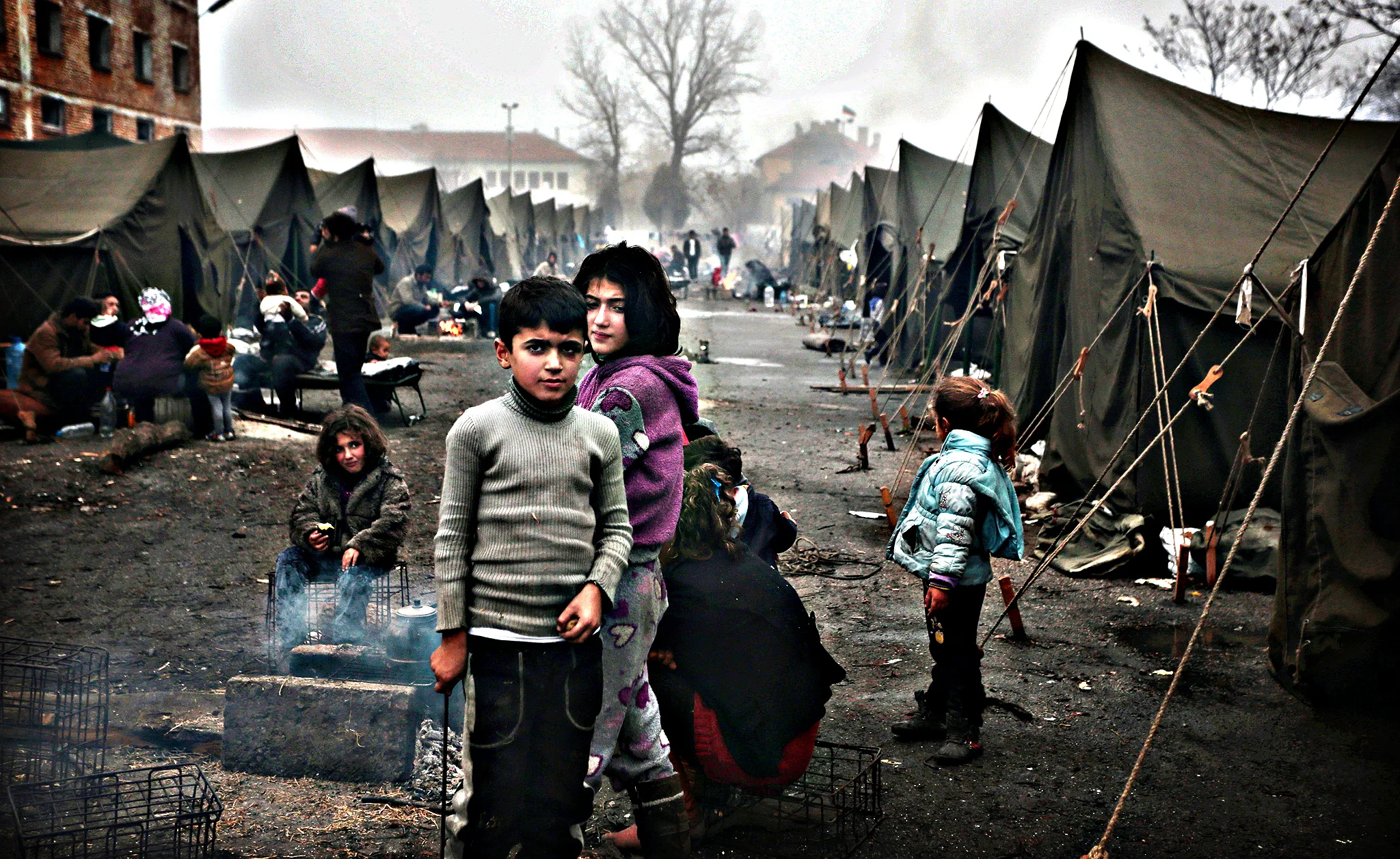
مخيم لجوء من القرن الماضي

استمرت الهجرات من الوطن العربي في السنوات التي تلت، لكنها كانت فردية و متقطعة و لم ترق لنزوح جماعي الى ان حدثت الهجرة الكبرى التالية في فلسطين عامي 1948 و 1967 اثناء العدوان الاسرائيلي . حيث نزح في الاولى اكثر من 800.000 لاجئ و في الثانية 450.000 . انتقل المهاجرون في الاولى الى الاردن ولبنان و الدول العربية المحيطة، اما في الهجرة الثانية فقد انتشروا في شتى بقاع العالم . لم تسفر هذه الهجرة عن ظاهرة ادبية بسمات واضحة و بقي الادباء داخل فلسطين بمكانة مرموقة اكبر و اثر اكبر على المجتمع . من ابرز شعراء هذه الفترة : محمود درويش و سميح القاسم .

 كانت موجة الهجرة الكبيرة التالية من نصيب العراقيين بعد حرب الخليج الثانية تحديدا عام 1991 ، حيث نزح من العراق اكثر من مليونين لاجئ اغلبهم من الاكراد والعرب الشيعة . جاءت هذه الهجرة نتيجة لفشل ثورة شعبية ضد نظام الحكم آنذاك . تلتها موجة تطهير عرقي في المحافظات الشمالية والجنوبية مما دفع السكان الى النزوح خوفا من بطش النظام . نزحوا الى الدول القريبة المحيطة مثل سوريا و الاردن و لبنان بالإضافة الى السعودية . لم تنتج هذه الموجة اي حركة ادبية  مؤثرة ايضا وكانت فترة ركود مقارنة مع الازدهار الذي شهده النصف الاول من القرن العشرين .  

اليوم يشهد الوطن العربي اكبر موجة نزوح داخلية و خارجية. و الاف المهاجرين يعبرون يوميا عبر المتوسط الى اوربا بعد ان اغلقت الدول العربية بابها امام اللاجئين السوريين، العراقيين و الفلسطينيين . ابتدأت موجة النزوح بعد ثورات الربيع العربي الا ان الهجرة هذا العام سجلت ارقام قياسية متجاوزة كل السنوات الماضية . تقدر اوربا اعداد الذين وصلوا اليها  اليوم بأكثر من نصف مليون لاجئ و يتوقع زيادتهم الى المليون مع نهاية العام الجاري، حسبما افادت المفوضية السامية  للأمم المتحدة لشؤون اللاجئين . هذا بالإضافة الى المهاجرين الذين نزحوا في الاعوام الماضية، والمهاجرين الذين اتجهوا لآسيا و امريكا.

ينزح العرب اليوم متجهين الى اوربا عبر البحر بعد ان اغلقت في وجههم جميع المنافذ الاخرى . المهاجرون العرب من مختلف الجنسيات الا ان النسبة الاكبر للسوريين و العراقيين و الفلسطينيين  و لا تختلف اسباب هجرة القرن الواحد والعشرين كثيرا عن اسباب هجرة القرن التاسع عشر :

أسباب امنية : يهرب معظم اللاجئين من بلدانهم بسبب الحروب.

أسباب اقتصادية : تردي الاوضاع الاقتصادية وتفشي الفقر بعد اهمال الزراعة والتجارة و السياحة في ظل الحرب و فساد الانظمة الحاكمة في سوريا و العراق .

اسباب اجتماعية : انعدام فرص العمل والعدالة الاجتماعية و تركز ثورات الشعب لدى الطبقات الحاكمة .

أسباب طائفية : الفتنة بين الشيعة و السنة و الاحزاب الدينية المتطرفة و الاقليات من الاديان الاخرى .

أسباب سياسية : أذ أن الانظمة السياسية العربية الحاكمة لم تعد تستطيع مجاراة العصر ولا تلبية حاجات المواطنين . فتسبب هذا التخلف السياسي في ظهور جميع الاسباب التي سبق لنا ذكرها .

نون بوست

لوحة التغريبة الفلسطينية للفنان جميل بدوان

يذهب اللاجئون اليوم الى اوربا طمعا بغد افضل بعد ان باتت الحياة في بلدانهم مستحيلة . ضمن صور المهاجرين التي نراها اليوم، يصعب علينا تحديد ماهيتهم و وظائفهم و ماذا كانوا في بلدانهم و لكن مما لا شك فيه ان من بينهم طبقة كبيرة من المثقفين و المتفوقين و اصحاب الشهادات . لكن هل سيكون لهم نتاج ادبي و تأثير على مجتمعاتهم الاولى  كما كان لمهجري النزوح الاول ؟ 

TAGGED: أدب اللاجئيين ، أزمة اللاجئين ، اللاجئون السوريون ، اللاجئون العراقيون
Download this article as PDF
Share this Article
Facebook Twitter Whatsapp Whatsapp Telegram Email Copy Link
ميس الرمضاني
By ميس الرمضاني مترجمة، ناشطة تطوعية، بكالوريوس تربية إنجليزي
Follow:
Next Article نون بوست The Stigma of “ISIS”: A Heavy Legacy Haunting Women and Children of Former Members

Read More

  • U.S. Regime‑Change Policies: Why They Are Destined to Fail U.S. Regime‑Change Policies: Why They Are Destined to Fail
  • The Gulf’s Balancing Act: Iran, Israel, and Hidden Links
  • Iraq–Turkey Oil Export Treaty: Why Did Ankara Cancel It After 52 Years?
  • Syria’s Northeast on Edge: QSD Between Ankara and Damascus
  • Has Europe Changed Its Stance on Israel… or Just Its Language?
part of the design
NoonPost Weekly Newsletter

You May Also Like

U.S. Regime‑Change Policies: Why They Are Destined to Fail

U.S. Regime‑Change Policies: Why They Are Destined to Fail

إسراء سيد Esraa sayed 8 April ,2026
The Gulf’s Balancing Act: Iran, Israel, and Hidden Links

The Gulf’s Balancing Act: Iran, Israel, and Hidden Links

فريق التحرير Noon Post 8 April ,2026
Iraq–Turkey Oil Export Treaty: Why Did Ankara Cancel It After 52 Years?

Iraq–Turkey Oil Export Treaty: Why Did Ankara Cancel It After 52 Years?

فريق التحرير Noon Post 8 April ,2026
dark

An independent media platform founded in 2013, rooted in slow journalism, producing in-depth reports, analysis, and multimedia content to offer deeper perspectives on the news, led by a diverse young team from several Arab countries.

  • Politics
  • Society
  • Rights & Liberties
  • Opinions
  • History
  • Sports
  • Education
  • Technology
  • Economy
  • Media
  • Arts & Literature
  • Entrepreneurship
  • Travel
  • Cinema & Drama
  • Food
  • Health
  • Culture
  • Latest Reports
  • Files
  • Long Reads
  • Interviews
  • Podcast
  • Interactive
  • Encyclopedia
  • In Pictures
  • About Us
  • Our Writers
  • Write for Us
  • Editorial Policy
  • Advanced Search
Some rights reserved under a Creative Commons license

Removed from favorites

Undo
Go to mobile version