NoonPost NoonPost

NoonPost

  • Home
  • Politics
  • Economy
  • Society
  • Culture
  • Files
  • Long Reads
  • Podcast
AR
Notification Show More
نون بوست
“There Are Nights I Can’t Close My Eyes”: How Gazans Are Living in Homes on the Brink of Collapse
نون بوست
From al-Jolani to Ahmad al-Shara: The Evolution of Syria’s New Leader
نون بوست
When Political Islam Receded in Egypt: Who Filled the Void?
نون بوست
An Extension of Genocide: Gaza’s Detainees Speak Out
نون بوست
A Tightrope Between Survival and Sovereignty: The Syrian Government Faces Normalization Pressures
نون بوست
American Aircraft Carriers: Has the Era of “100,000 Tons of Diplomacy” Ended?
نون بوست
U.S. Regime‑Change Policies: Why They Are Destined to Fail
نون بوست
Transformations of Israeli Judaism: Between the Victim Complex and the Colonizer’s Doctrine
نون بوست
The Gulf’s Balancing Act: Iran, Israel, and Hidden Links
نون بوست
Iraq–Turkey Oil Export Treaty: Why Did Ankara Cancel It After 52 Years?
نون بوست
Syria’s Northeast on Edge: QSD Between Ankara and Damascus
نون بوست
Has Europe Changed Its Stance on Israel… or Just Its Language?
NoonPost NoonPost
AR
Notification Show More
نون بوست
“There Are Nights I Can’t Close My Eyes”: How Gazans Are Living in Homes on the Brink of Collapse
نون بوست
From al-Jolani to Ahmad al-Shara: The Evolution of Syria’s New Leader
نون بوست
When Political Islam Receded in Egypt: Who Filled the Void?
نون بوست
An Extension of Genocide: Gaza’s Detainees Speak Out
نون بوست
A Tightrope Between Survival and Sovereignty: The Syrian Government Faces Normalization Pressures
نون بوست
American Aircraft Carriers: Has the Era of “100,000 Tons of Diplomacy” Ended?
نون بوست
U.S. Regime‑Change Policies: Why They Are Destined to Fail
نون بوست
Transformations of Israeli Judaism: Between the Victim Complex and the Colonizer’s Doctrine
نون بوست
The Gulf’s Balancing Act: Iran, Israel, and Hidden Links
نون بوست
Iraq–Turkey Oil Export Treaty: Why Did Ankara Cancel It After 52 Years?
نون بوست
Syria’s Northeast on Edge: QSD Between Ankara and Damascus
نون بوست
Has Europe Changed Its Stance on Israel… or Just Its Language?
Follow US

“Bashan Pioneers”: Israelis Falsify Geography and Distort History to Occupy Syria

فريق التحرير
Noon Post Published 26 March ,2026
Share
نون بوست
نون بوست

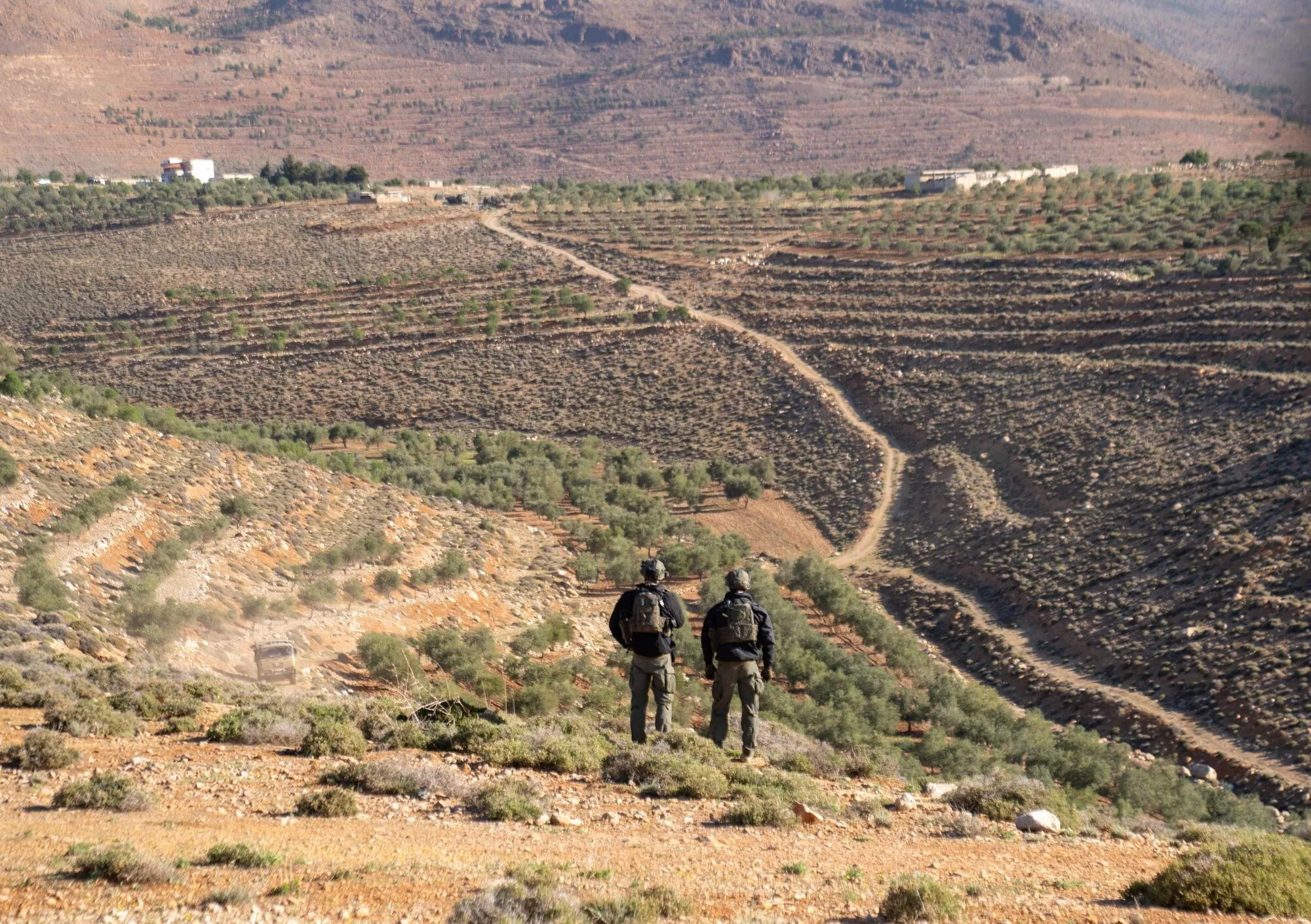
On the morning of November 27, 2025, thirteen Israeli settlers breached the border fence near the Golan Heights, waving Israeli flags and declaring their intent to establish a new settlement on Syrian land.

The group behind this attempt to cross from occupied Golan into Syrian territory calls itself the “Bashan Pioneers.” But who are they? Why this specific region? And what is the official Israeli stance on their activities?

Who Are the “Bashan Pioneers”?

Movement Profile:
Known in Hebrew as Halutzei HaBashan, the group is a far-right movement that promotes Jewish settlement inside Syria, starting from the region historically referred to as Bashan. According to Israeli beliefs, this area stretches from Mount Hermon in the north to Gilead, a mountainous region east of the Jordan River.

Name Origins:
“Bashan” is an ancient biblical term denoting fertile land and geographically encompasses the Golan Heights, Hauran, and the volcanic region of Al-Lajat.

Founding:
According to the Israeli newspaper Haaretz, the group was established in April 2025. Although the exact number of its members is unknown, they have included families with children among their ranks. Since their inception, the group has attempted to cross into Syria multiple times as a prelude to launching their settlement project.

Ideological Affiliation:
The movement claims allegiance to the so-called “Land of Bashan,” which they equate with today’s Golan. It adopts a nationalist-religious discourse that calls for a Jewish “return” to the occupied plateau.

On the religious-propaganda front, members often cite biblical texts to justify their ambitions, noting that the term “Bashan” appears around 60 times in the Bible and is associated with divine abundance, especially in Psalms.

Seeking Legitimacy:
Recently, the Israeli military revived the use of the term in its rhetoric, naming its operation in Syria following the fall of Bashar al-Assad’s regime “Operation Bashan Arrow,” signaling an ideological and historical invocation of the name.

In October 2025, Sheikh Hikmat al-Hijri the spiritual leader of the Druze community in Syria’s Suwayda Governorate also used the term “Mount Bashan” instead of the traditional “Jabal al-Arab,” in a symbolic gesture seen as an endorsement of Israel’s hold over southern Syria.

Core Demands:

On the day of the latest incursion, members of the movement held their first conference in occupied Jerusalem, urging the Israeli government to accelerate settlement in the area and “reinforce Israeli sovereignty.” A petition was also signed during the event.

One of their statements reads: “Bashan is the inheritance of our ancestors. We call on the Israeli government to expel the enemy from all its territories and allow us to settle there.”

Long-Term Goals:

In its first phase, the movement seeks to establish permanent Jewish settlements on Syrian land, which they claim is part of the historical “Biblical Land of Israel.”

Their initial aim is to build new settlements beyond the Golan border as a first step toward altering the status quo and expanding deeper into Syrian territory.

The group views control over southern Syria as vital to Tel Aviv’s security strategy, under the broader vision of creating what they call “Greater Israel.”

Relations with Syria’s Druze Community:

While there has been no official coordination, Bashan Pioneers’ leaders promote the notion of a shared destiny.

Group activist Amos Azaria, 44, from the Ariel settlement in the occupied West Bank, explained: “This is the land conquered by the Prophet Moses. Today, the Druze inhabit Mount Bashan to the east, and between the Golan and the mountain, Sunni groups lie in wait to slaughter us or the Druze.”

He continued: “That area must be entirely cleansed and settled it is part of our land. Trust that the Druze will welcome us to live side-by-side with them,” he told Yedioth Ahronoth.

How They Breach Syrian Territory

The Bashan Pioneers use quasi-military tactics to infiltrate Syrian territory, exploiting security gaps in a post-conflict Syria still struggling to restore order.

In the latest attempt on November 27, 2025, the group split into two units: one infiltrated from Mount Hermon in the north, the other from the Beer Ajam area in southern Quneitra countryside.

Using electric saws, they cut through sections of the border fence and drove several hundred meters into Syrian land in off-road vehicles. Israeli forces pursued and returned them to Israeli territory.

The operation was live-streamed on social media. Upon entry, they raised Israeli flags and scouted a location to camp overnight and begin establishing their new settlement.

Not the First Attempt

The November operation is just the latest in a string of similar incursions since the group was founded.

  • October 2025: The group organized a larger breach disguised as a civilian protest. Hundreds gathered near the border, and three families used the demonstration as cover to cross into Syria.

  • August 2025: Around 40 settlers including nine families from the Golan and the West Bank crossed the border, held a ceremonial event, laid a cornerstone, and planted a sign and an Israeli flag marking the future site of “Neve Bashan” (“Bashan Oasis”).

  • April 17, 2025: Just days after the group’s formation, dozens of settlers crossed the fence into Syria and remained for two hours before being escorted back by the Israeli army.

Why the Golan?

Several factors underlie the group’s choice of the Golan:

  • A biblical narrative claims a historic Jewish right to the plateau and broader southern Syria.

  • The movement invokes stories of King Og of Bashan and his defeat by the Israelites (as recounted in Numbers and Deuteronomy).

  • Biblical tradition holds that Moses and the Israelite tribes once settled east of the Jordan, including in the Golan, according to Yedioth Ahronoth.

  • In their worldview, the Golan serves as a gateway to further expansion into Hauran, Daraa, and the fertile plains of southern Syria.

  • A shifting political and military landscape in Syria has emboldened their ambitions.

Official Israeli Response

Officially, Israel has not expressed any public intention to annex further Syrian territory, and has reacted at least on the surface with caution regarding the Bashan Pioneers’ activities:

  • Israeli Police: Following the latest breach, issued a statement reminding the public that crossing into Syria or Lebanon is a criminal offense punishable by up to four years in prison.

  • Israeli Army: Described the incident as “a serious violation that constitutes a criminal offense and endangers both civilians and soldiers.”

  • Military Spokesperson: Confirmed the infiltrators were quickly apprehended and handed over to police.

  • Uri Kelner, Head of the Golan Regional Council: Called the incursions a “red line” and a threat to personal, national, and community security.

However, rhetoric surrounding the idea of a “Greater Israel” continues to resonate in the background. Prime Minister Benjamin Netanyahu recently expressed a desire to “completely clear southern Syria of hostile elements.”

Amid what Netanyahu describes as a multi-front war, he and his supporters have returned to invoking biblical and historical terminology, hinting at what they consider Israel’s right to larger swaths of Arab land potentially preparing the public for future changes to the region’s borders.

Settler violence and the extremism of Jewish nationalist groups often enjoy the backing of Netanyahu’s current government widely considered the most hardline in Israel’s history.

These groups benefit from lenient legal consequences, vague laws, and short-term detentions, only to be released and resume their incursions into Syrian territory just as they have in each previous attempt.


Download this article as PDF
Share this Article
Facebook Twitter Whatsapp Whatsapp Telegram Email Copy Link
فريق التحرير
By فريق التحرير تقارير يعدها فريق تحرير نون بوست.
Follow:
Previous Article نون بوست The Interim Gaza Committee: Who’s Behind It?
Next Article نون بوست The Military Junta Obsession: How to Understand Africa’s Surge in Coups

Read More

  • U.S. Regime‑Change Policies: Why They Are Destined to Fail U.S. Regime‑Change Policies: Why They Are Destined to Fail
  • The Gulf’s Balancing Act: Iran, Israel, and Hidden Links
  • Iraq–Turkey Oil Export Treaty: Why Did Ankara Cancel It After 52 Years?
  • Syria’s Northeast on Edge: QSD Between Ankara and Damascus
  • Has Europe Changed Its Stance on Israel… or Just Its Language?
part of the design
NoonPost Weekly Newsletter

You May Also Like

U.S. Regime‑Change Policies: Why They Are Destined to Fail

U.S. Regime‑Change Policies: Why They Are Destined to Fail

إسراء سيد Esraa sayed 8 April ,2026
The Gulf’s Balancing Act: Iran, Israel, and Hidden Links

The Gulf’s Balancing Act: Iran, Israel, and Hidden Links

فريق التحرير Noon Post 8 April ,2026
Iraq–Turkey Oil Export Treaty: Why Did Ankara Cancel It After 52 Years?

Iraq–Turkey Oil Export Treaty: Why Did Ankara Cancel It After 52 Years?

فريق التحرير Noon Post 8 April ,2026

غزة أيضا استقبلت اللاجئين السوريين!

فريق التحرير
Noon Post Published 20 September ,2015
Share
1-

“وريف قاسم” هو أحد اللاجئين السوريين، عمره 35 عامًا، هرب من قذائف النظام في حلب عام 2012، وهو في طريقه إلى تركيا لم يكن يتخيل قط أنه يهرب من منطقة حرب إلى منطقة حرب أخرى، لكي تسوقه الأقدار من قذائف النظام في حلب إلى صواريخ إسرائيل على غزة في حرب الصيف الماضي الأخيرة، والتي استمرت 51 يومًا داميًا.

يروي وريف قصته لـ”سوريان ديبلي”، وكيف أوصلته رحلة البحث عن عمل في كل من تركيا ومصر إلى طلب الالتجاء في غزة، وتحمّله حرب الـ51 يومًا مع أهلها، والعمل بها، والوصول للشهرة فيها بفتحه لواحد من أشهر المطاعم السورية في القطاع، بالإضافة إلى تكوين حياته الجديدة هناك بزواجه من إحدى الصحافيات، يقول “وريف” بأنه ليس السوري الوحيد في غزة، هناك أكثر من 24 عائلة سورية هناك قد وصلوا قبله، هربوا من ويلات الحرب في سوريا ليعيشوها في غزة.

هرب وريف من صواريخ النظام في حلب عام 2012، ليسير 7 كيلومترات حتى وصل إلى منطقة آمنة خالية من القصف الجوي، وهي منطقة العزاز في ريف حلب، ظل هناك لأسبوع كامل ومن ثم بدأ القصف من جديد، وبعد أن سبقته عائلته بشهور إلى تركيا، تسلّم جواز سفره وأوراقه الرسمية وارتحل إلى تركيا هو الآخر طالبًا العمل والاستقرار هناك، إلا أن في عام 2012 كان الوضع لا يُشجع السوريين على البقاء والعمل بحرية، فكان معظم اللاجئين يعيشون في المخيمات التي تقدمها الحكومة التركية، ويتلقون المساعدات الغذائية من منظمات الإغاثة المحلية والدولية، لذا كان أمام “وريف” خيارين، إما أن يجد عملًا في إسطنبول أو أن يذهب إلى مصر، ليختار رحلة العمل في مصر بدلًا من تركيا.

نون بوست

وجود ابن عمه في مصر شجعه على القدوم، حيث إن فرصة العمل في المطاعم السورية في مصر متوفرة ومتنوعة في العديد من المدن المصرية سواء في القاهرة أو غيرها، بالإضافة إلى حصوله على شهادة الهندسة الميكانيكية، مما جعله يفكر جديًا في العمل في مصر والاستقرار بها، فبدأت رحلته من ميناء بورصة في تركيا إلى ميناء بورسعيد في مصر، في رحلة استغرقت 44 ساعة في البحر في جو ممتع ومتعب في آن واحد، يصور “وريف” مصر بأنها تختلف كثيرًا عن سوريا، حيث كانت مكانًا مختلفًا تمامًا بالنسبة لما زاره من قبل في تركيا ولبنان.

بدأ العمل في القاهرة في إحدى المطاعم السورية إلا أنه لم يستطع كسب معاش يكفي احتياجاته الشهرية للحياة، نظرًا للوضع الاقتصادي السيء في مصر، بالإضافة إلى وجود منافسة عالية بين السوريين وبعضهم في مصر؛ نظرًا لعددهم الكبير فيها، فكان العديد منهم قد فتح مطاعم سورية بالفعل، لذا قرر وريف أن يعمل في مشروعات مختلفة، كالخدمة في الفنادق، أو تنظيم العشاء المفتوح في الحفلات، إلا أن كل ذلك لم يُساعده على مواكبة ظروف الحياة، في تلك الأثناء قابل رجلًا فلسطينيًا أخبره أن صديقه قرر فتح مطعمًا في غزة، ويريده أن يعمل فيه كـ”شيف”، كانت ردة فعل وريف في البداية عنيفة، حيث قال “هل جننت، هل أهرب من الحرب في سوريا لأعيشها في غزة؟”

بعد أن نظّم له أحد الأصدقاء رحلة إلى بولندا للعمل هناك في أحد المطاعم العربية، بل وبعد حجز تذكرة الطيران والاستعداد للسفر في مطار القاهرة، قابله صديقه الفلسطيني من جديد ليحاول اقناعه بالقدوم إلى غزة بدلًا من بولندا، ليقول وريف إنه وجد نفسه يوافق على العرض بشرط أن يكون مرتبه 2.500 دولار شهريًا، ليُقَابل عرضه بالموافقة.

يقول وريف، “أعرف أنه كان قرارًا مخيفًا، لقد كنت أخشى ما أنا مُقدم عليه، لكنني قررت الذهاب إلى غزة لمدة 10 أيام لأرى الوضع بنفسي ومن ثَم أقرر”.

نون بوست

اندهش كل من في غزة من قدوم وريف للعمل هناك، فقد تلقى أسئلة توحي بأنه لا بد له من أن يكون نصف سوري ونصف فلسطيني، إلا أن وريف سوري الأصل بالكامل، وجاء للعمل في غزة بالفعل، حيث بدأ في تقديم الأطباق السورية الأصلية ليجد ترحابًا من أهالي غزة به وبعمله بينهم، ويجد شهرة عجيبة وحب من الأهالي داخل غزة.

عاش “وريف” في قطاع غزة لمدة خمسة أشهر، أصبح من الصعب بعدها أن يرحل للبحث عن عمل آخر في بلد أكثر أمنًا، لقد اقترب من الناس وأحبهم، وأراد أن يكمل حياته معهم، فقد بدأ حياته الزوجية مع إحدى مراسلات قناة “فرانس 24″، والتي أجرت معه لقاء من قبل حول عمله في غزة، ليتزوجا بعدها ويعيشوا في القطاع.

أثناء حرب إسرائيل الأخيرة على غزة في يوليو 2014، أغلق وريف مطعمه، بل وتمّ تدميره جزئيًا جراء القصف الإسرائيلي، ليكمل أيامه بدون عمل لأكثر من شهر، إلا أنه كان يساعد زوجته لأداء عملها الصحافي في غزة وقت الحرب، حيث إنها مراسلة القناة الوحيدة داخل القطاع، ويقول، “كان يجب علي أن أساعدها لتظهر حقيقة القتل والتدمير الذي تمارسه إسرائيل في القطاع”.

يصف وريف غزة بعد الحرب بأنها كانت ميتة، ولم يعد من الممكن له أن يفتح مطعمًا جديدًا بمشاركة أحد أصدقائه، إذ تهدمت معظم البنايات، وكان عليه أن ينتظر لأربعة أشهر أخرى ريثما تتوفر مواد البناء، ويروي في التقرير أنه لم يقرر الهروب مجددًا، على الأقل انتهت الحرب في غزة، فلو كان في سوريا، لظل تحت وطأة الحرب لمدة لا يعلمها إلا الله.

نون بوست

كان الأمر شاقًا عندما قرر بناء مطعمًا جديدًا، نظرًا لعدم توافر مواد البناء بسبب الحصار الإسرائيلي للقطاع، وبعد أن تمّ البناء، أسماه “سوريانا”، حيث يقول بأن سوريا هي أمّنا جميعًا لذا يجب أن يكون المطعم بذلك الاسم.

هناك 24 عائلة سورية في غزة بالإضافة إلى “وريف”، كلهم لا يستطيعون ترك غزة، حيث انتهت صلاحية جوازات سفرهم ولا يستطيعون تجديدها، ولا يستطيعون كذلك الحصول على عمل، لقد تلقوا بعض المساعدات الإنسانية بالفعل، ولكن لا لوم على أهالي غزة، فالكل مُتذمّر من الوضع، الكل يعيش في حالة حرب وحصار، يقول وريف إنهم بالفعل تواصلوا مع المفوضية السامية لشئون اللاجئين في القاهرة وكذلك الاتحاد الأوروبي، إلا أنهم لم يتلقوا استجابة بخصوص مشكلة تجديد جوازات السفر، لقد قرر العديد من العائلات السورية السفر إلى القاهرة عن طريق معبر رفح بعد الحرب الأخيرة على غزة، إلا أن السلطات في مطار القاهرة منعتهم من الدخول لانتهاء صلاحية جواز سفرهم، وخيرتهم بين العودة إلى دمشق أو إلى غزة من جديد، ليعودوا أدراجهم إلى غزة.

على الرغم من عمل وكالة “الأونروا” في غزة لمساعدة اللاجئين الفلسطينين، إلا أنه لا توجد وكالة واحدة خاصة بالسوريين في فلسطين، ولا يوجد على الأقل مكتب للأمم المتحدة الخاص بشؤون اللاجئين، كل ما يريده السوريون في غزة أن يحصلوا على جوازات سفر جديدة حتى يتمكنوا من السفر لرؤية ذويهم في تركيا أو في مصر، أو ليهاجروا إلى البلاد الأوروبية.

TAGGED: أزمات اللاجئين ، إسرائيل تقصف قطاع غزة ، الاحتلال الإسرائيلي ، حصار غزة ، ريف حلب
TAGGED: اللاجئون السوريون
Download this article as PDF
Share this Article
Facebook Twitter Whatsapp Whatsapp Telegram Email Copy Link
فريق التحرير
By فريق التحرير تقارير يعدها فريق تحرير نون بوست.
Follow:
Next Article نون بوست The Stigma of “ISIS”: A Heavy Legacy Haunting Women and Children of Former Members

Read More

  • U.S. Regime‑Change Policies: Why They Are Destined to Fail U.S. Regime‑Change Policies: Why They Are Destined to Fail
  • The Gulf’s Balancing Act: Iran, Israel, and Hidden Links
  • Iraq–Turkey Oil Export Treaty: Why Did Ankara Cancel It After 52 Years?
  • Syria’s Northeast on Edge: QSD Between Ankara and Damascus
  • Has Europe Changed Its Stance on Israel… or Just Its Language?
part of the design
NoonPost Weekly Newsletter
dark

An independent media platform founded in 2013, rooted in slow journalism, producing in-depth reports, analysis, and multimedia content to offer deeper perspectives on the news, led by a diverse young team from several Arab countries.

  • Politics
  • Society
  • Rights & Liberties
  • Opinions
  • History
  • Sports
  • Education
  • Technology
  • Economy
  • Media
  • Arts & Literature
  • Entrepreneurship
  • Travel
  • Cinema & Drama
  • Food
  • Health
  • Culture
  • Latest Reports
  • Files
  • Long Reads
  • Interviews
  • Podcast
  • Interactive
  • Encyclopedia
  • In Pictures
  • About Us
  • Our Writers
  • Write for Us
  • Editorial Policy
  • Advanced Search
Some rights reserved under a Creative Commons license

Removed from favorites

Undo
Go to mobile version