NoonPost NoonPost

NoonPost

  • Home
  • Politics
  • Economy
  • Society
  • Culture
  • Files
  • Long Reads
  • Podcast
AR
Notification Show More
نون بوست
“There Are Nights I Can’t Close My Eyes”: How Gazans Are Living in Homes on the Brink of Collapse
نون بوست
From al-Jolani to Ahmad al-Shara: The Evolution of Syria’s New Leader
نون بوست
When Political Islam Receded in Egypt: Who Filled the Void?
نون بوست
An Extension of Genocide: Gaza’s Detainees Speak Out
نون بوست
A Tightrope Between Survival and Sovereignty: The Syrian Government Faces Normalization Pressures
نون بوست
American Aircraft Carriers: Has the Era of “100,000 Tons of Diplomacy” Ended?
نون بوست
U.S. Regime‑Change Policies: Why They Are Destined to Fail
نون بوست
Transformations of Israeli Judaism: Between the Victim Complex and the Colonizer’s Doctrine
نون بوست
The Gulf’s Balancing Act: Iran, Israel, and Hidden Links
نون بوست
Iraq–Turkey Oil Export Treaty: Why Did Ankara Cancel It After 52 Years?
نون بوست
Syria’s Northeast on Edge: QSD Between Ankara and Damascus
نون بوست
Has Europe Changed Its Stance on Israel… or Just Its Language?
NoonPost NoonPost
AR
Notification Show More
نون بوست
“There Are Nights I Can’t Close My Eyes”: How Gazans Are Living in Homes on the Brink of Collapse
نون بوست
From al-Jolani to Ahmad al-Shara: The Evolution of Syria’s New Leader
نون بوست
When Political Islam Receded in Egypt: Who Filled the Void?
نون بوست
An Extension of Genocide: Gaza’s Detainees Speak Out
نون بوست
A Tightrope Between Survival and Sovereignty: The Syrian Government Faces Normalization Pressures
نون بوست
American Aircraft Carriers: Has the Era of “100,000 Tons of Diplomacy” Ended?
نون بوست
U.S. Regime‑Change Policies: Why They Are Destined to Fail
نون بوست
Transformations of Israeli Judaism: Between the Victim Complex and the Colonizer’s Doctrine
نون بوست
The Gulf’s Balancing Act: Iran, Israel, and Hidden Links
نون بوست
Iraq–Turkey Oil Export Treaty: Why Did Ankara Cancel It After 52 Years?
نون بوست
Syria’s Northeast on Edge: QSD Between Ankara and Damascus
نون بوست
Has Europe Changed Its Stance on Israel… or Just Its Language?
Follow US

How Gaza’s Health Sector Is Facing Its Most Dire Crisis Since the Outbreak of War

سماح شاهين
Samah shaheen Published 26 March ,2026
Share
نون بوست
نون بوست

In the heart of an expanding humanitarian catastrophe, Gaza finds itself grappling with one of the most complex and dangerous health crises since the war began—a crisis that strikes at the very core of its medical system, threatening its most sensitive lifelines: medical laboratories and blood banks. These are the places where survival is forged and lives are saved, yet the system is now collapsing under massive destruction and a suffocating blockade, teetering on the brink of total breakdown.

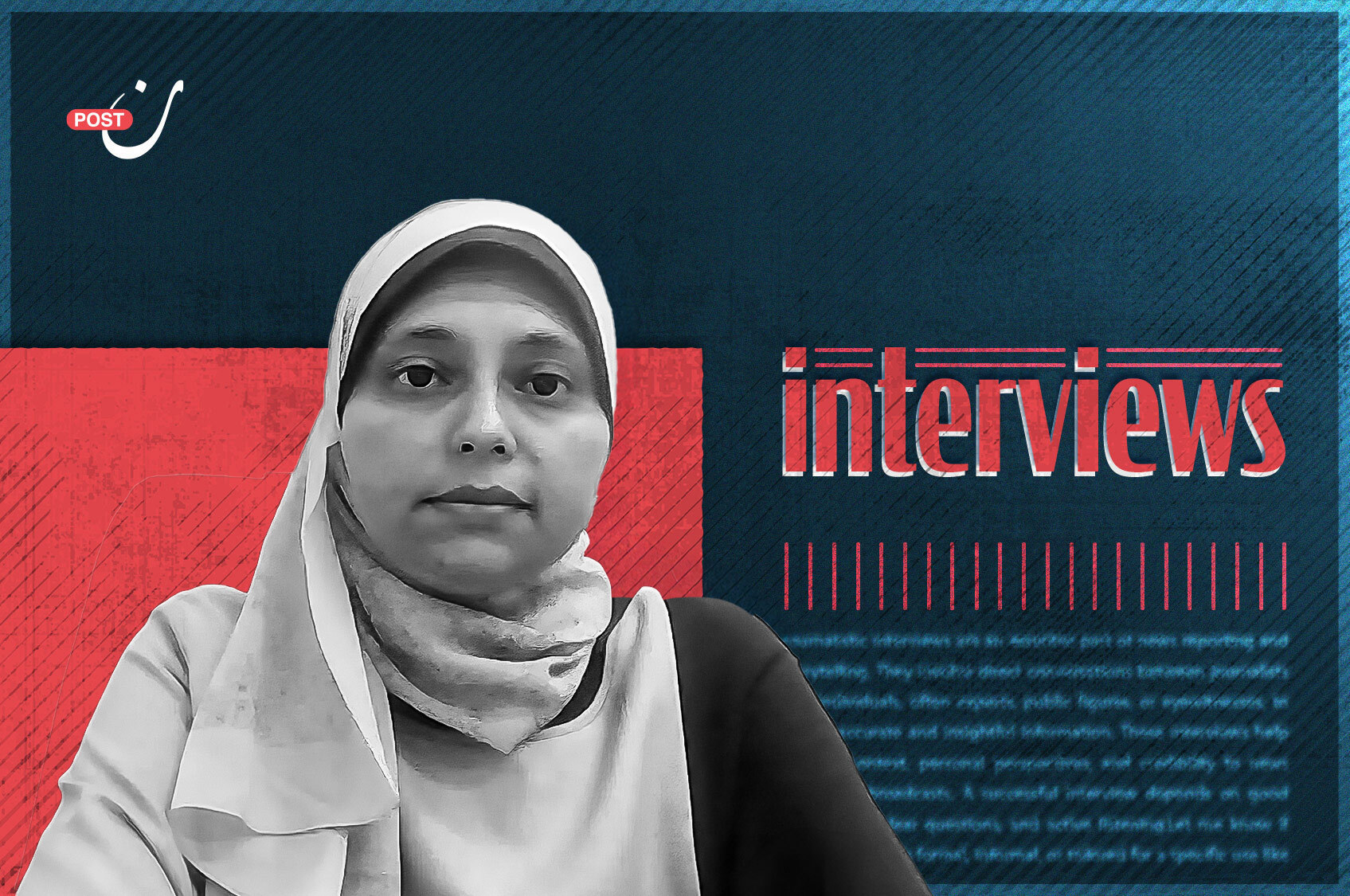
In an exclusive interview with Noon Post, Dr. Sahar Ghanem, Director of the Laboratory and Blood Bank Unit at the Ministry of Health, paints a grim picture of the scale of collapse. Of the 12 central laboratories that once served Gaza, only four remain partially operational, functioning with near-zero capacity and facing severe shortages of lab equipment, reagents, and essential supplies that are vital for life-saving diagnostics.

What are the main factors behind this near-total collapse of Gaza’s laboratory and blood bank system?

This collapse goes far beyond a disruption of patient testing it directly endangers the lives of thousands of wounded civilians, trauma patients, and those with chronic conditions. In a time when every drop of blood and every lab result could be the difference between life and death, Gaza’s health sector is increasingly unable to deliver.

The ongoing war has exhausted every part of the healthcare system, resulting in an unprecedented collapse of Gaza’s medical laboratories and blood banks. The sector now operates at a fraction of its original capacity, amid crushing shortages of lab materials and widespread destruction of critical medical equipment.

Medical teams have continued working since the very first day of the war under near-impossible conditions. Despite the destruction of essential devices and extreme shortages, laboratory personnel and blood bank workers have managed to maintain some core diagnostic and blood transfusion services for patients and the injured at least for now.

How many laboratories are fully or partially out of service, and what are the main challenges they face?

The current situation is catastrophic by every measure. Only 4 out of 12 hospital-based laboratories and blood banks are still operating. In Gaza’s primary healthcare centers, just 13 out of 37 labs remain functional half of them only partially.

The Public Health Laboratory the only facility specialized in testing water, food, and medicine has been completely destroyed. Most of the equipment at the central lab in the Turkish Hospital has also been wiped out, halting the majority of specialized tests for infectious diseases.

At present, only the most essential diagnostic procedures are being carried out, using whatever resources remain.

What has been the impact of losing more than 50% of laboratory equipment on hospitals’ ability to provide care?

Over half of Gaza’s lab equipment has been either destroyed or rendered inoperative. The few remaining machines are now under unprecedented pressure, frequently breaking down and causing delays in test results. This in turn hampers timely and accurate diagnoses for patients, with potentially deadly consequences.

What essential diagnostic tests have stopped or are at risk of stopping and what does that mean for patients?

The outlook is deteriorating rapidly. One of the most crucial diagnostic tools, the complete blood count (CBC) test used across all hospital departments is now at risk of complete shutdown due to a depletion of reagents. Other vital tests, including electrolyte panels, chemical diagnostics, and blood safety screenings, are facing similar threats. If these services stop, patients will be left without accurate diagnoses or appropriate treatment.

Since the start of the war, Gaza’s labs have resorted to makeshift and manual methods to perform certain tests attempts to keep services going for as long as possible. But these methods are slower, less efficient, and place enormous strain on already limited lab staff.

Is there a shortage of trained lab technicians, or is the crisis primarily about materials and equipment?

The core issue isn’t the availability of skilled personnel it’s the lack of essential materials, supplies, and functioning equipment. Despite repeated appeals by the Ministry of Health for urgent international intervention to deliver lab equipment and materials, support remains grossly insufficient.

With a daily need for 300 units of blood, how is the shortage impacting the injured and critically ill?

The need for blood has surged to 300 units per day due to the high number of critical injuries. The Ministry of Health warns that the collapse of laboratory services at any moment could endanger the lives of thousands of patients and wounded civilians, especially as the war and the degradation of Gaza’s health infrastructure continue.

Since the ceasefire came into effect, only a trickle of lab materials has reached Gaza—far below the minimum needed, particularly in light of the staggering number of patients and injured individuals.

The severe shortage of lab materials has now surpassed 70%, meaning most essential tests are at imminent risk of being halted due to depleted inventories.

What is needed to ensure labs can continue operating amid ongoing war and siege?

Gaza’s laboratories face an urgent and immediate need for all types of diagnostic devices especially those used to monitor and treat chronic and life-threatening conditions, as well as for critical tests required by war injuries.

Continued closure of border crossings and the blockade on lab materials and equipment could cause a complete shutdown of laboratory services at any moment placing lives in grave danger.

The remaining operational supplies will last only a short while, making the collapse of essential diagnostic services inevitable without swift intervention.

What message would you like to send to the international community regarding support for Gaza’s health sector and the continuity of lab and blood bank services?

If lab materials and essential supplies are not delivered immediately, laboratories will be forced to stop conducting many general and vital tests putting lives at risk.

Gaza’s healthcare system stands on the edge of total collapse, and with it, patients’ chances of receiving proper diagnosis and safe treatment continue to dwindle in a war that has consumed every aspect of life.
Download this article as PDF
Share this Article
Facebook Twitter Whatsapp Whatsapp Telegram Email Copy Link
سماح شاهين
By سماح شاهين صحفية من غزة
Follow:
Previous Article نون بوست The Military Junta Obsession: How to Understand Africa’s Surge in Coups
Next Article نون بوست How Are European Weapons Reaching Sudan’s Rapid Support Forces?

Read More

  • U.S. Regime‑Change Policies: Why They Are Destined to Fail U.S. Regime‑Change Policies: Why They Are Destined to Fail
  • The Gulf’s Balancing Act: Iran, Israel, and Hidden Links
  • Iraq–Turkey Oil Export Treaty: Why Did Ankara Cancel It After 52 Years?
  • Syria’s Northeast on Edge: QSD Between Ankara and Damascus
  • Has Europe Changed Its Stance on Israel… or Just Its Language?
part of the design
NoonPost Weekly Newsletter

You May Also Like

U.S. Regime‑Change Policies: Why They Are Destined to Fail

U.S. Regime‑Change Policies: Why They Are Destined to Fail

إسراء سيد Esraa sayed 8 April ,2026
The Gulf’s Balancing Act: Iran, Israel, and Hidden Links

The Gulf’s Balancing Act: Iran, Israel, and Hidden Links

فريق التحرير Noon Post 8 April ,2026
Iraq–Turkey Oil Export Treaty: Why Did Ankara Cancel It After 52 Years?

Iraq–Turkey Oil Export Treaty: Why Did Ankara Cancel It After 52 Years?

فريق التحرير Noon Post 8 April ,2026

هل بايعت دولة العراق الإسلامية تنظيم القاعدة؟

شمس الدين النقاز
شمس الدين النقاز Published 21 September ,2015
Share
df8ac5420aa47d123e99ca3f900aaddf

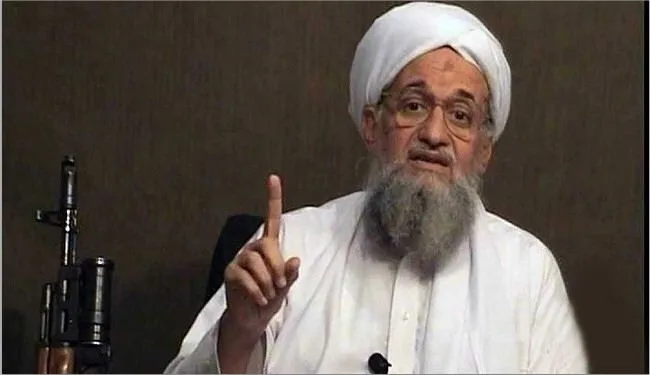
جاءت الكلمة الصوتية الأخيرة لزعيم تنظيم القاعدة أيمن الظواهري لتزيد من الإثبات أن الخلاف بين تنظيم القاعدة العالمي وتنظيم الدولة الإسلامية لم تعد مجرد بيعة بين التنظيمين.

فلقد كانت كلمة الظواهري الأخيرة مليئة بالنقد والاتهامات والتشكيك في تنظيم الدولة وقيادييها وسياستها في إدارة الصراع ونقله إلى داخل فروع الجماعات الجهادية التابعة للقاعدة انطلاقًا من اليمن والصومال ومالي وغيرها.

ولم تقف الاتهامات عند هذا الحد، بل انتقد زعيم تنظيم القاعدة نظيره البغدادي واتهمه بالسكوت وعدم نصرة إخوانه في أفغانستان ووزيرستان وغزة واليمن ومغرب الإسلام ولو بالإشارة لهم في كلماته الصوتية.

لم نتوقف كثيرًا على مضمون هذه الكلمة التي مدتها 45 دقيقة لكن أردنا في هذه المقالة أن نبحث ولو سريعًا في مسألة شائكة وغامضة وهي مسألة البيعة.

هل بايعت دولة العراق الإسلامية سابقًا تنظيم القاعدة؟ وهل خلعت الدولة الإسلامية في العراق والشام بيعتها من ربقة القاعدة؟

هذا ما قاله الظواهري في كلمته التي صدرت في الـ 9 من شهر سبتمبر الجاري “وأنا هنا أود أن أسأل من نكث بيعتَه لأميرِ المؤمنين الملا محمد عمر مجاهد حفظه اللهُ، بأي مبرر شرعيٍ نكثت تلك البيعة؟ وما هي المخالفة الشرعية التي ارتكبتها الإمارة الإسلامية حتى تحِلَ نكثُ بيعتِها؟”، وقال أيضًا “للأسف كان جزاؤهما على دعوتِهما للوحدةِ أن كافأهما البغدادي ومن معه بدعوةِ المجاهدين في الجزائرِ واليمنِ لشق الصف ونكث البيعة، كما نكثها هو ومن معه من قبل”.

الملاحظة الأولى أن تاريخ تسجيل الكلمة كان قبل إعلان حركة طالبان عن موت الملا عمر؛ ما يطرح التساؤل التالي: أين الظواهري من خبر مقتل الملا عمر ومن أين يتلقى أوامره في حين أن أميره المبايع له ميت؟

الحقيقة أننا وأثناء بحثنا وجدنا تضاربًا كبيرًا بين تصريحات قياديي الدولة وقياديي القاعدة وليس الأمر بالسهولة التي تجعلنا نحكم على بيعة أو فسخ بيعة قام بها أحد الطرفين دون أن نسرد بعض كلمات الفريقين.

“أقرت من قيادة العراق هناك، قيادة دولة العراق الإسلامية أقرت بالموافقة على الدخول إلى أرض الشام، أتينا إلى هذه الأرض تقريبًا في الشهر الثامن الميلادي وكان في شهر رمضان من عام 2011″، بهذه الكلمات أجاب أمير جبهة النصرة أبو محمد الجولاني صحفي قناة الجزيرة تيسيرعلوني في برنامج لقاء مفتوح في 19 من ديسمبر 2013 بعد سؤاله له عن الجهة التي كانت سببًا في ظهور جبهة النصرة في سوريا.

فقد قال العدناني في كلمته الصوتية “عذًرا أمير القاعدة” في 11 مايو 2014 “ولأجل هذا أرسلت الدولة عبر أبي حمزة المهاجر رسالة لقيادة القاعدة تؤكد فيها ولاء الدولة لرموز الأمة المتمثلين بالقاعدة، وتخبرهم أن الكلمة لقيادة الجهاد في العالم لكم، برغم حل تنظيمكم على أرض الدولة، تبقى الكلمة لكم حفاظا على وحدة كلمة المجاهدين، ورص صفوفهم.”

كلمة العدناني كانت ردًا على الظواهري الذي صرح في كلمته “شهادة لحقن دماء المجاهدين في الشام” بأنه يشهد الله أن الدولة الإسلامية في العراق فرع تابع لجماعة قاعدة الجهاد، معددًا الوقائع والمراسيل التي كانت بينه وبين قيادات الصف الأول من دولة العراق الإسلامية الذين كانوا يخاطبونه بأميرنا، وساردًا الأحداث التي كانت قيادات الدولة تنتظر الفصل فيها من قبل زعيم تنظيم القاعدة السابق أسامة بن لادن.

وأضاف أن كل ما ذكرتَ من شهادتك صحيح، بل وأزيدك عليه أننا كنا ولحين قريب نُجيب من يسألنا عن علاقة الدولة بالقاعدة بأن علاقتها علاقة الجندي بأميره، ولكن هذه الجندية يا دكتور لجعل كلمة الجهاد العالمي واحدة، ولم تكن نافذة داخل الدولة، كما أنها غير مُلزمة لها، فإنما هي تنازل وتواضع وتشريف وتكريم لكم منا، وعندنا من الوقائع والأحداث والشهادات المشابهة لشهادتك الأضعاف تُثبت طبيعة هذه العلاقة، وأنها ليست نافذة داخل الدولة وزاد أيضًا بينما عندنا الإثباتات خلاف ذلك من أفواه قادة الدولة والقاعدة، وأنت على رأسهم، فمن فيك سمع العالم أن التنظيم حُل في العراق وبايع الدولة وانخرط فيها.

المتأمل في كلام العدناني يلاحظ أنه لم يتنصل ولم ينكر مخاطبة قياديي الصف الأول في تنظيم الدولة أمير القاعدة بعبارات توحي بأنهم جنود له، ولكن سرعان ما يستدرك العدناني وينفي جملة أن تلك العبارات توحي بتبعيتهم وبيعتهم للقاعدة، بل وصل الأمر إلى الدعوة الصريحة لأن يكون الظواهري جنديًا في الدولة الإسلامية إذا ما كتب له الوصول إليها، فقد قال في نفس الرسالة الدولة ليست فرعًا تابعًا للقاعدة، ولم تكن يومًا كذلك، بل لو قدر الله لكم أن تطئوا أرض الدولة الإسلامية، لما وسعكم إلا أن تبايعوها وتكونوا جنودًا لأميرها القرشي حفيد الحسين، كما أنتم اليوم جنود تحت سلطان المُلا عمر، فلا يصح لإمارة أو دولة أن تبايع تنظيمًا.

لقد رفضت الدولة الإسلامية في تلك الفترة أن تنسحب من سوريا وقد كان طلبًا مستحيل التحقق “وأما عن مناشدتك لنا الانسحاب من الشام فلن نعيد ونكرر بأن هذا أمر شبه مستحيل، غير ممكن لا شرعًا ولا عقلًا ولا واقعًا” وأنكرت بيعتها للقاعد،ة بل أعلن العدناني صراحة أن الخلاف أصبح خلافًا منهجيًا وعقائديًا عندما قال “إن خلاصةَ الأمر أن الخلاف بين الدولة الإسلامية وبين قيادة تنظيم القاعدة خلاف منهجي كما قال أمير التنظيم في لقائه الأخير مع مؤسسة السحاب، هذه هي القضية وليس بيعةُ من لمن ومرجعية من لمن، والتي أجهد أمير تنظيم القاعدة نفسه لإثباتها ولم يثبتها، ولن يثبتها.”

لقد تصدرت قضية البيعة والخلاف والاقتتال بين الجماعتين وسائل الإعلام العالمية ولم يتم الفصل في هذه المسألة إلا أن الوقائع المتعددة والتصريحات المتواترة لقياديي القاعدة قبل وفاة أسامة ابن لادن تصب في خندق واحد وهو أن دولة العراق الإسلامية لم تكن فرعًا للقاعدة في العراق بل كانت القاعدة في بلاد الرافدين إحدى الفصائل المشاركة المكونة لها، بل إن الظواهري نفسه قال في إجابته على سؤال وجه له في لقائه مع مؤسسة السحاب وقد أعلنها صراحة أن “الدولة خطوة في سبيل إقامة الخلافة أرقى من الجماعات المجاهدة، فالجماعات يجب أن تبايع الدولة وليس العكس”.

بعد أن كان التفاهم سيد الموقف طوال 9 سنوات بين تنظيم القاعدة ودولة العراق الإسلامية وكانت المجاملات والخطب الرنانة والتزكيات بينهما أصبحت اليوم حربًا بالرشاشات والدبابات والمدرعات والمفخخات.

في الأخير يبدو لنا أن دولة العراق الإسلامية لم تكن في عنقها بيعة للقاعدة بل انحلت القاعدة نهائيا في العراق لأن التابعين للحركات الجهادية أجمعوا أنه بعد سنتين من القيادة والحرب الأحادية التي يخوضها فرع القاعدة في العراق ضد القوات الأمريكية قررت قاعدة الرافدين رفقة عدد من الجماعات المسلحة تشكيل مجلس شورى المجاهدين في العراق في 15 من شهر يناير 2006 وتم اختيار عبدالله رشيد البغدادي أميرًا لهذا المجلس وكان الهدف من تشكيل هذا المجلس توحيد جهود الجماعات وجعلها في إطار واحد لمقاتلة الغزو الأمريكي.

وفي أوائل شهر أكتوبر 2006 ومع بداية الانسحاب الأمريكي أُعلن المجلس عن حلف المطيبين الذي كان نواة لإعلان مسمى “دولة العراق الإسلامية”  وتم بعد تشكيل هذا الحلف الإعلان عن دولة العراق الإسلامية وتعيين أبو عمر البغدادي أميرًا لها في الـ 15 من شهر أكتوبر 2006، بل إن الظواهري نفسه في إجابته على سؤال وجه له في لقائه مع مؤسسة السحاب قد أعلنها صراحة أن “دولة العراق الإسلامية خطوة في سبيل إقامة الخلافة أرقى من الجماعات المجاهدة، فالجماعات يجب أن تبايع الدولة وليس العكس”.

في الأخير يظهر أن الخلاف بين تنظيم الدولة الإسلامية أصبح خلافًا منهجيًا وهو ما ذكره الظواهري في لقاء مع مؤسسة السحاب سابقًا ولم يعد خلاف بيعة وهو أيضًا ما جزم به المراقبون الذين تابعوا خطابات الظواهري الأخيرة التي أصبح يتحدث فيها كثيرًا عن تنظيم الدولة وعن تفريقه للصف الجهادي وسكوته عن الجرائم التي يتعرض لها المجاهدين حسب وصفه.

TAGGED: الحرب على القاعدة ، تنظيم القاعدة ، داعش ، داعش والقاعدة
Download this article as PDF
Share this Article
Facebook Twitter Whatsapp Whatsapp Telegram Email Copy Link
شمس الدين النقاز
By شمس الدين النقاز كاتب وصحفي تونسي
Follow:
Next Article نون بوست The Stigma of “ISIS”: A Heavy Legacy Haunting Women and Children of Former Members
part of the design
NoonPost Weekly Newsletter
dark

An independent media platform founded in 2013, rooted in slow journalism, producing in-depth reports, analysis, and multimedia content to offer deeper perspectives on the news, led by a diverse young team from several Arab countries.

  • Politics
  • Society
  • Rights & Liberties
  • Opinions
  • History
  • Sports
  • Education
  • Technology
  • Economy
  • Media
  • Arts & Literature
  • Entrepreneurship
  • Travel
  • Cinema & Drama
  • Food
  • Health
  • Culture
  • Latest Reports
  • Files
  • Long Reads
  • Interviews
  • Podcast
  • Interactive
  • Encyclopedia
  • In Pictures
  • About Us
  • Our Writers
  • Write for Us
  • Editorial Policy
  • Advanced Search
Some rights reserved under a Creative Commons license

Removed from favorites

Undo
Go to mobile version