NoonPost NoonPost

NoonPost

  • Home
  • Politics
  • Economy
  • Society
  • Culture
  • Files
  • Long Reads
  • Podcast
AR
Notification Show More
نون بوست
“There Are Nights I Can’t Close My Eyes”: How Gazans Are Living in Homes on the Brink of Collapse
نون بوست
From al-Jolani to Ahmad al-Shara: The Evolution of Syria’s New Leader
نون بوست
When Political Islam Receded in Egypt: Who Filled the Void?
نون بوست
An Extension of Genocide: Gaza’s Detainees Speak Out
نون بوست
A Tightrope Between Survival and Sovereignty: The Syrian Government Faces Normalization Pressures
نون بوست
American Aircraft Carriers: Has the Era of “100,000 Tons of Diplomacy” Ended?
نون بوست
U.S. Regime‑Change Policies: Why They Are Destined to Fail
نون بوست
Transformations of Israeli Judaism: Between the Victim Complex and the Colonizer’s Doctrine
نون بوست
The Gulf’s Balancing Act: Iran, Israel, and Hidden Links
نون بوست
Iraq–Turkey Oil Export Treaty: Why Did Ankara Cancel It After 52 Years?
نون بوست
Syria’s Northeast on Edge: QSD Between Ankara and Damascus
نون بوست
Has Europe Changed Its Stance on Israel… or Just Its Language?
NoonPost NoonPost
AR
Notification Show More
نون بوست
“There Are Nights I Can’t Close My Eyes”: How Gazans Are Living in Homes on the Brink of Collapse
نون بوست
From al-Jolani to Ahmad al-Shara: The Evolution of Syria’s New Leader
نون بوست
When Political Islam Receded in Egypt: Who Filled the Void?
نون بوست
An Extension of Genocide: Gaza’s Detainees Speak Out
نون بوست
A Tightrope Between Survival and Sovereignty: The Syrian Government Faces Normalization Pressures
نون بوست
American Aircraft Carriers: Has the Era of “100,000 Tons of Diplomacy” Ended?
نون بوست
U.S. Regime‑Change Policies: Why They Are Destined to Fail
نون بوست
Transformations of Israeli Judaism: Between the Victim Complex and the Colonizer’s Doctrine
نون بوست
The Gulf’s Balancing Act: Iran, Israel, and Hidden Links
نون بوست
Iraq–Turkey Oil Export Treaty: Why Did Ankara Cancel It After 52 Years?
نون بوست
Syria’s Northeast on Edge: QSD Between Ankara and Damascus
نون بوست
Has Europe Changed Its Stance on Israel… or Just Its Language?
Follow US

Normalization Through Textbooks: How IMPACT-se Advances Israel’s Agenda

عماد عنان
Emad Anan Published 26 March ,2026
Share
نون بوست
نون بوست

Israel, backed by powerful Zionist lobbies worldwide, has long exploited every media, political, and economic tool at its disposal to promote and globalize the Zionist narrative. These efforts are often wrapped in appealing rhetoric such as “tolerance,” “acceptance of the other,” and “human values” attempts to divert attention from the grave violations Israel has committed against Palestinians and other Arab populations.

While Tel Aviv bolstered by its expansive influence and direct U.S. support has succeeded in dragging some Arab regimes into the realm of political normalization, its real battle remains with the Arab public. The Israeli state has failed to secure widespread grassroots acceptance, despite the considerable resources and initiatives invested in this goal.

In response, Israel has shifted toward a long-term strategy targeting new generations across the Arab world. This involves stripping educational curricula and cultural channels of concepts that foster resistance, or frame the Israeli occupation as an imminent threat and a strategic enemy to Arabs and Muslims.

Through these softer policies, Israel hopes to shape generations that accept its existence and view it as a normal reality something it has been unable to achieve through political or military means for decades.

At the heart of this strategy lies the Institute for Monitoring Peace and Cultural Tolerance in School Education (IMPACT-se), a key player in Israel’s soft power approach. While it presents itself as a proponent of “comprehensive peace” and educational reform, the pressing question is: What is this entity really, and what role does it play in the battle for Arab awareness?

Origins and Stated Objectives

Founded in 1998, IMPACT-se markets itself through its digital platforms as an international research and education policy institute. It claims to monitor and analyze curricula worldwide according to standards of “peace,” “tolerance,” and “non-violence,” supposedly inspired by UNESCO declarations and charters.

The organization says it aims to track global compliance with these standards and advocate for educational reforms when necessary.

The institute portrays itself as a leading global authority on textbook analysis across all subjects and education levels. It claims that its research teams conduct comprehensive reviews of national curricula to understand what societies are teaching their children about religion, culture, human rights, integration, and the concept of “the other.”

In this context, IMPACT-se assumes an almost utopian image a guardian of “civilized values” confronting what it sees as exclusionary, extremist rhetoric that fosters hostility and hatred.

According to its own narrative, published on its official website, the institute’s primary goal is to “prevent the radicalization of children and youth,” a group it deems especially vulnerable.

It emphasizes preparing these young individuals for a future grounded in “hope, success, and happiness,” and stresses the need to instill “mutual respect” and “acceptance of difference” among children from diverse cultural and religious backgrounds.

An Overtly Zionist Leadership

IMPACT-se’s Zionist ideological foundation is evident from its inception. Its founder, Yohanan Manor, a former political science lecturer at the Hebrew University (1970–1984), was far from a neutral academic. He played a key role in lobbying for the 1984 repeal of the UN resolution that equated Zionism with racism a revealing indicator of the ideological blueprint on which the institute was built.

Today, the organization is led by Marcus Sheff, who has served as CEO since February 2016. A British-Israeli former journalist and an IDF spokesperson reserve officer with the rank of major, Sheff brings extensive experience in media and strategic communications raising serious questions about the institute’s ties to Israeli propaganda machinery and its alignment with the official state narrative.

The institute’s board of directors includes high-profile figures deeply entrenched in the global Zionist network. Among them: Julian Reit, a former IBM executive and recipient of France’s Legion of Honor; Jay Ruderman, head of a family foundation known for supporting Israeli influence in the U.S. and a former deputy director of AIPAC in New England; Suzanne Wagner, a board member at the Washington Institute for Near East Policy; and Yuri Hazanov, YouTube’s head of partnerships for Eastern Europe and Israel.

This impressive lineup makes it clear that the institute is far from a neutral academic or peace-focused body. Rather, it is an instrument of global Zionist influence, operating under the guise of educational and cultural reform to shape consciousness and target future generations.

Monitoring Arab Curricula: A System of Intimidation

IMPACT-se deploys networks of researchers and field teams across several countries to scrutinize the minutiae of educational systems not only school textbooks but also related materials such as maps, educational tools, apps, and even teacher performance.

The ultimate aim is to remove any content that portrays Israel as a colonial power, supports the Palestinian narrative, or fosters sentiments of resistance and Arab-Islamic awareness regarding Israel’s role in the region.

The institute concentrates its efforts on conflict zones especially Palestine, the broader Middle East, and Central Asia where curricula are vital battlegrounds for identity and collective memory.

Its reports are not confined to academic circles; they have become political and financial pressure tools. For instance, IMPACT-se’s findings contributed to the freezing of European aid to the Palestinian Authority and have influenced the policies of countries like Switzerland, Germany, and the UK regarding Palestinian educational materials.

The institute has also actively targeted verses and hadiths on jihad in Islamic education textbooks, criticized the inclusion of Sheikh Izz al-Din al-Qassam’s revolution in Qatari history books, objected to the use of the term “Zionism” in Saudi curricula, and attacked references to Jordanian martyrs Mohammad al-Hunaiti and Ka’id al-Ubaydat in Arabic literature, as well as mentions of the al-Aqsa Mosque arson in history textbooks.

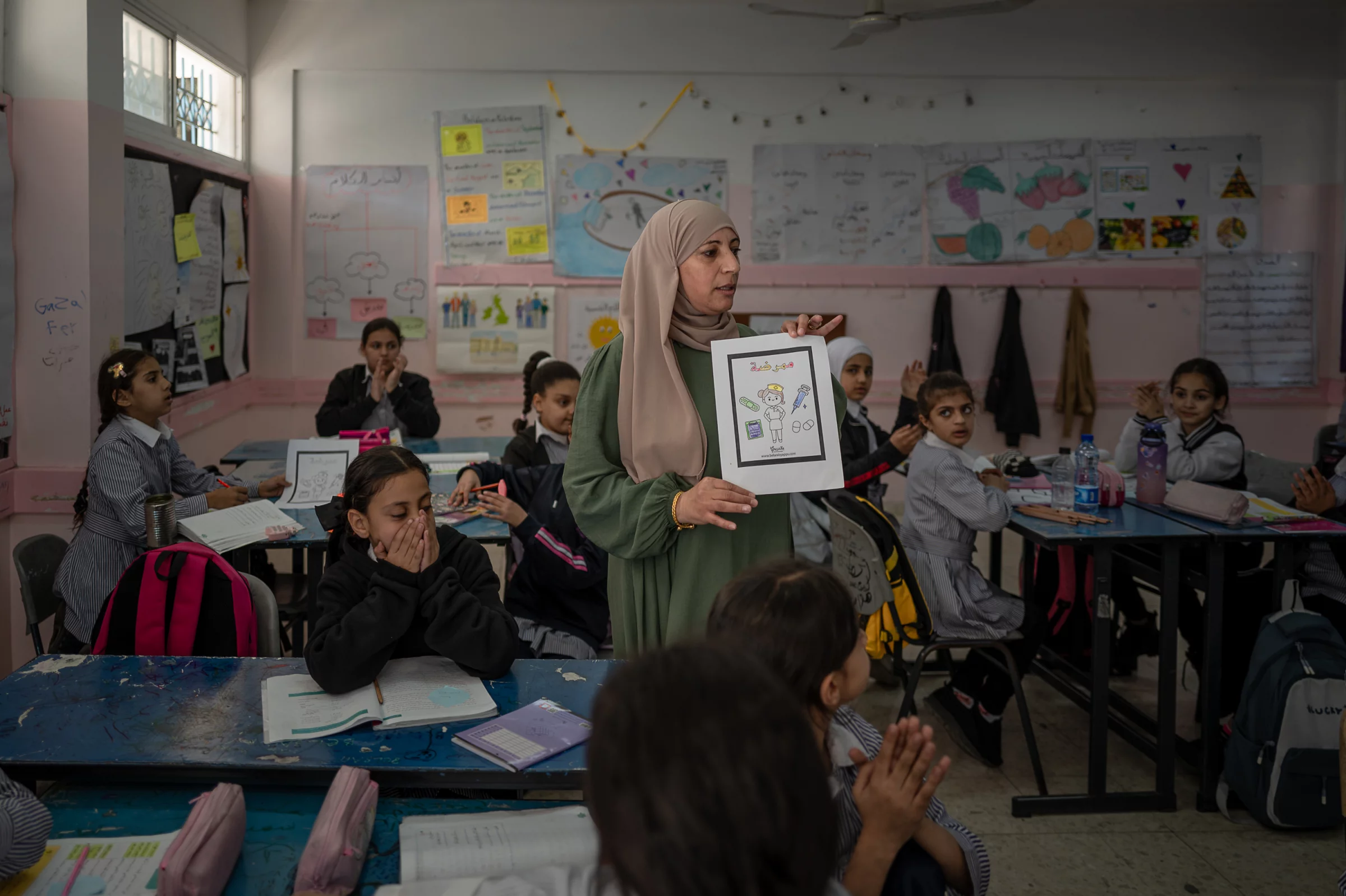
In its most recent 400-page report, the institute claimed that the 2025–2026 Palestinian school curriculum still includes what it calls “incitement and glorification of violence.” It accused the Palestinian Authority of failing to fulfill its commitments to the US, EU, and France to eliminate such content.

The report, which says it analyzed hundreds of textbooks and teacher guides from the West Bank, Gaza, and Jerusalem, insists that “hate speech” persists despite international pressure.

The report continues to offer a biased reading of the curricula, framing themes like resistance, jihad, and martyrdom as incitement, and celebrating Palestinian heroes as “glorifying terrorism.” It even alleges that science and Arabic lessons are used to disseminate what it brands “hostile messages.”

Funded by the United Arab Emirates, the report also attacks what it describes as a gap between the PA’s promises of curriculum reform and on-the-ground realities, attempting to link continued international funding to the alignment of Palestinian educational content with the Israeli narrative of what students should learn about their land, history, and identity.

But IMPACT-se’s role doesn’t stop at pressure and oversight. It extends to producing alternative curricula as it did for Syrian refugees in Greece and continues to publish regular reports on education in countries like Kazakhstan, Azerbaijan, and Uzbekistan. It has evolved into a tool of academic intimidation, tying international support and funding to the degree of compliance with its vision of “tolerance” and “peacebuilding.”

Its reports seek to criminalize core concepts in Arab collective memory such as resistance, martyrdom, the right of return, and the 1948 Nakba, reducing them to mere “incitement” or “extremism.” Meanwhile, the Israeli narrative is presented as factual, while Palestinian perspectives are dismissed as “hate speech” that must be excised from education.

Consequently, IMPACT-se’s reports have become geopolitical tools in Western parliaments, pressuring Arab states especially Palestine to “sanitize” their curricula, often in coordination with similar organizations like UN Watch.

This reframes the conflict as not only a struggle over land but also over memory and consciousness an attempt to raise a generation that views occupation as a controversial issue, not a liberation cause.

What About the UAE Connection?

Numerous reports and leaks suggest a growing partnership between IMPACT-se and official Emirati entities, including alleged direct funding that has enabled the institute to expand its regional footprint and bolster its research capabilities. While these claims remain unverified officially, the trajectory of the relationship points to increasing cooperation toward shared goals of reshaping educational discourse in the Middle East.

The institute has consistently portrayed Emirati curricula in a favorable light. A notable example is its 2021 report “When Peace Goes to School,” which praised the UAE’s focus on “values of peace, tolerance, and international cooperation” in line with UNESCO standards, awarding it high ratings compared to other Arab states.

This alignment culminated in a Memorandum of Understanding with the TRENDS Research and Advisory Center in Abu Dhabi to deepen research collaboration. It also involved direct consultations with the UAE Ministry of Education on topics such as including the Holocaust and coverage of the Abraham Accords in Emirati textbooks, positioning the UAE as a regional model.

However, despite the praise, IMPACT-se’s reports omit certain sensitive issues such as the absence of “Israel” from some Emirati school maps highlighting the selective nature of its assessments to suit its political agenda. With recurring reports of UAE funding, the full official picture remains murky, but available evidence points to a strategic alliance aimed at reshaping educational consciousness in alignment with the normalization era and a reframed understanding of regional conflict.
Download this article as PDF
Share this Article
Facebook Twitter Whatsapp Whatsapp Telegram Email Copy Link
عماد عنان
By عماد عنان كاتب صحفي وباحث في الإعلام الدولي
Follow:
Previous Article نون بوست How Are European Weapons Reaching Sudan’s Rapid Support Forces?
Next Article نون بوست The Final Voice Note: How News Travels from Darfur Amid Censorship and Fear

Read More

  • U.S. Regime‑Change Policies: Why They Are Destined to Fail U.S. Regime‑Change Policies: Why They Are Destined to Fail
  • The Gulf’s Balancing Act: Iran, Israel, and Hidden Links
  • Iraq–Turkey Oil Export Treaty: Why Did Ankara Cancel It After 52 Years?
  • Syria’s Northeast on Edge: QSD Between Ankara and Damascus
  • Has Europe Changed Its Stance on Israel… or Just Its Language?
part of the design
NoonPost Weekly Newsletter

You May Also Like

U.S. Regime‑Change Policies: Why They Are Destined to Fail

U.S. Regime‑Change Policies: Why They Are Destined to Fail

إسراء سيد Esraa sayed 8 April ,2026
The Gulf’s Balancing Act: Iran, Israel, and Hidden Links

The Gulf’s Balancing Act: Iran, Israel, and Hidden Links

فريق التحرير Noon Post 8 April ,2026
Iraq–Turkey Oil Export Treaty: Why Did Ankara Cancel It After 52 Years?

Iraq–Turkey Oil Export Treaty: Why Did Ankara Cancel It After 52 Years?

فريق التحرير Noon Post 8 April ,2026

الاختفاء: أين يتلاشى النشطاء المصريون؟

دير شبيغل
دير شبيغل Published 22 September ,2015
Share
image-894163-galleryV9-fihi

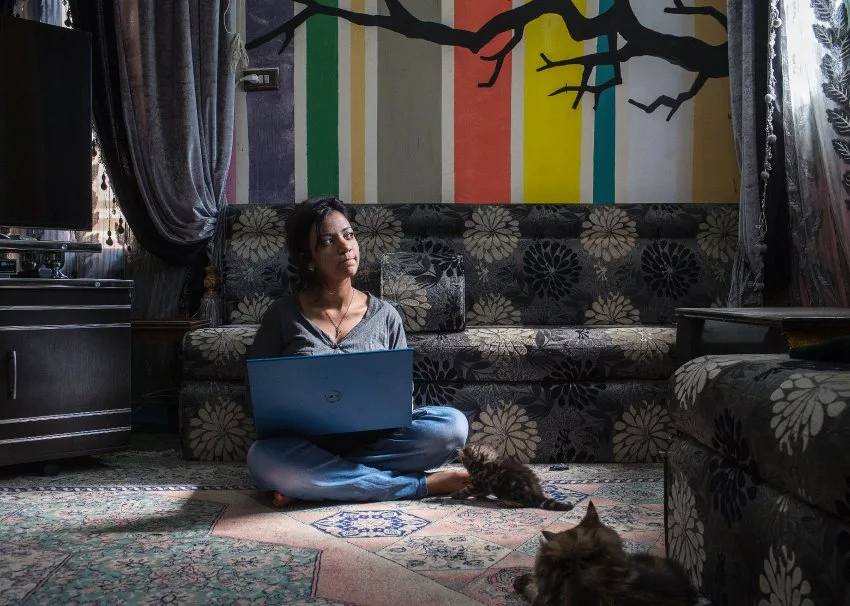
يتدلى ورق الحائط على الجدران وتملأ علب طلاء الأظافر الخزانة، ويبدو أن المرأة التي اعتادت أن تسكن تلك الغرفة مولعة بالخنافس، لكنها حاليًا في أيدي الحكومة منذ ثلاثة أشهر، هناك دمية على شكل خنفساء على السرير، وسجادة على هيئة حنفساء أيضًا على أرضية الغرفة، تقول دعاء الطويل شقيقة إسراء، إن أختها لم تكن تعرف الراحة، كانت في حركة دائمة وتصور كل ما تجده في طريقها.

وتضيف: “لقد محونا الصور”، موضحة أن أي شخص يظهر في تلك الصور سيكون في خطر، جلبت دعاء خطابات من شقيقتها من صندوق كرتوني، كانت الخطابات مطوية بطريقة تجعلها في أصغر حجم ممكن حتى يمكن تهريبها إلى خارج السجن، وتقرأ دعاء من أحد الخطابات: “كنت معصوبة العينين طوال خمسة عشر يومًا”، “وشعرت كأنني في قبر، كان الأمر سيئًا لدرجة أنني صليت ودعوت الله أن يحييني مرة أخرى، لكنني لم أستطع الركوع، اختطفوني في آخر أيام دورتي الشهرية، لم استطع الاغتسال لمدة 17 يومًا”.

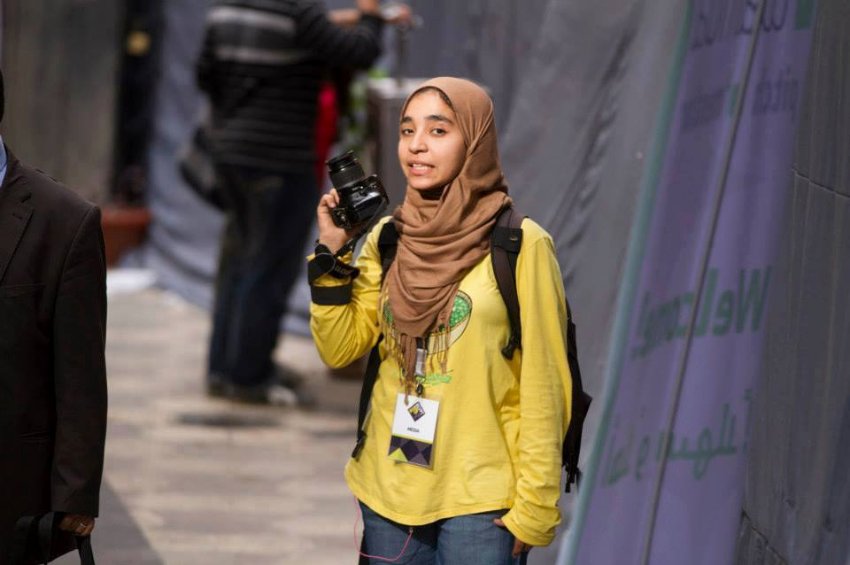
إسراء الطويل هي طالبة علم اجتماع ومصورة حرة، 23 عامًا، كانت قد اختطفت في الأول من يونيو هذا العام، ليس من قِبل مجرمين أو منظمة إرهابية، بل قامت بذلك شرطة بلادها.

نون بوست

إسراء الطويل

عقب أكثر من 4 سنوات من الثورة المصرية، تضيق الحكومة التي يقودها الرئيس عبدالفتاح السيسي على الصحفيين غير المرغوب فيهم، والثوريين السابقين، والأهم من ذلك على الإسلاميين، باسم الحرب على الإرهاب، صدرت القوانين التي تحد من حرية الاعلام وحرية التعبير، وفي بعض الحالات، تكسر قوات الحكومة القوانين، فيما قد يعتبر في بعض الأحيان أنه انتقام من المؤمنين بالديمقراطية الذين قاموا بالإطاحة بالديكتاتور السابق حسني مبارك.

يتعرض الشباب للاعتقال، في الشوارع والعمل ومن المنازل، يتم استجوابهم دون أمر توقيف أو وجود محامي، وتبقى عائلاتهم على غير علم بمكان وجودهم، كان هناك مثل تلك الحالات بالفعل في عصر مبارك، لكن منذ قدوم اللواء مجدي عبدالغفار إلى وزارة الداخلية في مارس الماضي، تخفي الشرطة عشرات الأشخاص، وخاصة أعضاء ومؤيدي الإخوان المسلمين، الذين يتعامل معهم النظام الجديد على أنهم إرهابيون، ويعتقد نشطاء حقوق الإنسان أن هناك أكثر من 800 حالة من تلك النوعية في مصر حاليًا.

وتقول دعاء الطويل إنه بعد اختفاء شقيقتها ظهر والدها على شاشات التلفزيون طالبًا المساعدة، ثم اتصلوا بمحامٍ وتقدم بشكوى إلى النائب العام، ورد مكتب النائب العام: “أخبروني بمكانها وهنا سوف أحقق بالقضية”، مشيرًا إلى احتمالية ان تكون قد هربت مع حبيبها.

تضيف دعاء أنها تتحدث وهى نائمة باستمرار وتكرر رقم البلاغ 1191 الذي حررته العائلة للإبلاغ عن اختفاء شقيقتها، وقبل لقائي بها بيوم، رأت أختها لأول مرة منذ اختفائها، لكن من مسافة بعيدة وخلف حاجز أمام مقر النائب العام، تم تمديد احتجازها لمدة 14 يومًا، لكن الشيء نفسه تكرر لمدة أسبوعين، اتهمت إسراء بأنها عضو بالإخوان المسلمين، وبنشر تقارير كاذبة وتزويد دول أخرى بمعلومات.

يقول محاميها، حليم حنيش: “هذه هي الاتهامات الثلاثة الأكثر رواجًا حين تريد القبض على شخص ما في هذه الأيام”، نفت إسراء تلك الاتهامات، ووصف حنيش الاختفاء القسري بأنه أسلوب غادر، لأنه “يسمح للحكومة بإخفاء الأشخاص بعيدًا عن القانون”، فالشخص الذي ألقي القبض عليه رسميًا لا يمكن التحقيق معه دون وجود محام، ويجب أن تحوّل القضية إلى النيابة العامة خلال 24 ساعة، ويتوجب على الحكومة الإفراج عنه إذا لم يوجه له اتهامات، وفقًا لحنيش.

لكن الاختفاء يضع الأمر في فراغ قانوني، فهم يصطحبوا الشخص المعتقل إلى مبنى تابع لأمن الدولة، ويوضح المحامي: “هناك يتم أخذ الاعترافات منهم بالقوة، وفي بعض الأحيان من خلال التعذيب”، ثم يتم تجهيز لائحة الاتهام، وحسب ما أكده محاميها، تعرضت إسراء لاستجواب دام 18 ساعة، وفي النهاية قامت بالتوقيع على محضر الاستجواب، كما ظهر أيضًا توقيع لمحامٍ، لكن محاميها لم يكن حاضرًا للتحقيق.

ويضيف حنيش بأنه لا توجد قاعدة قانونية لإلقاء القبض على أشخاص دون مذكرة توقيف،”لكن الحكومة لا يجب عليها تعديل القانون، بكل بساطة تقوم بكسره”.

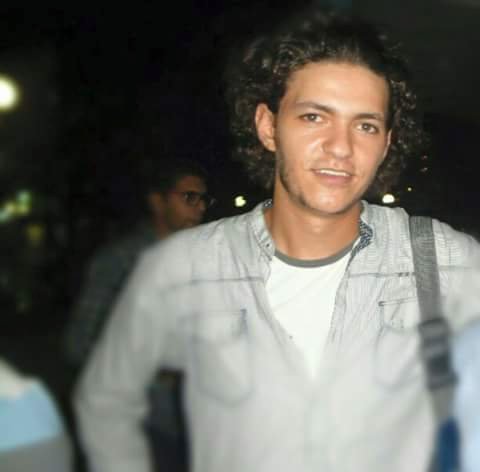
نفت إسراء مزاعم انتمائها لجماعة الإخوان المسلمين أما أحمد الدجوي، 23 عامًا، فكان في الحقيقة عضوًا في الجناح السياسي للإخوان، حزب الحرية والعدالة، وترأس منظمة شبابية، واختفى في 16 يوليو.

نون بوست

أحمد الدجوي

عقب الثورة وصل سريعًا الإخوان المسلمون إلى السلطة، ثم عانوا من سقوط كبير بعد ذلك، لأنهم كانوا القوة السياسية الأكثر تنظيمًا في البلاد ومع عدم وجود أي خبرة مع الديمقراطية، فاز حزب الحرية والعدالة بأول انتخابات حرة في مصر.

لكن بعد ذلك أسست الجماعة نظامًا فاسدًا تحت قيادة الرئيس محمد مرسي، استولى مرسي على سلطات أوسع عبر طرحه لإعلان دستوري، تظاهر الناس، وبدا أن مصر تغرق في الفوضى، وهذا جعل جزءًا كبيرًا من المصريين، الحريصين على الاستقرار، يدعمون الانقلاب العسكري، وهو نفس سبب دعم الكثيرين للسيسي حتى الآن.

ترتدي رضا عباسي، 49 عامًا، والدة أحمد الدجوي نقابًا، تبدو خائفة على ابنها أحمد وعلى أشقائه الثلاثة وعلى زوجها، لا تريد لقائنا في منزلها، وتقول إنه ليس بمكان آمن، قالت إن شقتها تعرضت للتفتيش عدة مرات، في البداية اقترحت أن نلتقي بأحد النوادي، لكن غيرت رأيها، لأن الزوار يجب أن يقوموا بتسجيل أسمائهم، في النهاية، التقينا في مقهى حيث جلست في أحد الزوايا وعرضت علينا صور ابنها على هاتفها.

قبل القبض عليه، كان مختبئًا لمدة عامين، يعيش في شقق مع أصدقاء مختلفين وباستمرار يغير محل إقامته، لم تعرف أمه مطلقًا مكان وجوده، كان يتعامل معها عبر تطبيق (WhatsApp)، وأحيانًا يلتقون في أماكن عامة مثل المقاهي أو الحدائق، بدت ملابسه قديمة وممزقة، وحاولت أن تعطيه أموالًا لكنه وفقًا لحديثها كان يرفض أن يأخذها.

وتقول: “أحمد لم يرغب في ترك البلاد. دائمًا كان يصر على أنه لم يرتكب أي خطأ”، لكن مؤخرًا بدأ الخناق يضيق حوله بعد اعتقال العديد من أصدقائه، وخاصة عندما استقبل رسالة من هاتف تم مصادرته من أحد أصدقائه بدأ في القلق بأن المخابرات قد تحدد مكانه عبر الهاتف.

وفي يوم 16 يوليو، آخر أيام شهر رمضان، خطط للقاء أحد أصدقائه في شقته للاستمتاع بجهاز إكس بوكس، وهو مفقود منذ ذلك الحين، يقول أصدقاؤه إنه احتجز في مبنى تابع لأمن الدولة، لكن لا يوجد تأكيد رسمي حول مكانه أو أي اتهامات صدرت ضده، وتضيف والدته: “تلك هي الخطورة في الأمر، يمكن أن يتهموه بكل شيء، وحتى بارتكاب هجوم إرهابي لم يحدث من الأساس”.

بعد ثورة 2011، تم تعديل الدستور ليحاكم المدنيين أمام محاكم عسكرية، حيث لا توجد حقوق للمتهمين، ويمكن تحويل كل قضايا الإرهاب إلى محاكمات عسكرية، وكل ما يلزم لجعل القضية متعلقة بالإرهاب هو إتلاف الممتلكات العامة، وهذه أحد التعديلات التي أصدرها الرئيس السيسي.

أصدرت الحكومة المصرية قانون مكافحة الإرهاب مؤخرًا، وواجه انتقادات دولية كبيرة، لأنه يقيد حرية التعبير، وتوضح المحاكمة التي انتهت في 29 أغسطس الماضي كيف يتعامل النظام بقسوة مع المؤسسات الإعلامية، فقضت محكمة مصرية بحبس ثلاثة صحفيين من شبكة الجزيرة لمدة ثلاث سنوات، وهم المصري باهر محمد والكندي محمد فهمي والأسترالي بيتر جريست.

نون بوست

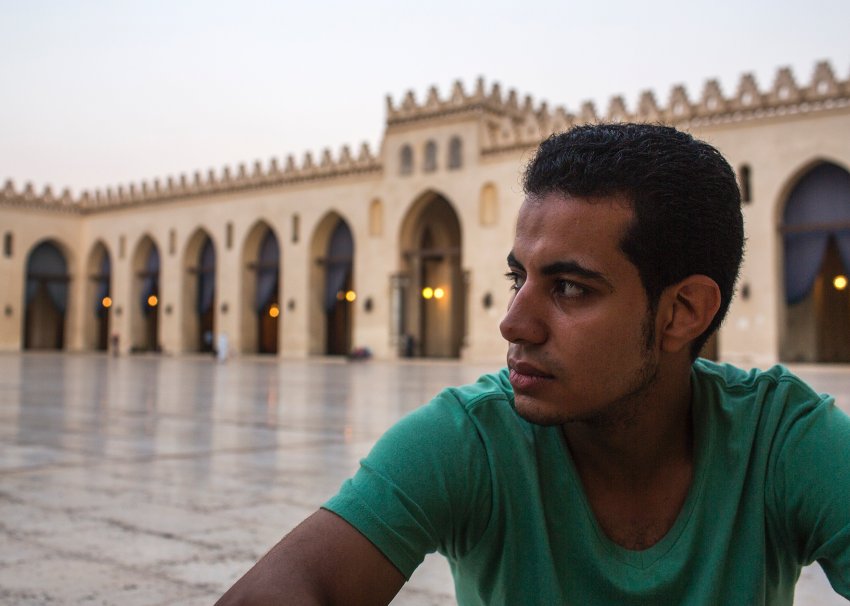
أسامة سعد

يبدو الموقف أكثر تعقيدًا لثلاثة آخرين ألقي القبض عليهم في نفس القضية، بزعم أنهم يمدون شبكة الجزيرة بالمواد، أحدهم هو طالب العلوم السياسية، صهيب سعد، ويقول شقيقه أسامة: “صحيح أنه عمل كصحفي حر، ومن المحتمل بالفعل أن يكن قد أمد شبكة الجزيرة بمواد فيديو”.

جلس أسامة في مطعم إيطالي ورفض أن يشرب شيئًا، ولم يرغب في الحديث عن الجزيرة مرة أخرى، في أيام قليلة، سيتم محاكمة شقيقه أمام محكمة عسكرية في قضية مختلفة تمامًا، فيها يتم اتهامه بأنه أحد أخطر الإرهابيين في البلاد، ألقي القبض على صهيب بينما التحقيقات الرسمية ضده وبقية الصحفيين مازالت تجرى بشكل رسمي، بمعنى آخر، وفقًا لأخيه، كان يجب عليه أن يذهب ليثبت حضوره يوميًا أمام قسم الشرطة، لم تعرف الأسرة عنه شيئًا لمدة 15 يومًا، وخلال هذا الوقت، اعترف سعد، نشر الجيش بيان بالفيديو عنوانه “أخطر خلية إرهابية على الإطلاق، تهدد الأمن القومي”. وظهر سعد بهذا المقطع، واعترف بأنه تلقى أموالًا واشترى سلاحًا، وعرضت برامج وأخبار التلفزيون صورًا لأسلحة آلية وقنابل يدوية ومتفجرات، ويقول شقيقه: “أعطوه ورقة وطلبوا أن يوقع عليها، وزعم أيضًا أن شقيقه تم تعذيبه بالكهرباء، ولديه ندبات على أنفه وجروح بالغة في معصميه.

يقع المطعم الإيطالي بالقرب من ميدان التحرير، حيث الخيام وحشود الناس الذين تظاهروا هنا مشكلين القلب النابض للثورة المصرية.

اليوم يبدو الميدان جافًا بحشائش مشذبة ومرور متدفق، يرفرف العلم المصري على سارية في المنتصف، صار المكان الذي أطاح بالنظام في السابق رمزًا لعودة ذات النظام إلى سلطته.

عندما تزور دعاء شقيقتها إسراء مرة في الأسبوع، يجلسون في غرفة صغيرة في وجود حارس يستمع لما يقولان.

المرة الأخيرة التي قابلت فيها دعاء أختها، كانت إسراء في حالة سيئة، كانت قد فقدت الكثير من وزنها وغطت البثور بشرتها، كما كانت قد استعادت الألم في ساقيها بسبب توقفها عن العلاج الطبيعي، دعاء كانت تحمل زجاجة مياه في يدها، اختطفتها إسراء وشربت، فإسراء لم تكن قادرة على شراء المياه طوال الأسبوع السابق، أما مياه الصنبور فهي مياه الصرف، مجرد استخدامها للاستحمام كاف للإصابة بأمراض، وقبل تلك الزيارة بيوم واحد، أُغمي على إسراء بسبب الجفاف.

“ما زلت لا أستطيع تصديق ما حدث”، كتبت إسراء في واحدة من رسائلها، وتابعت “أستيقظ مذعورة، لا أعرف أين أنا”.

المصدر: دير شبيغل – ترجمة كايرو لايف وتحرير نون بوست

TAGGED: الاختفاء القسري ، الشرطة المصرية ، القمع في مصر ، المعتقلون في مصر ، انتهاكات حقوق الإنسان في مصر
TAGGED: انقلاب مصر
Download this article as PDF
Share this Article
Facebook Twitter Whatsapp Whatsapp Telegram Email Copy Link
دير شبيغل
By دير شبيغل مقالات دير شبيغل الألمانية
Follow:
Next Article نون بوست The Stigma of “ISIS”: A Heavy Legacy Haunting Women and Children of Former Members

Read More

  • U.S. Regime‑Change Policies: Why They Are Destined to Fail U.S. Regime‑Change Policies: Why They Are Destined to Fail
  • The Gulf’s Balancing Act: Iran, Israel, and Hidden Links
  • Iraq–Turkey Oil Export Treaty: Why Did Ankara Cancel It After 52 Years?
  • Syria’s Northeast on Edge: QSD Between Ankara and Damascus
  • Has Europe Changed Its Stance on Israel… or Just Its Language?
part of the design
NoonPost Weekly Newsletter
dark

An independent media platform founded in 2013, rooted in slow journalism, producing in-depth reports, analysis, and multimedia content to offer deeper perspectives on the news, led by a diverse young team from several Arab countries.

  • Politics
  • Society
  • Rights & Liberties
  • Opinions
  • History
  • Sports
  • Education
  • Technology
  • Economy
  • Media
  • Arts & Literature
  • Entrepreneurship
  • Travel
  • Cinema & Drama
  • Food
  • Health
  • Culture
  • Latest Reports
  • Files
  • Long Reads
  • Interviews
  • Podcast
  • Interactive
  • Encyclopedia
  • In Pictures
  • About Us
  • Our Writers
  • Write for Us
  • Editorial Policy
  • Advanced Search
Some rights reserved under a Creative Commons license

Removed from favorites

Undo
Go to mobile version