



NoonPost NoonPost

NoonPost

  • Home
  • Politics
  • Economy
  • Society
  • Culture
  • Files
  • Long Reads
  • Podcast
AR
Notification Show More
نون بوست
“There Are Nights I Can’t Close My Eyes”: How Gazans Are Living in Homes on the Brink of Collapse
نون بوست
From al-Jolani to Ahmad al-Shara: The Evolution of Syria’s New Leader
نون بوست
When Political Islam Receded in Egypt: Who Filled the Void?
نون بوست
An Extension of Genocide: Gaza’s Detainees Speak Out
نون بوست
A Tightrope Between Survival and Sovereignty: The Syrian Government Faces Normalization Pressures
نون بوست
American Aircraft Carriers: Has the Era of “100,000 Tons of Diplomacy” Ended?
نون بوست
U.S. Regime‑Change Policies: Why They Are Destined to Fail
نون بوست
Transformations of Israeli Judaism: Between the Victim Complex and the Colonizer’s Doctrine
نون بوست
The Gulf’s Balancing Act: Iran, Israel, and Hidden Links
نون بوست
Iraq–Turkey Oil Export Treaty: Why Did Ankara Cancel It After 52 Years?
نون بوست
Syria’s Northeast on Edge: QSD Between Ankara and Damascus
نون بوست
Has Europe Changed Its Stance on Israel… or Just Its Language?
NoonPost NoonPost
AR
Notification Show More
نون بوست
“There Are Nights I Can’t Close My Eyes”: How Gazans Are Living in Homes on the Brink of Collapse
نون بوست
From al-Jolani to Ahmad al-Shara: The Evolution of Syria’s New Leader
نون بوست
When Political Islam Receded in Egypt: Who Filled the Void?
نون بوست
An Extension of Genocide: Gaza’s Detainees Speak Out
نون بوست
A Tightrope Between Survival and Sovereignty: The Syrian Government Faces Normalization Pressures
نون بوست
American Aircraft Carriers: Has the Era of “100,000 Tons of Diplomacy” Ended?
نون بوست
U.S. Regime‑Change Policies: Why They Are Destined to Fail
نون بوست
Transformations of Israeli Judaism: Between the Victim Complex and the Colonizer’s Doctrine
نون بوست
The Gulf’s Balancing Act: Iran, Israel, and Hidden Links
نون بوست
Iraq–Turkey Oil Export Treaty: Why Did Ankara Cancel It After 52 Years?
نون بوست
Syria’s Northeast on Edge: QSD Between Ankara and Damascus
نون بوست
Has Europe Changed Its Stance on Israel… or Just Its Language?
Follow US

The Final Voice Note: How News Travels from Darfur Amid Censorship and Fear

يوسف بشير
Yousif basher Published 26 March ,2026
Share
نون بوست
نون بوست

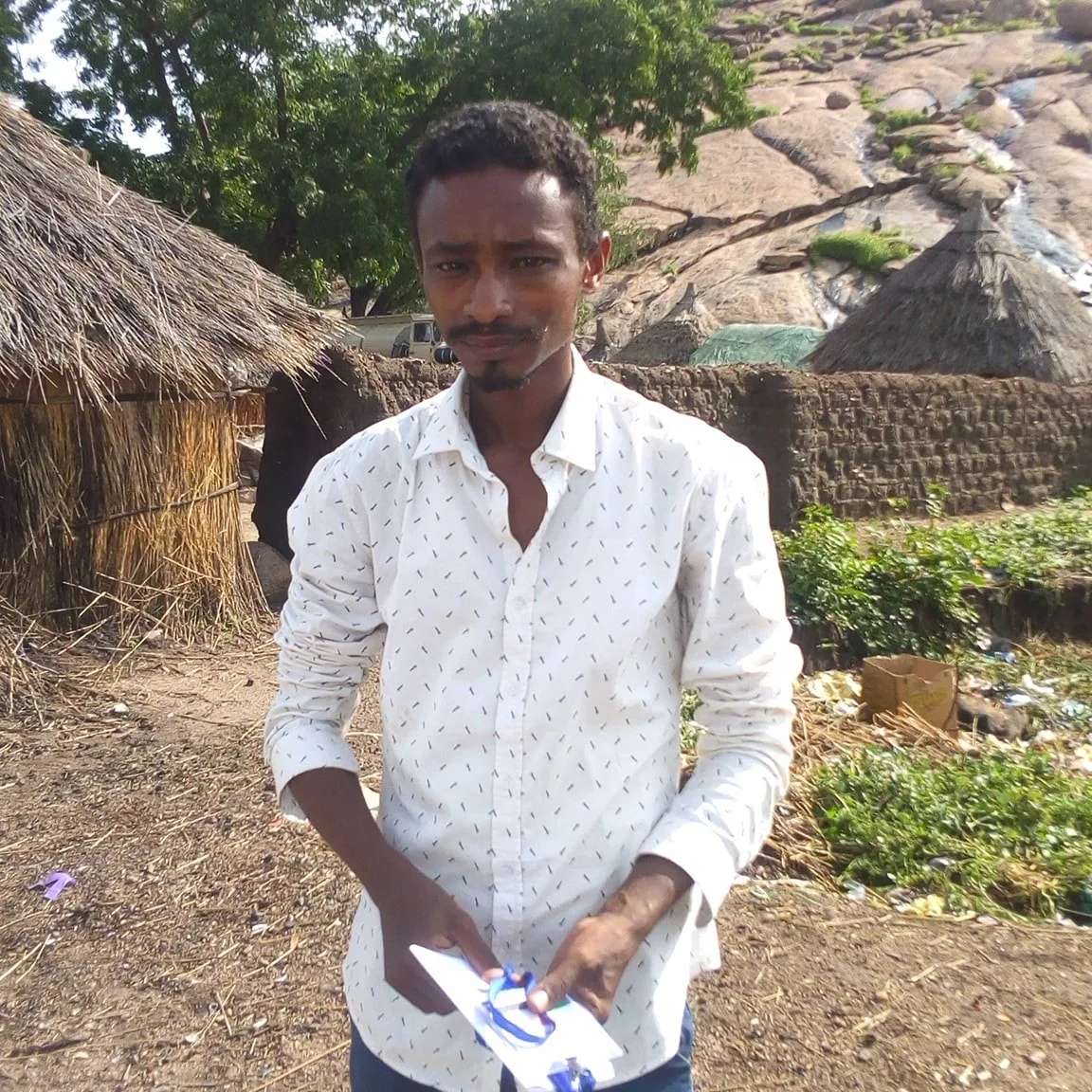
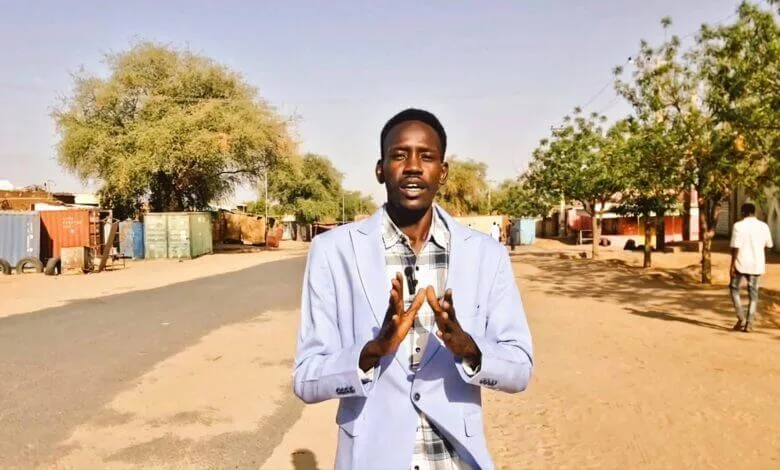
Khalid Ibrahim (a pseudonym), a journalist based in Zalingei, Central Darfur, must constantly change the satellite internet cafés he uses powered by Starlink to avoid detection by members of the Rapid Support Forces (RSF).

Ibrahim says he operates under false identities and avoids carrying equipment that could expose his profession. Instead, he often ventures out with just a pen and paper to conduct interviews with victims of abuses and local community leaders.

Occasionally, he inserts a memory card into the phone of the person he’s interviewing to collect photos, since he cannot risk carrying his own phone due to the RSF’s routine and aggressive phone checks at their checkpoints.

Like many of his colleagues, Ibrahim must rely on stringent personal security measures, chief among them absolute secrecy. In the absence of any institutional protection, and under the RSF’s iron grip on Darfur, even sources are being tracked down and interrogated for communicating with journalists.

Mounting Difficulties

Speaking to Noon Post, Ibrahim said being a journalist in Darfur today demands the ability to remain hidden, move quickly, communicate securely, and build personal relationships with sources. Revealing one’s professional identity, he warned, could lead to enforced disappearance.

He explained that the collapse of state institutions in Darfur including the judiciary has left RSF fighters enforcing their own version of the law. This has severely restricted access to information, pushing many journalists to focus their efforts on exposing human rights violations.

Currently, the RSF controls nearly all of Darfur, except for Tina, Kornoi, and Um Baru on the Chadian border, along with areas held by the Sudan Liberation Movement led by Abdel Wahid Mohamed al-Nur namely Jebel Marra and the locality of Tawila in North Darfur.

The conflict has decimated the region’s infrastructure, particularly communication networks, forcing residents to rely on satellite internet cafés offering Starlink access. These cafés charge by the hour and are often owned by RSF members or their affiliates. They are regularly inspected by RSF fighters, who scour phones for chats, voice messages, and videos.

Dealing Carefully with Sources

Ibrahim explained that he records information as a WhatsApp voice note at home before going to a café to send it to a colleague outside Darfur, who edits and deletes it immediately. Despite the risks, he insists exposing abuses is worth it.

Another journalist, currently based in North Darfur, told Noon Post that journalists face a litany of threats: murder, looting, abduction, intimidation, and arbitrary detention—all tactics used by the RSF and other armed groups.

He shared how an RSF crackdown forced him to be extremely cautious even with civil administration contacts. He cited the case of a tribal leader in Mellit who was arrested after his name appeared in a report first and last names reversed. He was held for hours, interrogated only about the identity of the journalist who had contacted him.

Due to this heavy surveillance in internet cafés, sources are now reluctant to speak out, fearing arrest. Journalists, too, are wary of digital tracking through the phones and apps they use to share stories, especially via public networks that are far from secure.

“Working as a journalist in North Darfur requires constant vigilance,” he added. “You have to avoid public appearances, claim to be in another profession, and sometimes even go undercover while doing your job.” He stressed the need for journalists to upgrade their safety protocols encrypting messages, hiding files inside inconspicuous media, and using stealthy apps.

The RSF detains people simply for having images or videos of the army or its allies on their phones or for posting troop movements on social media.

Powerless to Intervene

Websites like Sudan Tribune, Darfur24, Ayin, and Jabraka News rely on correspondents who operate in a deeply hostile environment. These reporters are the last line of defense against impunity. Some have paid a heavy price, while others remain behind bars.

One illustrative case is that of journalist Muammar Ibrahim, who was arrested in humiliating fashion while leaving El Fasher after the RSF took over the city on October 26, 2025. He was later paraded beside an RSF spokesperson and visibly treated with contempt just a glimpse of the violence journalists face.

Sudan’s state news agency reported the killing of its El Fasher bureau chief, Taj al-Sir Mohamed Suleiman, in his home by RSF fighters. Meanwhile, the Committee to Protect Journalists reported 13 journalists missing and at least three female reporters raped during the recent assault on El Fasher. Muammar remains in RSF custody for referring to them as a “militia” in a post on X.

Sudanese Journalists Syndicate head Abdel Moneim Abu Idris told Noon Post that journalists face such grave threats that merely revealing their profession is a danger, in violation of international humanitarian law. He noted that 33 journalists have been killed in the conflict so far 17 of them in Darfur.

Four remain missing, and two are detained by the RSF. “These roadblocks make it nearly impossible to uncover the truth,” he said.

The Syndicate reached out to the International Committee of the Red Cross to help evacuate journalists and secure the release of detainees, but received no response. The ICRC said it requires approval from both the army and the RSF approval that hasn’t been granted. In the meantime, the Syndicate has launched a solidarity campaign.

With the RSF fragmented into rogue groups operating without centralized command and the absence of any governing authority capable of enforcing decisions the Syndicate is effectively powerless to protect journalists on the ground.

The Last Line

Nyala, now declared the RSF’s capital under its parallel administration, is the most heavily militarized and securitized city in Darfur. One journalist there says he uses a charcoal trading business as cover to continue reporting on human rights violations.

He buys charcoal from displacement camps and villages, bringing it into Nyala. This cover has helped him build a wide network of contacts. However, he warned that even local communities can become hostile if they feel threatened by journalistic exposure.

Despite charcoal trading being profitable, he insists on continuing his work as a journalist. To him, documenting atrocities is a duty a way to ensure the world doesn’t forget the suffering of Darfur’s people amid a culture of impunity.

For 22 years, Darfur has been the epicenter of continuous conflict involving a complex web of actors from rebels to armed factions. This reality has granted perpetrators a shield against justice, especially with the total collapse of law enforcement institutions since the current war erupted.

In response, the RSF has tried to fill the void by establishing its own loyalist police forces and makeshift courts led by tribal elders, who place militia interests above all else.

This makes the work of journalists documenting war crimes and abuses not only dangerous but essential. In many ways, they are the final civilian bulwark standing between truth and oblivion, now that activists and human rights defenders have either fled or been silenced.

Download this article as PDF
Share this Article
Facebook Twitter Whatsapp Whatsapp Telegram Email Copy Link
يوسف بشير
By يوسف بشير صحافي سوداني
Follow:
Previous Article نون بوست Normalization Through Textbooks: How IMPACT-se Advances Israel’s Agenda
Next Article نون بوست Where Do American Muslims Place Their Political Loyalties?

Read More

  • "There Are Nights I Can’t Close My Eyes": How Gazans Are Living in Homes on the Brink of Collapse "There Are Nights I Can’t Close My Eyes": How Gazans Are Living in Homes on the Brink of Collapse
  • From al-Jolani to Ahmad al-Shara: The Evolution of Syria’s New Leader
  • When Political Islam Receded in Egypt: Who Filled the Void?
  • An Extension of Genocide: Gaza’s Detainees Speak Out
  • A Tightrope Between Survival and Sovereignty: The Syrian Government Faces Normalization Pressures
part of the design
NoonPost Weekly Newsletter

You May Also Like

“There Are Nights I Can’t Close My Eyes”: How Gazans Are Living in Homes on the Brink of Collapse

“There Are Nights I Can’t Close My Eyes”: How Gazans Are Living in Homes on the Brink of Collapse

فريق التحرير Noon Post 8 April ,2026
From al-Jolani to Ahmad al-Shara: The Evolution of Syria’s New Leader

From al-Jolani to Ahmad al-Shara: The Evolution of Syria’s New Leader

أحمد سيف النصر Ahmed Seif EL-Nasr 8 April ,2026
When Political Islam Receded in Egypt: Who Filled the Void?

When Political Islam Receded in Egypt: Who Filled the Void?

أحمد عبد الحليم أحمد عبد الحليم 8 April ,2026

معركة السيسي في سيناء هجّرت 3200 عائلة خلال عامين

فريق التحرير
Noon Post Published 22 September ,2015
Share
511f61b0c24a4a4a97d2505216b88e4f

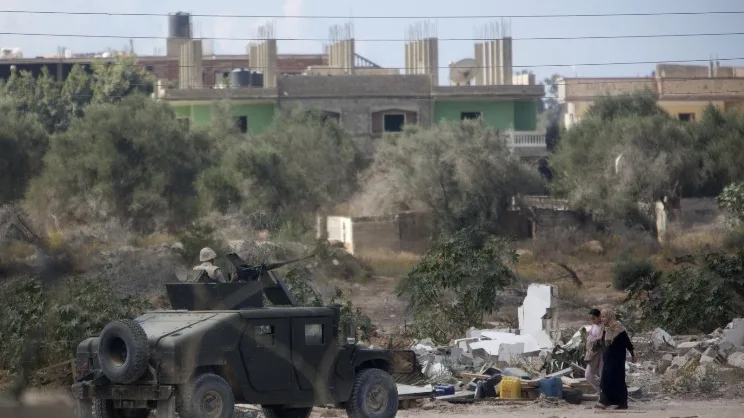
أصدرت منظمة هيومن رايتس ووتش تقريرًا أكدت خلاله أن الجيش المصري انتهك القانون الدولي خلال عملياته الأخيرة في سيناء التي استمرت على مدار العامين الماضيين، وأكدت المنظمة أن عمليات الجيش أسفرت عن تهديم جماعي وإخلاء قسري لمنازل نحو 3200 عائلة، وأوضحت المنظمة أن الجيش المصري خرق بتلك العمليات العسكرية اتفاقيات أممية وإقليمية دخلت طرفًا فيها مسبقًا، وقالت ربما تكون السلطات في مصر قد انتهكت قوانين الحرب أيضًا من خلال انعدام التناسب في تدمير آلاف المنازل.

التقرير الذي حمل عنوان “تهجير الآلاف في عمليات الهدم في سيناء” تحدث عن ترك العائلات الحدودية في شبه جزيرة سيناء لتدبير أمورهم بأنفسهم أثناء النزاع مع ما وصفهم التقرير بـ”المتمردين” في إشارة إلى مسلحي تنظيم ولاية سيناء، كما شرح التقرير إخفاق الحكومة في إعالة السكان على النحو اللائق أثناء عمليات الإخلاء وما تلاها في شمال سيناء، وذكر التقرير: “أنه منذ يوليو 2013، وبدعوى القضاء على تهديد أنفاق التهريب، قام الجيش تعسفيًا بهدم آلاف المنازل في منطقة مأهولة بالسكان لإنشاء منطقة عازلة على الحدود مع قطاع غزة، ، فدمر أحياءً بأكملها ومئات الأفدنة من الأراضي الزراعية”.

المنظمة الدولية المعنية بالدفاع عن حقوق الإنسان اعتمدت في تقريرها على مقابلات أجرتها مع نحو 11 عائلة من التي تم إخلاؤها في المنطقة العازلة، كما اعتمد على شهادات صحفيين ونشطاء كانوا يعملون ميدانيًا في سيناء، وأوضحت المنظمة أنها حللت عشرات من مقاطع الفيديو التي صورت عمليات الإخلاء، وأكثر من 50 صورة التقطتها أقمار صناعية فوق المنطقة العازلة بين مارس 2013 وأغسطس 2015، وقالت إنها استخلصت النتائج في تقرير حمل عنوان”ابحثوا عن وطن آخر”.

حيث أثبتت المنظمة أن السلطات المصرية قدمت للسكان النزر اليسير أو لا شيء على الإطلاق على سبيل الإنذار بالإخلاء، ولم توفر لهم سكنًا مؤقتًا، وعن التعويضات كانت غالبًا غير كافية بما يُكافئ المنازل المدمرة، أما الأراضي الزراعية فلم تعوضهم الحكومة المصرية عنها على الإطلاق،  كما أثبتت الوقائع أنه لا يوجد أي سُبل فعالة للطعن على قرارات الإخلاء أو تهديم المنازل أو مبالغ التعويض تلك، وهو ما يعتبر انتهاكًا لتدابير الحماية المتاحة للسكان الذين يتم إخلاؤهم قسرًا الواردة في القانون الدولي.

يُذكرأن السلطات المصرية دأبت على معاملة شمال سيناء كمنطقة عسكرية مغلقة منذ فترة طويلة، حيث منعت الوصول إليها من جانب الصحفيين والمراقبين الحقوقيين، وذلك منذ الأحداث السياسية في مطلع يوليو عام  2013، عقب انقلاب الجيش على الرئيس السابق محمد مرسي، على حد وصف المنظمة، التي استند تقريرها على صور الأقمار الصناعية لتثبت بدء الجيش عمليات الهدم في تلك الفترة، أي قبل أكثر من عام من إصدار الحكومة المصرية للقرار الرسمي المنشئ للمنطقة العازلة الذي أعلن عن بدء عمليات الإخلاء والتهجير تلك.

انضوى كذلك خلال التقرير تأكيدات المنظمة على تدمير الجيش جميع المباني والأراضي الزراعية تقريبًا في نطاق حوالي كيلومتر واحد من الحدود، باستخدام المتفجرات غير المحكومة ومعدات الحفر، بالإضافة إلى تدميره لعشرات المباني على مسافة تزيد عن كيلومتر من الحدود، وإعلان الجيش نيته الاستمرار في عمليات التهديم.

تم تفنيد مزاعم السلطات المصرية في أن القضاء على الأنفاق بين مصر وغزة يكمن في تهجير أهالي سيناء على المنطقة الحدودية، إذ إن الخطة الرسمية المصرية تنطوي على على إخلاء نحو 79 كيلومترًا مربعًا على حدود غزة، تشمل مدينة رفح بأكملها التي يسكنها نحو 78 ألف نسمة.

النظام المصري كذلك يدعي أن مسلحي تنظيم ولاية سيناء يستخدمون هذه الأنفاق لتلقي السلاح والمقاتلين والدعم اللوجيستي من غزة، وهو مبرر آخر للتهجير القسري للأهالي، في حين تطالب المنظمات الحقوقية المحلية والدولية النظام المصري بتقديم أدلة على مثل تلك الادعاءات، وهنا استعانت منظمة هيومن رايتس ووتش بتصريحات رسمية صدرت عن مسؤولين مصريين وإسرائيليين تؤكد أن المسلحين في سيناء حصلوا على أسلحتهم من ليبيا في المقام الأول ثم من معدات الجيش المصري في القمام الثاني، كما أن هذه الأسلحة يتم تهريبها إلى غزة من سيناء وليس العكس.

وفي هذا أرسلت المنظمة العديد من الخطابات إلى عدد من هيئات الحكومة المصرية منذ يوليو 2015، بما فيها مؤسسة الرئاسة ووزارة الخارجية، تتعلق باستفسارات حول المنطقة العازلة والخطوات التي اتخذتها مصر لحماية حقوق السكان الذين تم إخلاؤهم، في حين لم ترد السلطات المصرية على أي من تلك الاستفسارات.

لم  يسمح النظام المصري بأي إشراف خارجي على تلك العمليات التي تتم تحت بند “مكافحة الإرهاب” سواء في سيناء أو غيرها، كما لا يسمح الجيش المصري بنشر معلومات عن تلك العمليات إلا من خلاله، وتهدد السلطات الصحفيين الذين يغطونها بعقوبات شتى، آخرها إحدى مواد قانون الإرهاب الذي صدر في أغسطس الماضي ونص على غرامة تصل إلى 500 ألف جنيه مصري ما يُعادل (64 ألف دولار أمريكي) بالإضافة إلى المنع من العمل لمدة سنة كاملة، كعقوبة لمن ينشر معلومات عن الإرهاب تخالف البيانات الحكومية.

يُذكر أنه منذ شهر يوليو 2013 قُتل أكثر من 3600 شخص طبقًا لتقارير حقوقية، من بينهم مدنيين ومسلحين وأفراد من قوات الأمن خلال العمليات العسكرية في سيناء، استندت هذه الأرقام على تقارير إعلامية وبيانات حكومية، لأن المنظمات الحقوقية أبدت عجزها عن التحقق المستقل بشأن تلك الأرقام، في حين يتهم أهالي سيناء السلطات المصرية في أكثر من مرة بتحريف الإحصائيات الرسمية الناتجة عن عمليات الجيش.

TAGGED: أهالي سيناء ، الحدود مع قطاع غزة ، الحرب على الإرهاب ، تنظيم ولاية سيناء ، تهجير قسري
Download this article as PDF
Share this Article
Facebook Twitter Whatsapp Whatsapp Telegram Email Copy Link
فريق التحرير
By فريق التحرير تقارير يعدها فريق تحرير نون بوست.
Follow:
Next Article نون بوست The Stigma of “ISIS”: A Heavy Legacy Haunting Women and Children of Former Members

Read More

  • U.S. Regime‑Change Policies: Why They Are Destined to Fail U.S. Regime‑Change Policies: Why They Are Destined to Fail
  • The Gulf’s Balancing Act: Iran, Israel, and Hidden Links
  • Iraq–Turkey Oil Export Treaty: Why Did Ankara Cancel It After 52 Years?
  • Syria’s Northeast on Edge: QSD Between Ankara and Damascus
  • Has Europe Changed Its Stance on Israel… or Just Its Language?
part of the design
NoonPost Weekly Newsletter

You May Also Like

U.S. Regime‑Change Policies: Why They Are Destined to Fail

U.S. Regime‑Change Policies: Why They Are Destined to Fail

إسراء سيد Esraa sayed 8 April ,2026
The Gulf’s Balancing Act: Iran, Israel, and Hidden Links

The Gulf’s Balancing Act: Iran, Israel, and Hidden Links

فريق التحرير Noon Post 8 April ,2026
Iraq–Turkey Oil Export Treaty: Why Did Ankara Cancel It After 52 Years?

Iraq–Turkey Oil Export Treaty: Why Did Ankara Cancel It After 52 Years?

فريق التحرير Noon Post 8 April ,2026
dark

An independent media platform founded in 2013, rooted in slow journalism, producing in-depth reports, analysis, and multimedia content to offer deeper perspectives on the news, led by a diverse young team from several Arab countries.

  • Politics
  • Society
  • Rights & Liberties
  • Opinions
  • History
  • Sports
  • Education
  • Technology
  • Economy
  • Media
  • Arts & Literature
  • Entrepreneurship
  • Travel
  • Cinema & Drama
  • Food
  • Health
  • Culture
  • Latest Reports
  • Files
  • Long Reads
  • Interviews
  • Podcast
  • Interactive
  • Encyclopedia
  • In Pictures
  • About Us
  • Our Writers
  • Write for Us
  • Editorial Policy
  • Advanced Search
Some rights reserved under a Creative Commons license

Removed from favorites

Undo
Go to mobile version