NoonPost NoonPost

NoonPost

  • Home
  • Politics
  • Economy
  • Society
  • Culture
  • Files
  • Long Reads
  • Podcast
AR
Notification Show More
نون بوست
“There Are Nights I Can’t Close My Eyes”: How Gazans Are Living in Homes on the Brink of Collapse
نون بوست
From al-Jolani to Ahmad al-Shara: The Evolution of Syria’s New Leader
نون بوست
When Political Islam Receded in Egypt: Who Filled the Void?
نون بوست
An Extension of Genocide: Gaza’s Detainees Speak Out
نون بوست
A Tightrope Between Survival and Sovereignty: The Syrian Government Faces Normalization Pressures
نون بوست
American Aircraft Carriers: Has the Era of “100,000 Tons of Diplomacy” Ended?
نون بوست
U.S. Regime‑Change Policies: Why They Are Destined to Fail
نون بوست
Transformations of Israeli Judaism: Between the Victim Complex and the Colonizer’s Doctrine
نون بوست
The Gulf’s Balancing Act: Iran, Israel, and Hidden Links
نون بوست
Iraq–Turkey Oil Export Treaty: Why Did Ankara Cancel It After 52 Years?
نون بوست
Syria’s Northeast on Edge: QSD Between Ankara and Damascus
نون بوست
Has Europe Changed Its Stance on Israel… or Just Its Language?
NoonPost NoonPost
AR
Notification Show More
نون بوست
“There Are Nights I Can’t Close My Eyes”: How Gazans Are Living in Homes on the Brink of Collapse
نون بوست
From al-Jolani to Ahmad al-Shara: The Evolution of Syria’s New Leader
نون بوست
When Political Islam Receded in Egypt: Who Filled the Void?
نون بوست
An Extension of Genocide: Gaza’s Detainees Speak Out
نون بوست
A Tightrope Between Survival and Sovereignty: The Syrian Government Faces Normalization Pressures
نون بوست
American Aircraft Carriers: Has the Era of “100,000 Tons of Diplomacy” Ended?
نون بوست
U.S. Regime‑Change Policies: Why They Are Destined to Fail
نون بوست
Transformations of Israeli Judaism: Between the Victim Complex and the Colonizer’s Doctrine
نون بوست
The Gulf’s Balancing Act: Iran, Israel, and Hidden Links
نون بوست
Iraq–Turkey Oil Export Treaty: Why Did Ankara Cancel It After 52 Years?
نون بوست
Syria’s Northeast on Edge: QSD Between Ankara and Damascus
نون بوست
Has Europe Changed Its Stance on Israel… or Just Its Language?
Follow US

“Green Rafah”: Israel’s Plan to Isolate Palestinians and Cement Its Hold on Gaza

فريق التحرير
Noon Post Published 26 March ,2026
Share
نون بوست
نون بوست

For the past two years of its war on Gaza, Israel has consistently invoked the name of Rafah a city in the southern Gaza Strip in both military and political discourse. Sometimes it is labeled a Hamas stronghold, other times it is cited in relation to alleged cross-border tunnels into Egypt, or referenced for its strategic geographic location.

But in late November 2025, Rafah reemerged in Israeli media coverage, this time in the context of a proposed isolated housing project with a carefully chosen, seemingly benign name: “Green Rafah.” Behind the euphemism, however, lies a scheme with distinct political and military objectives.

This development has prompted pressing questions: What is the nature of this project? What are Israel’s goals? Who is being targeted? And how might this plan affect the lives and movement of Palestinians in Gaza? This report seeks to explore those issues.

Key Details

Who is behind the project?
The brainchild of Israeli Strategic Affairs Minister Ron Dermer—a close ally of Prime Minister Benjamin Netanyahu—“Green Rafah” was conceived shortly before Dermer’s resignation in November 2025, according to i24NEWS Knesset correspondent Amiel Yerhi. During a cabinet meeting, Dermer reportedly stated that if Hamas would not disarm voluntarily, Israel would “build a new Gaza on the Israeli side and re-educate its people.”

Why the name?

The name “Green Rafah” is a calculated attempt to mask military intentions under a humanitarian and environmental veneer, making the project easier to promote internationally. At first glance, the term evokes natural imagery life, growth, and sustainability serving as a linguistic counterweight to the widespread destruction left by the war. It is a far more marketable label than its operational reality: a “military buffer zone.”

Why now?

The proposal emerges at a pivotal moment just before the anticipated second phase of a ceasefire agreement. That phase includes a full Israeli withdrawal from the “yellow line” zone, reopening of border crossings, unrestricted delivery of aid, the establishment of an internationally overseen transitional civil authority in Gaza, and deployment of a multinational stabilization force to replace Israeli troops.

Israel is seeking to obstruct this transition and consolidate its control over more than half of Gaza’s territory.

Who is the project targeting?

According to i24NEWS, “Green Rafah” would house civilians from Gaza who are not affiliated with Hamas or other resistance factions. Entry would be contingent upon security clearance, effectively branding the project as a safe haven for Palestinians who accept Israel’s conditions and reject Hamas’ authority.

Location and Boundaries

The proposed site lies east of Rafah, along the 14-kilometer Philadelphi Corridor on the Egypt-Gaza border. The project would occupy a 100-meter-wide strip within the so-called “yellow line” area, which constitutes 53% of Gaza’s territory and remains under Israeli military control as per the temporary ceasefire map.

Israel’s Objectives

Israel’s strategic goals for the project fall into three main categories:

  • Security: To entrench permanent control over the Philadelphi Corridor by creating a southern security buffer that cuts Gaza off from Egypt and blocks arms smuggling or resistance activity.

  • Political: To gradually shift Palestinian loyalties by creating a model enclave offering “ideal” living conditions an implicit incentive to abandon resistance.

  • Strategic: To maintain the geographic and political separation between Gaza and the West Bank, thereby preventing the establishment of a unified Palestinian state.

Governance and Control

Although the original American plan envisions a multinational stabilization force overseeing Gaza’s “safe zone,” Israel vehemently opposes the presence of any international troops or the handover of administrative authority to a Palestinian civil body at this stage.

No local or international entity has so far expressed willingness to administer “Green Rafah.” For now, Israeli forces remain in full control of the proposed zone, overseeing all groundwork and construction efforts.

Implications for Gaza’s Residents

According to aid workers, diplomats, and analysts cited by Reuters and The Guardian, the project carries severe ramifications:

  • It constitutes a form of forced resettlement within occupied territory, with far-reaching demographic and humanitarian consequences.

  • It may turn eastern Rafah into an isolated enclave within Gaza, with tightly controlled access subject to Israeli military procedures.

  • It formalizes a new reality where Gaza is carved into zones: some “conditionally livable,” others devastated and uninhabitable.

  • The sharp contrast in conditions could compel thousands of Palestinians to relocate in search of minimal security and services.

  • It may serve as the first step toward redrawing Gaza’s population map emptying certain areas and concentrating residents elsewhere.

  • There are growing concerns that displaced Rafah residents will be permanently barred from returning to their original neighborhoods.

  • The project raises fears that humanitarian aid will be weaponized as a tool for military and security control conditional on compliance.

Construction Status

Israeli media outlets including Channel 15, Kan News, and Yedioth Ahronoth have reported increasing American pressure on Israel to prepare for the next phase of the Trump-era regional plan, especially after the release of all living Israeli hostages, with only two bodies remaining out of the original 28.

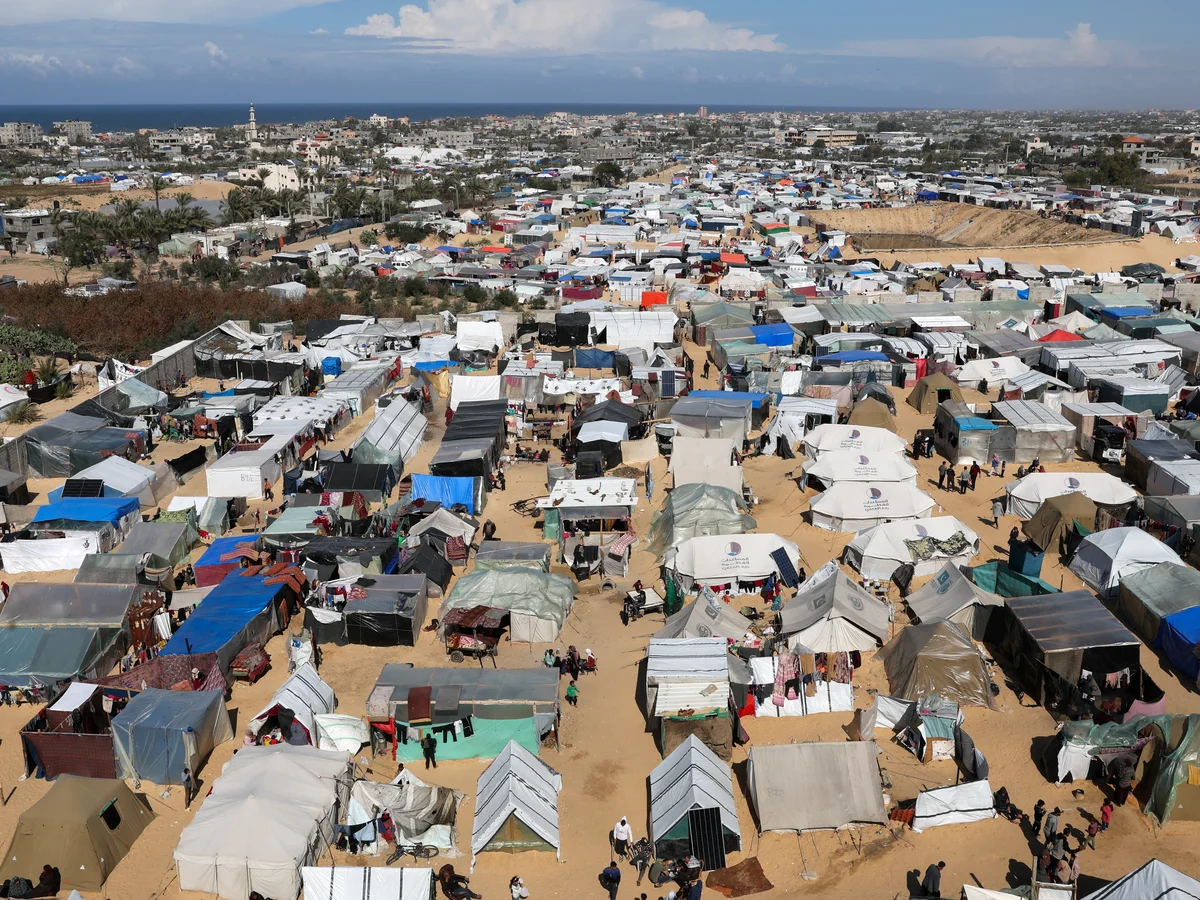
Israeli forces have begun clearing rubble and moving heavy engineering equipment into eastern Rafah, with construction expected to begin in early December 2025. Initial efforts are focused on preparing an uninhabited, war-cleared area for the establishment of the buffer zone.

Post-Implementation Scenarios

If the project moves forward, several possible outcomes have been identified:

  • Scenario One: “Green Rafah” becomes a permanent buffer zone under direct Israeli military administration—similar to Israel’s occupation of southern Lebanon before 2000. Success hinges on the army’s ability to prevent long-term security breaches, something Israeli analysts warn would be costly and complex in Gaza’s environment.

  • Scenario Two: The model is expanded to other areas of Gaza, creating a network of “Hamas-free zones” while keeping the rest of the Strip under blockade. The Washington Post notes this approach aligns with US ideas of “selective reconstruction.”

  • Scenario Three: The project stalls or partially collapses due to local resistance, international pressure, or the high financial and humanitarian costs. Notably, Israeli Defense Minister Yoav Gallant proposed a similar idea in July 2025 to build a new city atop the ruins of Rafah, but Netanyahu reportedly demanded a “cheaper, faster plan.” Yedioth Ahronoth reported at the time that the cost of such a project could range from $2.7 to $4 billion.

Download this article as PDF
Share this Article
Facebook Twitter Whatsapp Whatsapp Telegram Email Copy Link
فريق التحرير
By فريق التحرير تقارير يعدها فريق تحرير نون بوست.
Follow:
Previous Article نون بوست Where Do American Muslims Place Their Political Loyalties?
Next Article نون بوست CRIF: The Israeli Voice Shaping French Politics

Read More

  • U.S. Regime‑Change Policies: Why They Are Destined to Fail U.S. Regime‑Change Policies: Why They Are Destined to Fail
  • The Gulf’s Balancing Act: Iran, Israel, and Hidden Links
  • Iraq–Turkey Oil Export Treaty: Why Did Ankara Cancel It After 52 Years?
  • Syria’s Northeast on Edge: QSD Between Ankara and Damascus
  • Has Europe Changed Its Stance on Israel… or Just Its Language?
part of the design
NoonPost Weekly Newsletter

You May Also Like

U.S. Regime‑Change Policies: Why They Are Destined to Fail

U.S. Regime‑Change Policies: Why They Are Destined to Fail

إسراء سيد Esraa sayed 8 April ,2026
The Gulf’s Balancing Act: Iran, Israel, and Hidden Links

The Gulf’s Balancing Act: Iran, Israel, and Hidden Links

فريق التحرير Noon Post 8 April ,2026
Iraq–Turkey Oil Export Treaty: Why Did Ankara Cancel It After 52 Years?

Iraq–Turkey Oil Export Treaty: Why Did Ankara Cancel It After 52 Years?

فريق التحرير Noon Post 8 April ,2026

بيت لحم مهد المسيح ومهد الانتفاضة

فايز أبو شمالة
فايز أبو شمالة Published 23 September ,2015
Share
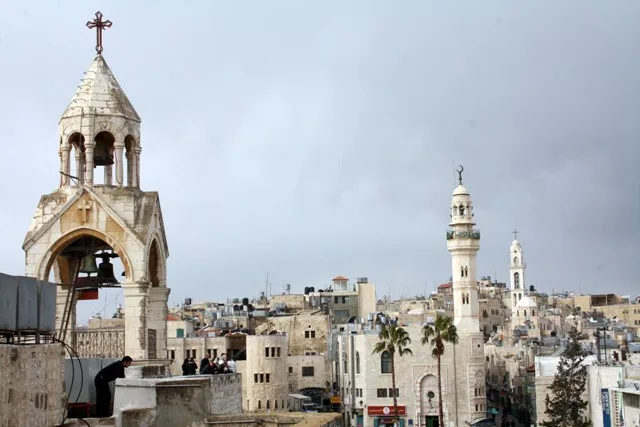
bethlehem-church-and-mosque

قبل ألفي عام خص الله مدينة بيت لحم بالبركة، فاحتضنت ميلاد المسيح، واليوم يخصها الله بالبركة ثانية؛ لتكون حاضنة الانتفاضة الفلسطينية ضد الصهاينة، وضد عناصر الأجهزة الأمنية، الذين أظهروا وحشية وقسوة في قمع الشباب الرافض لتهويد القدس، بشكل لا يختلف عن العدوانية التي شهدها المواطن الفلسطيني على يد الجيش الإسرائيلي، وفي هذا القمع إشارة إلى انعدام الفرق بين الجيش الإسرائيلي الذي قتل الطفل الكسبة في القدس وبين المستوطنين الذين أحرقوا الطفل الدبابشة في دوما، وبين عناصر الأجهزة الأمنية الفلسطينية الذين كسروا عظام الطفل “الحمامرة” في بيت لحم، ولا سيما أن الهدف الذي من أجله تم الاعتداء على الأطفال الثلاثة هو كسر شوكة الشعب الفلسطيني، ومنعه من الدفاع عن وطنه ومقدساته حفاظًا على أمن المستوطنين.

ومن المفارقات المثيرة للانتباه أن السبب الذي من أجله تم الاعتداء على أطفال الضفة الغربية الثلاثة؛ هو صدق وطنيتهم، وحبهم للقدس، وخروج الطفل الكسبة قتيل الصهاينة، والطفل الحمامرة قتيل الأجهزة الأمنية، في مسيرات تضامنية ضد تهويد المدينة المقدسة.

حين يتوحد السبب ويتوحد الهدف تذوب المسافة الفاصلة بين الأمن الفلسطيني والأمن الإسرائيلي، وهذا ما حرض شباب بيت لحم على محاصرة مقرات الأجهزة الأمنية، ورجمها بالحجارة والزجاجات الحارقة، وعدم الاقتناع بمسرحية الإقالة لبعض القيادات والحبس لبعض العناصر؛ لأن الحس الوطني لدى شباب بيت لحم يدلل على أن الذي يجري في الضفة الغربية هو انتفاضة ضد كل أعداء الشعب الفلسطيني، انتفاضة تعبر عن حجم الحقد والاحتقان في قلوب شباب فلسطين ضد سياسة عباس بشكل عام، وضد ممارسات أجهزته الأمنية.

لقد فاجأت انتفاضة شباب بيت لحم الفصائل الفلسطينية نفسها، والتي كانت قد التقت مع بعضها قبل يوم، واتفقت فيما بينها على التهدئة وتطبيب الخواطر، ولكن مواصلة الانتفاضة لليوم الثاني قد جاءت لتؤكد أن الذي يجري في شوارع الضفة الغربية لم يعد محكومًا للتنظيمات الفلسطينية، وإنما الذي يجري هو رد فعل شعبي على مجمل السياسة الفلسطينية، وعلى مجمل الحالة الأمنية التي تعمل ضد مصالح السواد الأعظم من الفلسطينيين.

انتفاضة بيت لحم لا يمكن فصلها عن انتفاضة جنين قبل أيام، حين تمرد أهل جنين وشبابها على الأجهزة الأمنية وأمطروهم بالغضب الفلسطيني اللاهب، وهذا كله لا يبتعد كثيرًا عن غضب أهل نابلس، ومواجهتهم للأجهزة الأمنية في مخيم بلاطة في تاريخ 25/ 5 من هذا العام، وكل ذلك لا يبتعد عن أحداث مخيم قلنديا، ومن قبل ذلك مسيرات مدينة رام الله الرافضة للتنسيق الأمني، ومن قبلها مظاهرات مدينة الخليل.

إن ما يميز انتفاضة بيت لحم عن بقية مدن الضفة الغربية هو مهاجمة مقرات الأجهزة الأمنية الفلسطينية وكأنها مقرات معادية، بعد أن تم محاصرتها بالهتاف الذي يتهم عباس بالخيانة والعمالة لأمريكا ويطالبه بالرحيل، وربما يكون هذا الهتاف الوطني هو السبب الذي دفع بعض قادة السلطة للقول “إن ما جرى في بيت لحم عمل إسرائيلي يهدف إلى التشويش على القنبلة التي سيلقيها الرئيس في الأمم المتحدة”.

ونسي المسؤول أن هذا المنطق المنحرف قد سخر منه أطفال فلسطين، وهم يدركون أن إسرائيل لن تطفئ نور عينيها، وأن إسرائيل لن تكسر العصا التي تتوكأ عليها في مدن الضفة الغربية وتهش فيها على أحلام الشعب الفلسطيني.

انتفاضة بيت لحم ستتواصل، وستنتشر، وستمتد إلى كل مدن وقرى ومخيمات الضفة الغربية، لأنها تؤكد أن الفلسطيني الجديد الذي أراده الجنرال “دايتون” قد مات، وداست على عنقه المقاومة، التي أنجبت الفلسطيني الحر الجديد، الفلسطيني الرافض للمذلة، والذي تأسس على معاداة التنسيق الأمني، إنه الفلسطيني الذي يحلم بفلسطين الحرة العربية الكريمة التي ستلفظ من تاريخها كل خائن، فلسطين التي يصطف فيها أبناء حركة فتح مع إخوانهم أبناء حركة حماس في خندق واحد ضد العدو الإسرائيلي.

TAGGED: الأجهزة الأمنية الفلسطينية ، الأراضي الفلسطينية ، الاحتلال الاسرائيلي ، بيت لحم ، حركة حماس
Download this article as PDF
Share this Article
Facebook Twitter Whatsapp Whatsapp Telegram Email Copy Link
فايز أبو شمالة
By فايز أبو شمالة كاتب وباحث فلسطيني
Follow:
Next Article نون بوست The Stigma of “ISIS”: A Heavy Legacy Haunting Women and Children of Former Members

Read More

  • U.S. Regime‑Change Policies: Why They Are Destined to Fail U.S. Regime‑Change Policies: Why They Are Destined to Fail
  • The Gulf’s Balancing Act: Iran, Israel, and Hidden Links
  • Iraq–Turkey Oil Export Treaty: Why Did Ankara Cancel It After 52 Years?
  • Syria’s Northeast on Edge: QSD Between Ankara and Damascus
  • Has Europe Changed Its Stance on Israel… or Just Its Language?
part of the design
NoonPost Weekly Newsletter

You May Also Like

U.S. Regime‑Change Policies: Why They Are Destined to Fail

U.S. Regime‑Change Policies: Why They Are Destined to Fail

إسراء سيد Esraa sayed 8 April ,2026
The Gulf’s Balancing Act: Iran, Israel, and Hidden Links

The Gulf’s Balancing Act: Iran, Israel, and Hidden Links

فريق التحرير Noon Post 8 April ,2026
Iraq–Turkey Oil Export Treaty: Why Did Ankara Cancel It After 52 Years?

Iraq–Turkey Oil Export Treaty: Why Did Ankara Cancel It After 52 Years?

فريق التحرير Noon Post 8 April ,2026
dark

An independent media platform founded in 2013, rooted in slow journalism, producing in-depth reports, analysis, and multimedia content to offer deeper perspectives on the news, led by a diverse young team from several Arab countries.

  • Politics
  • Society
  • Rights & Liberties
  • Opinions
  • History
  • Sports
  • Education
  • Technology
  • Economy
  • Media
  • Arts & Literature
  • Entrepreneurship
  • Travel
  • Cinema & Drama
  • Food
  • Health
  • Culture
  • Latest Reports
  • Files
  • Long Reads
  • Interviews
  • Podcast
  • Interactive
  • Encyclopedia
  • In Pictures
  • About Us
  • Our Writers
  • Write for Us
  • Editorial Policy
  • Advanced Search
Some rights reserved under a Creative Commons license

Removed from favorites

Undo
Go to mobile version