NoonPost NoonPost

NoonPost

  • Home
  • Politics
  • Economy
  • Society
  • Culture
  • Files
  • Long Reads
  • Podcast
AR
Notification Show More
نون بوست
“There Are Nights I Can’t Close My Eyes”: How Gazans Are Living in Homes on the Brink of Collapse
نون بوست
From al-Jolani to Ahmad al-Shara: The Evolution of Syria’s New Leader
نون بوست
When Political Islam Receded in Egypt: Who Filled the Void?
نون بوست
An Extension of Genocide: Gaza’s Detainees Speak Out
نون بوست
A Tightrope Between Survival and Sovereignty: The Syrian Government Faces Normalization Pressures
نون بوست
American Aircraft Carriers: Has the Era of “100,000 Tons of Diplomacy” Ended?
نون بوست
U.S. Regime‑Change Policies: Why They Are Destined to Fail
نون بوست
Transformations of Israeli Judaism: Between the Victim Complex and the Colonizer’s Doctrine
نون بوست
The Gulf’s Balancing Act: Iran, Israel, and Hidden Links
نون بوست
Iraq–Turkey Oil Export Treaty: Why Did Ankara Cancel It After 52 Years?
نون بوست
Syria’s Northeast on Edge: QSD Between Ankara and Damascus
نون بوست
Has Europe Changed Its Stance on Israel… or Just Its Language?
NoonPost NoonPost
AR
Notification Show More
نون بوست
“There Are Nights I Can’t Close My Eyes”: How Gazans Are Living in Homes on the Brink of Collapse
نون بوست
From al-Jolani to Ahmad al-Shara: The Evolution of Syria’s New Leader
نون بوست
When Political Islam Receded in Egypt: Who Filled the Void?
نون بوست
An Extension of Genocide: Gaza’s Detainees Speak Out
نون بوست
A Tightrope Between Survival and Sovereignty: The Syrian Government Faces Normalization Pressures
نون بوست
American Aircraft Carriers: Has the Era of “100,000 Tons of Diplomacy” Ended?
نون بوست
U.S. Regime‑Change Policies: Why They Are Destined to Fail
نون بوست
Transformations of Israeli Judaism: Between the Victim Complex and the Colonizer’s Doctrine
نون بوست
The Gulf’s Balancing Act: Iran, Israel, and Hidden Links
نون بوست
Iraq–Turkey Oil Export Treaty: Why Did Ankara Cancel It After 52 Years?
نون بوست
Syria’s Northeast on Edge: QSD Between Ankara and Damascus
نون بوست
Has Europe Changed Its Stance on Israel… or Just Its Language?
Follow US

CRIF: The Israeli Voice Shaping French Politics

عماد عنان
Emad Anan Published 26 March ,2026
Share
نون بوست
نون بوست

Despite France’s diplomatic rhetoric which at times adopts a humanitarian and moral tone in response to Israeli violations against Palestinians the country’s practical stance remains unwavering in its support for Israel as a political and security partner in the Middle East.

This support endures even during times of war and escalation, exposing a stark contradiction between symbolic posturing and actual policy.

This contradiction reflects the deep-rooted influence of a complex Zionist network entrenched in French politics, media, and economy. These networks command financial resources and shape public opinion, anchoring French foreign policy in alignment with Israeli interests through an accumulated legacy of influence.

At the heart of this network stands the Representative Council of Jewish Institutions in France (CRIF), a key player in political lobbying. CRIF exercises systematic pressure on French decision-makers and plays a critical role in shaping state positions on Israel and the broader Middle East.

It has thus become a central instrument in steering public discourse and French policy in the region, raising pressing questions about its power, the state’s interaction with lobbying organizations, and the extent of their influence on strategic decisions.

How large is the Jewish community in France?

France is home to the third-largest Jewish population in the world after the United States and Israel, with estimates ranging between 480,000 and 550,000 people. This presence has historical roots dating back to the French Revolution and expanded through successive waves of immigration, particularly during and after the World Wars.

Over time, Jews have become highly influential in cultural, economic, academic, and research institutions, granting the community considerable weight in French societal and political structures.

The power of the Zionist lobby in France is built on an intricate network of interlinked entities. Chief among them is CRIF, the most influential conduit for political and media discourse. Alongside it operates the Union of Jewish Students of France (UEJF), a powerful force on university campuses.

Other, more hardline groups include Betar and the Jewish Defense League. Together, these organizations form a robust lobbying apparatus that helps steer French positions on Israel and Middle Eastern affairs.

When was the Israeli lobby in France established?

CRIF was established in 1944, emerging from the General Jewish Defense Committee formed clandestinely in July 1943 during the Nazi occupation of France. Initially tasked with rescuing and protecting fleeing Jews, CRIF gradually evolved into one of the principal organizational frameworks of the Jewish community.

Today, it claims around 100,000 members and is affiliated internationally with the World Jewish Congress, a staunch supporter of Zionism. It encompasses a wide spectrum of activists and organizations, from traditionalist groups to the most hardline defenders of Israel and its policies.

In political and academic circles, CRIF is regarded as one of the strongest arms of the pro-Israel lobby in France often described as “Israel’s second voice” or “Tel Aviv’s outpost in French politics.”

Since the 1980s, it has consolidated its dominance over Jewish institutional life, merging the roles of community representation with direct political lobbying, aggressively advocating for Israeli narratives on the French stage.

Many researchers consider CRIF the cornerstone of the Zionist lobby in France, its political stances closely aligned with those of Israel’s right-wing governments particularly during the Netanyahu era. In times of crisis and war, CRIF intensifies its activity, effectively becoming a parallel channel to the Israeli embassy in Paris. It promotes identical messages and shapes public discourse to favor Israeli interests.

What are its sources of funding?

There is little documented or transparent information about CRIF’s funding sources. A clear lack of financial transparency persists. However, it is known that the organization receives financial backing from a range of sources, both domestic and international, including Jewish individuals, French donors, and supporters of Israel and Zionism worldwide.

Funding comes in the form of direct donations and grants from Jewish individuals and organizations in France, supporting CRIF’s programs or allied associations. It also benefits from contributions by Jewish businesses and economic institutions on both local and global scales, including donations from business figures who enhance the council’s influence.

CRIF’s high-profile events especially its annual dinner are major fundraising opportunities and are central to its annual agenda.

It is also believed that CRIF may receive implicit or explicit support from foreign pro-Israel institutions, although concrete documentation is lacking. This reflects the complex nature of its financial network, which underpins CRIF’s ability to exert significant political and media influence in France and beyond.

The Annual Dinner

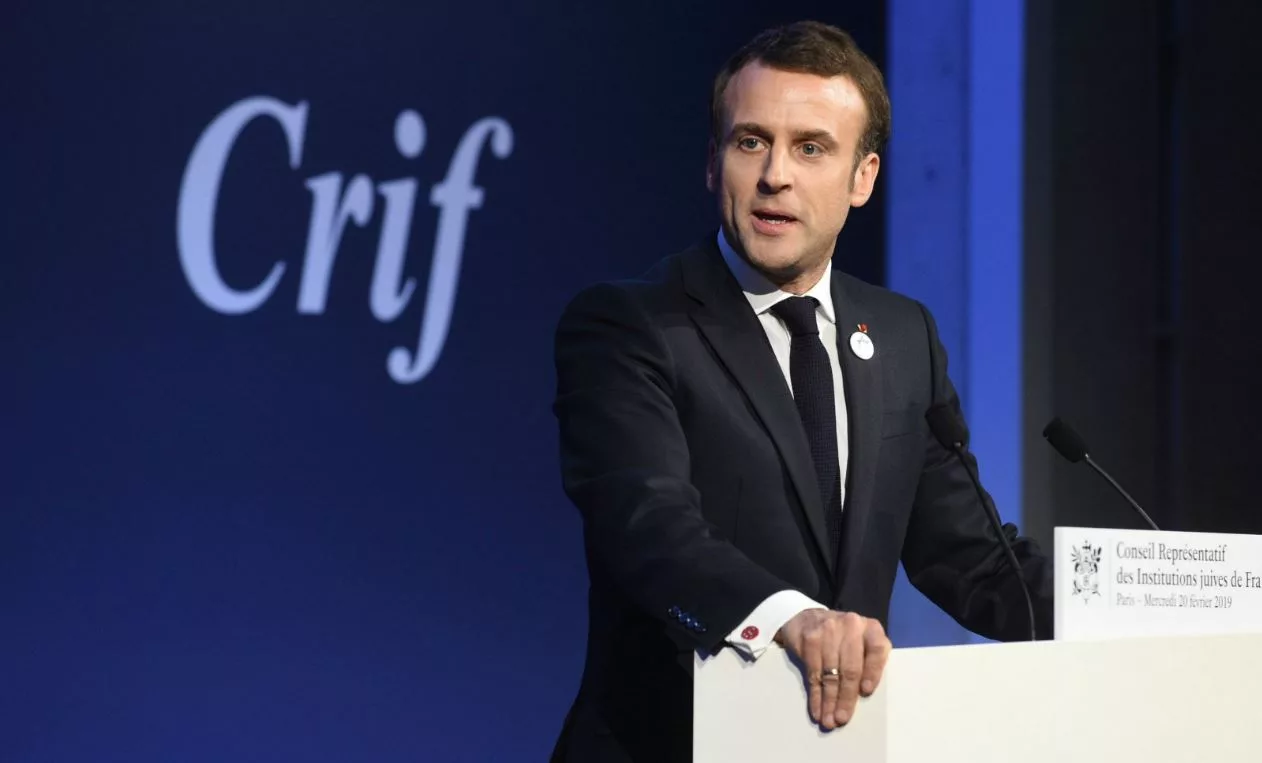
CRIF’s annual dinner is a prominent sociopolitical event attended by top French officials and CRIF leadership. It serves as a platform for announcing key political positions related to Israel, the Jewish community, and Franco-Israeli relations.

Over the years, the dinner has become one of France’s most significant venues of political influence—an event where the highest levels of executive power meet with pro-Israel lobby leaders. It has evolved into a set occasion for articulating official positions on Israel and for delivering sensitive political messages at home and abroad.

Notable political elites who have attended include current President Emmanuel Macron, former Prime Minister Jean Castex, and former President Nicolas Sarkozy who in 2008 became the first sitting president to attend, reaffirming his support for Israel and the Jewish diaspora.

Other high-profile attendees have included former Prime Ministers Alain Juppé and Lionel Jospin, alongside key figures from both the moderate right and left. The far-right and radical left are routinely excluded. International Jewish leaders such as European Jewish Congress President Moshe Kantor have also attended, representing the global Jewish community.

Position in the Political Landscape

CRIF’s relationship with French political parties has undergone notable shifts. From historic partnerships with the left and center, it has moved toward selective alliances with the center-right and right, while firmly rejecting the far right and radical left. The annual dinner serves as a platform to exert pressure, open dialogue channels, and send strategic messages to the government.

Over time, CRIF has cemented itself as a key player in French politics one of the most powerful voices capable of influencing decision-makers. It is increasingly seen as an actor in shaping French foreign policy, particularly on matters concerning Israel and the region.

CRIF makes no secret of its unwavering support for Israel and its outright rejection of what it deems anti-Israel positions. It seeks to strengthen Franco-Israeli relations and casts itself as a bulwark against antisemitism, a term it frequently applies to critiques that go beyond acceptable boundaries of Israeli or Zionist policy.

The council actively counters criticism of occupation or settlement policies with aggressive public statements and counter-campaigns. It opposes what it calls the “delegitimization of Israel” and views the Boycott, Divestment, and Sanctions (BDS) movement as a threat to Jewish life in France and a political incitement against Israel.

CRIF’s stance translates into direct confrontation with Jewish and leftist organizations that support Palestinian rights, making it a potent force within France’s Jewish community shielding Israeli interests and limiting pro-Palestinian activism.

To achieve its goals, CRIF deploys its media, financial, and political assets strategically, using both pressure and incentives. It punishes dissenters and rewards allies, ensuring it remains a central player in drawing the political and media lines that protect Israel’s narrative in France.

And What About the Gaza War?

The recent war in Gaza sparked intense debate within the French Jewish community over CRIF’s unreserved support for Israel. The council maintained its staunch position as the sole representative voice of French Jewry, despite mounting criticism over documented Israeli atrocities.

This monopolization of Jewish representation has drawn criticism from Jewish and non-Jewish voices alike, who argue that CRIF reflects only the perspective of a right-wing Zionist faction, thereby curtailing the community’s ability to express a diverse range of opinions on Israeli policy.

Download this article as PDF
Share this Article
Facebook Twitter Whatsapp Whatsapp Telegram Email Copy Link
عماد عنان
By عماد عنان كاتب صحفي وباحث في الإعلام الدولي
Follow:
Previous Article نون بوست “Green Rafah”: Israel’s Plan to Isolate Palestinians and Cement Its Hold on Gaza
Next Article نون بوست Syria’s Comeback: Lessons from Germany and Rwanda

Read More

  • U.S. Regime‑Change Policies: Why They Are Destined to Fail U.S. Regime‑Change Policies: Why They Are Destined to Fail
  • The Gulf’s Balancing Act: Iran, Israel, and Hidden Links
  • Iraq–Turkey Oil Export Treaty: Why Did Ankara Cancel It After 52 Years?
  • Syria’s Northeast on Edge: QSD Between Ankara and Damascus
  • Has Europe Changed Its Stance on Israel… or Just Its Language?
part of the design
NoonPost Weekly Newsletter

You May Also Like

U.S. Regime‑Change Policies: Why They Are Destined to Fail

U.S. Regime‑Change Policies: Why They Are Destined to Fail

إسراء سيد Esraa sayed 8 April ,2026
The Gulf’s Balancing Act: Iran, Israel, and Hidden Links

The Gulf’s Balancing Act: Iran, Israel, and Hidden Links

فريق التحرير Noon Post 8 April ,2026
Iraq–Turkey Oil Export Treaty: Why Did Ankara Cancel It After 52 Years?

Iraq–Turkey Oil Export Treaty: Why Did Ankara Cancel It After 52 Years?

فريق التحرير Noon Post 8 April ,2026

“وحشتونا”: رسالة المغردين العرب للمعتقلين

فريق التحرير
Noon Post Published 24 September ,2015
Share
screen_shot_2015-09-24_at_11

“وحشتونا” حملة يقوم بها الشباب الحقوقيين يذكروننا بالمعتقلين في السجون من جراء ظلم الطغاة والطغيان، إنهم رمز مقاومة الاستبداد رمز لظلم أنظمة باطشة قامعة، لن تسقطوا من الذاكرة في أي ذكرى، حين نتذكركم نتذكر كيف حول المستبدون الوطن إلى سجن كبير، إنهم يعتقلون الأحرار في سجون الفجار والعار، يعتقلون الوطن ويصادرون آماله ومستقبله، صمود المعتقلين يزلزلكم، فأنتم شرف الأمة وخمائر عزتها تحمل كلمة “لا” عنوان المقاومة، سيأتي اليوم الذى يقبع السجان داخل السجن، ويتحرر المعتقلون إلى رحابة وطن يستحقهم ويستحقونه عنوانه مكانة الوطن وكرامة المواطن “

بهذه الكلمات عبر الكاتب أستاذ العلوم السياسية الدكتور سيف الدين عبد الفتاح عن مشاعرة تجاه المعتقلين في هاشتاج #وحشتونا , والذي دشنه النشطاء في العالم العربي للتذكير بقضية المعتقلين لا سيما ليلة عيد الفطر المبارك ليوصلوا لهم رسالة تؤكد لهم بأننهم لازالوا في ذاكرة الوطن مهما حاول المستبد إخفاؤهم خلف القضبان الحديدة .

السعودية:
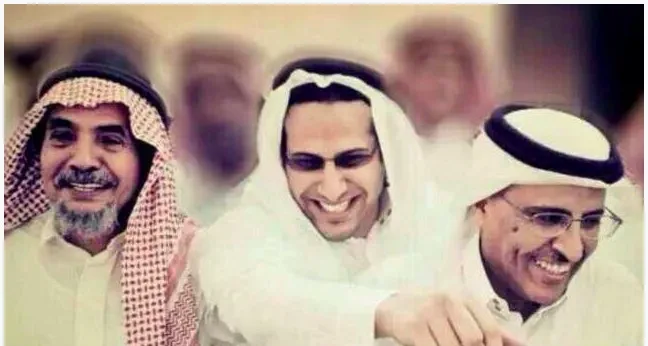
النشطاء السعوديون طالبوا بدورهم بالإفراج عن اعضاء جمعية حسم  وحسم هي جمعية حقوق إنسان غير حكومية أسسها أحد عشر ناشطًا حقوقيًا وأكاديميًا، في 12 اكتوبر 2009 وتم حلها في 9 مارس 2013 بعد أن تم سجن ثمانية عضوًا رئيسًا فيها بأحكام تتراوح بين أربع سنوات إلى 11 سنة، من بينهم سليمان الرشودي البالغ من العمر (80 عامًا) وعبد الله الحامد (63 عامًا)، وعمر السعيد (23) في حين الثلاثة المتبقين هم في انتظار المحاكمة.

حسم عملت طوال سنوات رغم تعرضها لمضايقات شديدة من أجل المطالبة بإصلاحات ديمقراطية، فبعد سيول جدة في ٢٠٠٩ وعقب إنشاء الجمعية بقرابة الشهرين، نشرت الجمعية بيانًا في 10 ديسمبر 2009 لامت فيه ما أسمته “الفساد السياسي” ودعت في خطاب مفتوح  للملك عبد الله بن عبد العزيز إلى تشكيل برلمان منتخب بصلاحيات لمساءلة المسؤولين.

وكانت منظمة العفو الدولية أصدرت تقريرًا مطولًا  بعنوان: “السعودية: كيف تسكت المملكة الناشطين في مجال حقوق الإنسان؟”، ويركز في معظمه على القضايا المرفوعة ضد 11 من أعضاء الجمعية السعودية للحقوق المدنية والسياسية (حسم)، وهي منظمة مستقلة غير مرخصة رسميًا تُعنى بحقوق الإنسان

هذا، وذكرت المنظمة الدولية أن “السلطات السعودية استهدفت الأعضاء المؤسسين لجمعية (حسم) واحدًا تلو الآخر، وذلك في معرض جهود تبذلها دون هوادة لتفكيك الجمعية وإسكات أصوات أعضائها ضمن حملة قمع كبيرة االنطاق تطال النشاط المستقل وحرية التعبير عن الرأي منذ العام 2011. وتتضمن قائمة المستهدفين الناشطيْن البارزيْن د. عبد الله الحامد ود. محمد القحطاني”.

كما طالب النشطاء بالإفراج عن وليد ابو الخير الذي يقضي حكما بالسجن لمدة 15 سنة مع النفاذ، بعد أن كان الحكم السابق 15 سنة منها خمس سنين مع وقف التنفيذ، لكن المحكمة أزالت وقف التنفيذ وأمرت باتمام المحكومية كلها طالما أن وليد أباالخير لم يعتذر أو يتراجع”،  يشار إلى أن وليد “لم يعترف بشرعية المحكمة”. ويعد أبو الخير المرشح لنيل جائزة نوبل للسلام  أول ناشط حقوقي يحاكم بموجب قانون الإرهاب  .

الكويت:
وفي الكويت يقضى النائب السابق مسلم المبراك حكما بالسجن لمدة عامين وذلك بسبب خطاب “لن نسمح لك ”  كما تم إعتقال الصحفي عياد الحربي والحكم عليه بسبب “رتويت ” لقصيدة للشاعر أحمد مطر .

الإمارات:
وفي الإمارات يقبع الكثير من النشطاء والإسلاميين خلف القضبان كان أخرهم الأكاديمي ناصر الغيث بسبب إنتقاده بناء معبد هندوسي , وطالبت منظمة العفو الدولية بالافراج عنه والتصريح عن مكان إعتقاله .

البحرين:
أما البحرين وبحسب منظمة “إندكس سنسورشب” الدولية المعنية بحرية التعبير، إنّ البحرين من ضمن 10 دول في العالم تعتقل الناس بسبب مشاركتهم في وسائل التواصل الاجتماعي، وتصدّرت البحرين قائمة الدول التي تلاحق وتعتقل نشطاء الإنترنت.

مصر:
وفي الإشارة إلى مصر فمنذ الانقلاب العسكري في يوليو/تموز 2013 يقبع آلاف المعتقلين في السجون المصرية، في أوضاع تصفها المنظمات الحقوقية بـ”الصعبة للغاية وغير الإنسانية”، وهو ما أدى إلى وفاة المئات منهم نتيجة التعذيب أو الإهمال الطبي

تفاعل المغردين 

رئيس الإتحاد العالمي لعلماء المسلمين الشيخ يوسف القرضاوي ، علق بالقول :

ندعو الله بالفرج أن يفرج عن إخواننا المسلمين في مصر وسوريا والعراق واليمن وفي كل مكان يضطهدون فيه، وأن يعجل بفك أسر جميع المعتقلين #وحشتونا

— يوسف القرضاوي (@alqaradawy) September 23, 2015

الأستاذ حمزة كشك يشير إلى معتقلي جمعية حسم ، ويقول :

رؤية الغامدي تؤكد أنهم برغم التضييق الذي تعرضوا له ، لم يزالوا في ذاكرة الوطن :

إلى من ضُيّقت عليهم فضاءات الحرية ومساحات الإختلاف كل عام وأنتم بخير أنتم في ذاكرة الوطن #وحشتونا

— رؤى (@2q_lh) September 23, 2015

“لا تيأسوا فعمر المستبد ساعة ” يقول عبد العزيز العودة ويضيف :

أيها القابعون في السجن ظلماً سلام الله عليكم ..لاتيأسوا واعلموا ان عمر المستبد ساعة وعمر الاحرار الى قيام الساعة

#وحشتونا

— عبدالعزيز العودة (@Az_Aloudah) September 23, 2015

وعن الدكتور عبد الله الحامد أحد مؤسسي جمعية حسم يقول المحامي عبد العزيز الحصان :

أبو بلال الحامد رجل شامخ لثلاثين عام لم ينحني للاستبداد عندما تخل الجميع عنه

#وحشتونا

— عبدالعزيز الحصان (@AHussan) September 23, 2015

ويؤكد بالقول :

التاريخ لكم والمستقبل لكم ..

#وحشتونا

— عبدالعزيز الحصان (@AHussan) September 23, 2015

الناشط هيثم غنيم يشير إلى رفاقه القابعين خلف قضبان حكومة الإنقلاب ، ويقول ؛

لصحابنا المعتقلين عمرو ومحمد وعمار من مصر ومصعب من الإمارات واخوتنا في كل الوطن العربي، كل سنة وأنتوا طيبين#وحشتونا pic.twitter.com/dA2nYu94pP

— هيثم غنيم (@HaithamGhoniem) September 23, 2015

“لن ننسى تلك التضحيات” يؤكد سعيد موسى على ذلك ، بالقول :

في حين يتساءل المغرد (كشري ) ، كيف يفرح بالعيد من كانت الأحزان تغمر قلبه على فراق الأحبة :

ما العيدُ إن كانت الأحزان تغمرنا؟!
العيدُ أن يغمر الفرح الفؤاد، العيد لُقيا من نحب فإن همُ
رحلوا فوا أسفاً على الأعيـادِ..#وحشتونا 🙂

— كشري (@ahmadshk_) September 23, 2015

نهى البلوي تشيد بمواقف سجناء الرأي والثمن الذي دفعوه من أجل نزع الحق والمطالبة بالحرية والكرامة :

ألاء سعد تؤكد أن الحكومات تخشي هؤلا النشطاء ، لذلك تزج بهم في السجون :

انتم جووواه عشان ابطال….عشان اقوياء
عشان النظام خااايف منكم
لانهم عارفين ان تحرير البلد دي هيكون ع ايدكم
ف اعتقالكم خوفاً منكم#وحشتونا

— الاء ســـــــعد (@Ala2sa3d) September 23, 2015


وختم سيف الدين عبد الفتاح مقالته بهذه المناسبة بالقول :” إن الوحشة التي تغمرنا تجاه أسرانا ليست فقط حالة نفسية ووجدانية، بل هي أيضا حالة سياسية واجتماعية حين تقفر الديار من عمارها وأحبابها، وتخلو البلاد من أبرارها وأركانها.. إنها الوحشة للبناء والتجديد والحياة.. إنها بحق تصدع.. وحشتونا يا صناع الحياة.. ولهذا أقول لكم: ليست تلك برسالة أسى وشجن، إنما رسالة تجديد عهد وأمل، عما قريبا تعودون للديار وتزدان بكم البلاد وتتجدد الأوطان، وتنبعث طاقة الأمة ومسيرتها.. أيها الأحرار في السجون والمعتقلات الذين “وحشتونا”.. بإذن الله تعالى لن تطول المحنة حتى تعود منحة ونلتقي قريبا في رحاب الحرية والعدل والكرامة”


TAGGED: أمن السعودية ، الإصلاح في الإمارات ، الإصلاح في الكويت ، الانقلاب العسكري في مصر ، الديمقراطية في البحرين
TAGGED: المعتقلون
Download this article as PDF
Share this Article
Facebook Twitter Whatsapp Whatsapp Telegram Email Copy Link
فريق التحرير
By فريق التحرير تقارير يعدها فريق تحرير نون بوست.
Follow:
Next Article نون بوست The Stigma of “ISIS”: A Heavy Legacy Haunting Women and Children of Former Members

Read More

  • U.S. Regime‑Change Policies: Why They Are Destined to Fail U.S. Regime‑Change Policies: Why They Are Destined to Fail
  • The Gulf’s Balancing Act: Iran, Israel, and Hidden Links
  • Iraq–Turkey Oil Export Treaty: Why Did Ankara Cancel It After 52 Years?
  • Syria’s Northeast on Edge: QSD Between Ankara and Damascus
  • Has Europe Changed Its Stance on Israel… or Just Its Language?
part of the design
NoonPost Weekly Newsletter
dark

An independent media platform founded in 2013, rooted in slow journalism, producing in-depth reports, analysis, and multimedia content to offer deeper perspectives on the news, led by a diverse young team from several Arab countries.

  • Politics
  • Society
  • Rights & Liberties
  • Opinions
  • History
  • Sports
  • Education
  • Technology
  • Economy
  • Media
  • Arts & Literature
  • Entrepreneurship
  • Travel
  • Cinema & Drama
  • Food
  • Health
  • Culture
  • Latest Reports
  • Files
  • Long Reads
  • Interviews
  • Podcast
  • Interactive
  • Encyclopedia
  • In Pictures
  • About Us
  • Our Writers
  • Write for Us
  • Editorial Policy
  • Advanced Search
Some rights reserved under a Creative Commons license

Removed from favorites

Undo
Go to mobile version