

NoonPost NoonPost

NoonPost

  • Home
  • Politics
  • Economy
  • Society
  • Culture
  • Files
  • Long Reads
  • Podcast
AR
Notification Show More
نون بوست
“There Are Nights I Can’t Close My Eyes”: How Gazans Are Living in Homes on the Brink of Collapse
نون بوست
From al-Jolani to Ahmad al-Shara: The Evolution of Syria’s New Leader
نون بوست
When Political Islam Receded in Egypt: Who Filled the Void?
نون بوست
An Extension of Genocide: Gaza’s Detainees Speak Out
نون بوست
A Tightrope Between Survival and Sovereignty: The Syrian Government Faces Normalization Pressures
نون بوست
American Aircraft Carriers: Has the Era of “100,000 Tons of Diplomacy” Ended?
نون بوست
U.S. Regime‑Change Policies: Why They Are Destined to Fail
نون بوست
Transformations of Israeli Judaism: Between the Victim Complex and the Colonizer’s Doctrine
نون بوست
The Gulf’s Balancing Act: Iran, Israel, and Hidden Links
نون بوست
Iraq–Turkey Oil Export Treaty: Why Did Ankara Cancel It After 52 Years?
نون بوست
Syria’s Northeast on Edge: QSD Between Ankara and Damascus
نون بوست
Has Europe Changed Its Stance on Israel… or Just Its Language?
NoonPost NoonPost
AR
Notification Show More
نون بوست
“There Are Nights I Can’t Close My Eyes”: How Gazans Are Living in Homes on the Brink of Collapse
نون بوست
From al-Jolani to Ahmad al-Shara: The Evolution of Syria’s New Leader
نون بوست
When Political Islam Receded in Egypt: Who Filled the Void?
نون بوست
An Extension of Genocide: Gaza’s Detainees Speak Out
نون بوست
A Tightrope Between Survival and Sovereignty: The Syrian Government Faces Normalization Pressures
نون بوست
American Aircraft Carriers: Has the Era of “100,000 Tons of Diplomacy” Ended?
نون بوست
U.S. Regime‑Change Policies: Why They Are Destined to Fail
نون بوست
Transformations of Israeli Judaism: Between the Victim Complex and the Colonizer’s Doctrine
نون بوست
The Gulf’s Balancing Act: Iran, Israel, and Hidden Links
نون بوست
Iraq–Turkey Oil Export Treaty: Why Did Ankara Cancel It After 52 Years?
نون بوست
Syria’s Northeast on Edge: QSD Between Ankara and Damascus
نون بوست
Has Europe Changed Its Stance on Israel… or Just Its Language?
Follow US

“Iraq’s ‘Development Road’: A Gateway Out of Oil Dependency and Foreign Interference”

فريق التحرير
Noon Post Published 26 March ,2026
Share
نون بوست
نون بوست

In April 2010, former Iraqi Prime Minister Nouri al-Maliki laid the foundation stone for the Grand Faw Port project. It was envisioned as a regional trade hub that would rival the most prominent ports in the Middle East and transform Iraq into a key destination for global trade and transport.

Iraqi officials hoped the new port would shorten trade routes linking Iraq with the Red Sea and the Mediterranean, establishing the country as a pivotal player in global commerce. However, ten years on, only the breakwaters have been completed albeit record-setting ones that entered the Guinness World Records as the longest in the world.

Despite repeated government failures to complete the project, Iraq has not let go of its dream of becoming a transit hub for global goods, stretching from its southern tip to the north. Today, that ambition is being revived under a new initiative dubbed the “Development Road” with the Grand Faw Port at its core.

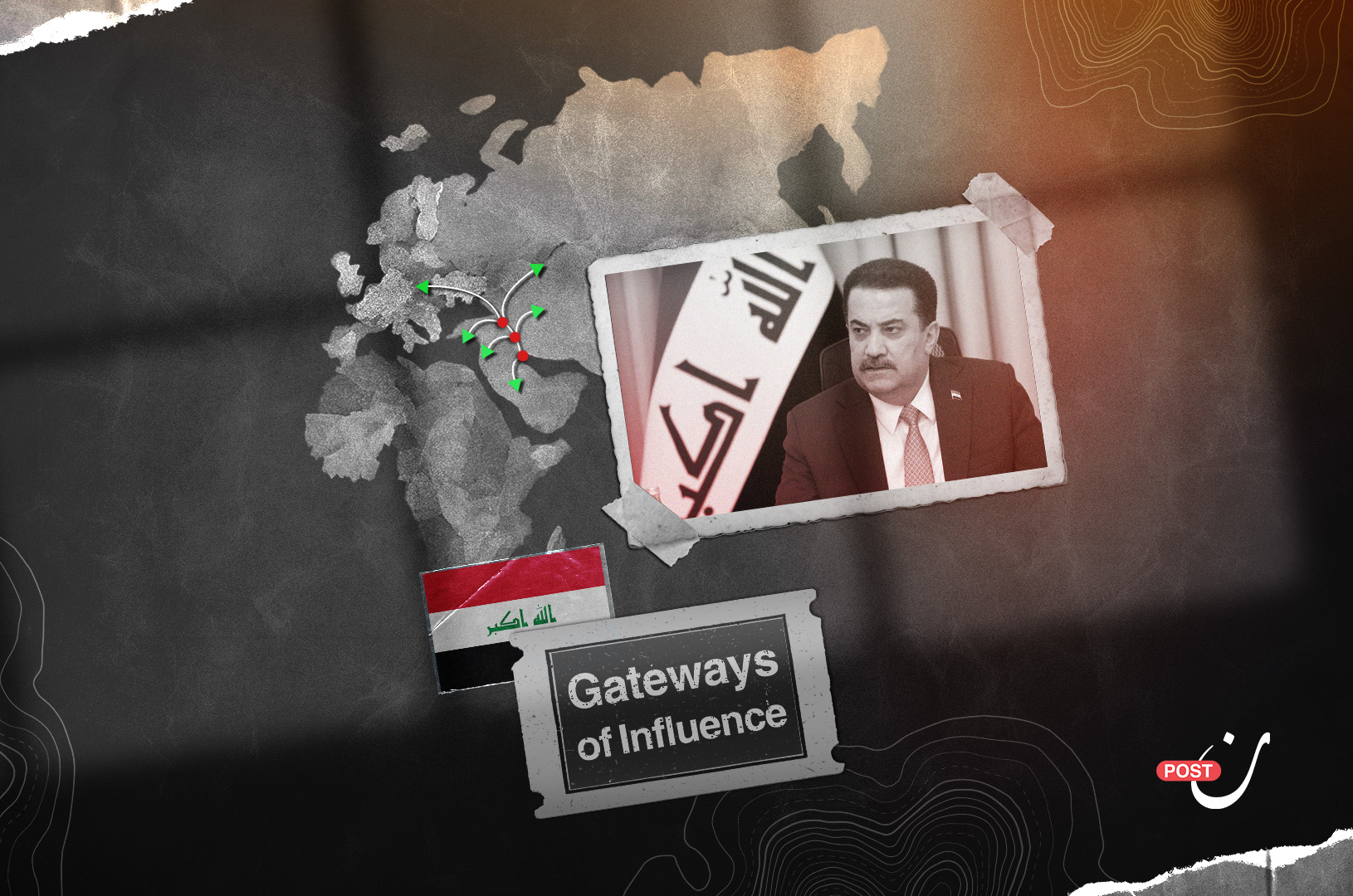
This report, part of our “Gateways of Influence” series, explores Iraq’s vision for the Development Road project, its strategic objectives, the countries supporting or resisting it, and the obstacles it may face.

A Historic Crossroads of Trade

To understand the significance of this endeavor, it’s essential to revisit Iraq’s historical role in ancient trade networks. Mesopotamia was long a central artery in the commercial lifelines of the ancient Near East, situated at the crossroads of overland trade routes connecting the northeast with the southwest.

Its geographic location positioned it as a major conduit for trade between Anatolia and the Mediterranean on one side and central and southern Arabia on the other. Trade caravans traversed routes linking the Mediterranean to the Arabian Gulf, the Arabian Sea, and eastward to India.

The civilizations that rose and fell in Iraq built thriving trade centers and maintained extensive networks that reached as far west as the Mediterranean and Asia Minor. Caravans carried gold, silver, gemstones, copper, timber, dates, citrus fruits, and other commodities, with rulers ensuring their protection making Mesopotamia a vibrant hub that interacted with neighboring centers of civilization.

Because trade was the lifeblood of early civilizations, Iraq’s historical position enabled it to leave a deep imprint on the region’s development. This centrality helped shape the trajectory of civilizations and contributed significantly to the rise of the ancient world.

The Development Road

In recent years, Iraq has expressed a strong desire to reassert itself on the geopolitical stage through trade corridors. Successive governments have seen the construction of a new port as the cornerstone of these strategic ambitions.

In 2010, al-Maliki’s government pledged to build a port in the southern city of Al-Faw, on the shores of the Arabian Gulf, within four to five years at an estimated cost of $4.6 billion. The government expected to recoup that investment within three to four years of the port’s launch, with a consortium led by an Italian firm awarded the construction contract.

The port was planned for the confluence of the Tigris and Euphrates rivers, covering an area of 54 square kilometers and hosting up to 90 berths. Its breakwater — at 14.5 kilometers would be the world’s longest, designed to protect incoming vessels from turbulent seas.

Yet the project stalled for over a decade due to a range of domestic and international challenges. Now revived, the port is being integrated into a more expansive initiative: the Development Road, also known locally as the “Dry Canal.”

In April of this year, Iraqi Prime Minister Mohammed Shia’ al-Sudani and Turkish President Recep Tayyip Erdoğan signed a four-party memorandum of understanding, joined by the UAE and Qatar, to cooperate on the Development Road project starting with the completion of the Grand Faw Port.

The initiative includes a 1,200-kilometer high-speed rail network running through Iraq, capable of transporting cargo and passengers at speeds of up to 300 km/h a dramatic improvement over the current average of 60–70 km/h.

In addition to railways, the plan features the construction of express highways that traverse ten Iraqi provinces, including Diwaniyah, Najaf, Karbala, Baghdad, and Mosul. Pipelines for oil and gas will run from southern Iraq to the Turkish border at Fishkhabur, enabling goods from China and other Asian nations to reach Europe efficiently.

The estimated cost of the project is $17 billion, to be implemented in three phases: the first by 2028, the second by 2033, and the final by 2050. The Development Road will link the Grand Faw Port to Turkey and eventually to Europe.

The plan also envisions the creation of new industrial and residential cities along the corridor and the renovation of Iraq’s aging infrastructure. The first phase has been contracted to South Korea’s Daewoo Engineering & Construction.

A key feature will be one of the world’s largest undersea tunnels, leading to Iraq’s southern coast near the Kuwaiti border. By February, Iraq had completed 60% of the tunnel, which will stretch 2,444 meters under Khor al-Zubair, with an 18-meter clearance to allow maritime traffic.

It is designed to handle heavy truckloads and massive container traffic from Basra to Jordan and Turkey.

On the Turkish side, the project includes 615 kilometers of new rail lines and 320 kilometers of highways, integrated into the country’s existing networks at a cost of around $8 billion greatly facilitating trade from Iraq and the Gulf to Europe.

By the end of phase one, the railway’s freight capacity is expected to reach 3.5 million containers and 22 million tons annually, increasing to 7.5 million containers and 33 million tons in a decade, and eventually 40 million tons by 2050.

Economic Aspirations and Political Leverage

Iraq is aiming to capitalize on its strategic geography and multiple border crossings to open an alternative, secure, and rapid global trade route one that could transform the country into a regional trade nexus, provided security challenges are overcome.

If realized, the Development Road will not only link Iraq and Turkey, but also bolster intra-regional trade and facilitate commerce between Asia and Europe. It could cut shipping time between Shanghai and Rotterdam from 33 days to just 15.

This would give a significant boost to Iraq’s economy, spurring growth, creating jobs, and increasing production. Prime Minister al-Sudani sees the corridor as a gateway to stronger integration into global markets.

The project aligns with Iraq’s strategic objective of economic diversification. With 93% of government revenue still coming from hydrocarbons, the country is seeking ways to reduce its oil dependence and the Development Road offers a promising start.

More than just an economic undertaking, this initiative could shift Iraq’s political dynamics. If successful, the corridor could contribute to national stability, enhance Baghdad’s regional standing, and restore Iraq’s historic role as a bridge between East and West.

Regional Stakeholders

Turkey views the Development Road as a modern Silk Road one that would bolster its own economic, geopolitical, and military clout. Turkish leaders have offered full support for the initiative, with President Erdoğan calling it “vital for the region,” especially for Iraq and Turkey.

The project has also attracted support from Qatar and the UAE, both of which have moved beyond oil dependency and diversified their economies unlike Saudi Arabia, which remains heavily reliant on oil.

Iraq is currently courting Riyadh to join the Development Road, arguing that it complements rather than competes with Saudi development plans. All signs suggest the kingdom may eventually come onboard.

Iran, too, supports the project, even if it hasn’t officially joined. Tehran sees the corridor as a potential way to bypass Western sanctions, shore up its faltering economy, and offset declining reliance on China’s southern Belt and Road route.

If fully realized, the Development Road could mitigate long-standing regional rivalries, foster economic cooperation, and contribute to broader regional and global stability.

Major Challenges Ahead

Nonetheless, Iraq faces considerable hurdles. Chief among them is financing: the government has yet to clarify how the project will be funded. Given Iraq’s fragile economy, Baghdad may need to rely on private sector partnerships or external loans.

Legal inconsistencies, corruption, and bureaucratic inefficiencies remain serious barriers. These issues have long deterred foreign investment evidenced by Iraq’s failure to complete the Faw Port 14 years after construction began.

Political instability and security concerns are also pressing. Although Iraq has experienced a relative calm recently, the situation remains fragile. The proliferation of armed militias and terrorist groups over the past two decades makes the environment volatile.

Some political factions and figures, often aligned with foreign interests, may actively work to sabotage the project to protect their own agendas.

If Iraq can overcome these challenges, the Development Road could become a linchpin in global logistics, reviving the country’s historical status and creating economic ripples across the region.

Download this article as PDF
Share this Article
Facebook Twitter Whatsapp Whatsapp Telegram Email Copy Link
فريق التحرير
By فريق التحرير تقارير يعدها فريق تحرير نون بوست.
Follow:
Previous Article نون بوست How Netanyahu Is Turning His Crisis into an Electoral Opportunity
Next Article نون بوست J.D. Vance: The Face of New Populism and a Potential Heir to Trumpism

Read More

  • U.S. Regime‑Change Policies: Why They Are Destined to Fail U.S. Regime‑Change Policies: Why They Are Destined to Fail
  • The Gulf’s Balancing Act: Iran, Israel, and Hidden Links
  • Iraq–Turkey Oil Export Treaty: Why Did Ankara Cancel It After 52 Years?
  • Syria’s Northeast on Edge: QSD Between Ankara and Damascus
  • Has Europe Changed Its Stance on Israel… or Just Its Language?
part of the design
NoonPost Weekly Newsletter

You May Also Like

U.S. Regime‑Change Policies: Why They Are Destined to Fail

U.S. Regime‑Change Policies: Why They Are Destined to Fail

إسراء سيد Esraa sayed 8 April ,2026
The Gulf’s Balancing Act: Iran, Israel, and Hidden Links

The Gulf’s Balancing Act: Iran, Israel, and Hidden Links

فريق التحرير Noon Post 8 April ,2026
Iraq–Turkey Oil Export Treaty: Why Did Ankara Cancel It After 52 Years?

Iraq–Turkey Oil Export Treaty: Why Did Ankara Cancel It After 52 Years?

فريق التحرير Noon Post 8 April ,2026

السعودية وأمريكا وراء صفقة حاملتي الطائرات الفرنسية لمصر

stratfor
stratfor Published 28 September ,2015
Share
BN-KA263_mistra_J_20150826111644

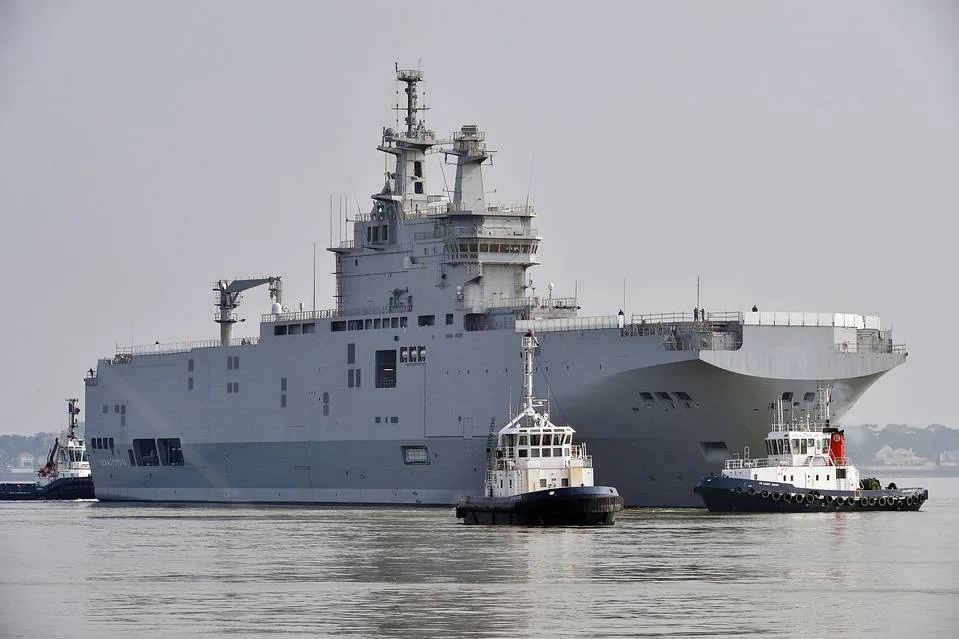
قالت صحف فرنسية ومراكز أبحاث أمريكية أن السعودية والولايات المتحدة يقفان وراء دعم وتوفير نفقات صفقة حاملات الطائرات الفرنسية لمصر، التي تتضمن حاملتي ميسترال كانتا مخصصتين لروسيا، ولكن رفضت فرنسا بضغوط أمريكية بيعها لروسيا وتم تنسيق بيعها لمصر.

وتحدث  تقرير لمؤسسة “ستراتفور” البحثية الأمريكية صدر في 24 سبتمبر الجاري حول ما أسماه “الدور الامريكي في صفقة الميسترال بين مصر وفرنسا”، وقال التقرير إن موافقة فرنسا على بيع حاملتي طائرات الهليكوبتر ميسترال إلى مصر، جاء بناء على تحركات أمريكية ودعم مالي سعودي ولم يأت مدفوعا بنية فرنسية مصرية بقدر ما كان نتيجة ثانوية لتحركات أمريكية على الساحة العالمية.

وكان المغرد السعودي الشهير “مجتهد”، قال إن السعودية والإمارات سوف تتكفلان بتمويل شراء مصر لحاملتي طائرات الهليكوبتر (ميسترال) من فرنسا.

كما ذكرت صحيفة “إكسبريس” الأربعاء 23 سبتمبر/أيلول أن السعودية ستساعد مصر في شراء حاملتي الطائرات المروحية، ونقلت عن ما وصفته بأنه “مصدر مطلع” في الحكومة الفرنسية تأكيده أن المساعدة السعودية “ستكون كبيرة”، بعدما دعمت السعودية والإمارات في وقت سابق شراء مصر معدات عسكري فرنسية، شملت مقاتلات رافال في فبراير/شباط الماضي.

وقالت “ستراتفور” أن ثلاثة تحركات أمريكية – غير مقصودة – دفعت بـ”الميسترال” إلى أيدي مصر. كان أولها قيام الولايات المتحدة وأوروبا بالضغط على فرنسا لترفض بيع الحاملتين إلى روسيا، التي طلبت تصنيعهما، بسبب الدور الروسي في الأزمة الأوكرانية، ضمن المحاولات الأمريكية للتأثير في أوروبا الشرقية والدول السوفيتية سابقا.

أما ثاني هذه التحركات فكان تحركا غير مباشر بعد انقلاب الجيش المصري علي الربيع العربي وإعادة تأكيد نفوذه بالطريقة السلطوية التقليدية، حيث اضطرت الولايات المتحدة إلى إبداء نوع من العقاب رغم أن مصر حليف قديم، واختارت قطع مساعدتها العسكرية البالغة نحو مليار دولار سنويا. ورغم أن القرار لم يكن معطلا بصورة جوهرية لعلاقات القاهرة وواشنطن إلا أنه غير رؤية مصر للاعتماد على الولايات المتحدة كمورد عسكري وحيد، ومنذ ذلك الحين تبحث مصر عن سبل لتنويع مصادرها من موردي السلاح، وهنا جاء الدور الأمريكي في توجه مصر لفرنسا.

ويتمثل التحرك الثالث فجاء على خلفية الاتفاق النووي الإيراني، بما يشبه “زواج مصلحة” بين (مصر) التي تريد شراء أسلحة والتنويع فيها ولكنها تفتقر للموارد المالية، وبين (السعودية) التي سعت بعد الاتفاق النووي الإيراني للحفاظ على ميزان القوى في الشرق الأوسط بإقامة تحالفات أمنية عربية في المنطقة تخدم المصالح السعودية بما في ذلك تشكيل قوة عربية مشتركة، بحيث تمثل مصر حجر الزاوية في تلك القوة المقترحة.

وقد أدت تلك التحركات الأمريكية، بحسب “ستراتفور”، في نهاية الأمر إلى إتمام الصفقة، “فمصر تريد شراء معدات من طرف غير الولايات المتحدة لكن لا يمكنها تحمل ذلك، والسعودية تريد إعادة التوازن للشرق الأوسط من خلال تحالف خارج المظلة الأمنية الأمريكية، وتوجد سفينتان يمكن الحصول عليهما من طرف خارجي يمكنهما المساعدة في ربط كافة المصالح معا”.

الدعم الخليجي لصفقة السفن الحربية

وفي ثاني صفقة كبيرة لشراء سلاح مع فرنسا هذا العام، أعلن موقع اﻹليزيه الرئاسي الفرنسي الأربعاء الماضي عن شراء مصر لسفينتين حربيتين من فرنسا، تعملان كحاملات لطائرات هليكوبتر الميسترال كانتا مخصصتين للبيع لروسيا، ويبلغ ثمن الصفقة 950 مليون يورو.

وقد أكدت صحيفة “اﻷخبار” المصرية أن السعودية تدعم مصر في الاستحواذ على السفن الحربية، وأخبر دبلوماسي فرنسي صحيفة “لوموند” الفرنسية أن السعودية مستعدة لفعل أي شيء للحصول على السفن الميسترال، كجزء من رغبة الملك “سلمان” ملك السعودية في دعم وجود عسكري بحري إقليمي قوي في كل من البحر اﻷحمر والبحر اﻷبيض المتوسط.

ويقول خبراء عسكريون فرنسيون ومصريون أن حاملتي الطائرات سوف توضعان في البحر المتوسط والأحمر لحماية الحدود المصرية اللبيبة في ظل المخاوف من تدفق مسلحي تنظيم “الدولة الإسلامية” عبر الحدود، وكذا في البحر قبالة مدينة رفح ضمن السعي لمواجهة التنظيم أيضا في سيناء.

وقال الفريق أول بحري “آلان كولدفي” مدير مجلة (ديفينس ناسيونال) المعنية بالشؤون العسكرية لصحيفة “ليبراسيون” لفرنسية أن حاملتي طائرات الميسترال، والتي استخدمتها فرنسا أثناء تدخلها في ليبيا في 2011، ستستخدم لحماية منطقة الحدود بين مصر وليبيا، حيث شهدت المنطقة نشاطًا مسلحا مؤخرًا، بعد إعلان مصر عن عمليات عسكرية لتطهير الصحراء الغربية من مجموعات إرهابية.

وتعد صفقة بيع الميسترال هي ثاني أكبر صفقة سلاح بين مصر وفرنسا ففي وقت سابق هذا العام، قامت مصر بشراء 24 طائرة رافال حربية، في صفقة تهدف إلى زيادة اﻷمن والمساهمة في استقرار المنطقة، وفقًا لما نقله موقع قصر اﻹليزية.

المصدر: ستراتفور – عرض: الخليج الجديد

TAGGED: الانقلاب العسكري في مصر ، السلاح ، العلاقات المصرية الفرنسية ، تجارة السلاح
TAGGED: انقلاب مصر
Download this article as PDF
Share this Article
Facebook Twitter Whatsapp Whatsapp Telegram Email Copy Link
stratfor
By stratfor مركز ستراتفور الاستخباراتي
Follow:
Next Article نون بوست The Stigma of “ISIS”: A Heavy Legacy Haunting Women and Children of Former Members

Read More

  • U.S. Regime‑Change Policies: Why They Are Destined to Fail U.S. Regime‑Change Policies: Why They Are Destined to Fail
  • The Gulf’s Balancing Act: Iran, Israel, and Hidden Links
  • Iraq–Turkey Oil Export Treaty: Why Did Ankara Cancel It After 52 Years?
  • Syria’s Northeast on Edge: QSD Between Ankara and Damascus
  • Has Europe Changed Its Stance on Israel… or Just Its Language?
part of the design
NoonPost Weekly Newsletter
dark

An independent media platform founded in 2013, rooted in slow journalism, producing in-depth reports, analysis, and multimedia content to offer deeper perspectives on the news, led by a diverse young team from several Arab countries.

  • Politics
  • Society
  • Rights & Liberties
  • Opinions
  • History
  • Sports
  • Education
  • Technology
  • Economy
  • Media
  • Arts & Literature
  • Entrepreneurship
  • Travel
  • Cinema & Drama
  • Food
  • Health
  • Culture
  • Latest Reports
  • Files
  • Long Reads
  • Interviews
  • Podcast
  • Interactive
  • Encyclopedia
  • In Pictures
  • About Us
  • Our Writers
  • Write for Us
  • Editorial Policy
  • Advanced Search
Some rights reserved under a Creative Commons license

Removed from favorites

Undo
Go to mobile version